



Receive for Free - Discover & Explore eNewsletter monthly with advance notice of special offers, packages, and insider savings from 10% - 30% off Best Available Rates at selected hotels. 
Ski & Mountains
Several hotels in Historic Hotels Worldwide reside within communities that feature some of the most iconic ski slopes on the planet. Enjoy the fresh mountain air and breathtaking scenery at any one of these thrilling locations.
Ski & Mountains
Your search returned 39 results.
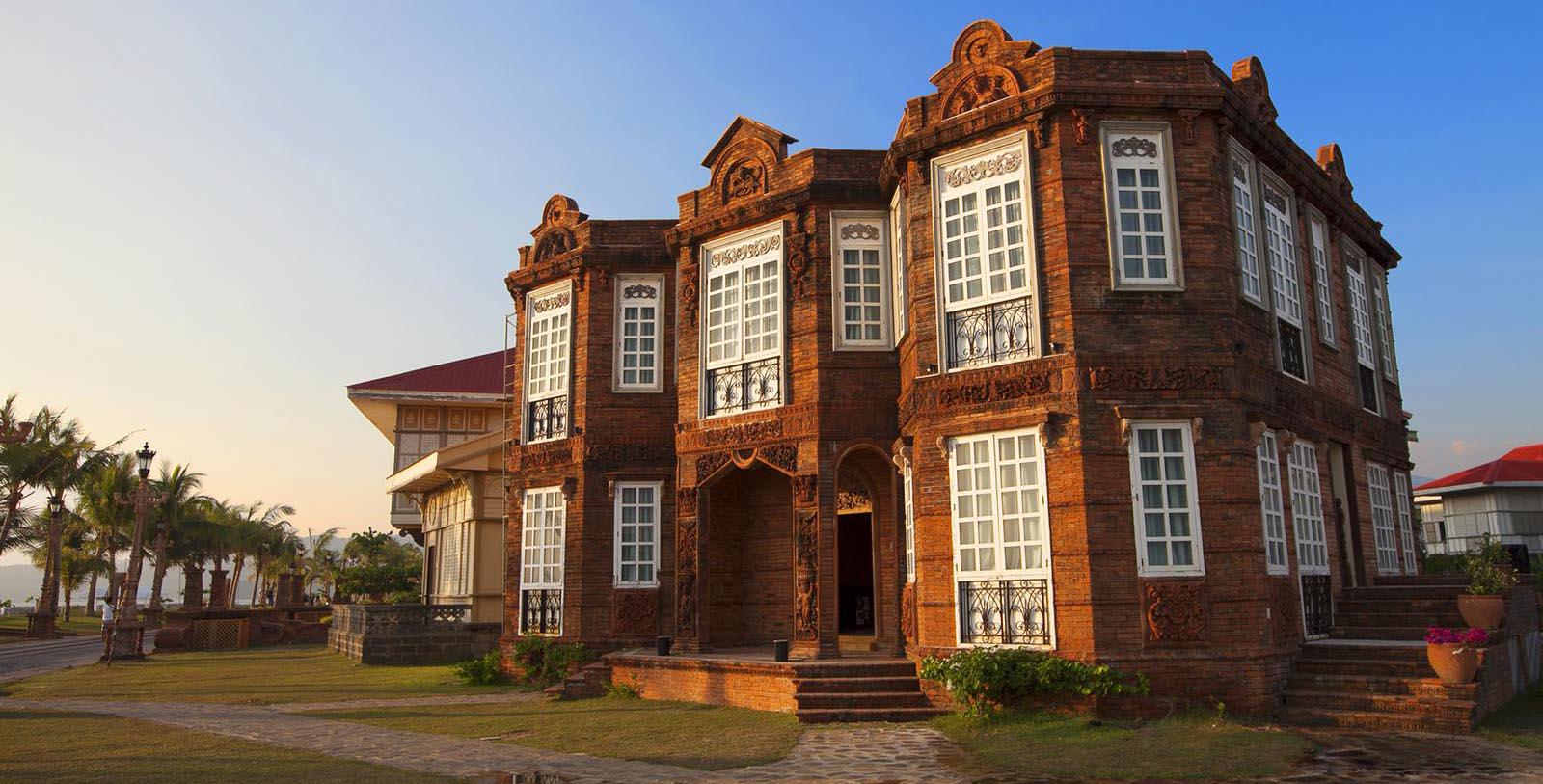
Las Casas Filipinas de Acuzar
Bagac, Philippines
Las Casas Filipinas de Acuzar is a 100-acre beach and mountainside heritage-inspired property. Home to almost forty original Spanish-Filipino colonial structures, the property showcases the vision of Jose Acuzar who collects, transplants, and restores built heritage.
Antica Dimora Suites
Crete, Greece
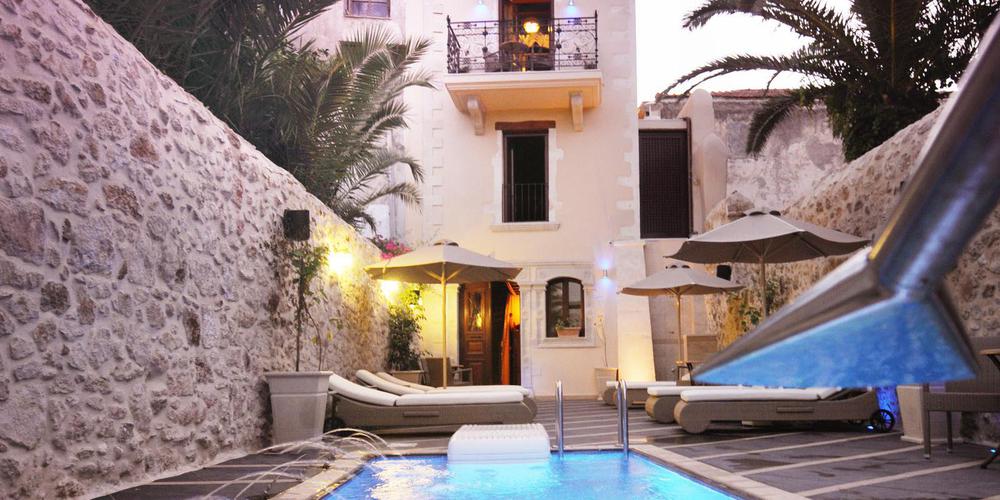
Originally built in the early 19th century, Antica Dimora Suites is a beautifully-restored destination situated on the picturesque Greek island of Crete. Boasting architectural integrity and historic charm, the hotel is located in the heart of old town Rethymno, near exciting cultural sights, refined Mediterranean dining, and beautiful sandy beaches.
Castlemartyr Resort
Cork, Ireland
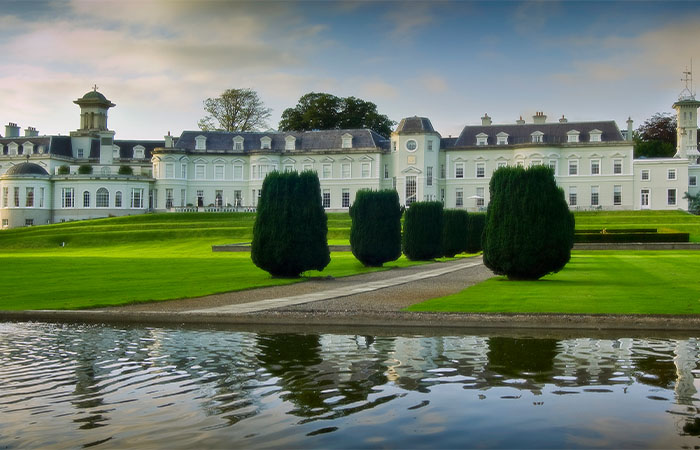
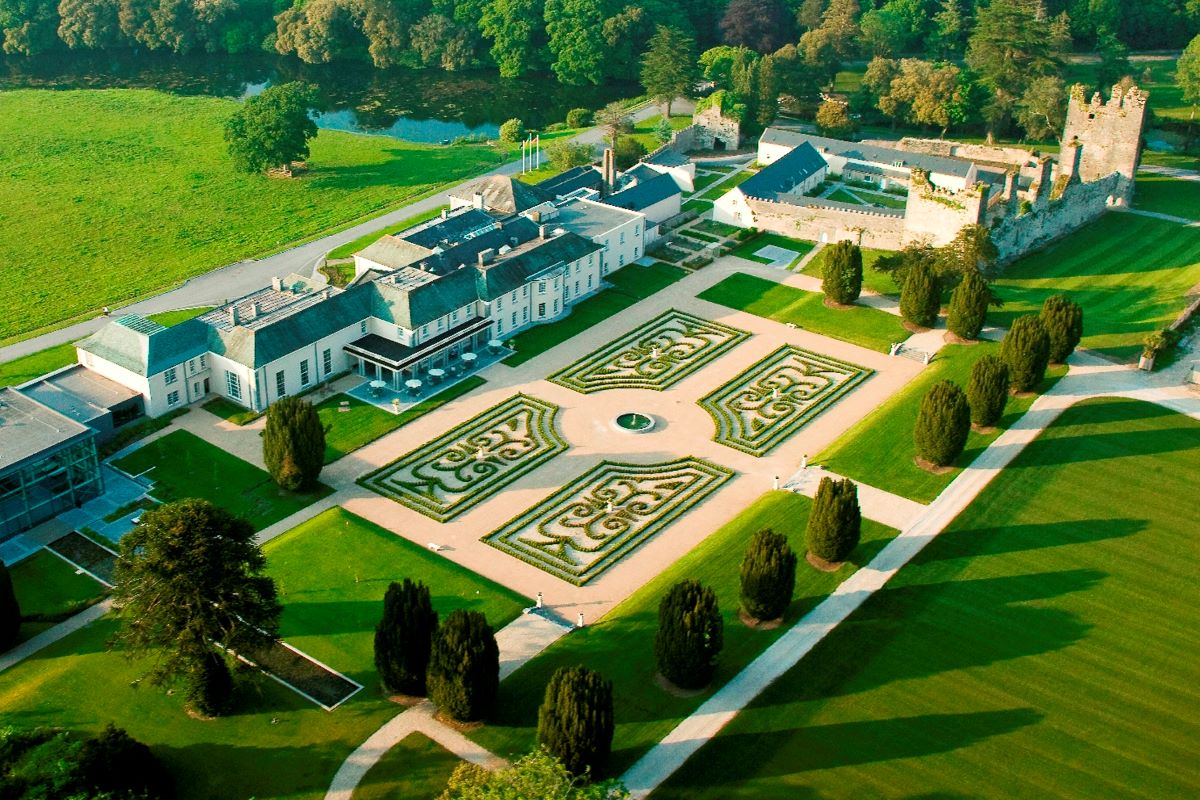
Nestled in 220 acres of Cork countryside, Castlemartyr Resort offers luxury and activities for all. Guests can stay in one of the 108 guestrooms and suites or 36 residences across the 18th century Manor House and new wing, many with sweeping views of the 17th century parkland and lakes.
Dromoland Castle Hotel
County Clare, Ireland
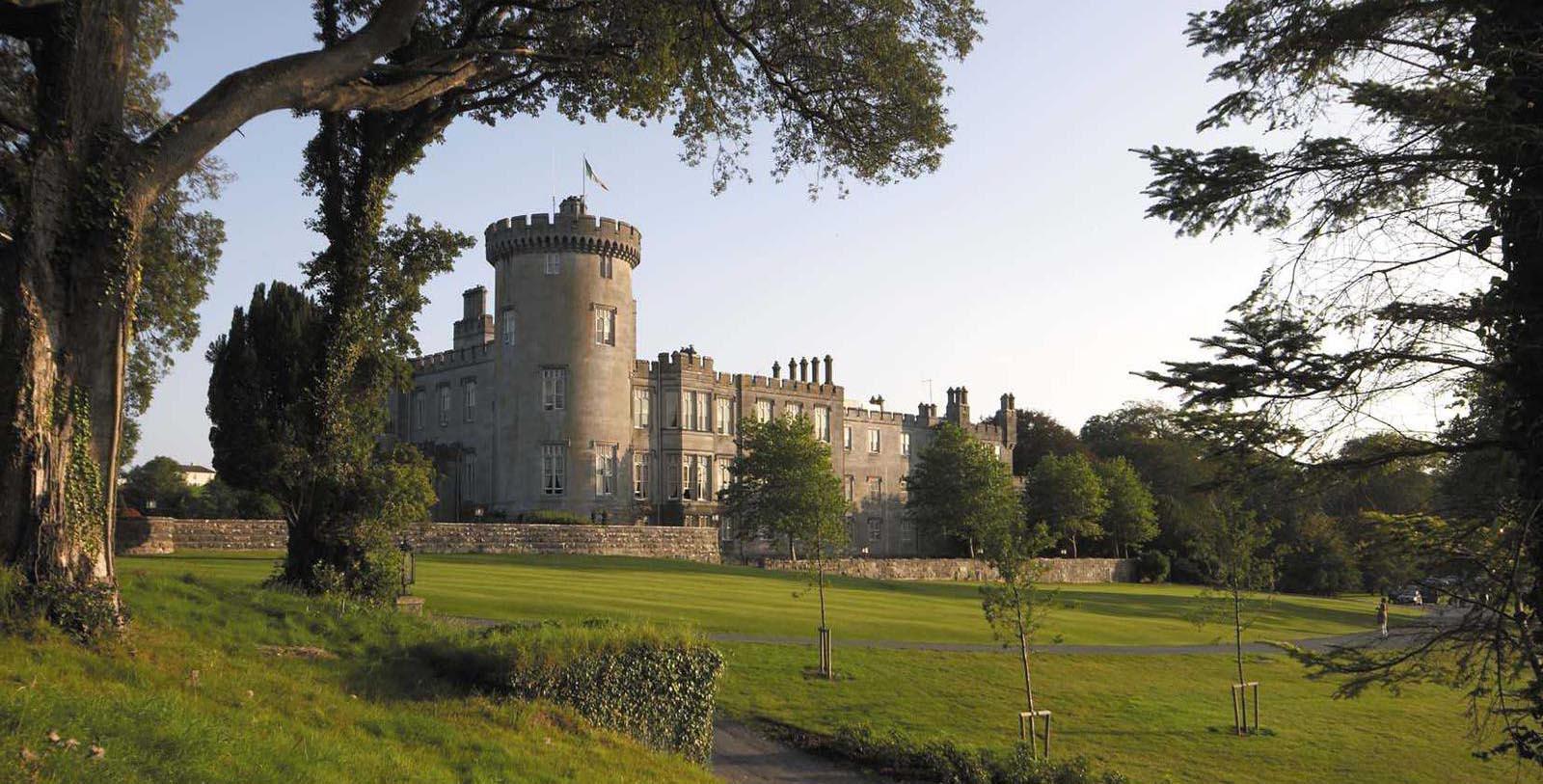
Ireland’s most magical address, Dromoland Castle Hotel, has been welcoming guests since the 16th century. It is the ancestral home of the O’Briens of Dromoland, with a lineage that dates back over 1,000 years to one of the last High Kings of Ireland, Brian Boru. The castle was massively updated and renovated in the 1820s, with additions, carvings, and priceless art, and little having changed since then.
Grand Hotel Tremezzo
Lake Como, Tremezzo, Italy
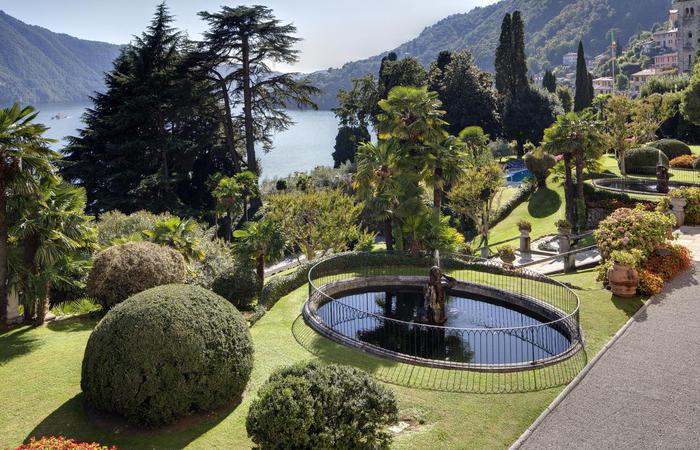
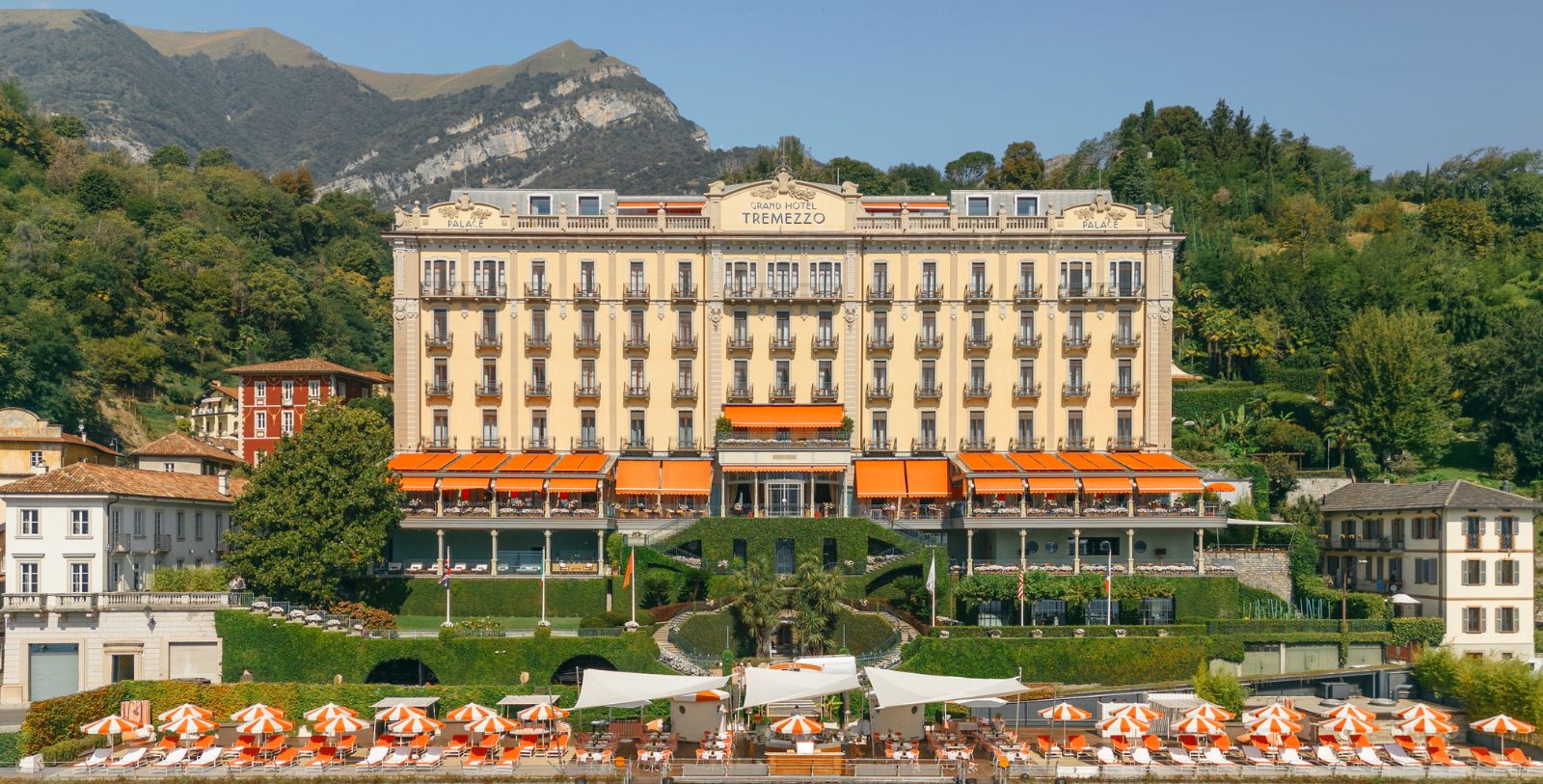
Immersed in the beauty of Lake Como offering a spectacular view of the glorious ancient town of Bellagio, and the surrounding Alps, the century old Grand Hotel Tremezzo is a treasured example of the finest authentic Italian-liberty Art Nouveau palaces. With period furnishings, intricate in detail, and unparalleled views, Grand Hotel Tremezzo envelopes the decadent ambiance throughout the walls and invites a sensation of harmony and tranquility.
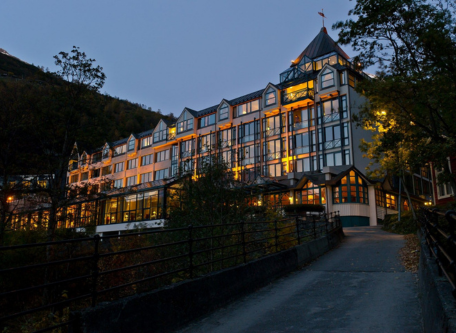
Hotel Union Geiranger
Geiranger, Norway
Nestled within the fairytale landscape of the Geirangerfjord, in the idyllic village of Geiranger, Hotel Union Geiranger not only boasts some of the most stunning views in Norway, but quite possibly the world, making it an ideal home base when exploring this fjord-dotted corner of the country. Open year-round, this mountainside hotel was established in 1891 and has been owned and operated by the same family for four generations since they initially purchased the property in 1899.
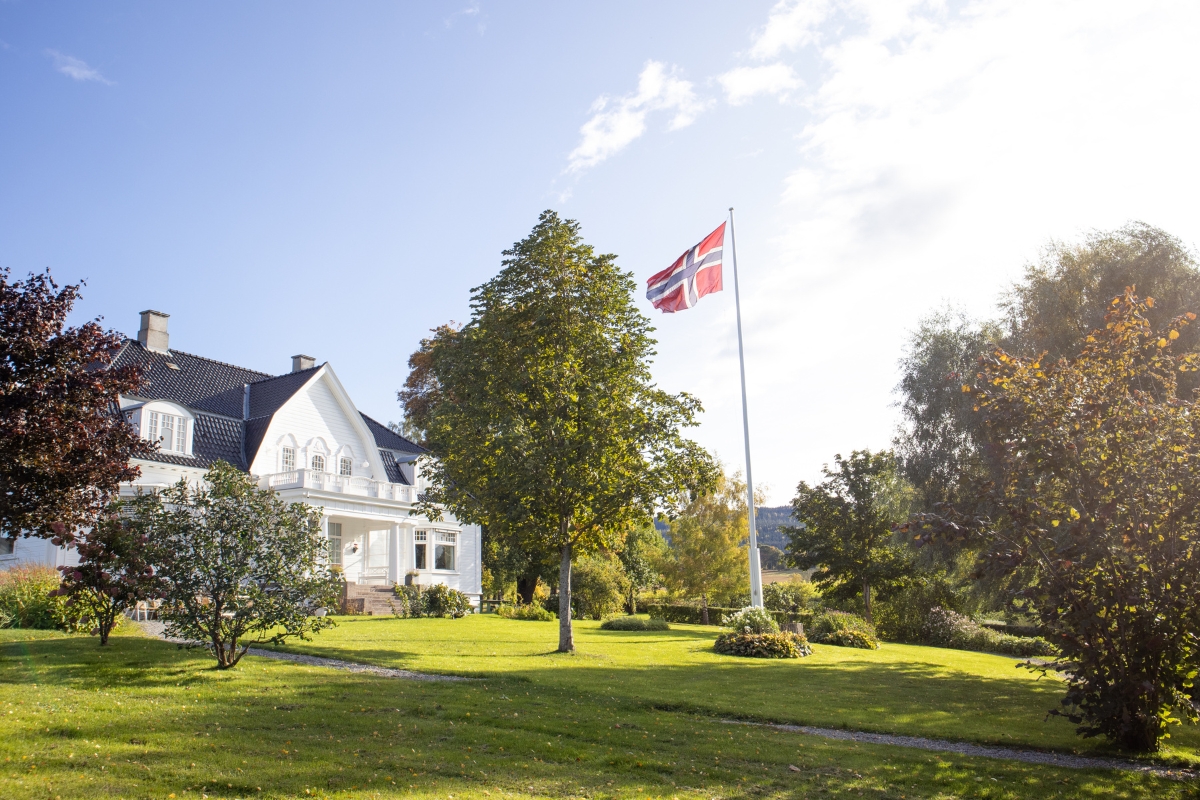
Thorbjørnrud Hotel
Jevnaker, Norway
Guests at Thorbjørnrud Hotell can enjoy dramatic fjord views, delicious food, wine and beer and comfortable rooms, with opportunities to embrace local nature and culture.
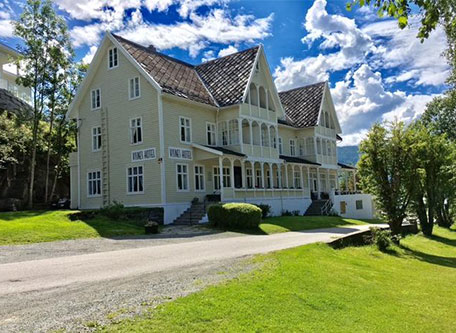
Visnes Hotel Stryn
Stryn, Norway
Awarded the Olavsrosa, a seal of quality for Norwegian cultural heritage, Visnes Hotel Stryn offers guests an authentic folk experience amid the dynamic landscapes of Nordfjord.
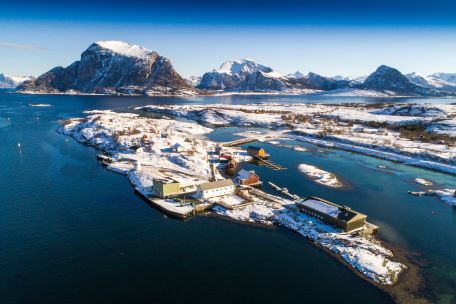
STØTT Top of Helgeland
Støtt, Norway
Nestled in Helgeland is Støtt, home to the unique 19th century trading post in a remote fishing village. Within the far-flung town is STØTT Top of Helgeland hotel, a modern-day prime destination for travelers to visit and, marvel at the natural beauty within the Arctic circle and explore all that the island has to offer.
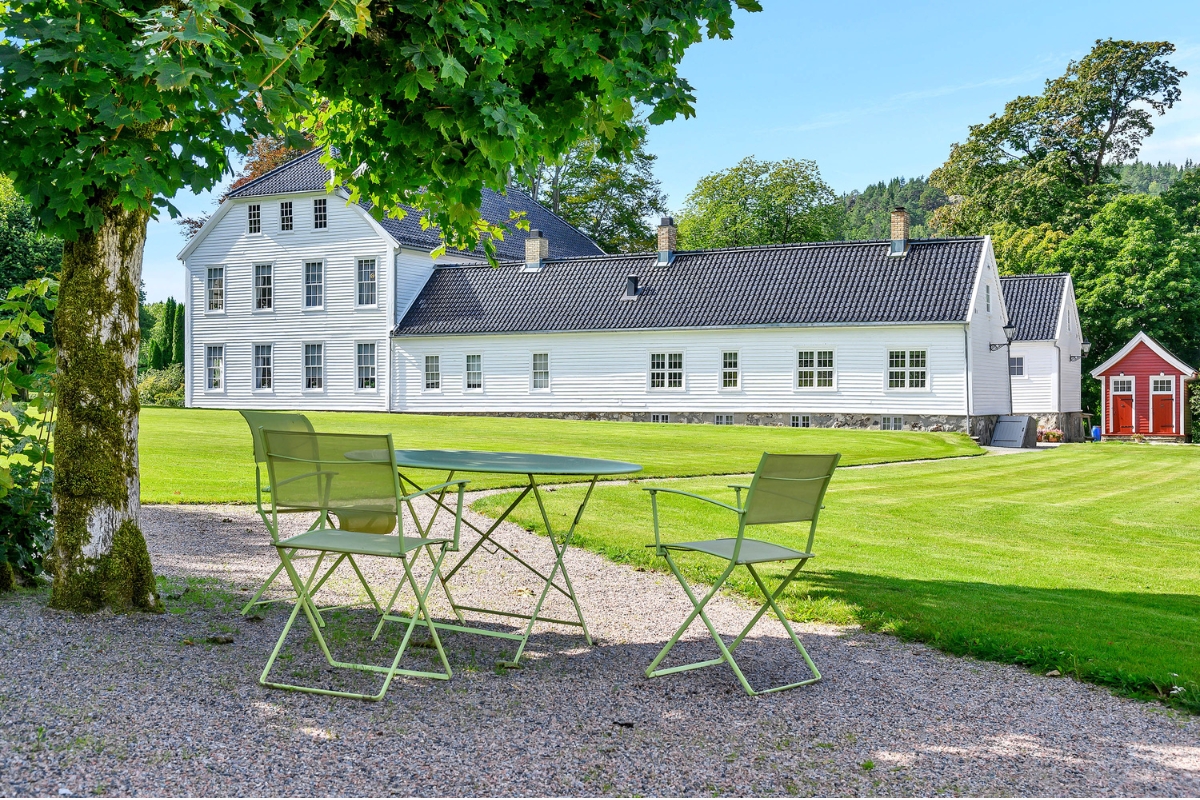
Boen Gård
Tveit, Norway
Visit Boen Gård, a historic culinary destination with lush grounds and elegantly restored rooms.
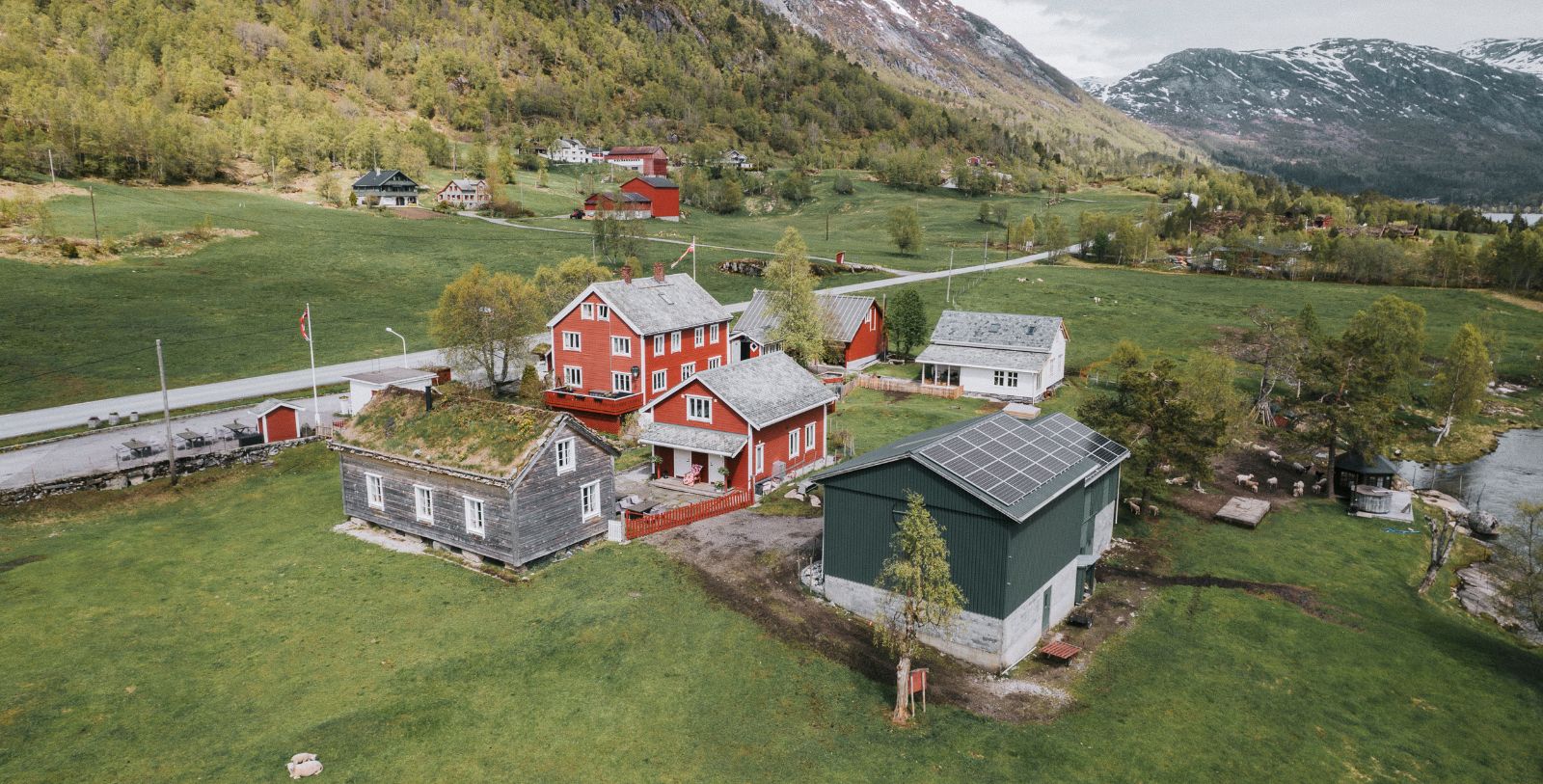
Flatheim
Viksdalen, Norway
Located in the heart of Western Norway and alongside the National Scenic Route sits the picturesque and historic hotel, Flatheim.
Straand Hotel
Vrådal, Norway
Open since 1864, Straand Hotel has welcomed guests with warm Norwegian hospitality for over 150 years, being stewarded by the same family for five generations. The hotel rests in the village of Vrådal, around three hours southwest of Oslo. This quaint hamlet is part of the Upper Telemark district, known for its Viking heritage, rugged landscapes, and endless adventure. With 125 cozy guestrooms, home-cooked meals, and an idyllic location, Straand Hotel is a convenient base for exploring it all.
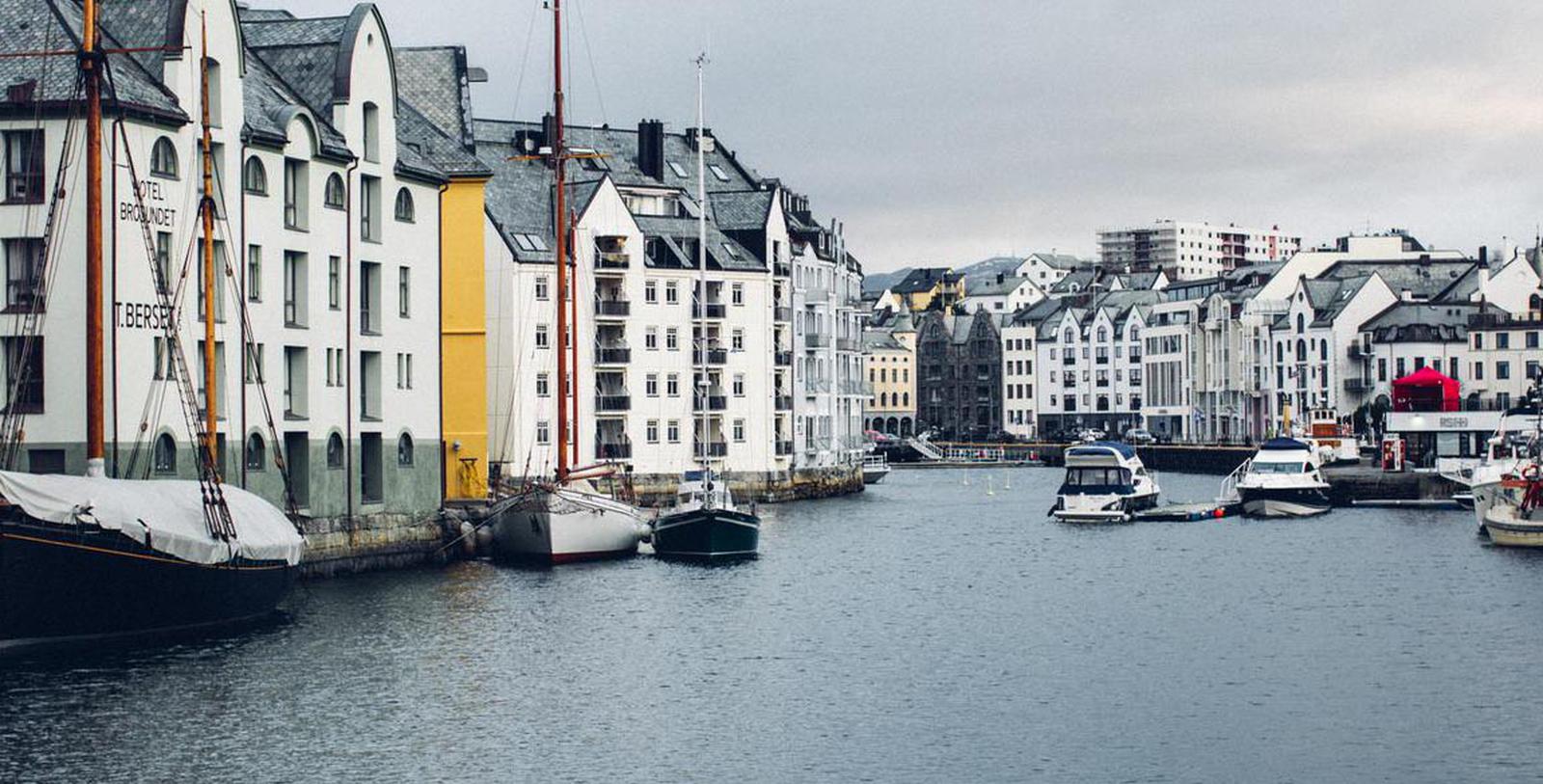
Hotel Brosundet
Alesund, Norway
A restored fishing warehouse, Hotel Brosundet is a Art Nouveau escape combining a charming nautical design with contemporary fixings complete with a converted lighthouse suite. Situated in the small fishing and boating village of Ålesund, the property offers 47 guestrooms incorporating the original wooden floors and panels, and exposed brick exuding an authentic seaside experience.
Kviknes Hotel
Balestrand, Norway
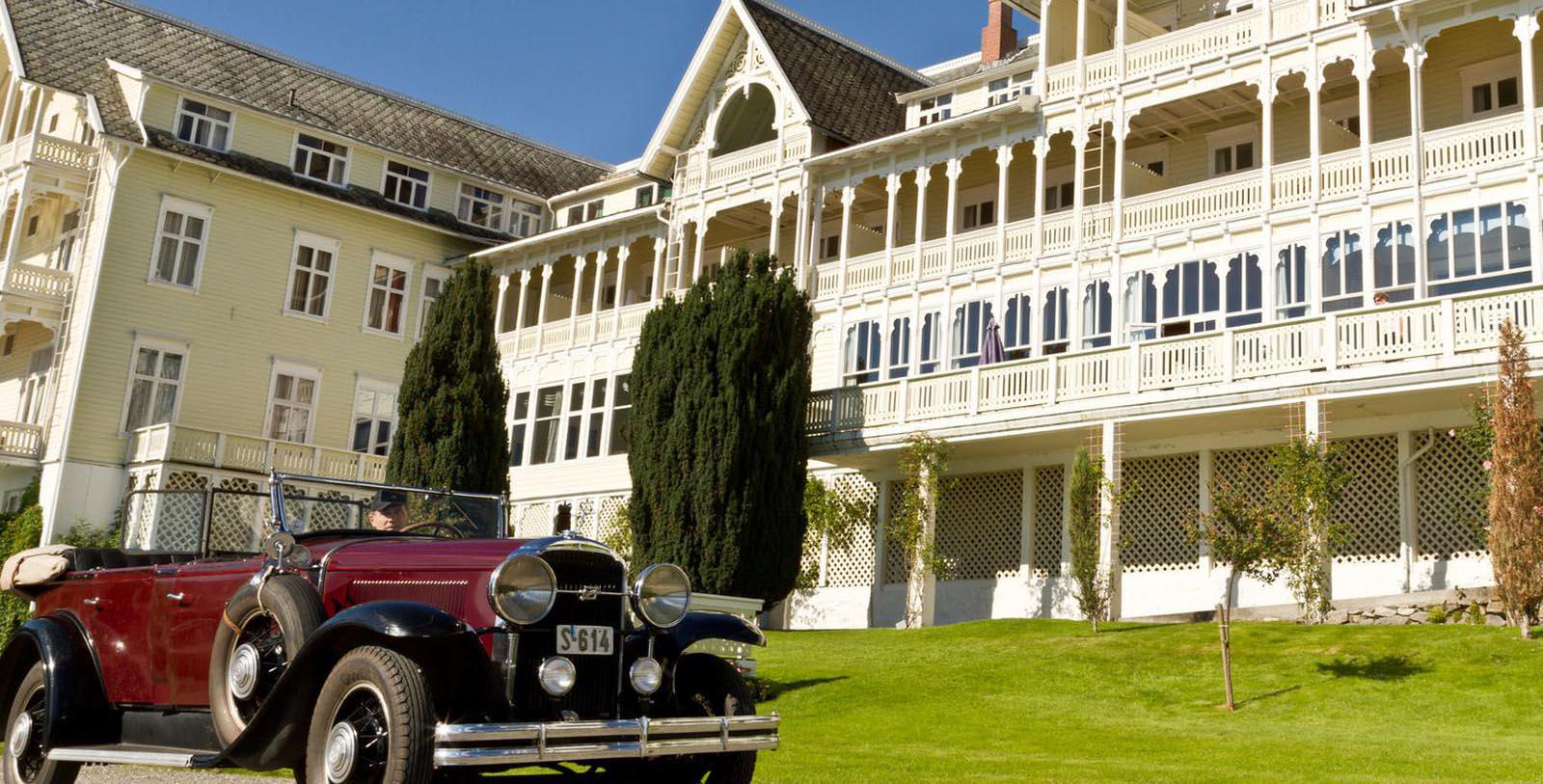
Originally a modest guesthouse built in a classic Swiss style, the Kvikne family has owned and managed Kviknes Hotel for over 135 years. As the first known hotel in the Sognefjord, Kviknes Hotel is a fine example of warm traditional Norwegian hospitality and service. Situated on the Sognefjord, in the center of Balestrand, Kviknes Hotel offers an astonishing view of the mountains and sea, inviting a breathtaking experience.
Losby Gods
Finstadjordet, Norway
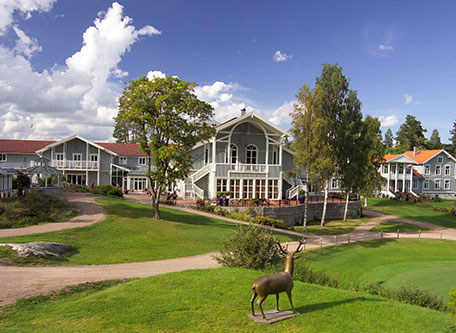
Offering the serenity and refreshing escape of the countryside, Losby Gods Hotel dates back 300 years to the lucrative timber trade. A large estate comprised of three factories, Losby Gods is a beautiful mid-19th century property featuring its own golf facility with two courses, a driving range, and tennis courts.
Fretheim Hotel
Flam, Norway
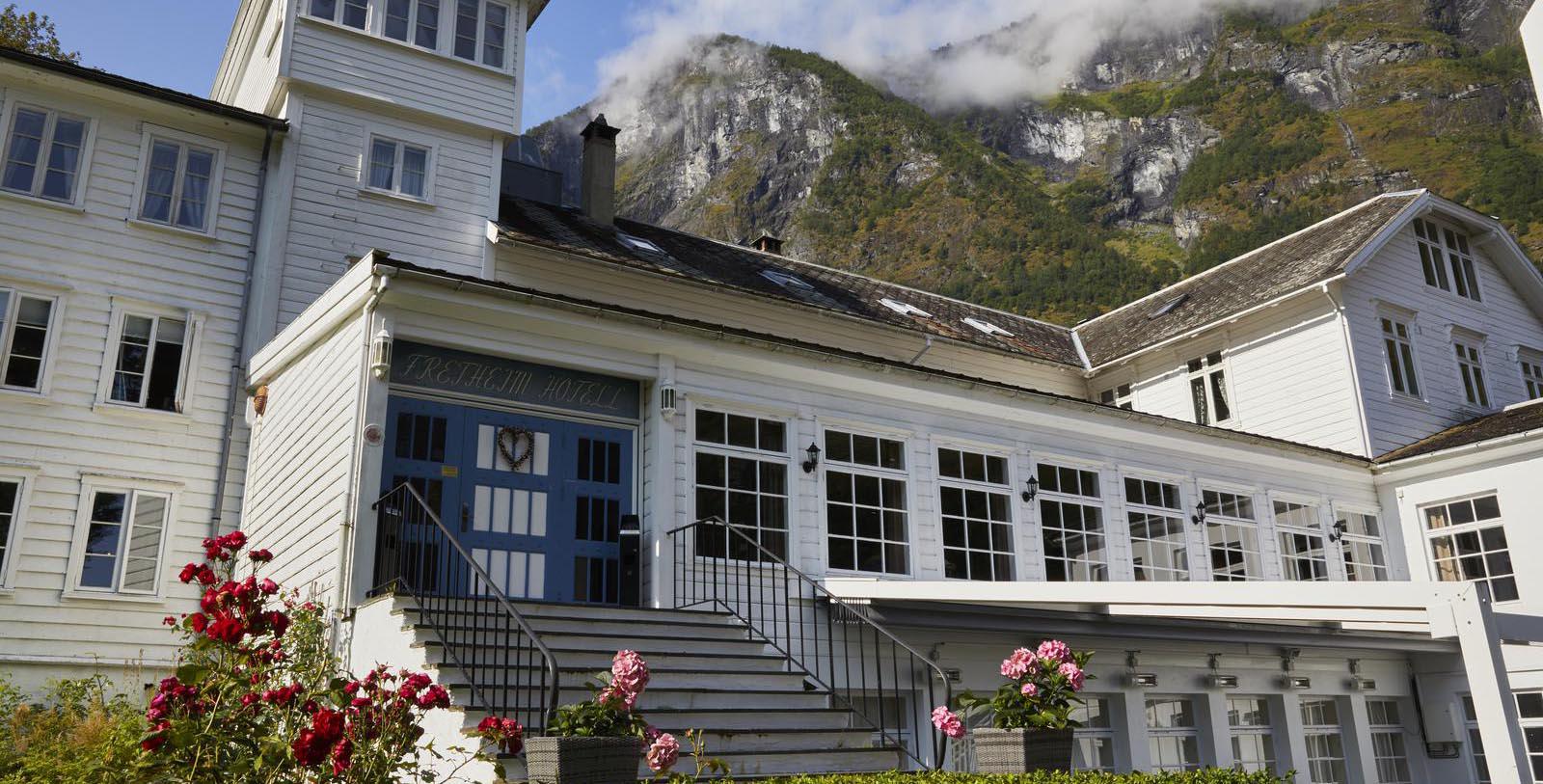
Originally the farm of wealthy businessman Christen Fretheim, Fretheim Hotel began operations in 1870 as a modest posting inn for visiting fisherman. Located on the Flåmselva river, highly populated with salmon and trout, Fretheim Hotel quickly became a choice destination for anglers and nature enthusiasts, quickly demanding expansion.
Høyevarde Fyrhotell
Havik, Norway
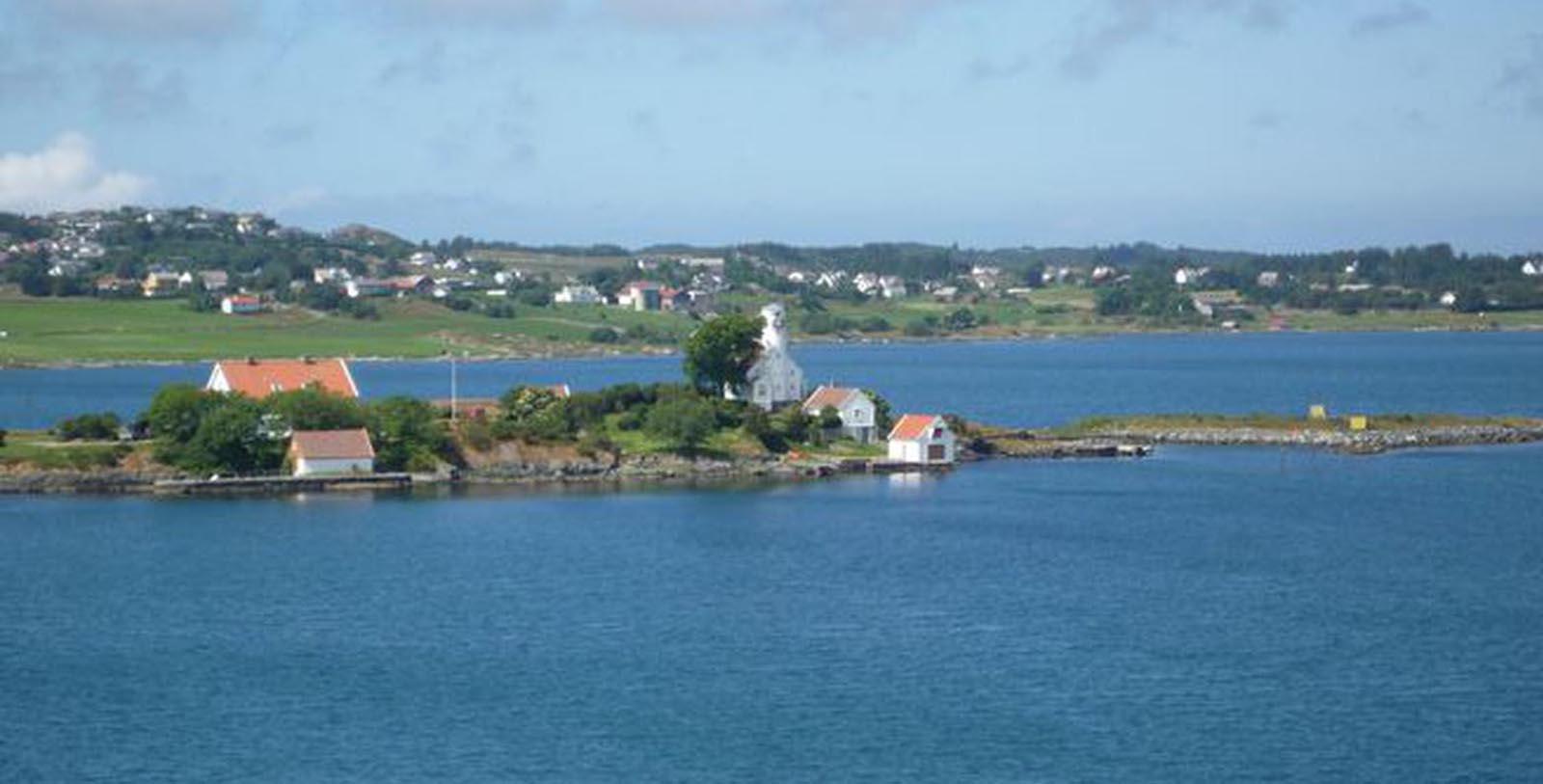
Høyevarde Fyrhotell is a beautiful seaside hotel dating back to 1700 when the lighthouse guided sailors along the Karmsund strait, previously known as ‘Nordvegen' or the North Passage. Boasting 10 beautifully-appointed guestrooms, the hotel offers a tranquil and serene setting in Havik, Norway.
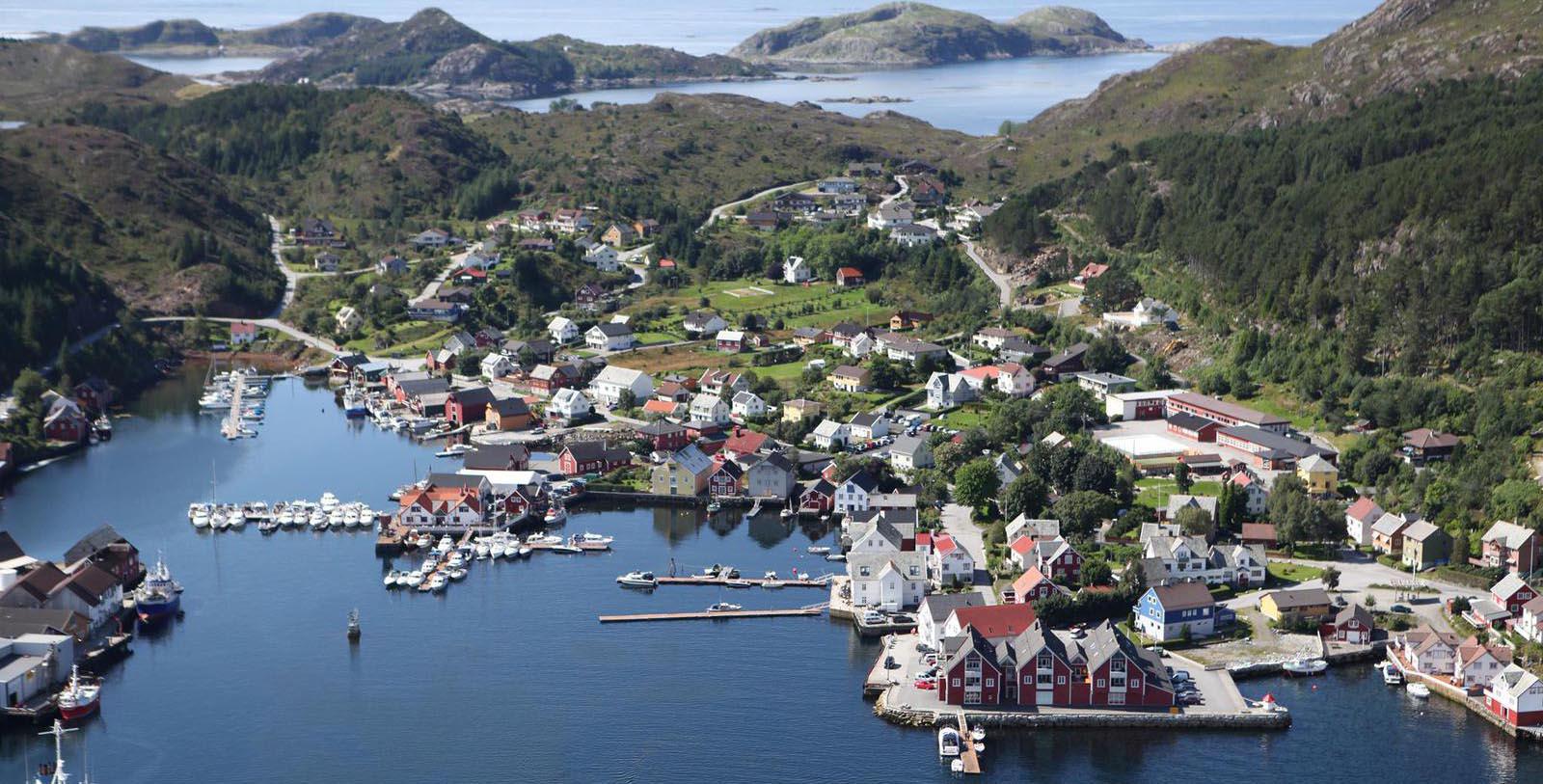
Knutholmen Hotell
Kalvag, Norway
Comprised of several beautiful historic buildings in Kalvag, Norway, Knutholmen Hotell lends insight to the rich maritime heritage of the renowned fishing village that remains a celebrated destination today. While celebrating its fishing and seaside culture, the hotel affords the setting to explore the majestic mountain and forest surroundings of Kalvag.
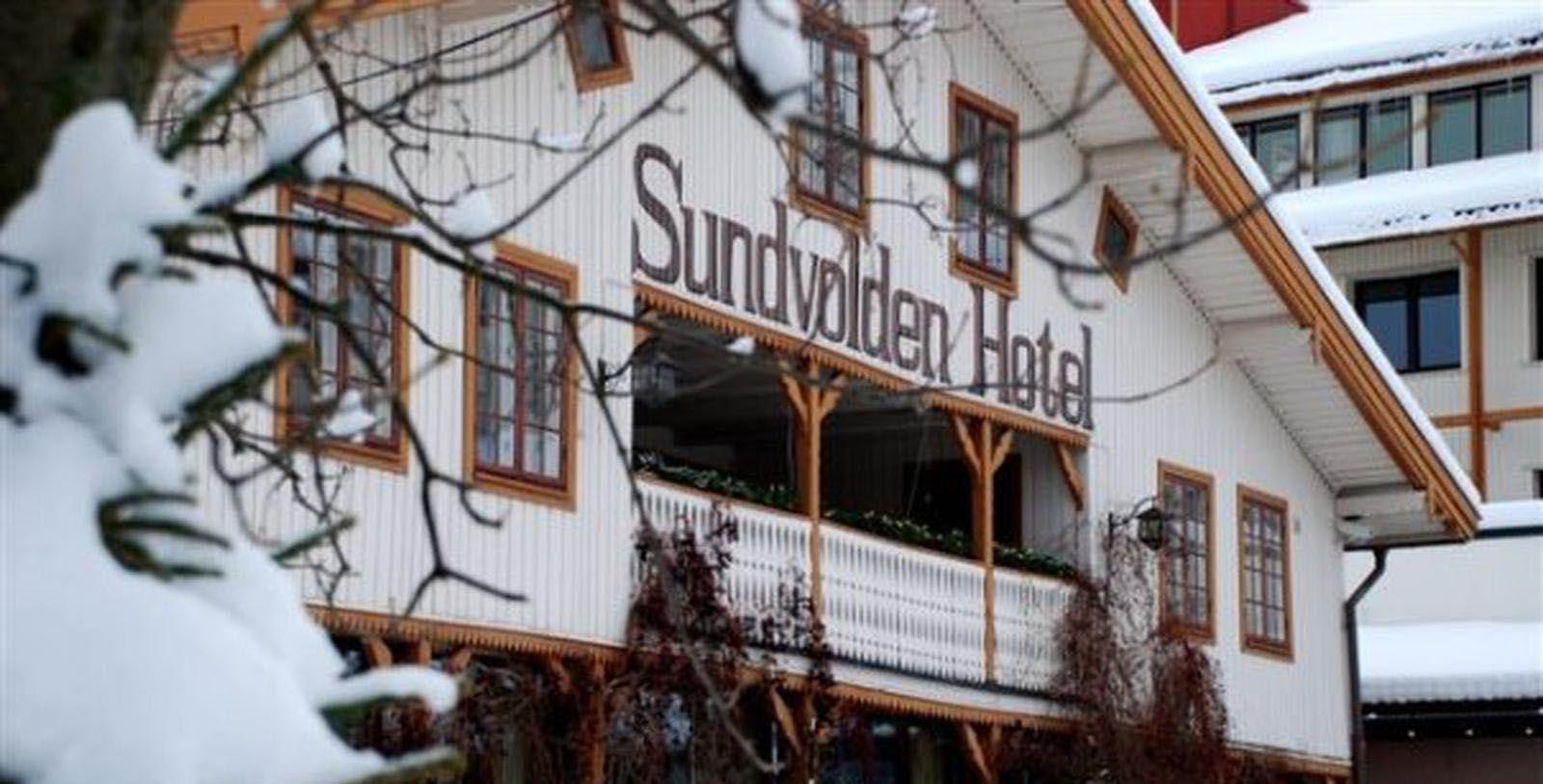
Sundvolden Hotel
Krokkleiva, Norway
For over 350 years, Sundvolden Hotel has been the choice historic experience for tradesmen, farmers, artists, royalty and travelers from the furthest corners of the globe. Offering 257 spacious guestrooms and creative and comforting cuisine at the property's a la carte restaurant Anno 1648, Sundvolden Hotel is a luxury retreat rich in heritage and tradition.
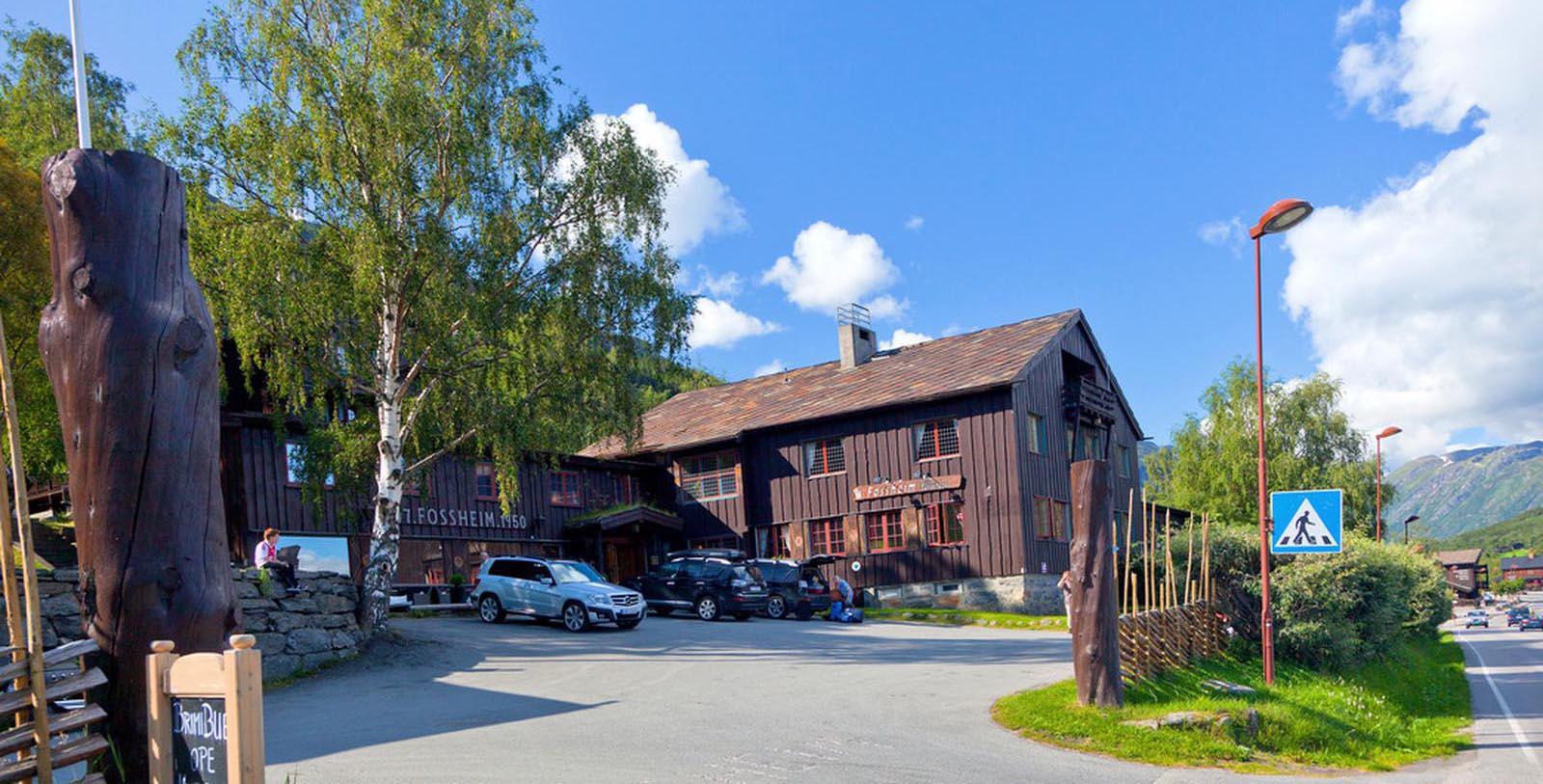
Fossheim Turisthotell
Lom, Norway
A gem hidden snuggled at the foot of towering snow peaks and the majestic cliffs of Lom, Fossheim Turisthotell is a charming third-generation family owned historic hotel proud of its cultural heritage and longstanding values of hospitality. While secluded, Lom is a breathtaking town, rich in tradition, with a picturesque backdrop only rivaled by the service at Fossheim Turisthotell.
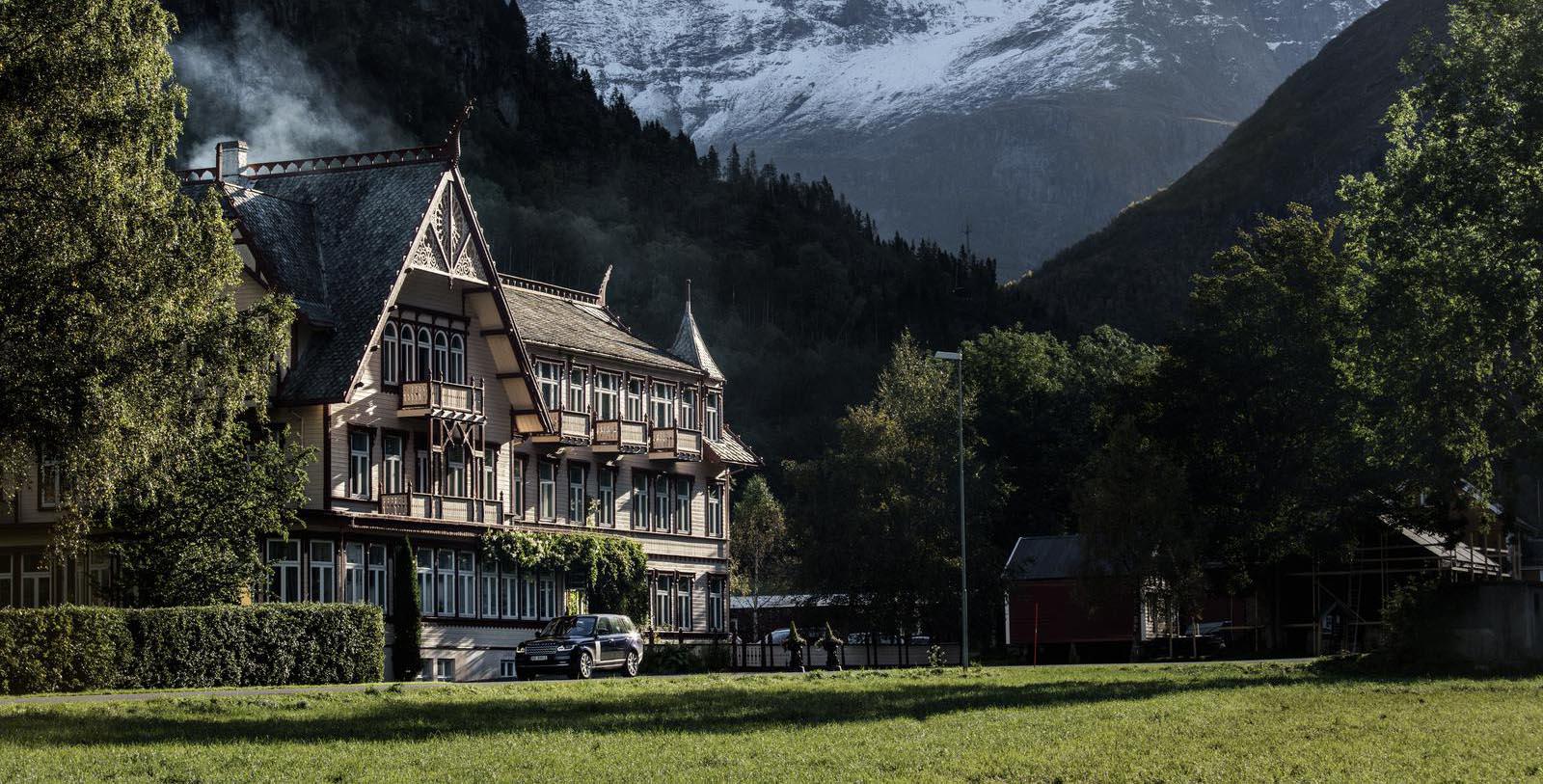
Hotel Union Øye
Norangsfjorden, Norway
Hotel Union Øye is a historic gem, situated in a peaceful village on Hjørundfjord with the Sunnmøre Alps towering all around. Dating from 1891, the property is a historical journey in itself with authentic rooms, all named after royal and dignified guests, with rich and traditional decorations.
Lysebu
Oslo, Norway
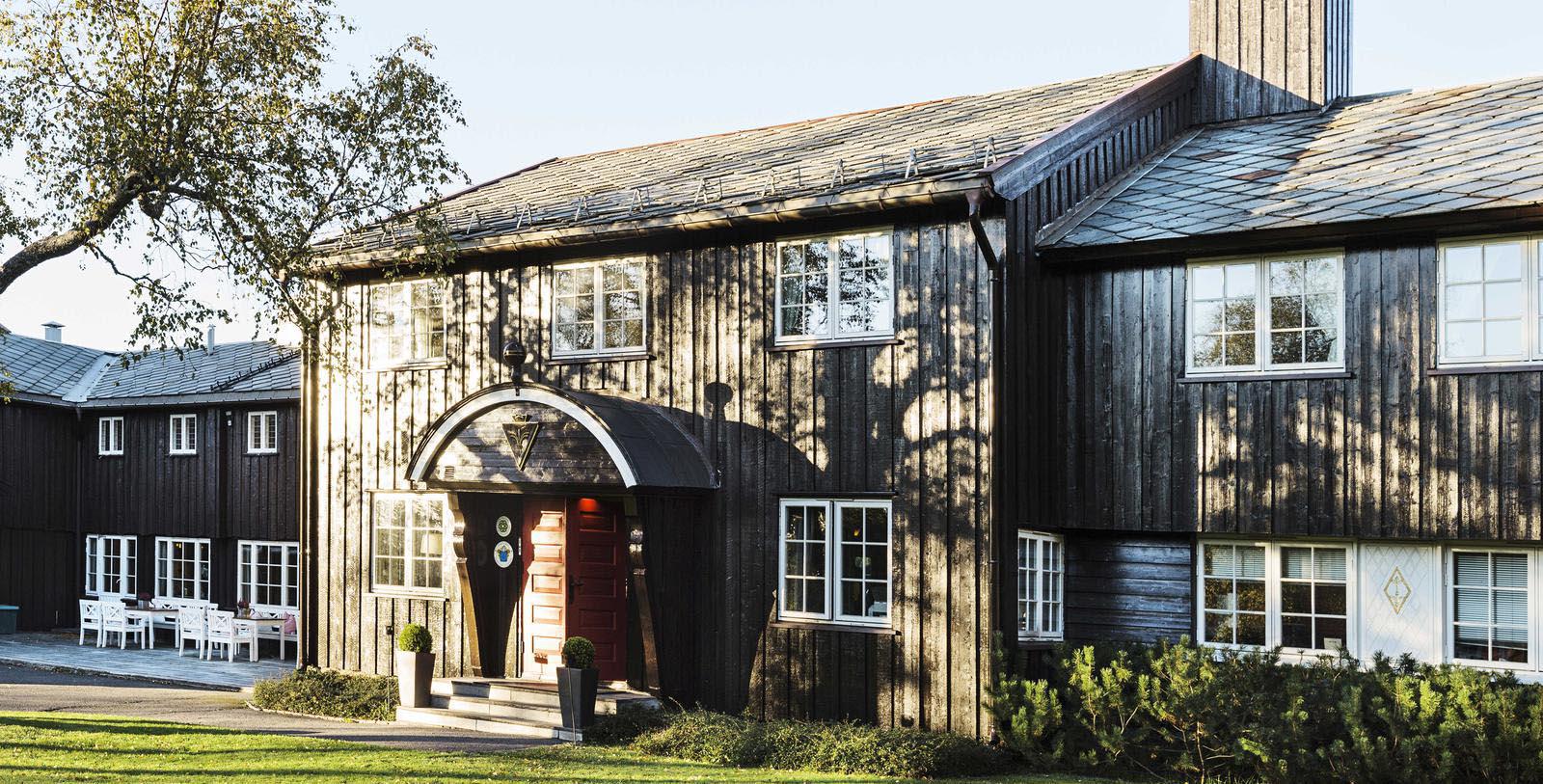
Originally built by Magnus Poulsson during World War I, Lysebu Hotel was used as a personal residence for Norwegian ship owner Anton Fredrik Kaveness. After the World War II, Lysebu was donated to The Danish-Norwegian Cooperation Fund in appreciation of the food aid Norway received from Denmark during German occupation.
Nermo Hotell & Apartments
Oyer, Norway
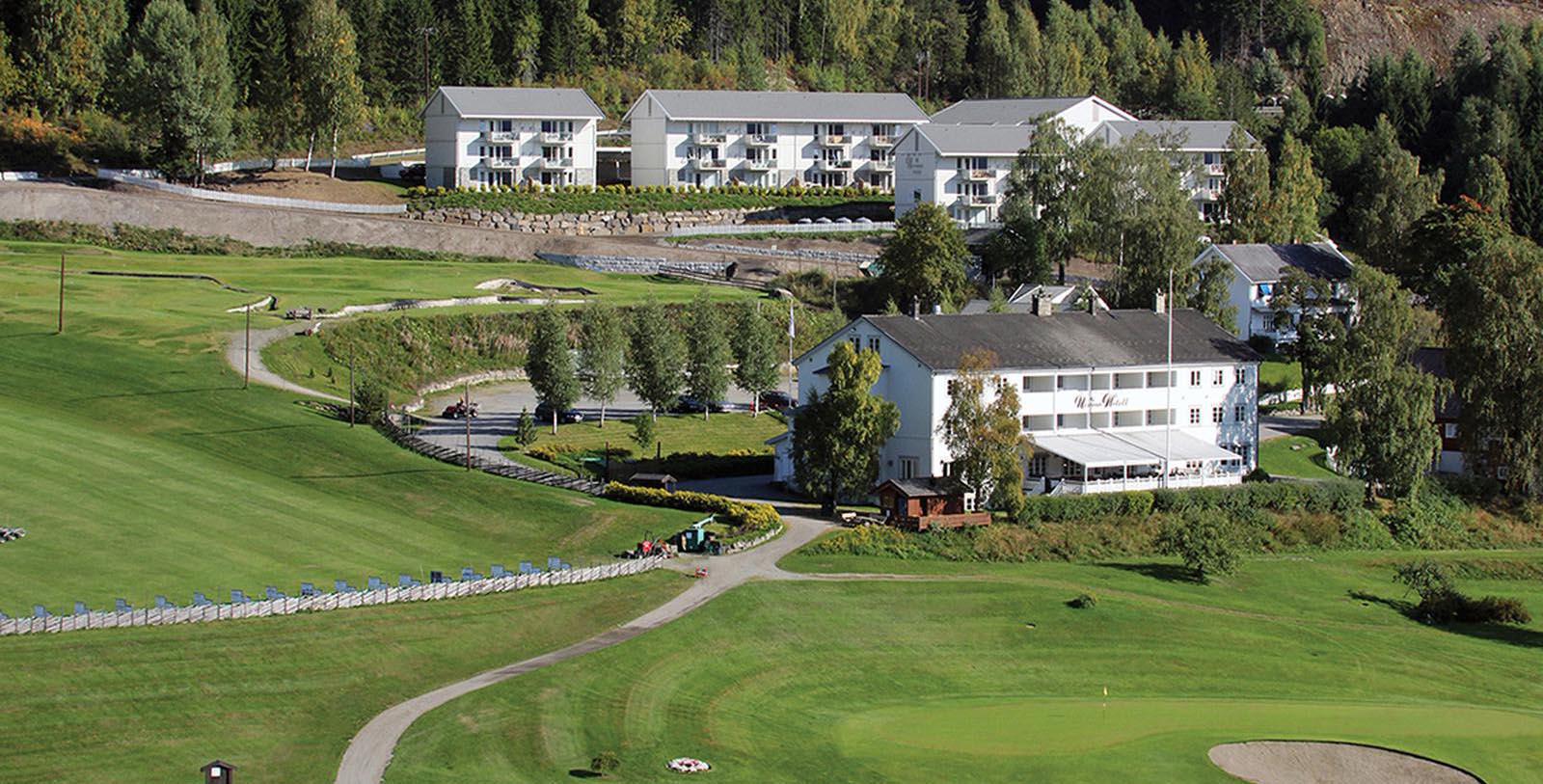
Dating back to the 1400s, Nermo Hotell & Apartments was originally a modest guesthouse among a potato and grain farm for fishermen and hunters seeking adventure among the valleys of Gudbrandsdalen and Østerdalen. Today, the property offers 32 spacious and comfortable guestrooms and 53 apartments featuring magnificent soaring views of the valley and Oyer mountains.
Røros Hotel
Røros, Norway
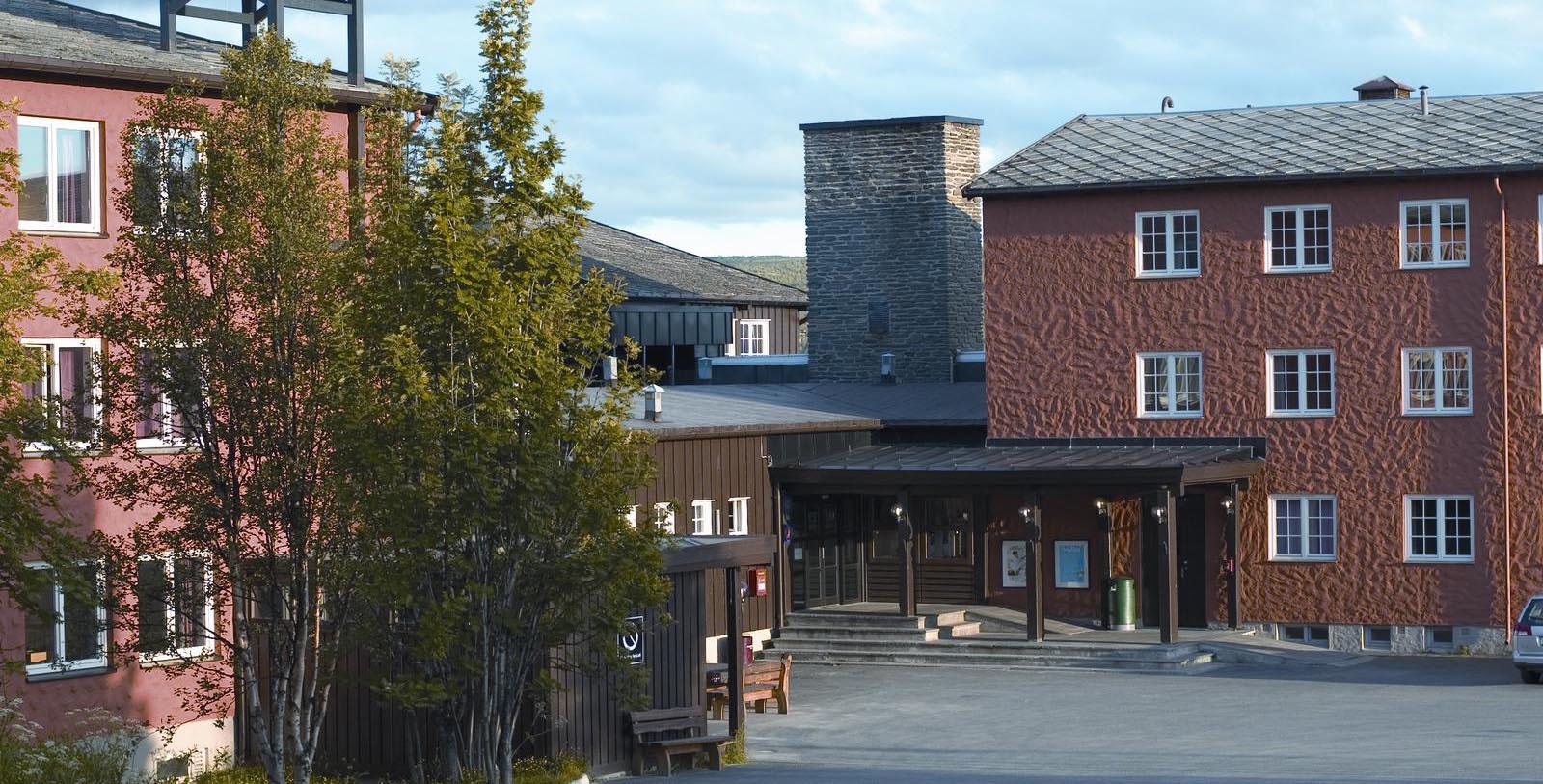
As today's largest hotel amid the mountain ranges of Norway, Røros Hotel started from humble beginnings. The property was established in 1951 and began as a hopeful endeavor to boost the city of Røros' economy after the downfall of the copper mining industry. Today, the spacious and comfortable 156 guestrooms and suites, premier meeting venues, and popular restaurants and bars are proof of the venture's success.
Engø Gård
Tjome, Norway
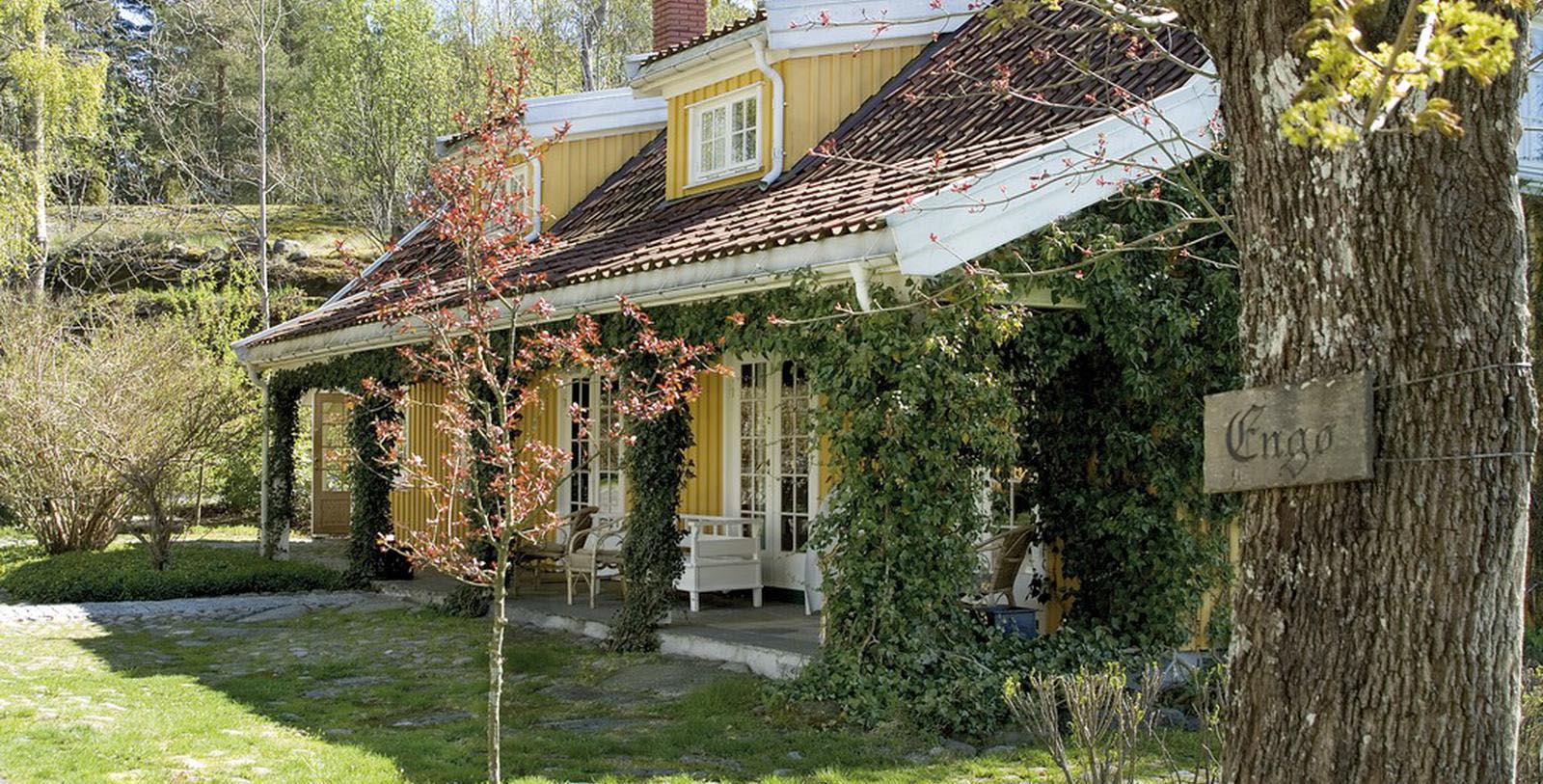
Built in 1845, in the heart of a park on the Oslo fjord coastline, Engo Gard has been an idyllic country inn since the twenties. Originally known as Pihls Pensjonat, the modest guesthouse was slowly expanded and restored to great the luxury historic hotel it stands today. Engo Gard has converted its property to house 44 guestrooms, a renown restaurant with private wine cellar, and other exciting facilities.
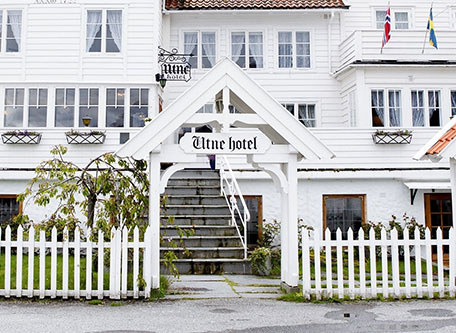
Utne Hotel
Utne, Norway
One of the oldest hotels in Norway, the iconic Utne Hotel opened its doors to guests in 1722. With its intricate decorative details and collection of antique treasures, entering the historic hotel is like living in a history book.
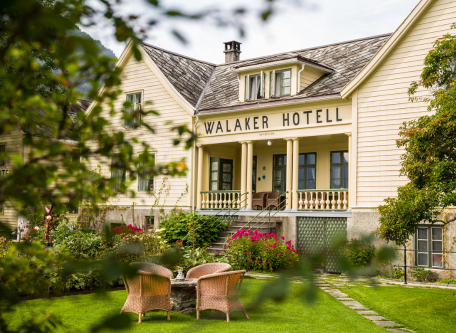
Walaker Hotell
Solvorn, Sogn og Fjordane, Norway
With a history dating back to 1640 and a generations-long dynasty of stewards stretching to 1690, Walaker Hotell is the most historic hotel in Norway, with an equally storied tradition of family-run hospitality. Just as impressive is its storybook setting in the Lustrafjord, the innermost tributary of the Sognefjord. Boasting 26 guestrooms, many with period furnishings, the charming hotel sits near the water’s edge and gives guests a convenient place to explore the best the area has to offer.
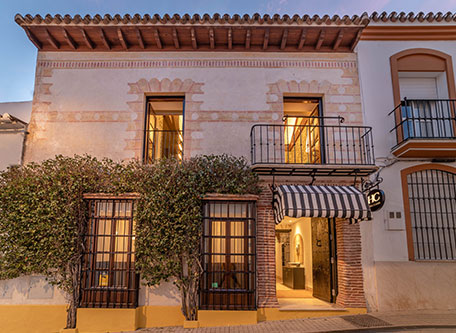
Hotel Claude Marbella
Marbella, Spain
Located in the luxurious resort city of Marbella, Hotel Claude Marbella occupies the former summer residence of Eugenia de Montijo, Empress of France and wife of Napoleon III. The spirit of Andalusia is alive in the sophisticated and stylish atmosphere of this boutique hotel.
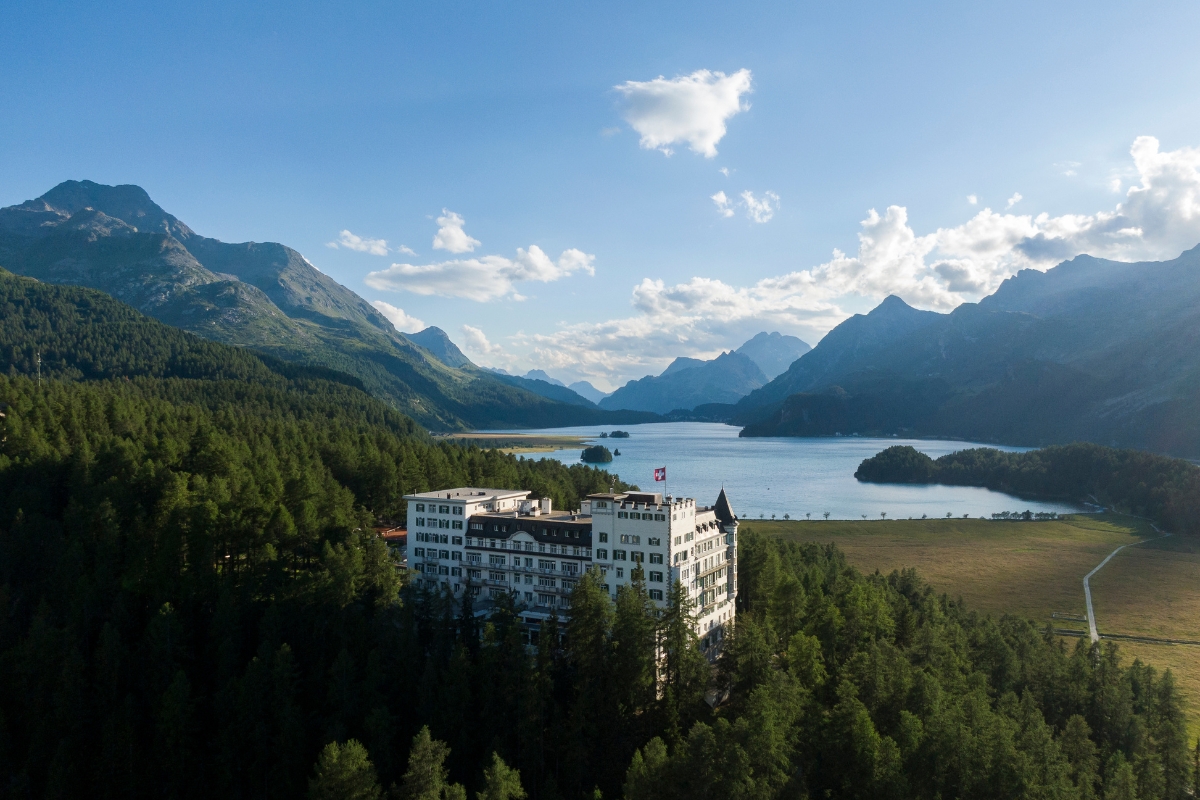
Hotel Waldhaus Sils
Sils Maria, Switzerland
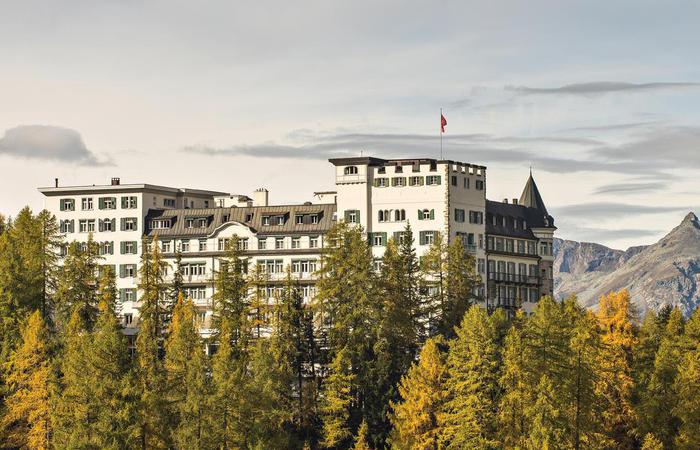
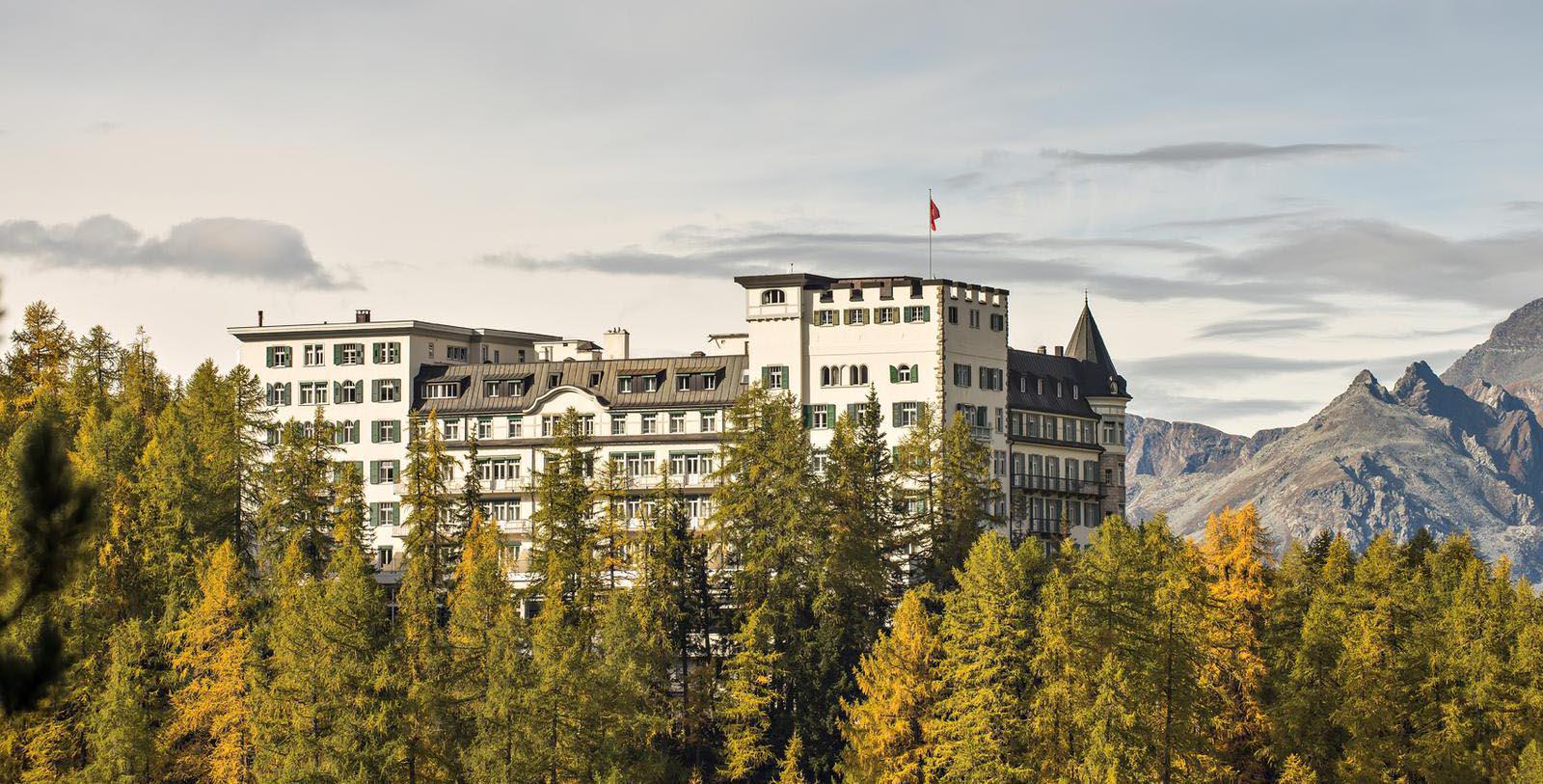
Boasting superior views of the Swiss mountains and forests surrounding the property, Hotel Waldhaus Sils stands frozen in time, with old-world comfort, but full of modern conveniences for the modern traveler.
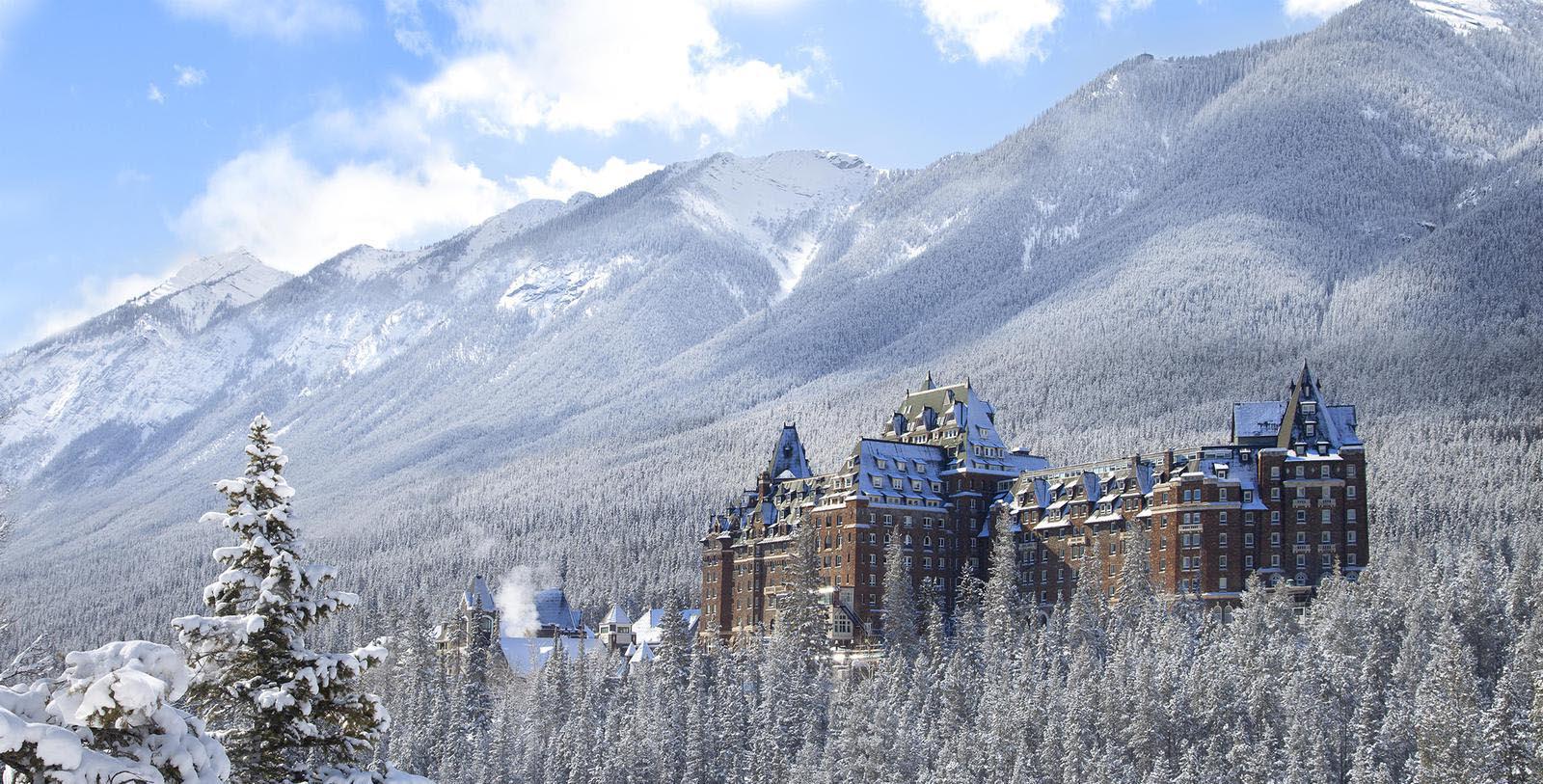
Fairmont Banff Springs
Banff, Alberta, Canada
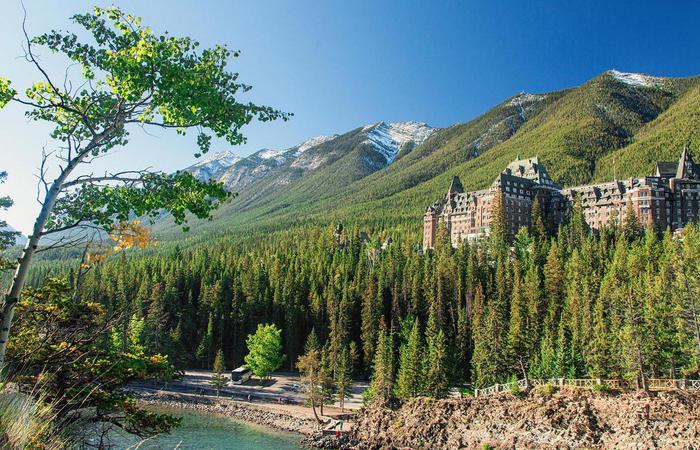
Fairmont Banff Springs is the luxury stop in the heart of Banff National Park, a UNESCO World Heritage Site. Built by the Canadian Pacific Railway to pursue a grand vision of opening up the Canadian west to tourists, Fairmont Banff Springs has had over 100 years of providing a sophisticated resort experience.
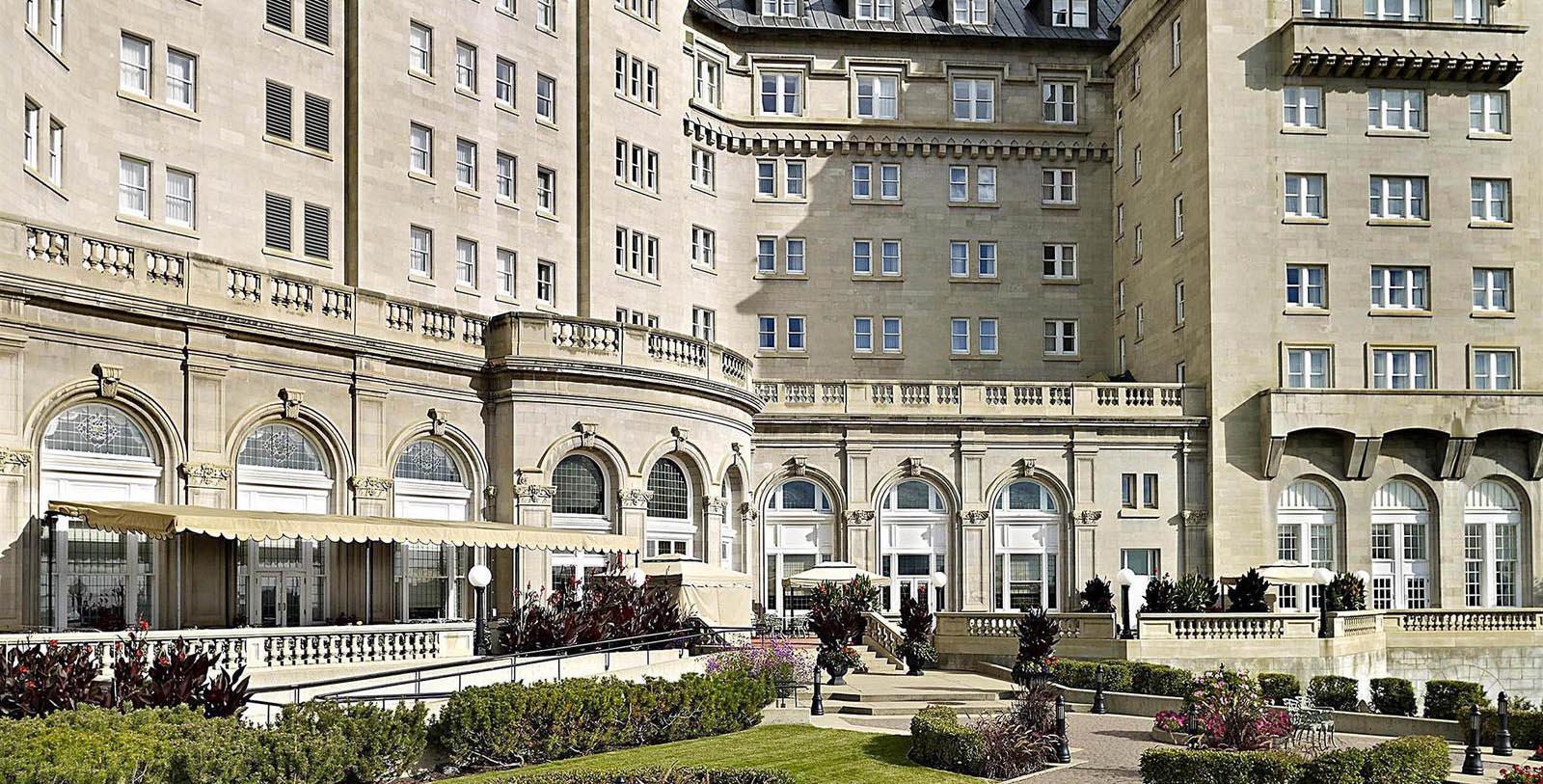
Fairmont Hotel Macdonald
Edmonton, Alberta, Canada
Situated just above the North Saskatchewan River, the Fairmont Hotel Macdonald has been a recognizable fixture in the Edmonton, Alberta skyline since it opened in the summer of 1915. While the hotel was an active part of the community for many years, it was closed in 1983.
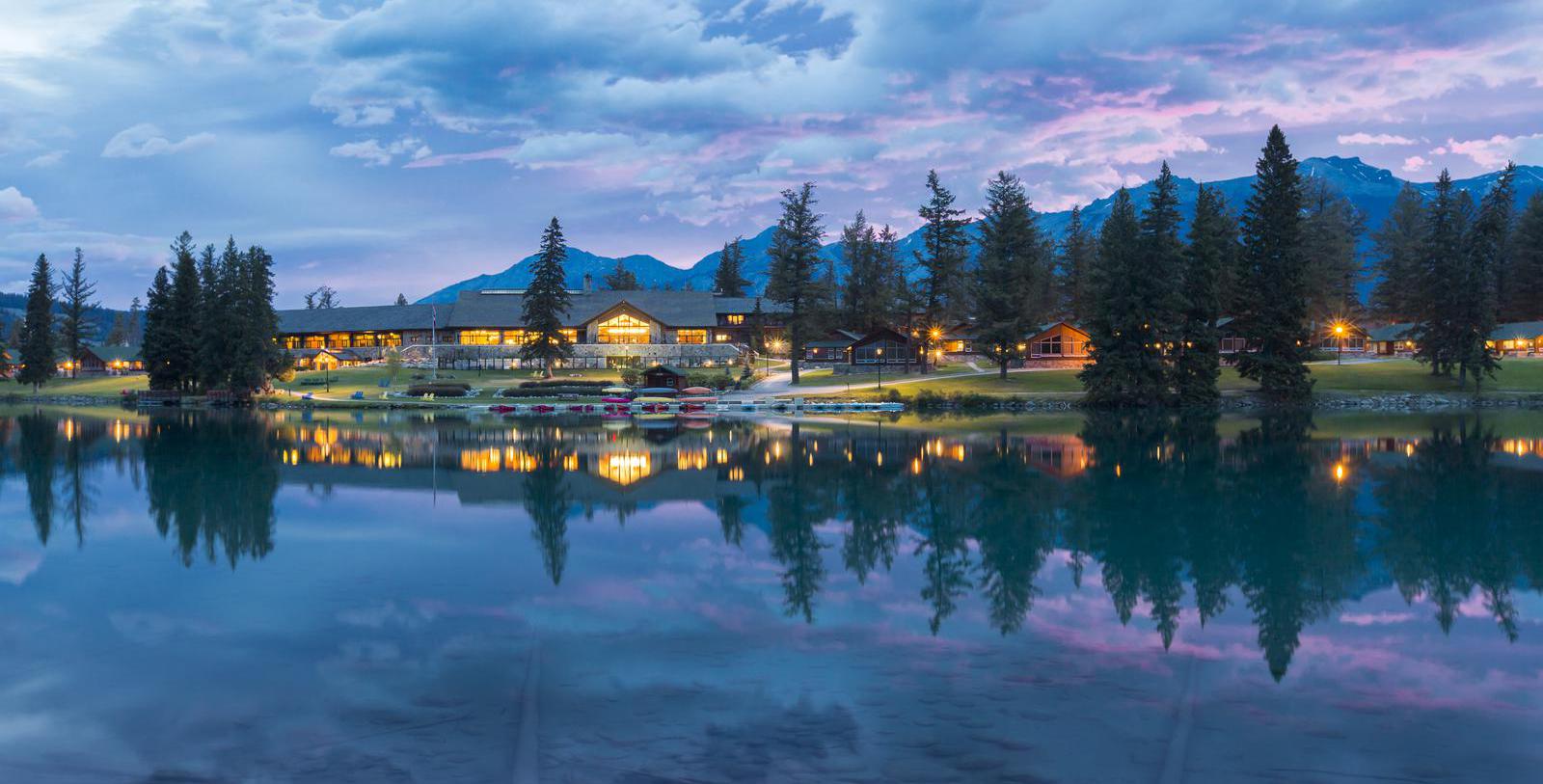
Fairmont Jasper Park Lodge
Jasper, Alberta, Canada
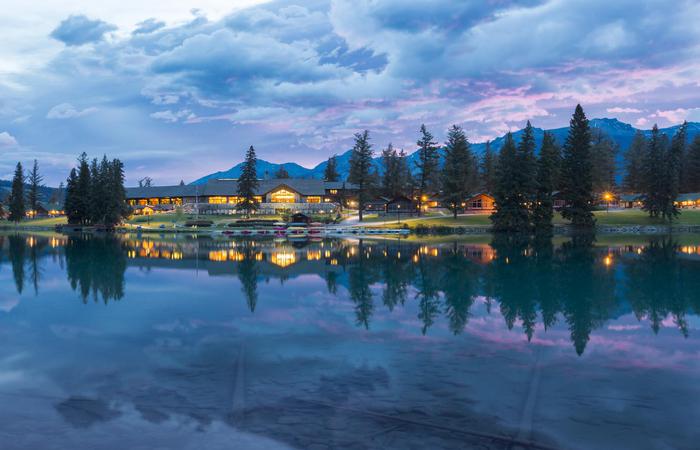
Fairmont Jasper Park Lodge began as a “Tent City,” associated with the Grand Trunk Pacific Railway. Embedded in the Canadian Rockies, the actual hotel was opened in June 1922 with eight log cabins, with the main building being billed as the largest single-story log structure in the world.
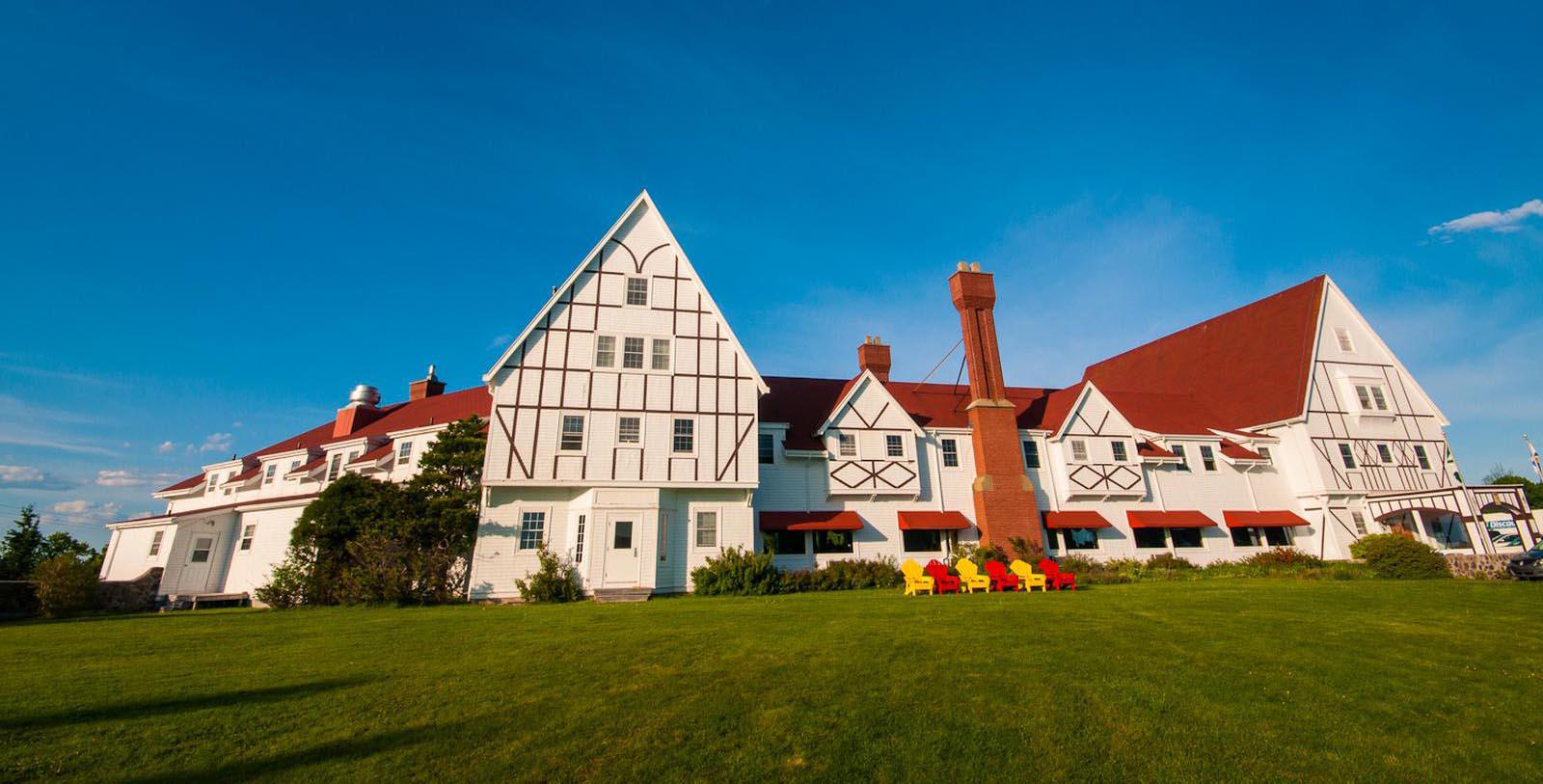
Keltic Lodge Resort and Spa
Ingonish Beach, Nova Scotia, Canada
Situated in serene Nova Scotia, Keltic Lodge Resort and Spa is the ideal getaway to experience Canada's finest outdoor offerings. Dating back to 1940, this beautiful resort boasts a variety of luxurious accommodations, fine dining experiences, and the best of indoor and outdoor activities.
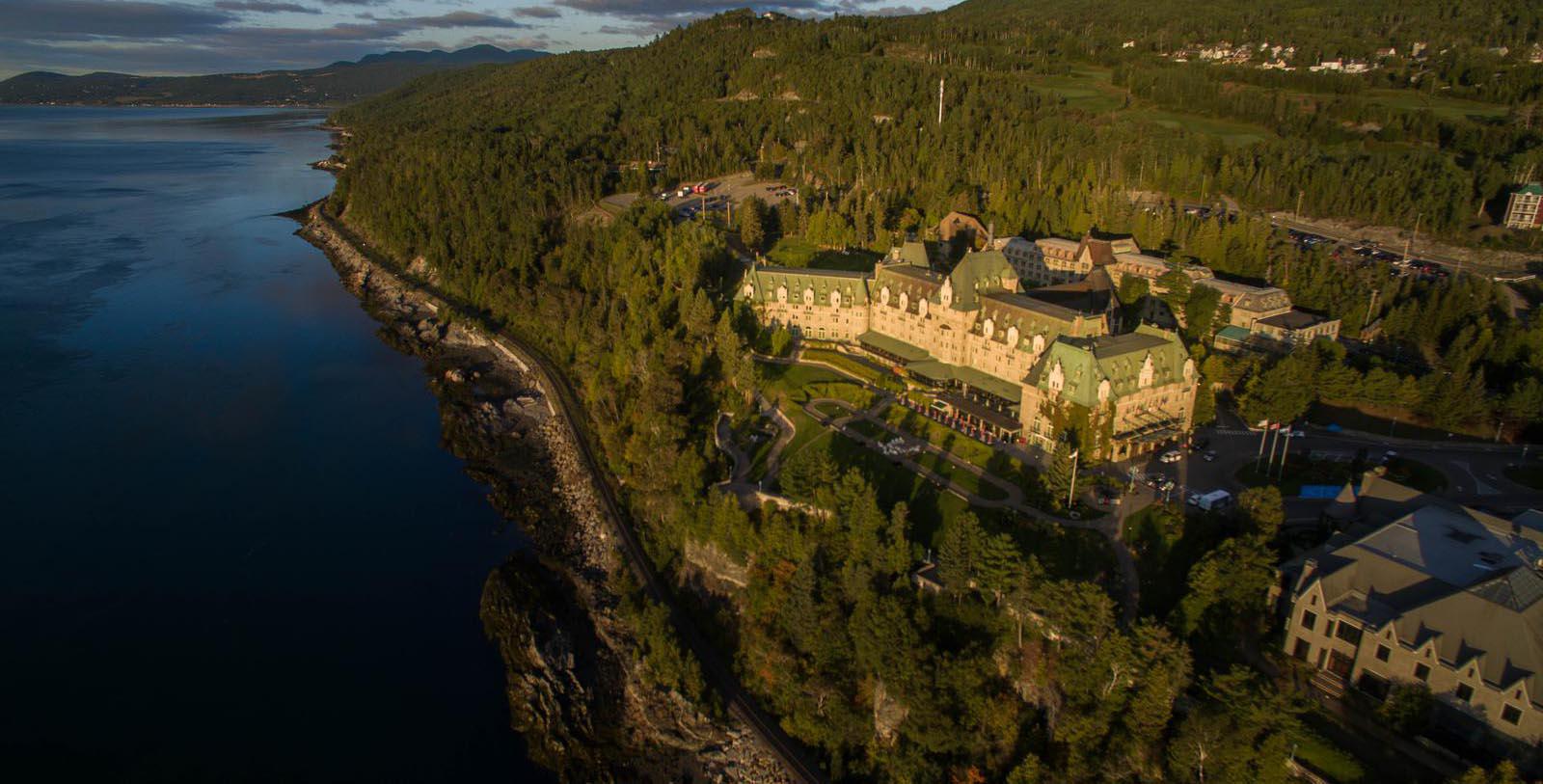
Fairmont Le Manoir Richelieu
Charlevoix, Quebec, Canada
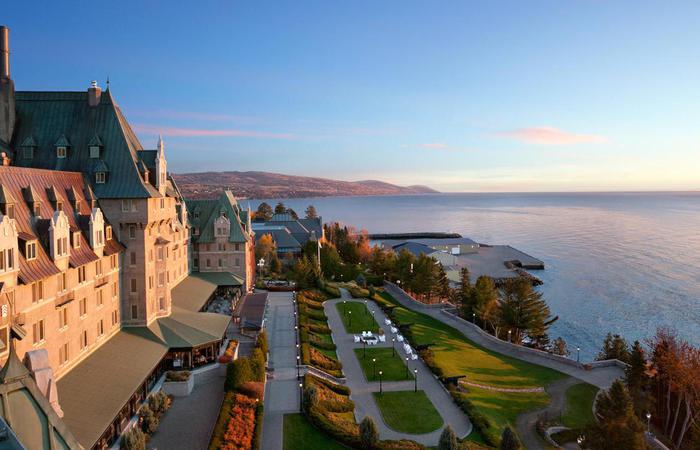
Fairmont Le Manoir Richelieu overlooks the picturesque St Lawrence River on top of Point-au-Pic, an area known for its hospitality and inspiring landscapes. It was built to accommodate growing tourism in the area due to the great salmon fishing that was discovered in the mid-1700s.
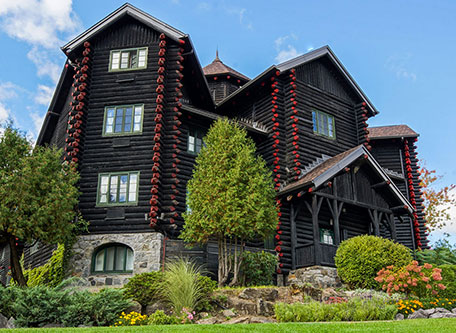
Fairmont Le Chateau Montebello
Montebello, Quebec, Canada
In Quebec, directly on the Ottawa River, sits the grand cedar structure of the Fairmont Le Château Montebello, a historic resort featuring buildings that date back to 1930. With over 10,000 red cedar logs used in the construction of the three main buildings, this resort contains the largest log cabin in the world.
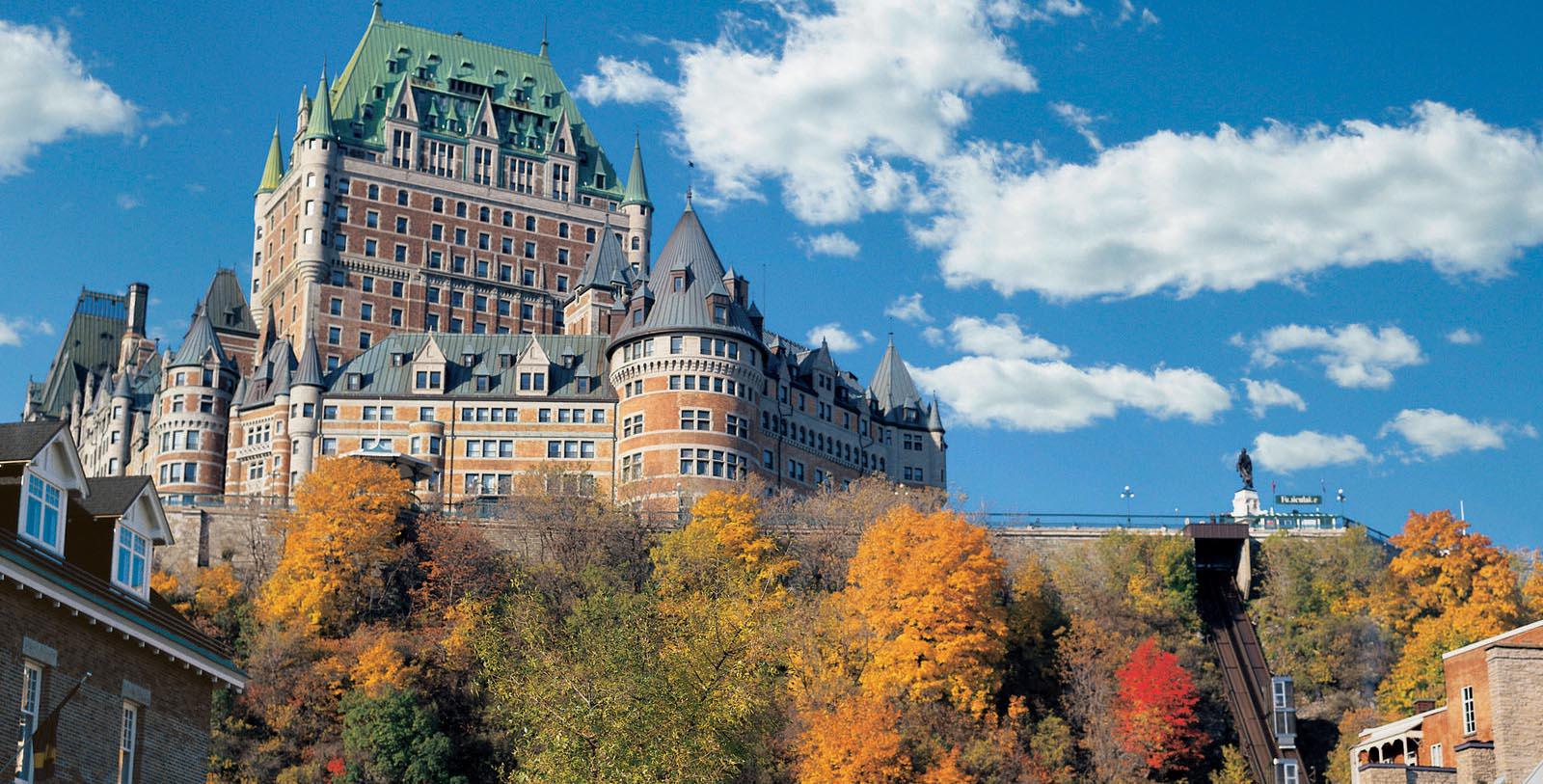
Fairmont Le Chateau Frontenac
Québec City, Quebec, Canada
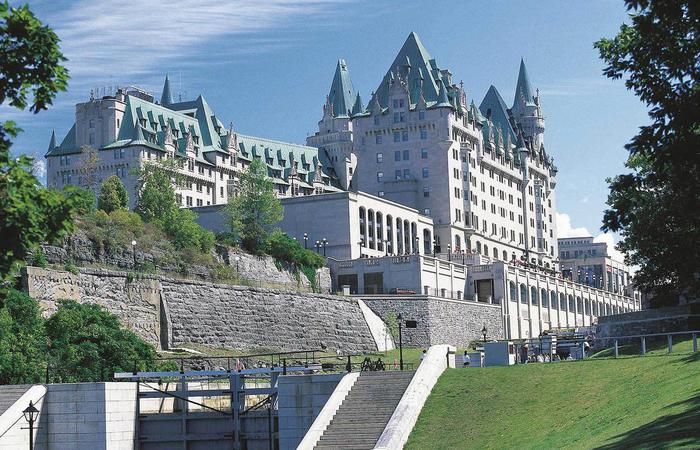
Rich in heritage, Fairmont Le Château Frontenac is an urban resort, nestled in the heart of Old Quebec, that seduces with its historic charm, distinctive elegance, world-class hospitality and magic touch. Once the site of personal residence of the English and French governors, Fairmont Le Château Frontenac stands high on Cap Diamant, overlooking the majestic St. Lawrence River.
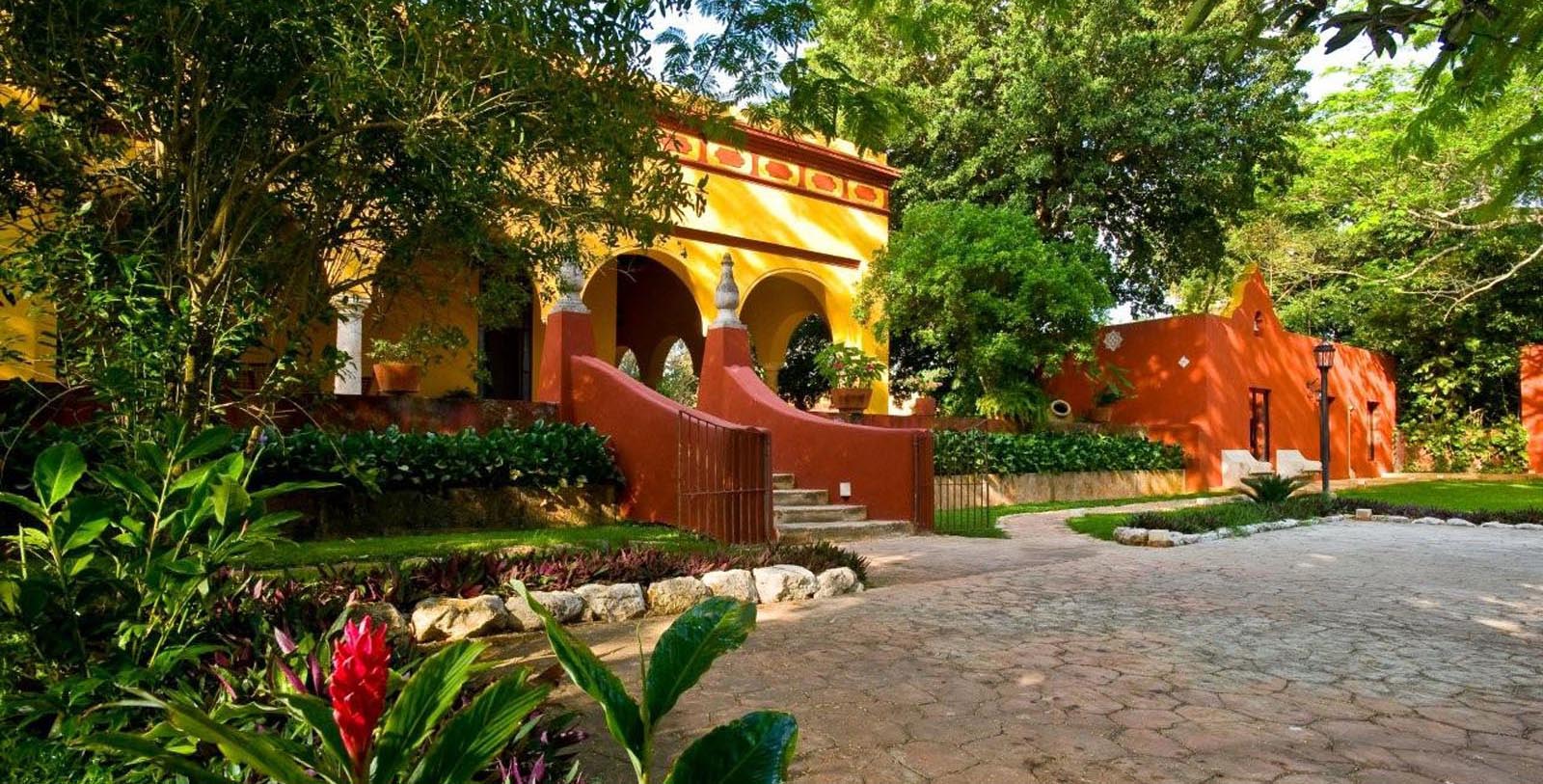
Hacienda Misne
Merida, Mexico
The Hacienda Misne is a beautifully renovated hotel nestled in the heart of Mérida, Mexico in the beautiful Yucatan Peninsula surrounded by a lush tropical setting. Featuring the unique blend of Spanish and French architecture, the Hacienda Misne boasts contemporary decor, pebbled paths, and colorful gardens, creating the perfect fusion of modern comfort and enriching history.
Hacienda Xcanatún
Merida, Mexico
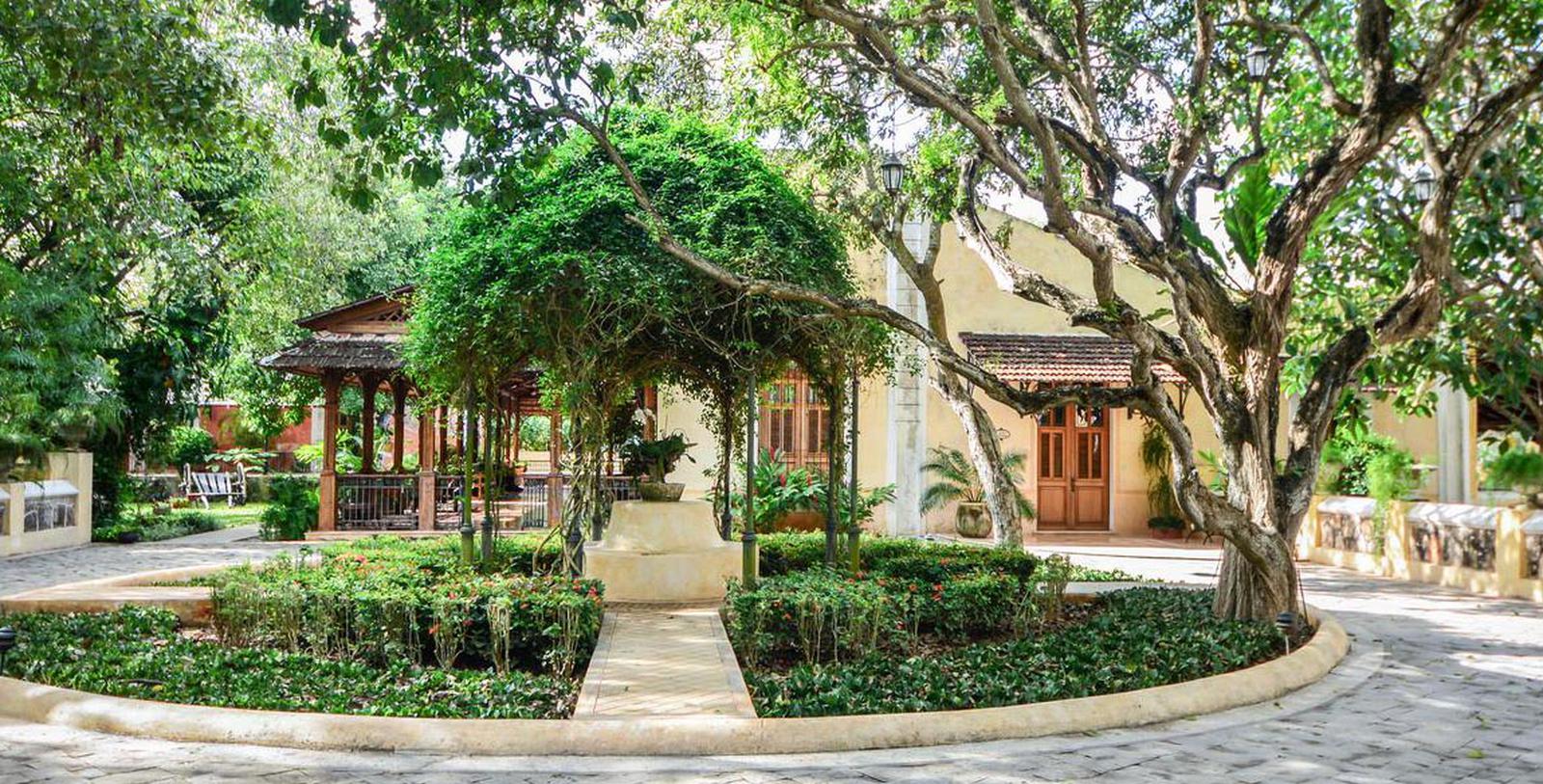
Hacienda Xcanatún is a luxurious boutique hotel, located in an authentic 18th century hacienda within Merida, Mexico, offering elegant accommodations, exquisite dining, and more for guests to enjoy.
Hacienda Uxmal Plantation & Museum
Uxmal, Mexico
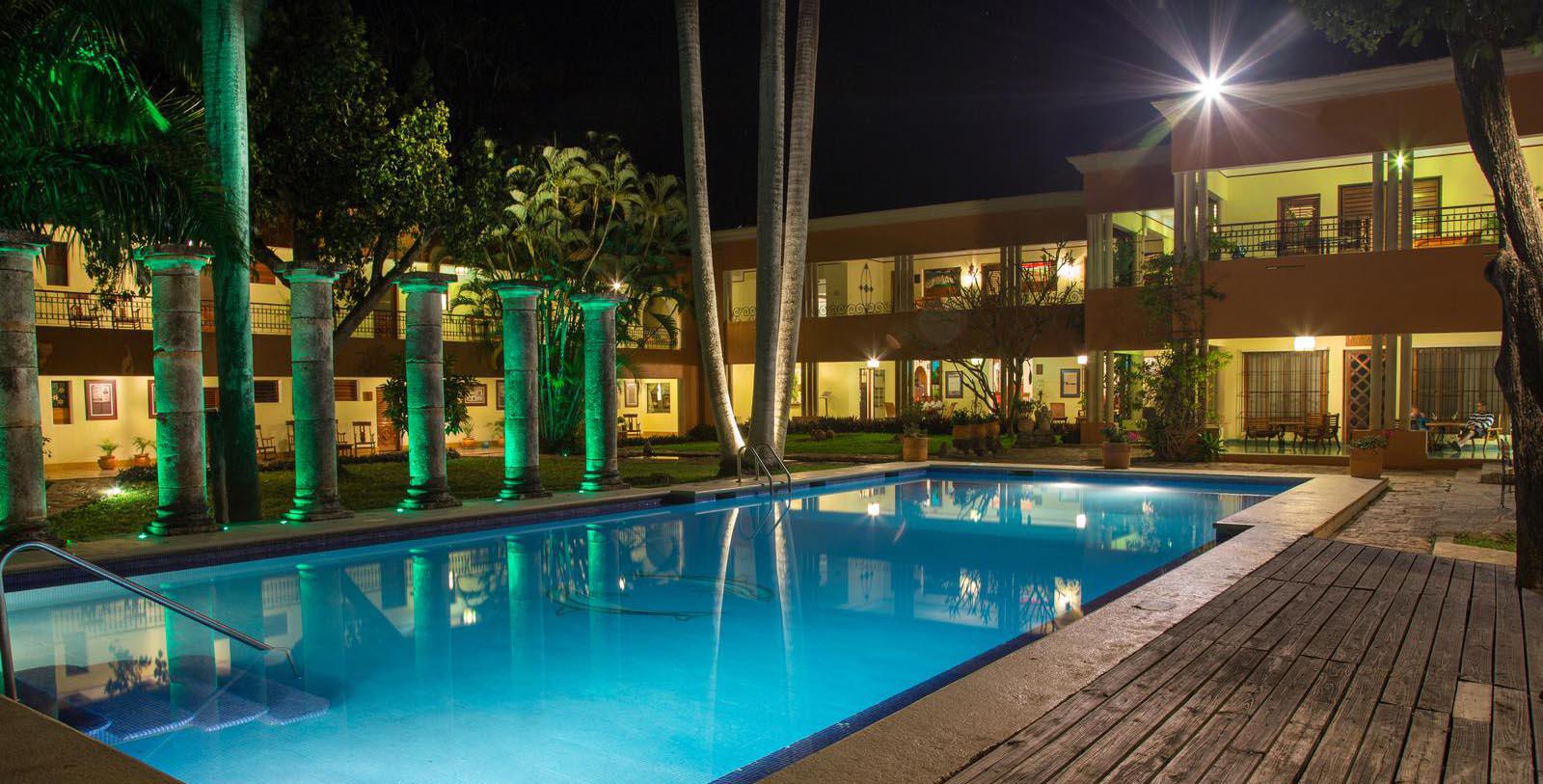
Hacienda Uxmal Plantation & Museum is nestled in the heart of the ancient World Heritage Mayan city of Uxmal, Mexico. Dating back to 1673, the world’s First Hotel Hacienda overlooks a gorgeous plantation and neighboring Chocolate Museum. The notable explorers and archaeologists of Uxmal have stayed at this historic hotel. Guests can experience an enclave of Yucatan traditions, blending Mayan and Spanish Colonial ambiance with classic mahogany furniture, hand painted tiles, and stained glass.