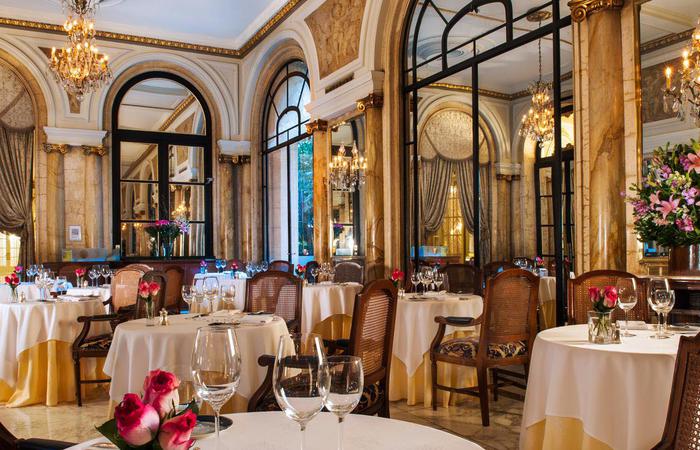
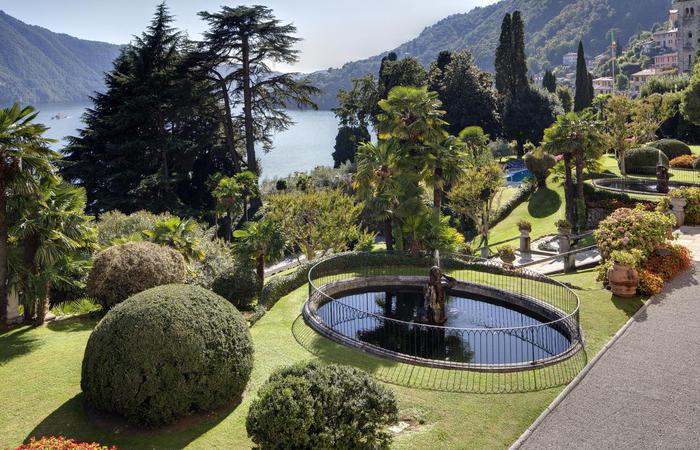
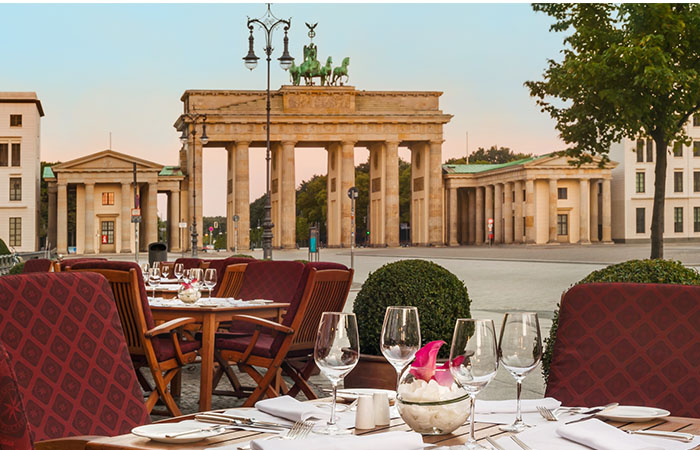
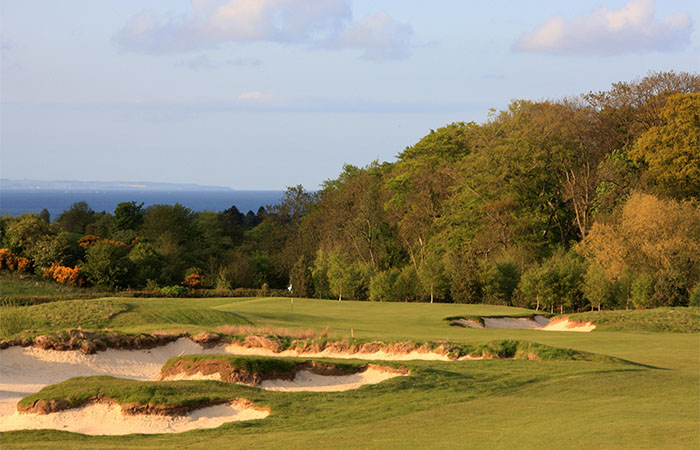

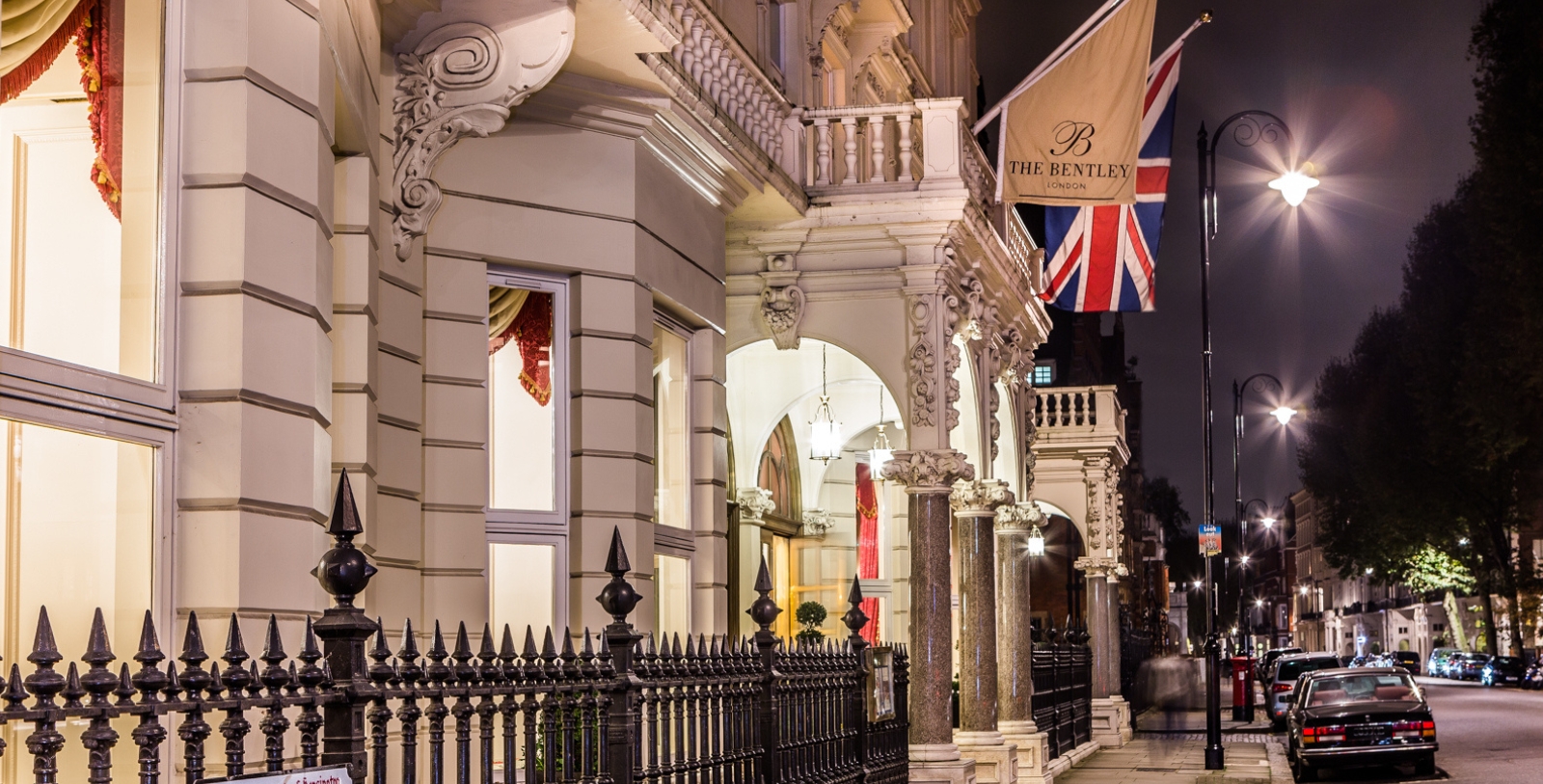


Nothing brings people together better than food, and Historic Hotels of America rises to the occasion by serving famous regional cuisine and popular beverages indicative of the surrounding area. Some of the most popular food and beverage in America originated at our hotels - the Waldorf salad, Parker House rolls, and the Mint Julep from the Willard Hotel to name just a few.
As the only surviving hotel in Selma's downtown historic district, the St. James Hotel has witnessed much of the dramatic history that has played out in this picturesque Southern city. Built in 1837 atop the banks of the Alabama River, it was a home-away-from-home for visiting plantation owners, business men and even occasional travelers of less illustrious repute.
The Wigwam is one of Arizona's original iconic hotels. Originally built by the Goodyear Tire & Rubber Company to house sales executives in the early 1900s the resort evolved as a popular tourist destination when executives convinced their company president, Paul Litchfield (and original descendant of The Mayflower), to expand the small lodge into a winter retreat.
Since the 1930s, the Hermosa Inn - a luxury Phoenix boutique hotel - has been a recognized destination in the desert Southwest, offering exclusive lodging accommodations in one of the city's most affluent suburbs - Paradise Valley. This intimate hacienda-style hotel offers all of the comforts of home with a luxurious twist.
Royal Palms Resort and Spa is a romantic hideaway with the rustic splendor of a Mediterranean villa. Its 117 casitas and guestrooms serve as an oasis for guests seeking tranquility and solitude. Set in the Valley of the Sun, the hotel is located in the beautiful Phoenix-Scottsdale resort community, with the majestic Camelback Mountain providing a striking visual backdrop.
Since the day it opened its doors to those seeking respite in the mile-high mountain oasis, the historic inn has been a sought-after retreat for travelers searching for a relaxing respite from life's hustle and bustle.
Hotel Valley Ho was cool back in 1956 when it first opened its doors, before Downtown Scottsdale was downtown. It's every bit a chic hotel now, after an expansive, but meticulously groomed, $80 million 2005 renovation.
In 1929, John and Helen Murphey created Hacienda del Sol Guest Ranch Resort, a desert oasis and "home away from home" ranch school for girls only. Inspired by early Moorish architecture, it showcases many details that were crafted by the Murpheys themselves.
Perched above the Victorian village of Eureka Springs, Arkansas -- recognized by the National Trust for Historic Preservation as one of America's Dozen Distinctive Destinations -- is the 1886 Crescent Hotel & Spa, a landmark hotel that echoes the recuperative splendor of the surrounding Ozark Mountain region.
For a building that has stood since 1905, one of six built in the University of Arkansas that year, the Inn Carnall Hall creates an inviting optical illusion: existing in a turn-of-the-twentieth-century era while not appearing the least bit outdated. Two pairs of dramatic, all-white columns flank either side of the entrance to this Colonial Revival inn.
Considered "the front porch of Little Rock," the Capital Hotel, a landmark inn, has been a beacon to Southern culture since it first opened its doors in 1870.
Situated in the seaside village of La Jolla, known as the "Jewel of the Pacific", the Four Diamond Grande Colonial offers classic European styling in the intimate setting of a boutique hotel.
Overlooking La Jolla Cove and the sky blue Pacific Ocean, it's easy to see how La Valencia Hotel took its inspiration from Mediterranean resorts. Walk toward "the Jewel of La Jolla," as La Valencia is known, and you pass the colonnade flanking the palm-shaded patio before entering the historic lobby.
Nestled into the heart of Napa Valley, the Napa River Inn stands out as an upscale boutique hotel offering traditional comfort, convenience, and personal service to both leisure and business travelers. Surrounded by the valley's world-renowned vineyards, beautiful scenery, excellent restaurants, and favorable climate, the inn sits snugly along the banks of the Napa River on 2.5 riverfront acres.
Fabulous spa, legendary golf course, luxurious retreat from the world: whatever your definition, the Ojai Valley Inn & Spa is a favorite among many. The 220-acre Ojai Valley Inn & Spa features 305 rooms and suites, four excellent restaurants, a new golf clubhouse, and a Spanish Colonial conference center. The award-winning Spa Ojai, George C. Thomas Jr.
In the mid-1800s, the Paso Robles region -- known for its mineral hot springs -- was a rest stop for travelers of the Camino Real trail who indulged in the area's therapeutic watering hole. Today, the Paso Robles Inn carries on this tradition with 30 of its 100 guest rooms outfitted with hot spring spas.
Occupying an entire city block, the Mission Inn is a destination in and of itself. This remarkable property took more than 30 years to complete and combines design elements from throughout the Southwestern United States, particularly the California mission style, as well as several Mediterranean countries.
Cavallo Point in San Francisco is a statement of sustainable luxury and green living, and it is the home of the Institute at the Golden Gate, an environmental program of the National Parks Conservancy.
As splendid now as when it opened to great fanfare in 1926, the InterContinental Mark Hopkins San Francisco is one of the city's finest historic hotels. Situated at the crest of illustrious Nob Hill, and at the crossing of three cable car lines, this venerable San Francisco landmark is minutes from Union Square, Chinatown, and the Financial and Theater Districts.
The Omni San Francisco Hotel provides luxury accommodations in the heart of downtown San Francisco - the jewel of California. This beautiful Nob Hill hotel is located right on the cable car line and is only a short walk to Union Square, the San Francisco neighborhood that has become a mecca for high-end shopping and art galleries.
The Palace Hotel, a Luxury Collection Hotel in San Francisco, was built in 1875 and was reputedly the largest, most luxurious and costly hotel in the world. On October 2, 1875, the Palace Hotel officially opened to capture the hearts of the American public. The Palace Hotel quickly gained prominence among the traveling elite visiting San Francisco.
It is said that greatness springs from tragedy. For proof of this, look no further than San Francisco's Fairmont Hotel. The Beaux Arts-style property, designed by celebrated architect Julia Morgan (the genius behind the grandiose Hearst Castle), was about to open when its city suffered a devastating earthquake on April 18, 1906.
When it opened in 1933, this decadent Art Deco landmark in seaside Santa Monica became an immediate attraction for stars of the silver screen seeking relief from hot summers in neighboring Hollywood.
Located in historic Railroad Square, the Hotel La Rose is centrally located to Sonoma County's wineries, Redwood forests, and Pacific coastline.
For over a century, dreamers, farmers, investors, and even a Prussian Count have envisioned a grand future for the Colorado Springs area. One man, Spencer Penrose had the dedication and vision to bring the dream to reality. That dream was The Broadmoor, which officially opened on June 29, 1918 and marks its 90th anniversary in 2008.
The four-story red brick Strater Hotel is an exceptional example of American Victorian architecture, highlighted by original white stone cornices and ornamental brickwork. The interior of the property transports guests back to Durango's heyday and blends American history with Victorian charm and modern convenience.
Since 2001, we've consecutively received the prestigious AAA Four Diamond Award for both the hotel and our dining room. Our dining room has also received the DiRoNa Award, and Wine Spectator's Best of Award of Excellence, every year.
Set in the woodlands of southeastern Connecticut, The Spa at Norwich Inn is a premier resort situated on 42 landscaped acres of trees, perennial gardens, ponds, and an inviting, placid reflecting pool.
January 15, 1913, saw the opening of Wilmington's Hotel du Pont, one of the most lavish hotels of America's Gilded Age and an immediate rival to Europe's finest hotels.
Inspired by American Founding Father, Thomas Jefferson, The Jefferson, Washington, DC is a historic hotel illustrating and celebrating its namesake throughout its design and character. Blending distinct European and Washingtonian styles with America's past and modern luxuries, the stately Beaux Arts hotel was built in 1923, originally constructed as a luxury residential building, home to the city's elite.
The Willard InterContinental is located in the heart of the nation's capital on Pennsylvania Avenue near the White House, the Smithsonian museums and the downtown business and theatre districts. The Willard epitomizes world-class hospitality as the hotel of choice for heads of state and leaders of the world's business, cultural, social and political elite.
Walking through The Gasparilla Inn's pillared entrance and into the lobby, you experience the feeling of Florida as it was meant to be. Guests are instantly embraced with the tranquil civility of a time that once was -- and still is -- at this classic resort.
Situated on Collins Avenue, South Beach's premier location for shopping, dining and entertainment, The Hotel is "a gem at the ocean." The distinctive touches of designer Todd Oldham are everywhere, especially in the stylish lobby, with its custom-crafted furnishings and vibrant jewel tones.
There's no mistaking Loews Don CeSar Hotel and Spa. Instantly known as Florida's Pink Castle when it opened back in 1928, this ten-story hotel sits on the sugary sands of St. Pete Beach, an island in the Gulf of Mexico.
Situated in the heart of Atlanta's business and cultural district, directly across from the iconic Fox Theatre, the Georgian Terrace hotel welcomes guests with true Southern hospitality boasting luxury accommodations, fine dining at the romantic Livingston Restaurant, and a variety of meeting and event space.
The Smith House has maintained its long tradition of old-fashioned hospitality dating back to 1899 when the house was originally built on a vein of gold ore. Located in the quaint town of Dahlonega, Georgia, the Smith House is a country inn that serves home-cooked country fare in the family-style dining room, while providing modern day luxuries to its guests.
Nestled amid live oak trees draped in Spanish moss, this Victorian landmark enjoys a setting of unspoiled natural beauty on Jekyll Island. The island is protected from extensive development by the state of Georgia and has miles of beaches and forest waiting to be explored. Here, millionaires wintered in scenic seclusion for decades, enjoying many amenities and privileges.
St. Simons Island is one of Georgia's Golden Isles, lying midway between Savannah, Georgia and Jacksonville, Florida. The islands are a popular resort playground, offering a mix of natural beauty, rich history and quaint charm, coupled with the allure of inviting year-round weather.
Welcome to the InterContinental Chicago Magnificent Mile, one of the most beautiful landmark hotels in history. With its unique architecture and cultural diversity, it was originally built in 1929 as the Medinah Athletic Club, a luxury men's club for members of the Shrine organization. Unfortunately, in 1934 the club had been a victim of the stock market crash and was forced to close its doors.
Through detailed renovation, restoration and an extreme passion for refurbishing the past, French Lick Resort Casino, established in 1845, has re-opened its doors and returned to its original charm and grandeur. For over two centuries the Pluto Mineral Springs and its medicinal waters have drawn visitors to French Lick and our legendary resort.
This once glorious, high-end Hotel Blackhawk was built in 1915, during an economic boom period in Davenport. It originally was a seven-story hotel. In the 1920's, money was flowing into the city, and so four more stories were added, creating a 400-room brick historic hotel, with a fancy frontage, complete with marble accents around the windows.
Stay the night in one of Boone Tavern's spacious heritage accommodations, where the understated elegance of handmade furniture, made by Berea College woodcraft is enhanced with modern amenities. Become part of the unique Berea lifestyle where quality and tradition blend with Southern hospitality and the youthful vigor of the college campus.
Hotel Monteleone is one of the last, great family-owned hotels in America, having been operated by four generations of the Monteleone family over the past century. When it was founded in 1886, Royal Street, on which it sits, was the most fashionable and elegant street in New Orleans.
Choose Le Pavillon Hotel to embrace the true history of one of the nation's most distinct cities. The historic hotel in New Orleans sits on the site of one of the city's first great plantation homes. When this first-generation skyscraper opened in 1907, Le Pavillon Hotel became an instant signature in the historic heart of the Big Easy.
The Omni Royal Orleans is a proud part of history on its legendary site. From the 1830's onward, this single block of the French Quarter has witnessed all that was and is New Orleans. From creole hedonisa to the austerity of the civil war, reconstruction, a sad decline to the rebirth in the modern world.
The South’s most magnificent remaining antebellum mansion, Nottoway Plantation splendidly overlooks the Great Mississippi River, and continues to entice visitors, from near and far, to take a step back in time to the days of glory and grandeur. With a natural backdrop of colorful gardens and two hundred-year-old oaks, Nottoway is the ultimate blend of Southern history and hospitality, and an exceptional choice.
The Colony Hotel is spectacularly situated amid glorious and manicured gardens on a rocky promontory above the Atlantic Ocean. The white wooden structure was built in 1914 and spans a full 300 feet, topped by a cupola and the weather vane of a large ship. The wrap-around Ocean Porch and the gazebo offer views of the ocean and river.
The Portland Regency Hotel is Portland's premier full-service hotel, boasting first-class elegance and outstanding service. Situated in the heart of the "Old Port District", the hotel is surrounded by a variety of specialty shops, galleries and restaurants which have been converted from the warehouses and commercial buildings that were original to the city's maritime heritage.
The Historic Inns of Annapolis were once personal residences of lords and governors and frequent stopovers for signers of the Declaration of Independence. Today they have been transformed into three charming historic inns that will take you back in time, with 124 guestrooms all handsomely restored and tastefully furnished in original and reproduction antiques.
Referred to as the “Inn of Distinction,” Inn at 202 Dover is a meticulously restored historic Colonial Revival hotel in the Easton, Maryland Historic District. The historic inn provides personalized service, luxury accommodations, and modern conveniences a short block from downtown shopping, art galleries, restaurants, and cultural attractions.
As you pass through the sculpted bronze doors of this historic hotel, you are enveloped in the charm and timeless beauty that have made the Omni Parker House a Boston landmark since 1855.
Welcome to The Boston Park Plaza Hotel & Towers. The Boston Park Plaza Hotel & Towers, a Starwood hotel, is located in the heart of historic Back Bay and is one of Boston's most recognized and renowned landmarks. The Boston Park Plaza opened March 10, 1927 as part of the E.M. Statler Empire.
The Fairmont Copley Plaza, Boston has been a landmark in Boston's historic Back Bay since 1912. Constructed on the original site of Boston's Museum of Fine Arts, the hotel derives its name from the great American painter John Singleton Copley (1738-1774). The hotel's architect, Henry Janeway Hardenbergh, combined French and Venetian Renaissance influences on the building's facade.
As much a Boston landmark as Fenway Park or Faneuil Hall, the handsome Italianate structure in Copley Square famously known as the Lenox was built in 1900 in just eight months at a cost of $1.1 million -- one of the first hotels constructed in Boston's Back Bay.
The Cranwell Resort is as rich in history as it is with hospitality. Over the years, the historic inn has hosted the likes of Harriet Beecher Stowe, Oliver Wendell Holmes, the Vanderbilts, and President William McKinley.
Relax in the gracious elegance of this grand hotel's glass-enclosed conservatory, unwind at the lobby fireplace or retreat to the sitting area in your own room. All the charm, comfort and elegance of a traditional New England inn can be found within the Colonial Revival-style Hotel Northampton.
At the tip of Cape Cod's distinctive tip sits the eclectic village of Provincetown, home to the Crowne Pointe Historic Inn & Spa. Originally established a bustling seaport, Provincetown was once inhabited by a rowdy mix of smugglers, outlaws and raucous mariners.
In 1856, historic tavern owner William Norwood found his livelihood destroyed when local temperance advocate Hannah Jumper led 200 female cohorts on a raid to rid the town of the evils of alcohol - an exploit so successful, the town of Rockport remained dry until 2005.
Since 1773, The Red Lion Inn has been welcoming travelers to the beauty of the Berkshires with traditional New England hospitality. The inn has hosted five presidents and numerous other notable figures, including Nathaniel Hawthorne, William Cullen Bryant and Henry Wadsworth Longfellow.
Affording an elegant old world charm with the luxury and sophistication of modern day, Amway Grand Plaza Hotel began as the distinguished Pantlind Hotel in 1913. An integral part of the renaissance of Western Michigan, Amway Grand Plaza Hotel, with the historic wing and new Glass Tower, is located in the heart of downtown Grand Rapids contributing to the growing skyline of the business and entertainment district.
The old-world elegance of Grand Hotel envelops you the moment you step onto Mackinac Island and board a horse-drawn carriage taxi or stroll the short distance to the hotel. Either way, your passage will be peaceful; cars aren't allowed on Mackinac Island -- one of the many traditions that still reign from the opening days of Grand Hotel back in 1887.
Big Cedar's main grounds can be a busy place - but you'd never know it from the quiet comfort of your own lodge or cabin. The heritage resort near Branson offers specialty lodging accommodations evident in the traditions of quality that is the hallmark of its founder. Guests choose from a variety of rooms in three distinctly different lodges, a cozy knotty pine cottage, or a beautifully crafted log cabin.
The Chase Park Plaza Hotel in St. Louis, Missouri, offers a rare treat in landmark hotels: unfettered access to two historic city landmarks sharing the same street address.
The Omni Bretton Arms Inn was built as a private home in 1896 and was first opened to guests in 1907. The inn was a part of the larger Mount Washington and Mount Pleasant Hotels which hosted a variety of visitors and was the distinguished headquarters for the Conference Secretariat during the 44-nation Bretton Woods Monetary Conference in 1944.
General Ebenezer Brewster, whose home occupied the present site of the Inn, founded the Dartmouth Hotel in 1780 but later burned to the ground and was replaced two years later on the same site by the Wheelock Hotel. From 1901 - 1903, Dartmouth College carried out extensive renovations to the facility, which was then renamed the Hanover Inn.
Eagle Mountain House & Golf Club exemplifies New England. Its century-old history ties the historic hotel to the region's heritage while seamlessly offering all the high-end amenities of any modern hotel alongside pristine, panoramic views of New Hampshire's White Mountains.
The "Grand Dame of the Sea" -- as Wentworth by the Sea is affectionately known -- has set the model for coastline New Hampshire accommodations for over a century. When it opened in 1874, Wentworth was the largest wooden structure on the state's coast, a hub for social, business and political luminaries from around the world.
On a rainy night in 1865, a group of travelers en route to Montreal was stranded when their stagecoach hit a muddy rut and overturned. Despite the late hour, they found a warm welcome at the nearby Dodge farmhouse and were so captivated by the hospitality of their hosts and the spectacular surroundings that they prolonged their stay.
Dating from 1876, the Chalfonte is the oldest continuously operating hotel in the nation's original seaside resort. Its distinctive ship-like profile, crowned by her Italianate cupola, occupies nearly an entire city block. The Hotel was built by Civil War Colonel Henry Sawyer and was originally planned as a boarding house.
La Fonda is a Santa Fe landmark, just steps away from history and art museums, a variety of galleries and shops, historic churches and, of course, the Plaza. The historic inn's Pueblo-style architecture features thick wood beams, latilla ceilings, and carved corbels.
The Bishop's Lodge Ranch Resort & Spa provides guests with the complete Santa Fe experience. A 450 acre resort nestled in the Tesuque Valley just three miles from the Plaza downtown, providing exceptional dining, award-winning spa, and on-site recreational activities such as horseback riding, skeet and trap, tennis, hiking and mountain biking on our trails which connect to the Santa Fe National Forest directly behind the resort.
Situated in the unspoiled Adirondack Mountains, the Sagamore opened in 1883 and was a social center for the wealthy visiting Lake George. After closing in 1981, the hotel was reopened a few years later and restored to its original grandeur. Today the resort offers a wealth of recreational and dining opportunities for guests who enjoy "roughing it" with an elegance in the woods.
The 2001 restoration of the historic building, erected in 1866, became a symbol of revival to the Buffalo community. The Mansion on Delaware Avenue is a wonderful example of Second Empire architecture, with its mansard roof, porticos and huge rounded, hooded windows harking back to a time when Buffalo was a profitable port and manufacturing center.
It is not hard to imagine the finger lake region of frontier days when you stay at The Otesaga Resort Hotel. Otesaga, named for the Iroquois word for " A Place of Meetings," is located on the southern shore of Lake Otsego in Cooperstown, New York, and ranks as one of America's original grand lakeside hotels.
Warren & Wetmore built this historic landmark hotel in 1926. The Berkshire Hotel was purchased in May 1978 by the Dunfey Hotels Corporation, which included the Omni Hotels and Dunfey Hotels groups. The property received a $9.5 million face-lift in 1979.
For more than a century, The Waldorf=Astoria has combined luxury with a wealth of amenities and services. This 42-story Art-Deco hotel, located in mid-town Manhattan, beckons New Yorkers and visitors alike.
Since before the Revolutionary War, the Beekman Arms and Delamater Inn has welcomed guests to the beauty of the Hudson Valley. The property has operated continuously since 1766, retaining much of its colonial charm and character, while offering modern conveniences to guests seeking a historic vacation.
For a long time, New York's Hudson River Valley has been the quiet side of the otherwise hectic Manhattan vibe; the meandering river weaves through a verdant topography of towering trees, interlacing a small collection of historic towns that reflect a time when even the Big Apple was merely a seed of its future self.
The Grove Park Inn Resort & Spa is one of the South’s best-loved resorts. Built in 1913 with granite stones mined from Sunset Mountain, the resort overlooks the city of Asheville, N.C., and provides majestic views of the Blue Ridge Mountains. With its distinctive undulating red clay tile roof and original Roycroft furnishings and fixtures, The Grove Park Inn captures the essence of the Arts and Crafts movement.
The Carolina Inn has sat on the doorsteps of the University of North Carolina Chapel Hill's campus, serving as the central meeting place for students, academics, faculty, local townspeople and visitors, since it opened in 1924. Though the property itself has evolved since John Sprunt Hill first built the inn, its luxury has remained constant.
In the shadow of the great Smoky Mountains sits the quaint village of Highlands, North Carolina. Here, nature's splendor offers a relaxing respite from the pressures of everyday living. Life moves a little slower and the stresses of the modern world seem to pale next to the grandeur of Mother Nature.
The Hilton Cincinnati Netherland Plaza is a true French Art Deco hotel masterpiece. Opened in 1931, the hotel was an integral part of the first multi-use complex in the United States. Described as a "city within a city," the complex featured an office tower, hotel, fully automated garage, shopping complex, and restaurants.
Since its grand opening in 1882, the original Palace Hotel became an instant landmark on the downtown cityscape. Always at the forefront of modern guest amenities, the urban poasis provides guests with luxury accommodations, exemplary service, and the grandeur of an original 8-story French Second Empire masterpiece.
Originally built as a temporary upscale residence for wealthy oil barons and their families, the ten-story Ambassador Hotel had to fit the needs of its discerning clientele. Today, thanks to a multi-million-dollar restoration program, the Mediterranean-influenced historic Ambassador Hotel is one of Tulsa’s towering architectural and cultural achievements, mirroring the glories of old—save when it comes to service and convenience.
An oasis of gentility and charm in the beautiful Rogue River Valley, Ashland Springs Hotel is the premier choice for lodging in Southern Oregon. A two-year restoration project transformed this landmark hotel into a haven of taste and elegance reminiscent of small European hotels.
The Heathman Hotel is a downtown landmark, built in the late 1920s in the popular Italian Renaissance style. Then, as now, the hotel was a popular center of cultural activity. Its dramatic public spaces have been renovated in grand Art Deco style and provide the perfect backdrop for the hotel’s extensive collection of artwork.
Today, the Buccaneer is the Virgin Island’s longest running resort, but its beginnings were anything but luxurious. In it’s turbulent past, St Croix has been under the control of the French, Dutch, English, Spanish, Danish and Americans, all influences which have enriched the island’s culture. The area’s first building was erected in 1653 by Charles Martel, a Knight of Malta, and was hidden from the sight of roving pirates and marauders who plundered the seas off the island.
Located just outside the limits of the town of Bedford Springs, this sprawling 2,200 acre resort has been welcoming guests and making history for more than 200 years. Its red brick façade is distinguished by white columns, a porte cochere and a series of additions that amble their way up the hillside. The result is a charming combination of old and new elements that work in harmony against the rocky hills of south central Pennsylvania.
The stately Historic Hotel Bethlehem has been restored to its original 1922 grandeur. Palladian windows provide dramatic views of the downtown district. Seven large murals by artist George Gray retell the history of Bethlehem, from its founding by Moravian brethren to its position as industrial center. Classically styled guestrooms offer views of the city’s Main Street or the noted Bethlehem Star on South Mountain.
Glasbern Country Inn is a historic inn and restaurant, located in Lehigh Valley. This cozy but luxurious Pennsylvania country inn offers guests peace and seclusion on a 130-acre, 19th-century farm.
After returning from a trip to Europe, chocolate king Milton S. Hershey dreamed of building an elegant hotel on a hilltop overlooking the town that bore his surname. In 1933 that dream became a reality. Today The Hotel Hershey offers a magnificent mix of European splendor set amid 300 panoramic acres of picturesque countryside that reflects the vision of its founder.
Cork Factory Hotel was once the home of a 19th century cork manufacturing giant. After lying abandoned for several years, the historic site was converted into a luxury boutique hotel, restaurant, and event facility.
The Mansions on Fifth is notable for its historic legacy and ties to Pittsburgh’s past. The restoration of the Mansions involved an unwavering commitment to preserving as much of the historical detail and integrity of the Mansions as possible. In her new chapter as a luxury hotel, The Mansions’ future involves an equally strong commitment to environmental stewardship and sustainability.
With a blend of classic elegance and modern sophistication, the renowned Omni William Penn Hotel has served as Pittsburgh’s premier hotel since 1916. This historic hotel features 597 beautifully appointed guest rooms including 38 suites, 52,000 square feet of flexible meeting space, and five dining options.
The placement of the Skytop Lodge at the base of West Mountain in the Pennsylvania Pocono Mountains is perhaps the best indication that this grand resort has always been inextricably linked to its natural surroundings-and the 30 miles of hiking trails weaving through the 5,500-acre site merely reinforces that fact.
York, Pennsylvania, has been on the historian’s map ever since the American Revolution—then known as “Yorktowne,” the town served as the nation’s capital while Philadelphia was under British occupation. Despite its name, however, The Yorktowne Hotel embodies the history of another nostalgic era—the Roaring Twenties.
Hamlet's proclamation to Ophelia, “Get thee to a nunnery” implies a certain negativity, but Puerto Rico is legions away from Denmark, and if the Bard had the good fortune to find himself on that Caribbean isle today, standing in front of the remarkable edifice of historic El Convento Hotel, he’d have surely penned something else.
On certain occasions, tragedy can inspire greatness. Such is the case of Rhode Island’s Newport Beach Hotel and Suites (formerly known as the Inn at Newport Beach.) A massive hurricane in 1938 wiped out the town’s numerous beach establishments. Two years later, after the sand settled, the Toppa family decided to build a new inn on the beach, positioning the property 100 feet from the rocks and the ocean’s crashing waves.
A historic, luxury, European-styled boutique hotel, The Chanler at Cliff Walk boasts the best ocean view in Newport. This oceanfront hotel is only steps from Easton's Beach and a mile from downtown. Offering discerning travelers a glimpse of Newport's Golden Age, it is the first mansion and only hotel located on the famous Cliff Walk.
Within walking distance from Newport Harbor the Hotel Viking is nestled in the Historic Hill district on famed Bellevue Avenue. Once the summering destination of America’s wealthiest, the Hotel was opened in 1926 to accommodate their haute monde guests. With the most recent multi-million dollar renovation finished in 2007 this hotel is the perfect choice for a historic stay in the heart of Upscale Historic Newport Rhode Island.
Since 1922, the Providence Biltmore has been a Rhode Island tradition. In its heyday, it was the place to see and be seen in the city, hosting hundreds of society events and celebrations. The imposing 18-story red brick building rises above the city skyline and its hallmark sign perched atop the roof has beckoned travelers for generations.
Named for Revolutionary War hero Francis Marion (the "Swamp Fox"), the Francis Marion Hotel became an instant landmark in Charleston the moment it opened in 1924. Rising 12 stories above the Historic District, the landmark hotel offers spectacular views of Charleston's church steeples, antebellum mansions and famous harbor, providing easy access to the wealth of Charleston's historic attractions.
A National Historic Landmark, the John Rutledge House Inn was built in 1763 by John Rutledge, a noted signer of the U.S. Constitution, governor of South Carolina, and briefly, chief justice of the Supreme Court. The historic inn incorporates two carriage houses plus the distinctive home.
Charleston’s antebellum hotel, Kings Courtyard Inn, is designed in the Greek Revival style with unusual Egyptian accents. Built in 1853, it is one of King Street’s oldest historic buildings and has served many roles in its 150-year history, from housing popular shops, to a private residence and an inn catering to plantation owners and merchants.
The Wentworth Mansion, built in 1886 as a private residence for the wealthy cotton merchant Francis Silas Rodgers, invites guests to enjoy the preserved opulence of America’s Gilded Age.
From 1909 to 1970, all trains to points south passed through Chattanooga’s famous terminal, which was designed by a 24-year-old architectural student from New York. The terminal’s first plans were modified at the behest of the president of the Southern Railway System to emulate the National Park Bank of New York.
The General Morgan Inn and Conference Center, a historic hotel in Tennessee, takes its name from the Confederate leader whose daring raids into the upper Midwest terrorized the Union Army during the Civil War.
Boasting the opulence of the American Victorian era, the American Queen Steamboat offers a truly unique way to explore the diverse American landscape along mighty rivers. The largest steamboat ever built, this magnificent triumph of American ingenuity affords authentic 19th century elements throughout the staterooms and interior, reminiscent of a time of leisurely and romantic travel.
Historian David Cohn once wrote, “The Mississippi Delta begins in the lobby of The Peabody Hotel… If you stand near its fountain in the middle of the lobby… ultimately you will see everybody who is anybody in the Delta…” Truly, in the minds of many, The Peabody is Memphis.
Located in the heart of Music City, adjacent to the state capitol, the Hermitage Hotel is the only remaining grand hotel in the city and the only commercial Beaux Arts structure in the state of Tennessee. Following the completion of a multi-million dollar restoration in 2003, this beloved hotel is once again a showplace that combines convenience with splendor.
A stay at the Union Station combines the elegance of the past with the modern conveniences of the present. The excitement of millions of travelers who passed within these walls remains almost palpable. For over a century, this massive turreted structure has been a distinctive feature of Nashville’s cityscape.
The claim that everything’s bigger in Texas shouldn’t merely be taken literally. Witness the Driskill, Texas’ premier luxury hotel positioned in the heart of the state capital. The 189-guest room structure may seem modest by some standards, but its historic grandeur and perfectly restored facade and interiors make it one of Austin’s largest, most rewarding experiences. Cattle baron Colonel Jesse Driskill built the hotel in 1886 to rival the palaces of New York, Chicago, St. Louis and San Francisco and to serve as a showpiece for his adopted frontier town.
Housed in two inter-connected historic buildings, The Ashton is Fort Worth’s only small luxury hotel. Soaring twelve-foot ceilings are luxuriously appointed and offer the finest in classic ambience with modern amenities. The hotel’s elegant Café Ashton has become one of the city’s most popular fine dining spots.
A vision of Victorian elegance rising from the Texas sand and surf, the Galvez was known as the "Queen of the Gulf" on the day she opened in 1911. For nearly a century, this charming historic hotel has been the choice accommodation of guests as demanding and diverse as Teddy Roosevelt, Howard Hughes, and Frank Sinatra.
Designed by Houston architect Joseph Finger and built in 1926 amid a regional and national economic boom, the Italian Renaissance-style Auditorium Hotel welcomed a growing population of tourists and professionals to its beautiful corridors and rooms.
Ideally nestled along the historic River Walk in downtown San Antonio, the Omni La Mansión del Rio is where history comes alive. The Texas Historical Commission and the San Antonio Conservation Society have designated Omni La Mansión del Rio as a historical treasure. The historic hotel includes 338 comfortably appointed guest rooms and suites, the award-winning Las Canarias restaurant and its Texas Hill Country-infused menu, flexible meeting and event space and unparalleled service standards.
Unlike a number of urban buildings that grow with its host city, the Riverwalk Vista actually contributed to the prosperity of San Antonio. The hotel’s first incarnation was a mercantile store built by Austrian immigrant George Dullnig in 1883. The three-story structure quickly became the city’s largest employer and, as such, offered several technological advancements, including a mechanical elevator, steam heat, a soda fountain and an on-site artisan well.
Located adjacent to the Alamo, the original Menger Hotel was constructed on the site of Menger′s brewery, the first brewery in Texas. Opening on February 1, 1859, "the finest hotel west of the Mississippi River" was host to such notables as Sam Houston, Generals Lee and Grant and Presidents McKinley, Taft and Eisenhower—Teddy Roosevelt even recruited the Rough Riders in the Menger Bar.
Since 1801, The Grafton Inn at Grafton has been providing visitors with timeless elegance and the finest comforts and amenities. Located in a picturesque Vermont village, this historic inn in Vermont offers a true retreat from the everyday.
The Green Mountains of Vermont offer year-round delights. Tucked amid the picturesque countryside, the landmark Castle Hill Resort and Spa combines gracious hospitality with a scenic setting and modern amenities.
The Wilburton Inn, once the largest private estate in Manchester Vermont, was the summer home of Chicago millionaire and philanthropist James Wilbur. At the turn of the twentieth century, Robert Todd Lincoln, the President’s son, and his friend, Chicago businessman Albert Gilbert, created two vast neighboring estates. Gilbert situated his mansion on the crest of a hill with spectacular views of the mountains and the Battenkill Valley below.
The Middlebury Inn has been in continuous operation as a hotel for over 180 years. The Inn began as the Vermont Hotel, a brick "public house" opened by Nathan Wood in 1827. The inn changed hands and became the Addison House in 1852, and then saw improvements in 1865 at the hands of owner Darwin Rider, who ran a free carriage to all trains and operated a large livery for his guests.
When Ardelia Beach, founder of the landmark Basin Harbor Club, first came to Vermont to establish a working farm that would take in summer boarders anxious to escape urban living, she could not have chosen a better locale. Unofficially described as Vermont’s West Coast, Lake Champlain is the sixth-largest lake in America, with more than 600 miles of shoreline bordering its 120-mile length.
Originally built in 1832 as a private residence by a Virginia General, The Martha Washington Hotel & Spa has seen many different uses. From a private residence, it evolved into a finishing school for young ladies. When the armies of the Civil War battled in and around Abingdon, the building served as a hospital for wounded soldiers, and romantic stories of nurses and soldiers still endure to this day. After the Civil War, The Martha became a women's college, and today it is an elegant hotel, paying homage to its gracious Southern roots and enduring historic legacy.
In a city as steeped in history as Charlottesville, Virginia—home to U.S. presidents, witness of the ravages of the Civil War and the burgeoning Virginia wine industry—it’s a significant achievement for an inn to rise in prominence. The Blue Ridge Mountain locale of the Boar’s Head Inn would be enough to qualify such distinction, but this remarkable 573-acre property compliments the fresh mountain air and stunning scenery with gracious hospitality, gourmet cuisine and a sense of the past that doesn’t sacrifice a single modern amenity.
The classic Georgian Revival architecture of the Mimslyn Inn rises gracefully from the rolling hills of the Shenandoah Valley. The warmth and charm of the Mimslyn have been welcoming guests since 1931. The inn is in close proximity to all of the area’s signature attractions, including the spectacular Luray Caverns. Purchased in 2005 by the Asam family, the Mimslyn has undergone an intensive, year-long renovation.
Today a name inextricably connected with the finest in luxury accommodations and hospitality, Craddock Terry was once associated with shoes. The Craddock Terry Shoe Company was, in fact, the first shoe company south of the Mason-Dixon Line and the fifth largest in the world. Built on the edge of the James River in 1901, the factory immediately became the backbone of the city’s commercial success.
When Charles Dana Gibson and Irene Langhorne--better known as the Gibson Girl--hosted their engagement party on Halloween 1895, little did they know that their nuptial celebration would be the first in a long legacy of events at Richmond’s most revered hotel, The Jefferson. It opened that All Hollow’s Eve over 100 years ago, and from that moment it was a sight to behold.
Nestled in Historic Downtown Staunton in the heart of the picturesque Shenandoah Valley, this 124-room hotel captures the spirit, history and charm of the old South. Originally built in 1924, the property underwent a complete top to bottom renovation in 2005 and has was lovingly restored to it's original grandeur.
It takes more than just guest rooms and beachside real estate to be known as the best hotel in the accommodation-dense locale of Virginia Beach—a fact that makes the Cavalier preeminence all the more remarkable. The Cavalier is composed of two buildings: the Colonial-style hilltop Cavalier on the Hill, first built in 1927, and the expansive Cavalier Beachfront, sitting on 18 acres of private beachfront and landscaped gardens.
Regarded among the world’s greatest inns, the Williamsburg is the crown jewel of the Colonial Williamsburg hotels, offering luxurious accommodations adjacent to the country’s most celebrated live interactive history museum.
Renowned as the largest living history museum in the world, Colonial Williamsburg offers visitors a taste of 18th-century life through its architecture, costumed interpreters and historical reenactments.
With elegant marble, soaring ceiling heights and a Roman Bath-style pool, The George Washington Hotel–a classic Georgian-revival hotel-is a true gem in the Northern Shenandoah Valley.
The Mayflower Park Hotel was constructed in 1927, opening under the name of the Bergonian, and is the oldest continuously operating hotel in downtown Seattle. The building’s facade—complete with ornate terra cotta detailing—evokes a sense of history the minute the building meets your gaze.
Nestled in the Ohio River Valley between the uncompromising beauty of the West Virginia foothills and the majestic Ohio River, the century-old Blennerhassett stands today as a reminder that it is possible to merge old-world atmosphere with all the modern-day amenities that make a historic hotel a genuine treasure.
Walter J. Kohler, Sr. founded his Tudor-style hotel to provide lodging for immigrant laborers who worked at Kohler Co. Today, the hotel stands as a testament to Kohler's commitment to the people living in the town of Kohler, Wisconsin, and the people who come to visit. The concept of gracious living has long been a Kohler Co. mainstay, spread by its innovative, world-famous bathroom designs, a concept that also served as the guiding force behind the 1981 renovations to The American Club.
Step through the doors of this splendid, six-story limestone Art Deco building and you're transported to the heady mid-1930s, an era where hospitality thrived, luxury was de rigueur, style and comfort wasn't a contradiction and "home away from home" wasn't cliche. The Metro originally housed commercial offices and shops, but its location fated its evolution into a luxury hotel and in 1998 Hotel Metro came into its own.
The Pfister is known as the “Jewel of Milwaukee,” a Victorian masterpiece located just three blocks from Lake Michigan. The hotel’s elegance is further enhanced by the tradition of “salve” a philosophy that embodies the spirit of fine hospitality and is brought to life by each member of the hotel’s staff. The Pfister is set apart from other downtown hotels by a number of distinguishing features, including an ornate three-story lobby flanked by a grand marble staircase at one end and a massive fireplace at the other.
Homesteader Charles J. Wort (pronounced "wirt") arrived in Jackson Hole in 1893, working the land like any other number of pioneers. In 1941 his sons, John and Jess, took local pioneering to a new level, building a luxury hotel—a ridiculous notion to many local ranchers and residents—on four lots that their father had purchased in 1915. The Wort Hotel, with its Tudor Revival architecture and rustic interiors, immediately became the central gathering place for locals and a destination for visitors.
Food
Your search returned 241 results.