Fera Palace Hotel
Salvador, Brazil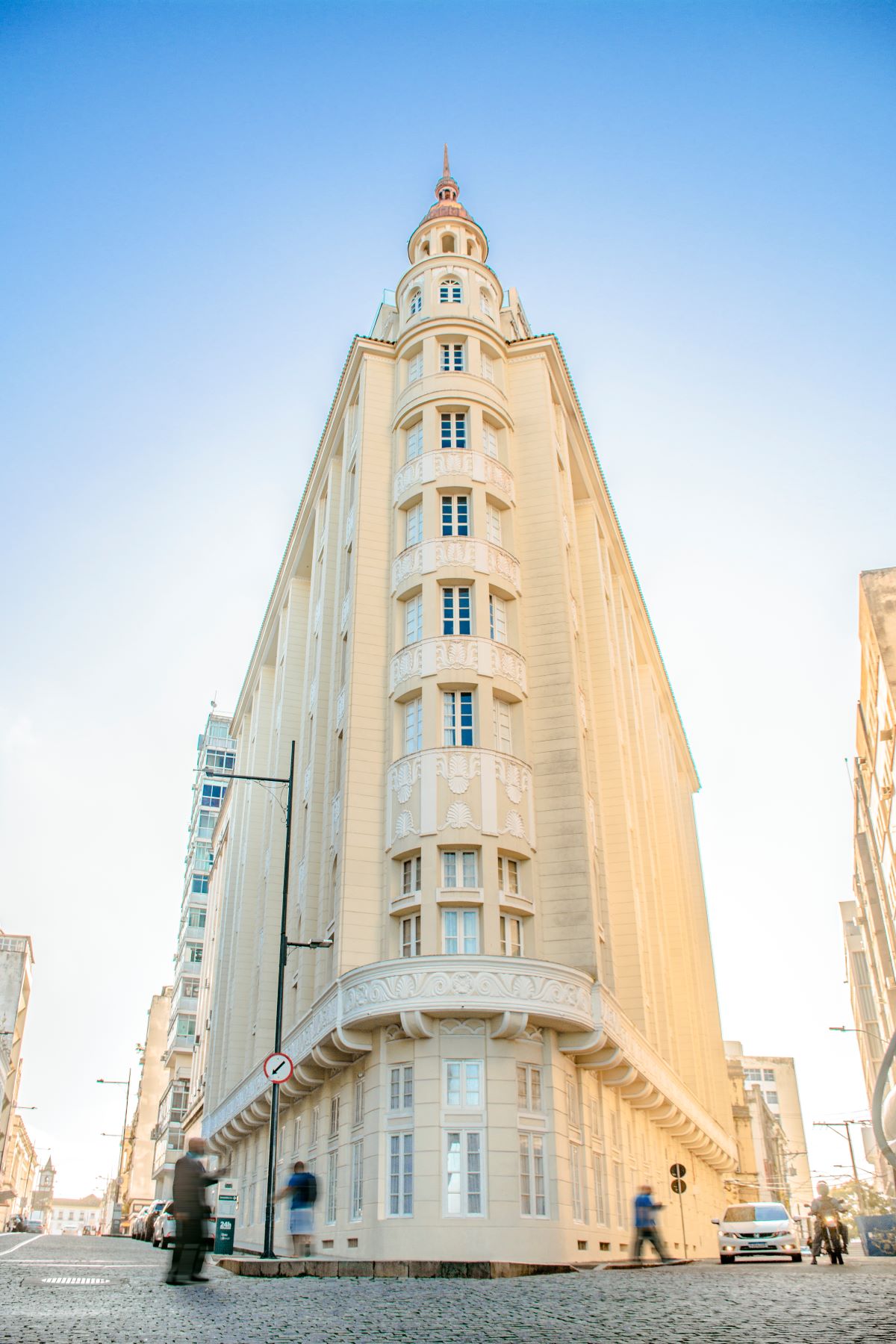
 Rua Chile 20, Salvador, Brazil, 40020
Original Property Opened in 1934
Historic Hotels Worldwide member since 2023
Rua Chile 20, Salvador, Brazil, 40020
Original Property Opened in 1934
Historic Hotels Worldwide member since 2023


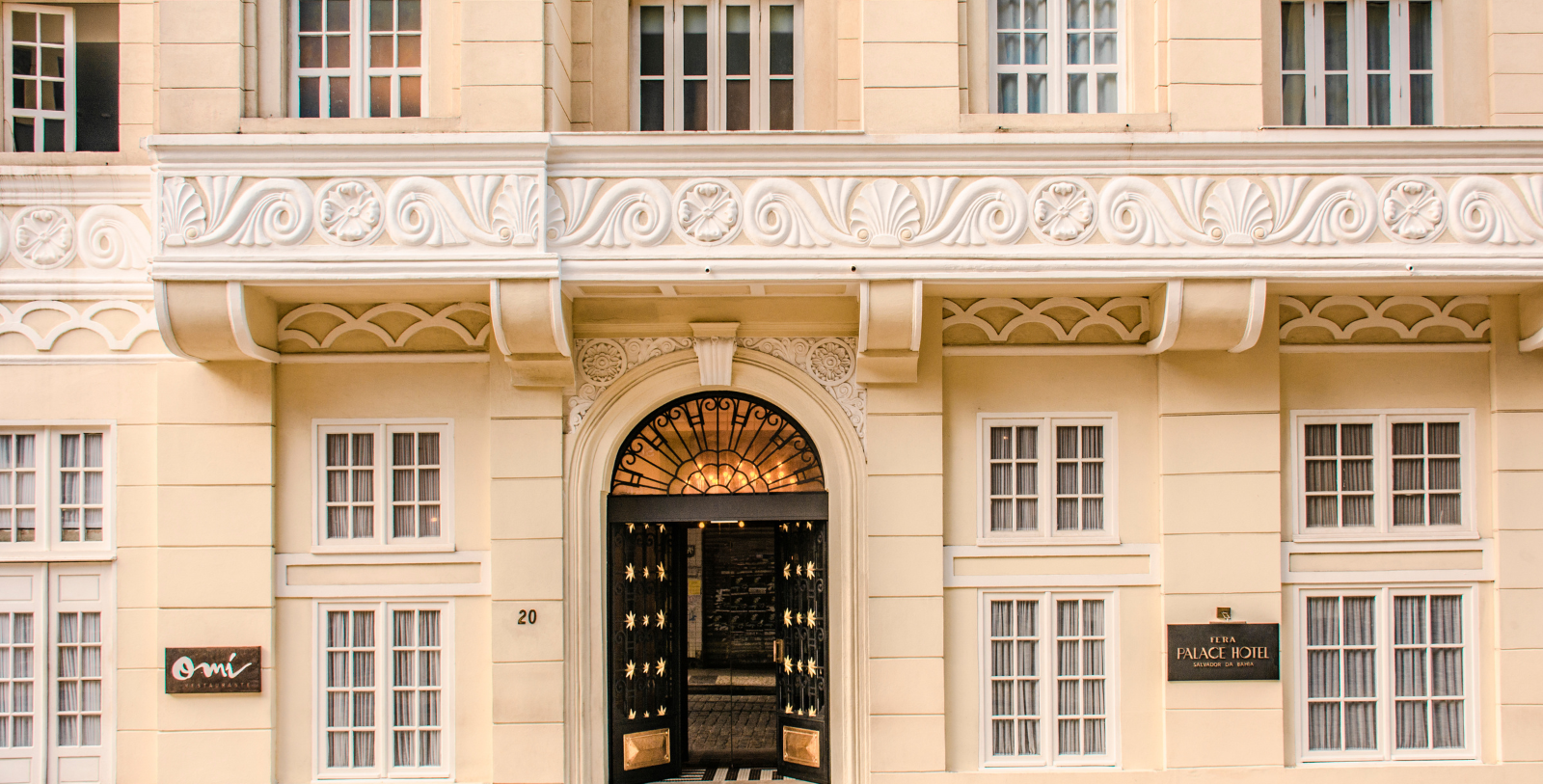
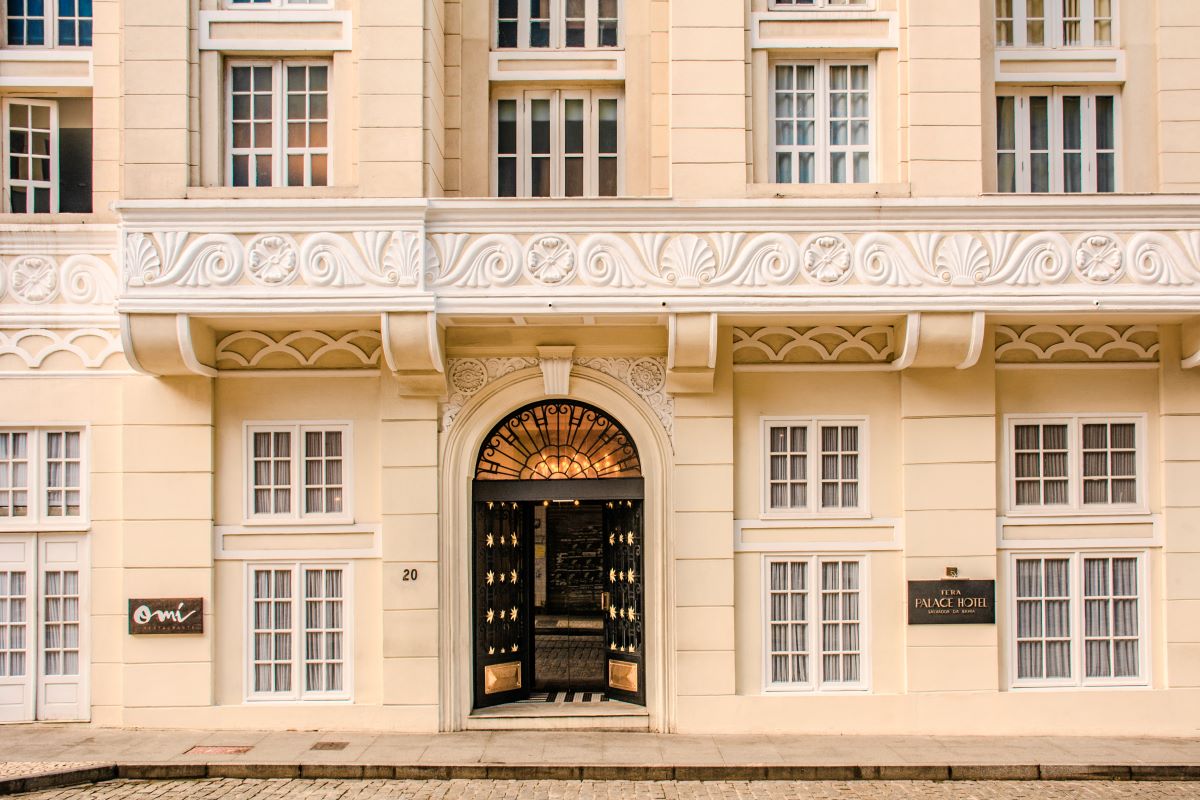
Nestled in Centro Histórico in the beating heart of Salvador de Bahia along Rue Chile, the oldest street in Brazil, Fera Palace Hotel is a beacon of Art Deco design among the timeworn fingerprints of the city’s colonial past. Add in a convenient location in the Cidade Alta (or Upper City) only blocks from Pelourinho, a UNESCO World Heritage Site famed for its candy-colored colonial buildings and magnificent churches, and Fera Palace Hotel is an ideal home base for exploring all that the first capital city of Brazil has to offer. At the end of an adventure-filled day, guests can unwind at one of the hotel’s four restaurants and bars, two of which crown Fera Palace’s stylish rooftop and boast sweeping views of the bay.
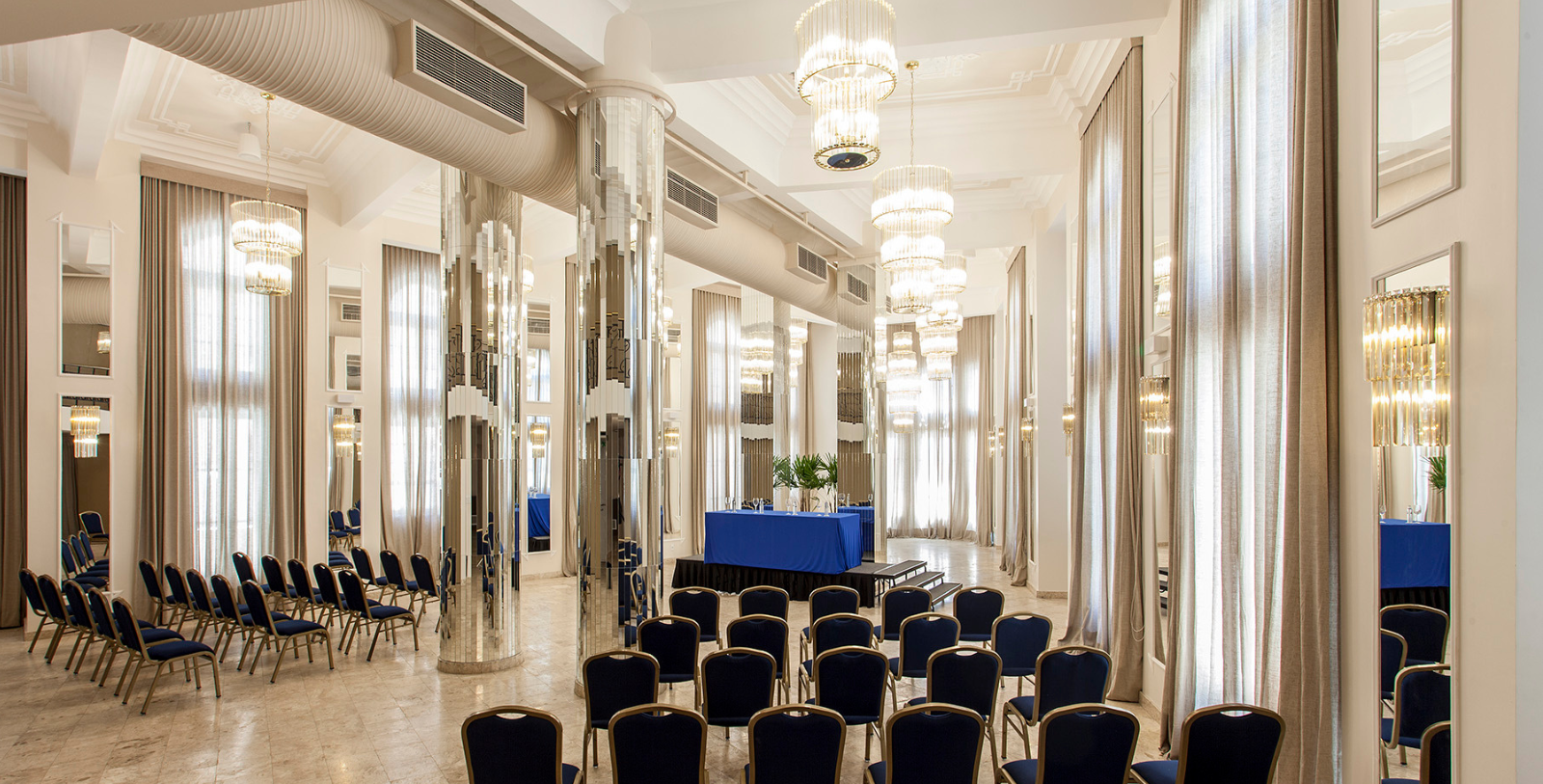
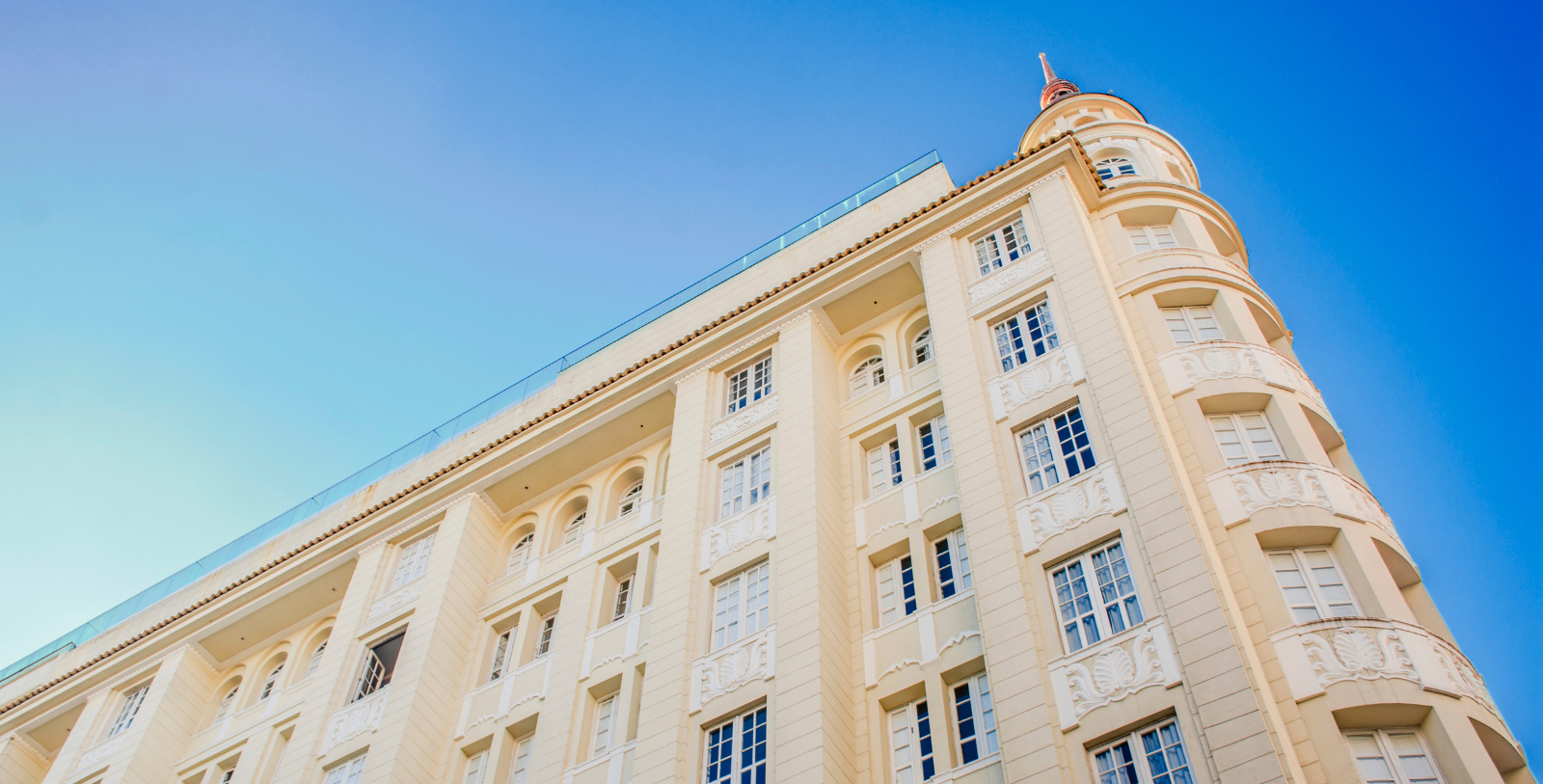
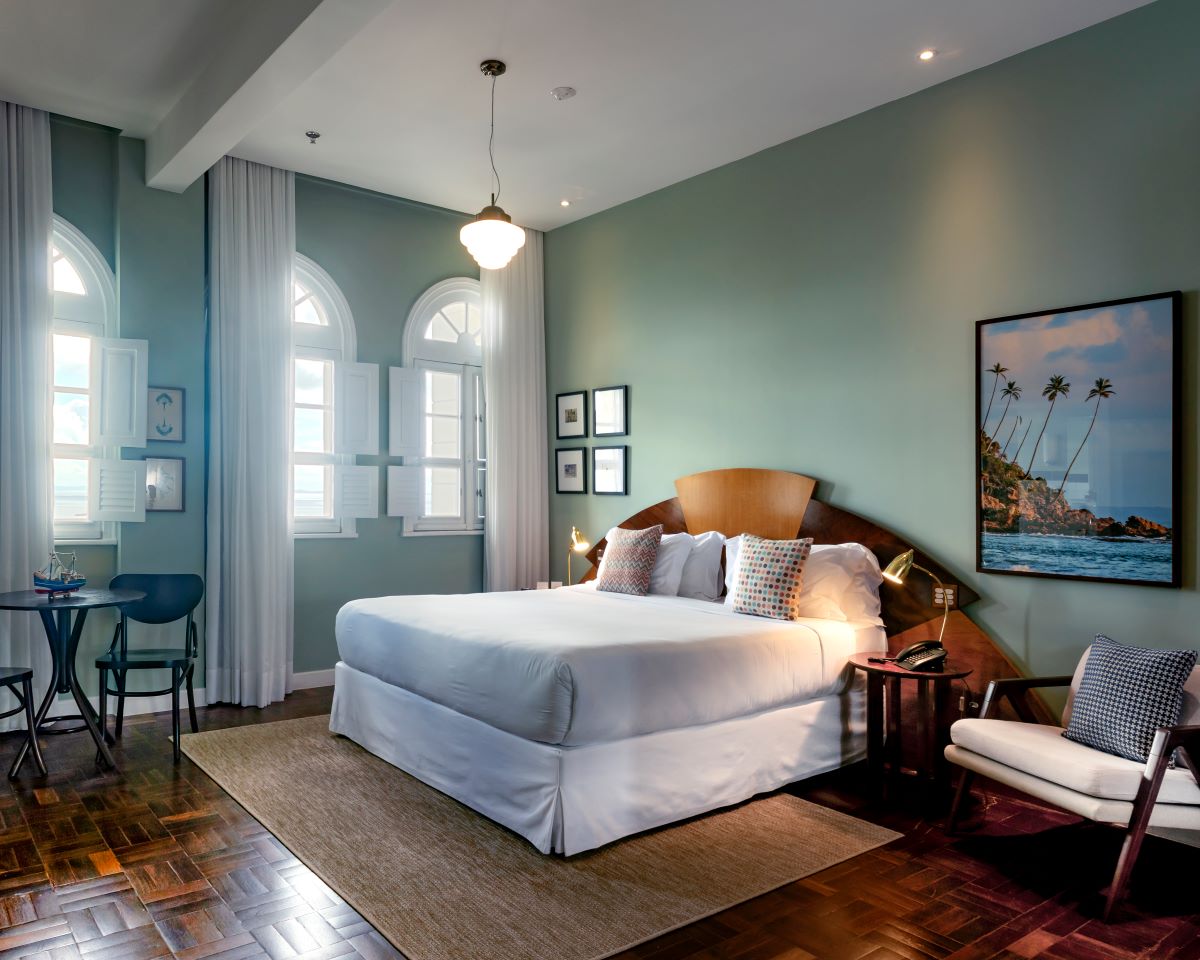
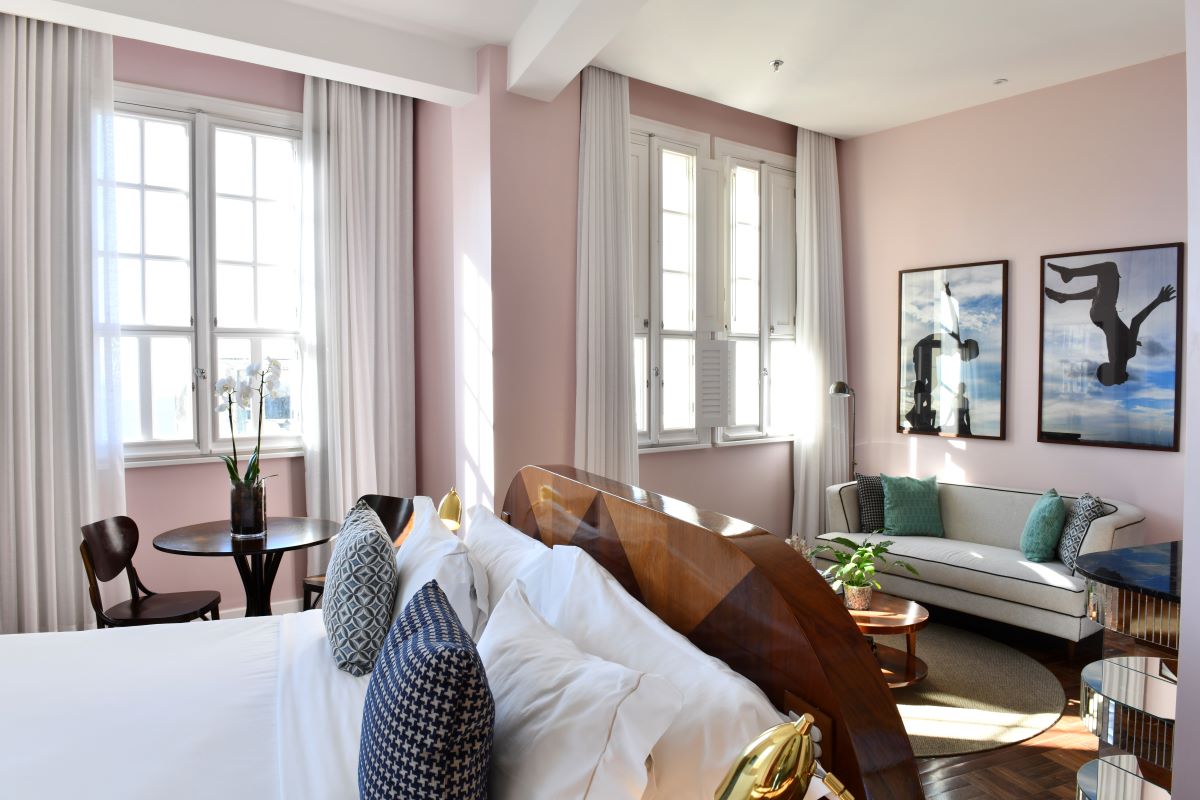
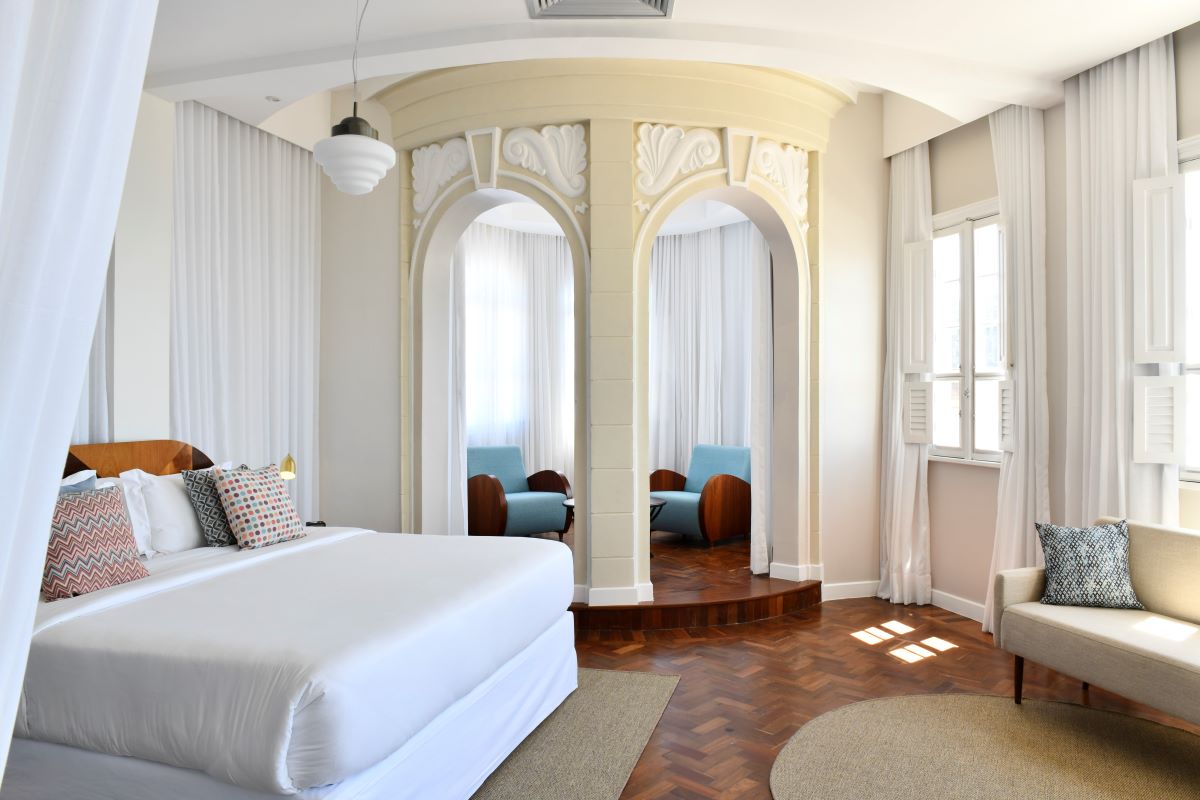
This swanky boutique hotel—the first of its kind when it opened in Bahia in 1934—is enjoying a long-awaited renaissance thanks to its multiyear restoration that began in 2015. Following its reopening in February 2017, Fera Palace Hotel is as impressive as ever, effortlessly fusing Art Deco architectural details and updated takes on mid-century modern décor with sleek, streamlined silhouettes and laidback touches that feel decidedly Brazilian. Think pastel-hued walls in the guestrooms, cerulean blue Portuguese azulejo tiles lining the rooftop pool, artwork that nods to city’s cultural diversity and the hotel’s bayside views, and a veritable jungle of tropical plants and leaf-print pillows.
Discover
- Admire the Art Deco-meets-Big Apple stylings of Fera Palace Hotel. Although much of the surrounding area is peppered with the remnants of Salvador de Bahia’s colonial past, the hotel’s creators wanted to cater to the preferences of the contemporary travelers who flocked to the area when it was built in the early 1930s. One architectural muse was another wedge-shaped building, the iconic Flatiron Building in Manhattan.
- Bask in the hotel’s many authentically Bahian touches. Although much of Fera Palace Hotel’s interior design feels decidedly mid-century modern, a lively infusion of tropical colors and textures lend a thoroughly Brazilian flair. Retro-chic details like parquet flooring, graphic black-and-white mosaic tiling, luminous globe lighting, handsome chesterfield seating, and mirrored cocktail cabinets in the rooms add an air of refined elegance. Meanwhile, effusive accents like guestroom walls painted in frothy pastels (just like nearby colonial-era buildings), photographs featuring scenes from around the area, and plush pillows covered in tropical-leaf patterns offer a true sense of place.
- Take in a panoramic vista of Baía de Todos os Santos (All Saints Bay) from the hotel’s atmospheric rooftop. Blanketed in blue-and-white azulejo tiles—a nod to the country’s history as a former Portuguese colony—the rooftop pool makes for a stylish place to soak it all in, complete with an infinity edge that melds the water with the bay beyond into an endless azure sea. Alternatively, one can also enjoy the views while getting some sun from one of the many comfortable loungers and grooving to the rhythmic tones of bossa nova music.
Explore
- Journey through a kaleidoscopic sea of candy-colored buildings and into Brazil’s complicated colonial past in Pelourinho, meaning “pillory” in Portuguese. Also referred to as Pelô by the locals, this vibrant patchwork of confection-like colonial buildings and grand churches was once the first slave market in the New World, following its settlement by the Portuguese in the mid-1500s. Today, it is a UNESCO World Heritage Site with a rich Afro-Brazilian heritage that continues to this day, where quaint cobblestone streets are lined with art shops, schools of music and dance, and other cultural centers.
- Witness a slice of Bahian life and possibly pick up a souvenir or two at one of the city’s markets. For a truly local experience, set a course for Feira São Joaquim. A maze of narrow alleyways bursting with everything from exotic Brazilian fruits and herbs to live animals and handicrafts, this bustling marketplace is one of the largest of its kind in the country. For a shopping excursion of a different kind, make way for Mercado Modelo, a labyrinth of shops and stalls peddling handmade wares like jewelry, religious artifacts, musical instruments, and more.
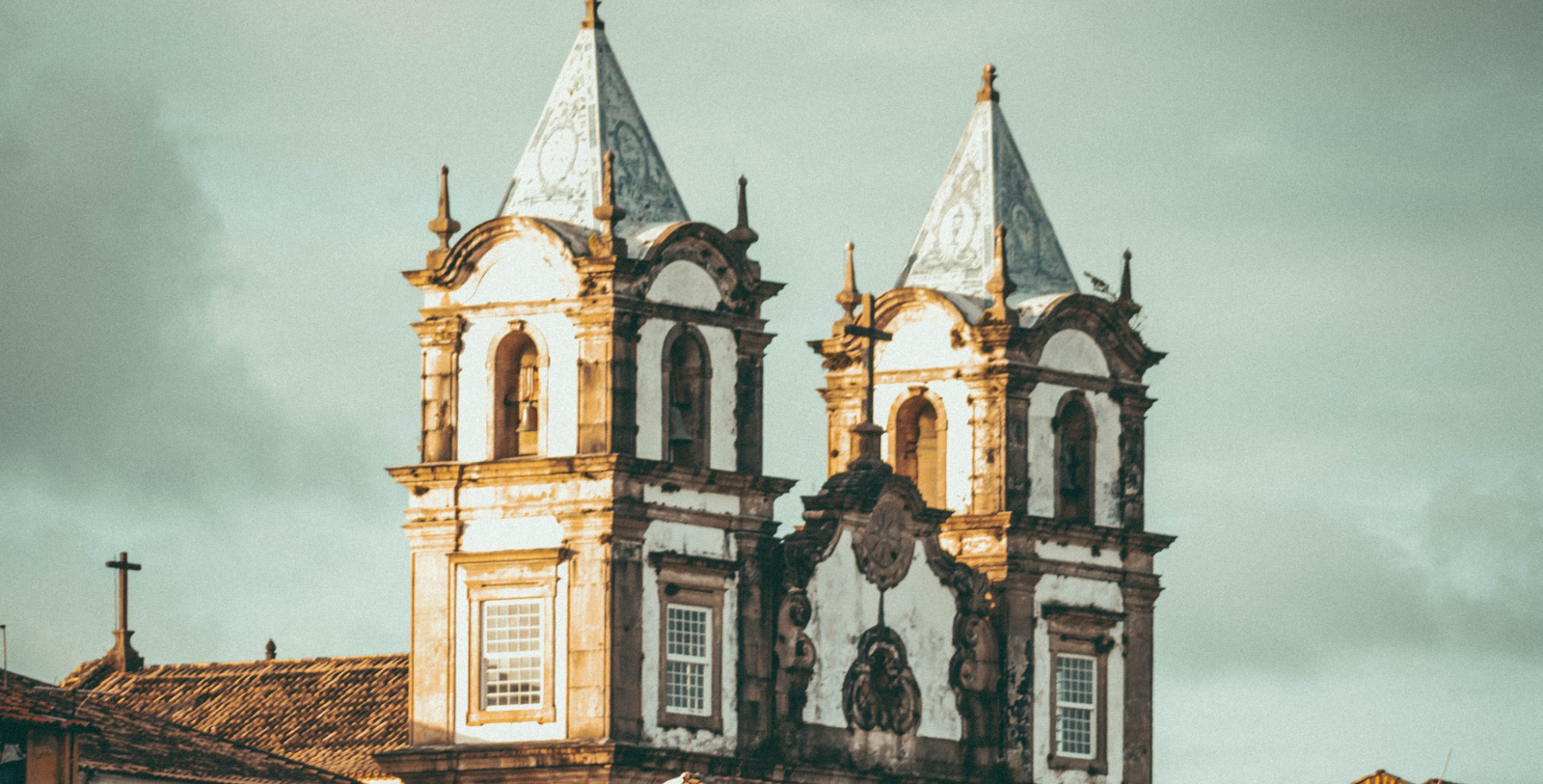
- Make a pilgrimage to one of Salvador’s many places of worship. Whether Catholicism or Afro-Brazilian Candomblé, a religion with roots in West Africa that venerates deities known as orixás, faith is a large part of Bahian culture. Some, like the Igreja e Convento de São Francisco (the Church and Convent of Saint Francis), are impressive monuments to Christianity, dazzling with grand baroque architecture studded with gilded wood carvings and glittering chandeliers. Others, such as the Igreja de Nossa Senhora do Rosário dos Pretos (Church of the Third Order of Our Lady of the Rosary of the Black People) seek to reconcile the two disparate religions. Established and constructed by the Brotherhood of Black Men in 1704 since they were not welcome to worship in other churches, on land given to them by the then-king of Portugal, the church took nearly 100 years to create. Now, in addition to a small graveyard and resting place for former slaves, the church also offers services honoring both Catholicism and Candomblé in one unmissable union, which visitors are typically welcome to observe. Those in search of a spiritual experience also will not want to miss the Basílica do Senhor do Bonfim (Church of Our Lord of Bonfim). Not only is the church itself a thing of beauty, but it is also where travelers can catch a glimpse of one of one of Bahia’s most colorful traditions, the Fita de Bonfim. Often worn on someone’s wrist, these vibrant ribbons are said to symbolize the wearer’s wishes. However, they are also tied on the fence around Basilica do Senhor do Bonfim, surrounding it in a rainbow-like wall of hopes and dreams.
Experience
- Be amazed by the creative artistry and powerful physicality of Balé Folclórico da Bahia. A cultural ambassador of Bahia and renowned as one of the best folk-dance companies in the world, as well as the only one of its kind in Brazil, Balé Folclórico da Bahia weaves together the vibrant threads of the region’s colorful culture and history, taking showgoers on a whirlwind tour of the city’s past. Throughout each performance, viewers are sure to be awed by the music and authentic folk dances inspired by Bahia’s three primary cultural influences—the indigenous customs of native Brazilians, the Portuguese during Brazil’s 16th-century colonization, and the West Africans who were brought to these foreign lands during the times of slavery. Performances are held nightly in the company’s Miguel Santana Theater in Pelourinho.
- Embark on a guided walking tour of Salvador’s Centro Histórico. Offered by appointment through the hotel, this city adventure is helmed by an experienced guide accredited by the Ministry of Tourism and explores the fascinating tapestry of architectural styles and cultural curiosities that call the former Brazilian capital home, as well as the story behind its founding.
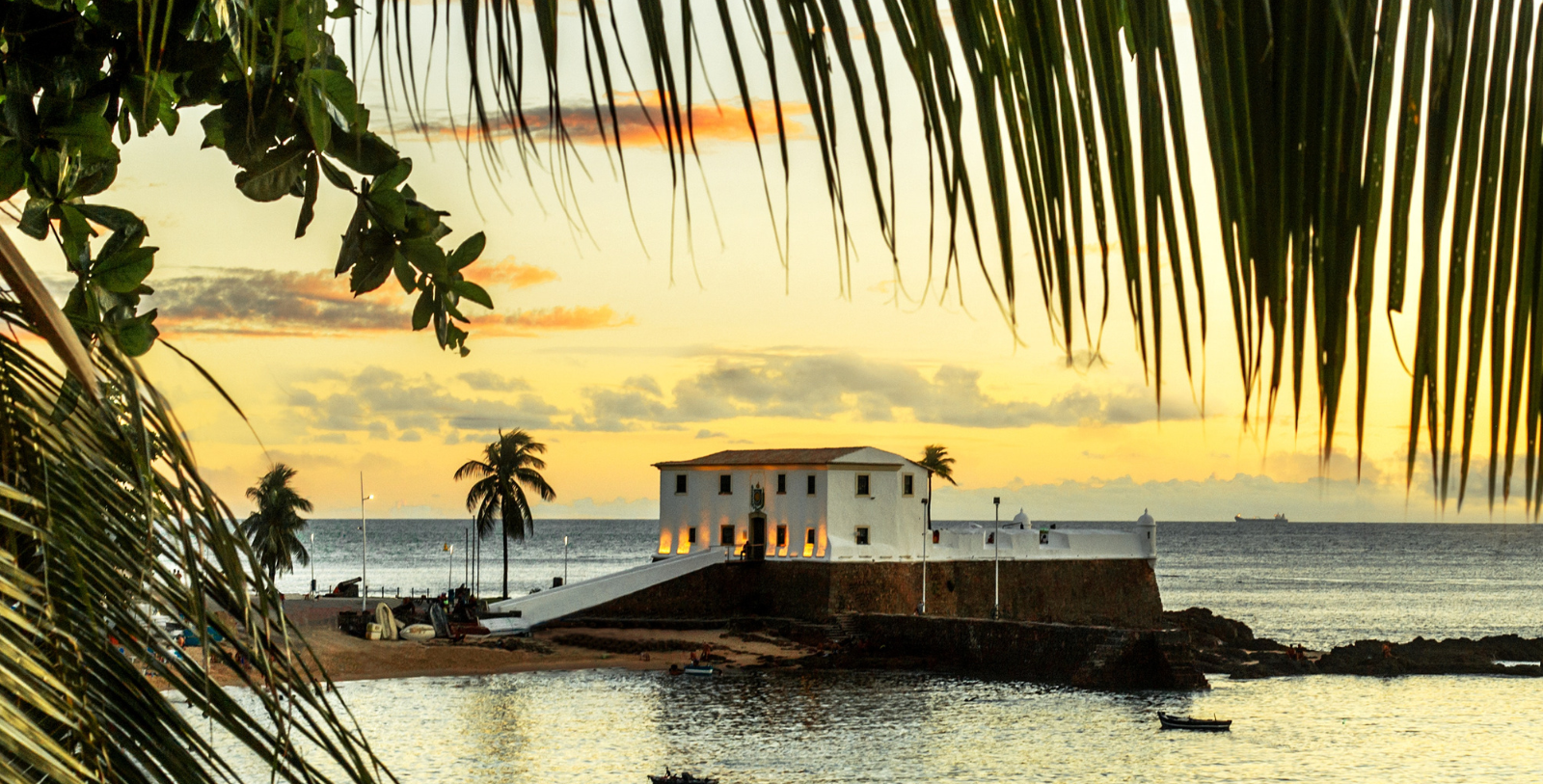
- Hop aboard a boat for an on-the-water sightseeing excursion on Baía de Todos os Santos. Not only is Bay of All Saints the largest in Brazil and a primary factor in Salvador’s past and present as a thriving trading and transport hub, but it also offers stunning views of some of Salvador’s most popular sites. Throughout the journey gaze upon such city icons as the Lacerda Elevator, Mercado Modelo, São Marcelo Fort before slowing things down on Ilha dos Frades and Itaparica Island.
- Climb 236 feet (72 meters) in only 30 seconds on the Elevador Lacerda, or Lacerda Elevator. The world’s first urban elevator when it was built between 1869 and 1873, it links the Cidade Alta (upper city) with the Cidade Baixa (lower city). Not only is it listed on the register of intangible historical heritage by the National Historic and Artistic Heritage Institute, but it also boasts stunning views of both the city and bay.
Taste
- Sample the Afro-Brazilian fusion of flavors at Omí Restaurant, which dishes up contemporary Bahian cuisine crafted with local ingredients. Incorporating both ingredients and culinary traditions from West African, European, and Caribbean cultures, this gastronomic meeting of the minds is a slice of Salvador’s colonial past. One dish diners can try that offers a true taste of history is acarajé, a street food favorite that was officially recognized in 2017 as a vital aspect of the country’s cultural heritage. Rooted in countries like Nigeria, Benin, and Togo, these fried cakes are made with a mash of black-eyed peas and onions and then stuffed with flavorful shrimp and a paste made of cashews and coconut milk. This handheld dish is traditionally sold by female street vendors called baianas, who are known for their all-white dresses and are icons in their own right. The sale of acarajé by baianas dates back to the 19th century, when the women used the proceeds from each sale to purchase their family’s freedom. Other Bahian favorites restaurant guests can enjoy include moqueca, vatapá, and lots of fresh seafood.
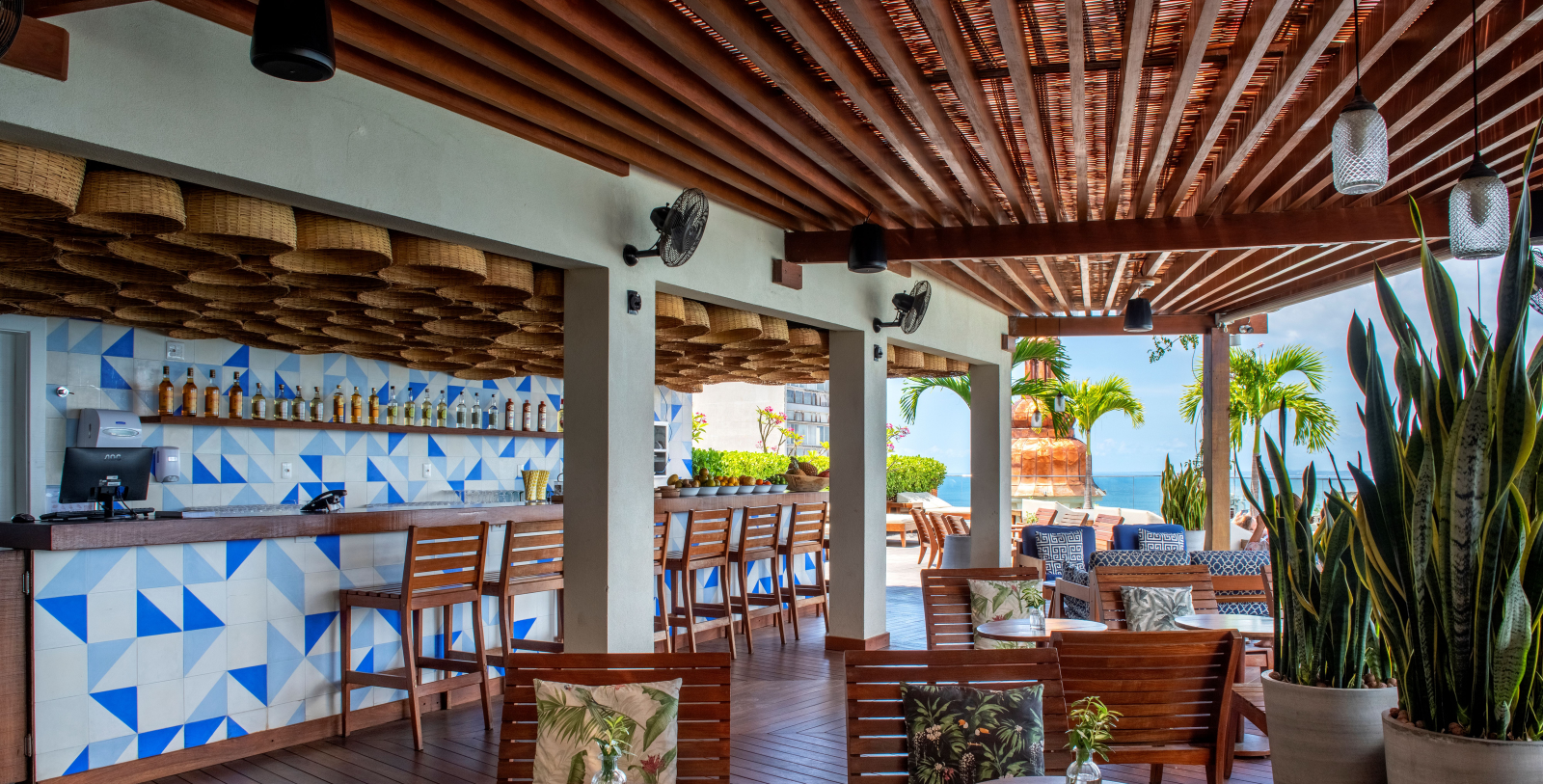
- Drink in the views of the Bay of All Saints while enjoying a cocktail and something to eat at the hotel’s rooftop restaurant or bar. With a ceiling dripping in fishermen’s baskets and a bar bedecked with white and blue tiles and lined with bowls of tropical fruits, the open-air Fera Lounge is a sublime spot to watch the sun set over the water. For something more substantial, head over to the Fera Rooftop restaurant instead for an eight-course culinary journey through the Mediterranean, featuring stops in Portugal, Spain, France, Greece, and Lebanon.
- Savor some of Brazil’s traditional dishes when exploring the rest of Salvador. Feijoada, stemming from the Portuguese word feijão, meaning “bean,” is a humble and hearty bean stew accented with savory chunks of beef or pork and customarily served with garnishes like bright orange slices. In Bahia, however, it also incorporates added vegetables such as plantain, pumpkin, or potatoes or swaps out red or brown beans in place of the typical black variety.
FEATURED ACCOMMODATIONS
Featured Offers
Best available rate includes daily breakfast and WiFi.
Enjoy a 20% discount, treats, and celebratory guestroom decorations during a birthday month with this special offer, subject to verification.
I Prefer membership required to receive member rate and benefits. Non-members will be auto-enrolled see iprefer.com/terms and iprefer.com/privacy.
Book the Best Available Rate at this property on HistoricHotelsWorldwide.com and receive a complimentary one-year family membership (a $30 value) to the National Trust for Historic Preservation in the United States, a member of the International National Trusts Organisation.