Garden Hotel Suzhou
Suzhou, China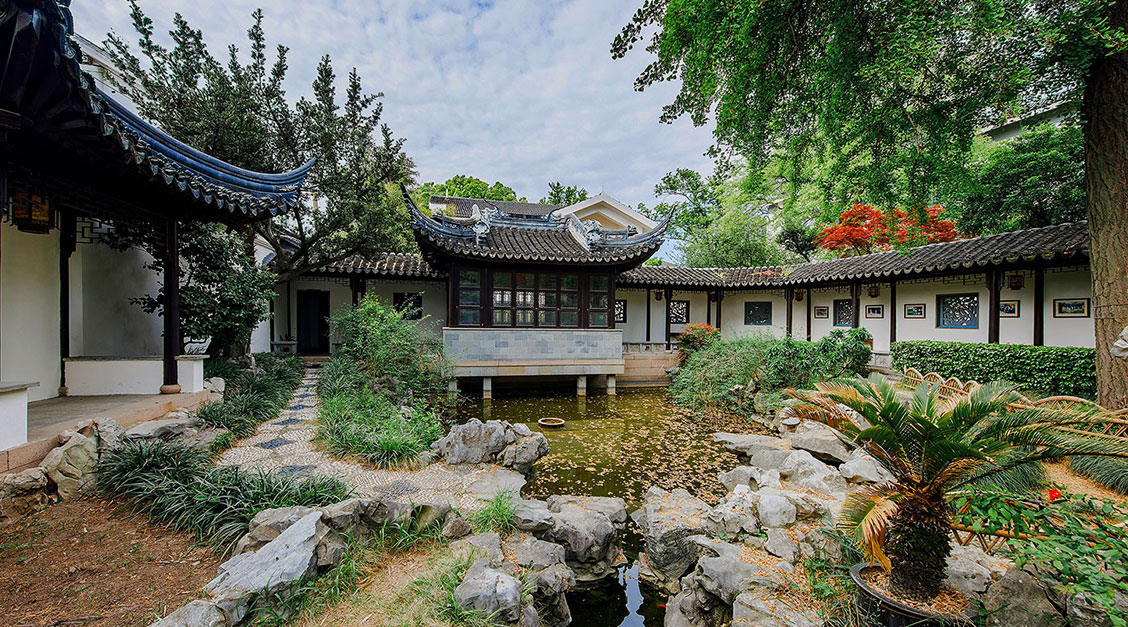
 99 Daichengqiao Road, Suzhou, China, 215006
Original Property Opened in 1930s
Historic Hotels Worldwide member since 2022
99 Daichengqiao Road, Suzhou, China, 215006
Original Property Opened in 1930s
Historic Hotels Worldwide member since 2022
- The 2026 Top 25 Historic Hotels Worldwide® Most Magnificent Gardens List Is Announced
- The 2025 Top 25 Historic Hotels Worldwide® Culinary Heritage and Traditions List Is Announced
- The 2024 Top 25 Historic Hotels Worldwide® Most Magnificent Gardens List Is Announced
- The 2023 Top 25 Historic Hotels Worldwide Culinary Heritage and Traditions List
- The 2022 Top 25 Historic Hotels Worldwide Most Magnificent Gardens

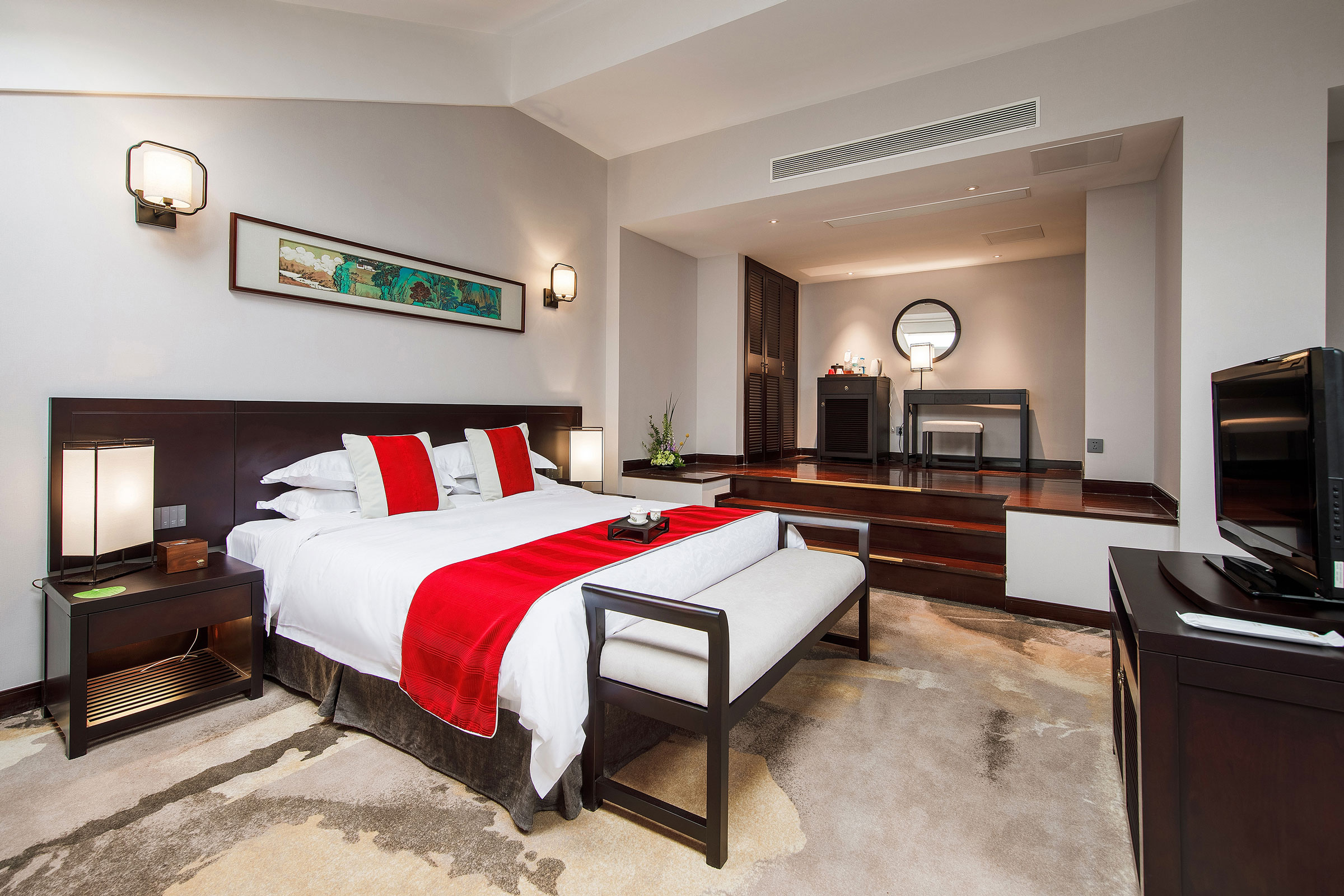
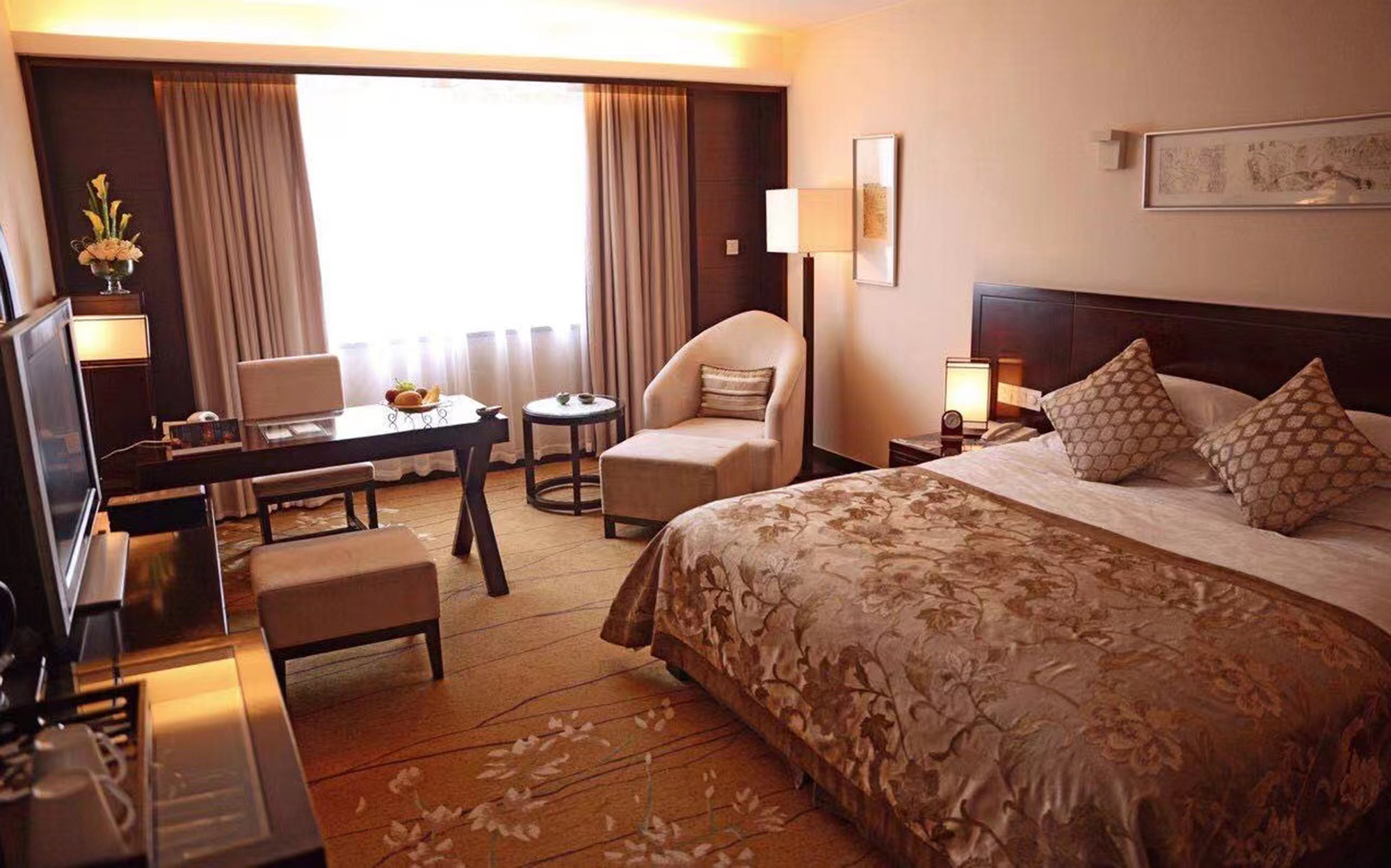
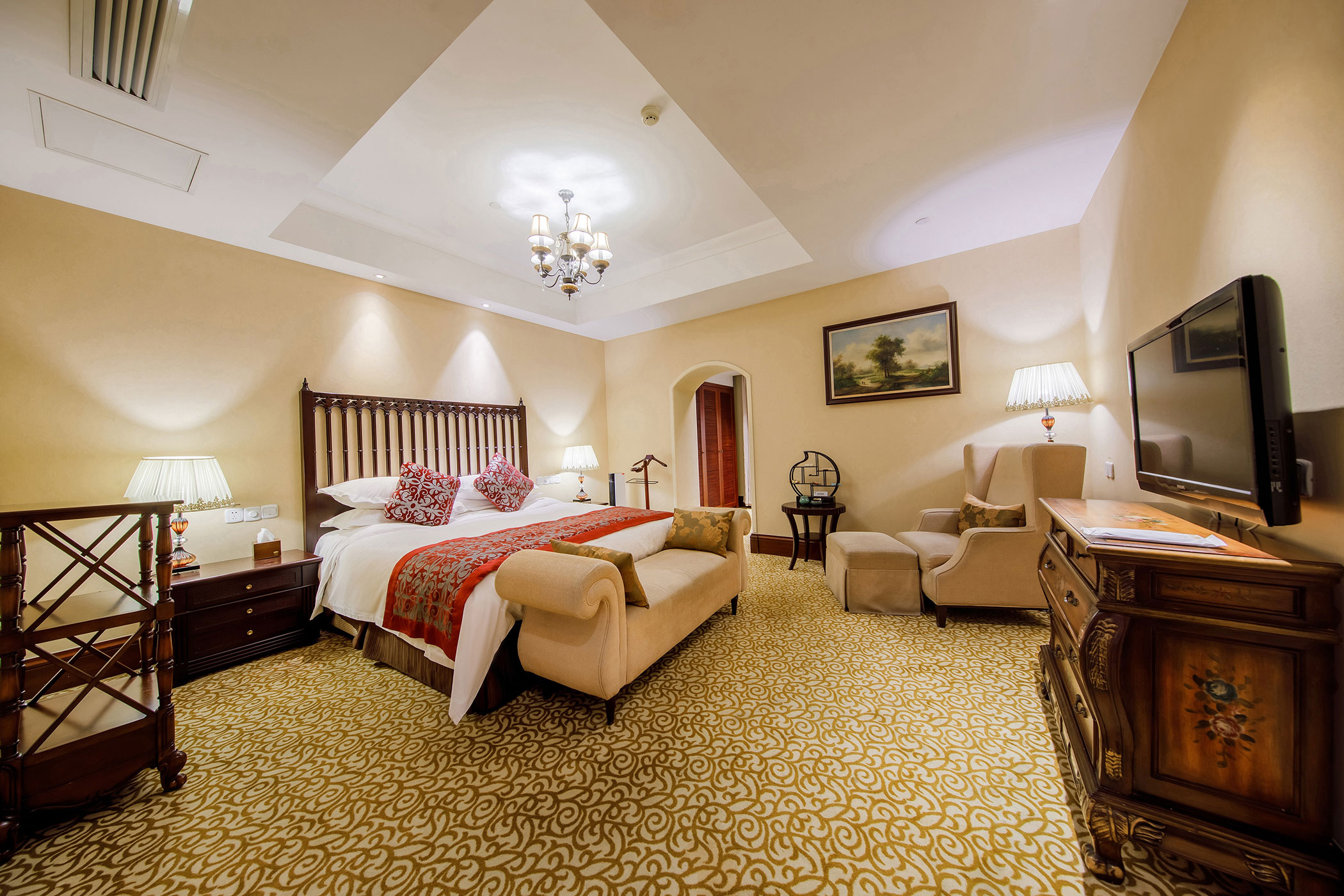
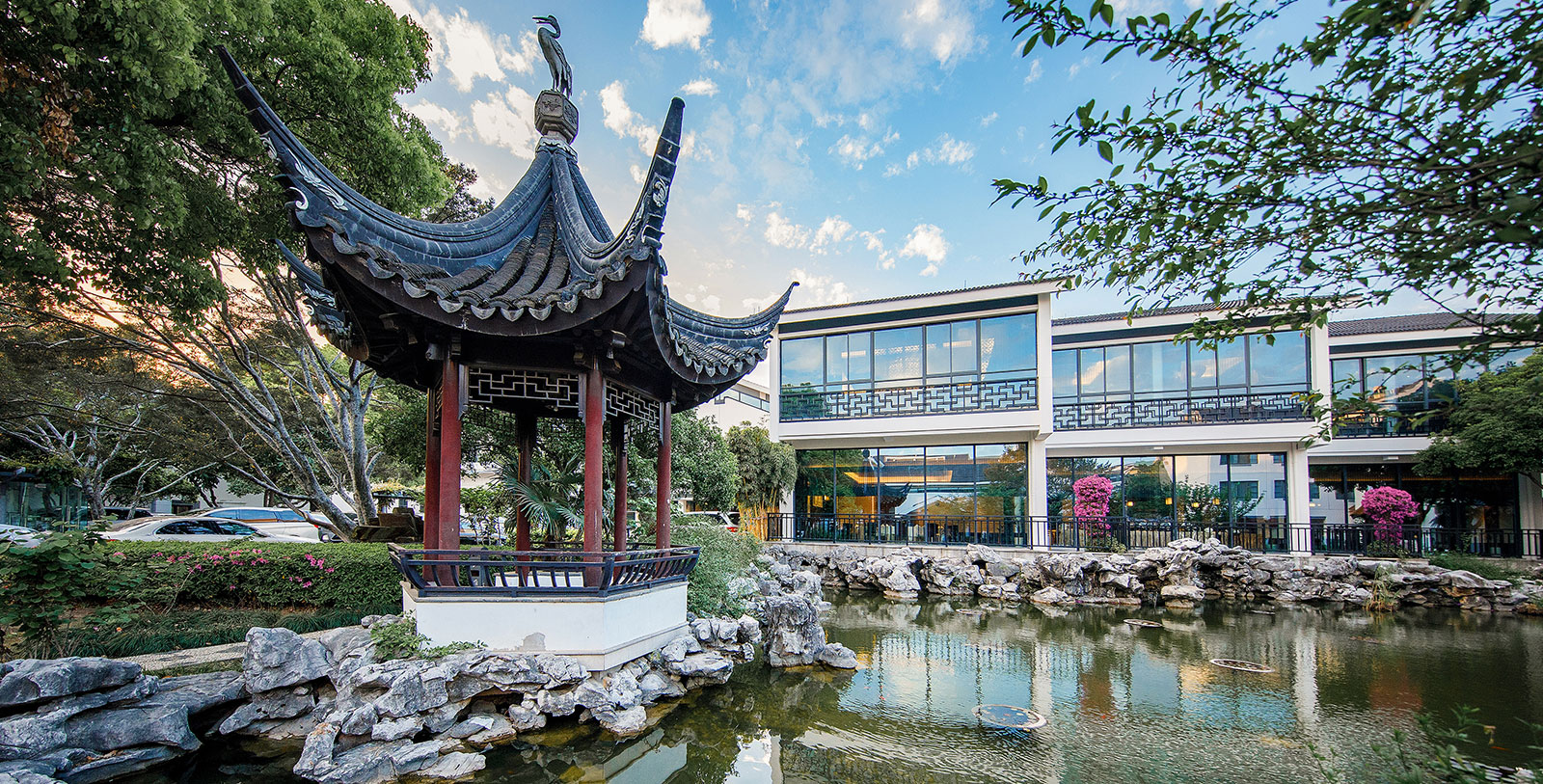
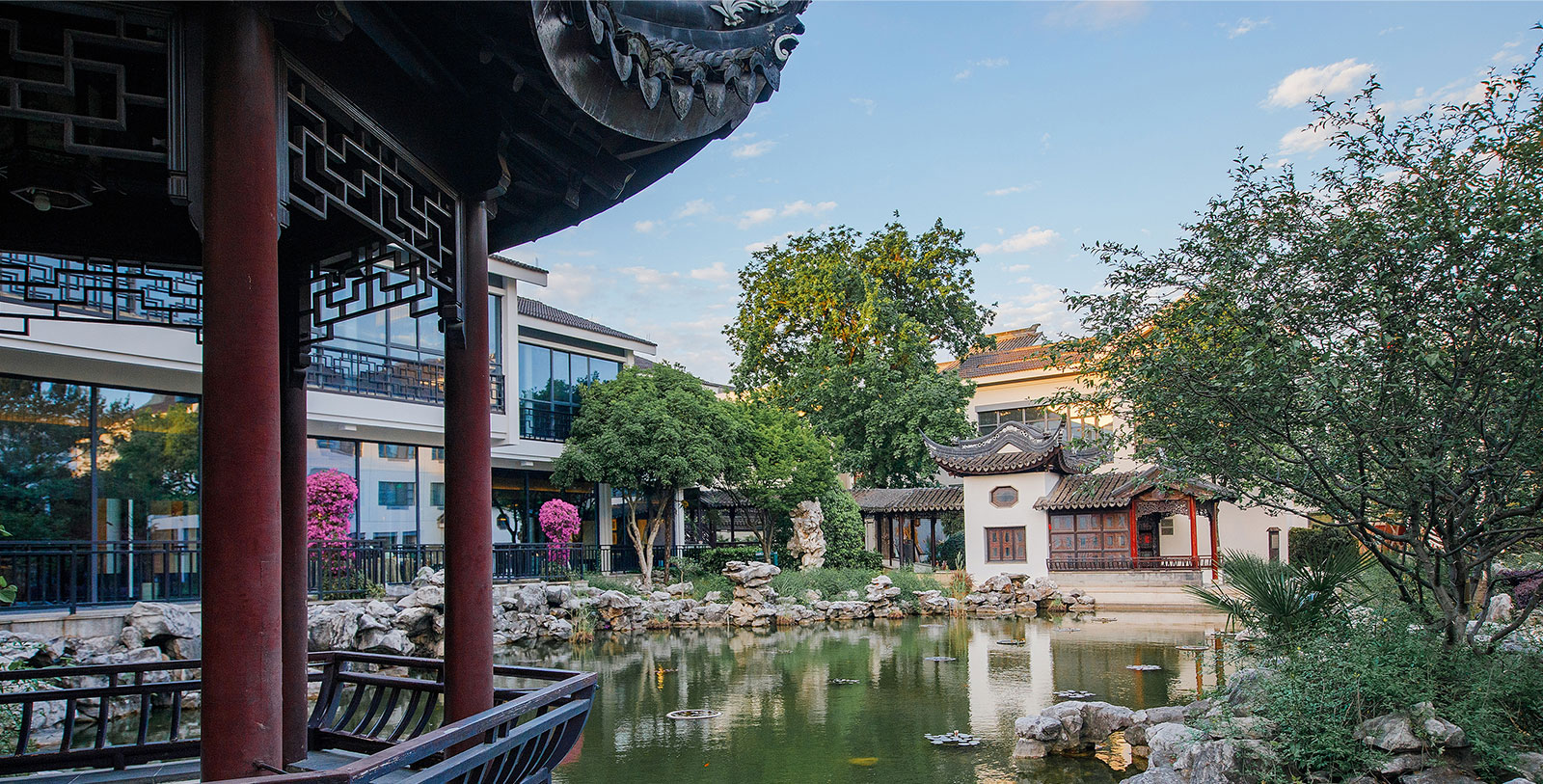
Located mere minutes away from the renowned Master of the Nets Garden (a UNESCO World Heritage Site), the Garden Hotel Suzhou is one of region’s most luxurious hotels. The refinement and elegance of a classical Suzhou Garden is evident at every turn. Wander along meandering pathways and manicured lawns, past ancient trees, graceful bamboo groves, artistic rockeries, jade-green ponds and trickling waterfalls. Delight in the different seasons – from the winter plum blossoms to spring peach blossoms, and the lotus flowers of summer to the sweet-scented autumn osmanthus. Within this magical garden setting, the heritage villas feature classic Suzhou-style architecture and elegantly designed guestrooms equipped with latest contemporary comforts. For a classic Suzhou experience, this tranquil retreat is truly a class apart.
Discover
- Discover the traditional architecture of Garden Hotel Suzhou’s Classical Suzhou Garden. In the historic city of Suzhou, gardens have been a staple part of the landscape for centuries, and the city is considered to be home to the most spectacular Chinese gardens in the world. The Gardens at Garden Hotel Suzhou embody this legacy, offering visitors to the region the unique opportunity to live among artistic rockeries, jade-green ponds and trickling waterfalls during their stay.
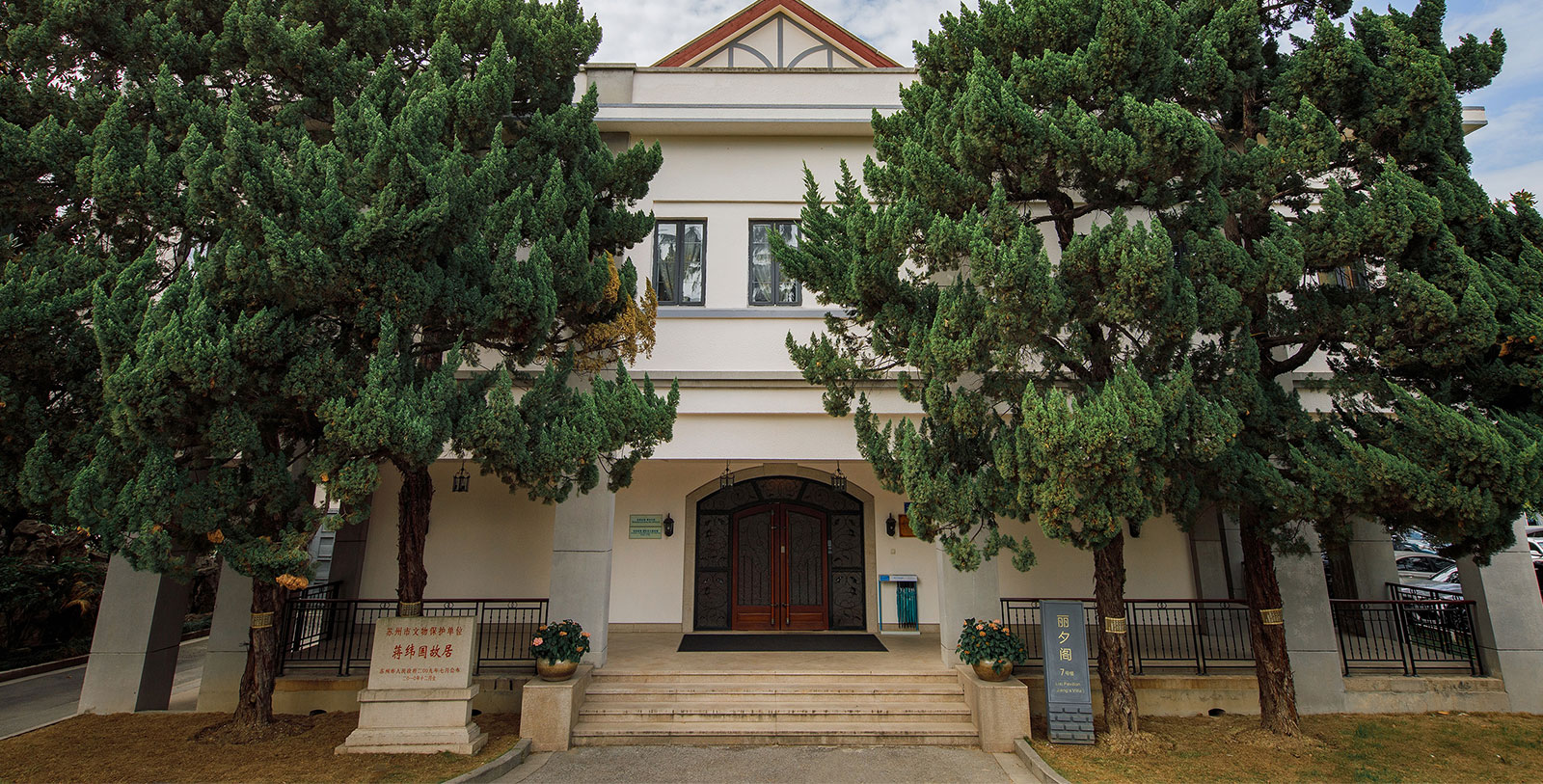
- Venture into Lin Biao’s bunker museum, built under the former residence of Jiang Weiguo at Garden Hotel Suzhou. Also known as the site of “Project 571,” a numeric codename (in Mandarin, the numbers "5-7-1" sound like the word for "armed uprising), this museum details the historic development and aftermath of the Lin Biao Antirevolutionary Group’s attempted coup d'état against Chairman Mao. In the 1960s and the 1970s, Lin Biao stayed in Garden Hotel Suzhou three times and enjoyed his stay so much that he determined to build a residence on the property. In April 1970, Lin Biao began construction of an underground command center known as the “Temporary Palace.” From February to March, 1971, Lin Biao resided in this underground bunker with his wife and son. It is believed that it was during this time that the full plans for Project 571 were developed.
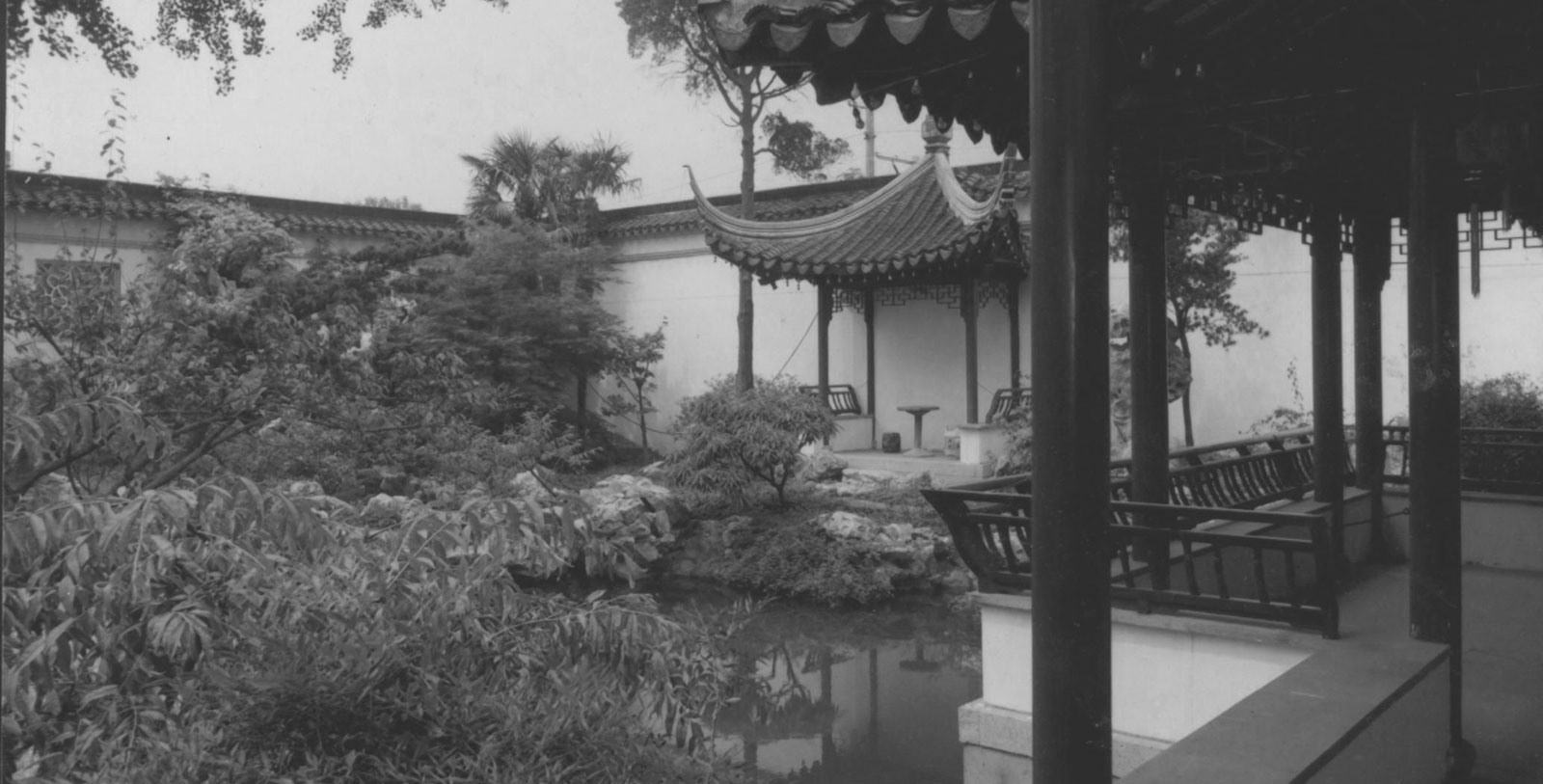
- Discover the Shanqing Buddha Hall. Built in the eighth year of Emperor Tongzhi of the Qing Dynasty (1869), the Shanqing Buddha Hall was incorporated into the Garden Hotel Suzhou complex in 1958. In 2005, a dedicated restoration of Shanqing Buddha Hall began, using historical photos of the complex for reference. The completion ceremony was held on July 24 of the same year. Today, the hall not only provides a tourism attraction of historical value for both foreign and domestic tourists, but also contributes to preserving the cultural relics of Suzhou.
Explore
- Explore the UNESCO world heritage sites such as the Master of the Nets Garden, Humble Administrator's Garden, Lingering Garden, and Garden of the Peaceful Mind. Unlike the acclaimed religious and imperial gardens found elsewhere in Asia, Suzhou's gardens were designed by scholars and intellectuals to be domestic spaces that drew upon China's rich visual and literary tradition, embedding cultural references within the landscapes.
- Wander through the exhibits at Suzhou Museum. One of the most visited museums in the world, the Suzhou Museum is home to ancient Chinese art, paintings, and calligraphy. The Museum was designed by world famous architect I.M.Pei and pays homage to the traditional architecture of the museum’s original home, the Zhong Wang Fu palace complex. Across the street, guests can also explore the famed Humble Administrator’s Garden and the Lion Forest Garden.
- Take a day trip to Shanghai on board a 30-minute high-speed bullet train. China’s high-speed rail is the world’s longest railway network with a total length of around 25, 000 miles. Traveling on average at a speed of 120 – 220 mph, China’s bullet trains are some of the fastest in the world. Board a high-speed bullet train bound for Shanghai at Suzhou Railway Station, just a short drive from Garden Hotel Suzhou.
Experience
- Experience the numerous canals and waterways of Suzhou, the “Venice of China.” The ancient city of Suzhou, located in the Yangtze River Delta, is teeming with enchanting canals and winding waterways, the most famous of which is the Suzhou Grand Canal. The origins of the Grand Canal can be traced as far back as 495 B.C., making it more than 2,000 years old, and at approximately 1,200 miles long, the canal is the longest man-made waterway in the world. With fifty-eight historically significant sites along its route, the entire Grand Canal has been declared a UNESCO World Heritage Site.
- Stroll through Suzhou Tiger Hill. Also known as Surging Sea Hill, Tiger Hill is home to a number of historical sites dating to the foundation of Suzhou. One of the most famous sites is the Tiger Hill Pagoda, the oldest pagoda in the city. Built during the Northern Song Dynasty (959-961), this seven-story octagonal building has the distinction of being China’s Leaning Tower as, for the past four hundred years, the pagoda has leant 3.59 degrees to the northwest.
- Take a tour of the Suzhou Silk Museum, the first museum in China that specializes in silk. Founded in 1991, the museum documents the history of silk production from its earliest stages in 2000 B.C. Guests can view historic looms, and ancient silk samples and patterns. Exhibits on mulberry planting and silkworm breeding are also featured.
Taste
- Taste the famous Suzhou-style noodles, or simply Su-noodles at Yan Yang Lou. According to legend, the popularity of Su-style noodles dates back to the Qing dynasty when Emperor Quianlong first tried them during a visit to Jiangsu province. Similar to ramen, Suzhou-style noodles put special emphasis on the broth and use thin, long noodles.
- Try the unique culinary staple, the squirrel mandarin fish. A Suzhou classic, the dish is made with locally-caught mandarin fish which is then deboned, deep-fried, and expertly sliced so the fish resembles a squirrel. The fish is than smothered in a sweet and tangy orange sauce. It is both a visual winner and a traveler’s favorite for its sweet-and-sour flavors.
- Indulge in zongzi while exploring Suzhou. Zongzi, or rice dumplings, are typically made with glutinous rice and pork (and occasionally other savory or sweet fillings). The ingredients are hand-packed and rolled in bamboo leaf, tied up with string, and then steamed or boiled. The result is a delectable and transportable little snack package.
FEATURED ACCOMMODATIONS