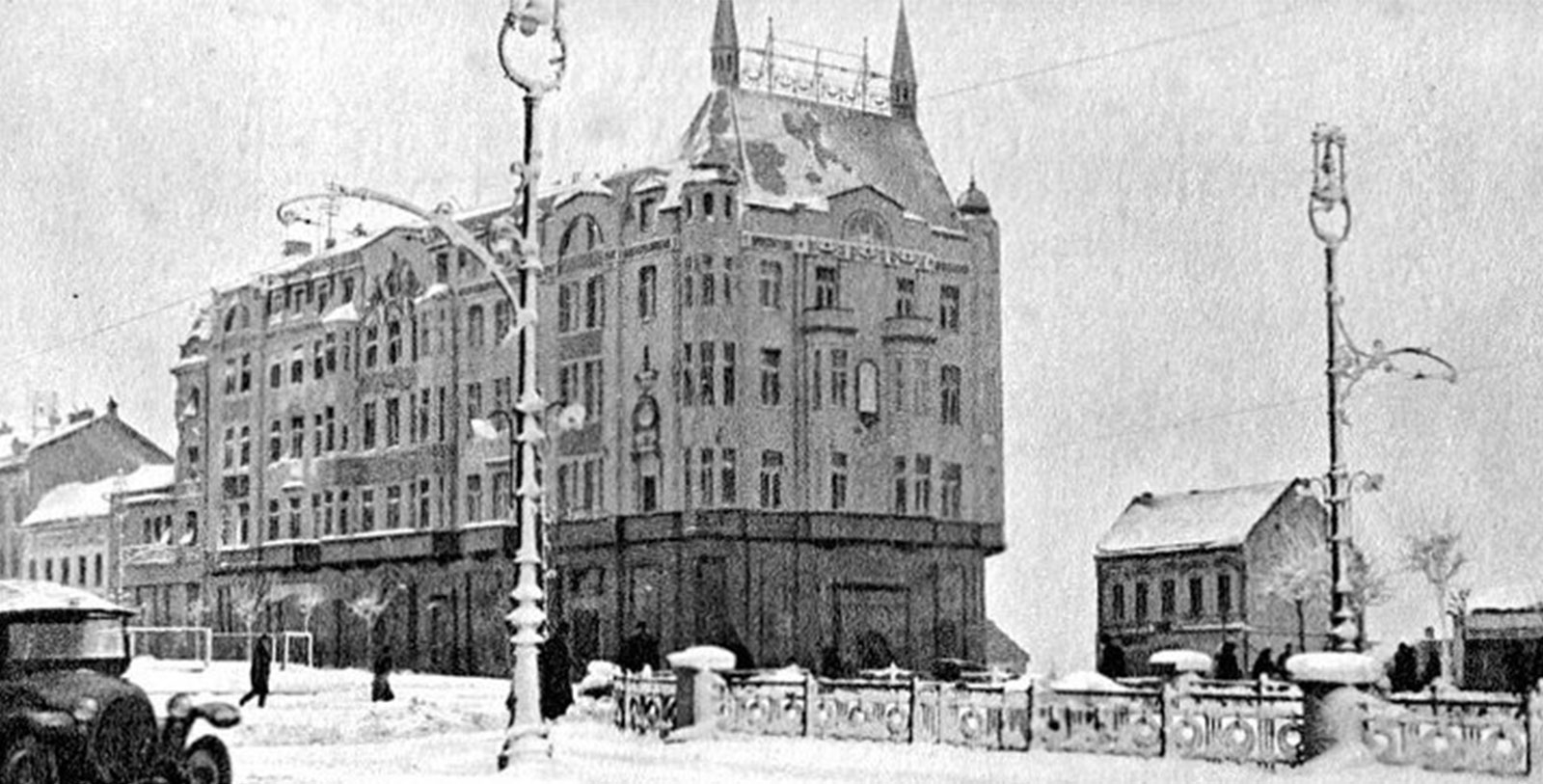

History
Discover Hotel Moskva, which was once the favorite haunt for such renowned intellectuals as Miloš Crnjanski, Ivo Andrić, and Vasko Popa.
Hotel Moskva was constructed in the years leading up to World War I, which was an era defined by its economic prosperity, artistic expression, and political intrigue.
Hotel Moskva debuted on January 14, 1908, during a lavish inauguration ceremony presided over by King Petar I Karađorđević of Serbia. This spectacular hotel specifically played a central role in the cultural developments of early 20th-century Belgrade. Renowned novelist Miloš Crnjanski founded the “Grupa umetnika” shortly after World War I, which was a small but enthusiastic collective of intellectuals who yearned for a cultural rebirth in Belgrade. In addition to Crnjanski, the group included Sima Pandurović, Rastko Petrović, Stanislav Vinaver, Ivo Andrić, Momčilo Nastasijević, and Branko Lazarević. Even though these artists and philosophers never formed a coherent school, their discussions introduced a stimulating academic atmosphere for a new generation of Serbian thinkers. They met in Hotel Moskva's kafana, because, according to Crnjanski, it was the only place with working electricity at the time. 000
The hotel continued to serve the city’s intellectuals following World War II, with most of Belgrade’s cultural elite frequenting the location regularly. Yugoslav Nobel laureate in literature, Ivo Andrić, had his own table at the restaurant for many years. Poet Vasko Popa developed a daily ritual that lasted for decades, in which he drank coffee every day from 3:30 p.m. to 6:00 p.m. Hotel Moskva today is still among Belgrade’s most renowned holiday destinations. Some 36 million visitors have passed through the doors alone. As such, nowhere else is better to start experiencing the city’s rich cultural history than at the Hotel Moskva.
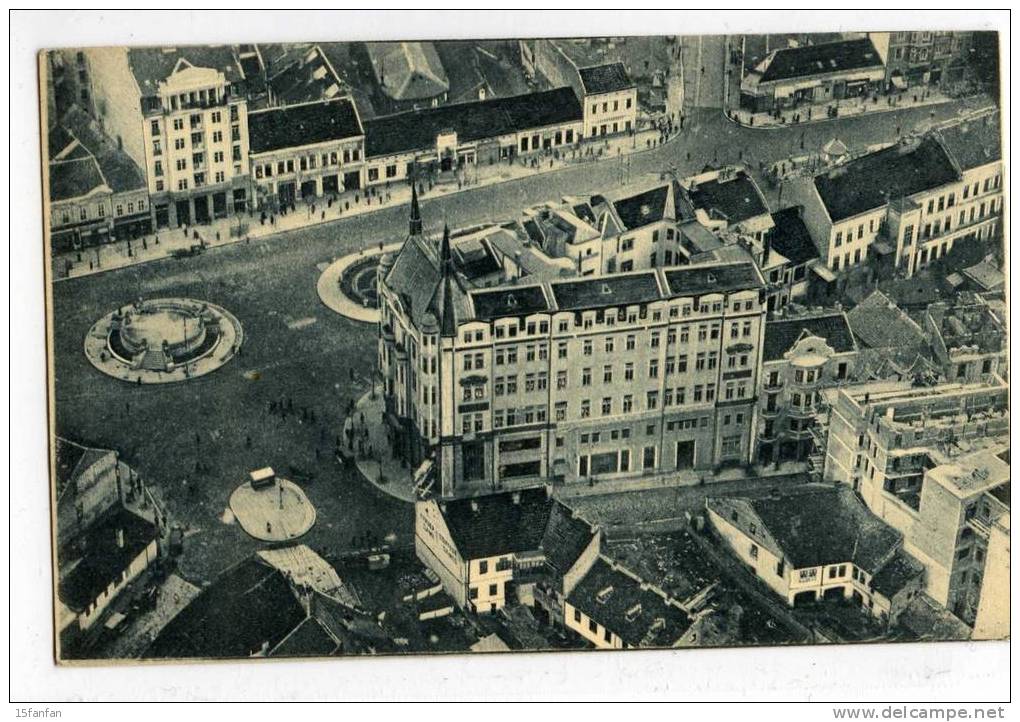
Hotel Timeline
The Architecture
The building was designed by Belgrade architect Jovan Ilkić and supported by architects Andra Stevanović and Nikola Nestorović. Ilkić's design employed a Secessionist style that skillfully incorporated Neoclassical elements. The surface of the outer walls from the second floor to the roof were lined with yellowish tiles decorated with green-colored ornaments. The ceramic lining was brought in from the Zsolnay factory in Pécs that supposedly still keeps the casts it originally used to mold it. The upper part of the hotel's façade was laid with a maiolica decorative relief titled Glorification of Russia, which depicts the Roman god Neptune. Neptune often symbolized Imperial Russia's yearning for maritime dominance.
Famous Historic Guests
Albert Einstein, world-famous theoretical physicist. Maxim Gorky, five-time nominee for the Nobel Prize in Literature. Alfred Hitchcock, influential filmmaker of such classics like Vertigo, North by Northwest and Psycho. Leon Trotsky, leading Bolshevik revolutionary. Leonid Brezhnev, former General Secretary of the Communist Party of the Soviet Union Yves Montand, renowned Italian-French actor of such hits like Grand Prix. Vanessa Redgrave, renowned English actress and six-time Oscar nominee. Richard Nixon, 37th President of the United States. Indira Gandhi, first and only female Prime Minister of India known for her fight for women rights. Ray Charles, legendary musician who pioneered American soul music and created countless chart-topping singles.