Solar do Castelo
Lisbon, Portugal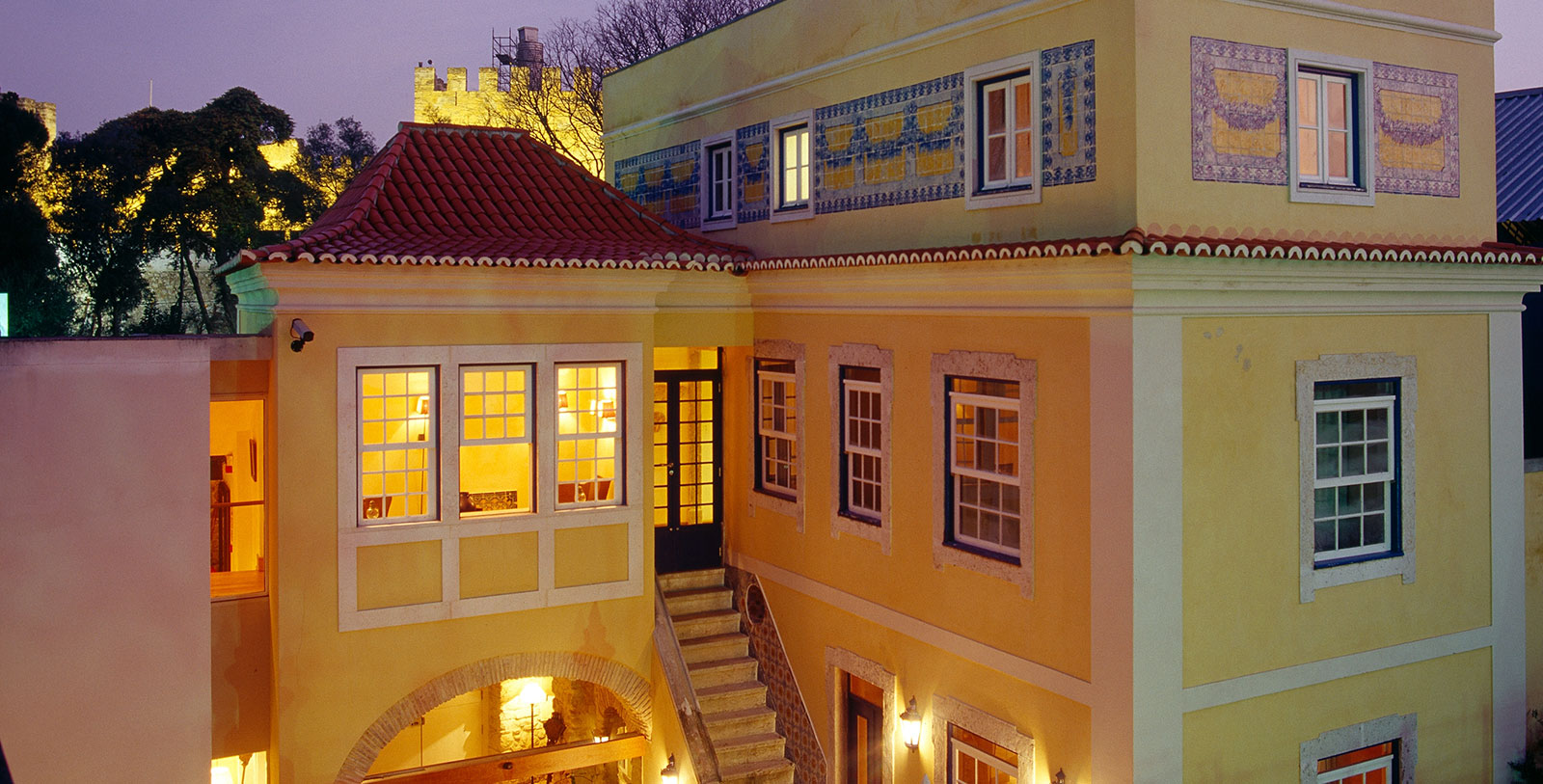
 Rua das Cozinhas, 2 (ao Castelo), Lisbon, Portugal, 1100-181
Original Property Opened in 18th Century
Historic Hotels Worldwide member since 2022
Rua das Cozinhas, 2 (ao Castelo), Lisbon, Portugal, 1100-181
Original Property Opened in 18th Century
Historic Hotels Worldwide member since 2022




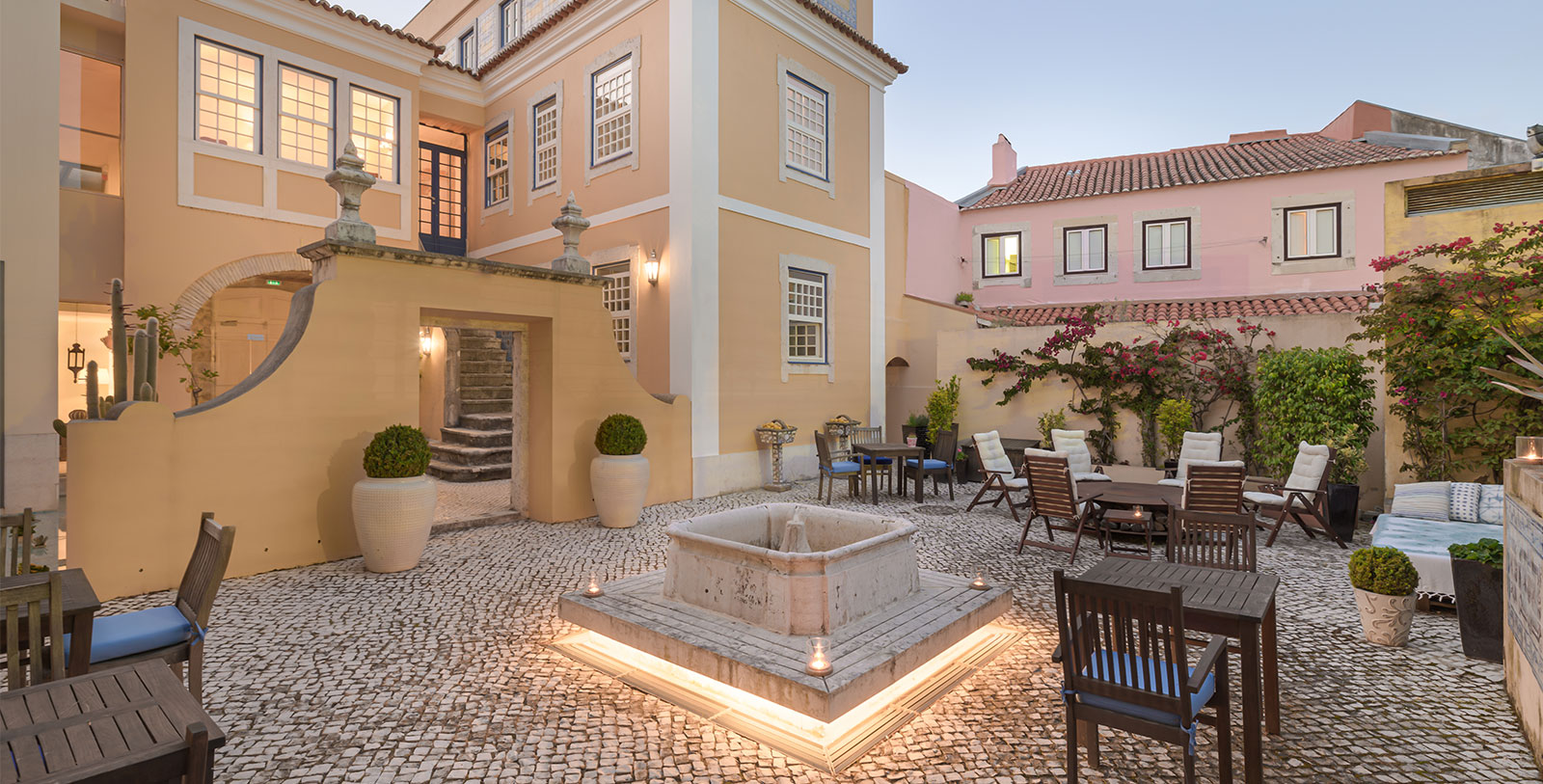
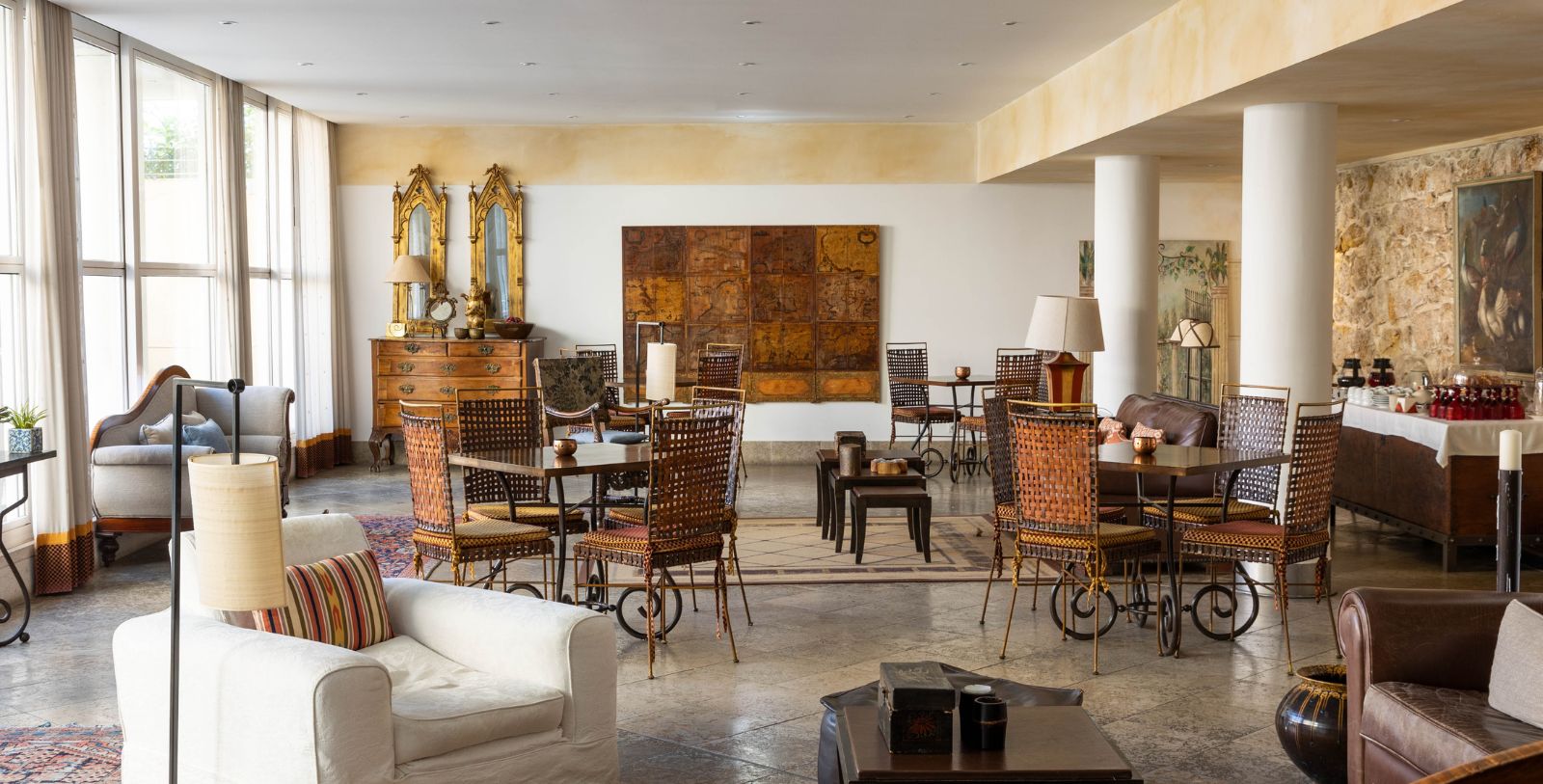
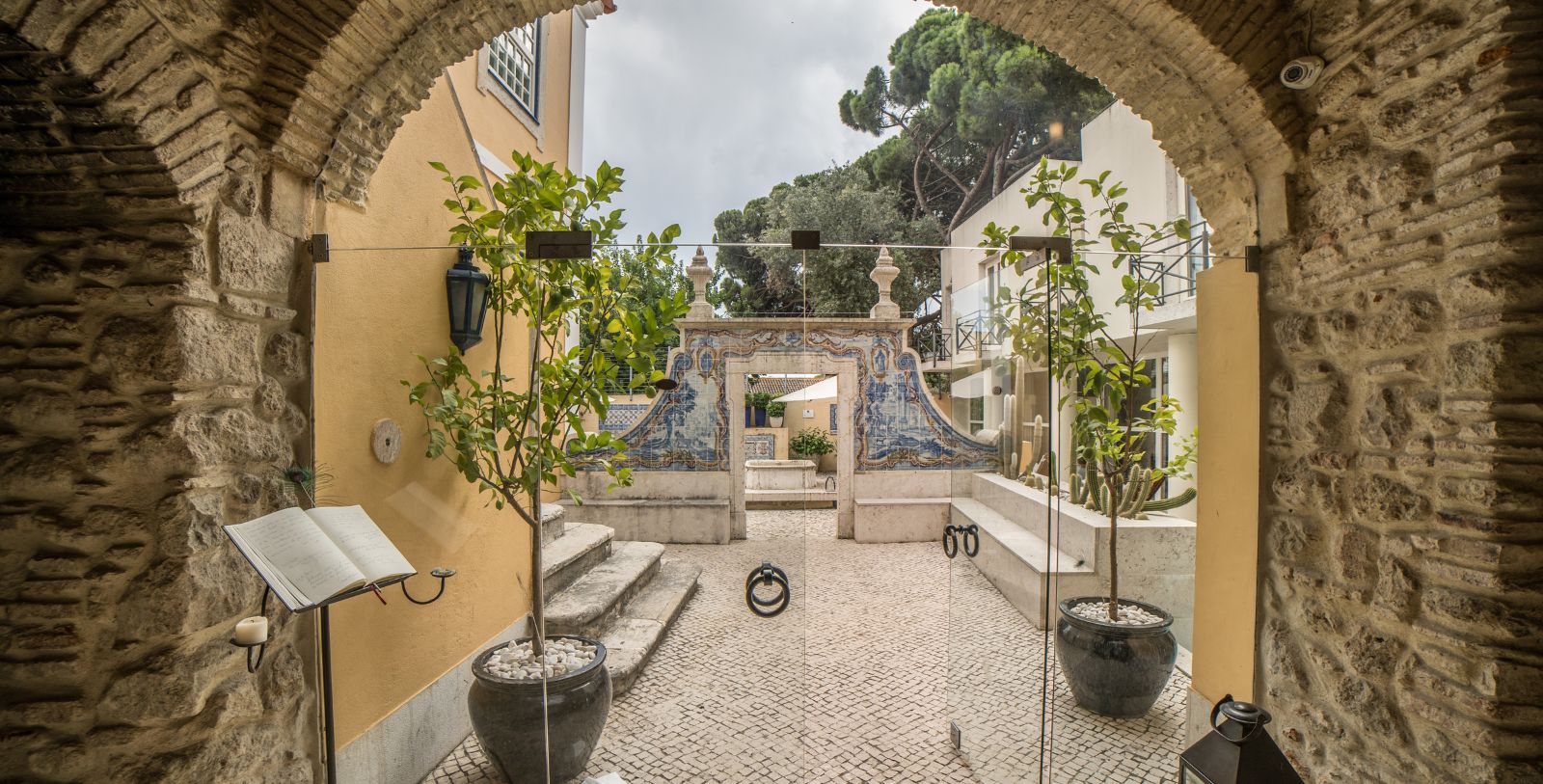
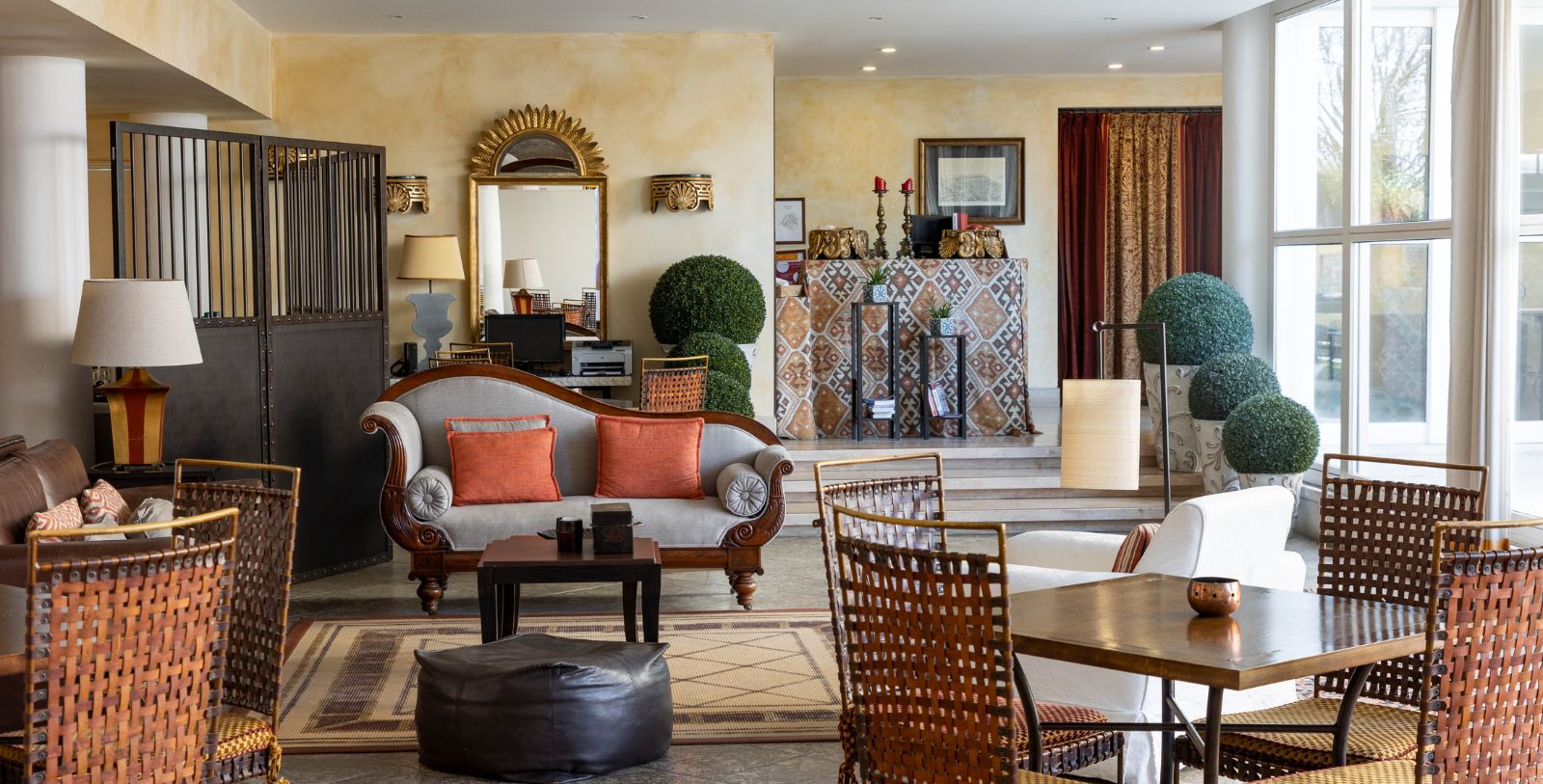
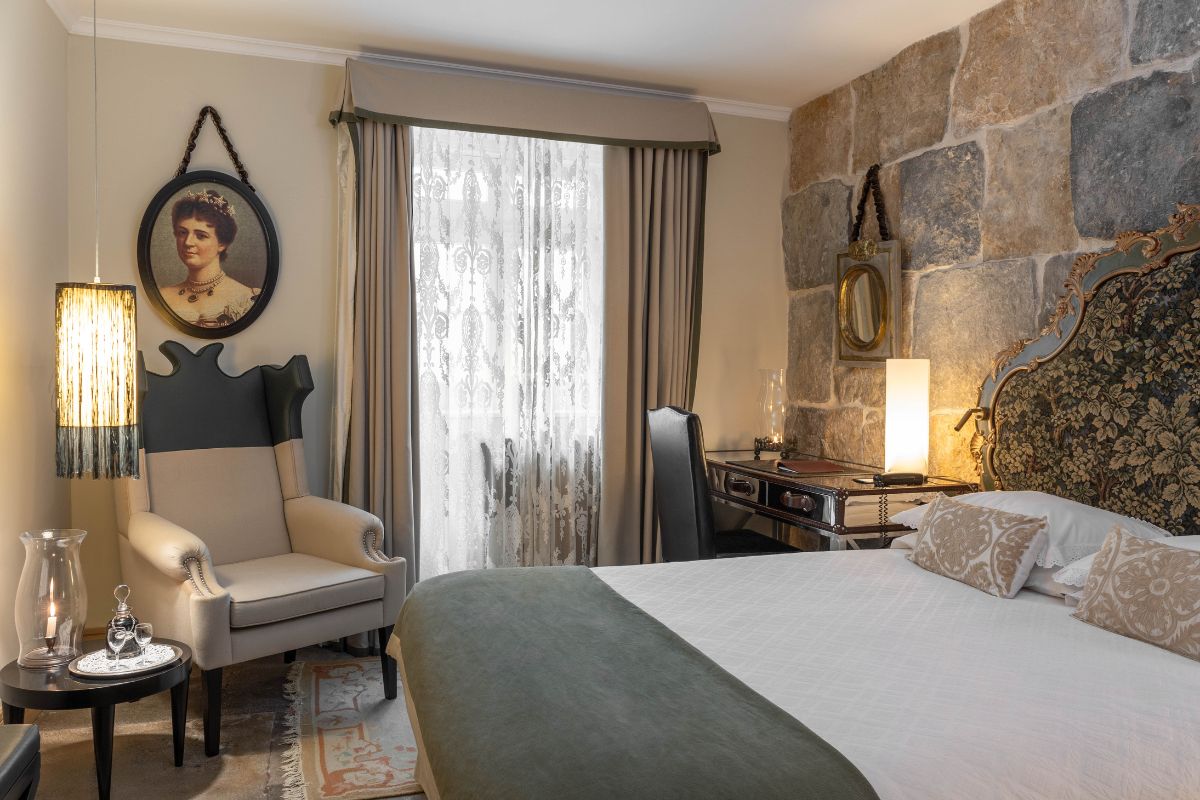
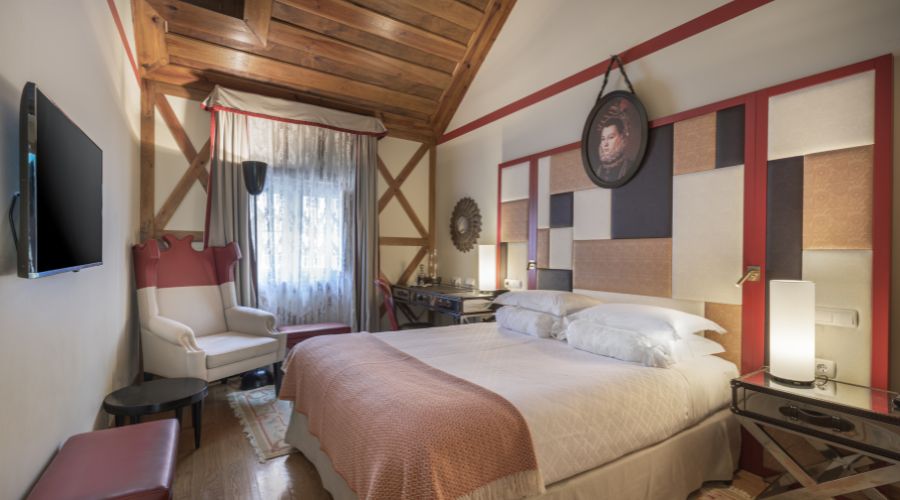
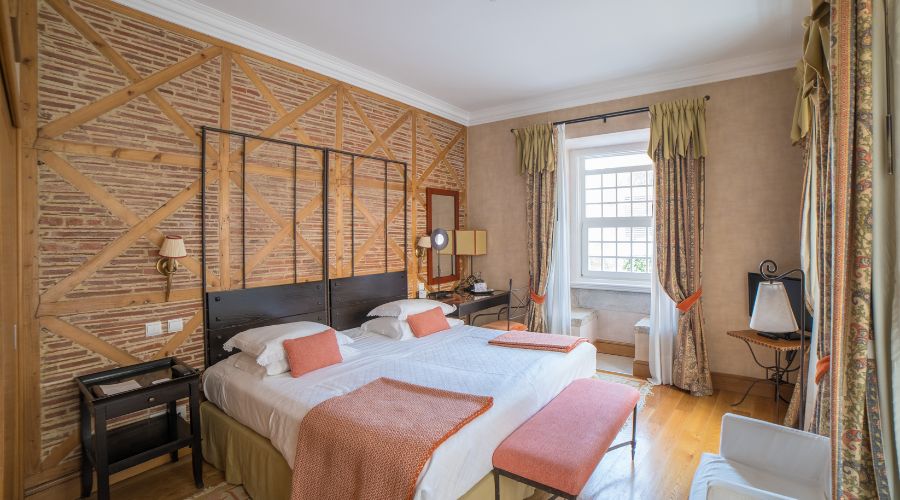
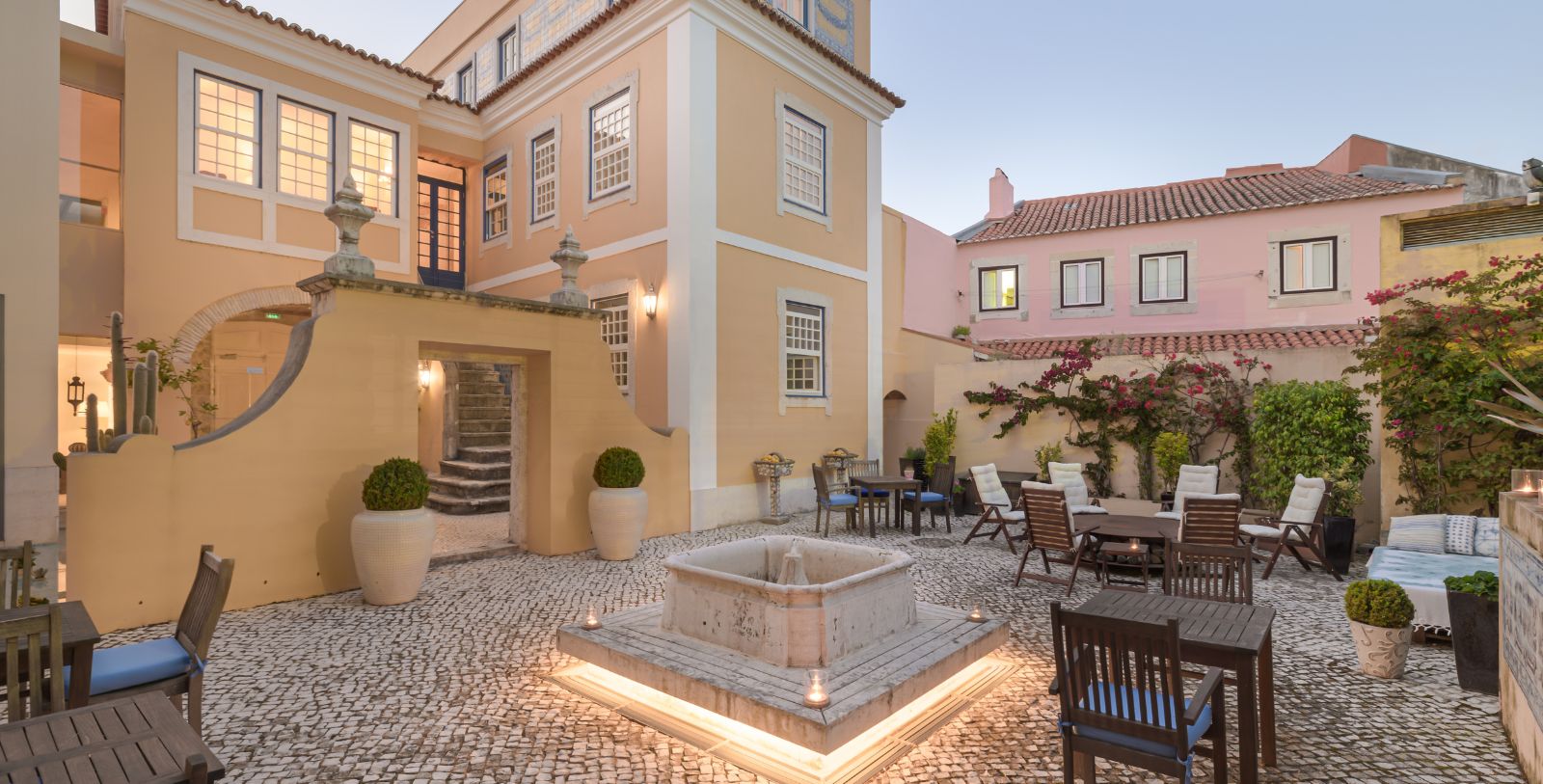
Set within the walls of Castelo de São Jorge, which crowns the heights of the historic Alfama district, Solar Do Castelo is a royal refuge in the heart of Lisbon. This romantic boutique hotel is located in an 18th-century mansion that was built on the site of the former kitchens of the Royal Palace. Rich in history, the mansion’s original architectural features have been lovingly restored while the location’s medieval heritage is demonstrated by a collection of archaeological finds proudly on display at the hotel. Each of the guestrooms is unique, but all reflect the grandeur of the past with rich textiles and curated antiques. The city center is only a quick stroll away through the narrow cobbled streets of the castle’s medieval village, where access is restricted to pedestrians and taxis. Guests can easily avoid the walk back up the hill thanks to the convenient golf cart provided by the hotel. After a long day out exploring the city, grab a drink from the well-stocked honesty bar and sink in the comfy leather sofas of the stylish lounge. Relax with the peacocks visiting from the adjacent castle in the beautiful courtyard framed by lush greenery and decorated with colorful Portuguese tiles. Experience the past and present at this historic heritage hotel.
Discover
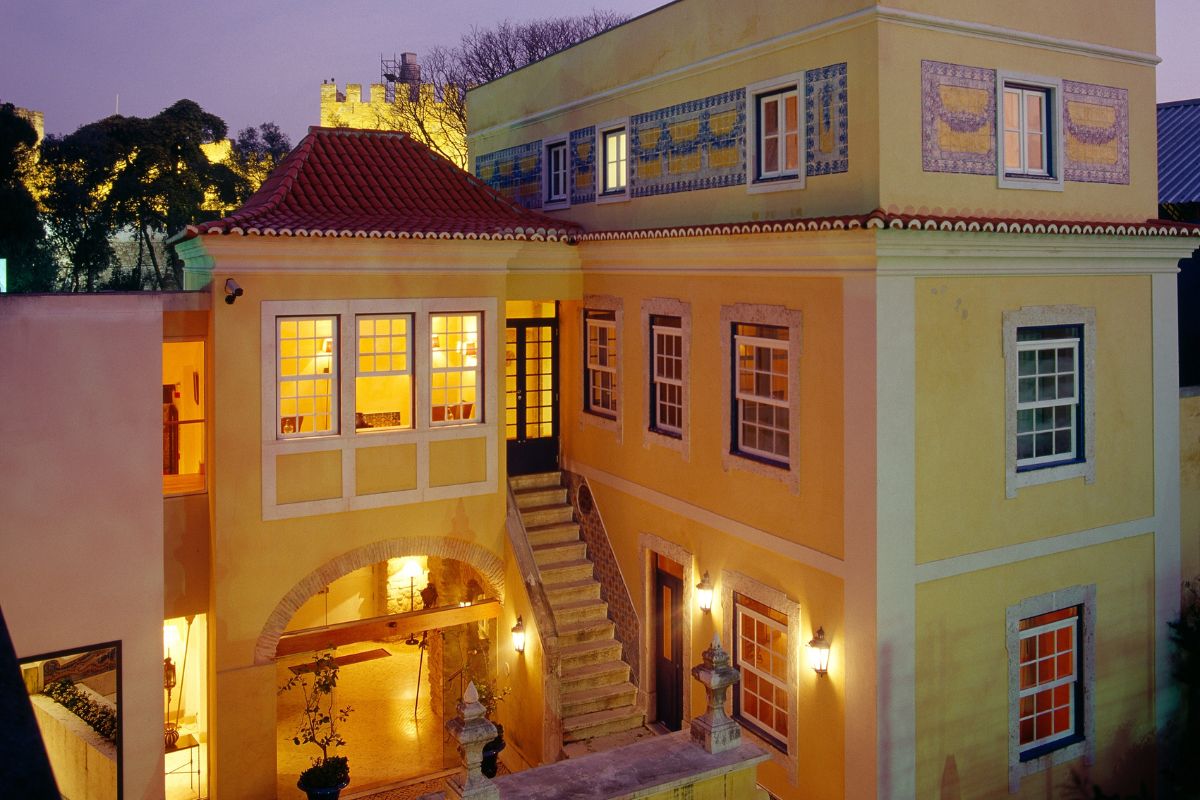
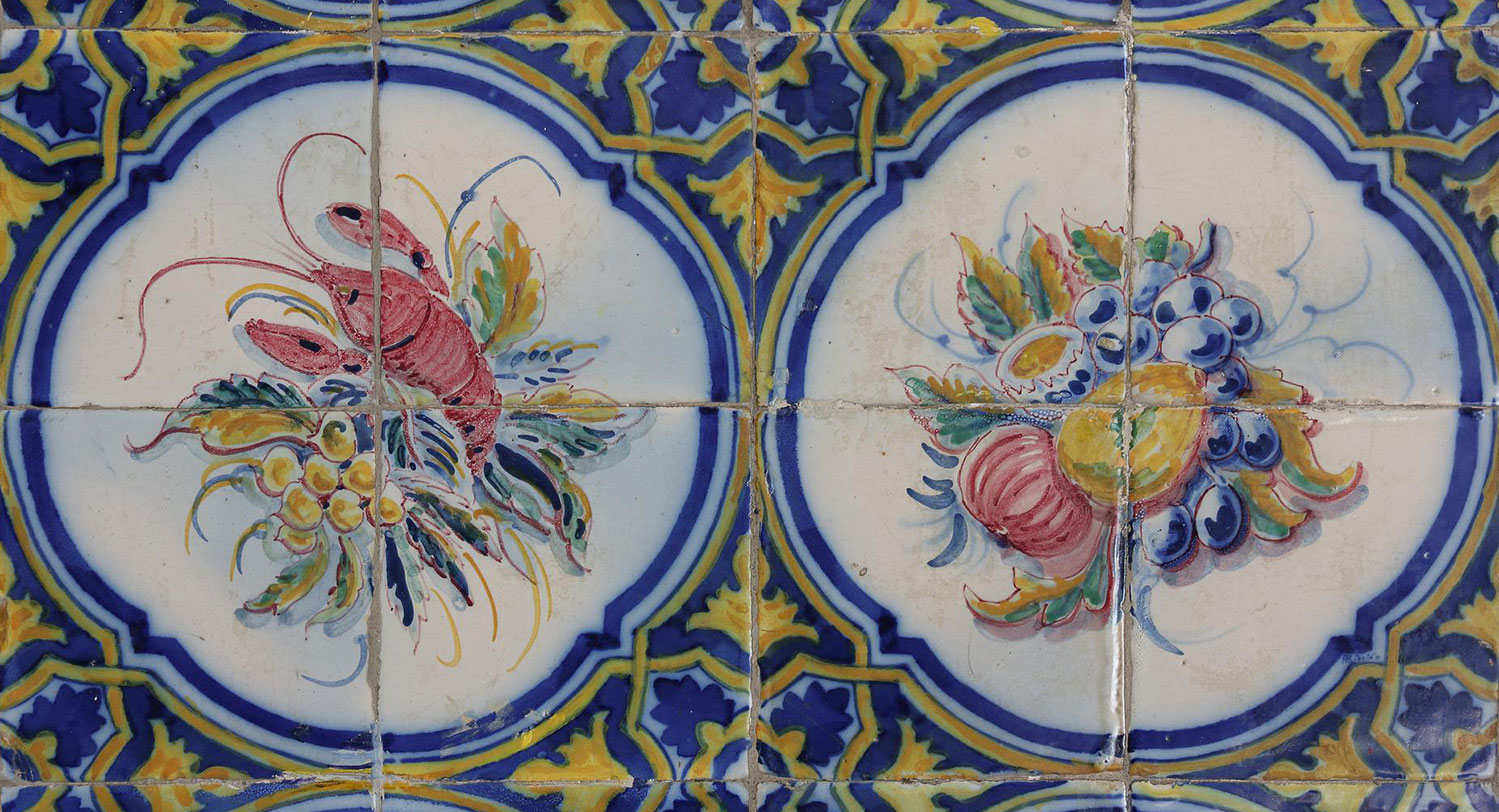
- Discover centuries of history at Solar Do Castelo, set within an 18th-century mansion built on medieval foundations. One of the many buildings that make up the medieval village within the walls of Castelo de São Jorge, Solar Do Castelo is the only one that has been transformed into a hotel. The medieval remains, along with several artifacts uncovered during renovations, such as a cistern, are proudly on display in the hotel’s museum. The 18th-century mansion combines elements of the rationalist Pombal style of building with more elaborate design elements such as the traditional Azulejo tile and the bright yellow façade.
- Admire the masterful renovations undertaken by Portuguese studio Atelier Graça Viterbo. The project developed unique spaces that mix sleek, contemporary design with elements clearly nodding to the medieval origins of the place. Rough linens, heavy curtains, and wooden floors and ceilings set the tone. Much of the furniture is bespoke, designed for the hotel in a medieval style tailored to the 21st century. The cobbled inner courtyard is inset with a fountain and an inviting fire pit. Beautiful blue-and-white Portuguese tiles, potted plants, and colorful cushions decorate the hotel’s inner courtyard, a peaceful corner where guests can lounge, joined by the beautiful peacocks that live at the castle.
- Explore the grounds of Castelo de São Jorge. Located on the highest of Lisbon’s seven hills, Castelo de São Jorge is the city’s most visited tourist site with the best views of Lisbon and the Tagus River. Its oldest parts date from the 6th century and it was fortified by the Romans, Visigoths, and eventually the Moors. It served as a Moorish royal residence until Portugal’s first king Afonso Henriques captured it in 1147 with the help of northern European crusaders on their way to the Holy Land.
Explore
- Explore Avenida da Liberdade, one of Europe’s most exclusive shopping boulevards. Originally built as a public park in 1764, it was converted in the late-19th century into an extravagant thoroughfare in the style of the Champs-Elysees in Paris. Avenida da Liberdade offers 1,273 meters of mesmerizing and lavish shop windows and several of Lisbon’s cultural and historical highlights. Explore the floral pedestrian walkways decorated with the traditional Portuguese tile and relax in the shade at one of the numerous kiosk cafes lining the boulevard.
- Visit the Jeronimos Monastery, a UNESCO World Heritage Site. Built by King Manuel I in 1502 to commemorate Vasco da Gama’s voyage, this Manueline-style monastery exemplifies Portugal’s power and wealth during the Age of Discovery. In 1880, da Gama's remains and those of the poet Luís de Camões (who celebrated da Gama's first voyage in his 1572 epic poem, Os Lusíadas) were re-interred in newly carved tombs in the nave of the monastery's church.
- Tour Belém Tower, a 16th-century fortress that once served as a point of embarkation and disembarkation for Portuguese explorers. Constructed between 1515 and 1519 during the reign of King Manuel I, the fortress would become the ceremonial gateway to Lisbon and a prime example of Manueline architecture. In 1983, Belém Tower became a UNESCO World Heritage Site along with the nearby Jeronimos Monastery.
Experience
- Experience breathtaking views of Lisbon from atop the Basilica da Estrela. Built in the second half of the 18th century, the basilica has a huge rococo dome where visitors can look out on the sprawling city. Queen Maria I constructed the basilica to give thanks to God for the birth of her son. The interior is covered in polychrome marble and paintings. Her elaborate Empire-style tomb is also inside and decorated with a remarkable baroque nativity scene with over 500 terracotta and cork images. It is Portugal's largest nativity scene and was created by Portuguese sculptor Joaquim Machado de Castro.
- Enjoy a ride on Tram 28, one of Lisbon’s iconic Remodelado trams, inaugurated in 1914. A quintessential tourist experience, Tram 28 retains many of its original features including polished wood interiors, brass dials, and a cheery yellow exterior. The route passes through many of Lisbon’s historic districts, making it the best way to get a tour of the city. Sights along the Tram 28 route include Basilica da Estrela, Assembleia da República, Praça de Luís de Camões, Rua Augusta, Praça do Comércio, Igreja de Santo Antonio, Sé de Lisboa, Portas do Sol, Mosteiro São Vicente, and Castelo de São Jorge.
- Explore the Museu Nacional de Arte Antiga (National Museum of Ancient Art) in the historic Lapa neighborhood. The museum is located within the 17th-century Palácio Condes de Alvor and houses some of the most important works of art by artists from the Portuguese school. There are also collections of religious sculptures and Portuguese gold and silverware from the Middle Ages to the Baroque period.
Taste
- Taste the famous Pastel de Belém, a Portuguese egg custard tart pastry celebrated as one of the Seven Wonders of Portuguese Gastronomy. The first recipe of the Pastel de Belém was created in 1837 by the monks of the Jerónimos Monastery. Today, the pastry is made at the Fábrica Pastéis de Belém, a family-run bakery that has been specializing in the pastry for more than 100 years. To date, their recipe is kept secret and the name is even patented meaning the only place to try the original Pastéis de Belém is at the Fábrica Pastéis de Belém. However, these sweet treats can also be found in other patisseries in Lisbon under the name Pastel de Nata. In fact, guests at Solar do Castelo can enjoy this delicacy every morning at the hotel’s breakfast.
- Taste all seven wonders of Portuguese gastronomy. Sete maravilhas da gastronomia (seven wonders of gastronomy) is part of the larger organization Sete Maravilhas de Portugal (Seven Wonders of Portugal), which was founded in 2011 by the Ministry of Culture to celebrate the country’s cultural heritage. Portuguese citizens voting in the gastronomy category had to consider the following criteria: the dish would need to have a documented history of at least 50 years, be traditionally made within Portugal with locally available ingredients, and represent the diversity and culinary culture of Portugal. The aforementioned Pastel de Belém made the list, as well as Alheiras de Mirandela, Queijo Serra da Estrela, Caldo Verde, Sardinha Assada, Arroz de Marisco, and Leitão da Bairrada.
- Enjoy some Ginjinha, Lisbon’s local liqueur. Made by soaking sour morello cherries in brandy, this tart liqueur is served in small shot glasses or sometimes even edible chocolate cups. Ginjinha is best experienced within a traditional ginjinha bar, often a tiny tavern with room for no more than four patrons. One of the most popular ginjinha bars is the A Ginjinha bar. Dating back to 1840, the bar has been run by the same family for five generations.
FEATURED ACCOMMODATIONS
Featured Offers
This rate includes complimentary breakfast served until noon daily.
Enjoy a romantic getaway to Lisbon with this package which includes private airport transfers, complimentary breakfast served until noon, and free entrance into 20 Lisbon Museums.
For guests 50 years of age or older, this offer includes free breakfast and free entrance into 20 Lisbon Museums and two Botanical Gardens. Please inquire upon arrival for more information.
Book the Best Available Rate at this property on HistoricHotelsWorldwide.com and receive a complimentary one-year family membership (a $30 value) to the National Trust for Historic Preservation in the United States, a member of the International National Trusts Organisation.