The Savoy Hotel & Beach Club
Miami Beach, Florida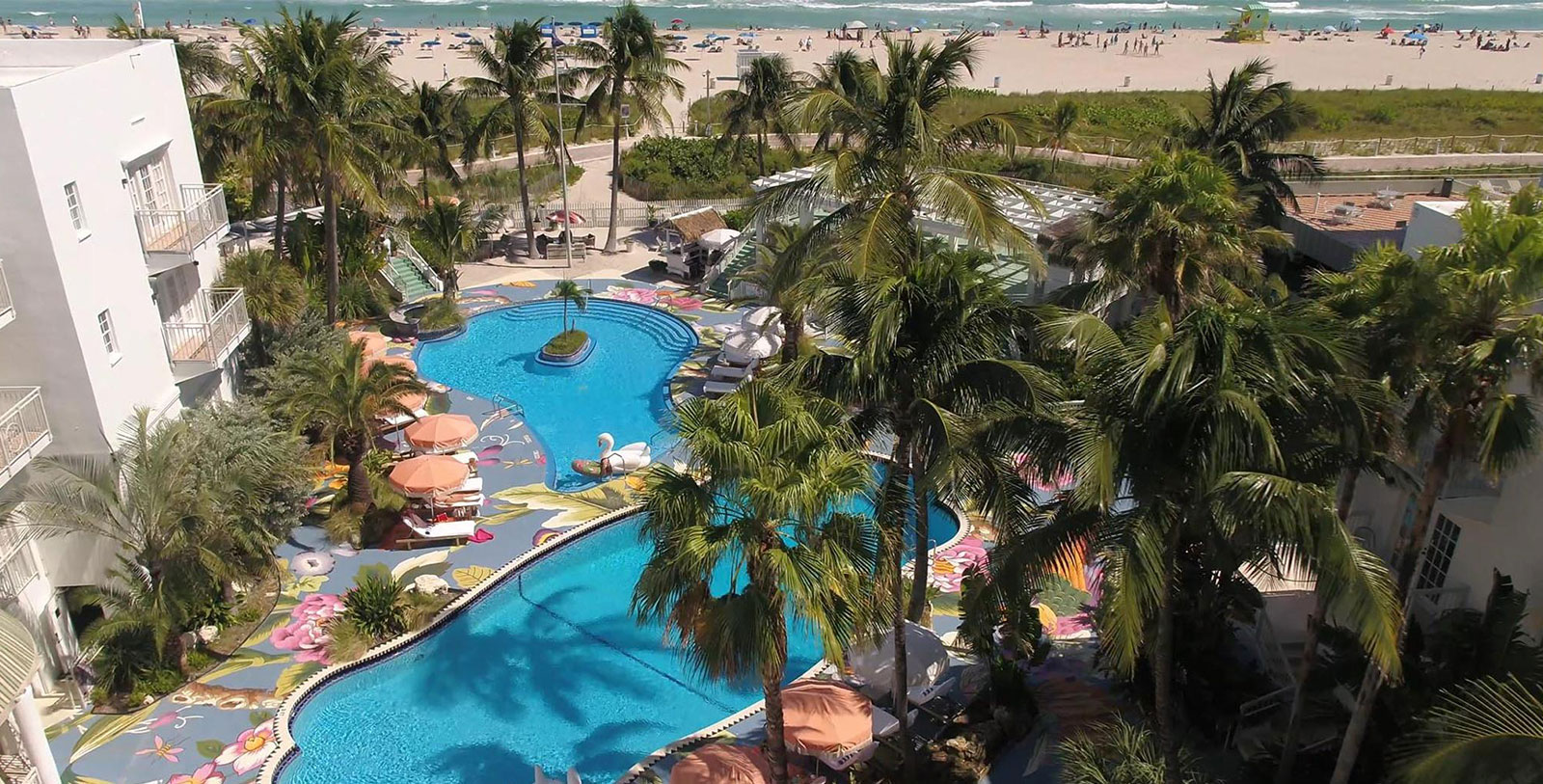
 425 Ocean Avenue, Miami Beach, Florida 33139
Original Property Opened in 1935
Historic Hotels of America member since 2020
425 Ocean Avenue, Miami Beach, Florida 33139
Original Property Opened in 1935
Historic Hotels of America member since 2020
Located mere moments from the heart of the Miami Beach Architectural District (also known as the Old Miami Beach Historic District or the Miami Beach Art Deco Historic District), The Savoy Hotel & Beach Club is among Miami Beach’s most historic vacation venues. This boutique Miami Beach hotel offers 75 exquisite accommodations and 200 linear feet of unobstructed oceanfront scenery.
Built in 1935, The Savoy Hotel was one of several hundred beachside getaways that appeared throughout the city shortly before the start of World War II. While many of those neighboring businesses closed their doors over the course of the 20th century, The Savoy endured for its ability to offer a luxurious travel experience unlike any other. Having just completed an ambitious restoration project in 2018, this fantastic location is now destined to entertain many more generations to come.
Discover
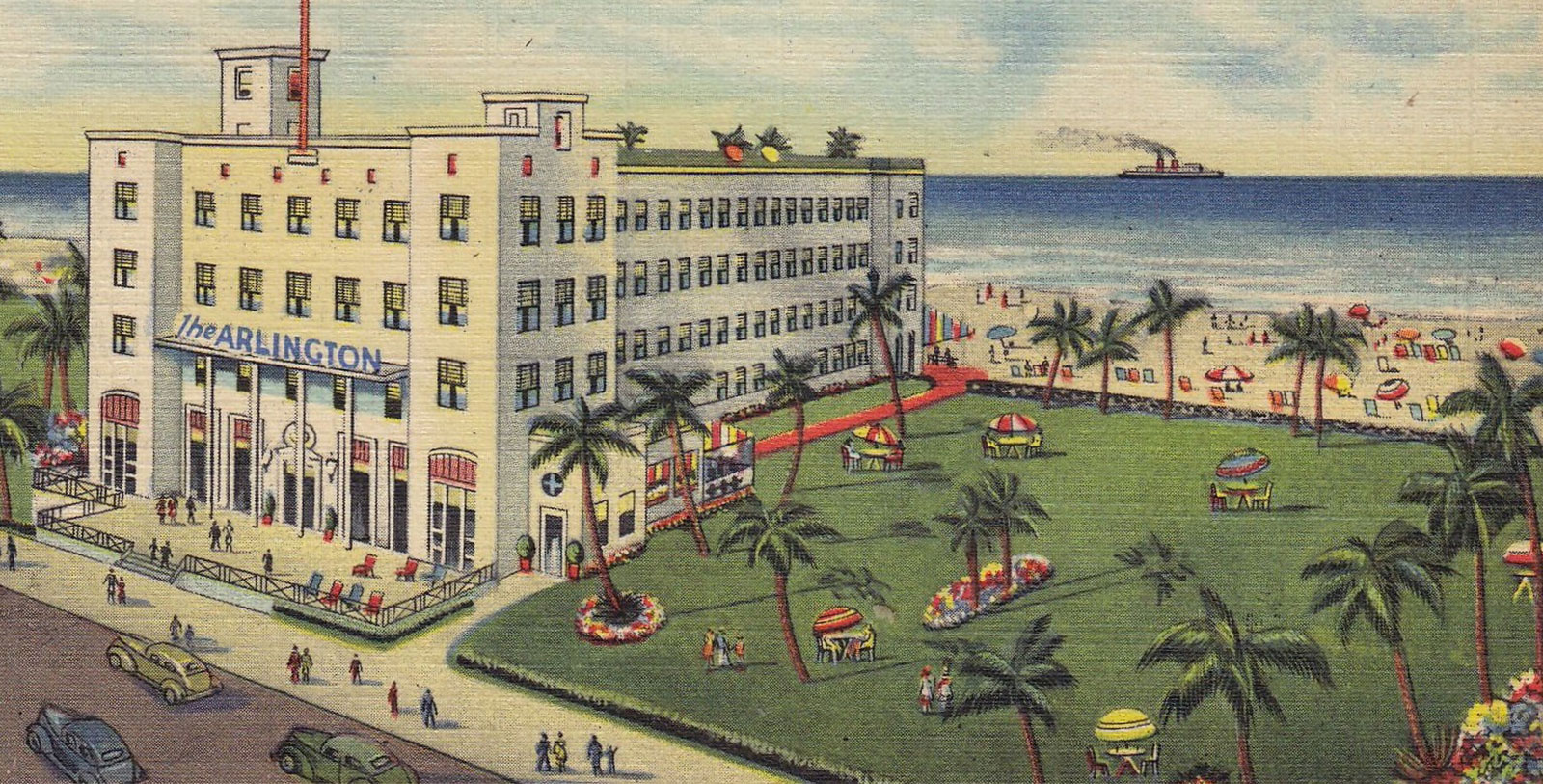
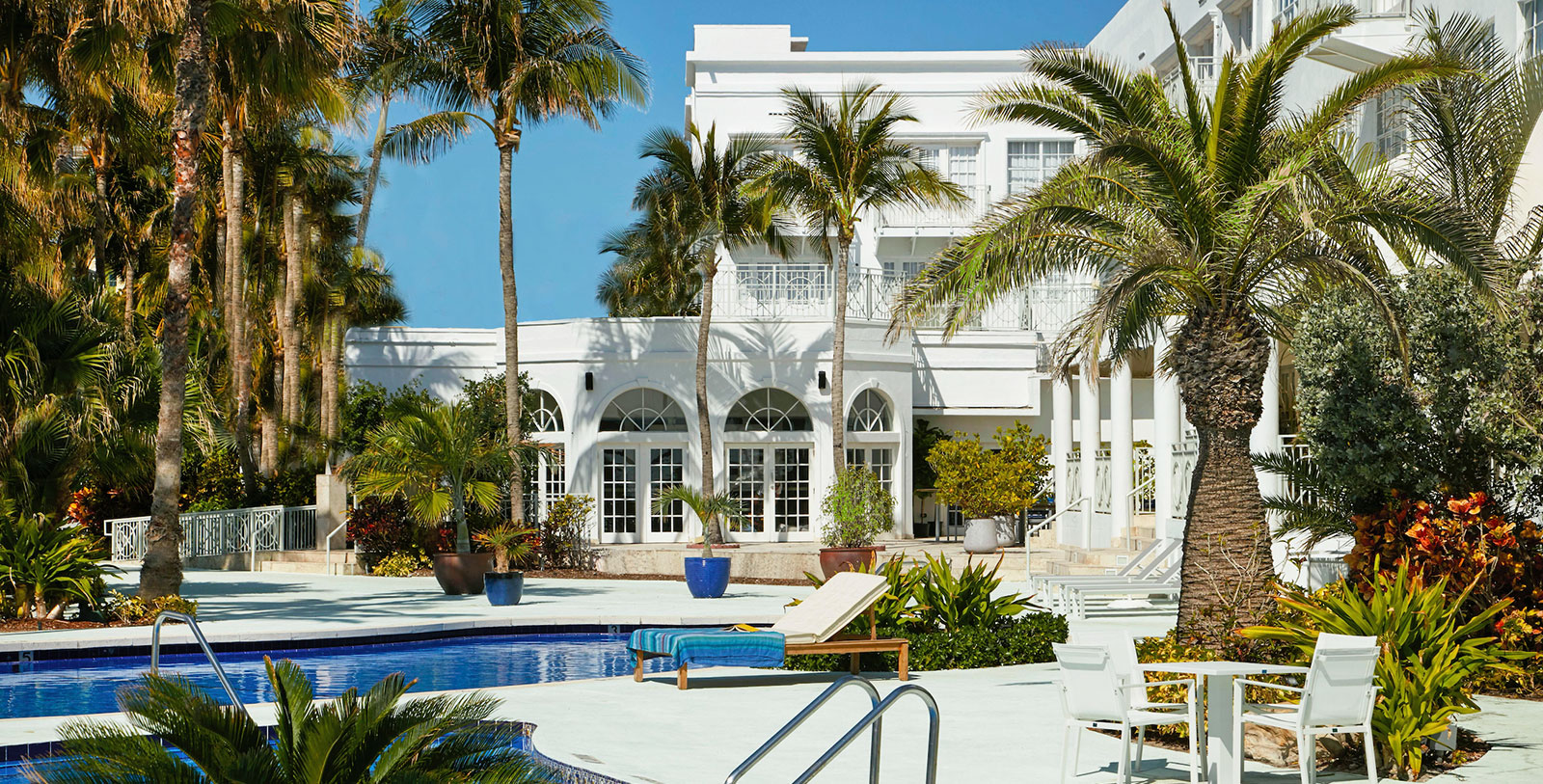
- Discover the sleek Art Deco architecture and lively South Beach energy of The Savoy Hotel & Beach Club. Designed in 1935, the hotel's sharp lines and modern details captured the cultural milieu of 20th-century America, albeit in a slightly more modest tone. Today, the Savoy is actually two historic hotels put together, the Savoy Plaza and the neighboring Hotel Arlington. Together, they create an iconic Art Deco masterpiece that spans two acres, all nestled within the sought-after South of Fifth neighborhood.
- Admire The Savoy Hotel & Beach Club's long-running tradition of hospitality. Opened shortly before the start of World War II, the hotel was one of several hundred beachside getaways to debut at the time, capitalizing on the fervor over Miami Beach as the hottest vacation destination. Although countless hotels and other neighboring businesses closed due to hardships like the Great Depression, The Savoy Hotel endured to become the luxurious escape it is today.
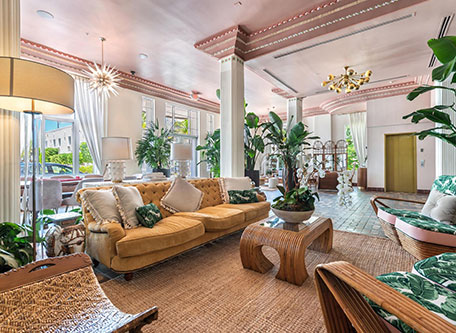
- Luxuriate in The Savoy's elegant yet laidback atmosphere. Just like Miami itself, the hotel effortlessly blends stylish sophistication with beachy sensibilities. From the chic lobby to the impeccably appointed guestrooms, The Savoy sees dreamy pinks, verdant greens, and glamorous golds accented with textured rattan, rich velvet, and lush tropical palm leaves, creating an ambiance that is charmingly historical while still feeling of the moment.
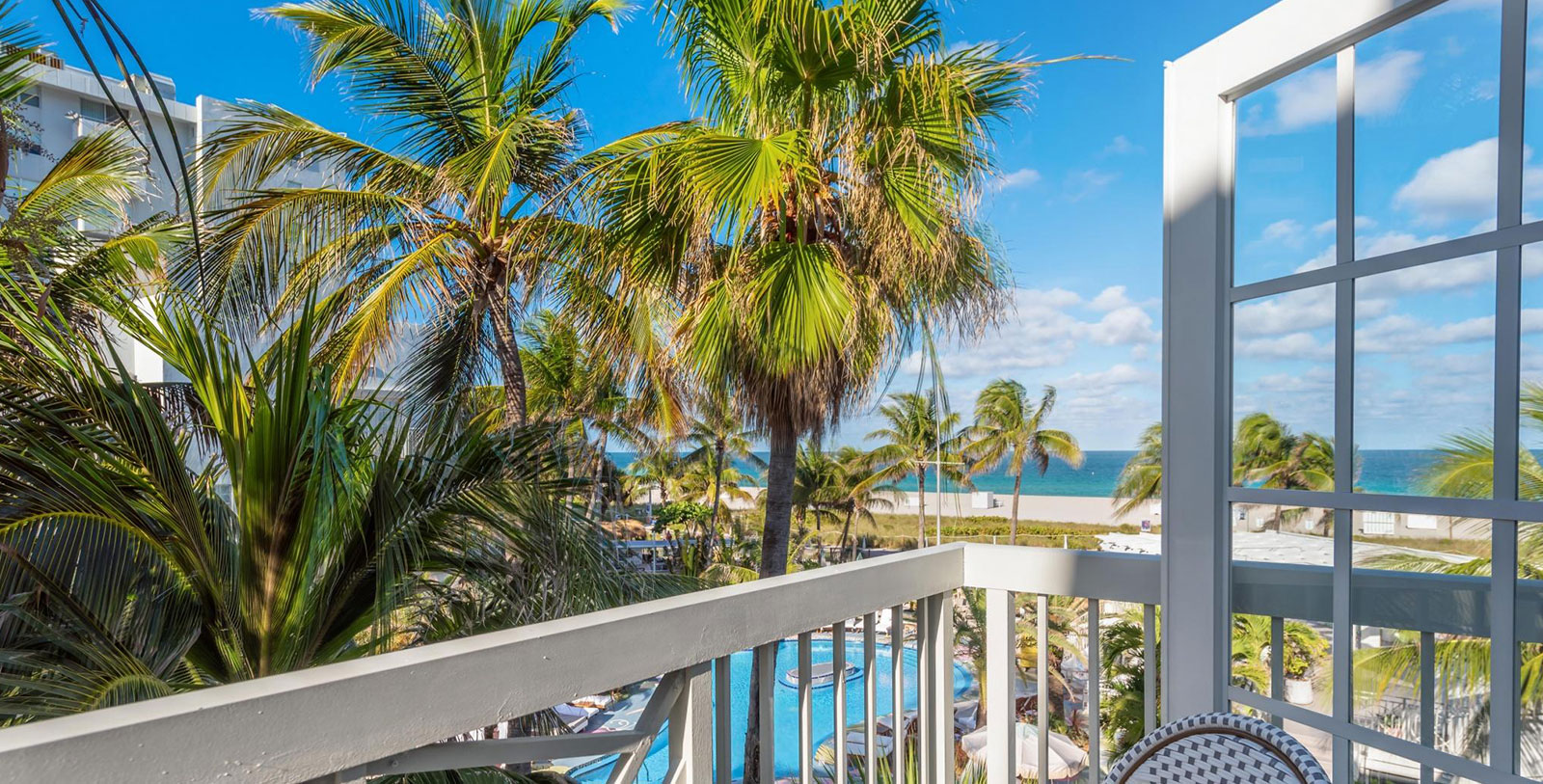
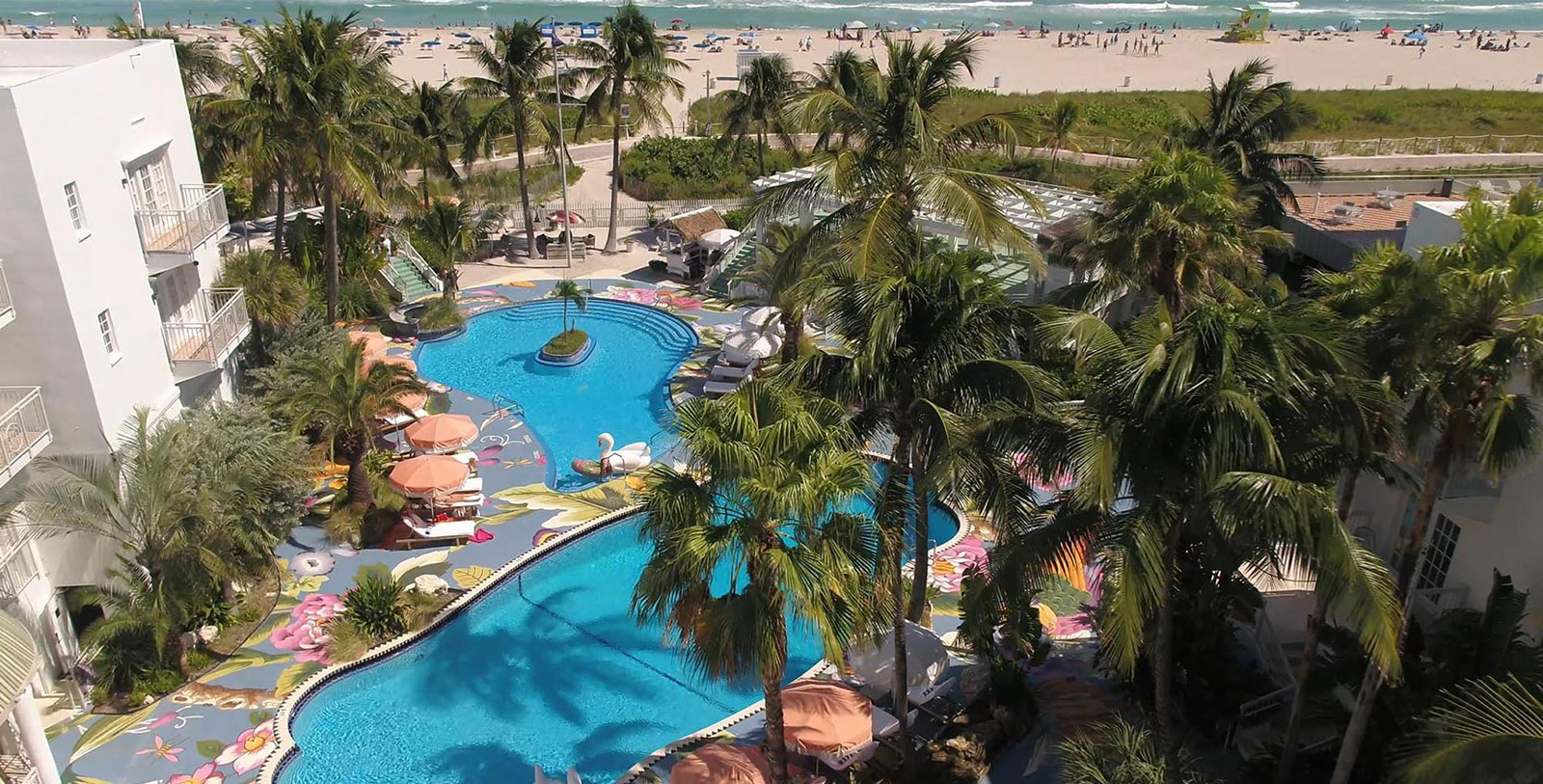
- Take advantage of the hotel's covetable beachside setting. Offering exclusive access to the Miami Beach Boardwalk and 200 linear feet of unobstructed oceanfront scenery, The Savoy Hotel & Beach Club is where Miami history meets tropical oasis. Soak up the views from the idyllic outdoor pool or from a chair on one of the guestroom balconies.
Explore
- Explore the famous Miami Beach Boardwalk, which stretches for seven miles through some of the most covetable real estate in the United States, spanning from just south of Surfside to the southern point of South Beach. Developed during the early 20th century, the Miami Beach Boardwalk has been a celebrated local landmark for more than 100 years. With its well-maintained paths, oceanfront vistas, views of some of South Beach's most spectacular hotels and condos, and access to the Lincoln Road pedestrian mall, the boardwalk is one of the best ways to traverse the stunning Miami Beach Architectural District. Make multiple stops along the way for a quick bite or drink or a look at one of the street performers or art stands while the ocean breeze whizzes by.
- Revel in Miami's spicy side in Little Havana. Miami-Dade County is home to more than 1,200,000 Cuban Americans, over half the population of all Cuban immigrants in the United States, and the heart and soul of the community can be found along the kaleidoscopic streets of Little Havana. Here, roaming chickens can be seen clucking around the feet of rainbow-like painted rooster statues, and salsa music and cigar smoke spill out of vibrant storefronts and restaurants in equal measure. This lively neighborhood has something in store for visitors day or night, whether drinking down cafecitos (shots of Cuban espresso topped with sweet and frothy crema), shopping for a crisp Cuban-style guayabera shirt, strolling the Calle Ocho Walk of Fame, or salsa dancing the evening away. For a true slice of life in Little Havana, be sure to visit Máximo Gómez Park, where suntanned Cuban retirees gather to talk trash and gossip over a cup of coffee and a game of dominoes.
- Be transported to the streets of the French and Spanish Rivieras with a stroll down Española Way. Opened as an artists' colony in the early 1925, Española Way was the first commercial development to open on Miami Beach. Lined with leafy palm trees and peachy stuccoed buildings crowned with red tile roofs and quaint striped awnings, this charmingly bohemian pedestrian street often feels closer to the Mediterranean than Miami. Visit during the evenings when strings of bistro lights twinkle above and the sultry strains of salsa, samba, and jazz ooze out of the two-block corridor's resident restaurants. Or, stop by during the daytime for Saturday morning yoga à la Española, a weekend makers market, and shopping for hand-rolled Cuban cigars.
- See a different side of Miami in the vibrant Wynwood Arts District. Located just north of downtown Miami, Wynwood was once a gritty neighborhood known for its warehouses and factories. While the warehouses remain, the former industrial hub has received a major glow-up, with contemporary art galleries, trendy restaurants and shops, and colorful murals blanketing what feels like every wall. While the artsy area is well worth a visit for the street art alone (20 minutes of exploring is enough to take it all in, including works by some of the most famous muralists and graffiti artists in the world), guests will also find some of the best food in Miami, funky boutiques, and creative spaces like Bakehouse Art Complex, an art incubator housed in a former industrial bakery, and The Margulies Collection at the Warehouse.
Experience
- Experience lush gardens and be immersed in the fascinating history of Vizcaya Museum & Gardens. Formerly the estate of James Deering, an agricultural technology executive, antiquities collector, and, in the early 1900s, one of the wealthiest people in the United States, Vizcaya is a paragon of Miami's Mediterranean Revival style. While the interior is filled to the brim with Renaissance furniture, paintings, and other decorative pieces, the Edenlike gardens outside are equally impressive. Inspired by the formal Italian gardens of the 1600s and 1700s, the manicured spaces are also effortlessly adapted to Florida's subtropical climate, with Cuban limestone paths, coral elements, and native plants that thrive in the state's ecosystem.
- Visit some of Miami Beach's most iconic buildings and learn the stories behind them during an Art Deco walking tour. Offered through the Miami Design Preservation League, these guided architectural adventures provide a crash course on the eye-catching Art Deco, Mediterranean Revival, and Miami Modern design styles that are emblematic of the Miami Beach Architectural District and the greater Art Deco Historic District. The Miami Beach Architectural District, in particular, is a true design marvel with more than 900 Art Deco-style buildings to its name, making it the most extensive collection of the structures in the world. From candy-colored hotels to Easter-egg-hued restaurants, this 90-minute to two-hour tour explores some of the best that the area has to offer.
- Hop in an airboat for a thrilling journey through Everglades National Park. Recognized as an International Biosphere Reserve and a UNESCO World Heritage Site, Everglades National Park is a place of superlatives, among them the largest designated wilderness east of the Mississippi River, the largest mangrove ecosystem in the western hemisphere, and the most significant breeding ground in North America for tropical wading birds. This rich ecosystem is also home to thirteen endangered and ten threatened species, such as the manatee and the American crocodile, some of which can be seen during a heart-pounding airboat tour.
- See the city in style during a private chauffered tour in a classic car. With salty ocean air whipping past and the invaluable insight of a local guide, these unique city tours are sure to leave guests feeling like VIPs. Each private tour takes to the streets in a vintage convertible from the 1950s or 1960s, making for a truly unique way to experience Miami. Several routes are available to choose from, ranging from only one or two hours to a full half day, and cultural and historical commentary are included throughout. If desired, tour stops are recommended to allow time for deeper exploration.
Taste
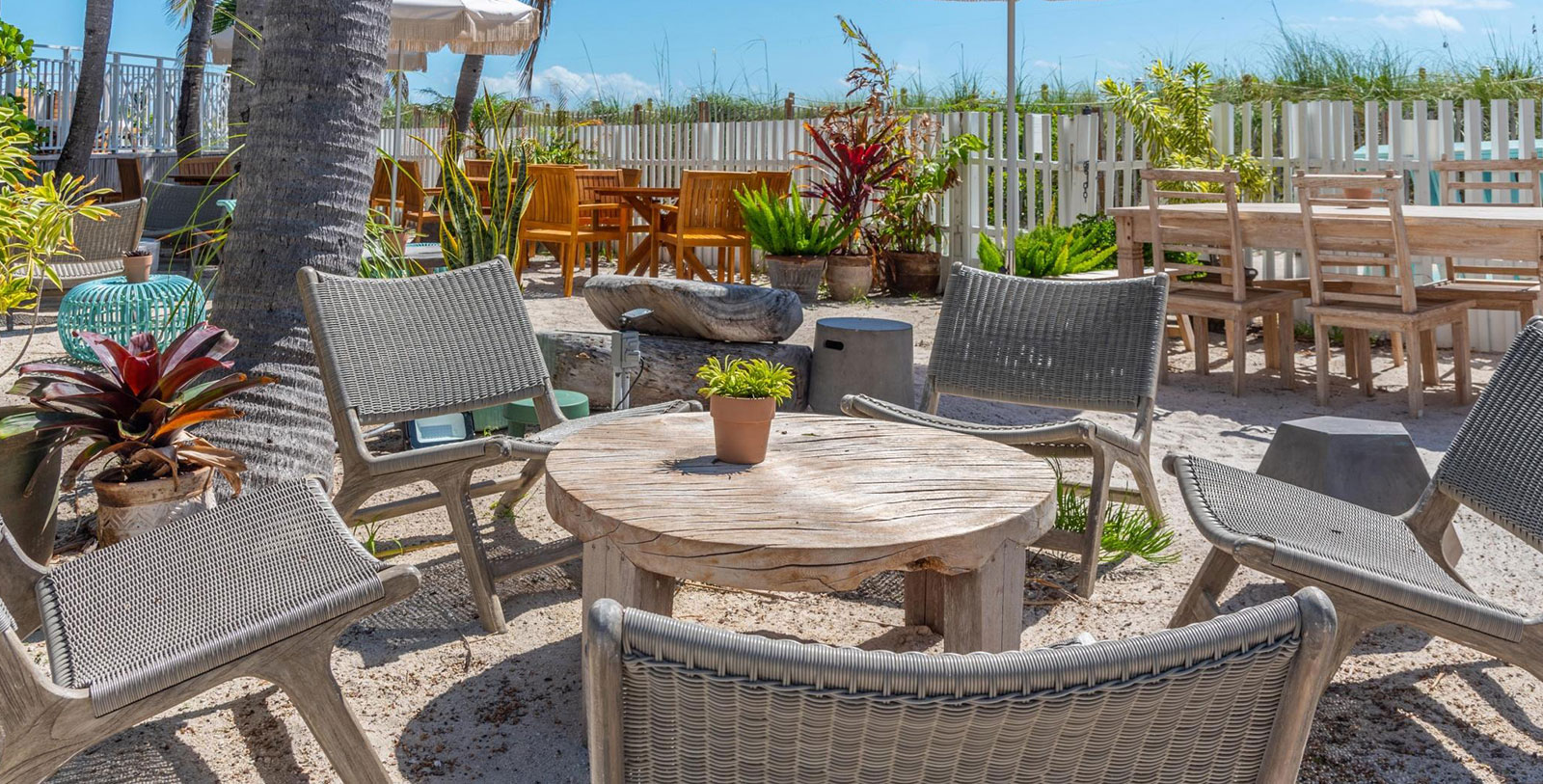
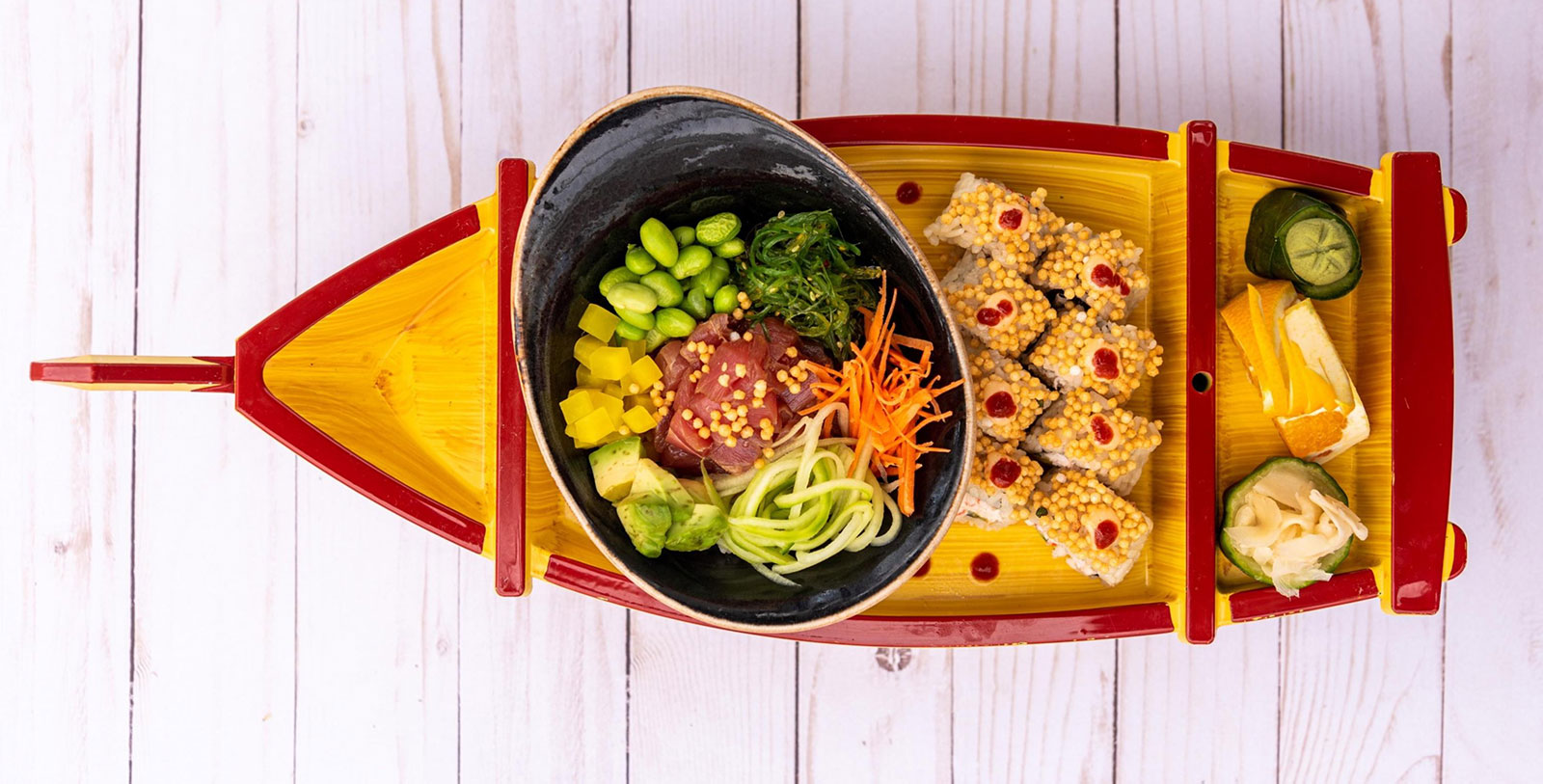
- Sip signature cocktails poolside at The Sandbar, an open-air lounge conveniently situated between the hotel's pool and Beach Club. With its rattan furniture, tasseled umbrellas, and sweeping views of the ocean, this tropical hideaway is made for relaxing. Pull up a lounger and unwind with an expertly crafted boozy beverage or refuel after a day in the sunshine with beachy Asian and international fusion bites, like refreshing sushi and poke or grilled chicken skewers with a refreshing salad of watermelon and feta.
- Take a bite out of some of ocean-fresh South Florida seafood. With a coastal setting further influenced by Caribbean and Latin American culture, Miami is home to some truly incredible seafood dishes. With a small habitat off the southeastern coast of the Florida Bay and a relatively short fishing season from mid-October to mid-May, stone crabs are one of the most in-demand crustaceans in Florida. Sweet and tender, their claws are a favorite of seafood lovers, with flaky, succulent meat similar to that of a lobster. Indigenous to The Bahamas, which is located only 181 miles off the coast of Miami, conch is a tasty sea snail with the consistency of a scallop that is delicious when tenderized and served in a stew, as a salad, or deep fried into fritters. Ceviche is another must-try dish when visiting Miami. Hailing from Latin America, ceviche refers to raw fish that has been cured in various citrus juices, often marinating together with mix-ins like chili peppers, onions, cilantro, and avocado.
- Savor a slice of Floridian and Cuban culinary heritage with a savory Cubano sandwich. Although some stories say that the Cubano was created in the state's Cuban enclaves, like Miami or Tampa, its origin can actually be traced back to the Cuban capital of Havana and a popular street food known as the "sandwich mixto." Much like the places that helped to make the sandwich what it is today, the Cubano is a melting pot of flavors, with smoky, seasoned roasted pork, salty ham, crisp pickles, gooey cheese, and tangy mustard all layered on soft, slightly sweet Cuban bread.
- Cap off a meal in true Floridian fashion with a piece of Key lime pie. Although its beginnings are still debated, many believe that this sweet and tart dessert was first created in Key West, Florida, near the end of the 19th century. In fact, those in the Sunshine State are so convinced of its origins that officials declared Key lime pie Florida's official state pie in 2006. One thing everyone can agree on, however, is the pie's exquisite taste, courtesy of sweetened condensed milk, egg yolks, and the juice of aromatic Key limes.