The Sayre Mansion
Bethlehem, Pennsylvania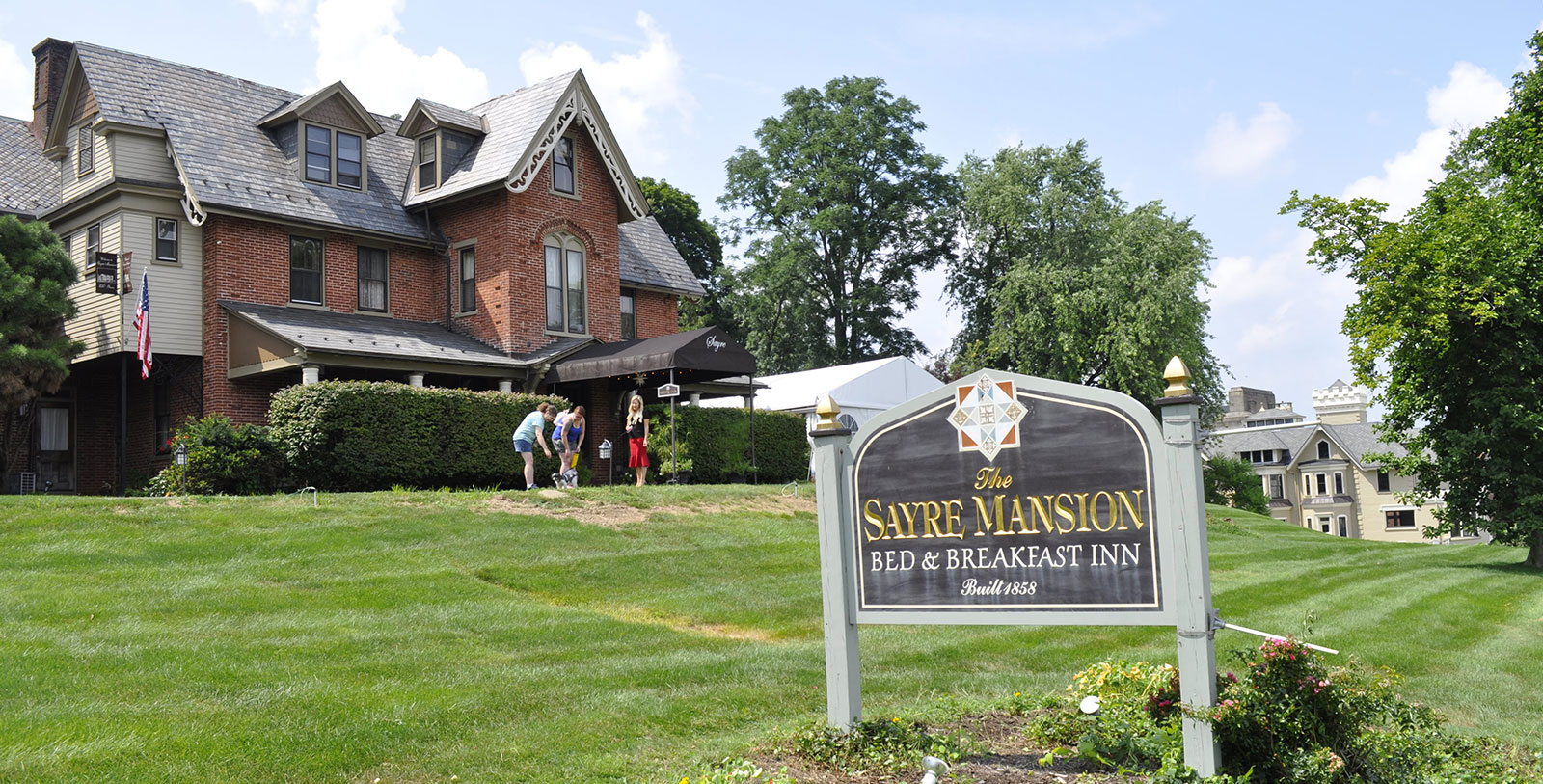
The Sayre Mansion
250 Wyandotte Street, Bethlehem, Pennsylvania 18018 Original Property Opened in 1858 Historic Hotels of America member since 2013- The 2025 Top 25 Historic Hotels of America® Most Haunted Hotels List Is Announced
- The 2024 Top 25 Historic Hotels of America® Most Haunted Hotels List Is Announced
- The 2024 Top 25 Historic Hotels of America® Afternoon Tea Experiences List Is Announced
- The 2024 Top 25 Historic Hotels of America® Most Literary Hotels List Is Announced
- The 2023 Top 25 Historic Hotels of America Most Haunted Hotels List Is Announced
- The 2023 Top 25 Historic Hotels of America Most Magnificent Ceilings and Domes
- The 2023 Historic Hotels of America Top 25 Afternoon Tea
- 2022 Top 25 Historic Hotels of America Most Haunted Hotels
- The 2021 Top 25 Historic Hotels of America Most Haunted Hotels Announced





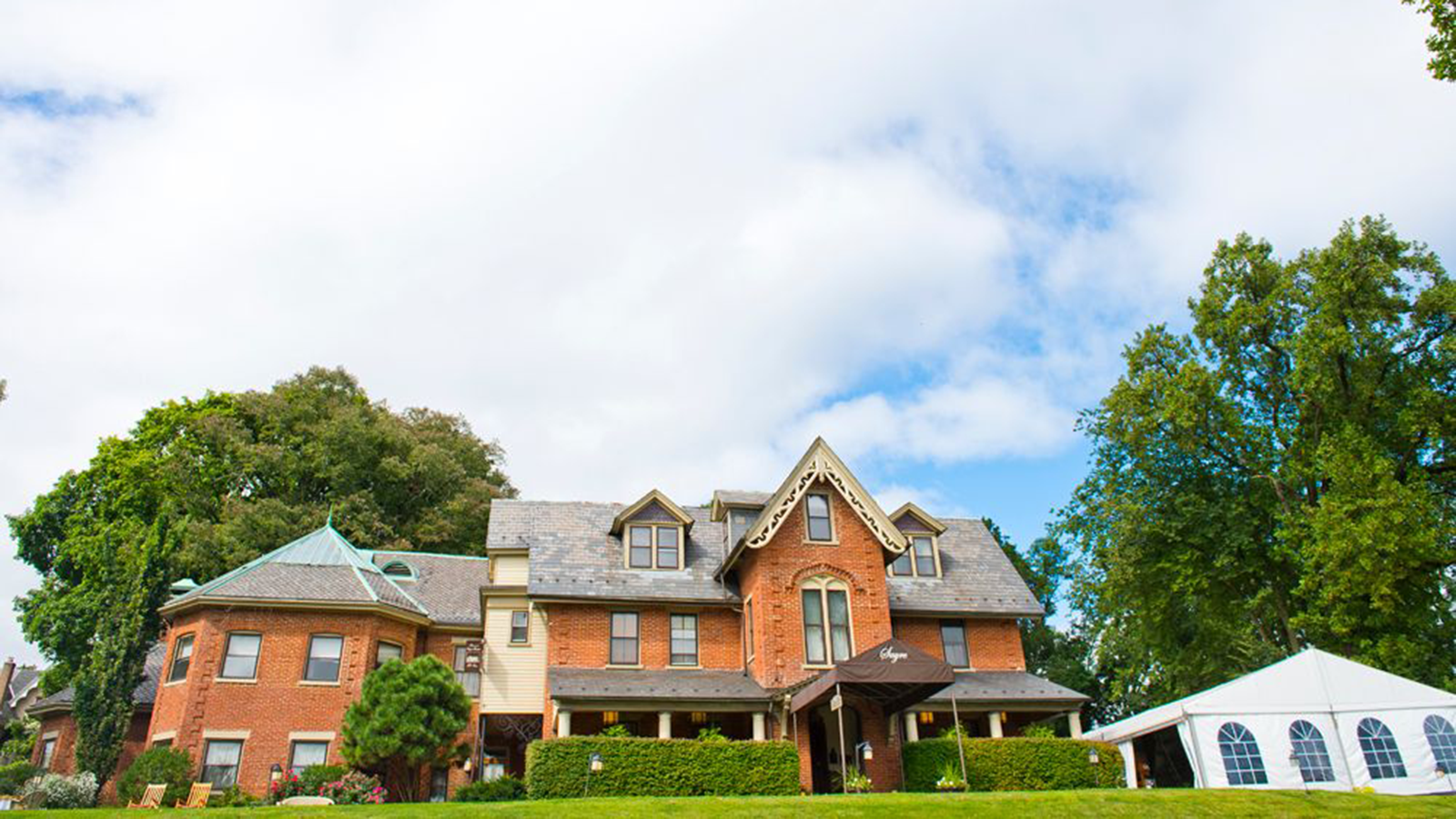
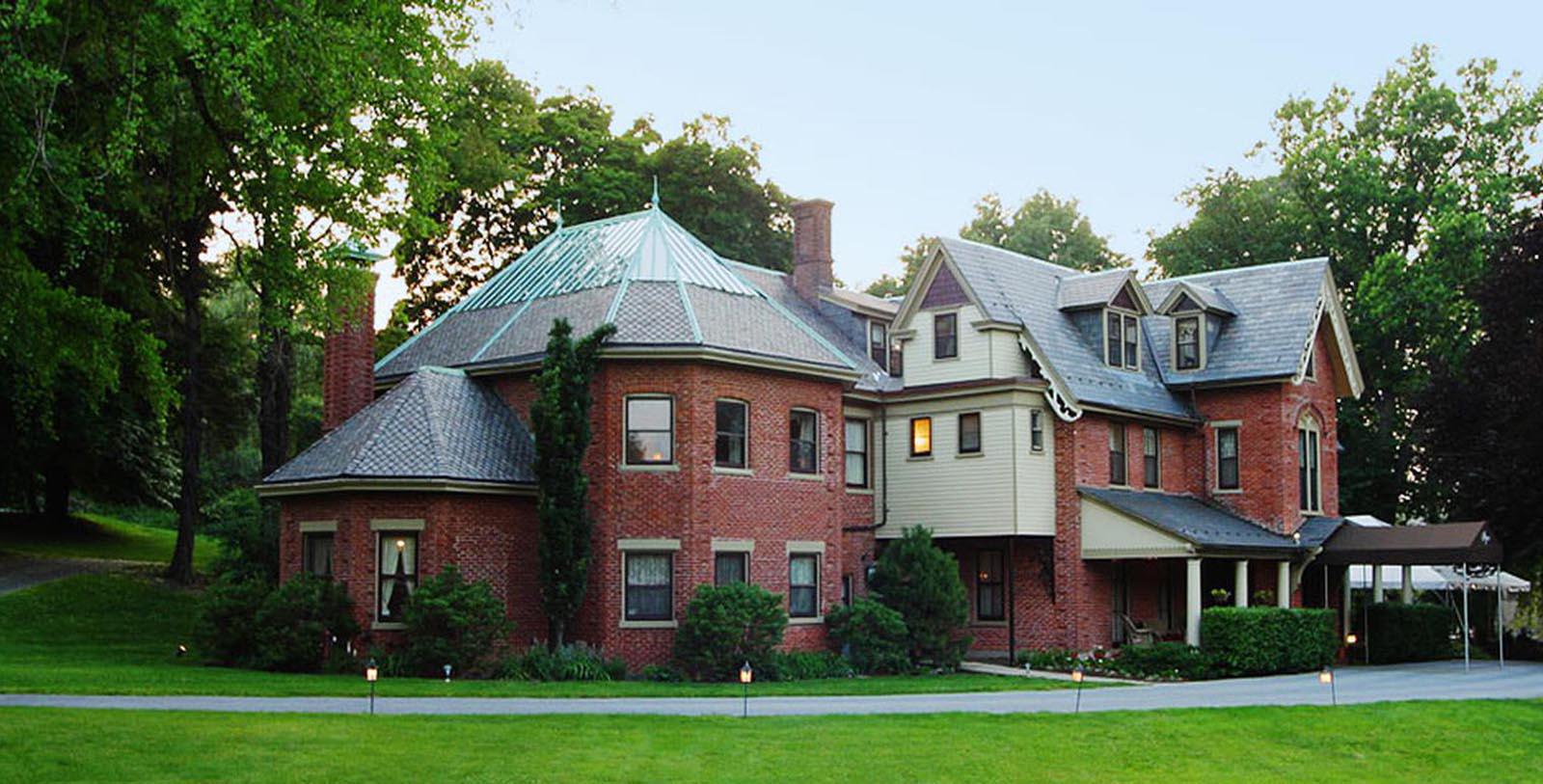
Distinction, elegance, and graciousness are the hallmarks of The Sayre Mansion in Bethlehem, Pennsylvania, a stately mansion framed by the swaying branches of century-old trees and the picturesque beauty of the lush landscape. Built more than 150 years ago in the 1850s—the first house in the upscale area of Fountain Hill—the mansion was built by Robert Heysham Sayre, chief engineer of the Lehigh Valley Railroad. Meticulously restored to maintain historic details, this Gothic Revival-style mansion showcases a beautiful brick façade and grand entrance, in addition to 19 classic mansion guestrooms and four sumptuous Carriage House Suites, each offers Old World refinement and modern amenities.
Discover
- Discover the role The Sayre Mansion played in Bethlehem, Pennsylvania's industrial development. Constructed in 1858 in the city's Fountain Hill neighborhood, a wealthy enclave home to local railroad pioneers and industrialists of the age, the mansion was once home to Robert Heysham Sayre. A man of little formal education but big aspirations, Sayre turned a role as lockmaster for the Lehigh Coal & Navigation Company into a position as Lehigh Valley Railroad's chief engineer. The railroad flourished under his stewardship, with demand so great that lines were extended first into the state of New York and, later, into the Great Lakes region. His prodigious business acumen saw Sayre embark on numerous other endeavors and partnerships, from coal mines to, most notably, the creation of Bethlehem Iron Company, which would later become the influential Bethlehem Steel Corporation.
- Admire the distinctive Gothic Revival architecture of The Sayre Mansion. Although Robert H. Sayre played an integral role in bringing the Lehigh Valley into the industrial future, transforming Bethlehem, Pennsylvania, into a manufacturing powerhouse, the style of his family estate instead honors the past. Taking inspiration from medieval design, the historic mansion features such decorative elements as a steeply pitched gabled roof trimmed with delicately ornate wooden bargeboard (alternatively known as vergeboard), creating a gingerbread-houselike effect.
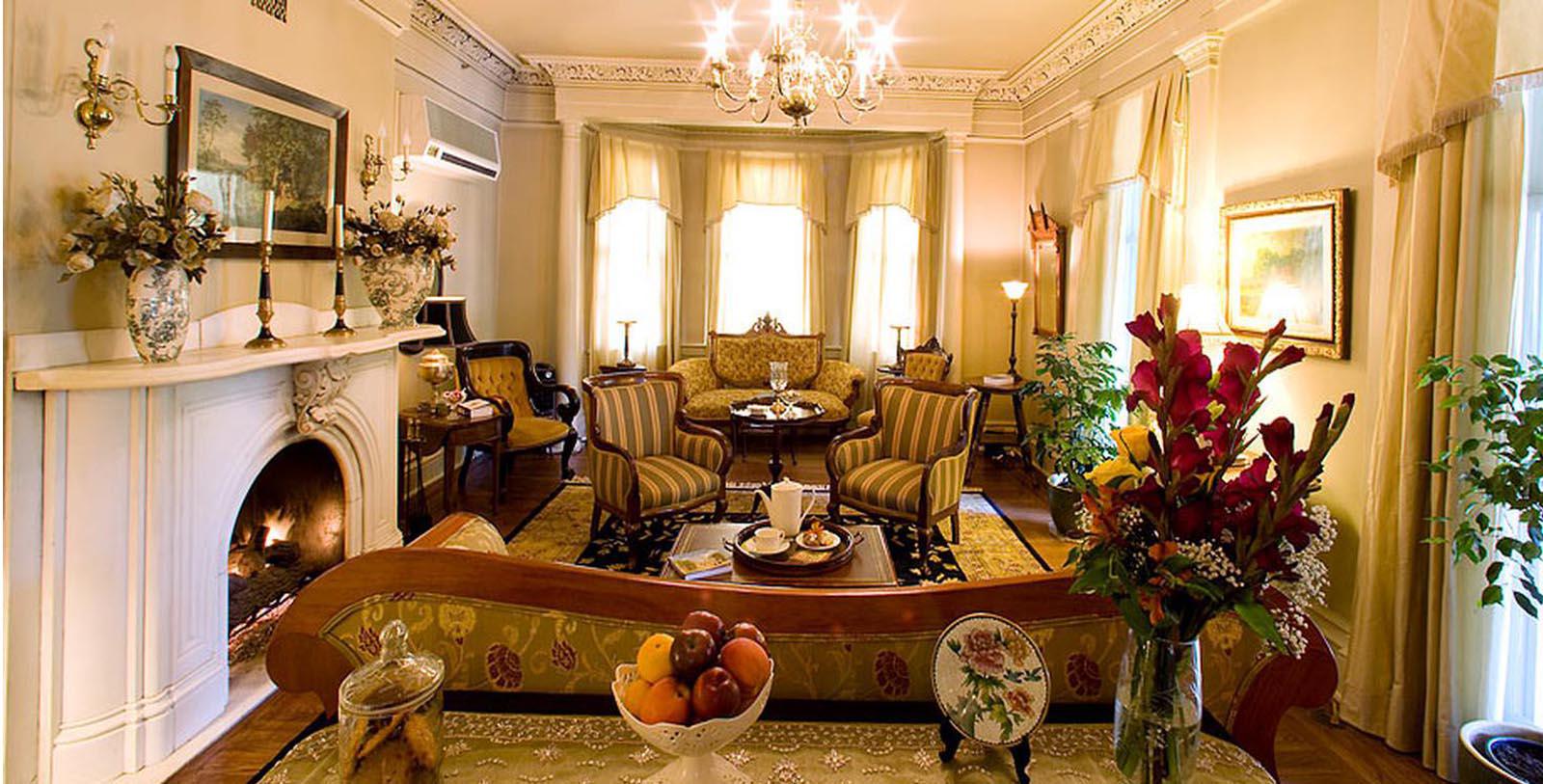
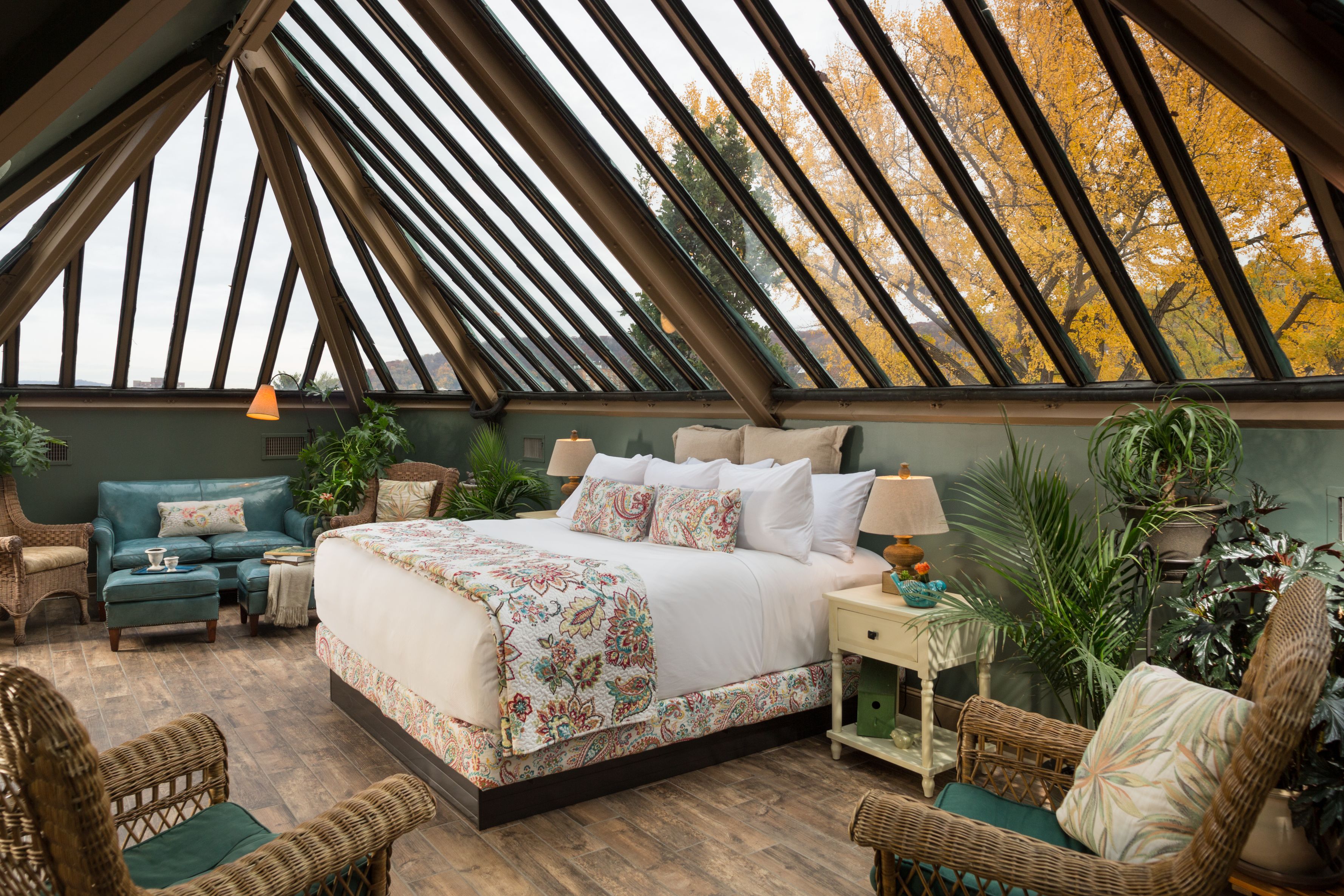
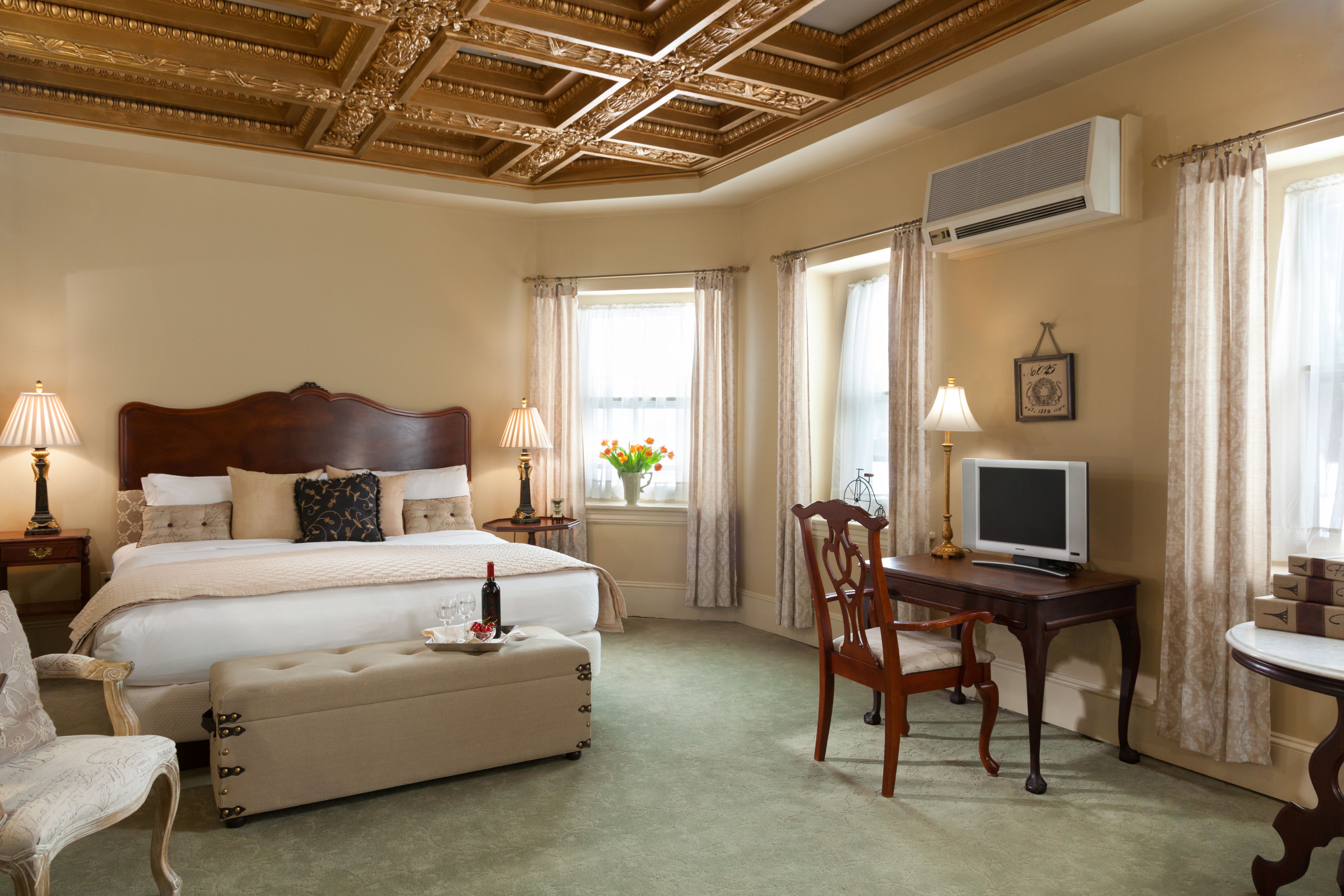
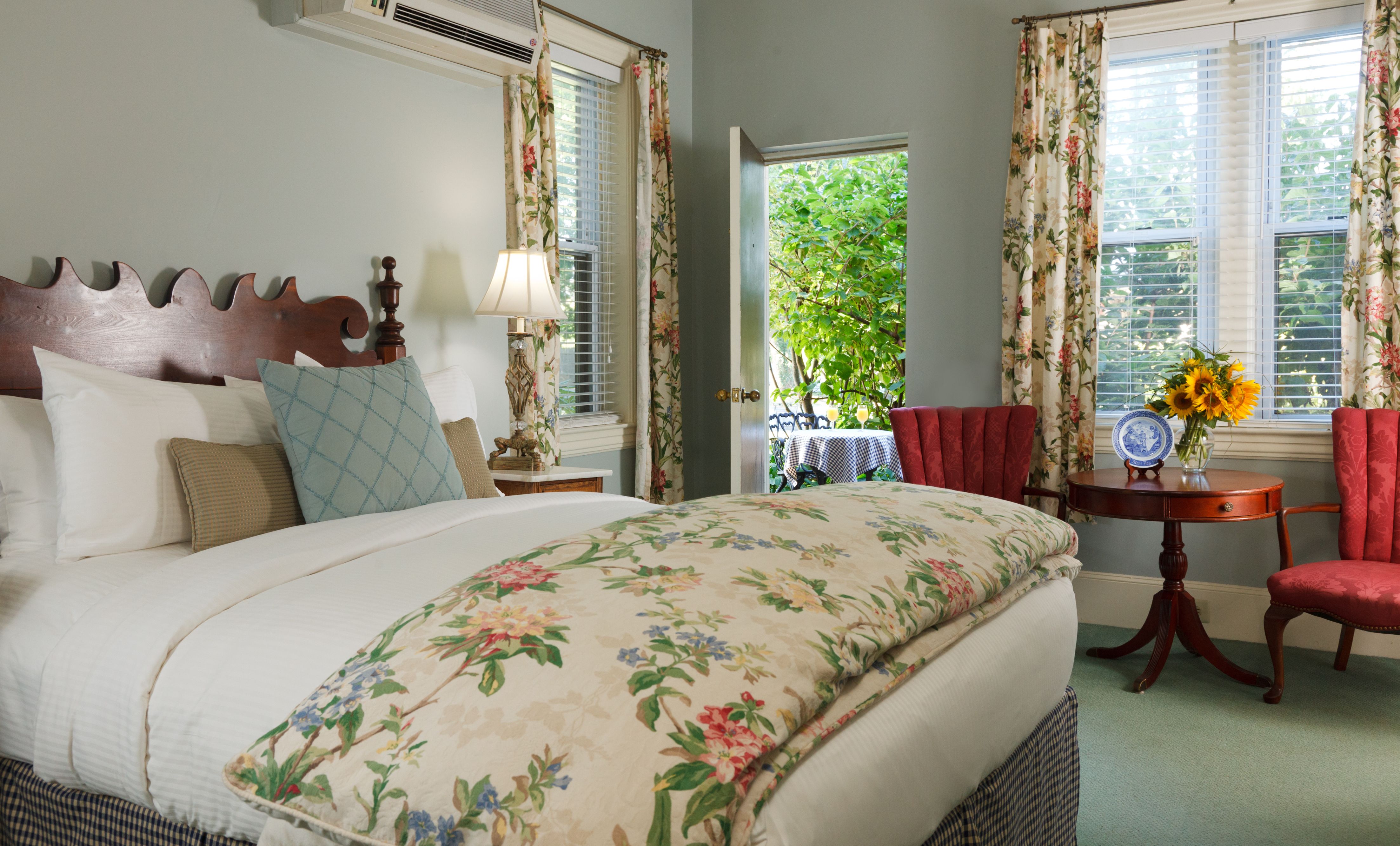
- Unwind after a day of exploring in one of the specially decorated guestrooms. While furnishings in each of the guestrooms nod to tradition, just like any home, all of the accommodations offered at The Sayre Mansion boast their own unique charms and stories. For example, a few are part of what was previously Robert Sayre's library (once one the largest personal libraries in the United States), swapping some 17,000 books for plush beds, handsome dressers, and wingback chairs. Another is housed in the estate's conservatory, offering a rooftop refuge with leafy, 180-degree bird's-eye views of Bethlehem.
- Marvel at The Sayre Mansion's heart-of-it-all location and the enduring impact of Robert Sayre on the community. As one of the architects of Bethlehem's industrial success and a consummate business partner, Sayre helped to shepherd in many city institutions through the years, most of which can be found just a short distance from the estate. On the banks of the river below rests what remains of the Lehigh Valley Railroad and Bethlehem Iron Company, now the SteelStacks performance and event campus. Lehigh University, of which Sayre was a charter trustee, is perched on the hills to the front, while St. Luke's Hospital, for which he was also a trustee, sits behind the property. Meanwhile, just steps away is the Cathedral Church of the Nativity, of which Sayre was an original sponsor.
Explore
- Explore the Historic Moravian Bethlehem National Historic Landmark District. Encompassing around 14 acres in the heart of the city, this storied area was once home to Moravian settlers from Europe who established a communal society here as part of an international religious network during the 1700s. Radical for their time, the Moravians believed that all people—regardless of race, ethnicity, or gender—had the right to the same healthcare and education. Today, visitors can gaze upon some of the community's original buildings, which are designed in the German Colonial architectural style. In fact, the area actually boasts more original structures than equally historic Colonial Williamsburg.
- Take a step back in time with a visit to Bethlehem's most historic sites. With a fascinating heritage that stretches back almost three centuries, there is no shortage of places to explore in Bethlehem, Pennsylvania. Best of all, many of them are within an easy walk or short drive or bike ride away from each other. Listed on the U.S. National Register of Historic Places, the 6.5-acre Burnside Plantation is all that remains of an 18th-century Moravian farm, offering a glimpse of farm life during the colonial era. The Colonial Industrial Quarter stands as the United States' earliest industrial park, while the nearby 1762 Waterworks was once the first pumped municipal water system in the country. Other must-see sites include the Moravian Museum of Bethlehem, a collection of the Lehigh Valley's oldest and most historically significant buildings, and the Kemerer Museum of Decorative Arts, which takes up residence in three 19th-century homes.
- Pay a visit to the National Museum of Industrial History. Affiliated with the Smithsonian Institution, the museum is housed in the former Electric Repair Shop of the Bethlehem Steel plant and charts the history of the people, machines, and ideas that shaped America's industrial heritage. Here, visitors can be immersed in one of Robert Sayre's most enduring legacies, the Bethlehem Iron Company (later known as Bethlehem Steel Corporation), and gaze upon fascinating manufacturing artifacts like a loom from the Scalamandre textile factory, which once crafted fabrics for White House restoration projects from the Hoover to Clinton administrations.
- Be inspired by Bethlehem's artistic spirit with a stop at the SouthSide Arts District. A vibrant patchwork of eateries, shops, and more, this lively neighborhood comes alive with a colorful collection of mosaics, murals, sculptures, and functional art structures like painted planters and whimsical bike racks. Visitors can even tickle the ivories at the area's community piano. The best way to experience the SouthSide Arts District is by following the Urban Arts Trail, which stretches for almost three miles and is only a few minutes walk from The Sayre Mansion. Alternatively, guests can also revel in creative energy while honoring the legacy of Robert Sayre with a visit to Lehigh University and its Outdoor Sculpture Collection, an assemblage of more than 50 original works from the 1960s to the present.
Experience
- Experience a show or festival at SteelStacks. Once under the purview of Robert Sayre during its time as the Bethlehem Iron Company, the former Bethlehem Steel plant has since been repurposed as a ten-acre arts, culture, and events venue. In an earlier life, the plant held the distinction of being the second-largest steel manufacturer in the country, employing thousands and supplying materials for projects like the Empire State Building and the Golden Gate Bridge. Today, it plays host to over 1,000 concerts and eight festivals annually. During a visit, be sure to take in the enormity of the plant from the Hoover Mason Trestle, which was once traversed by rail cars carrying materials from the ore yards to Bethlehem Steel. Rising 46 feet above the ground, this elevated park and pedestrian walkway offers impressive views of the plant's blast furnaces and other remaining structures.
- Embark on a guided walking tour of historic downtown Bethlehem. These insightful excursions, often led by guides in period, Moravian-style dress, feature stops by some of the city's most significant sites. Tours are offered on a variety of topics, from more high-level explorations of Old Bethlehem to adventures themed around churches and chapels, Moravian music or courtship rituals, or the town's role in the American Revolution. When offered, those interested in Robert Sayre and Bethlehem's place in industrial history will not want to miss the Rise and Fall of Bethlehem Steel walking tour, which provides an inside look at what was once the second-largest steel producer in the country. Tours typically run for around an hour and vary from month to month.
- Set out in search of a new page-turner with a visit to the Moravian Book Shop. Said to be the world's oldest continuously operating bookstore, the shop was founded in 1745 at the request of the Moravian Church. Although the Moravian Book Shop changed locations a few times over the years, it has operated in the same spot—just across the street from the Historic Hotel Bethlehem in the publications building for the Central Moravian Church—since 1871.
- Uncover more of Pennsylvania's cultural and natural history with a day trip to some of Bethlehem's neighboring communities. Located less than 30 minutes away in Nazareth, the Martin Guitar Factory and Museum is one of the world's oldest surviving acoustic instrument producers. Meanwhile, in nearby Easton, the National Canal Museum allows visitors to experience a two-mile stretch of the Lehigh Canal by bike, paddleboat, kayak, canoe, or a canal boat pulled by the museum's resident mules, Hank and George. While not the same canal Robert Sayre worked on during his time as a lockmaster, the museum certainly offers insight into the industrialist's early engineering years. Alternatively, those looking for even more outdoor adventures can make their way to Ringing Rocks County Park, an eight-acre boulder field with rocks that sound like bells when hit with a hammer.
Taste
- Taste the spirited side of the Lehigh Valley. Given the radical beliefs, at the time, of the Moravians, it should come as no surprise that these German settlers were fond of a stiff drink. In fact, the Lehigh Valley's very first tavern, the Crown Inn in Bethlehem (founded in 1745), was so popular that they quickly a new tavern, the Sun Inn, only a few years later in 1758. Today, the Moravians' influence can still be seen (and tasted!) at one of the region's many distilleries, breweries, cideries, and wineries, which offer handcrafted, locally produced beverages. Make sure to sample some applejack, a favorite alcoholic drink during the American colonial era.
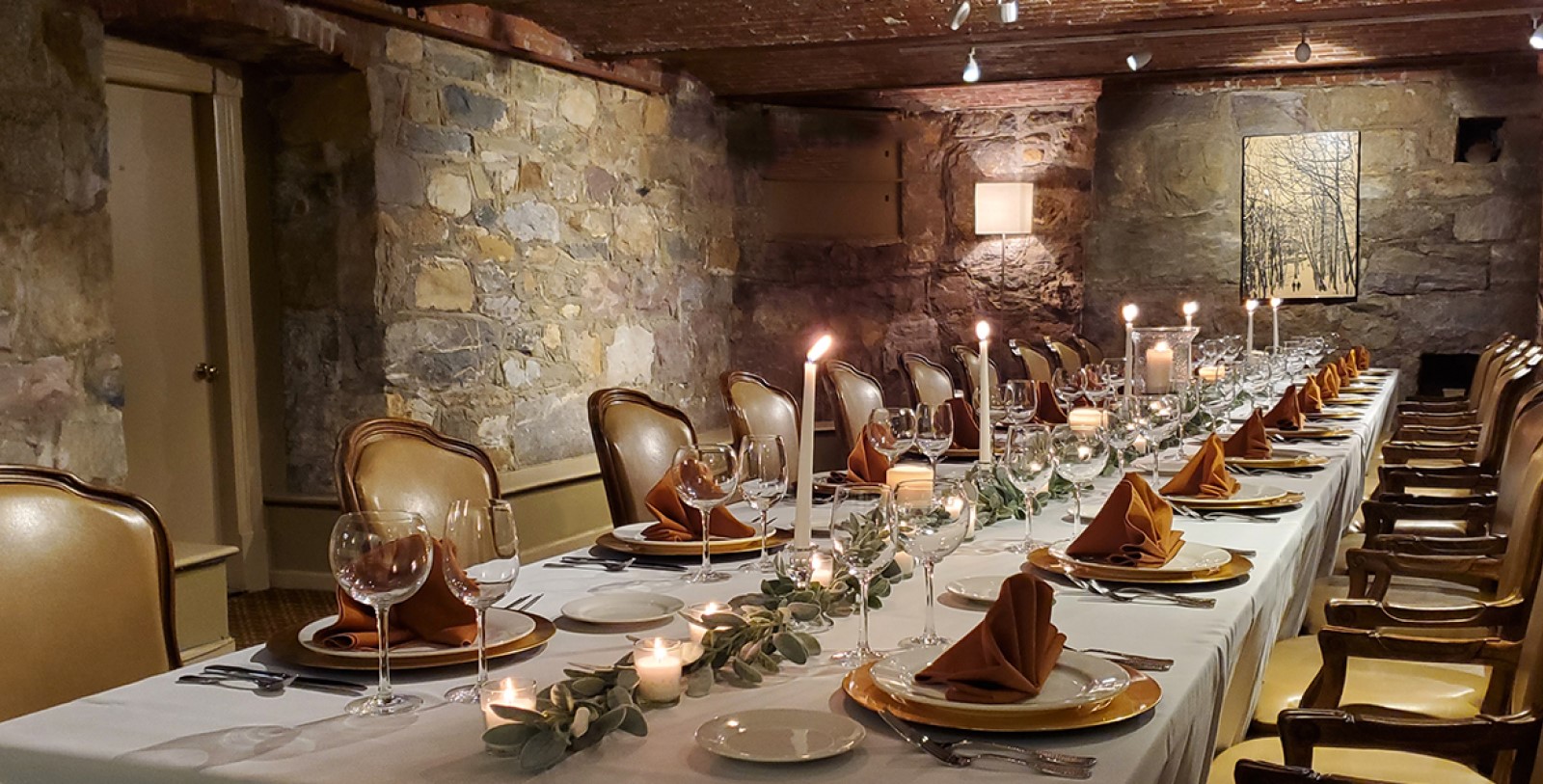
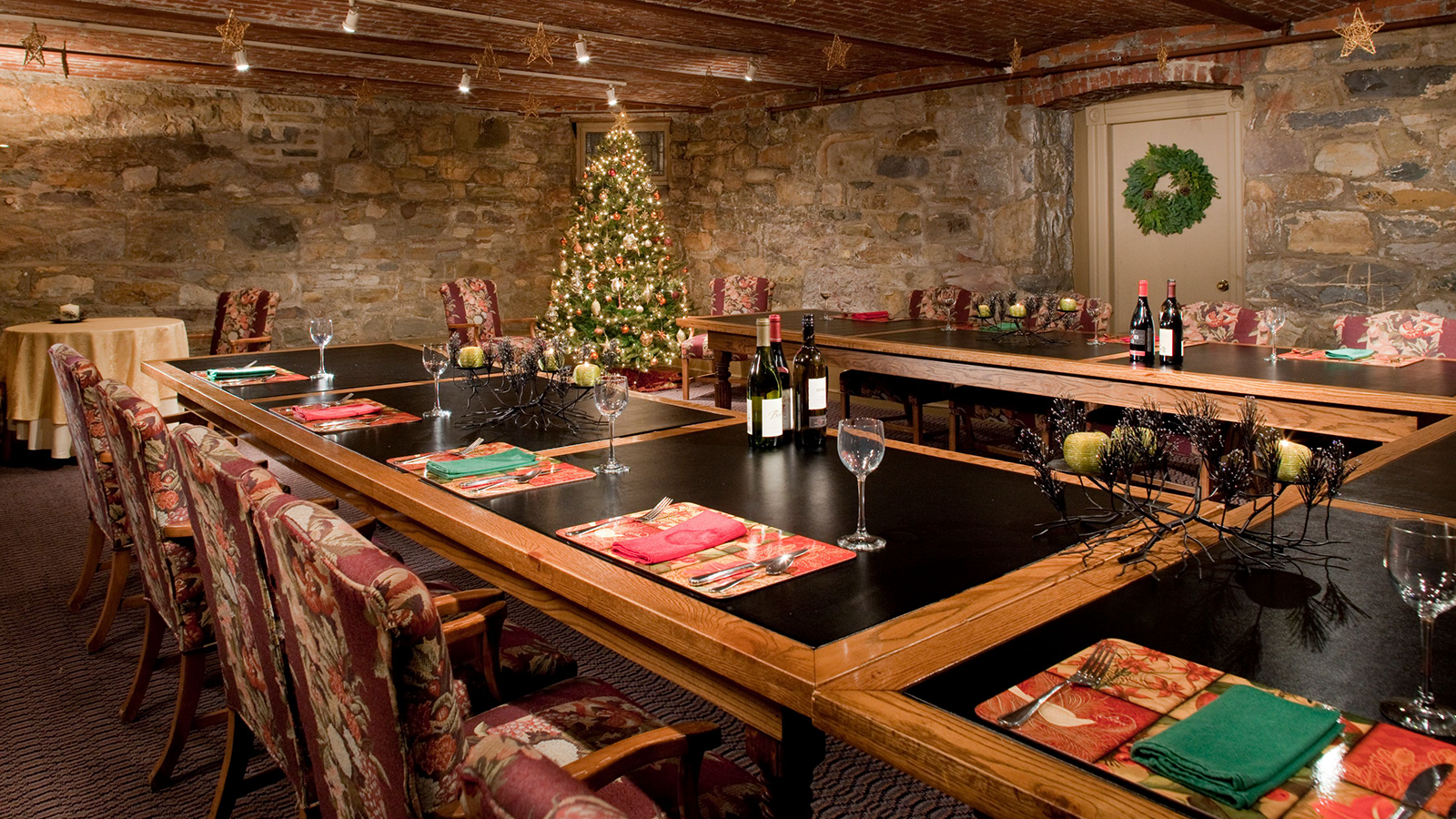
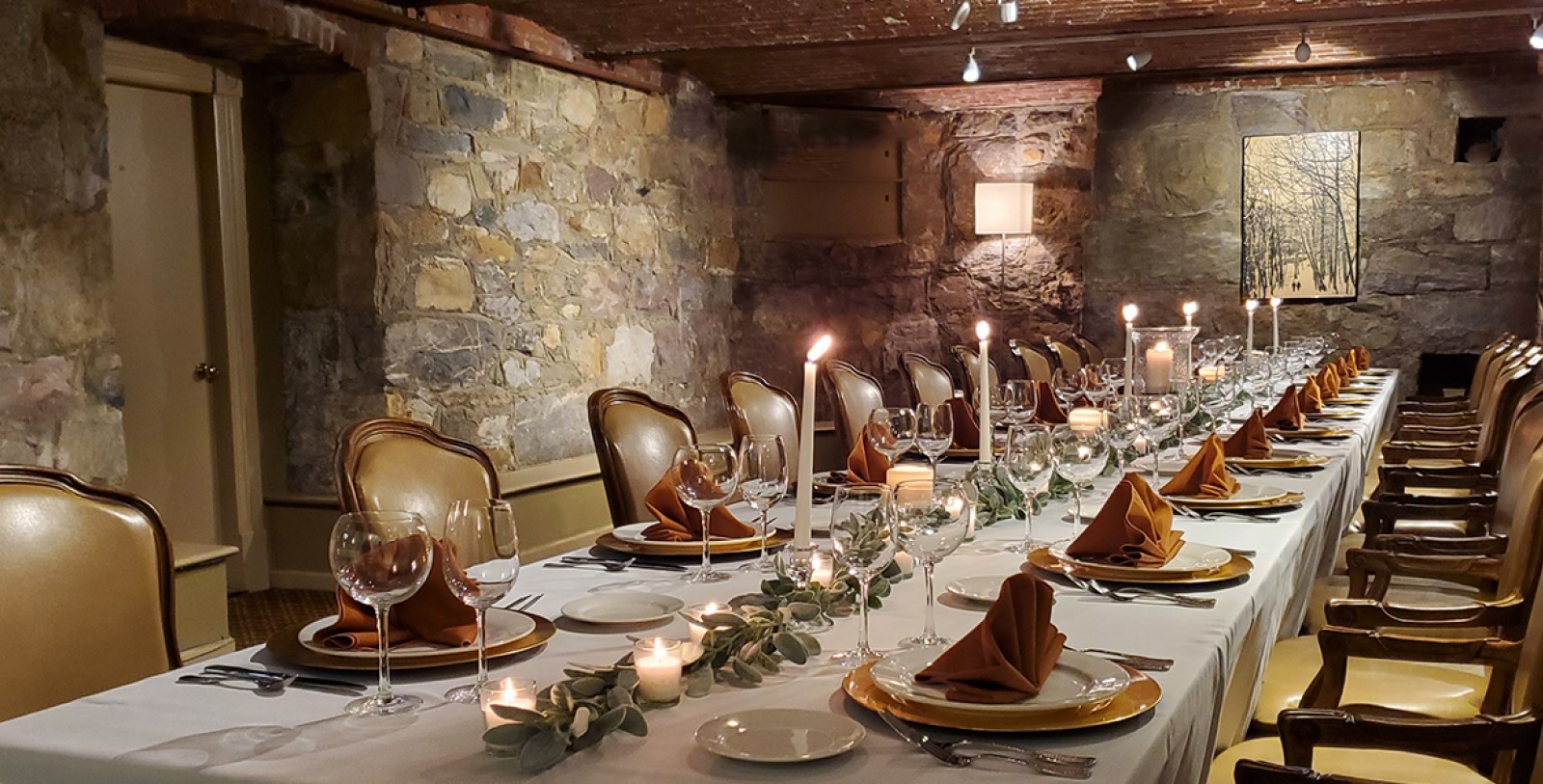
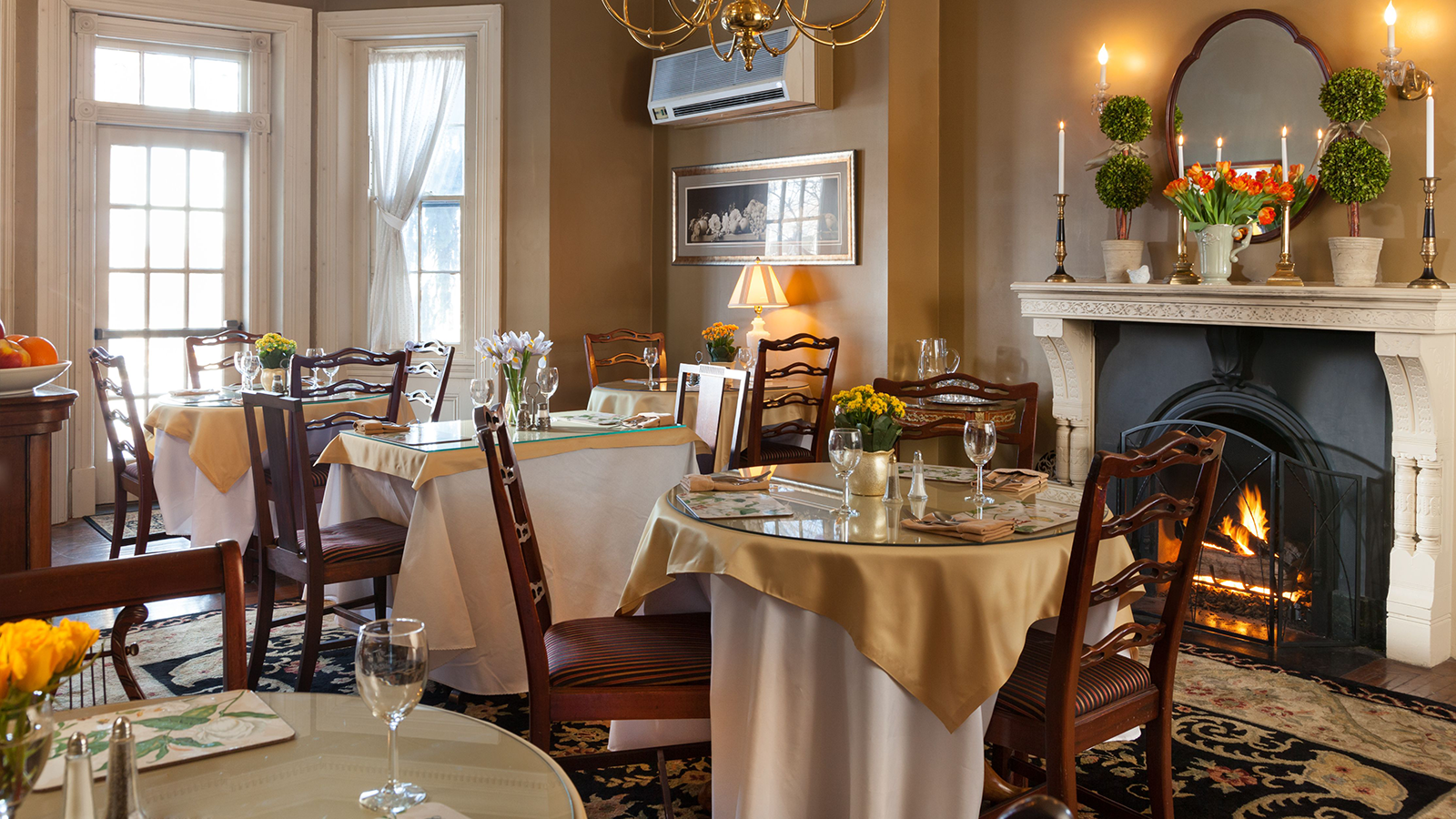
- Eat like one of the Sayre family or Bethlehem's industrial tycoons during a meal at The Sayre Mansion. In the morning, this bed and breakfast cooks up classics like home-baked pastries, French toast, Belgian waffles, and specialty omelets. Guests should also save some room for Afternoon Tea. Offered every Thursday afternoon (for an additional cost), this grand tradition was a favorite way to pass the time at the great estates of the 19th century, like the Sayre family's. And for special occasions, consider booking a seat at The Founder's Table. Available daily for private dining, this elegant six-course feast immerses diners in the very spaces that once played host to two of Bethlehem's founding fathers, Robert Sayre and Asa Packer.
- Raise a glass to the beer-drenched history of Bethlehem during a walking tour of the city's most historic pubs. Starting at the 1810 Goundie House—home of Johann Sebastian Goundie, Bethlehem's first commercial brewer—this tasty tour includes a complimentary tasting and visits to watering holes like the Historic Sun Inn and Red Stag Pub.
FEATURED ACCOMMODATIONS
Featured Offers
Book the Best Available Rate at this property on HistoricHotels.org and receive a complimentary one-year family membership (a $30 value) to the National Trust for Historic Preservation.
Friends of Historic Hotels of America receive up to 20% off the Best Available Rate at member hotels.