History
Discover the Gamla Værket, which was once a vibrant clay manufacturing plant from the late-18th century.
Gamla Værket was constructed amid the European embrace of art that championed emotion, individualism, and nature during the first half of the 19th century.
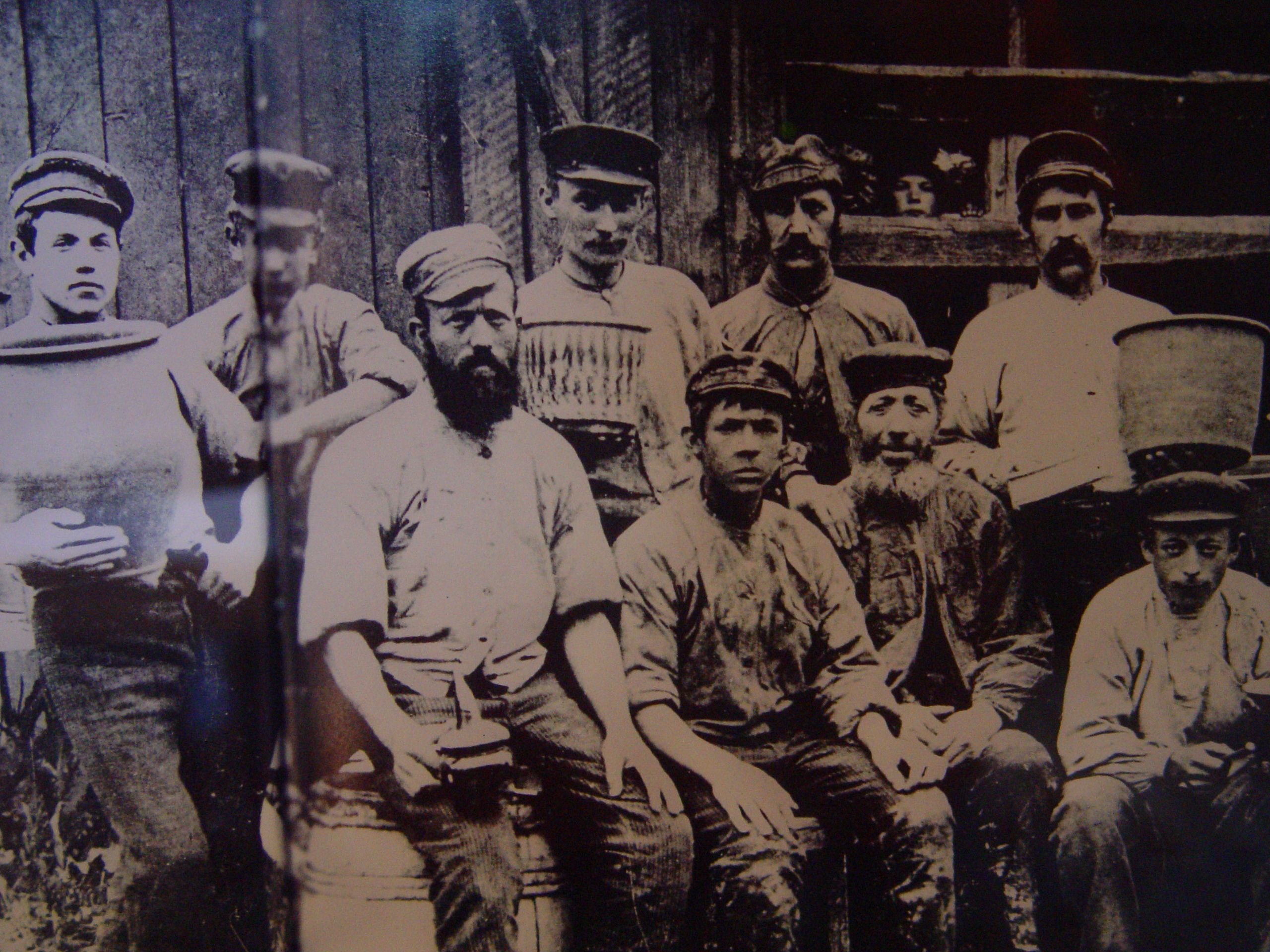
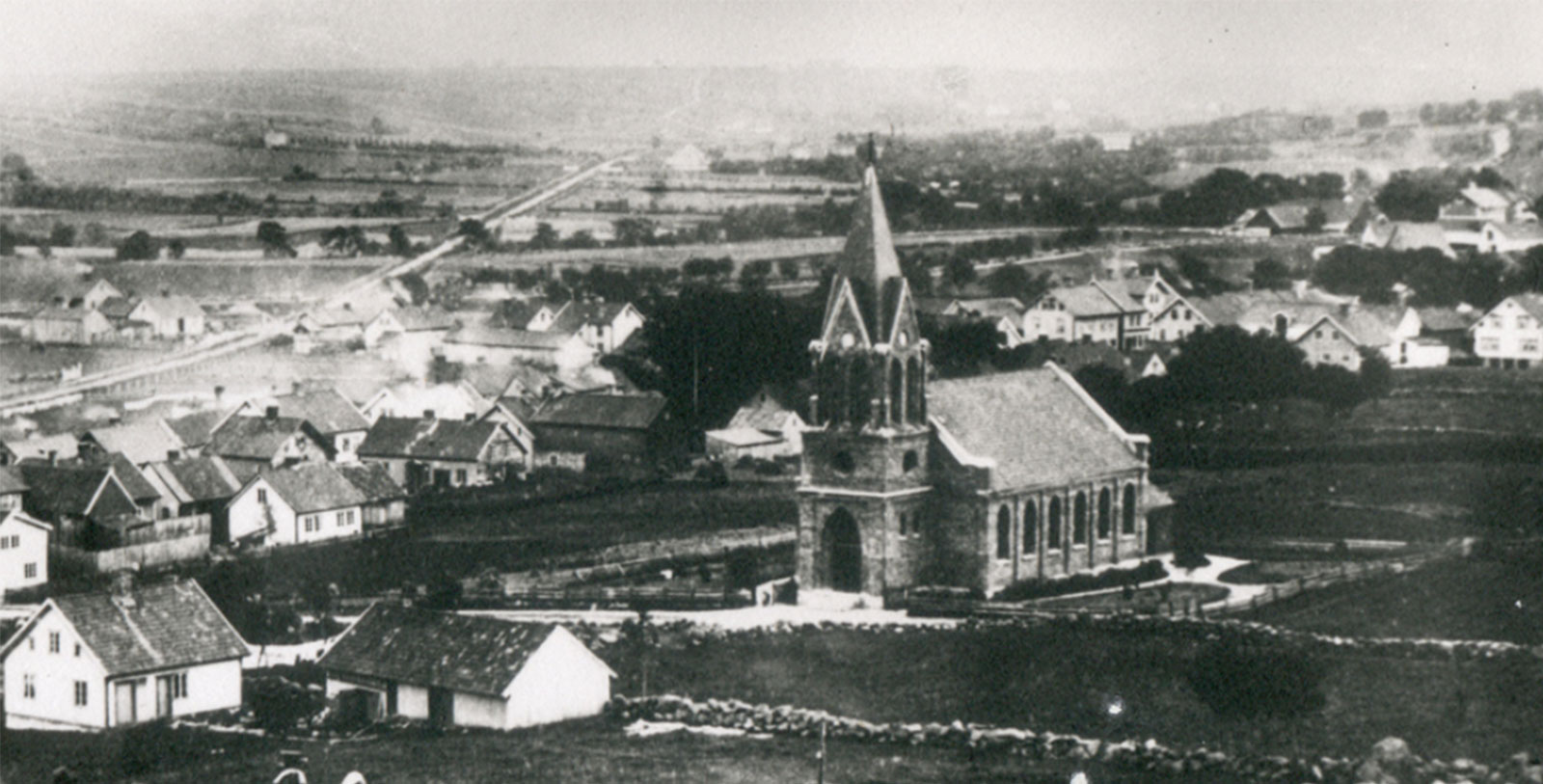
After exploring the hills near the Gandsfjord, Lauritz Smith Pedersen examined the silt clay banks of Tronesbekken stream. Pederson quickly determined that the clay was of a superior quality. After convincing ten local merchants and public officers to provide the investment capital and support, Pedersen drew up traditionally Danish construction plans and hired a Danish crew to run the factory. Sandnes Teglverk (Brickworks), or GamlaVærket (the Old Factory) as it has always been called locally, started production in 1783. It was the first industrial enterprise, not only in Sandnes, but in all of Rogaland county. The clay mill was literally run on horse power, but most of the work still had to be done by hand. Initially, firewood from the Ryfylke district heated the kilns, then peat from the Stokkamyra marshes. A group of “toiling men” headed by Tjøl Larsen Søiland as foreman for 60 years assumed control in 1807.
The next industrial company at Sandnes was established in 1852 – Gravarens Teglverk. It was the dawn of a new age, and soon other companies were founded: Altona in 1856, Ullendal in 1860, Nynæs and Ganns in 1873, and Lura Teglverk in 1900. Altogether seven companies produced goods of fired clay, selling vast quantities of bricks, pots, drainage pipes, ceramic weights for fishing nets, and much more. It was considered a women’s work to transport bricks and pile the products in the huge drying houses. Teams of four and were expected to run with heavy three-wheeled wheelbarrows, moving heavy loads at impressive distances. In addition to the brickworks, several small potteries were established. Until 1889, there was no other type of industry in Sandnes, except for a few minor workshops. In 1897, the local newspaper declared that there was “certainly enough clay for a thousand years.” Today, the old factory’s history is literally embedded in the walls of the Gamla Værket Hotel. The history is documented throughout the building, which transports guests back to the days hotel was the brick factory.