Grand Hotel Egersund
Egersund , Norway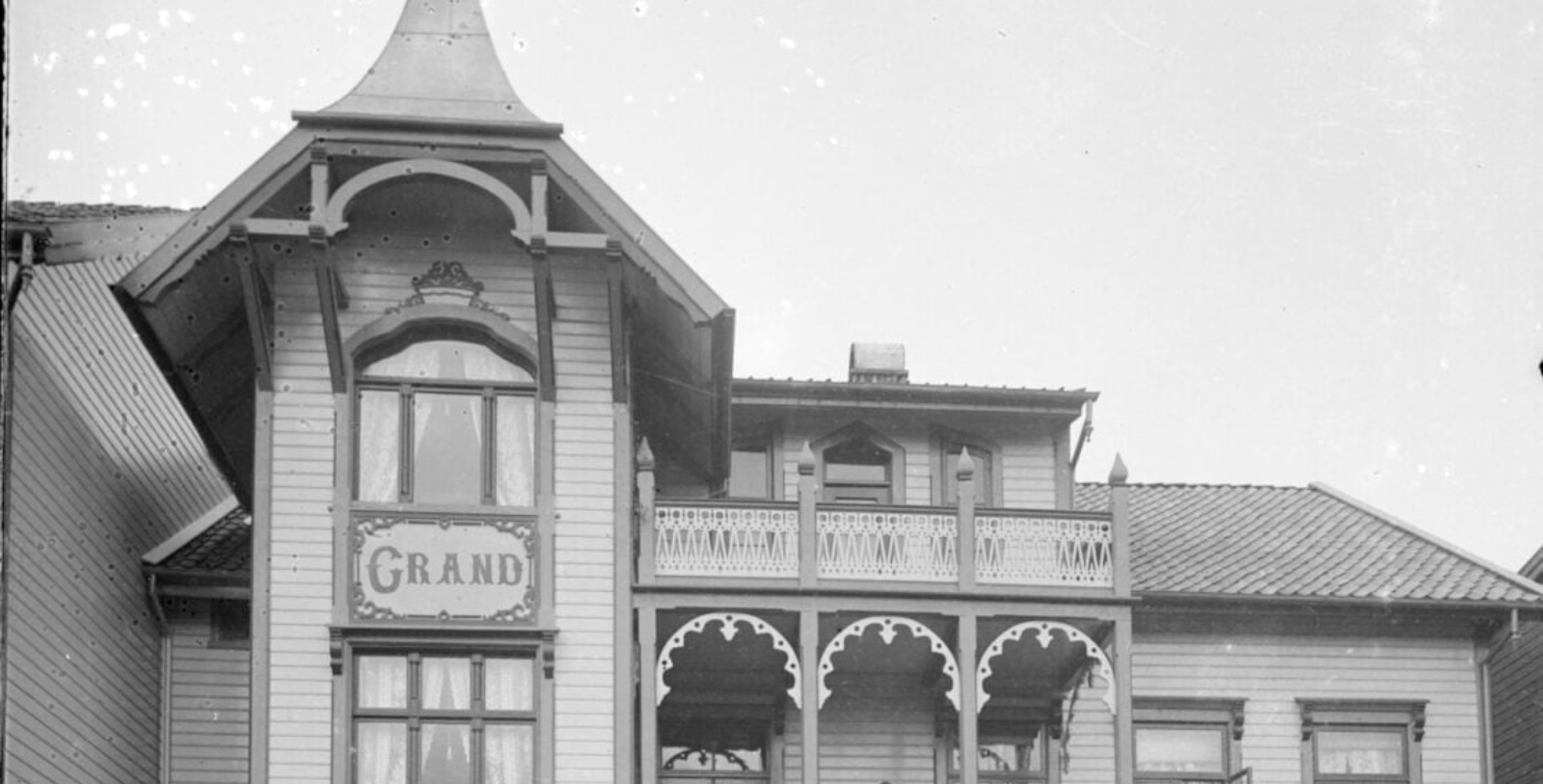
 Johan Feyers gate 3, Egersund , Norway, N-4370
Original Property Opened in 1878
Historic Hotels Worldwide member since 2023
Johan Feyers gate 3, Egersund , Norway, N-4370
Original Property Opened in 1878
Historic Hotels Worldwide member since 2023
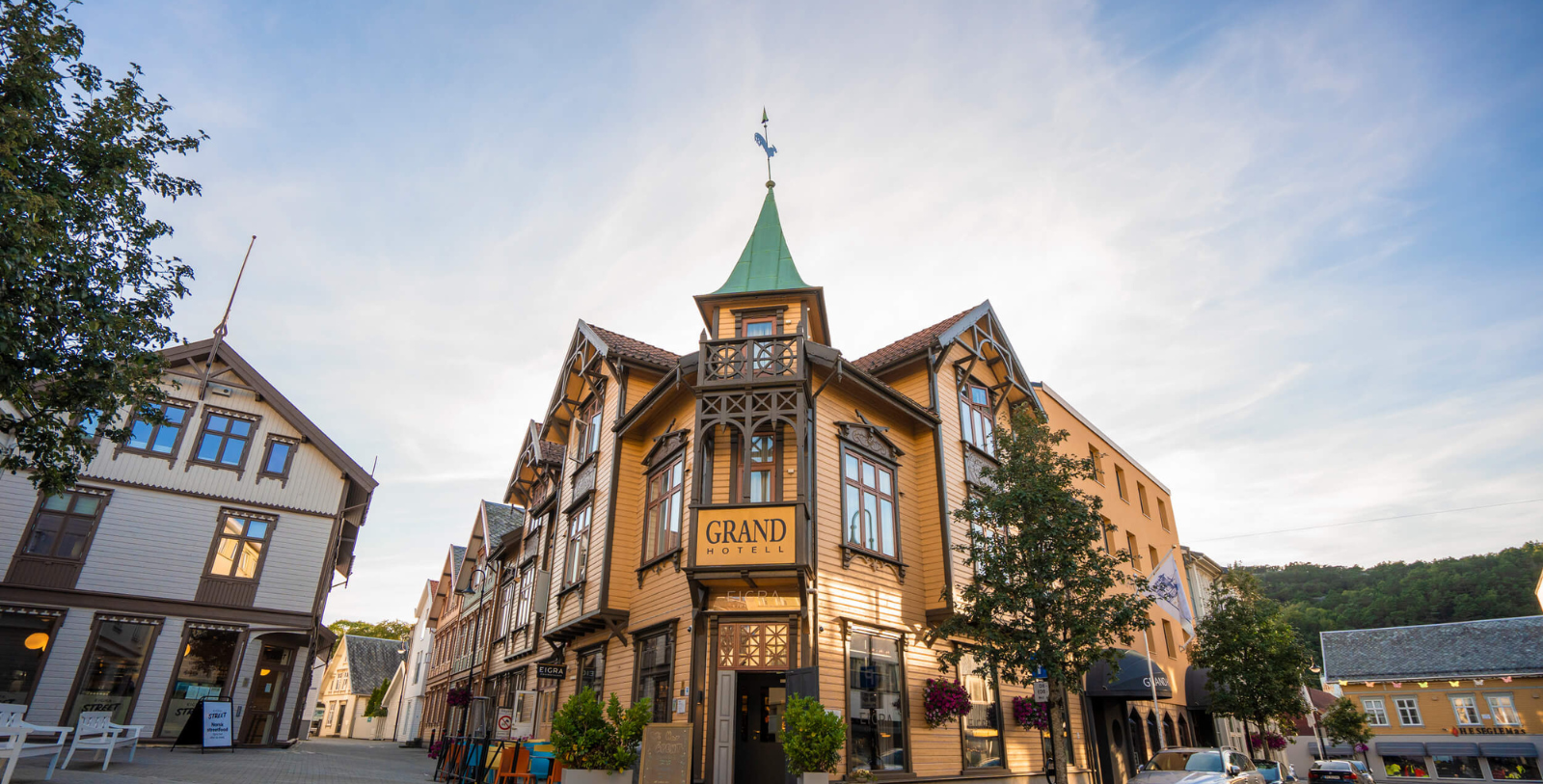
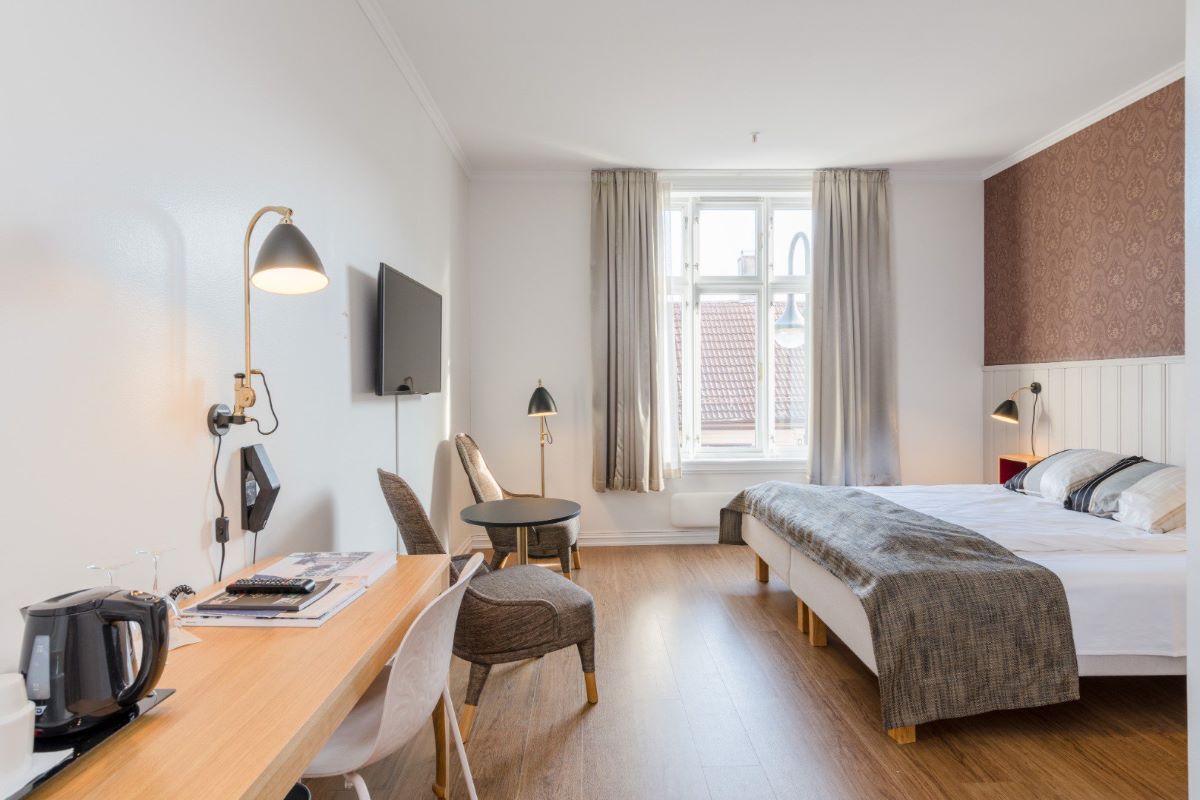
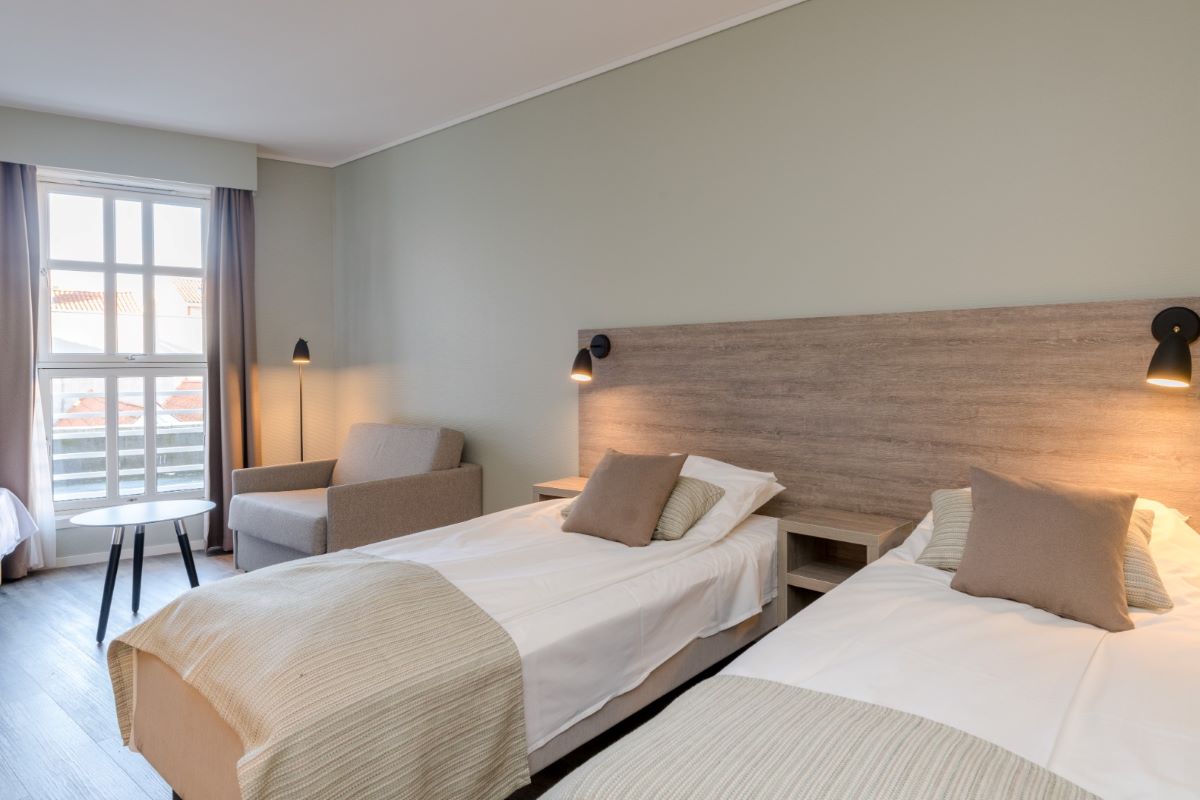
Opened in 1878, Grand Hotel Egersund sits on the southeastern edge of Norway close to the Flekkefjord and Stavanger harbors. The Grand Hotel Egersund has withstood the test of time undergoing and experiencing different eras and the conditions that came with it. The hotel opened the same year railroad operations began, connecting Egersund to the larger city of Stavanger. The railroad is still in operation today and many travelers opt to stay at Grand hotel Egersund because of the easy access to mass transit. The hotel has illustrated many architectural styles over its time starting with a Swiss-style in the 1880s, evolving to a functional style in the 1930s, to what is seen today. The hotel has been carefully restored over time and today features ten beautiful buildings with a total of 101 guestrooms.
Discover
- Discover the wonderful blend of Norwegian vernacular motifs. The building themes are referred to as “byggeskikk” and this concept drew its inspiration from generational construction techniques that goes back centuries. Most structures in Norway were developed by natural materials such as logs or whatever resources were available in the wilderness. Due to this, architectural designs such as open-hearth fireplaces and stone chimneys became prevalent in the aesthetic and can be seen throughout Grand Hotel Egersund.
- Learn about the iconic medieval design of stave churches. Stave churches were typically constructed using a type of wooden timber framing known as “post and lintel” construction. This type of architecture consisted of widely spaced vertical posts supporting horizontal ones. This type of design can be seen throughout the hotel’s roof style.
- Gaze at the subtle details of Romanesque style architectural details that can be found throughout the Grand Hotel Egersund. The Romanesque style is truly awe-inspiring and can be seen throughout European churches.
Explore
- Explore the Egersund Fayance Museum, a factory in Egersund that has supplied the Norwegian people with stoneware for more than 132 years. The factory was founded in 1847 by Johan Feyer. He learned pottery through studies in Newcastle and later became Norway’s largest stoneware producer and developer. Today, The Egersund Fayance Museum displays a selection of objects from the factory’s long history and even includes a store for guests to shop for some of the pieces made in the factory.
- Take a walk or hike through Magma UNESCO Global Geopark. The Geopark is recognized by UNESCO and is part of a network that consists of more than 160 UNESCO Geoparks in 40 different countries and on five continents. This park in particular is mainly molten rock, formed deep within the earth around 930 million years ago! Visitors to the park today can take guided hikes or climb the rocks that have crystallized over time and take in the breathtaking views from the top.
- Wander Dalane Folkemuseum’s cultural and historical collections through a guided tour of the facility. Guests are invited to tour Christian Feyer’s country estate from the 1850s and learn of the heritage of the Feyer family and see various exhibitions of diaries and stoneware. The museum also conveys Norwegian cultural history such as maritime, craft, and agricultural history.
Experience
- Experience the Syngjarstein, also known as the “singing rock”. Although there is no definite scientific answer as to why some stones “sing,” there have been many theories. When a so-called ringing rock is being struck with smaller stones, a metallic or bell-like sound occurs. The most common theory to this conundrum is that the singing rock consists of a specific mineral or a mix of minerals that when combined, allows for rocks to generate noise. The Syngjarstein can be accessed through the Magma Geopark through hiking but can also be accessed by car through the several parking options along the trail.
- Discover the Eigerøy Lighthouse, one of Europe’s most powerful lighthouses. The lighthouse was established in 1853 and was built to ensure the safety of shipping traffic along the coast. Since it was the first cast-iron tower built in Norway, it was unclear whether it would be heavy enough to resist strong winds. 70,000 stones were used as ersatz ballast to line the tower from the inside. Visitors today can take tours to see the mighty lighthouse and the old lighthouse keepers' quarters which is now a café.
- Set your eyes on Egersund Church, the beautiful 17th century cruciform church that was originally known as Heidninggeholmen. The church has always been a sacred and important place throughout its history. During the Viking era, the king’s Leidang ship moored to the church to collect taxes and all old transport routes on land and sea led to this church. It is open to the public during the summer months with no admission fee and information about services can be found onsite.
Taste
- Indulge in sweet cravings at Egersund Ice Cream & Chocolate Factory. At the chocolate factory, everything is made from scratch which contributes to the rich and velvety taste of the chocolate. Quality ingredients such as cream, butter, and fruit are used for making chocolate and can be enjoyed in the various treats the factory puts out in their café. Guests to the factory can see how ice cream, chocolate, and cookies are made through the windows that show the production line of the products.
- Enjoy a wine tasting experience right at Grand Hotel Egersund in the “secret cellar.” The secret cellar is a cave-like room with vintage wines lining the walls ready to be savored by guests. Different themes are offered for wine tasting groups such as “new world wine vs. old world wine” and many more to choose from. Guests can choose the wine package that works for their party and the staff will take care of the rest.
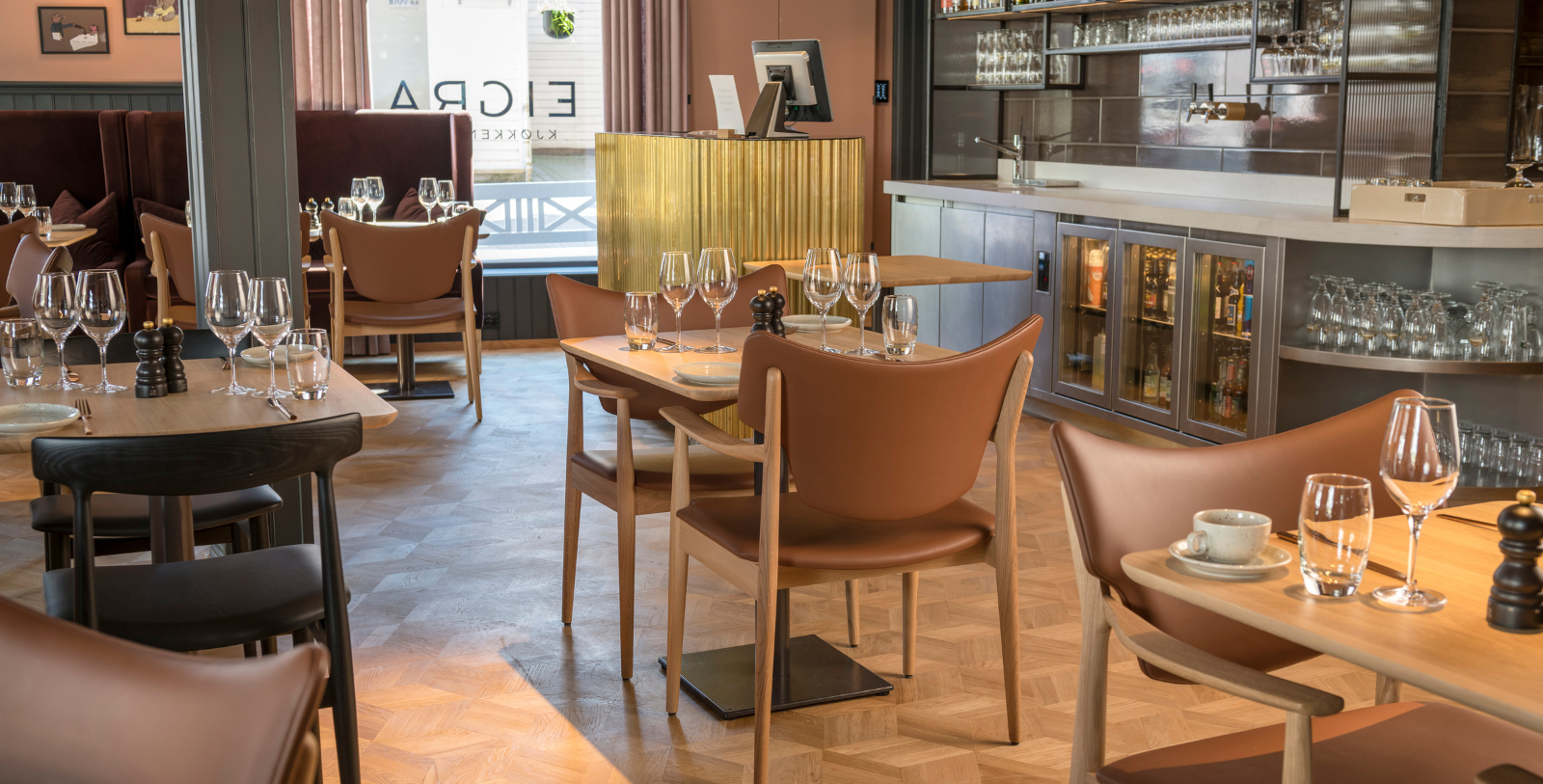
- Taste authentic Norwegian flavors at Eigra Kitchen & Bar, located at Grand Hotel Egersund. The restaurant offers delicious dishes with native ingredients prepared with authentic Norwegian techniques. Local fishermen deliver fresh fish and shellfish while local farmers deliver cured meats and fresh vegetables. It’s obvious to any taster that the high quality of the ingredients directly affects the deliciousness of the meals.
FEATURED ACCOMMODATIONS
Featured Offer
Book the Best Available Rate at this property on HistoricHotelsWorldwide.com and receive a complimentary one-year family membership (a $30 value) to the National Trust for Historic Preservation in the United States, a member of the International National Trusts Organisation.