Heritage Hotel Kaštelet
Tučepi, Croatia (Hrvatska)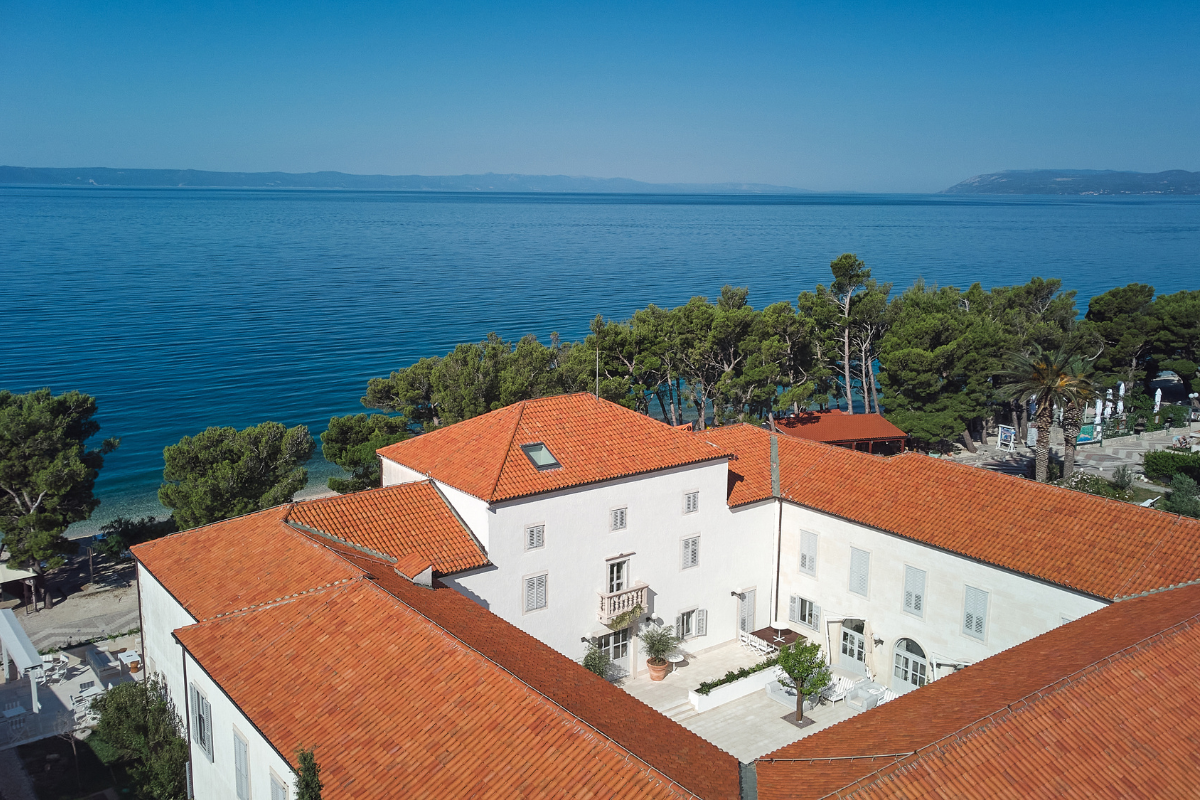
 Dračevice 35, Tučepi, Croatia (Hrvatska), 21325
Original Property Opened in 2005
Historic Hotels Worldwide member since 2024
Dračevice 35, Tučepi, Croatia (Hrvatska), 21325
Original Property Opened in 2005
Historic Hotels Worldwide member since 2024
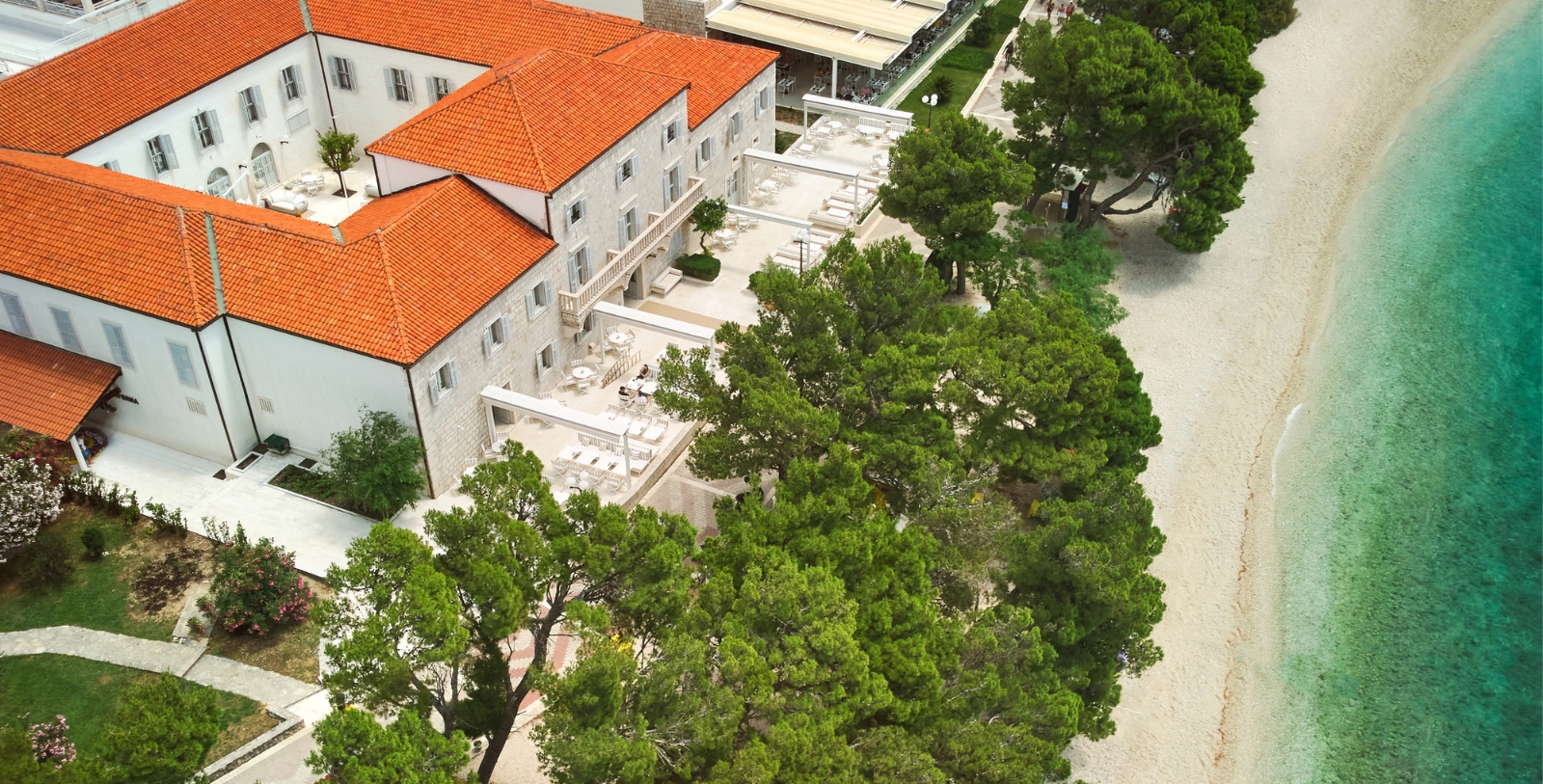
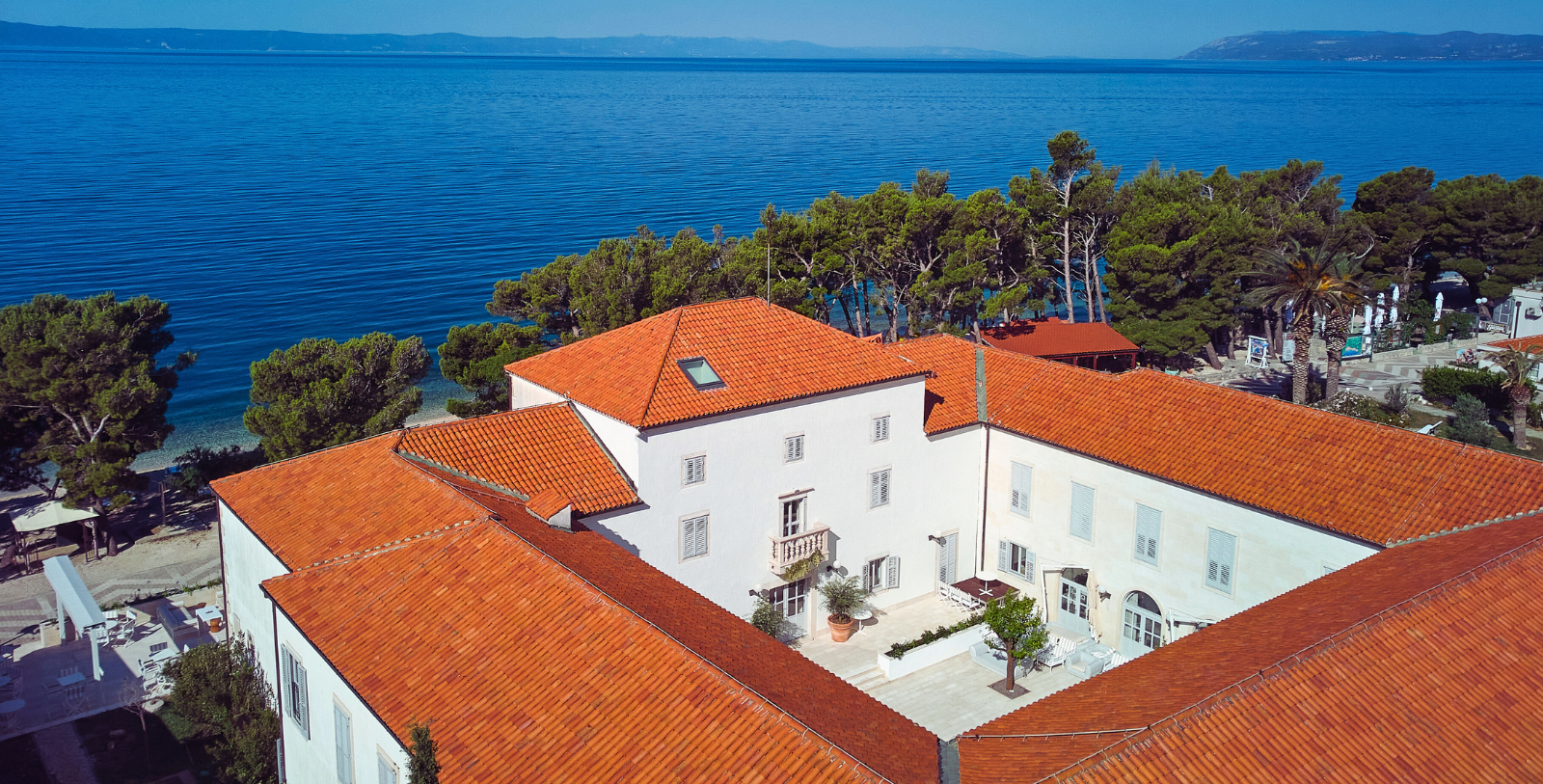
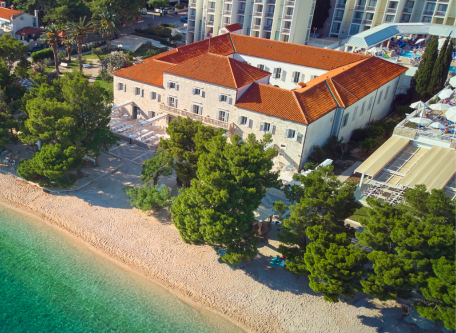
Nestled along the Adriatic coast in the small seaside town of Tučepi, Heritage Hotel Kaštelet is an ideal home base for exploring all that Croatia’s Makarska Riviera has to offer. Brimming with historical elegance and Mediterranean romance, this coastal hotel in the Split, Croatia, area welcomes guests into an 18th-century villa crafted of white Dalmatian stone and crowned with rich terracotta tiles. Once the summer house for local aristocrats, the Grubišić family, Heritage Hotel Kaštelet boasts a setting fit for nobility, from its expansive courtyard dotted with olive trees and a serene water fountain to sweeping views of the sea from many of its guestrooms.
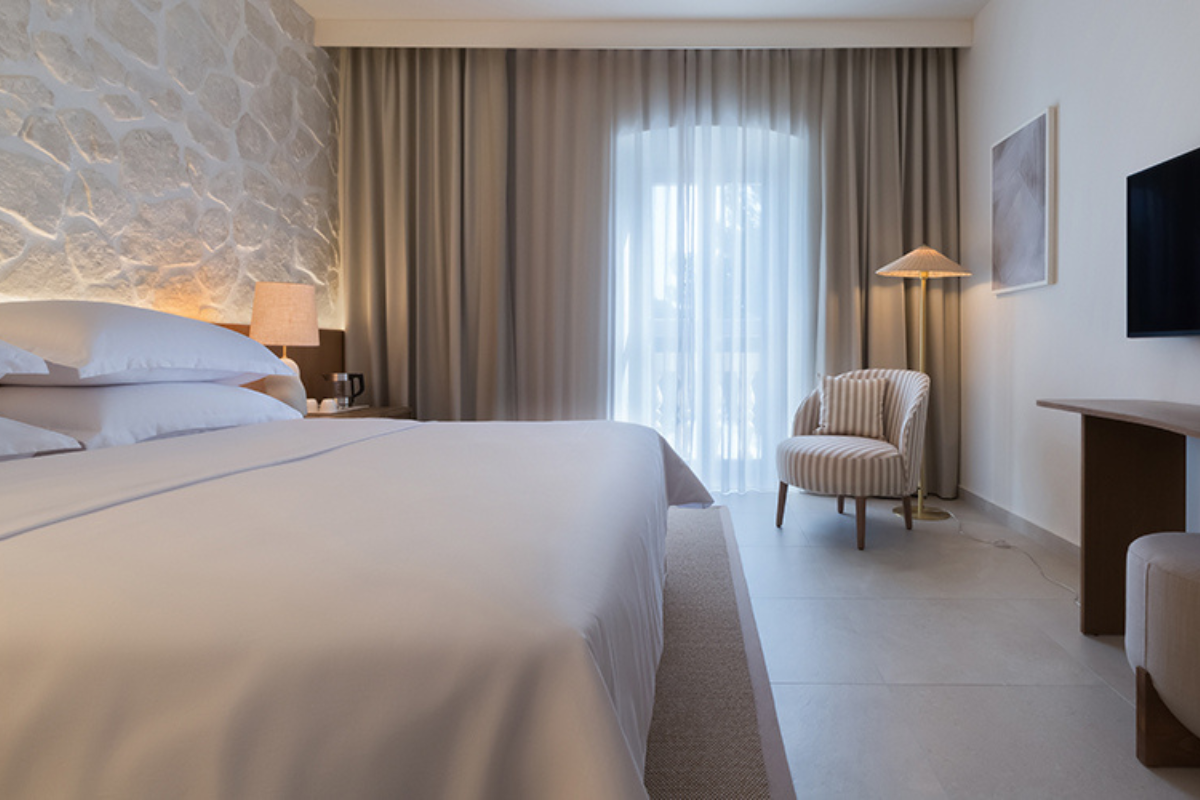
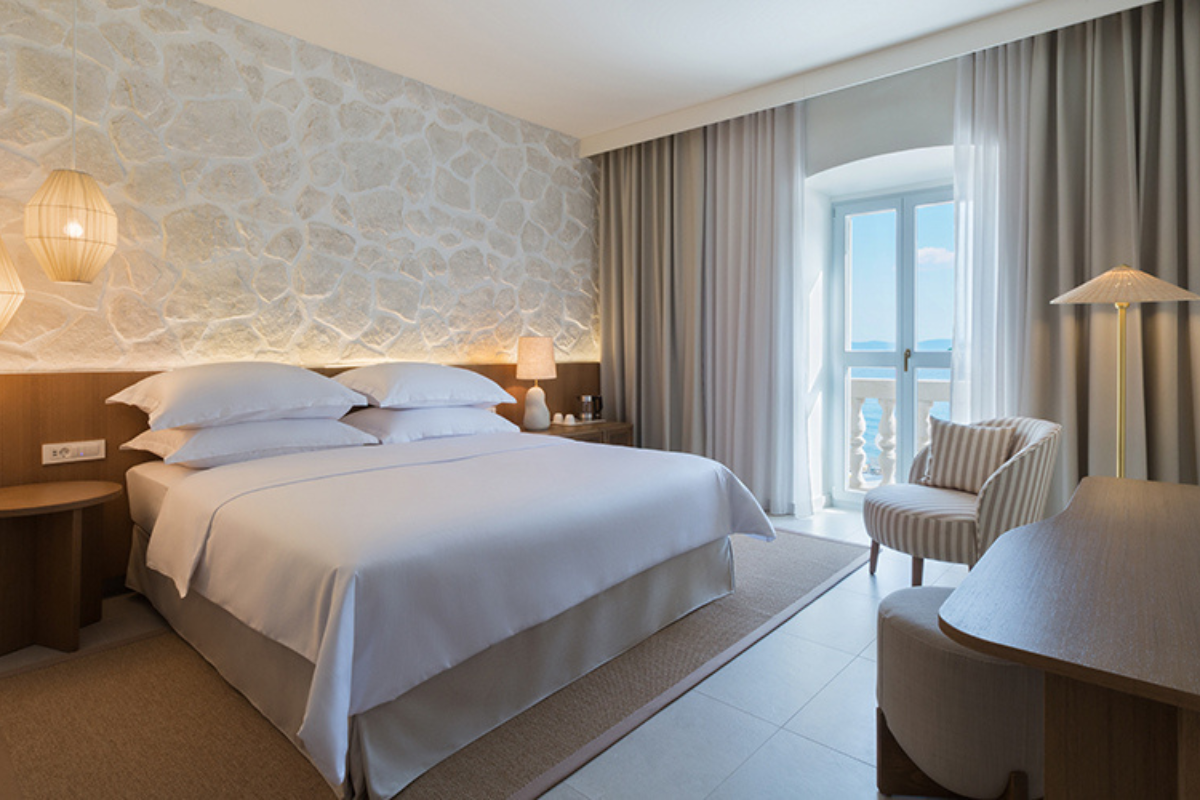
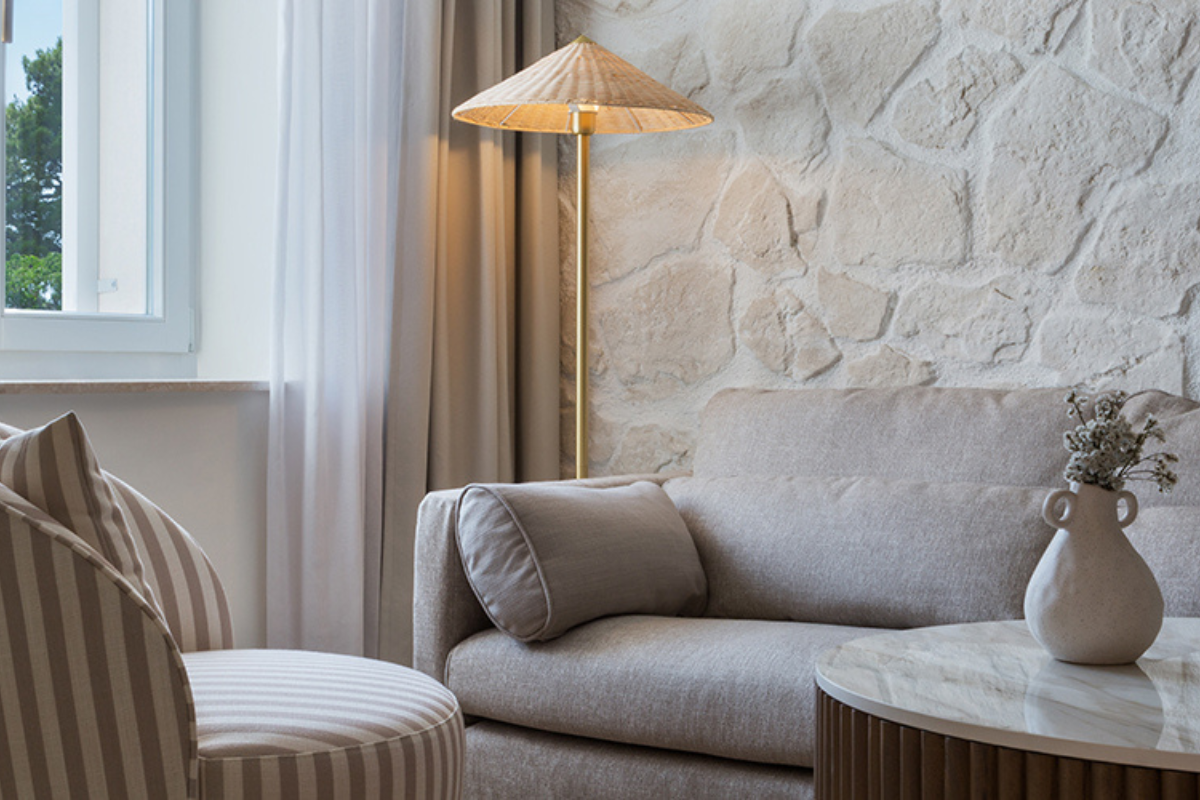
Best of all, thanks to Heritage Hotel Kaštelet’s location along the waterfront promenade, those same azure waters and the riviera’s picturesque, pebbled beaches are mere steps away, as is Tučepi’s town center, which rests roughly 500 meters (around 0.3 miles) from the hotel. With only 28 guestrooms and suites, each tranquilly decorated in soothing neutrals, the hotel offers an intimate setting perfect for a relaxing vacation or romantic getaway. Guests can also savor the flavors of Dalmatia, like seafood fresh from the Adriatic punctuated with herbs grown on nearby Biokovo Mountain, at Kaštelet Restaurant & Bar, open for breakfast and dinner.
Please note that Heritage Hotel Kaštelet is only open seasonally, from the end of March through early October.
Discover
- Discover the noble history of Heritage Hotel Kaštelet. Constructed in 1766 for aristocrat, philosopher, and writer Don Klement Grubišić, this former summer house holds a distinguished place in Croatia’s story. Not only a nobleman, Grubišić was also a trained Jesuit who frequently traveled to Venice to study pursuits like theology and law. It was there that he developed a deep interest in ancient Croatian runes, known as Glagolitsa. (The oldest-known Slavic script, the Glagolitic alphabet was introduced in the mid-9th century and continued to be used throughout Croatia for 1,000 years, up until the 19th century.) In fact, it is thought that one of the first recorded discussions about Glagolitic script took place in Grubišić’s summer home, now Heritage Hotel Kaštelet. His fascination with the language eventually led him to become one of the time’s foremost authorities on medieval Slavic history and traditions.
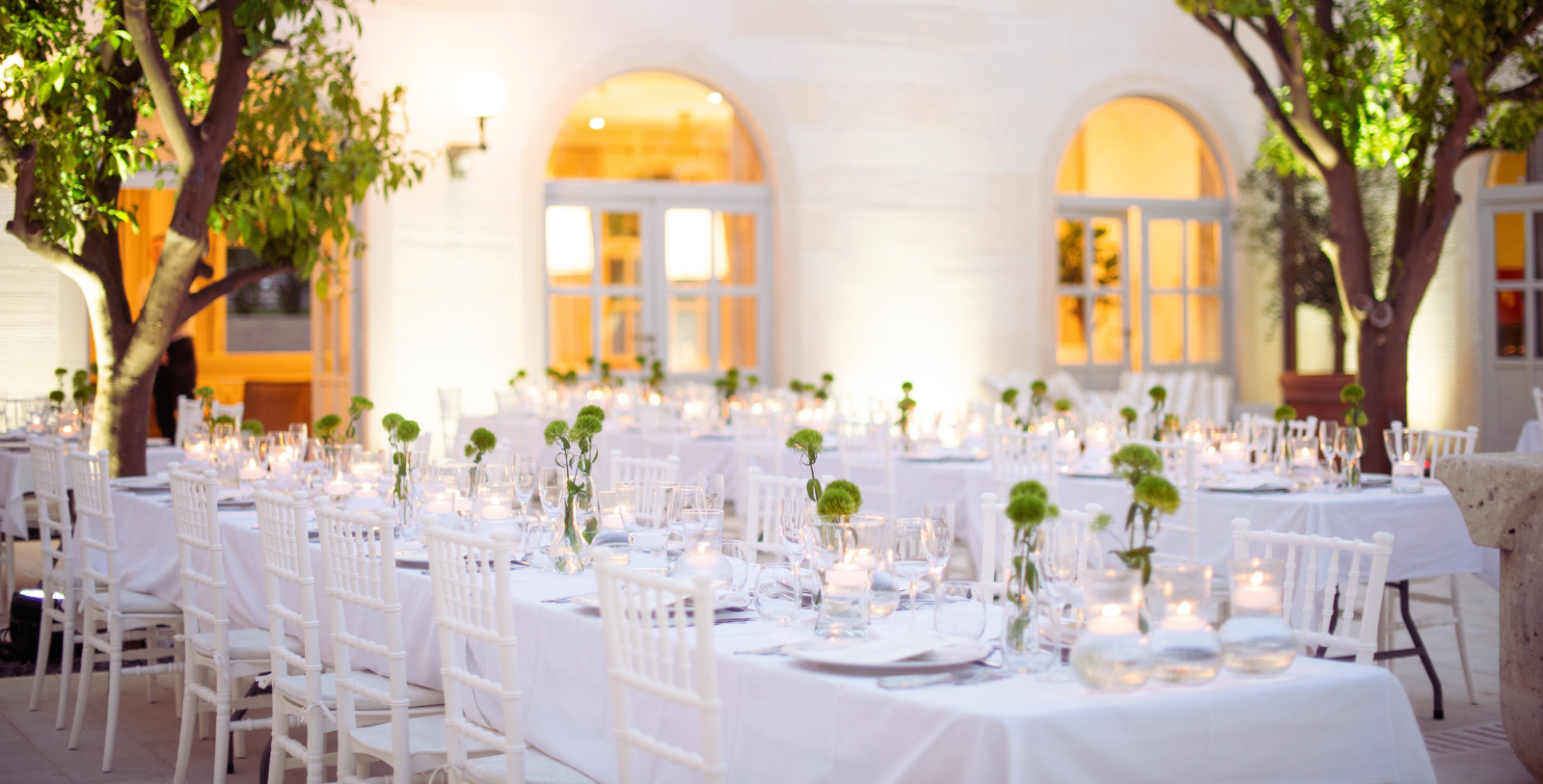
- Marvel at the hotel’s palatial setting, which once led travel writer and cartographer Alberto Fortis to compare it favorably to the grand manors of the Italian countryside. Built out of white Dalmatian stone in the shape of a closed quadrangle, this villa has been a magnificent landmark of the Makarska Riviera for more than 250 years, playing host to visiting dignitaries throughout the 18th century. From dramatic archways to the Grubišić family’s coat of arms, the elegant country estate maintains many of its original stone features. However, the highlight of this former summer residence is its spacious central courtyard. Dotted with olive trees and comfortable seating areas, it is the perfect place to greet the morning with a cup of coffee or unwind after a day of adventures.
- Take advantage of the hotel’s beachfront location. As conveniently situated as it is picturesque, Heritage Hotel Kaštelet is nestled along a seaside promenade, only a few short steps from one of Tučepi’s sun-soaked, pebbled beaches. This awe-inspiring view can be enjoyed by a few fortunate travelers from their Adriatic-facing guestrooms or by simply taking an easy stroll to the shoreline. There, guests can luxuriate in the region’s more than 2,700 hours of annual sunshine from the comfort of a lounger or beneath a parasol, which can be reserved through hotel reception. For those hoping to explore the rest of Tučepi, the town center is just as simple to reach, located roughly a five- to ten-minute walk away.
Explore
- Explore the area’s breathtaking natural spaces, starting with the ruggedly beautiful Biokovo Forest Park. Only a few minutes’ drive from Heritage Hotel Kaštelet, this stunning stretch of mountainous terrain spans an area of 19,550 hectares (nearly 75.5 square miles) and soars to a height of 1,762 meters (just over a mile) at its highest peak, Sveti Jure. Said to be “a mountain with a root in the sea and a forehead in lightning,” it is resplendent in awe-inspiring vistas of the surrounding cliffs and the Adriatic Sea beyond. Along with the Biokovo Skywalk, the first and only one of its kind in Croatia, and other lookout points, there are plenty of ways to take in the park’s awe-inspiring scenery, including educational paths and hiking trails. Alternatively, those hoping for a closer look at the sea should make their way to nearby Osejava Forest Park. Nestled along the shore between Tučepi and Makarska, this picturesque park offers panoramic views of the Adriatic from its network of shaded cliffside hiking trails, as well as access to Nugal Beach, one of the best on the Makarska Riviera.
- Stop and smell the Adriatic irises at Kotišina Botanical Garden. Part of Biokovo Nature Park and just north of the village of Kotišina, this rustic mountainside botanical garden is abloom with more than 300 species of wild-growing indigenous flora. From its lofty perch of around 350 to 500 meters (around 1,150 to 1,640 feet) above sea level, Kotišina Botanical Garden also boasts spectacular bird’s-eye views of the sea and the nearby islands of Hvar and Brač. Along with the botanical garden, the enchanting village is also brimming with cultural heritage. The Veliki Kaštel Interpretation Center, a small museum exploring Kotišina’s archaeological, ethnological, and natural history, takes up residence in an ancient castle of the same name. Built into a cliff face of the Biokovo mountains, the multi-story fortification dates back to the Candian War (1645-1669), when local forces constructed it as a refuge. Visitors can also follow hiking trails to two small hillside churches, St. Anthony’s and St. Martin’s.
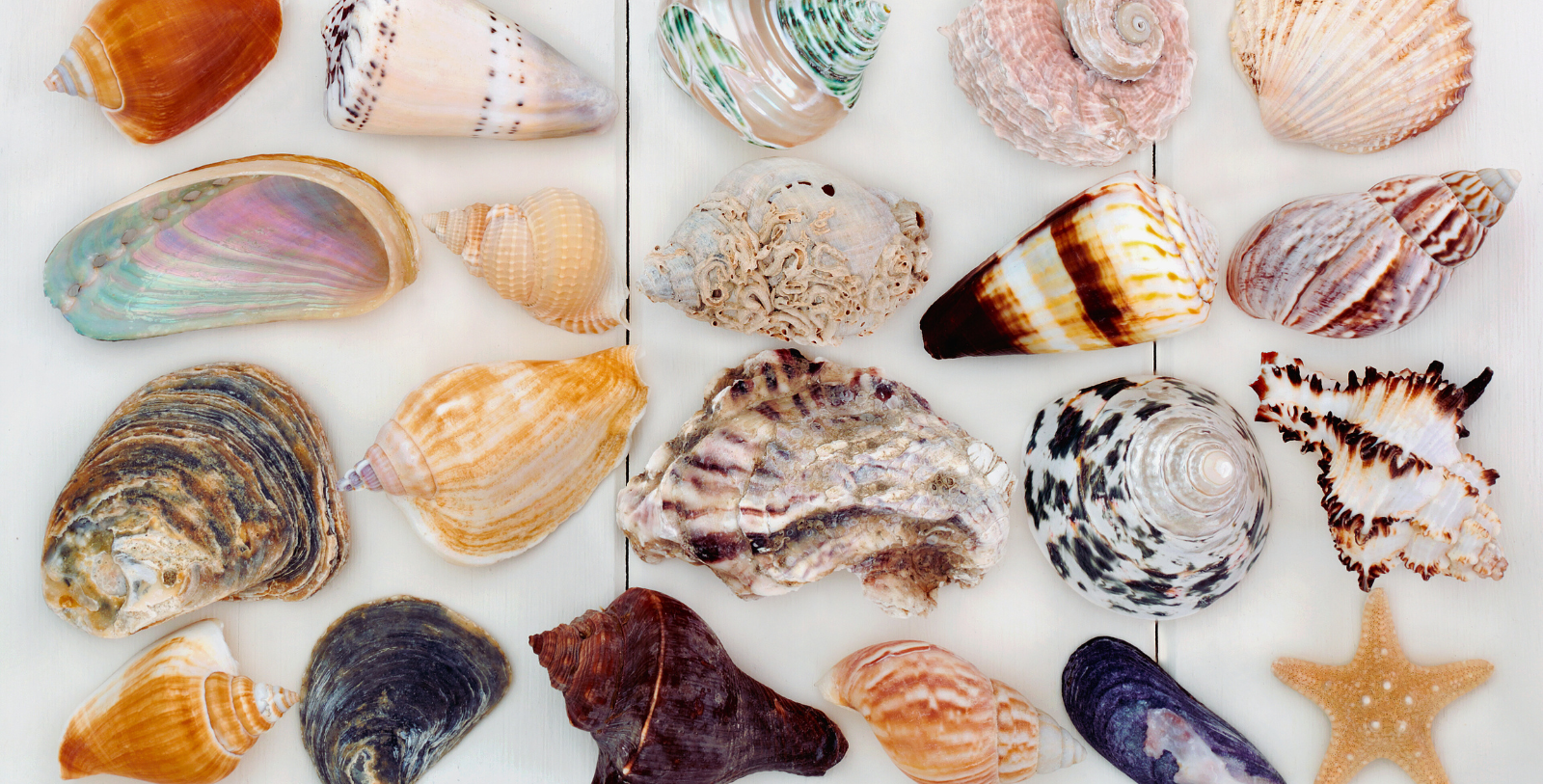
- Marvel at the rich biodiversity of the Adriatic Sea without ever leaving dry land with a visit to the Makarska Malacological Museum. Housed in a Franciscan monastery founded in 1518, the exhibit itself dates back to 1959, the culmination of decades of work by the monastery’s friars and nuns, along with local fishermen, who first started collecting the seashells that washed up on the shores of the Makarska Riviera. Since then, the collection has expanded to more than 3,000 specimens, with shells from places like China, Japan, the Philippines, Indonesia, Australia, Tanzania, Madagascar, the Caribbean, the Red Sea, and even Antarctica.
- Get a fresh perspective on the Makarska Riviera from St. Peter (Sveti Petar) Forest Park. Spread across a forested peninsula that juts out in the Adriatic Sea, this serene spot offers sweeping panoramas of Makarska with Biokovo rising in the background on one side and, to the other, the watery seascape of Makarska Bay and the Adriatic. (For the best views, take in the scene from the statue of St. Peter the Apostle himself, who gazes out protectively over the town’s waterfront, or from the Sveti Petar Lighthouse.) When not enjoying the sights or soaking up some Croatian sunshine from one of the park’s beaches, visitors can also stop by tiny St. Peter’s Church, built in the 15th century, or gaze upon ruins dating back to Roman and Venetian times. Meanwhile, couples can commemorate their relationship and forever secure their affection by hanging a love lock on a fence and tossing its key into the churning waters below.
Experience
- Experience the Makarska Riviera’s idyllic coastline with a lazy day on one of its many picturesque beaches. With its jagged, rocky shores juxtaposed against the glittering Adriatic Sea, as well as more than 2,700 hours of sunshine each year, this corner of Croatia has no shortage of beautiful beaches, many of which look as though they could be ripped from the pages of a travel book or the front of a postcard. Best of all, each offers its own unique atmosphere, from action-packed and buzzy spots like Makarska Beach and Tučepi Beach (the longest in the Riviera at around four kilometers, or almost two-and-a-half miles) to more serene, hidden-away stretches like Dračevac Beach and Garma Beach. For magazine-worthy vistas, be sure to visit Nugal Beach and Punta Rata Beach, pebbled, pine-fringed shores famed for a waterfall and dramatic cliff face at the former and the striking, tree-covered Brela Stone at the latter.
- Take a tour of the universe at the Makarska Observatory, the closest observatory to the Adriatic Sea at only 50 meters (164 feet) from the beach. Housed in a former World War II memorial honoring the Makarska Riviera’s fallen soldiers, the observatory debuted in 2009, making it the newest in Croatia. Here, visitors can use the observatory’s telescope to gaze upon stars hundreds of lightyears away and planets like Saturn and Jupiter, all with a passionate, English-speaking guide at the helm. And since groups are capped at only 10 to 15 people, this intimate and educational experience allows everyone to reach for the heavens.
- Get an adrenaline rush during a heart-pounding eco-adventure through the untouched landscapes of Central Dalmatia. Thanks to the rugged Biokovo mountains and the winding Cetina River, southern Croatia is a haven for thrill-seekers, offering such pulse-racing activities as ziplining, whitewater rafting, and canyoning. Near Tučepi, nature-loving daredevils can take to the skies over the Makarska Riviera on an exhilarating zipline tour, cruising over a forested canyon across six steel cables. Further afield, adventurers can take in the majesty of the Cetina River, which cuts from its source in the Dinara mountain range down to the Adriatic Sea. Guided rafting expeditions depart from the nearby town of Omiš and feature rapids suitable for first-timers and experienced rafters alike. Alternatively, those hoping to be truly immersed in the beauty of River Cetina and all the excitement it has to offer can also set out on a canyoning tour, combining adrenaline-fueled activities like cliff jumping, rappelling, climbing, hiking, and swimming. Both basic and advanced experiences are available, ensuring something for everyone.
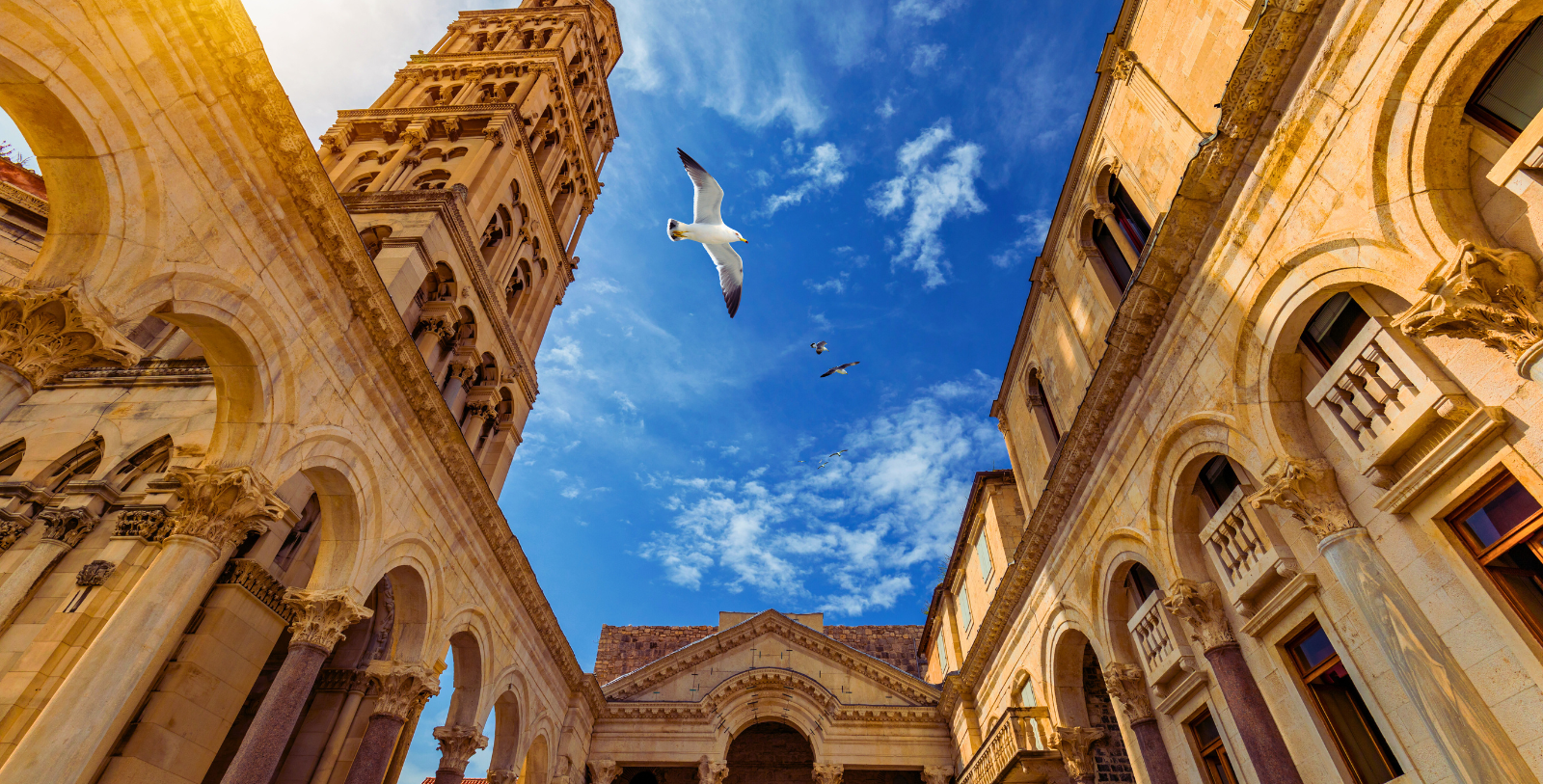
- Embark on a day trip to Split, a captivating walled city on the Adriatic Sea once home to the Roman emperor Diocletian and the second-largest metropolis in Croatia. An infectious fusion of heritage and modernity, Split will charm everyone from history buffs and art lovers to outdoor enthusiasts and wine connoisseurs. The indisputable crown jewel of this ancient city is Diocletian’s Palace, constructed during the late 3rd and early 4th centuries as a seaside retirement home for the Roman emperor. Imposing in size and incredibly well-preserved, this UNESCO World Heritage Site also housed the Roman military garrison and, today takes up much of Split’s old town. Several of the city’s most notable sites can be found within the former fortress’s walls, including the Peristyle, the Cathedral of St. Domnius, the Temple of Jupiter, and the palace’s substructure, famous for housing the dragons of Daenerys Targaryen on Game of Thrones. Plenty of wonders also await travelers outside Diocletian’s Palace, including Klis Fortress, the Diocletian Aqueduct, the Riva promenade, Marjan Forest Park, Meštrović Gallery, and the ruins of the ancient city of Salona, once the capital of the Roman province of Dalmatia.
Taste
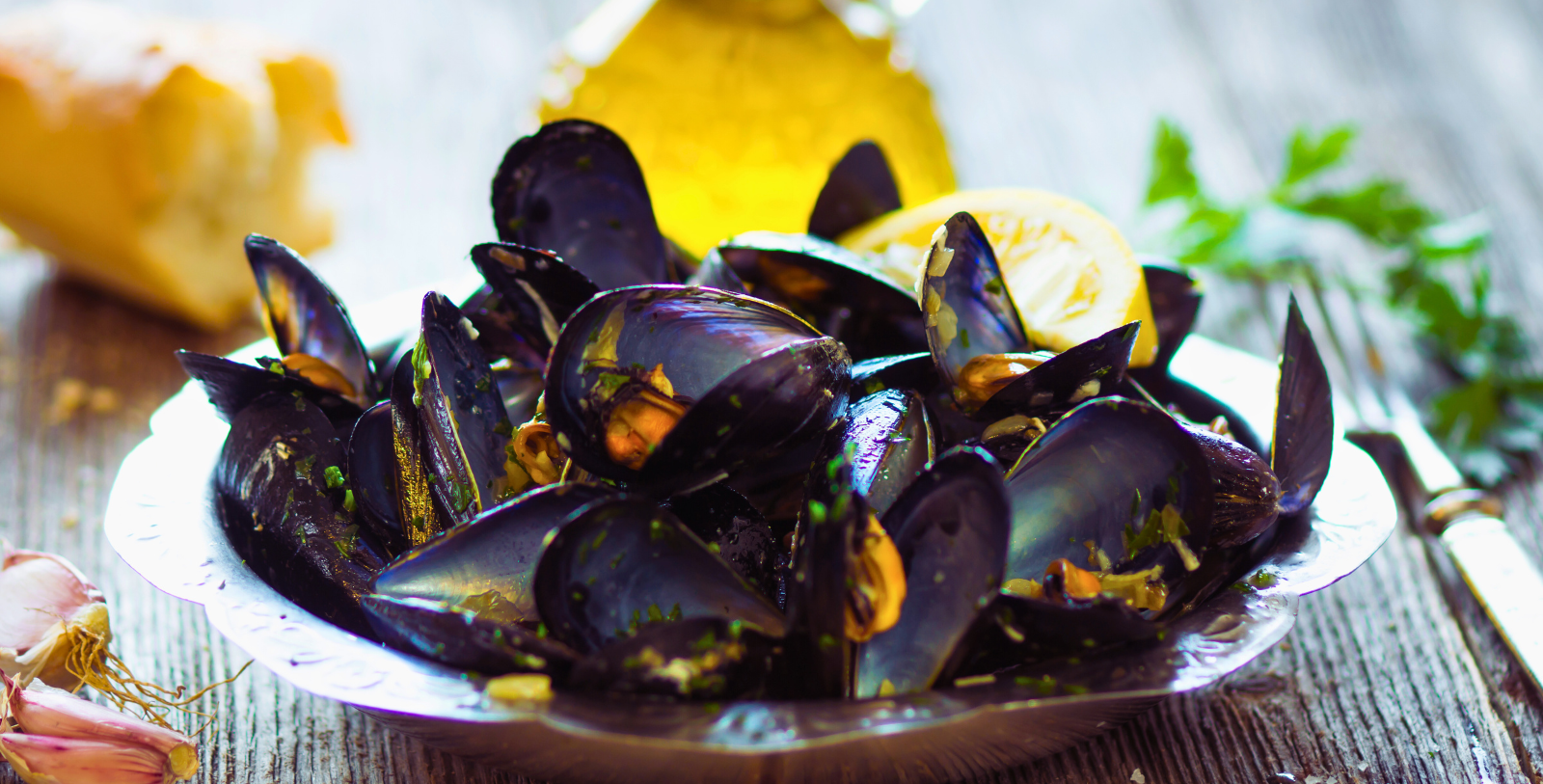
- Taste the flavors of Central Dalmatia at Kaštelet Restaurant & Bar. Just like Heritage Hotel Kaštelet carries on the Makarska Riviera’s rich heritage, so does its signature eatery. Here, the region’s cultural traditions and characteristic ingredients weave through each and every meal. Dishes like dagnje na buzaru, mussels alla buzara (shellfish “stewed” in wine, olive oil, garlic, and breadcrumbs), and locally sourced lamb chops are accented with herbs harvested from the mountainsides of Biokovo, making for a truly authentic dining experience.
- Savor the bounty of the Adriatic Sea with a bite of black risotto or brudet, a Croatian fish stew. With over 5,800 kilometers (more than 3,600 miles) of coastline to its name, it is no surprise that seafood features heavily in Croatia’s culinary heritage, particularly that of the country’s Dalmatia region. In fact, although Makarska Riviera is largely known as a tourist destination, fishing is still an integral part of this Adriatic enclave’s economy. Naturally, one of the best—and undoubtedly, the tastiest—ways to experience a culture is through its food. That means sampling Dalmatian classics like crni rižot (black risotto), a briny rice dish flavored and colored with squid or cuttlefish ink, and brudet, a traditional fishermen’s stew originally cooked at sea out of the day’s catch and simple ingredients like olive oil, tomatoes, herbs, and spices. For the freshest seafood and an authentic slice of coastal Croatian life, try to take in a Ribarske Večeri, or Fisherman’s Night. Held regularly in towns throughout the Makarska Riviera, these lively harborside events offer a tantalizing spread of Adriatic delicacies, with food stands hawking barrels of mussels, grilled whole fish and squid, skewers of shrimp, home-brewed wine, and much more.
- Bite into Dalmatian classics like soparnik and Dalmatinska pršut, the region’s signature prosciutto. Hailed as the precursor to Italian pizza by locals and declared a piece of intangible cultural heritage by the Croatian government, soparnik is a savory pie with a filling of chopped greens (typically Swiss chard), onions, and parsley sandwiched between two layers of crispy, golden pastry. Dalmatian prosciutto is another Croatian mainstay with Roman roots, tracing back to when legionaries would preserve pork meat through smoking and salting. The process remains much the same today, using only sea salt as an additive followed by a generous bath of wood smoke and a resting period of at least one year. Today, Dalmatian prosciutto and its production heritage are so treasured that the meat even receives EU protection with a geographical origin indicator.
- Soak up Croatia’s ancient viticultural heritage with a glass of Dalmatian wine. Although places like Italy, France, South Africa, Australia, Germany, and California typically get top billing on restaurants’ wine lists, a tradition of winemaking also runs deep throughout Croatia, including coastal Dalmatia, where grapes were cultivated as early as 3,800 years ago, even before the arrival of the Greeks and Romans. In fact, studies undertaken in the early 2000s showed that the region is the cradle of the Zinfandel, with ancestral grapes locally known as Tribidrag (Greek for “early ripening”) found in the Dalmatian towns of Kaštela and Omiš. Despite the country’s wine-drenched history, however, Croatia still remains relatively undiscovered by wine lovers in other parts of the globe. So, before the rest of the world has caught on, be sure to toast Dalmatia’s unique terroir and Mediterranean climate with a glass of Plavac Mali, Babić, Plavina, Pošip, Maraština, or, of course, Tribidrag.
FEATURED ACCOMMODATIONS
Featured Offers
Discount Rate for Members of National Trust for Historic Preservation
Enjoy free cancellation up to 24 hours prior to arrival with this book-now, pay-on-site rate.
Enjoy a special discount and free cancellation up to seven (7) days prior to arrival with this book-now, pay-on-site rate.
Book the Best Available Rate at this property on HistoricHotelsWorldwide.com and receive a complimentary one-year family membership (a $30 value) to the National Trust for Historic Preservation in the United States, a member of the International National Trusts Organisation.