History
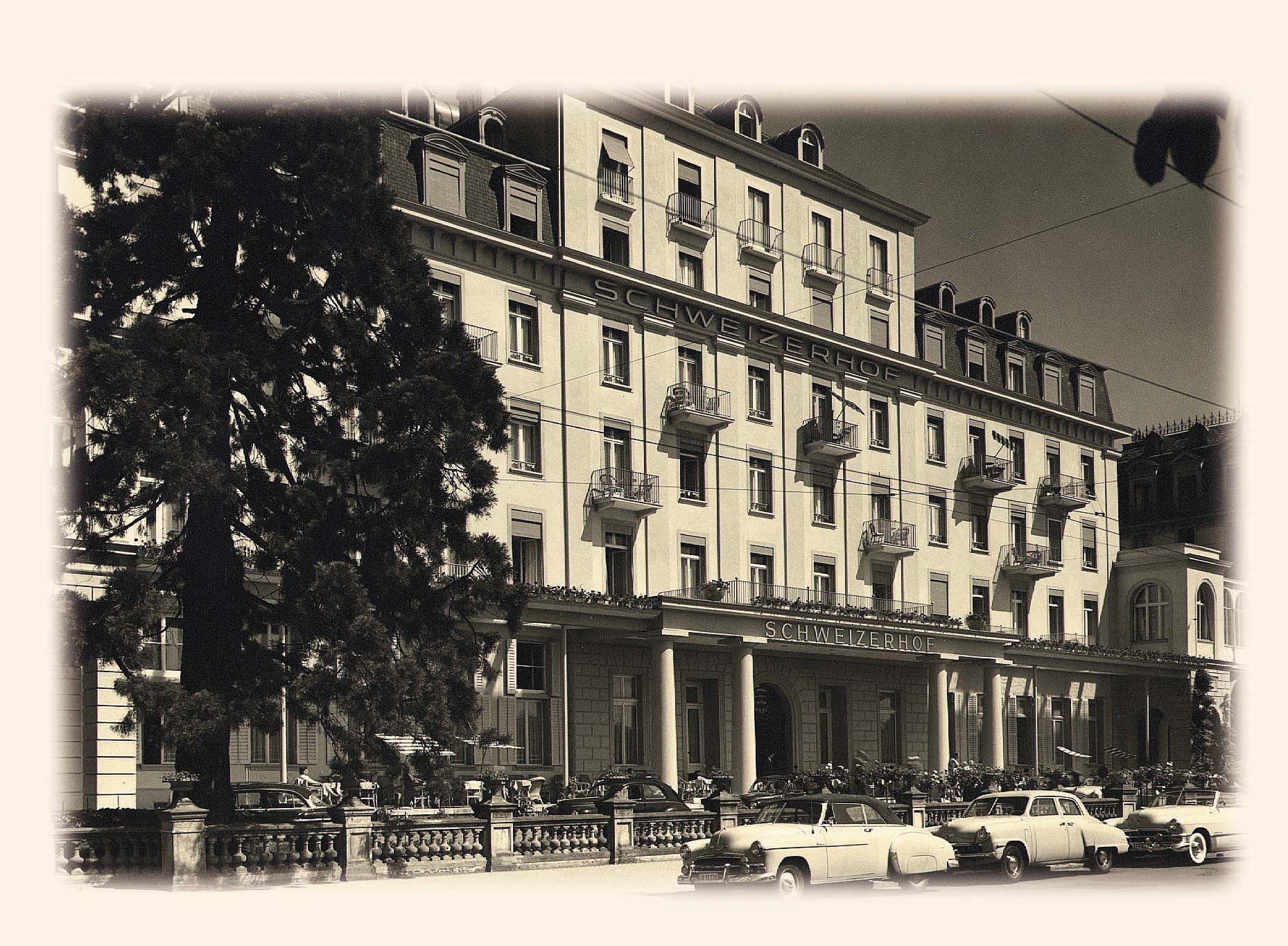
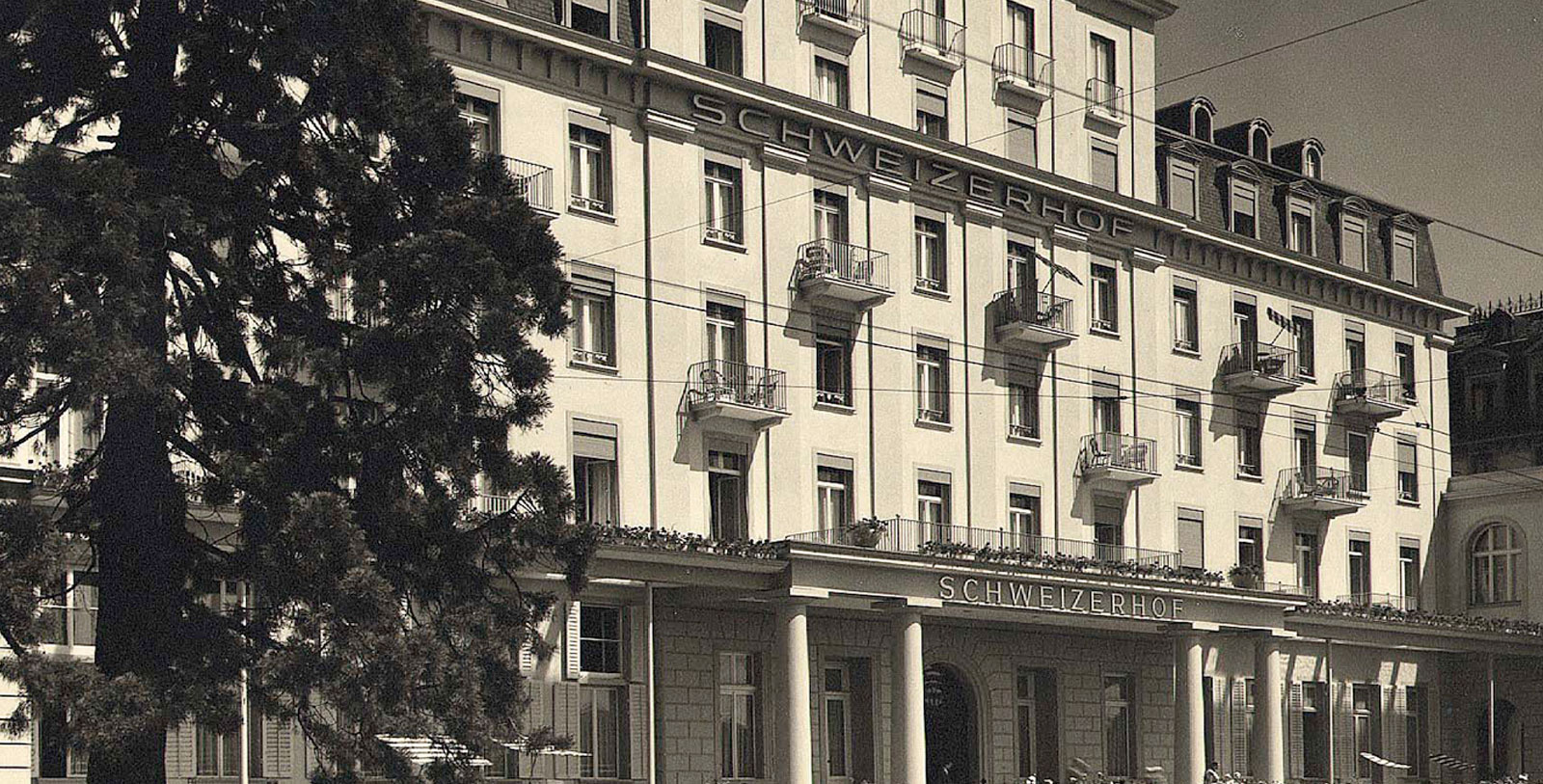
Discover the Hotel Schweizerhof Luzern, which was designed by renowned Swiss architect Melchior Berri in 1845.
Hotel Schweizerhof Luzern was constructed during the historic reign of the United Kingdom’s famed Queen Victoria, who sat on the British throne from 1837 to 1901. After the fall of the Roman Empire beginning in the 6th century, Germanic tribes increased their influence on this area of present-day Switzerland. Around 750 A.D. the Benedictine Monastery of St. Leodegar was founded, which was later acquired by Murbach Abbey in Alsace in the middle of the 9th century, and by this time the area had become known as Luciaria. In 1178, Lucerne acquired its independence from the jurisdiction of Murbach Abbey, and the founding of the city proper occurred that same year.
Lucerne gained importance as a strategically located gateway for the growing commerce over the years due first to trade routes and then to railway connections. Built in 1845, Hotel Schweizerhof Luzern was designed by Melchior Berri, a well-known Swiss architect from Basel. Having crafted the monumental Basel Museum as well as stately city halls in Bern and Zurich, Berri was accomplished in Neoclassical architecture, and he selected this design known for its structural symmetry, elaborate masonry, and timeless structural features.