Lysebu
Oslo, Norway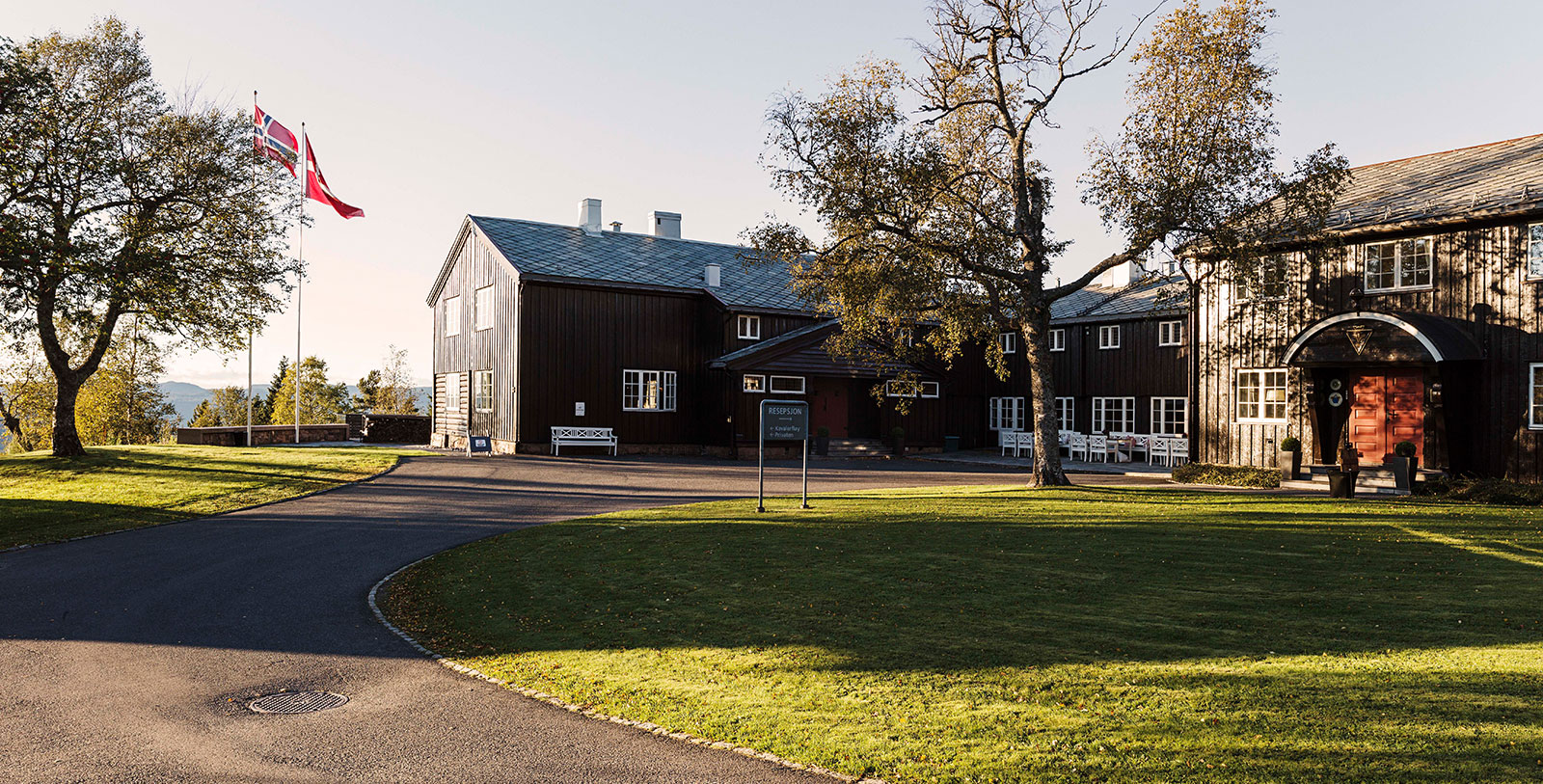
 Lysebuveien 12, Oslo, Norway, 0712
Original Property Opened in 1946
Historic Hotels Worldwide member since 2011
Lysebuveien 12, Oslo, Norway, 0712
Original Property Opened in 1946
Historic Hotels Worldwide member since 2011
- The 2025 Top 25 Historic Hotels Worldwide® Most Magnificent Art Collections List Is Announced
- The 2024 Top 25 Historic Hotels Worldwide® Afternoon Tea Experiences List Is Announced
- The 2023 Top 25 Historic Hotels Worldwide® Most Magnificent Art Collections List Is Announced
- 2022 Top 25 Historic Hotels Worldwide Most Magnificent Art Collections
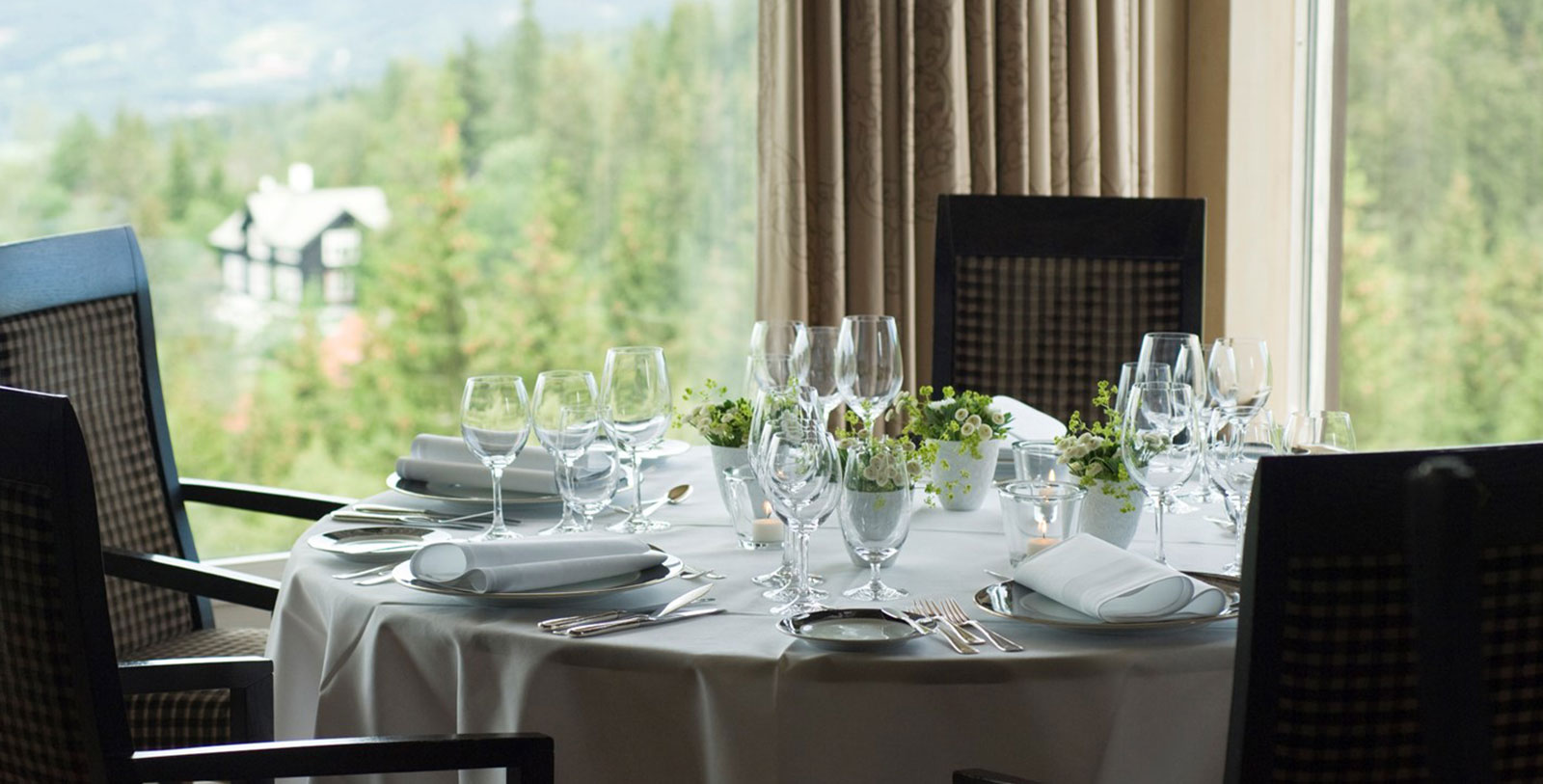
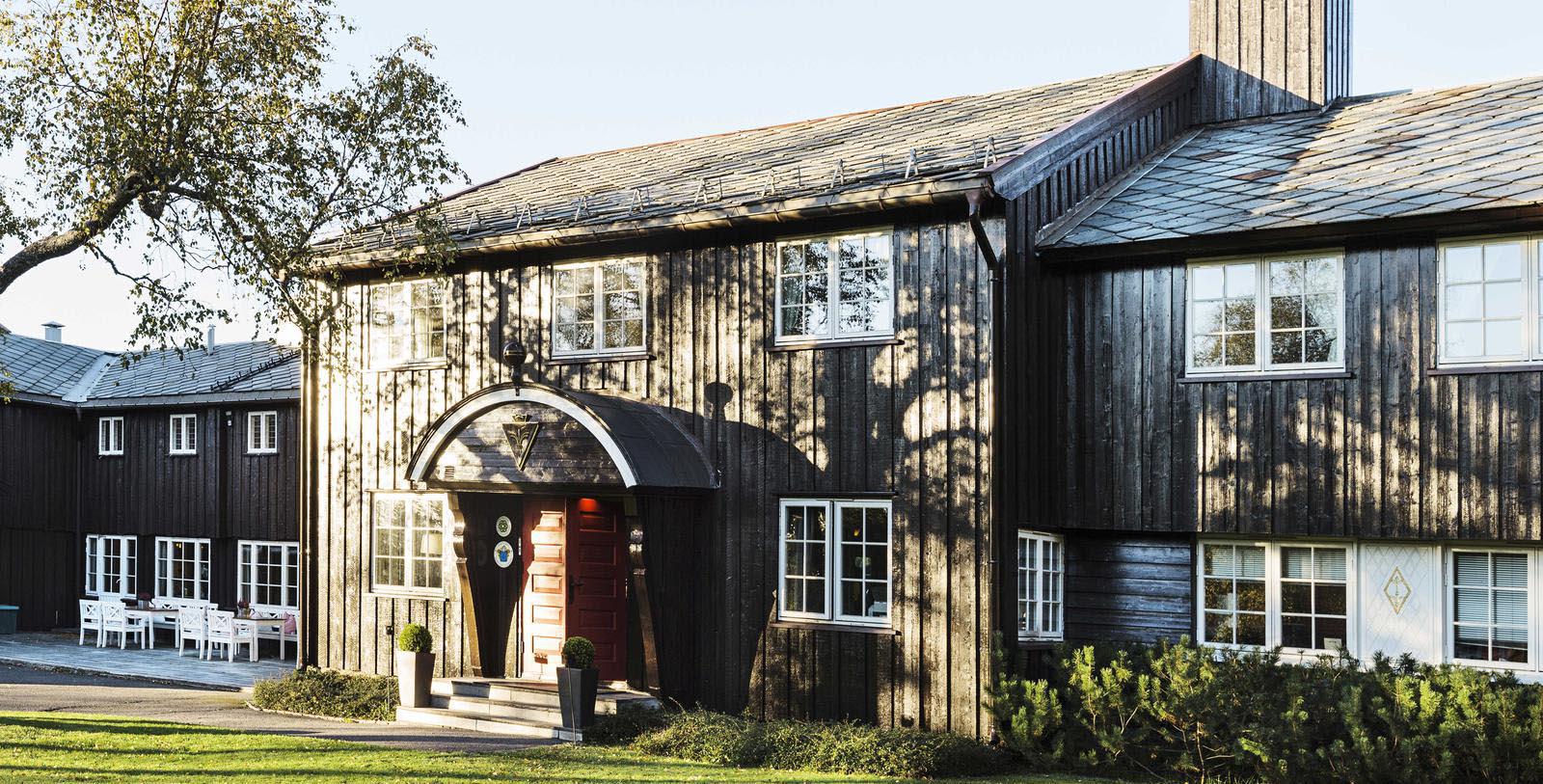
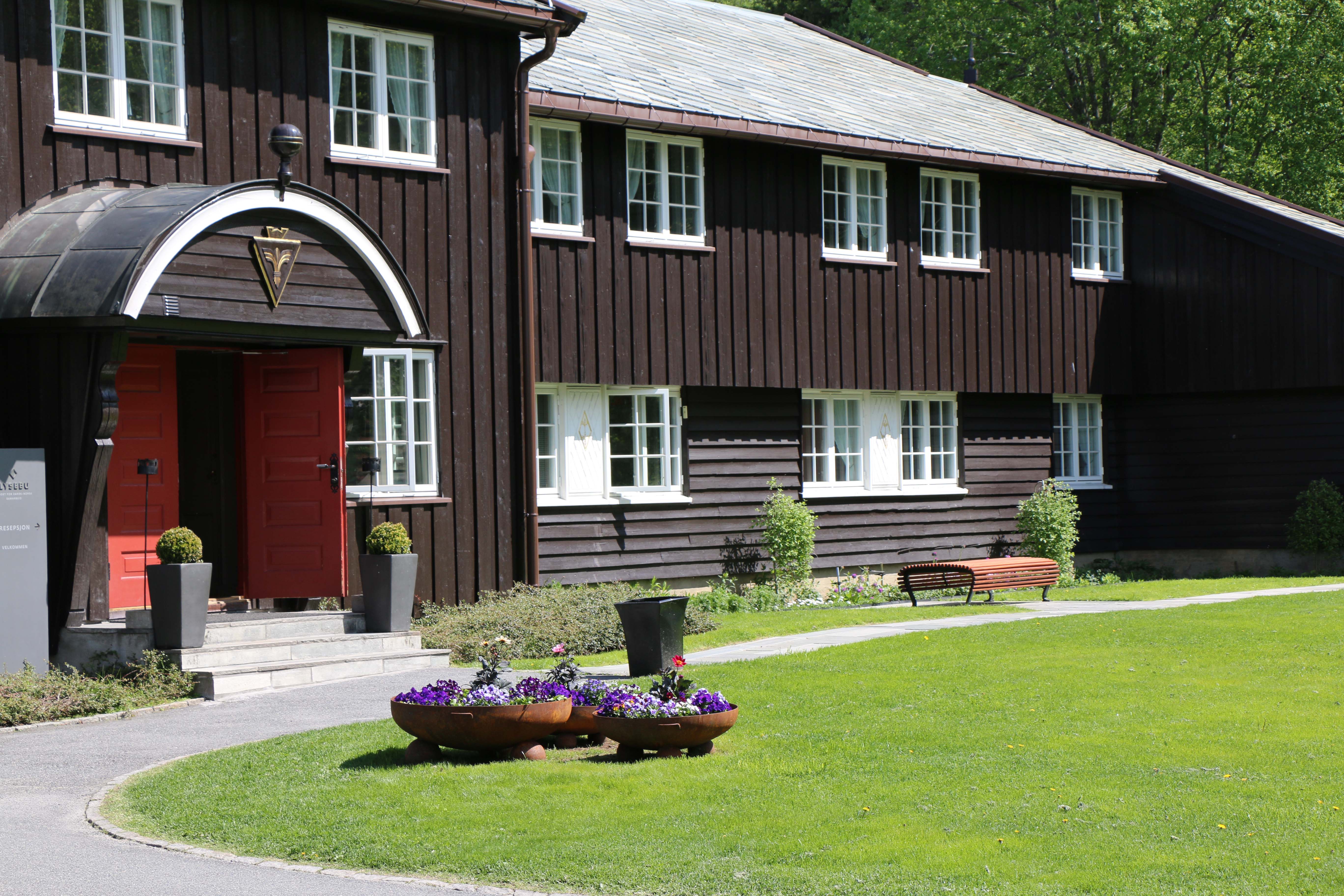
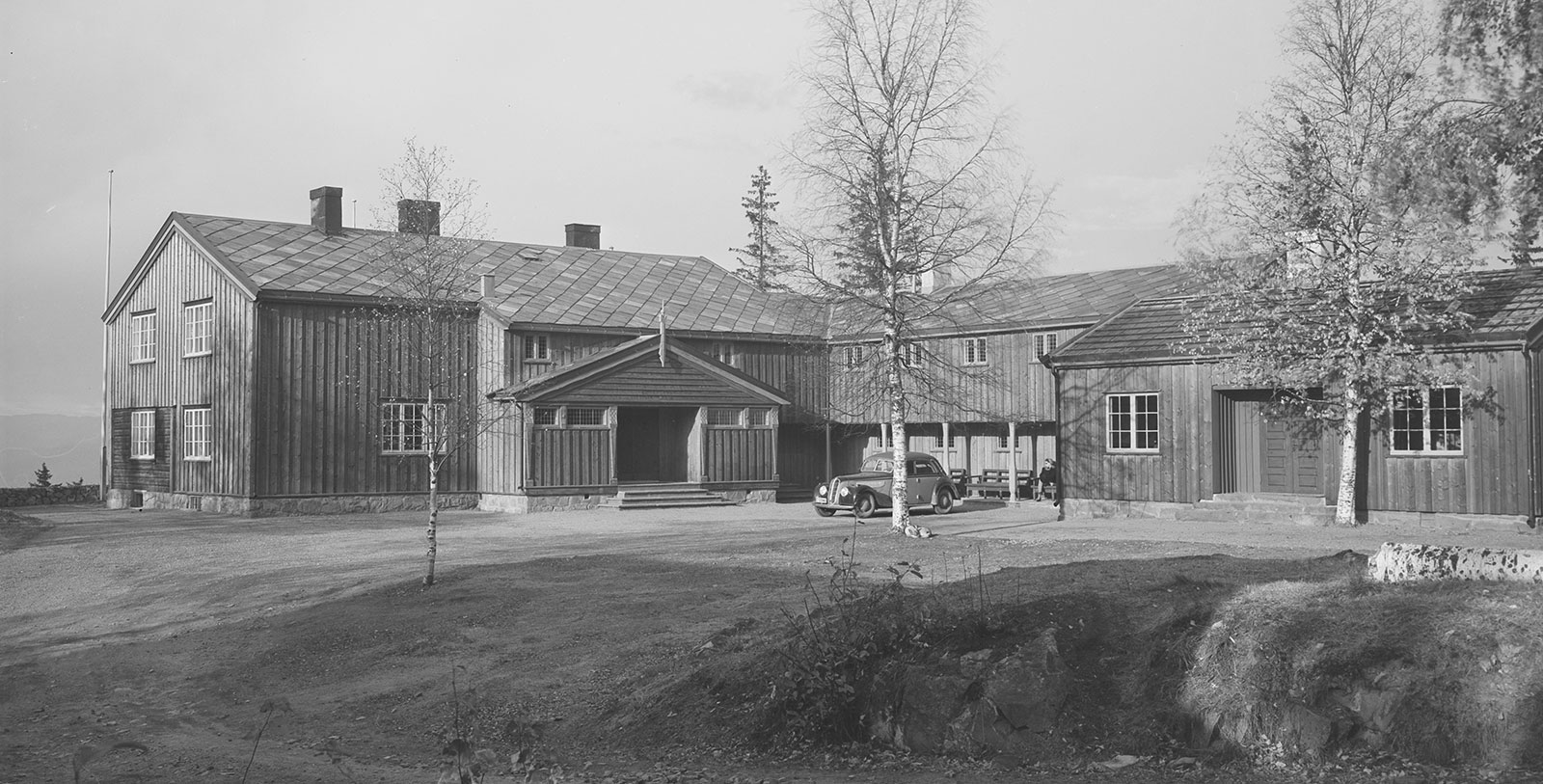
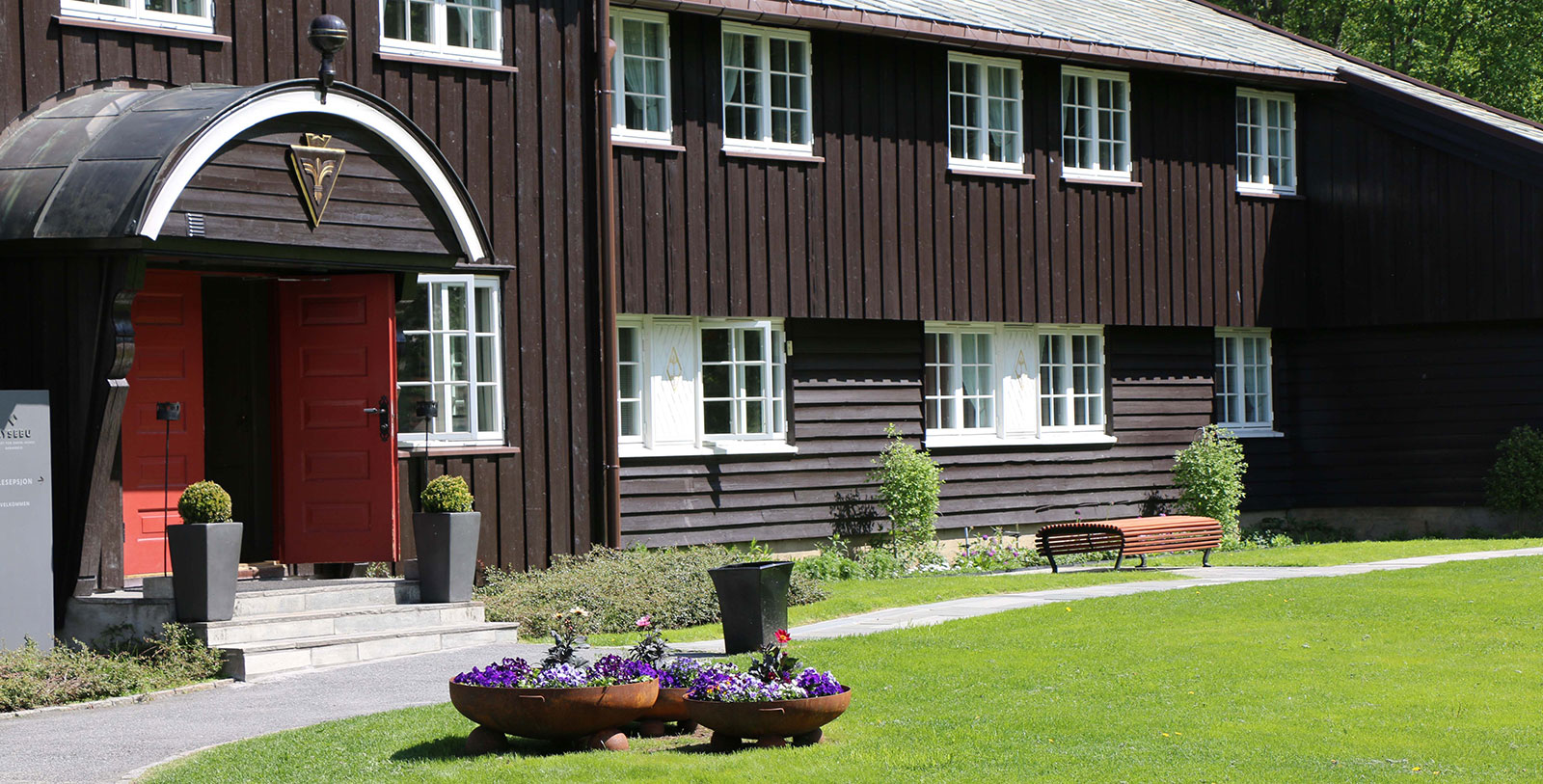
Originally built by Magnus Poulsson during World War I, Lysebu Hotel was used as a personal residence for shipping magnate Anton Fredrik Klaveness. After World War II, Lysebu was donated to The Danish-Norwegian Cooperation Fund in appreciation of the aid Norway received from Denmark during the German occupation. Lysebu is still owned by The Fund, which uses the income generated by the hotel to support its greater mission. This wonderful destination is an ideal gateway for guests seeking to explore Norway’s natural wonders. Outdoor enthusiasts flock to the ranges that surround Lysebu to traverse through their great hiking and skiing trails. The hilly forested region of Nordmarka creates a serene atmosphere that is especially unique to Lysebu.
Discover
- Discover the historical character of the Lysebu. Originally constructed by Magnus Poulsson, this terrific historic hotel has spent most of its history serving The Danish-Norwegian Cooperation Fund.
- Admire the beautiful sculptures of the Vigeland Sculpture Park (Vigelandsparken). Located several miles away within the Frognerparken, this amazing sculpture garden features the work of renowned Norwegian artist, Gustav Vigeland.
- Stroll through The Norwegian Museum of Cultural History (Norsk Folkmuseum). This open-air museum consists of several restored buildings from the Middle Ages that preserve the history of medieval life in Oslo.
Explore
- Explore the Akerhus Fortress (Akerhus Festning) along the shoreline of Oslo harbor. Constructed by King Haakon V in the late 1290s, the Akerhus Fortress was originally intended to serve as the seat for the Norwegian monarch during the Middle Ages. It is now a military museum that is open to the public.
- Visit The Royal Palace (Det Kongelige Slott). Designed with brilliant Neoclassical features, this spectacular 19th-century palace was built at the behest of King Charles III. It still continues to be the main residence for the Norwegian Royal Family.
- Travel to the Oslo Cathedral (Oslo Domkirke). Originally established in the late 17th century, the Olso Cathedral is the site of numerous events held by the Norwegian Royal Family and the Norwegian Government.
Experience
- Experience the Viking Ship Museum (Vikingskipshuset). The Viking Ship Museum features many authentic Viking artifacts, including three wooden boats from the 9th century.
- Tour the Munch Museum (Munchmuseet). Located in between Tøyen Park and The University’s Botanical Garden, the Munch Museum features over 28,000 works of art produced by the famed Norwegian artist, Edvard Munch.
- Interact with the exhibits at the Nobel Peace Center (Nobels Fredssenter). This remarkable cultural institution chronicles the life of Alfred Noble and other winners of the Noble Peace Prize, as well as the history of the award itself.
Taste
- Savor Fårikål, which is Norway’s official national dish. Cooked similarily to a casserole, Fårikål is made up of pieces of mutton that has been prepared with bone, cabbage, and whole black pepper.
- Taste another beloved national meal called kjøttkaker. This delicious Norwegian dish consists of richly seasoned minced meat, and is served alongside a variety of ingredients like onions, mashed potatoes, and steamed cabbage.
- Enjoy some pickled herring when out exploring the area. Considered a delicacy in Norway, pickled herring is prepared in a multitude of ways, including with garlic and mustard. This amazing Norwegian treat is typically served with dark rye bread, potatoes, and sour cream.
Featured Offers
Book the Best Available Rate at this property on HistoricHotelsWorldwide.com and receive a complimentary one-year family membership (a $30 value) to the National Trust for Historic Preservation in the United States, a member of the International National Trusts Organisation.