History
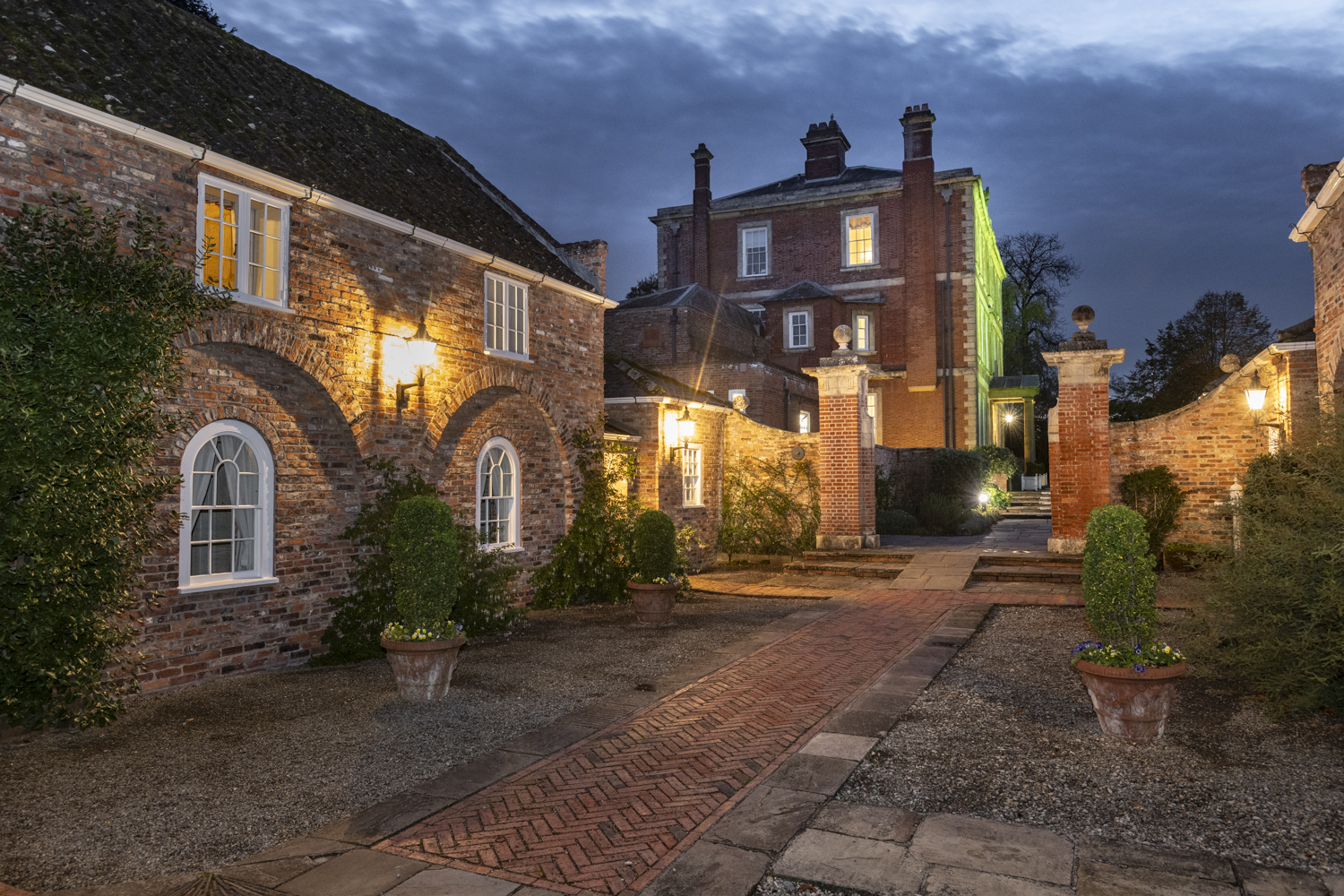
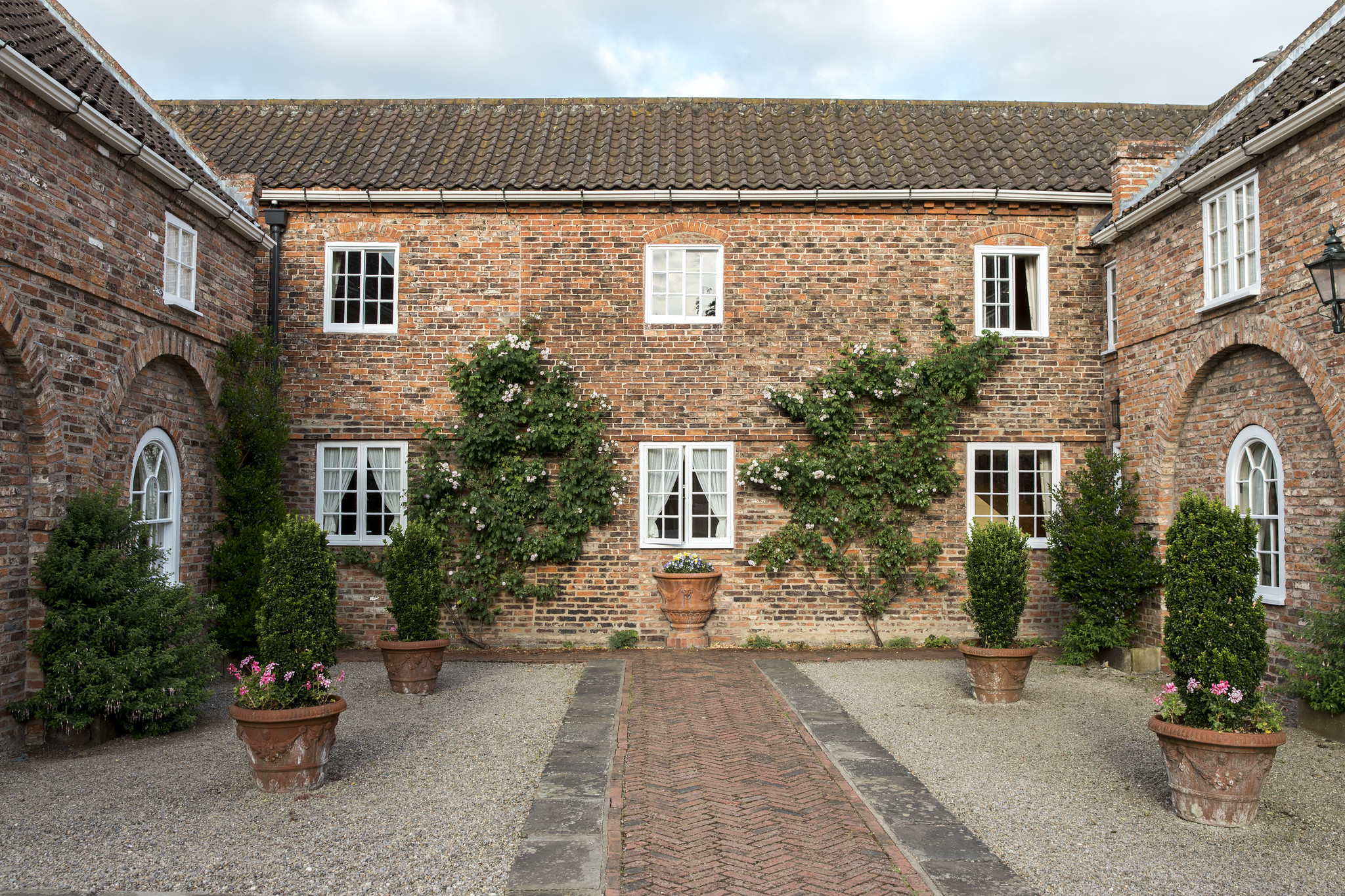
Middlethorpe Hall & Spa was built by a successful West Riding ironmaster at the beginning of the 18th century.
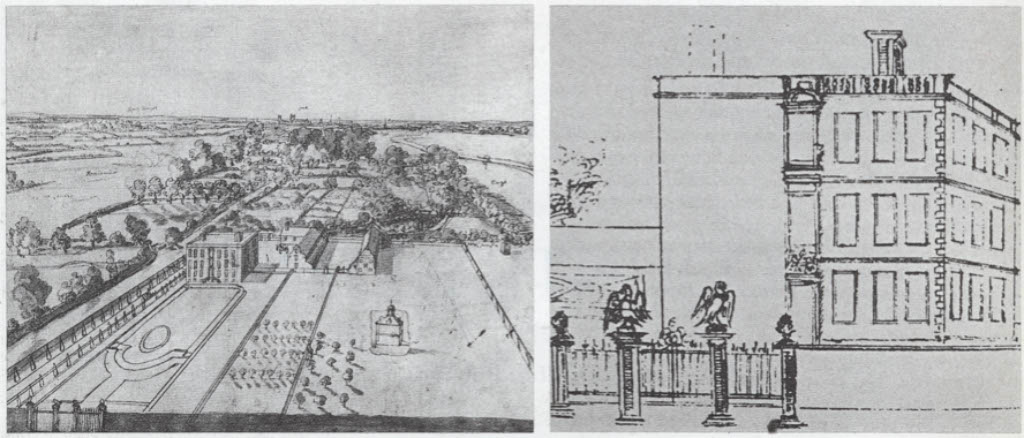
Built in the 17th century for prosperous cutler Thomas Barlow, Middlethorpe Hall & Spa is one of the most distinguished historic sites still standing in Yorkshire. But even though this terrific location currently operates as a luxurious boutique hotel, the structure originally served as a fashionable home meant to embody Barlow’s personal ambition. Set on an estate Barlow had acquired during the late 1690s, the manorwas positioned several miles south of York, a city whose political, intellectual, and social influence made it an attractive destination for aspiring businesspeople. Although Thomas Barlow had accumulated wealth through industry, he nonetheless sought to establish a lasting family seat that would project permanence and respectability. The resulting mansion, Middlethorpe Hall, was among the finest built in the region. Celebrated for its harmonious composition of red brick and limestone, the structure ultimately drew inspiration from the palatial estates that the renowned Sir Christopher Wren had crafted across the English countryside. The carefully ordered façades, classical detailing, and commanding presence projected the idea that its owner had successfully crossed the threshold from merchant to country gentleman.
In the years that followed, Middlethorpe Hall became a center of aristocratic social life. The house hosted notable visitors and residents, among them Lady Mary Wortley Montagu, who was then one of the 18th century’s most celebrated writers. Hailed for her letters (and medical advocacy), Montagu spent time at the hall and reportedly described it as “a very [pretty] place.” More importantly though, her presence connected Middlethorpe Hall to the intellectual currents of the Enlightenment, when art, literature, and scientific inquiry circulated through the drawing rooms of Britain’s country houses. tThe hall continued to evolve as successive owners adapted the residence to changing aesthetics. Around the middle of the century, additions were made that expanded the scale and sophistication of the house. Most notable were the graceful wings added to the south façade, which strengthened the architectural composition and provided additional accommodation for entertaining guests. Within the interiors, richly detailed woodwork, fine paneling, and an impressive oak staircase reinforced the hall’s reputation as a refined country dwelling. These enhancements reflected the growing prosperity of the Barlow family and their desire to maintain a resplendent household that could rival those of Yorkshire’s most established nobility.
Then in the 19th century, Middlethorpe Hall became associated with Fanny Wilkinson, recognized as England’s first professional female landscape gardener. Raised amid the surroundings of the house, Wilkinson would later pioneer opportunities for women in the field of landscape design, helping to shape public parks all over Great Britain. But her relationship to the hall underscored the role the estate played not merely as a private home but as an environment that inspired individuals who would leave their own mark upon British history. Yet like many country houses across England, Middlethorpe Hall eventually faced considerable challenges in more modern times. With maintenance costs rising significantly for country houses throughout the country, many of those unique historic sites soon faced uncertain futures. Middlethorpe Hall was no exception. Portions of the estate were affected by development, and the house entered a period during which its long-term survival was far from guaranteed. However, its remarkable architectural integrity and historical significance inspired a determined effort to preserve it. In 1980, for instance, the hall was acquired and carefully restored by Historic House Hotels Ltd.
Rather than allowing the residence to continue its decline, its new custodians undertook an ambitious program of conservation that respected the building’s past. Historic landscapes were reconstructed in turn, returning to a sense of grandeur that had largely vanished from the estate. Interior spaces were also furnished with antiques and decorative elements appropriate to the hall’s history, enabling guests to experience the atmosphere of an authentic English country house. The success of the endeavor established the hall as a premier heritage hotel, admired for its ability to combine historic character with luxury accommodations. A further milestone arrived in 2008, when ownership of Middlethorpe Hall was transferred to the National Trust. Through an innovative arrangement, the erstwhile estate continued to operate as an elite hotel while supporting the broader conservation mission of one of Britain’s most respected heritage organizations. As a result, visitors who stay at the mansion today contribute directly to the preservation of historic places and landscapes throughout the United Kingdom. Now known as “Middlethorpe Hall & Spa,” this fascinating historic site has since remained a remarkable testament to craftsmanship and stewardship. Its history is truly one of preservation and renewal, ensuring that its history will endure for generations to come.
Hotel Timeline
The Location
For nearly two millennia, York has occupied a singular place in the history of England. Situated at the confluence of the Rivers Ouse and Foss, the city has served as a Roman military stronghold, a royal center of the Anglo-Saxon kingdom of Northumbria, the capital of a Viking realm, and one of the most important ecclesiastical destinations in medieval Europe. Few cities in the United Kingdom possess such an extraordinary past, and fewer still can claim to have shaped the course of national history across so many eras. The recorded history of York though began in the 1st century AD, when Roman forces created a legionary fortress known as “Eboracum.” Constructed as a strategic base for military operations in northern Britain, the settlement rapidly expanded into one of the most significant urban centers in the Roman province. Its importance grew so substantially that Eboracum eventually became the capital of Britannia Inferior, the northern administrative division of Roman Britain. Emperors themselves walked its streets, and two Roman rulers, Septimius Severus and Constantius Chlorus, died within the city. Most notably, Constantine the Great was proclaimed emperor at York in the 3rd century, an event that would ultimately influence the future of European religion and the wider Roman world.
Following the decline of Roman authority during the 5th century, York nonetheless endured as a prominent settlement. The city’s name evolved to “Eoforwic” under subsequent Anglo-Saxon rule, emerging as the political and religious heart of the Kingdom of Northumbria. Christianity flourished, with York growing into one of the most influential ecclesiastical centers in Britain. Monarchs, bishops, and scholars alike gravitated toward the city, recognizing its importance as a seat of learning and governance. By the early Middle Ages, York had thus assumed the role of a major royal center whose influence extended across the region. But a dramatic new period commenced when Viking armies captured the community in the late 9th century. Renaming it as “Jórvík,” York soon became one of the most prosperous trading centers in Europe. Merchants arrived from across the British Isles and beyond, bringing goods, ideas, and other cultural influences that enriched the city’s character. While the city changed rulers (and identities), it still retained its position as a place of extraordinary significance, serving as the capital of a Viking kingdom that endured for generations.
The Norman Conquest of 1066 transformed York once again. A bastion of stiff Anglo-Saxon resistance, the city suffered greatly during William the Conqueror’s campaigns. Yet York recovered and prospered, emerging as England’s principal city outside London. Wealth generated through trade and commerce supported the construction of magnificent civic and spiritual landmarks. The city’s historic network of defensive walls also debuted at the time, while narrow thoroughfares lined with timber-framed buildings became defining features of its urban landscape. York’s prominence as a commercial and administrative center ensured that it remained one of the kingdom’s most influential communities for centuries. No monument better symbolized medieval York than York Minster. Constructed over roughly 250 years (and completed in 1472), the Minster served as the spiritual center of northern England and the seat of the Archbishop of York. Its soaring vaults, elaborate stonework, and celebrated stained-glass windows reflected both the wealth of the city and its enduring religious importance. Pilgrims, clergy, and dignitaries traveled vast distances to worship within its walls, further reinforcing York’s status as one of England’s foremost ecclesiastical destinations.
The city continued to play a prominent role during later chapters of English history. In the 15th century, York became closely associated with the House of York amid the Wars of the Roses, the dynastic struggle that shaped the future of the English crown. Although many of the conflict’s most significant battles occurred elsewhere, the city’s name became inseparably linked to the Yorkist cause, and the eventual victory of King Edward IV elevated the prestige of the royal house that bore its name. York later became a royalist stronghold during the English Civil War, and its strategic importance made it the focus of major military operations. Despite political and economic influence shifting southward in subsequent centuries, York still retained its historic character. The Georgian and Victorian eras introduced new prosperity through industry and railway development, and preservation efforts ensured that many of the city’s most cherished landmarks survived intact. York continues to be one of the best-preserved historic cities in Europe. Roman foundations lie beneath medieval streets; Viking influences endure in place names and archaeology, and centuries of architectural achievement continue to define the cityscape. Visitors encounter an extraordinary blend of history wherever they turn, from the surviving Roman walls and medieval gates to the grandeur of York Minster.
The Architecture
Perhaps the greatest architectural style that constitutes the historic Middlethorpe Hall & Spa is a version of the greater Baroque aesthetic known as “William and Mary.” Inspired by the reign of British King William III and Queen Mary II at the close of the 17th century, William and Mary architecture emerged amid a period of political stability, expanding commerce, and growing cultural exchange between England and continental Europe. Builders and craftsmen embraced a more orderly and symmetrical approach to design than many earlier medieval traditions, creating structures that conveyed refinement, balance, and status. While the style first flourished in England and the Netherlands during the late 1600s, it soon spread throughout Great Britain’s North American colonies, where its influence helped establish the foundation for later Georgian architecture. William and Mary architecture was characterized by its measured proportions and restrained ornamentation. Brick construction became increasingly popular, often complemented by stone trim and carefully arranged facades. Steeply pitched roofs, prominent chimneys, and decorative gables frequently appeared in the design, too, while interiors featured paneled walls, grand staircases, and finely crafted woodwork.
Symmetry served as a guiding principle, with architects seeking harmony between decorative details and practical function. Although less exuberant than the Baroque palaces rising elsewhere in Europe, buildings developed in the style of William and Mary architecture projected an unmistakable sense of dignity and permanence. More importantly though, the style reflected broader changes taking place throughout the late 17th and early 18th centuries. Advances in trade introduced new materials and artistic influences, and a growing merchant class sought residences that demonstrated prosperity and cultural sophistication. As a result, William and Mary architecture became associated with both social prestige and architectural innovation. Its influence even remained visible long after the reign of William and Mary had ended, shaping generations of British and American design. Surviving examples are today celebrated for their elegance, craftsmanship, and historical significance, offering a tangible connection to an era that bridged the transition from the architectural traditions of the Renaissance to the refined classicism that would define much of the 18th century. Many of those remaining buildings in England are even protected heritage sites, featuring important preservation designations as either Grade I or Grade II Listed Buildings on the The National Heritage List for England.
Women in History
Lady Mary Wortley Montagu (1689-1762): Middlethorpe Hall was once the home of Lady Mary Wortley Montagu, who rented the home from Thomas Barlow with her daughter for a year in 1713 before her famed excursion to the Ottoman Empire with her husband, Edward Wortley Montagu. Having devoted herself to writing and learning Latin from a young age, Lady Mary Wortley Montagu was a prolific essayist and diarist. Her writings were published after her death, and her Turkish Embassy Letters became immensely popular. Having witness their efficacy in her travels, Lady Mary Wortley Montagu is widely credited for spreading awareness of smallpox inoculations, then available in Constantinople, to a British audience. Of Middlethorpe Hall, she wrote in her diary, “tis a very pritty place...I think there is nothing to be done but to send an immediate note to Mr Harrison to let him know I will be at Middlethorpe with my family Tuesday next” (August 1713) [sic].
Fanny Rollo Wilkinson (1855-1951): Middlethorpe Hall was the family home of Fanny Rollo Wilkinson, widely considered the first woman professional landscape gardener in England. She applied to the Crystal Palace School of Landscape Gardening in 1882, and her acceptance and work paved the way for women to enter the profession. She was known to have been inspired by the grounds of Middlethorpe Hall, as she later said, “I was always fond of gardening as a child, and I took it up because I felt it suited me, and I wanted to do something.”