Orient Express Venezia
Venice, Italy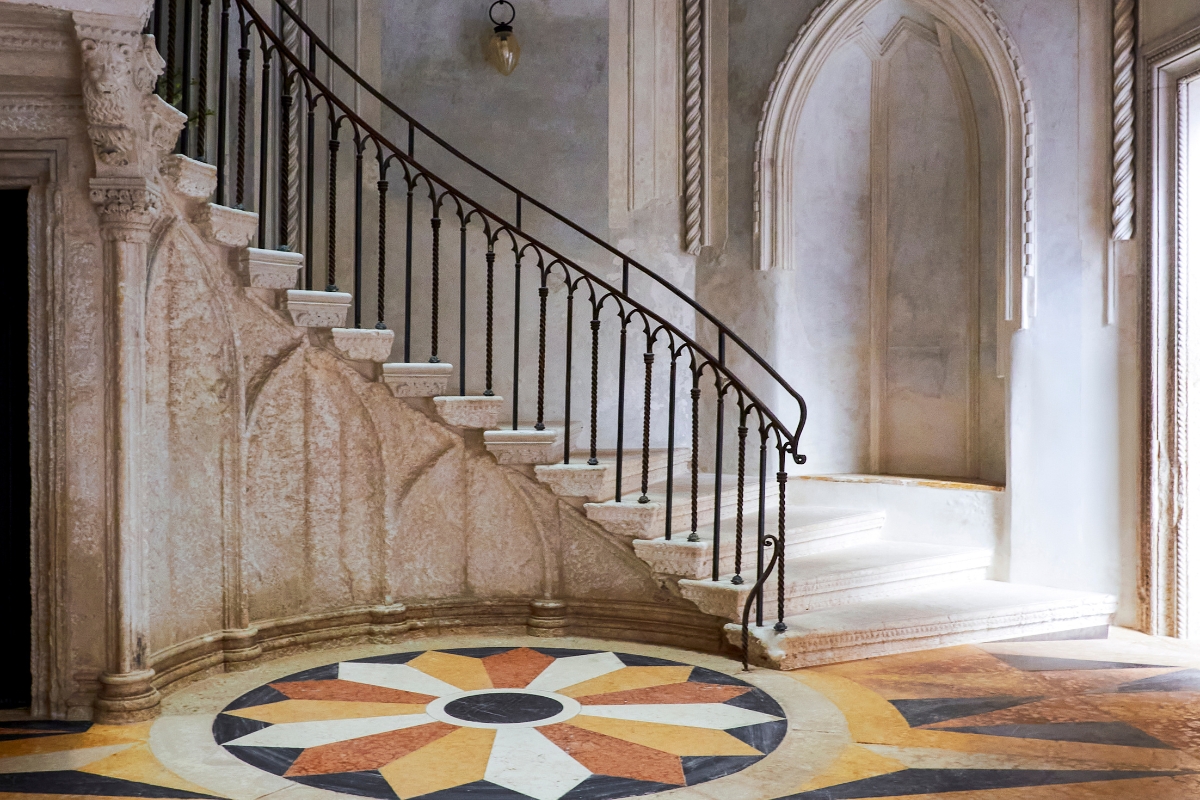
 Strada Nova 2292, Venice, Italy, 30100
Original Property Opened in 1436
Historic Hotels Worldwide member since 2026
Strada Nova 2292, Venice, Italy, 30100
Original Property Opened in 1436
Historic Hotels Worldwide member since 2026

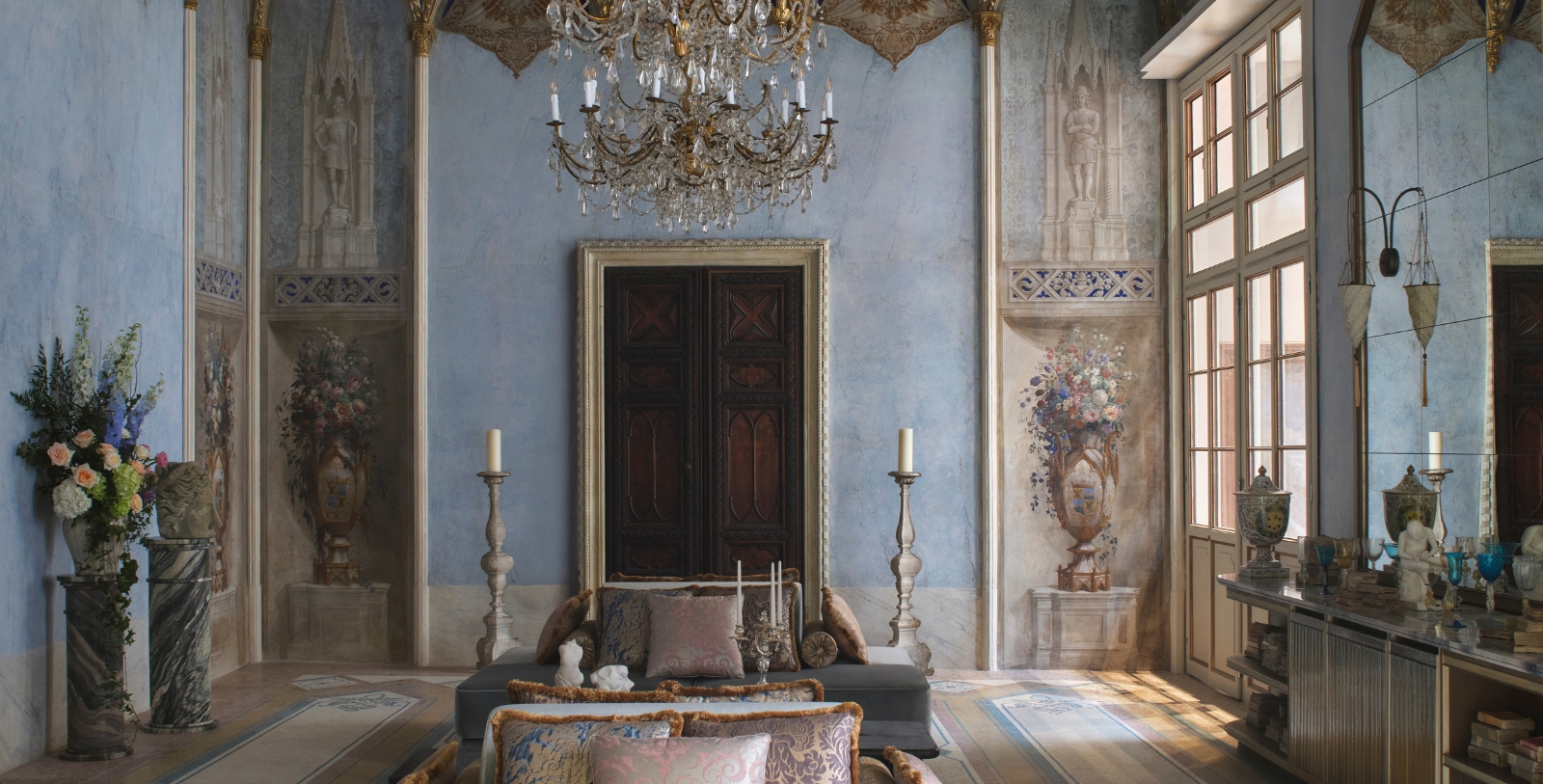
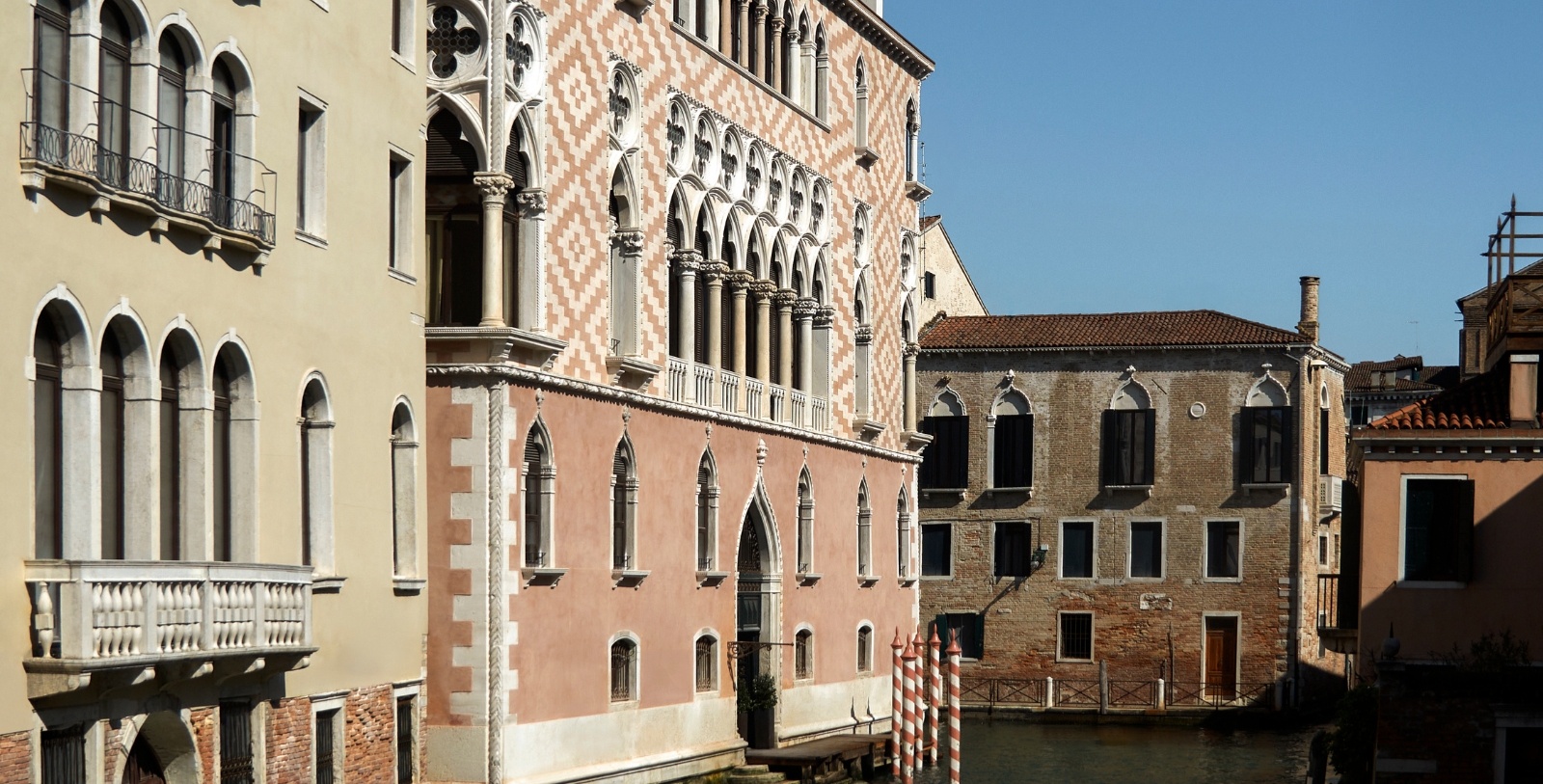
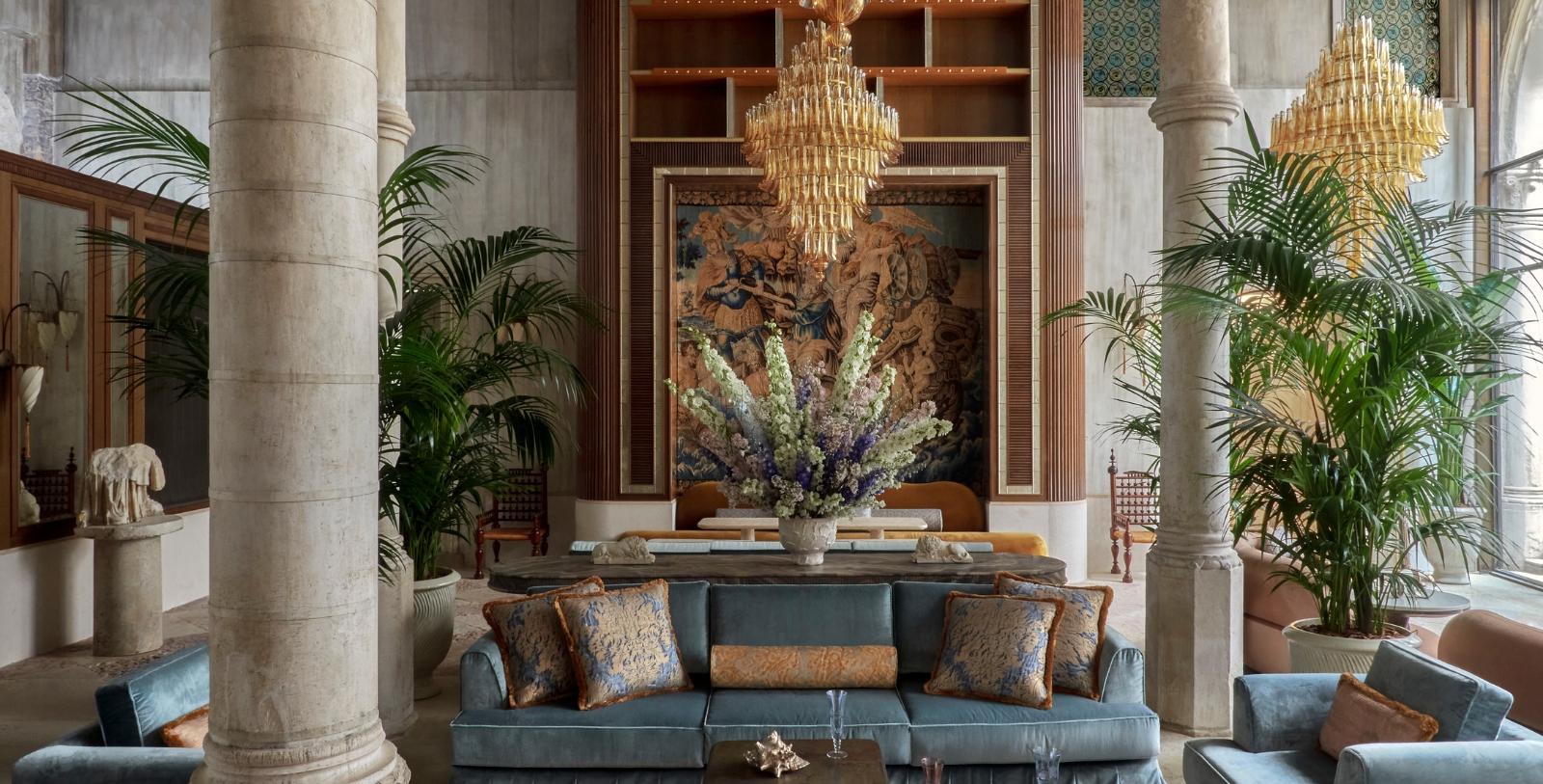
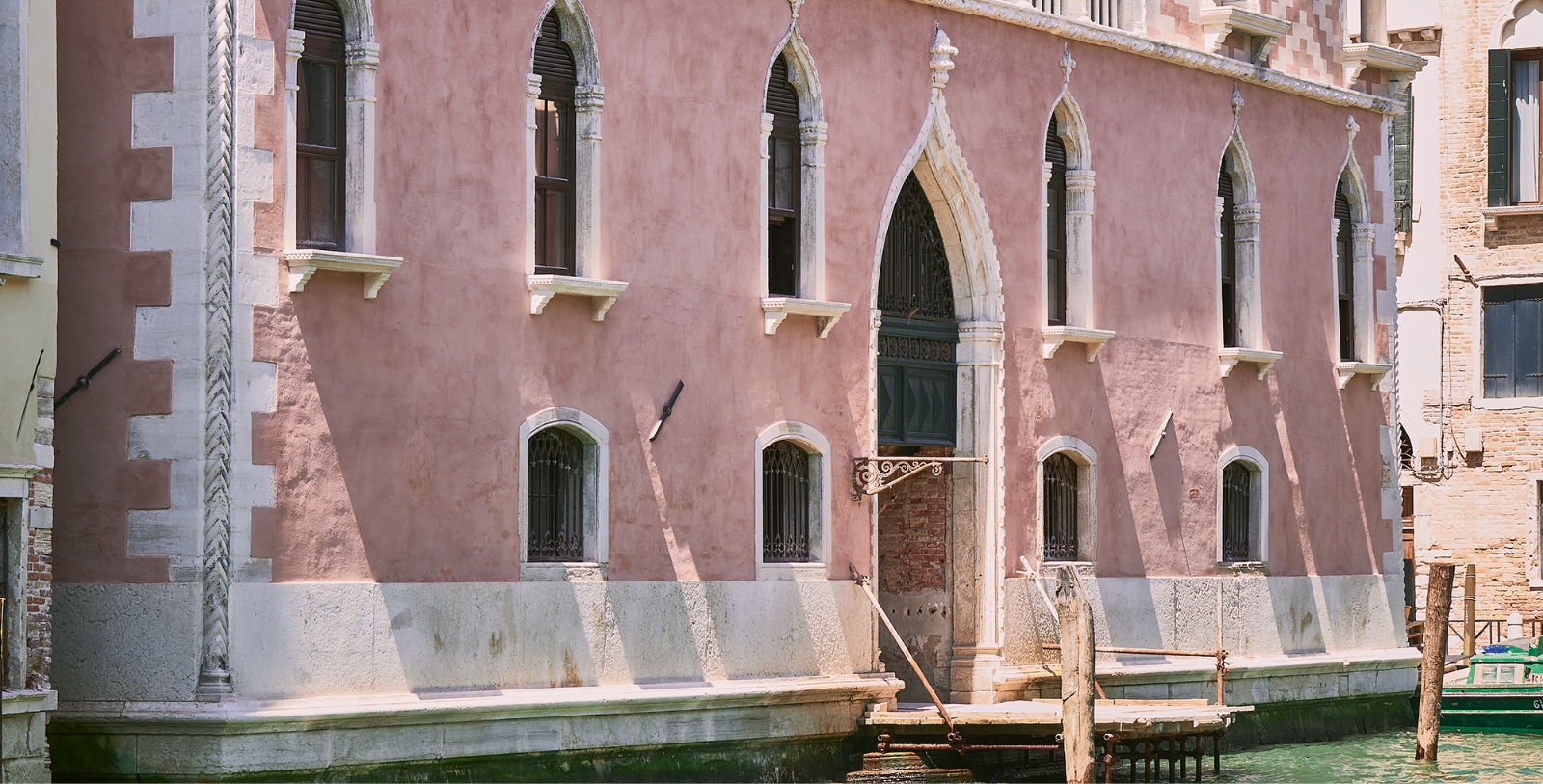
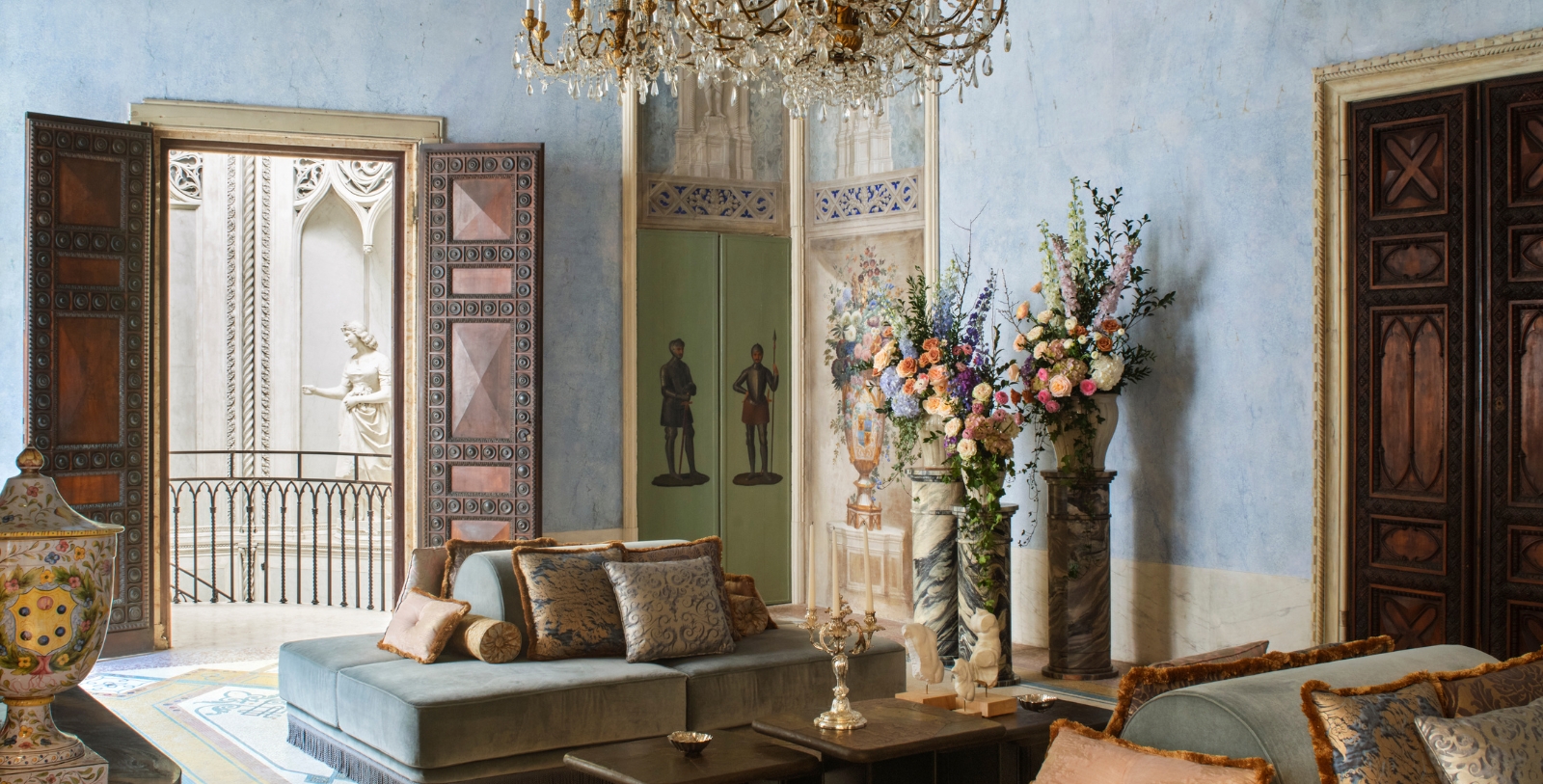
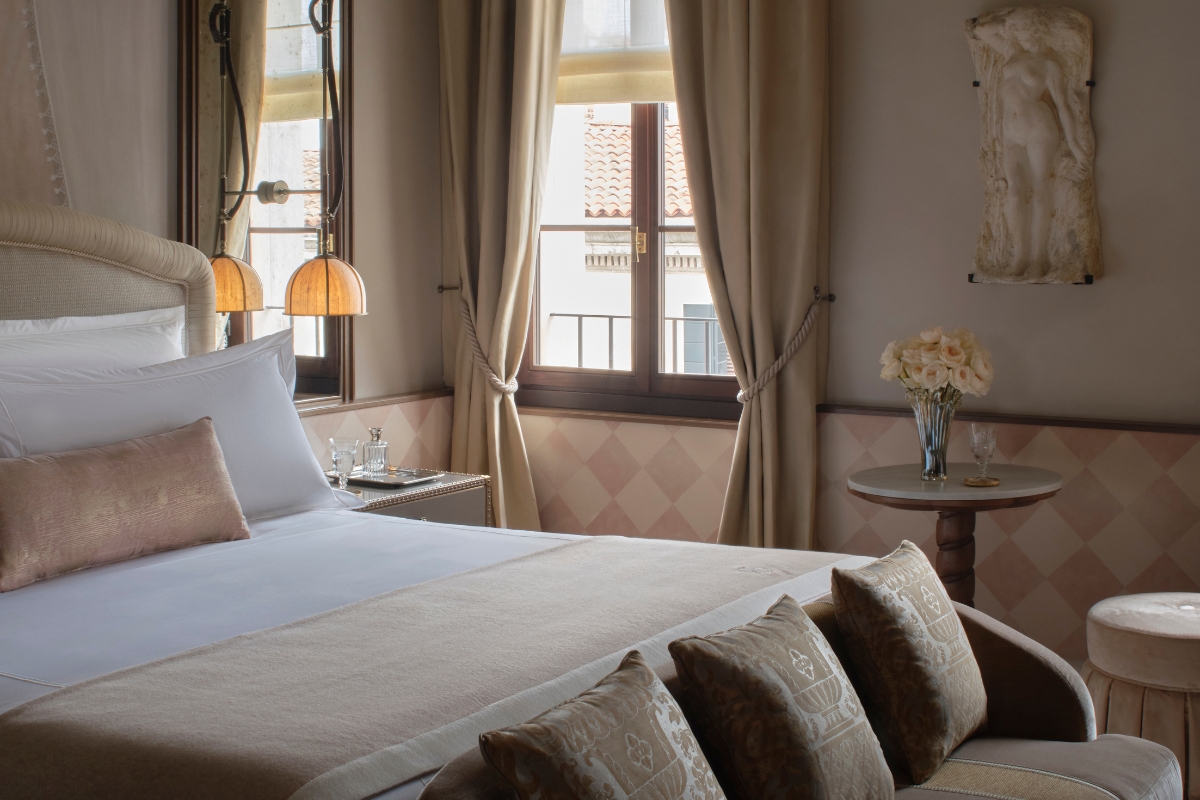
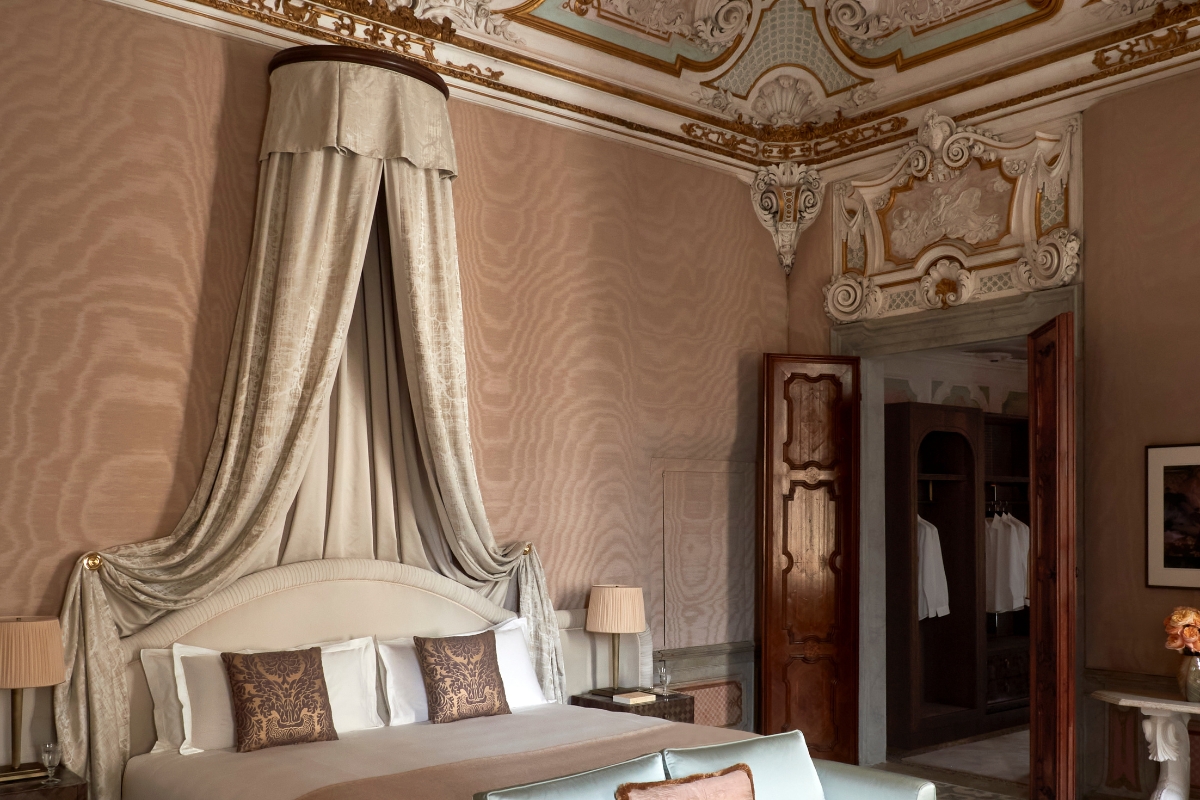
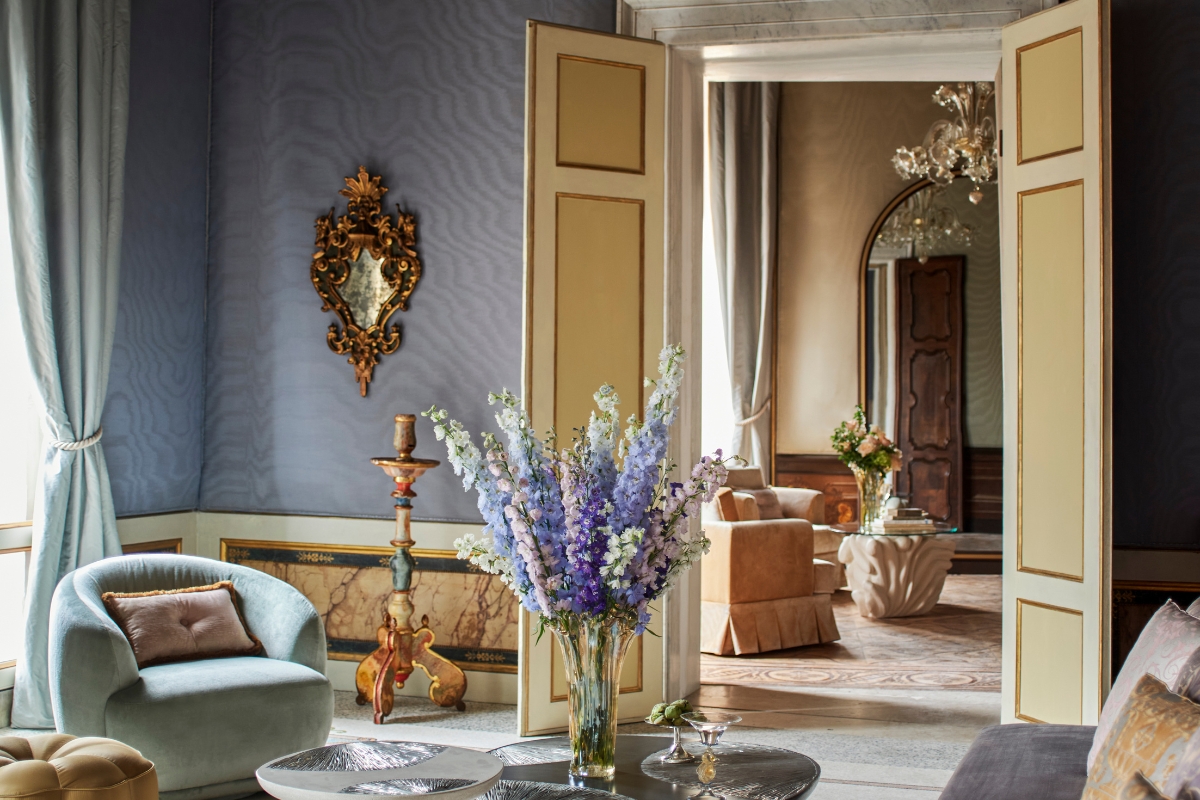
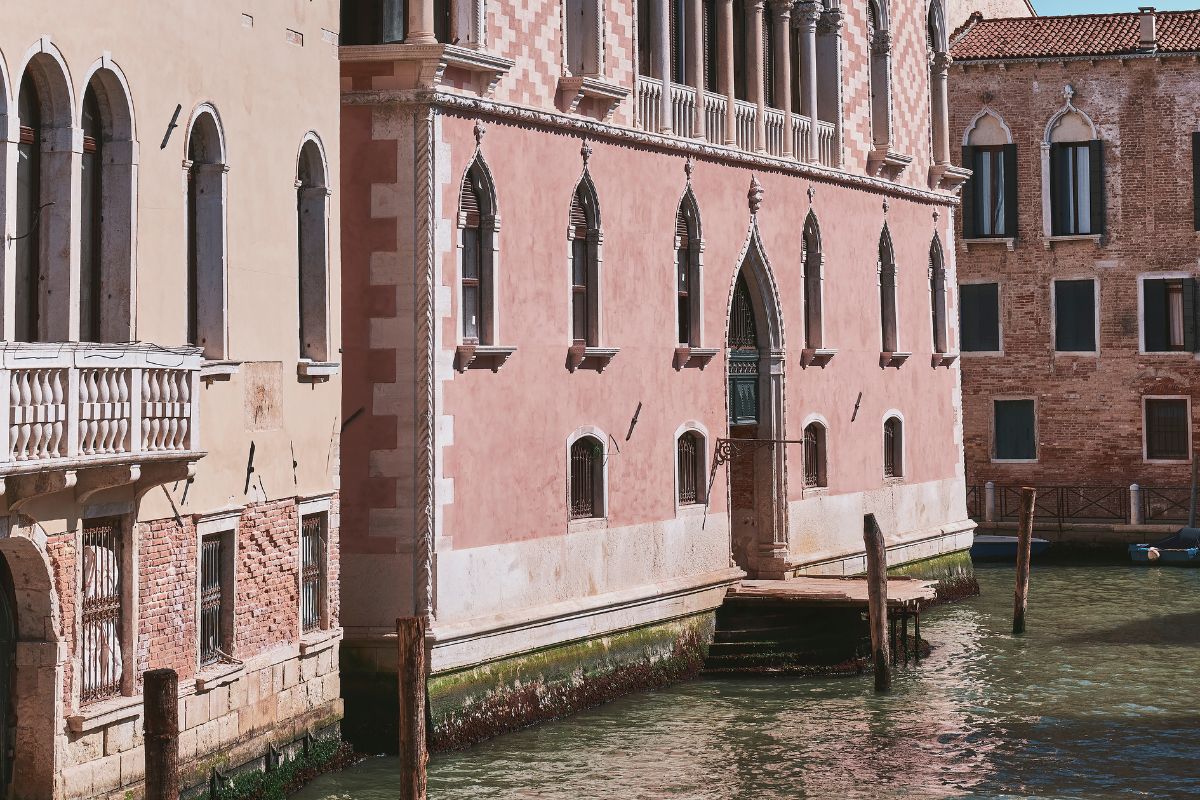
Travel down Venice’s storied canals to Orient Express Venezia, where a luxurious Venetian welcome awaits. Once the maritime gateway to Constantinople and a stop along the historic Orient Express’s legendary railway routes, Venice has long been a part of eager adventurers’ grand voyages. Completed in 1436, the magnificent palazzo that houses the revitalized Orient Express Venezia was originally built under Venice’s master architect Filippo Calendario. Calendario is best known as the visionary behind the Doge’s Palace, and Baroque and Byzantine styles flourished in this era. The noble residence hosted monumental displays of Italian art and architecture for generations before falling into disrepair by the late 20th century. Believing in the ability of architecture to tell stories, Orient Express embarked on an eight-year mission to revitalize the centuries of splendor hidden in the palazzo. With poetry and precision, even the smallest ornaments were lovingly and painstakingly revitalized. Guests to Orient Express Venezia will find walls painted in their original historic hues, hand-crafted Murano glass chandeliers, a marble hearth crowned with cherubs, and original frescoes recovered under layers of wall coverings. With 47 guestrooms, signature suites, boat access, fine-dining, and a hidden courtyard, Orient Express Venezia invites guests to embrace the theatrical grandeur of a modern grand tour.
Discover
- Discover the dramatic octagonal staircase by 19th-century architect Giovanni Battista Meduna. Meduna’s Neogothic staircase is topped with a glass vault and lined with soft marble figures set in alcoves, creating an ethereal entrance to the main floor. Meduna is best known for cultural landmarks like the Ca’ d’Oro and Venice’s La Fenice theatre.
- Marvel at the ornate craftsmanship decorating the Baroque-style Vittoria Ballroom. Palazzos (noble residences) were built with a grand reception level for entertaining called the piano nobile and often included a ballroom and smaller salons. The Vittoria Ballroom was originally designed for the wedding of Princess Vittoria Farnese and Guidobaldo II della Rovere, Duke of Urbino in 1548. On the ceiling are painted 10 visionaries who shaped the history of Venice. Among these humanists, writers, architects are Aldo Manuzio, founder of the Aldine press in 1495 and Zeno Carlo, a navy admiral who secured Venetian independence in the War of Chioggia in the 14th century.
- Discover the hand-painted frescoes throughout the building. Some, like the original crests of the noble families who once owned the palazzo, were restored to their original brilliance. Others, like the Etruscan-style motif in the Del Conte Suite, were designed by contemporary painters. Meticulous preservation work uncovered hues and original motifs on each wall, which were then restored or reimagined by designer Aline Asmar d’Amman to mix memory, mythology, and the past.
Explore
- Explore the neighboring Church of Santa Fosca. The Church of Santa Fosca is a Byzantine-style church built between the 11th and 12th centuries. The distinct church is known for its unique Greek cross layout and surrounding five-sided portico with marble columns. The church of Santa Fosca sits next to the Basilica of Santa Maria Assunta, which houses the tomb of the namesake saint.
- Explore the artisan shops in Venice. In the neighborhoods of Dorsoduro and San Polo, traditional artisans still work by hand. Venice Antique shops near Campo Santa Maria Formosa house timeless treasures, while glassmakers use the age-old Murano techniques in small studios to craft new creations.
- Explore into Venice’s maritime legacy at the Museo Storico Navale. Guests can learn about the navigational instruments used in the rise of the Venetian Republic as a maritime superpower. Nearby, the Arsenale reveals the scale and ingenuity of Venetian shipbuilding which long existed as the engine that powered trade, exploration, and naval dominance across the Mediterranean.
Experience
- Experience a luxurious Venetian welcome at Orient Express Venezia. Guests can travel by private boat through the storied canals of Venice and arrive at one of the main entrances to the historic palazzo.
- Embark on a journey across Italy with Orient Express – La Dolce Vita. Orient Express’s contemporary railway voyages are a revival of the legendary Orient Express train between Paris and Constantinople that defined world travel in the late 1800s. From Sicily’s ancient landscapes and the coastal glamour of Portofino to medieval towns of the Val d’Orcia and the rolling Tuscan vineyards, Orient Express – La Dolce Vita invites travelers to experience a new golden age of slow travel.
- See the process of glassmaking in Murano’s world-renowned workshops. Glassmaking on the island of Murano dates to the early 13th century and was inspired by archaeological finds of ancient Roman glassware. The glass gains its striking color from minerals like cobalt, gold, copper, zinc, and manganese. Workshops on Murano offer tours and demonstrations of glass blowing and glass molding.
- Experience Venice in the Cannaregio district. Artisan shops, bacari (wine bars), and bakeries fill the quiet backstreets. Historic landmarks like the Jewish Ghetto and Ca’ d’Oro are also nearby.
Taste
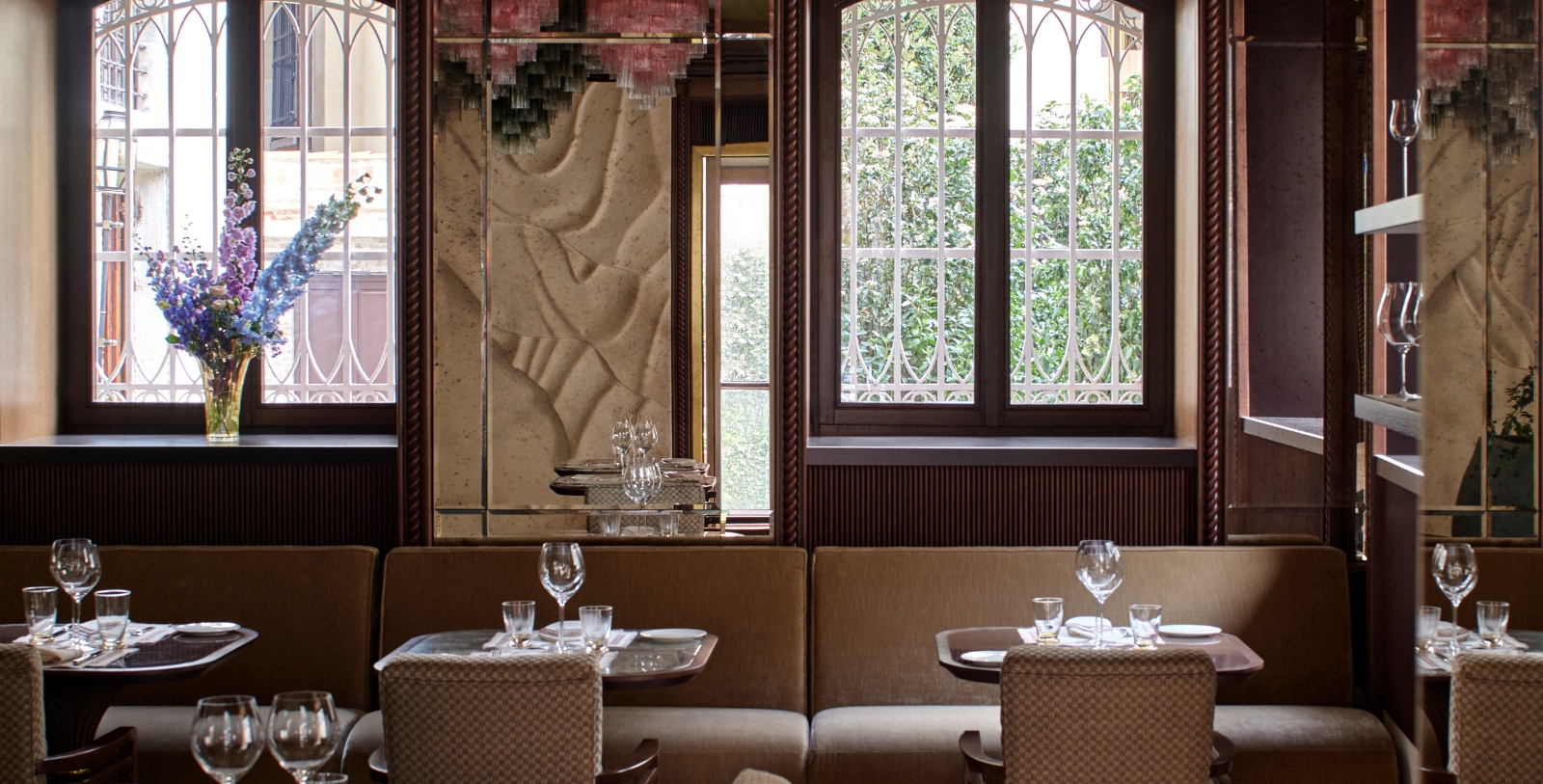
- Savor culinary creations at Heinz Beck Venezia. Three-Michelin-starred chef Heinz Beck provides the culinary vision set in the intimate and historic conservatory. With seating for 20 guests, the fine dinner service is an exclusive experience not to be missed.
- Taste Venetian favorites at local restaurants and markets. Fried calamari and shrimp are popular street food, while cicchetti, small tapas-style plates, are often served with a drink.
- Taste the culinary creations created from the local fish, crustaceans, and mollusks harvested from Venice’s shallow, brackish waters, affectionally called “Lagoon seafood.” Creamy risotto cooked with squid ink, sardines, and soft-shell crabs are popular on restaurant menus.
FEATURED ACCOMMODATIONS
Featured Offer
Book the Best Available Rate at this property on HistoricHotelsWorldwide.com and receive a complimentary one-year family membership (a $30 value) to the National Trust for Historic Preservation in the United States, a member of the International National Trusts Organisation.