
a building with a fence and a field

History

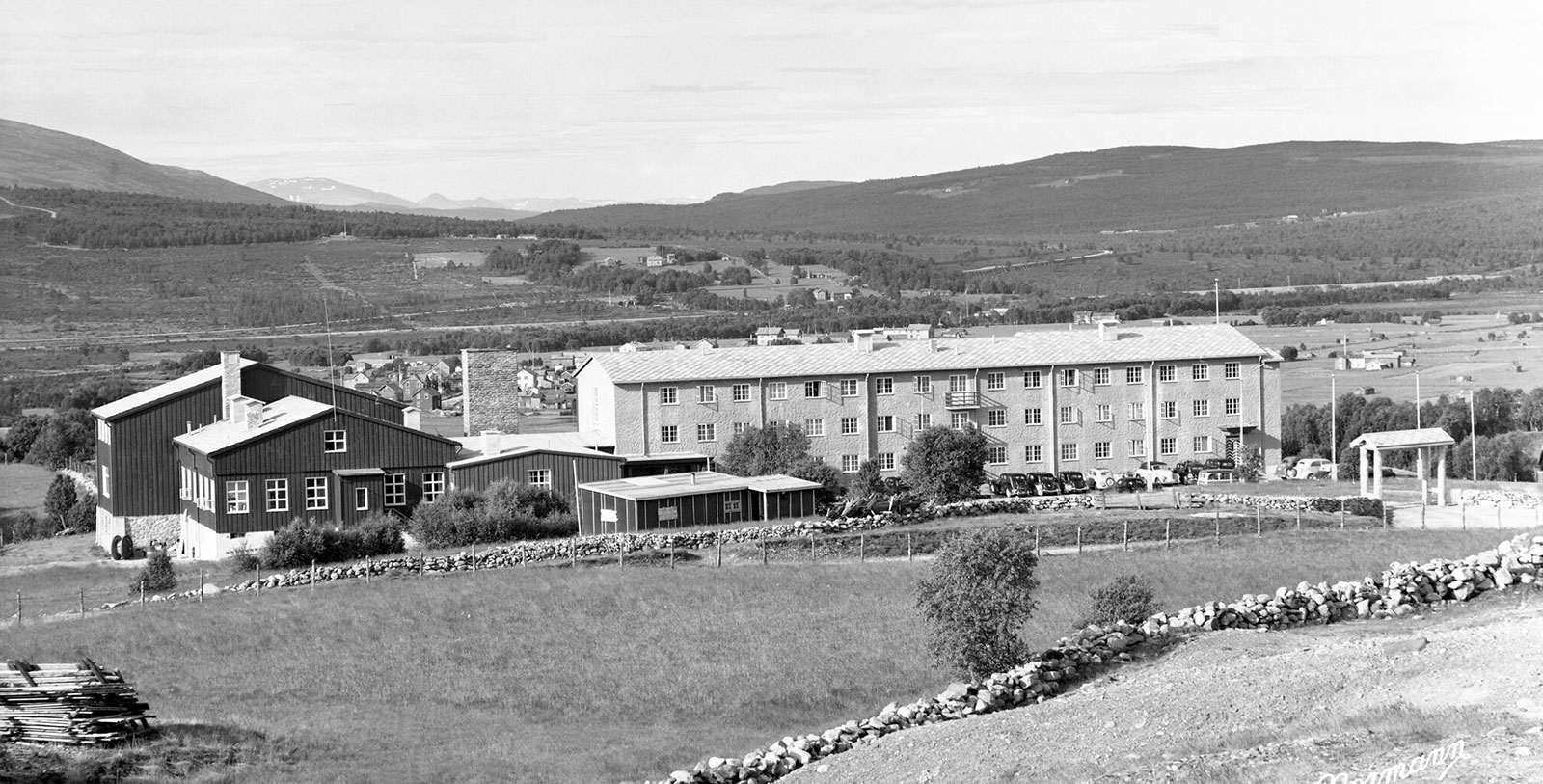
Discover the Roros Hotel, which was originally the idea of Alf Skancke to save the local economy during the 1930s.

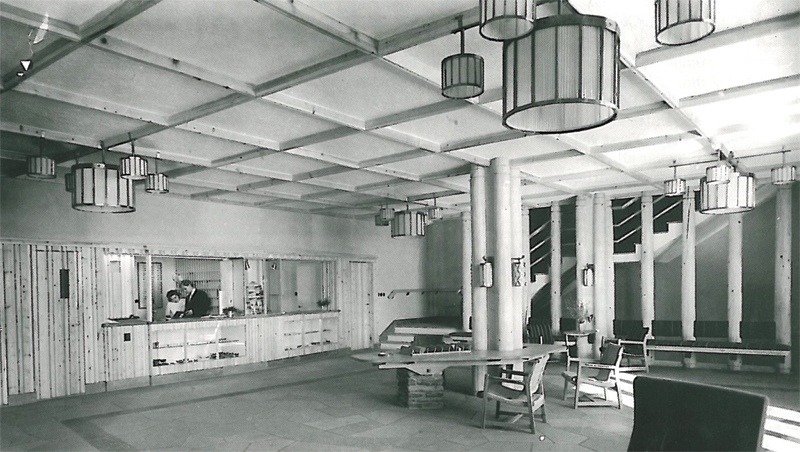
Initially conceptualized in 1935 by Alf Skancke, Røros Hotel was part of a grand strategy to provide a boost to the local economy due the decline of region’s copper industry. It would take many years for the Røros Hotel to open though, debuting in 1951 with 150 beds. The Røros Hotel became an overnight sensation and the neighboring businesses thrived with the heightened levels of tourism. After being hired in 1969, hotel director Knut R. Strøm and his wife Kristin decided to expand and purchase surrounding businesses, including restaurants cafe Kaffestuggu and restaurant Vertshuset Røros. This made for a uniquely all-inclusive experience for guests staying in Røros. Still impassioned by its original mission, Røros collaborates with regional partners who identify with similar core values: integrity, quality, and creativity. Today, Røros Hotel has expanded to several chains and maintains a high standard in providing warm hospitality and luxury accommodations.
a man standing behind a counter in a room

Hotel Timeline

Philanthropist Mary Emery established the Village of Mariemont as a nationally recognized model community designed to provide an attractive, well-planned environment for residents. The future Mariemont Inn was envisioned as a key component of the village center.

Architects Harry Hake Zettel and Edwin Rapp commenced construction of the Mariemont Inn. Designed in the Tudor Revival style, the building was among the largest structures developed by the Mariemont Company. The original plans called for a much larger V-shaped complex than was ultimately completed.

The Mariemont Inn opened as a 58-room Tudor-style hotel and community gathering place. The inn was intended to serve travelers, residents, and business visitors while reinforcing the village's pedestrian-oriented design. The Mariemont Company relocated its offices to the inn complex. In addition to hotel accommodations, the building housed retail and office space, making it a centerpiece of village life.

The Mariemont Company relocated its offices to the inn complex. In addition to hotel accommodations, the building housed retail and office space, making it a centerpiece of village life.

Philadelphia businessman Lawrence Jones began leasing the property from the Mariemont Company, marking the first significant transition in management.

Lawrence Jones purchased the Mariemont Inn from the Mariemont Company for $125,000, ending more than two decades of original ownership.

The inn was sold to new owners, initiating another chapter in its operational history while preserving its role as Mariemont's signature lodging establishment.

The property joined the Best Western system while maintaining its historic Tudor architecture and independent character.

Best Western Premier Mariemont Inn was inducted into Historic Hotels of America, the official program of the National Trust for Historic Preservation.

The Village of Mariemont received designation as a National Historic Landmark, further elevating the historical importance of the inn and its surrounding community.

The inn underwent an extensive two-year renovation and modernization program. Historic Tudor features, original fireplaces, artwork, and architectural elements were preserved while guest rooms and public spaces were upgraded.

1923
1925
1926
1929
1943
1945
1962
1980s
2003
2007
2008