The Editory Riverside Santa Apolónia Lisboa
Lisbon, Portugal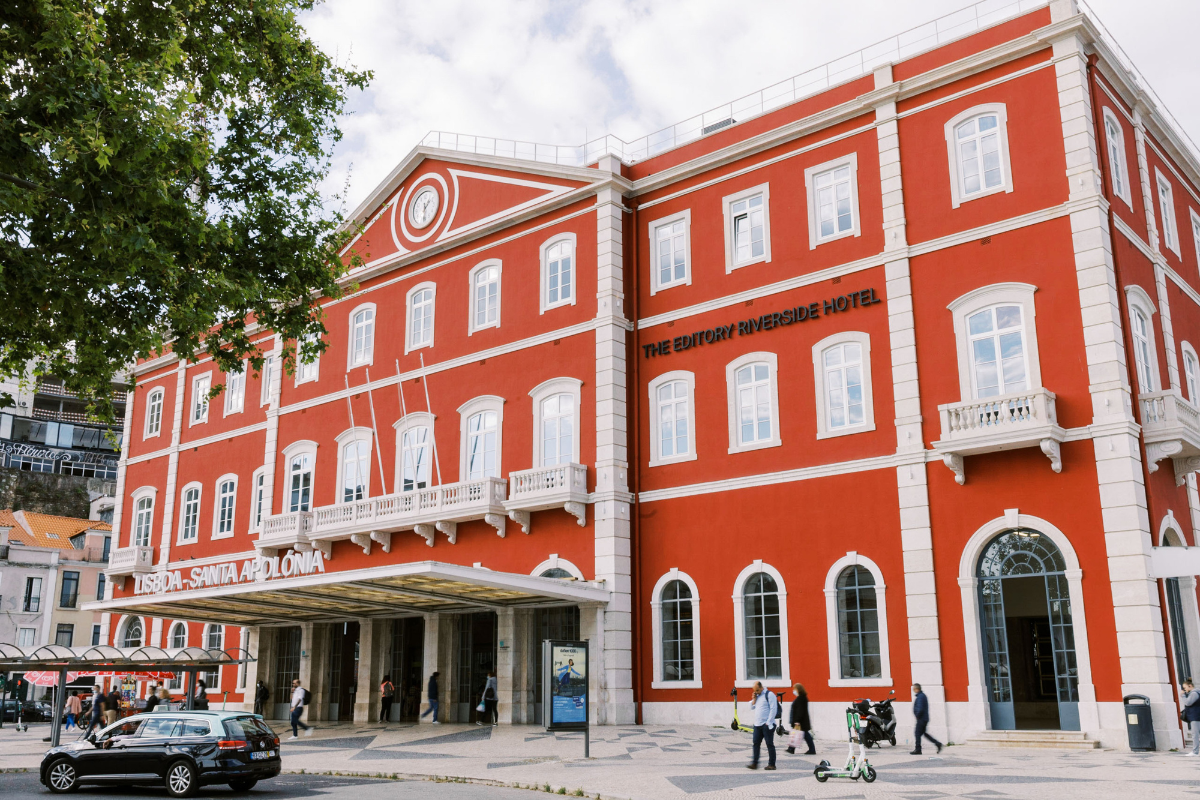
 Av. Infante Dom Henrique 1 1 Piso, 1100-105 Lisbon, Portugal, Lisbon, Portugal, |
Original Property Opened in 1865
Historic Hotels Worldwide member since 2023
Av. Infante Dom Henrique 1 1 Piso, 1100-105 Lisbon, Portugal, Lisbon, Portugal, |
Original Property Opened in 1865
Historic Hotels Worldwide member since 2023

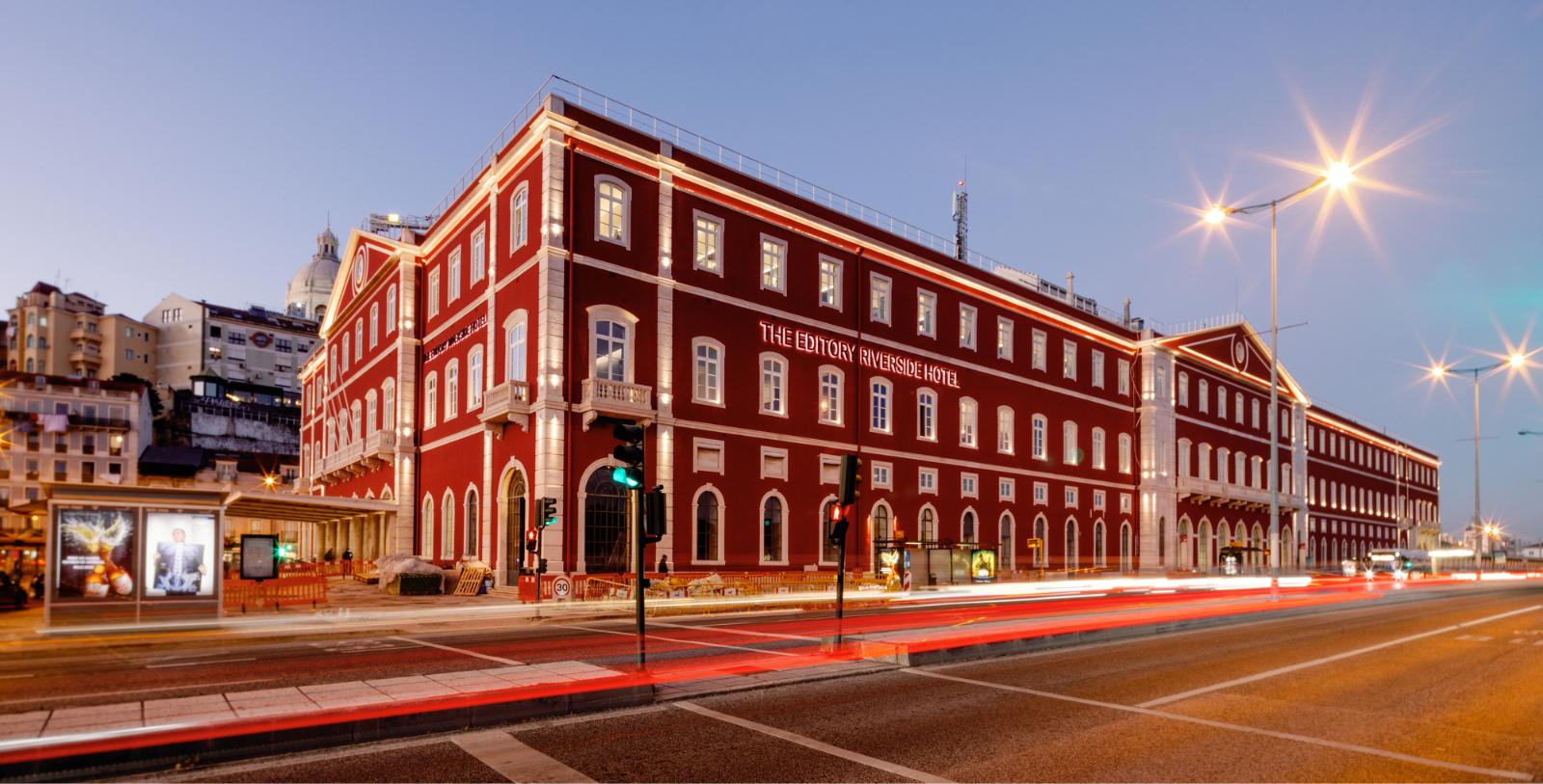
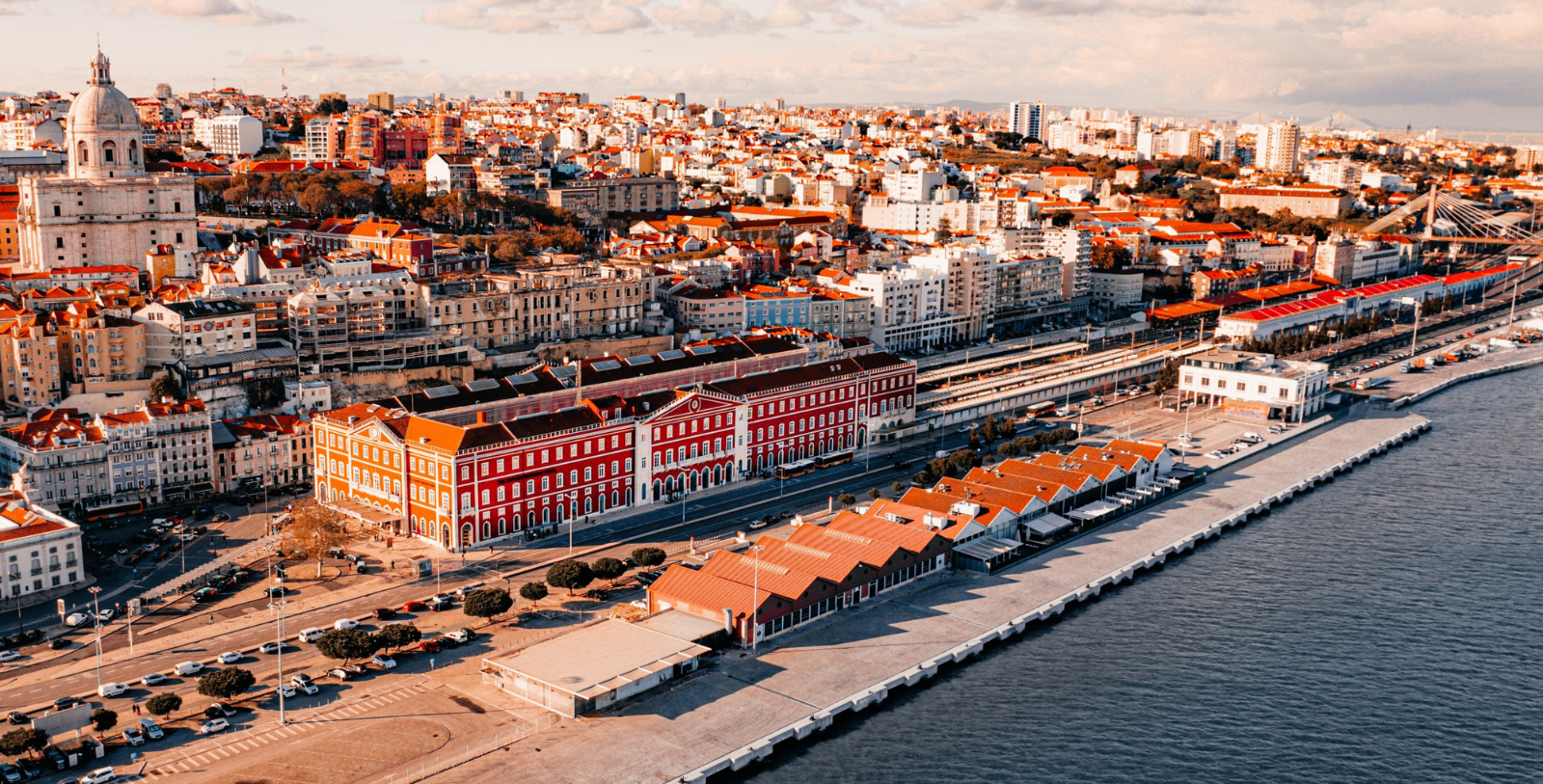
Conveniently housed inside of Santa Apolónia Station on the bank of the Tagus River, The Editory Riverside Santa Apolónia Lisboa is just an easy train, metro, taxi, bus, or boat ride away from the best that Lisbon and Portugal have to offer. The oldest railway terminus in Portugal, this distinguished Neoclassical-style building has been a waypoint for world travelers since 1865, an important post it maintains to this day. Whether exploring the city or pausing before heading off on another Portuguese adventure, The Editory Riverside Santa Apolónia Lisboa is an ideal urban retreat for globetrotters of all sorts, and truly one of the best hotels in Lisbon, Portugal.
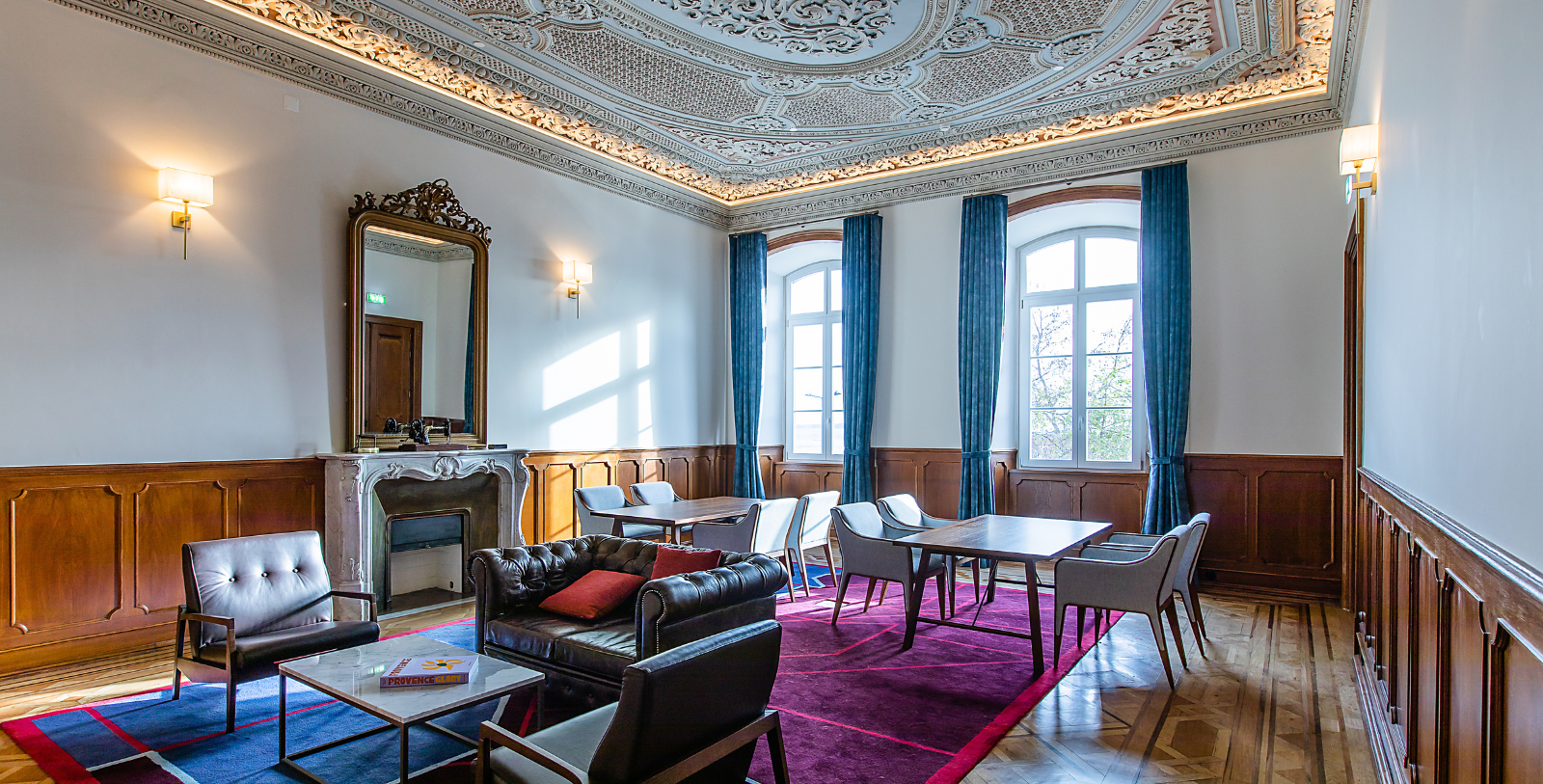
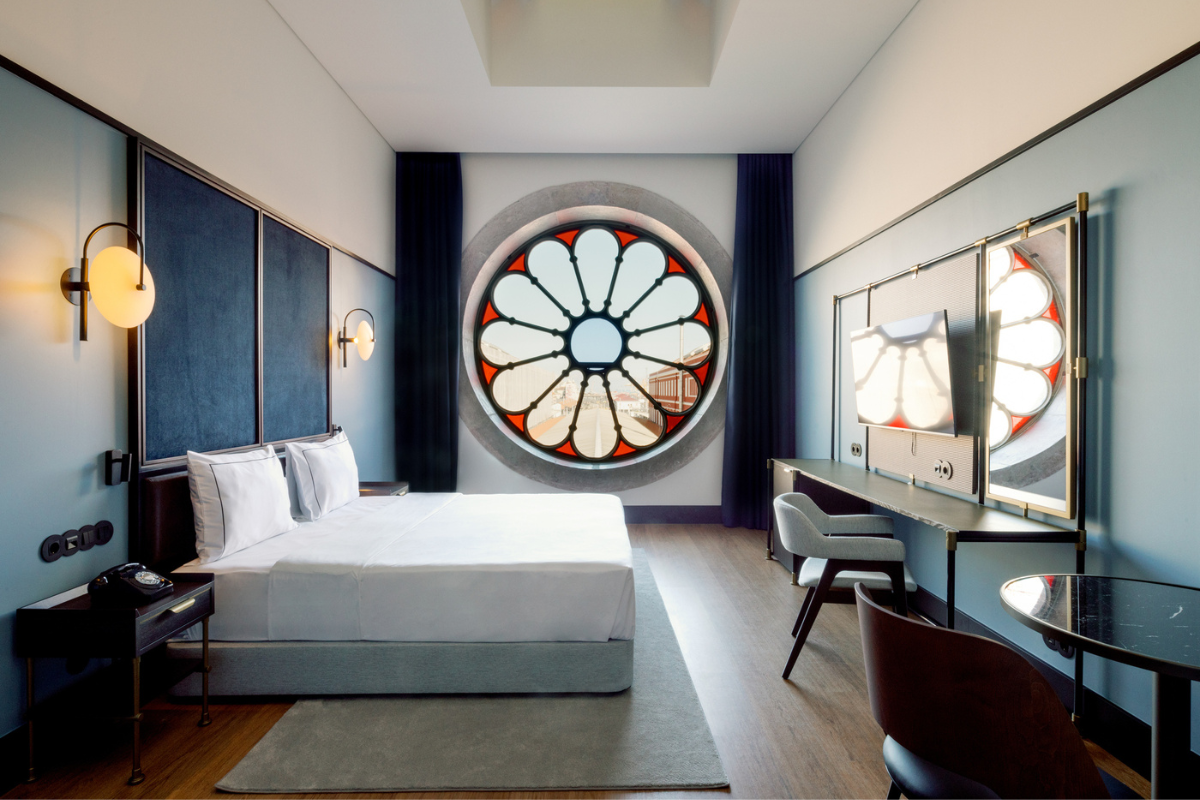
The Editory Riverside Santa Apolónia Lisboa offers 126 guestrooms, including a selection of suites, each thoughtfully appointed with contemporary silhouettes in elegant finishes cleverly juxtaposed with subtle design nods that hint at the hotel’s railway heritage. When guests are not busy uncovering Lisbon’s many gems or riding the rails to their next destination, they can also enjoy a meal at Impulso, the hotel’s onsite restaurant, with a setting that pays homage to a train’s dining car and a menu inspired by the regional railway lines that converge at Santa Apolónia Station.
Discover
- Discover The Editory Riverside Hotel’s storied railway heritage, a longstanding legacy that continues to this day. Residing inside the southern wing of Lisbon’s Santa Apolónia Station, the city’s first-ever train station and the oldest railway terminus in Portugal, the hotel sees millions of travelers pass through the bustling hub each year as they jet off across Lisbon and the rest of the Iberian Peninsula.
- Admire the handsome Neoclassical façade of The Editory Riverside Hotel and the rest of Santa Apolónia Station. Opened in 1865, this Classical Revival-style building nods to the stately Greco-Roman architectural aesthetic with its grand portico, prominent pediment, and visible round-arch supports.
- Follow in the footsteps of the nuns who once called this corner of Lisbon home, before the groundbreaking for Santa Apolónia Station in 1862. The ground where The Editory Riverside Hotel and train station sit today was previously the site of the Convent of Santa Apolónia. Named for Saint Apollonia, a martyr who refused to denounce her faith and the patron saint of dentistry, due to her torturers extracting her teeth. The nuns remained at the convent until 1933.
Explore
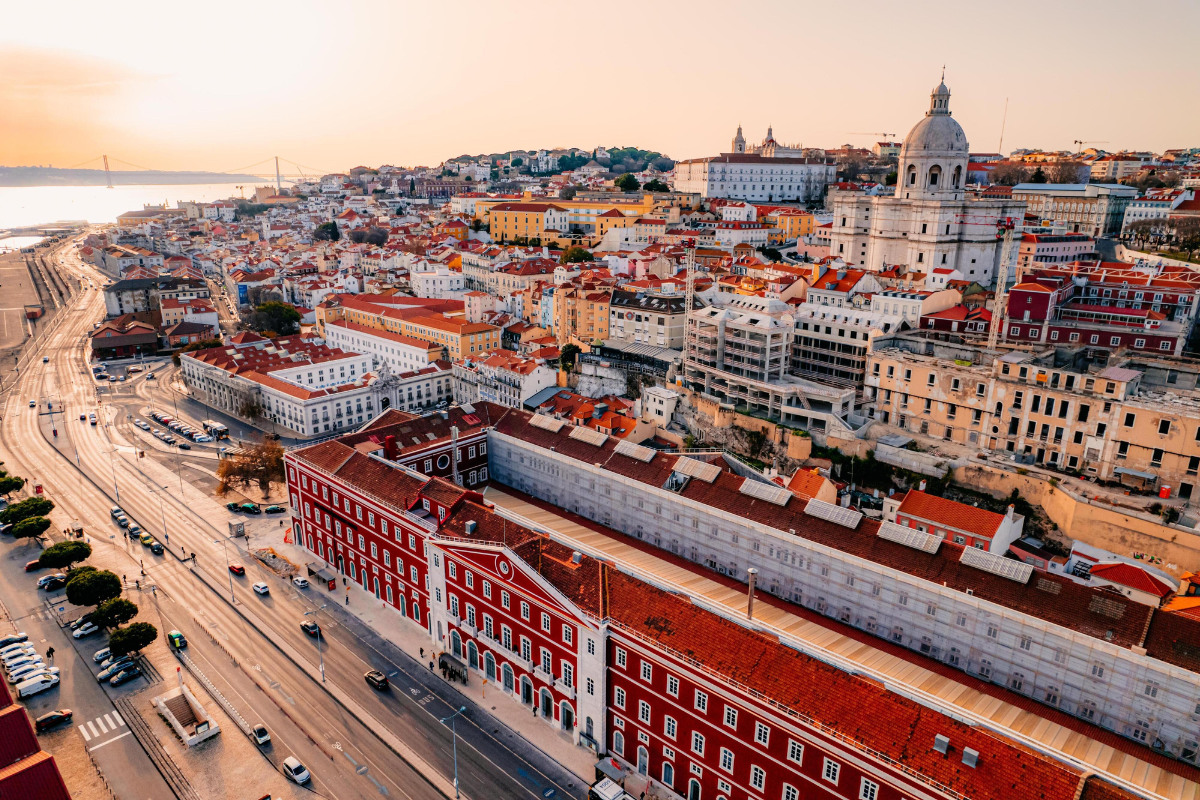
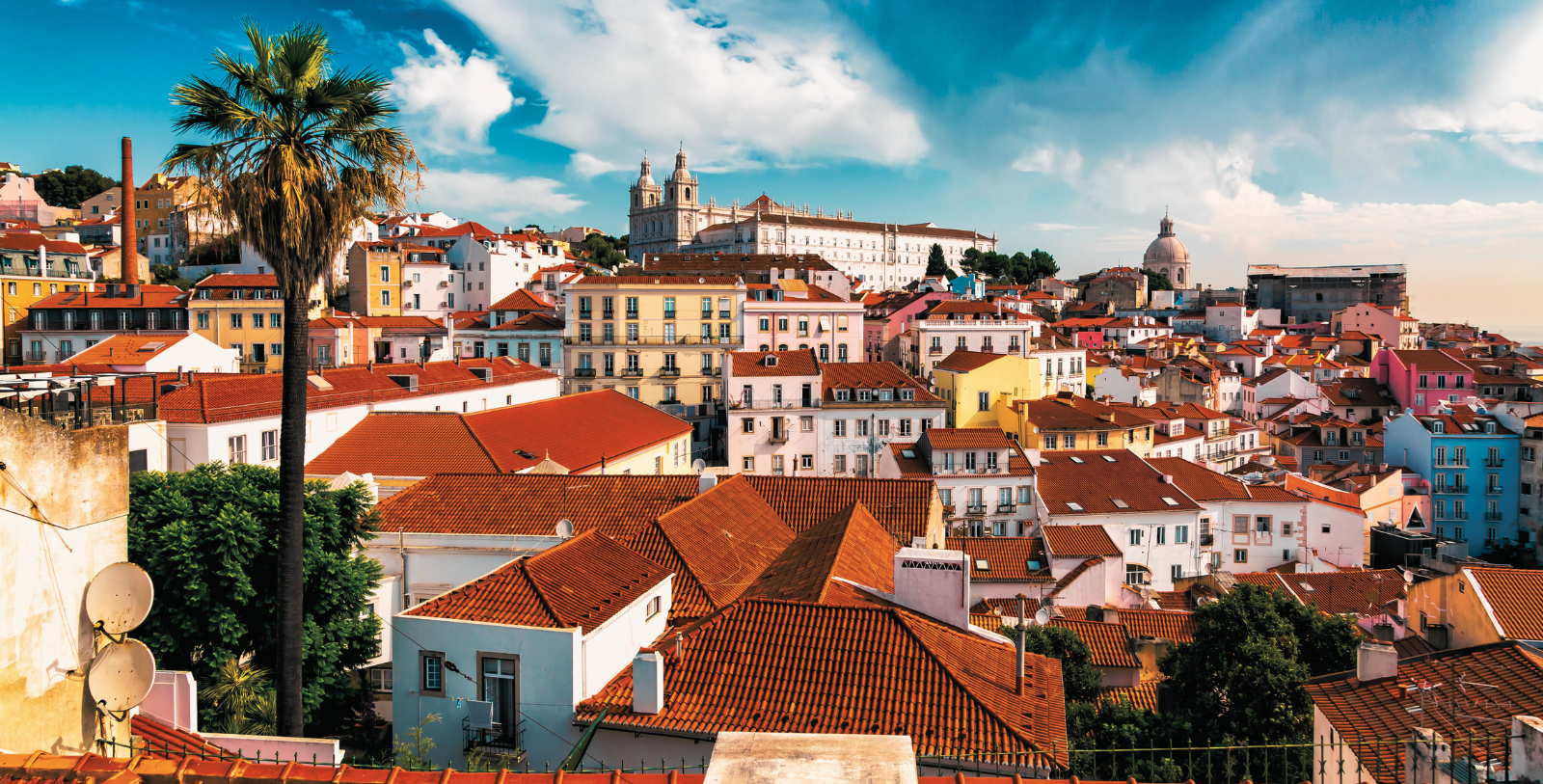
- Explore the atmospheric neighborhood of Alfama, Lisbon’s oldest and most vibrant district. Home to The Editory Riverside Hotel as well as some of the city’s most iconic and storied buildings, like the Panteão Nacional (National Pantheon) and São Vicente de Fora Church, this timeworn village within a city is the historic soul of Lisbon. A labyrinthine maze of cobblestone alleyways, side streets, and staircases peppered with red-roofed buildings in shades of crisp white, baby blue, soft pink, and sunny yellow, Alfama is decidedly photogenic and a wanderer’s dream. After strolling beneath wrought-iron balconies bedecked with drying laundry and potted flowers, meander uphill to its crowning glory: the Castelo de São Jorge (Saint George’s Castle). As Alfama’s highest point, this ancient fortress offers a stunning view of the city and the Tagus River beyond. For guests who would rather not explore on their own or those who are simply looking to get a lay of the land before setting out separately, a guided walking tour led by the hotel’s Front Office team is available every Wednesday, starting at 10:00 AM and lasting for approximately two-and-a-half hours.
- Trace the history Portugal’s famed azulejo tiles at the Museu Nacional do Azulejo (National Tile Museum). Located a short five-minute drive or leisurely 18-minute stroll from The Editory River – Santa Apolónia, this stunning museum is a monument to the country’s exquisitely hand-painted ceramic masterpieces. Although these cobalt- and alabaster-hued works of art adorn walls throughout the country, the collection on display at this treasure trove is a testament to the far-reaching spectrum of scenes depicted in azulejos. Even the museum building itself, known as the Madre de Deus Convent, is every bit as breathtaking as the artwork within, with its opulently gilded chambers punctuated by impressive paintings and pops of white and blue.
- Take in the twin treasures of the Panteão Nacional (National Pantheon), also known as the Church of Santa Engrácia, and the nearby Mosteiro de São Vicente de Fora. Perched atop a hill just across the street from one another, these beautiful churches are emblematic landmarks of historic Lisbon’s cityscape. Built in 1582, the centuries-old São Vicente de Fora Monastery is the royal resting place of several Portuguese monarchs, including every king who reigned between 1640 to 1910, and home to the most expansive collection of baroque tiles in the world. Although construction only finished in 1966, the National Pantheon was centuries in the making, built to replace a church that was desecrated during a 1630 robbery. As the story goes, the Jewish man convicted of the crime was innocent, and, in his last dying act, he cursed the building of the replacement, which began back in 1682. If their fascinating histories were not reason enough to visit, both buildings also boast sweeping vistas of the city: From the dome of the National Pantheon and the rooftop of the São Vicente de Fora Monastery.
- Embark on an exclusive journey into the annals of history at the Galerias Romanas, or Roman Galleries. Thought to be left over from the days of Caesar Augustus’ reign as the first Roman emperor, this ancient city beneath the streets of Lisbon is a passageway to the past. Originally lost to history, the subterranean village of stone chambers and bridges was serendipitously unearthed by workers cleaning up debris in 1771, following a devastating earthquake in 1755. Inaccessible during most of the year due to flooding, these Roman ruins are open to the public for a few days each year during April and September.
Experience
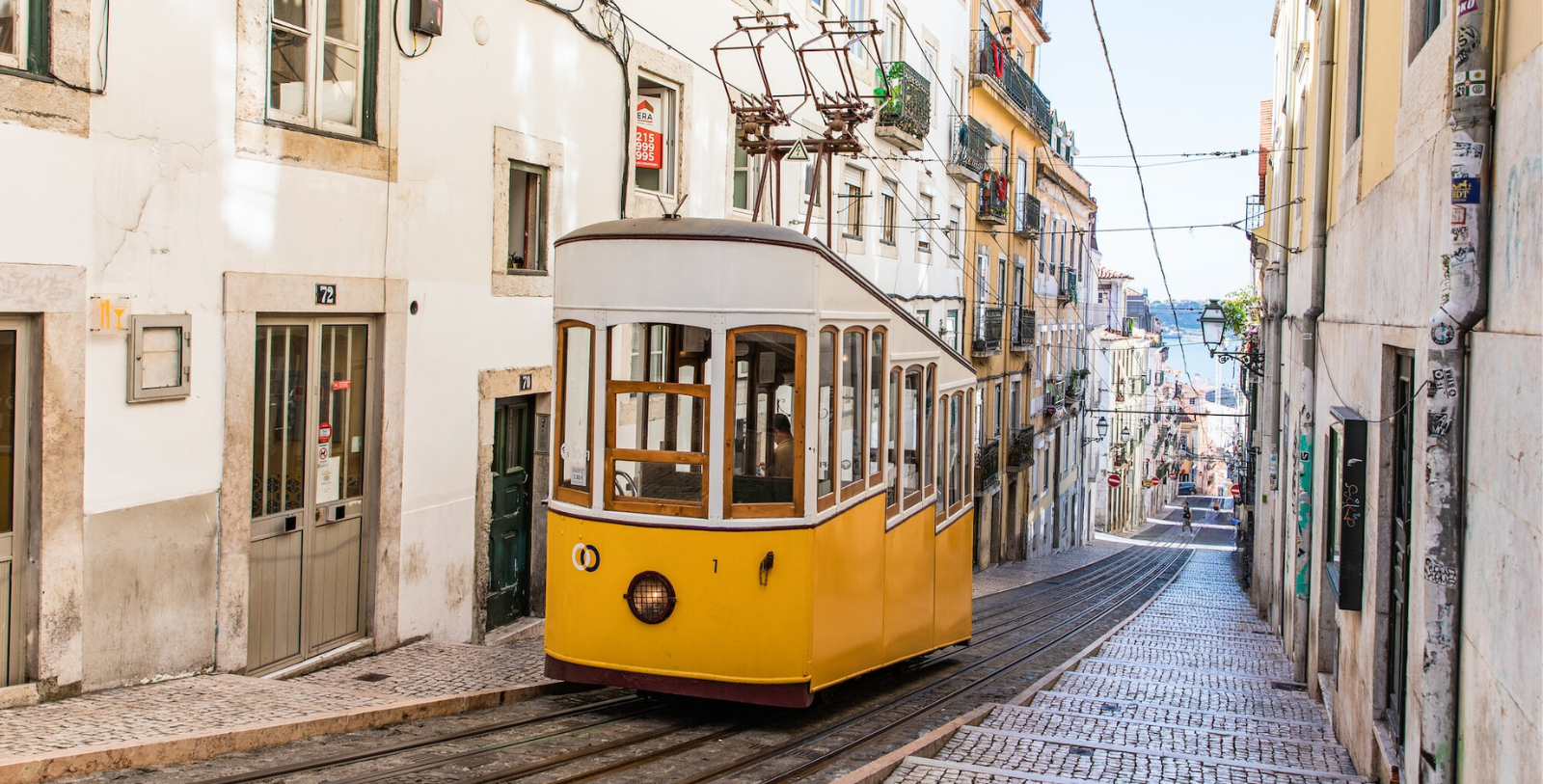
- Experience the best of the city from the daffodil-yellow Tram 28. Introduced to the city in 1901, this American import, earning the trams the nickname “americanos,” has gone on to become a true Lisbon icon. Although the electric tram line crisscrosses much of the city, the most popular route is that taken by Tram 28, which winds its way through the sharp curves, steep hills, and narrow streets of some of Lisbon’s must-visit neighborhoods, including Alfama, Graça, Estrela, and Baixa. The trams are just as photogenic as the districts they traverse, with many retaining their 1930s-era features, and can travel down roadways that are too cramped for cars and buses. Tickets can be purchased directly from the tram driver.
- Get swept away by the “saudade,” or “melancholic longing,” of Portuguese fado music. Thought to be named after the Latin word “fatum,” which translates to “fate” or “death,” fado music got its start in Lisbon’s Alfama neighborhood and was traditionally sung by fishermen and sailors’ wives as they waited for their loved ones to return home. With their haunting melodies and mournful lyrics about loss or the challenges of the poor set to classical Portuguese guitar, this bohemian musical style gives listeners a glimpse into Lisbon’s working-class past. Learn about the genre at Alfama’s Museu do Fado then take in a performance at one of the district’s casas de fado, or “fado house,” like Parreirinha de Alfama, the oldest fado house in Alfama, which has been in operation since 1939. While dining, guests can also enjoy a selection of authentic dishes for a quintessentially Portuguese experience.
- Climb aboard a train at Santa Apolónia Station, just like millions of travelers do each year. Use the Lisbon Metro as a quick and easy way to get around the city or use one of the trains to take a day trip away from the hustle and bustle. With its castles and lushly forested hillsides, the storybook-like town of Sintra is less than an hour away by train. Meanwhile, the coastal town of Cascais, a former fishing village-turned-royal summer residence, is in the Portuguese Riviera, only 20 miles (35km) away the city of Lisbon.
- Hunt down a bargain at the Feira da Ladra, or “Thieves’ Market.” (When it first opened, many vendors were known to peddle stolen goods.) In operation since the 13th century, when the first fair took place in 1272, the Feira da Ladra is a Lisbon institution and the oldest-known market to have continuously graced the city’s streets. Though the location of this flea market has shifted through the centuries, it has been in residence at its current home of Campo de Santa Clara since 1882. Traders set up twice a week on Tuesdays and Saturdays from 9:00 AM to 6:00 PM. As they say, “one man’s trash is another man’s treasure,” making this an excellent place to rummage around in search of azulejo tiles, antiques, art, and other souvenirs.
Taste
- Taste the flavors of Portugal’s varied culinary traditions at Impulso, The Editory Riverside Hotel’s onsite dining venue. This elegant eatery takes its inspiration from the regional rail lines that come together at Santa Apolónia Station, serving as a gastronomic Grand Central Station of sorts. Here, diners can take their taste buds on an epicurean tour of the country without needing to ride the rails as they indulge in dishes made with ingredients brought in by train from their home regions.
- Tuck into the bounty of coastal Portugal while dining on traditional seafood dishes. Once a working-class fishing community, Alfama cooks up no shortage of options when it comes to fresh fish. “Bacalhau,” the Portuguese word for “cod,” is also Lisbon’s unofficial dish. Made with dried and salted cod, the fish becomes delicate flaky and tender when rehydrated, with a mildly fishy, slightly sweet, and a surprisingly light salty flavor. Grilled sardines, or “sardinhas assadas,” are another neighborhood specialty, and the smell often wafts through Alfama’s mazelike streets.
- Stop for a “pastel de nata,” a Portuguese custard tart, at one of the city’s “pastelarias,” or “pastry shop.” Created by monks at Lisbon’s Jerónimos Monastery in the 18th century, this addictively delicious egg-filled pastry is a must-try when exploring the city. Not only are they tasty, but they also boast a fascinating history. During the 1700s, egg whites were commonly used to starch nuns’ habits. As a result, monks were left with more yolks than they knew what to do with. To deal with the surplus, they started using the leftovers to make these pint-sized tarts. Then, in 1820, monasteries across the country were forced to close due to the liberal revolution. Luckily, that was not the end for these decadent treats. Rather, one of the put-out monks began selling the sweets at a sugar refinery next door in 1837. Folks passing through the city can still taste the closely guarded original recipe to this day at Fábrica de Pastéis de Belém, which is operated by the first tart merchant’s descendants.
- Enjoy a shot of “ginjinha,” a sweet yet surprisingly strong cherry liqueur (the resulting cordial usually has an ABV of between 18% to 23%). While travelers cannot go to Porto without trying a tipple of port, Lisbon’s signature drink is definitely ginjinha, or simply “ginja,” meaning “sour cherry,” for short. Crafted out of an infusion of sour Morello cherries and alcohol mixed with sugar and warming spices like cinnamon sticks and clove, this potent, ruby-red concoction is typically served in a shot glass, with (“com elas”) or without (“sem elas”) a couple of the infused sour cherries at the bottom, depending on personal preference. In the town of Óbidos, just a little bit north of Lisbon, an edible chocolate cup is also used. Although the exact origin of Portugal’s national spirit is a little murky, legend has it that it was discovered by Francisco Espinheira, a Galician friar at the Church of Santo António, possibly as early as the 15th to 17th centuries, and later commercialized for the first time at the nearby Praça de São Domingos (St. Dominic’s Square). Today, locals and visitors can still buy a shot from the standing-room only Ginjinha Espinheira, which has been in operation since 1840, as well as several other ginjinha shops around the city.

FEATURED ACCOMMODATIONS
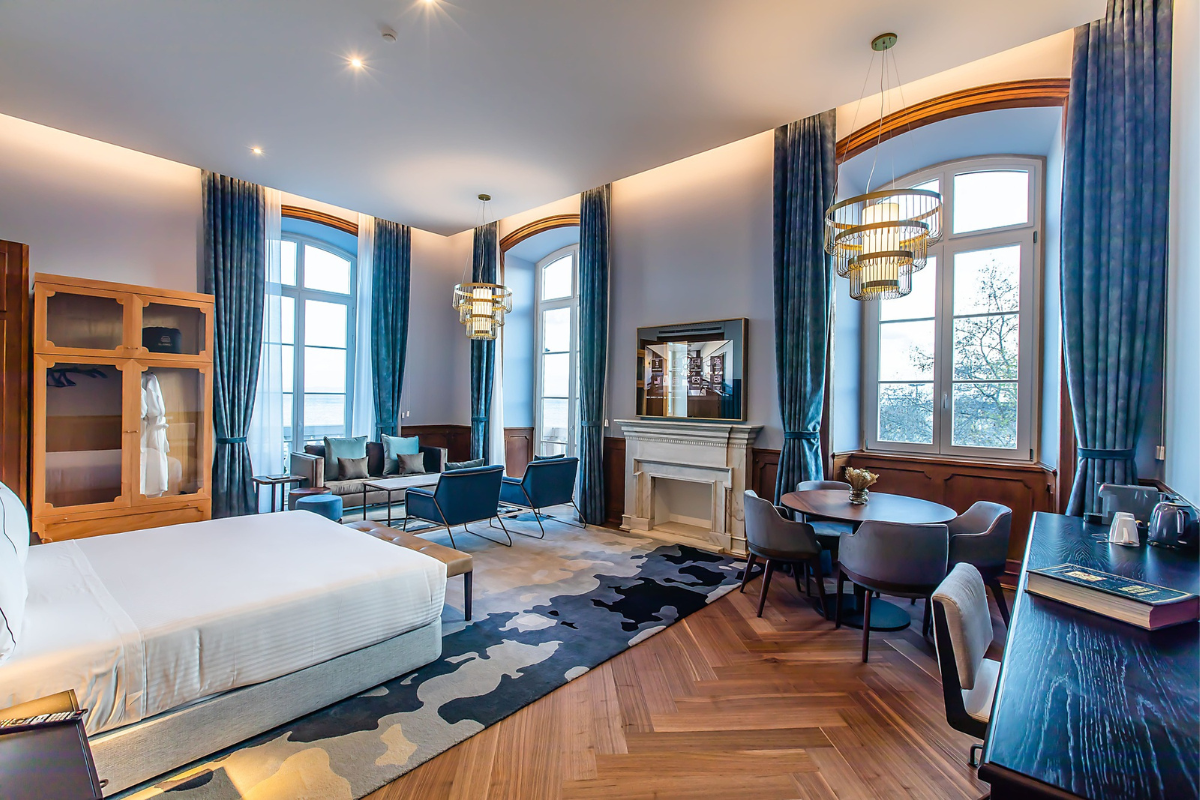
Featured Offers
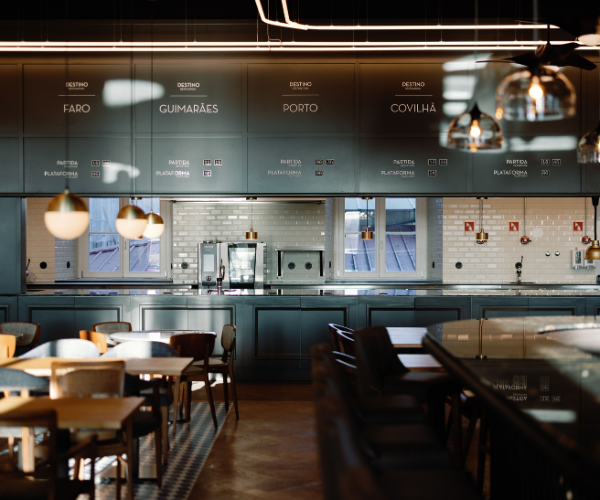
The Editory Riverside advances the possibility of free cancellation for bookings made through the website or the call center.
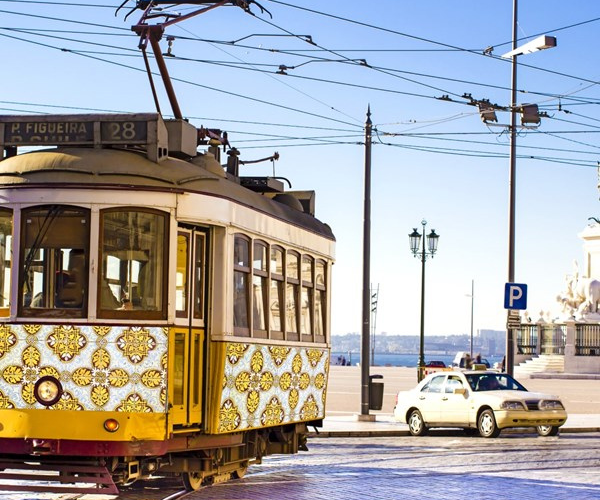
Discover the charms of Lisbon! Enjoy a unique stay in the city center, in a 5-star hotel located in a historic station, overlooking the Tagus River. Plan your next city break in Lisbon with this special offer.
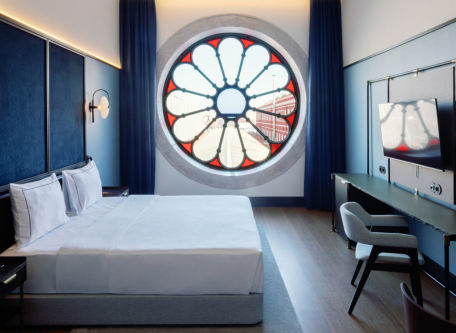
Book the Best Available Rate at this property on HistoricHotelsWorldwide.com and receive a complimentary one-year family membership (a $30 value) to the National Trust for Historic Preservation in the United States, a member of the International National Trusts Organisation.