History
The Murray Hong Kong was constructed in the years following World War II, in which the United States was defined by the Civil Rights Movement and the Cold War.
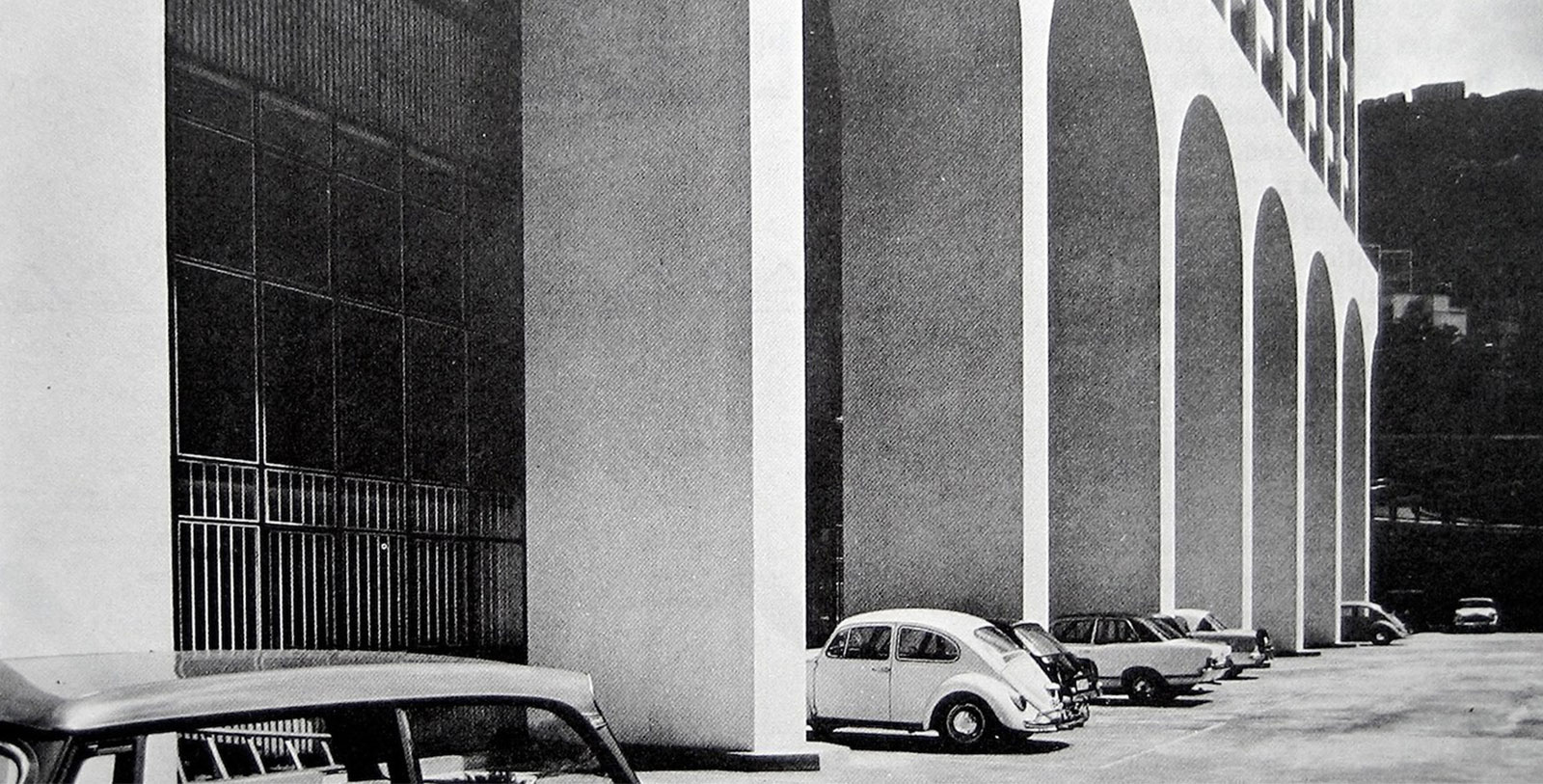
The Murray Hong Kong dates back to 1969, when the British colonial government decided to create a grand new office space called the Murray Building. Local administrators had tasked British modernist architect Ron Phillips to work in tandem with the city’s Public Works Department to spearhead the project. They felt that Phillips was a perfect match for the joint assignment, as he was already well-regarded throughout the city for his previous work on the Hong Kong City Hall and Edinburgh Place. What the two managed to accomplish was nothing short of spectacular; Phillips and his colleagues had managed to create an iconic engineering masterpiece, in which they incorporated several innovative structural components into the building’s appearance. Perhaps the most noteworthy aspect of its design were the many symmetrically oriented windows that refracted direct sunlight. The concept proved to be so successful that the Murray Building won a Certificate of Merit at the Energy Efficient Building Awards during the early 1990s.
The Hong Kong Government continued to occupy the Murray Building for the next four decades until it decided to move its operations to the neighboring Central Government Complex in 2011. After sitting dormant for more than a year, the government decided to transform the space into a luxury hotel as part of its grand strategy to revitalize Hong Kong’s historic “Central” district through the “Conserving Central Initiative.” The act ultimately sought to protect Central’s storied heritage, as it was the site of the city’s founding back when the British first settled the island in 1841. Citing that initiative, the government sold the rights to redevelop the location to Wharf Holdings in 2013. Wharf Holdings then hired the architectural firm Foster + Partners to renovate the space in its entirety. By the time construction concluded in 2017, Foster + Partners had managed to completely refurbish the Murray Building. Many of its signature features had been saved as well, including its exterior archways and its famed Pink and White Shower Tree, also known as the Old and Valuable Tree. Known today as The Murray Hong Kong, this magnificent historical structure is still among the most celebrated landmarks in the city.
The Architecture
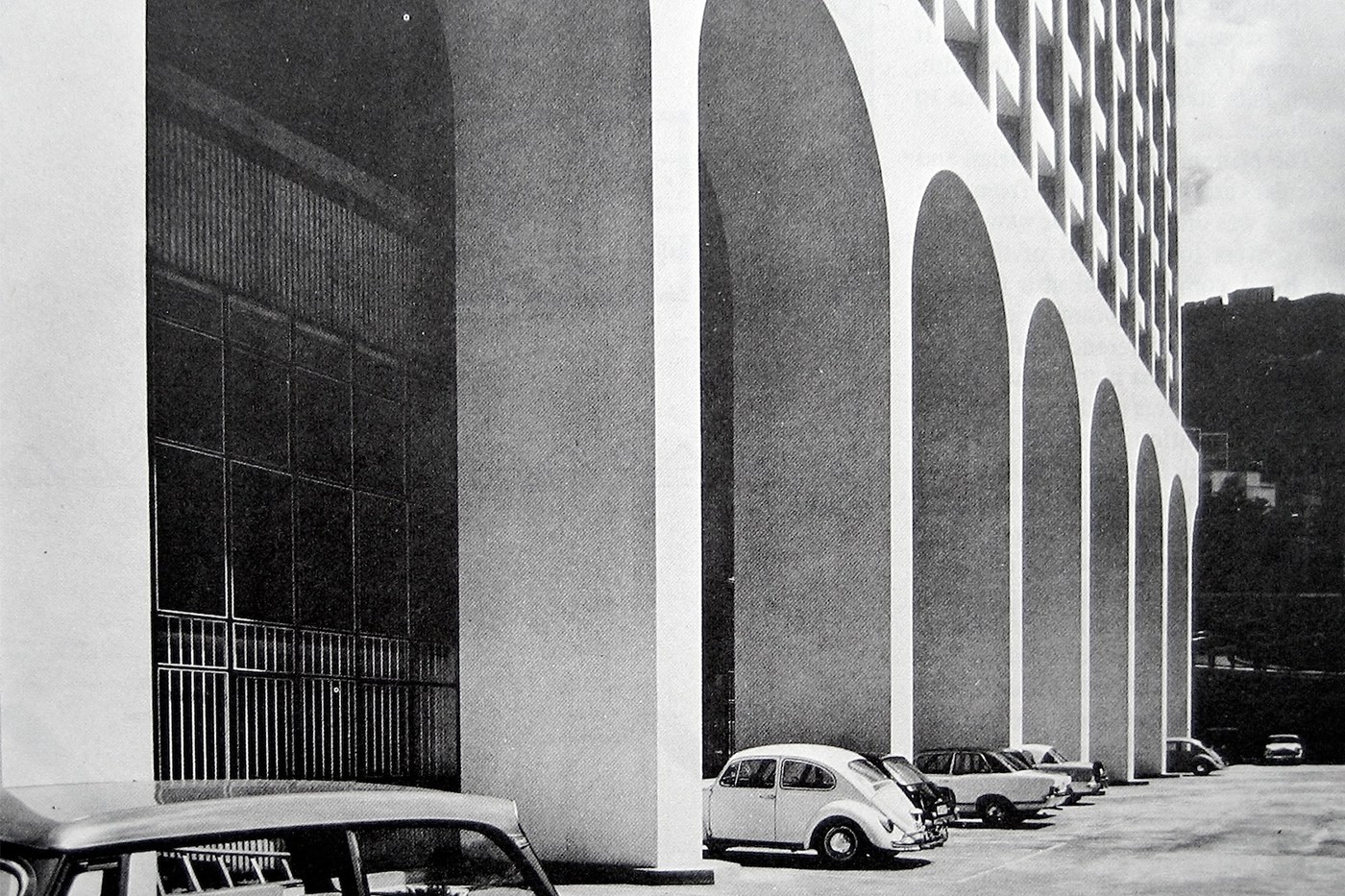
The Murray Hong Kong dates back to 1969, when the British colonial government decided to create a grand new office space called the Murray Building. Local administrators had tasked British modernist architect Ron Phillips to work in tandem with the city’s Public Works Department to spearhead the project. They felt that Phillips was a perfect match for the joint assignment, as he was already well-regarded throughout the city for his previous work on the Hong Kong City Hall and Edinburgh Place. What the two managed to accomplish was nothing short of spectacular; Phillips and his colleagues had managed to create an iconic engineering masterpiece, in which they incorporated several innovative structural components into the building’s appearance. Perhaps the most noteworthy aspect of its design were the many symmetrically oriented windows that refracted direct sunlight. The concept proved to be so successful that the Murray Building won a Certificate of Merit at the Energy Efficient Building Awards during the early 1990s. Many of its signature features have been saved as well, including its exterior archways and its famed Pink and White Shower Tree, also known as the Old and Valuable Tree.