
a house with a fence and a fence in front of it

History

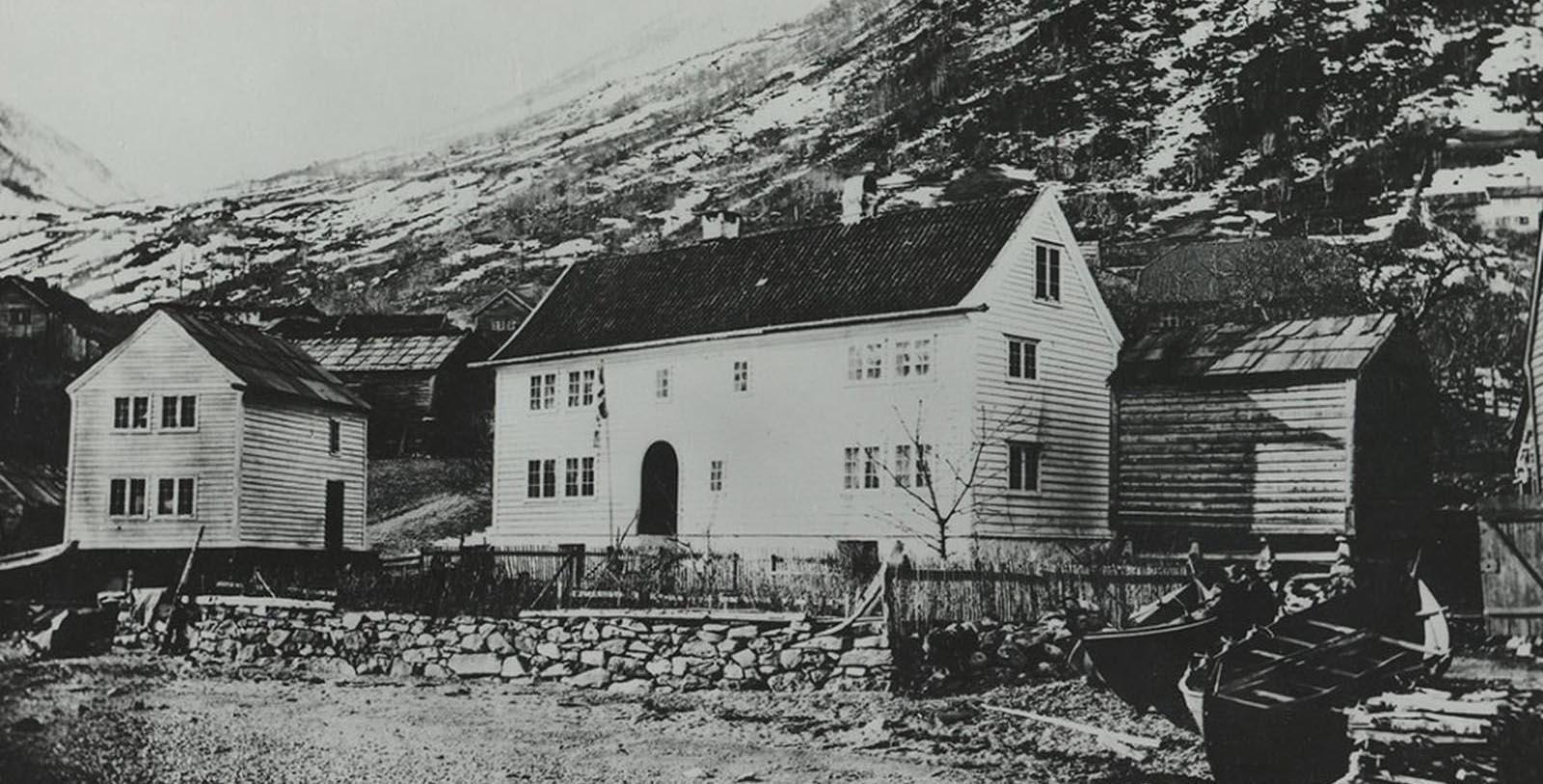
Discover Utne Hotel, which originally opened in 1722 as a guesthouse run by Peder Larsson Børsem.

Utne Hotel was constructed amid the intellectual and philosophical movement that dominated Europe in the 18th century.

Utne Hotel first opened its doors to guests in 1722, making it one of the most historic hotels in Norway. The hotel was established when Peder Larsson Børsem refused his pension following the end of the Great Nordic War. Børsem instead asked for a royal decree that allowed for him to establish a guesthouse in Utne. As soon as he was granted the license, Børsem quickly set about building his structure. The Utne Hotel had many different proprietors over the years, including Torbjørg Johannesdotter Utne. She rose to local fame as being the legendary "Mother Utne,” due to having spent 70 years managing the location.

Utne Hotel's first guests were outdoor enthusiasts with strong adventurous spirits. Soon enough though, travelers from all walks of life started to arrive in Hardanger. Among their number included manty famous Norwegians, such as Per Christian Asbjørnsen, Ole Bull, Adolph Tidemand, and Eilif Peterssen. History permeates Utne Hotel, but it merges gracefully with modern comfort. The hotel has been totally renovated, making it a mountain oasis for guests seeking respite from the rush of their daily lives.
a black and white photo of a cabinet with a table and chairs

Hotel Timeline

After receiving a royal decree, Peder Larsson Børsem began building the guesthouse structure that became Utne Hotel after the Great Nordic War, making it one of Norway’s oldest hotels. 
The original inn began as a small guesthouse with a living room, kitchen, hallway, and one bedroom 

During the Enlightenment period, the intellectual and philosophical movement that shaped much of 18th-century Europe, Utne Hotel developed under many proprietors, including Torbjørg Johannesdotter Utne, remembered locally as “Mother Utne” after managing the hotel for 70 years.

A surviving guestbook and posting-station record documents travelers from Norway and abroad who stayed at Utne Hotel during this period. The first recorded guests were R. Dybwad and his daughter, followed over the years by notable Norwegians such as Per Christian Asbjørnsen, Ole Bull, Adolph Tidemand, and Eilif Peterssen.

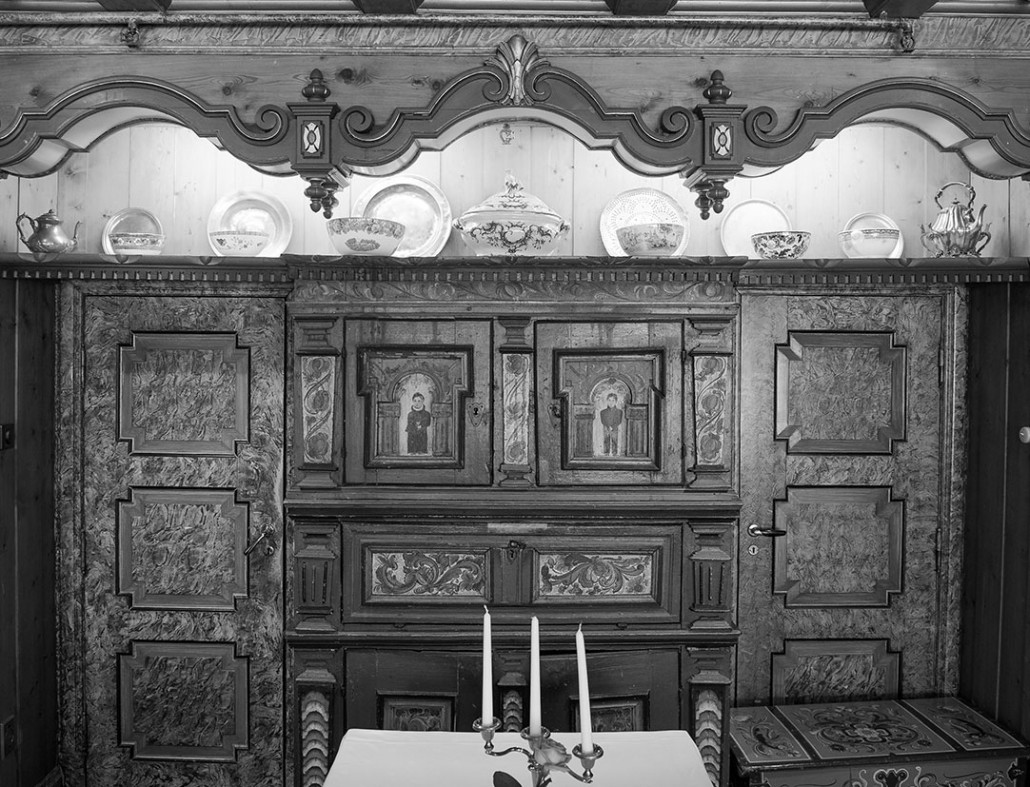
The hotel’s largest expansions took place toward the end of the 19th century and reflected the Swiss-style architectural period. Later, the hotel’s final major addition was completed, adding a new dining room and kitchen. Architect Terje Alvsaker designed the dining room interior.

The nearby Brochhuset, a historic trade house with outbuildings and gardens, was protected. 
Utne Hotel was included in a larger protected cultural environment. The protection covers the hotel’s exterior and interior, along with related historic structures.

Utne Hotel was inducted into Historic Hotels Worldwide. Historic Hotels Worldwide is a prestigious collection of historic treasures, including more than 300 legendary historic hotels including many former castles, chateaus, palaces, academies, haciendas, villas, monasteries, and other historic lodging spanning ten centuries.

1722
1800s
1879
1930
2000s
2012
Famous Historic Guests
  • Per Christian Asbjørnsen, renowned Norwegian author.
  • Old Bull, celebrated Norwegian musician and composer.
  • Adolph Tidemand, noted Norwegian romantic painter.
  • Eilif Peterssen, celebrated Norwegian painter responsible for creating Nocturne.
Legends, Lore, and the Unexplained

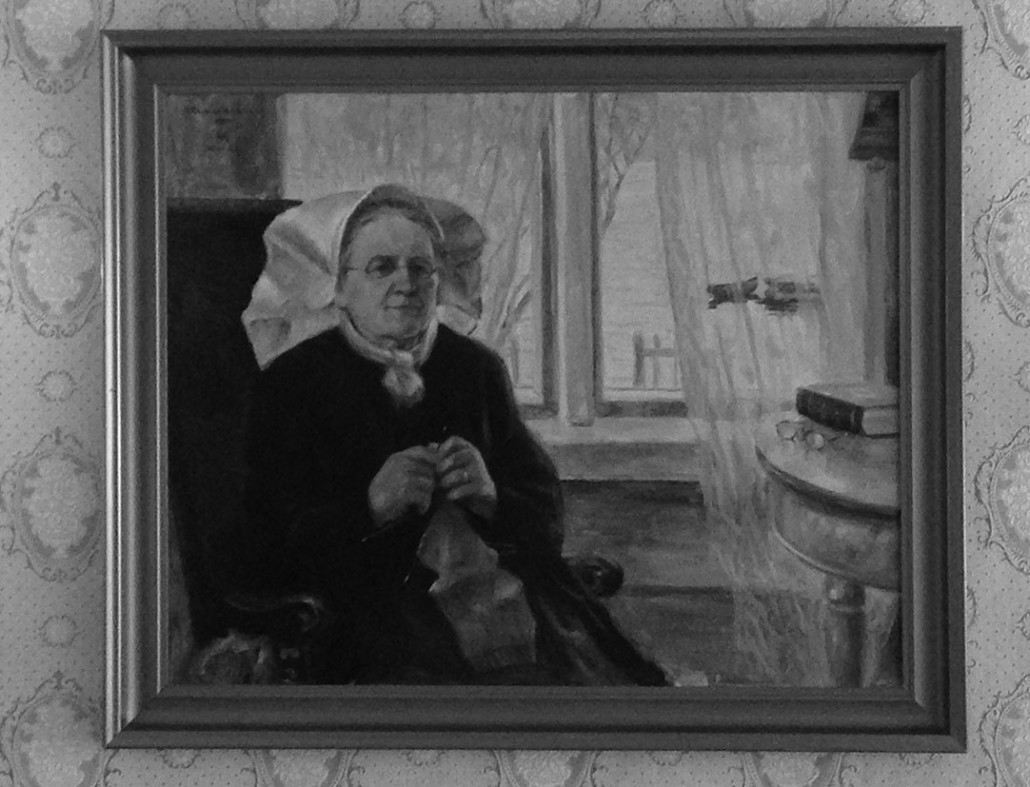
A rocking chair by the hearth is conspicuously left empty at Utne Hotel, even when the hotel is fully booked. The chair belonged to a former innkeeper named Mother Utne, and although the chair appears vacant at first glance, guests and staff alike report seeing a spectral woman relaxing fireside, enjoying the bustling activity at her renowned hotel. Mother Utne was a real person named Torbjørg Johannesdatter Utne who arrived to work at the hotel around 1822 at the age of 20. She married the innkeeper and the hotel passed to their son, Svein Utne. The hospitality of Mother Utne was known across Norway, and her portrait, painted by Eilif Peterssen in 1888, today hangs in the National Museum of Norway. Mother Utne spent 70 years of her life at Utne Hotel, and the chair by the fireplace suggests that she may never have really left.

a painting of a woman sitting in a chair