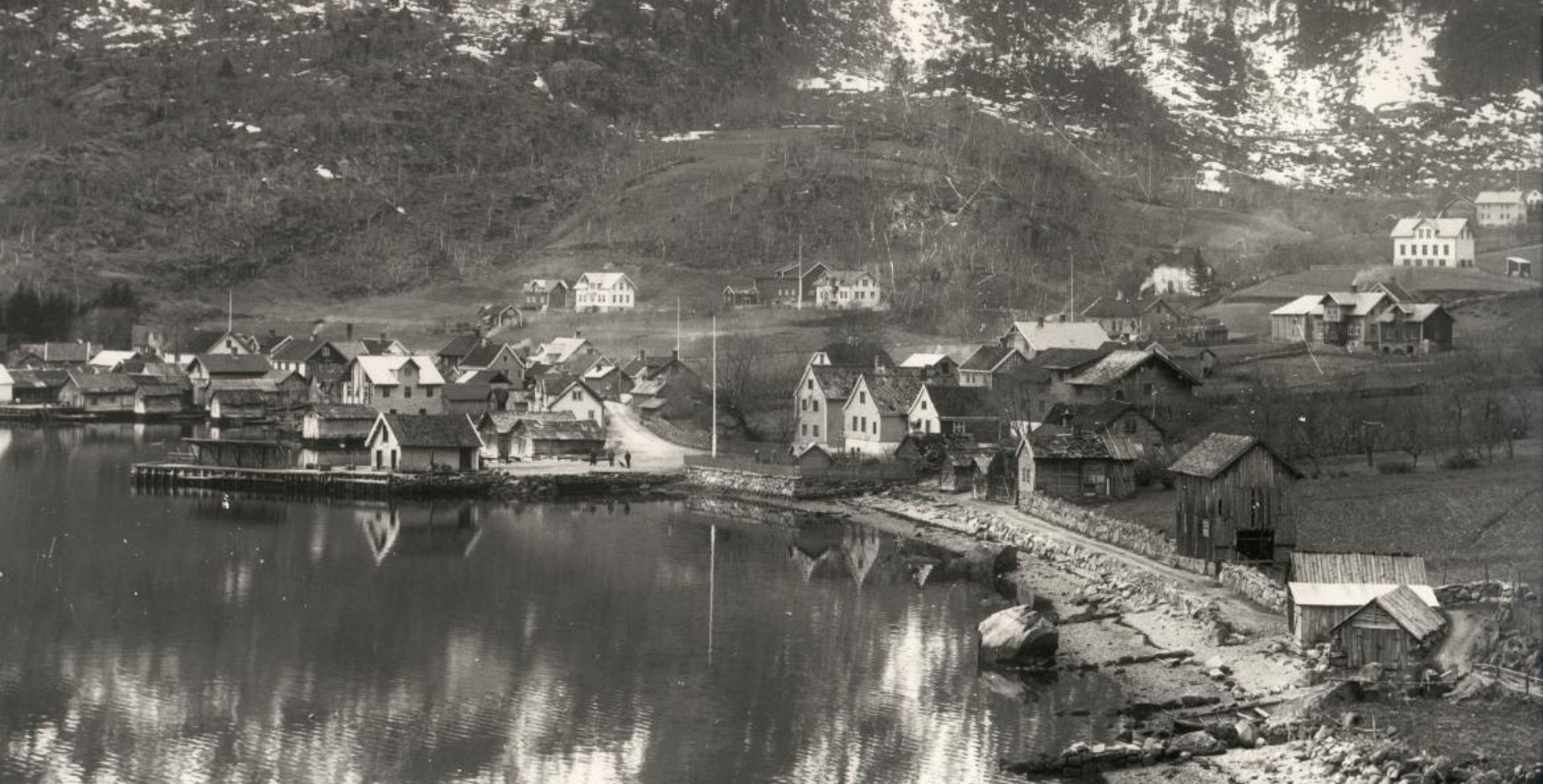

History
Discover Walaker Hotell, which has been operated by the same family since the 17th century.
Tucked within the verdant Lustrafjord is the historic Walaker Hotell, which has entertained guests continuously since the early 17th century. Tantamount to its enduring success has been the masterful management of the Nitter Walaker family, who have acted as its caring steward for nine generations. They began operating the Walaker Hotell when family ancestor Christen Nitter originally discovered the business in 1690. Despite being a trained goldsmith, Christen decided to become the innkeeper upon reviewing the building's gorgeous architecture and tranquil grounds. He subsequently acquired the Walaker Hotell from its owners and immediately began to leave his mark on its identity. Indeed, Christian quickly revamped the guest accommodations on-site to better appeal to the many merchants passing through the area on a regular basis. He also set aside space to create a small dining hall and general store that could help those same travelers finish their long journeys to Bergen along the coast. Thanks to Christian's dedicated efforts, the Walaker Hotell ultimately flourished over the following years, and it soon became synonymous with the Nitter family itself. In fact, the level of service provided at the Walaker Hotell only increased, starting with the implementation of a brewery in the cellar during the 18th century.
The Walaker Hotel eventually passed onto Christian's youngest son, Ludvig, who, in turn, gave it to his youngest son, Hendrik, after his death in 1776. Hendrik's daughter, Mette Malene Nitter Walaker, then assumed control over the venerable inn around the beginning of the 19th century. Under her watch, the Walaker Hotell entered a new era of prestige and prosperity. Tourism to the area had gained considerable momentum with the advent of steamship travel, giving the Walaker Hotell a new lucrative source of clients. Among the rising number of people visiting the location included many notable individuals, such as Crown Prince Carl Ludvig Eugen, who would later become the joint monarch of both Sweden and Norway. Unfortunately, Mette Malene passed away during childbirth, which left the Walaker Hotel in the hands of other family members until her son, Erik, was finally mature enough to run the business in 1878. Erik's son, Wilken, then guided the hotel throughout the early 20th century, offering calming leadership through tumultuous events like global war and economic hardship. Wilken even conducted his own series of renovations, considerably expanding the number of available guestrooms. (He also oversaw the construction of a neighboring "bungalow-like" building to help host more guests.)
In 1978, Hermod Nitter Walaker started overseeing the operations of the legendary Walaker Hotell alongside his son, Ole Henrik, who then became the hotel's main proprietor around the start of the 21st century and remains in charge today. In keeping with family tradition, Ole Henrik is currently training his own young son to eventually take on the mantle of the Walaker Hotell's tenth owner. He has also continued to uphold the venerable standards that his predecessors have spent years cultivating, thus ensuring that the renowned heritage of the Walaker Hotell remains perfectly preserved in the present. Due to the continued unrelenting dedication of the Nitter Walaker family, the Walaker Hotell remains one of the area's best holiday retreats. It is currently home to nearly two dozen outstanding guestrooms that brilliantly captivate the stunning alpine character of the area. The Walaker Hotel also offers a terrific fine dining restaurant that serves cuisine made from locally sourced ingredients from the adjacent mountains and fjord. Guests can even enjoy hosting an intimate social gathering inside the hotel's six meeting venues, which feature architectural details that have not changed in centuries. Few places in Western Norway are better for a memorable vacation experience than the historic Walaker Hotell.
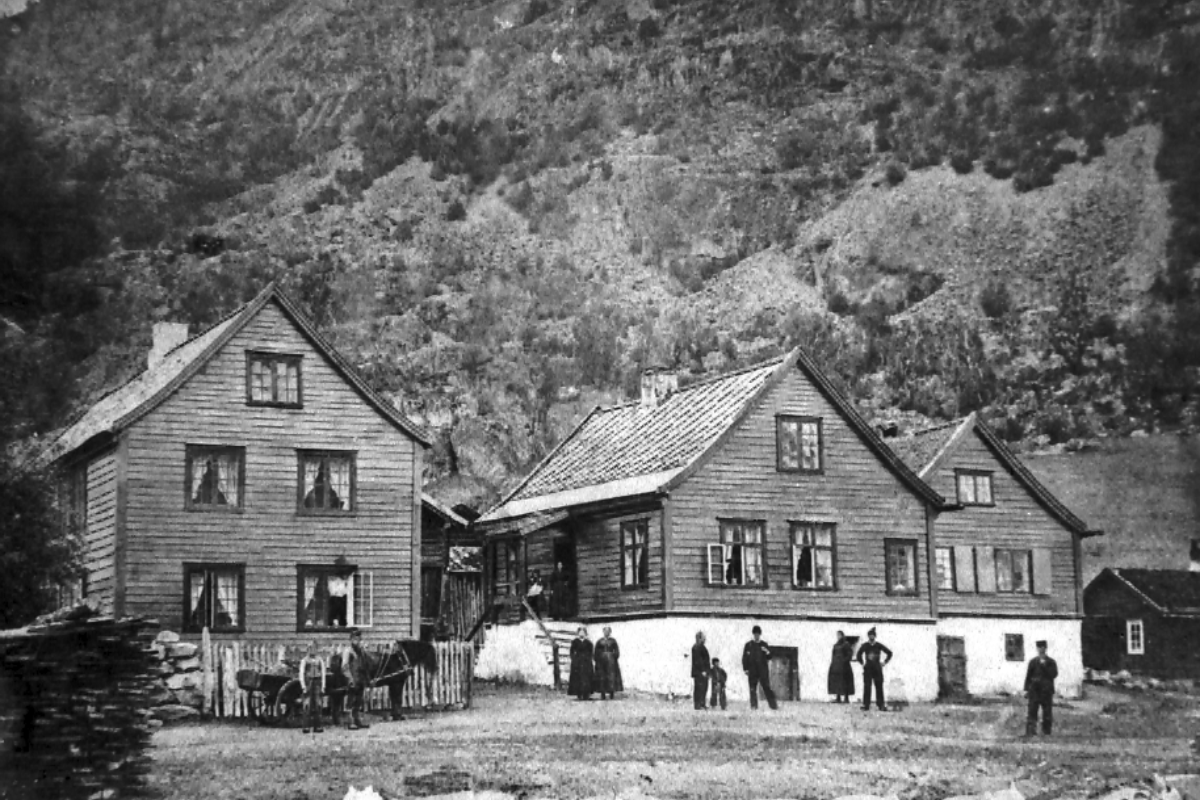
Hotel Timeline
The Location
Solvorn is a tranquil, bucolic village in the heart of historic Western Norway. Its most well-known historical era coincided with the rise of the Vikings—a seafaring people active throughout Europe during the Middle Ages. Technological innovations in Norway’s western counties effectively increased local agricultural activity and, thus, the size of its population. New land to distribute became increasingly rare, forcing the inhabitants to look to the sea for opportunity. Using a uniquely slim, single-mast vessel known now as the “Scandinavian longship,” hundreds of people subsequently departed Western Norway to distant destinations. One common practice of the Vikings was to raid the shoreline of Europe for resources. Some of those warriors succeeded in carving out feudal fiefdoms—including powerful kingdoms—within the areas they conquered. But many others peacefully interacted with different European societies, establishing trading posts throughout the continent. The Vikings were even known to harbor merchant colonies as far away as central Russia and the Middle East. A few adventurous bands of Vikings also sailed for long distances to remote landmasses like Iceland and Greenland, which they settled starting in the 10th century. In fact, modern archeological evidence has revealed that the Vikings managed to colonize Newfoundland, calling the location “Vinland” in contemporary accounts.
While the age of the Vikings has long since ended, many sites around Western Norway still preserve the rich history they left behind. One of the most enduring landmarks of this heritage site is the medieval Urnes Stave Church, located at the end of the Sognefjord. A UNESCO World Heritage Site, the Urnes Stave Church was built during the 12th century. Many scholars believe the building is among the best surviving examples of Viking culture, especially as it evolved throughout the High Middle Ages. (The church is still occasionally used for special events, although it stopped providing regular services in the 19th century.)
Modern Western Norway is also a popular tourist attraction due to its wealth of natural wonders. Indeed, the region is widely celebrated for its fjords—long, deep waterways that receding masses of ice cut into the earth eons ago. Known for their beauty, the fjords are the region’s most enduring physical feature. The United Nations has even identified two of the largest fjords in the area—Geirangerfjord and Nærøyfjord—as one of its highly respected UNESCO World Heritage Sites. In fact, the head of the awe-inspiring Geirangerfjord lies right next to the village of Geiranger, which is home to another member of Historic Hotels Worldwide, Hotel Union Geiranger, allowing guests to easily access this beautiful natural wonder by hiking, boating, and other sightseeing activities. Perhaps two of the most popular destinations within the greater Geirangerfjord are waterfalls known as the “Seven Sister Falls” and the “Suitor.”
The Architecture
Walaker Hotell stands today as a brilliant example of historic Norwegian vernacular architecture. Norwegian vernacular building themes—colloquially called “byggeskikk”—specifically drew inspiration from generational construction techniques that harkened back centuries. Until the onset of the 20th century, most structures throughout Norway were agricultural in nature. They typically resided deep in the wilderness and made use of whatever resources were available. Norwegian families thus developed hardy log cabins that were tightly latched together with corner notches to protect against the elements. Those houses also featured rustic architectural designs inside, including open-hearth fireplaces and stone chimneys.
However, a few communal structures spawned more eloquent designs, such as the iconic medieval “stave church.” Stave churches were typically designed using a type of wooden-timber framing known as “post and lintel” construction, in which widely spaced vertical posts supported horizontal ones. Steeply pitched roofs reinforced by several intricately laid beams further characterized the overall design of the stave churches. Prominent dormers and steeple towers occasionally crowned the structures, too, reminiscent of more conventional Romanesque-style churches elsewhere in Europe. Great portals even guided visitors into the interior, which instilled a sense of awe through a variety of rich ornamentation connected to Norse iconography and the local alpine landscape. Some of the symbols employed drew upon ancient motifs centered around dragons and serpents. (Perhaps the most outstanding example of a surviving Norwegian stave church is the UNESCO-recognized Urnes Stave Church, which rests just across the Lustrafjord from Walaker Hotell in the fjordside village of Ornes.)
Famous Historic Guests
- King Charles VX & IV of Sweden and Norway (1859 – 1872)