
History
Discover the Waldorf Astoria Amsterdam, which occupies six, monumental canal houses from the 17th and 18th centuries.
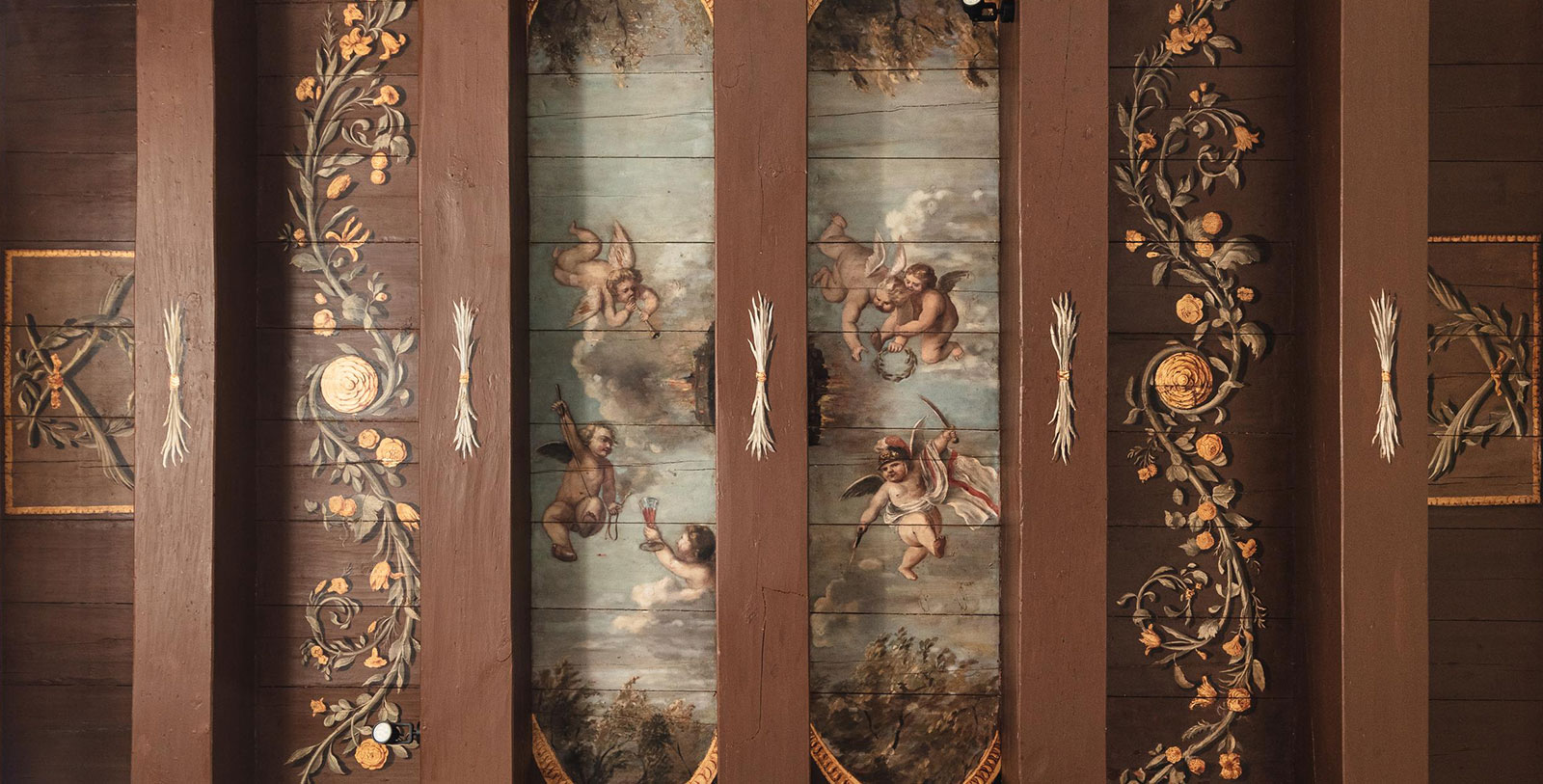
The Waldorf Astoria Amsterdam, a member of Historic Hotels Worldwide, occupies six monumental canal houses that formed from several smaller buildings over the course of four centuries. First constructed in the mid-1600s, these historic structures sit along the Herengracht or “Gentleman’s Canal.” The Herengracht is one of the three main canals in Amsterdam that local engineers built during the Dutch Golden Age, when the city became the mercantile capital of the world. Houses along the canal combined business and pleasure, as the main floor featured large rooms for entertaining guests. The design of these houses reflected the intended purpose of each floor, with windows decreasing in size as one ascended the staircase. The Herengracht is now a UNESCO World Heritage Site and the greater area attracts countless tourists every year. Many of these homes eventually fell into disrepair, inspiring efforts during the 1930s and 1960s to turn them into office spaces for shipping companies and insurance agencies. The renovations were mostly done carelessly and had the potential to ruin the fascinating architecture of the space. In 2014, new owners acquired the row of houses, restoring them to properly portray their historic grandeur. During the restoration, ownership combined, then converted, the houses into a brilliant boutique hotel known as the "Waldorf Astoria Amsterdam." Original wall paintings and design motifs that date back over 400 years have been saved to serve as deep connections to the history of downtown Amsterdam. The care with which this restoration was done has ensured that this heritage not only will be preserved, but enjoyed, as guests experience the legacy of the Dutch Golden Age first-hand.

Hotel Timeline
The Location
The Waldorf Astoria Amsterdam resides along the Herengracht, which is one of the city’s three main canals. Along with the Prinsengracht and the Keizersgracht, it functions as the primary skeleton for the system of circular canals that proliferate throughout downtown Amsterdam. Their beauty has inspired many visitors over the years to refer to the city as the “Venice of the North.” Now a popular source of recreation, civic administrators in the 17th century originally intended for the canals to serve as a means of defense and water management. They also hoped the canals would provide a novel form of transportation to Amsterdam’s bourgeoning population of merchants, who were moving goods across the city at an unprecedented pace. The canals are specifically responsible for influencing the layout of an incredibly historic neighborhood known as the Grachtengordel. Known in English as the “Amsterdam Canal District,” it forms the basis of the city’s UNESCO World Heritage Site.
Amsterdam itself is among Europe’s most historic destinations, having existed since the late 1300s. Founded as a secluded fishing village along the Amstel, the city would quickly emerge as a regional economic powerhouse. Its historical prestige reached its zenith in the 1600s, when The Netherlands entered a prolonged period of economic prosperity dubbed the “Dutch Golden Age.” Upon winning their independence at the conclusion of the Eighty Years’ War, the Dutch quickly developed an intricate system of international commerce with Amsterdam at its center. Powerful financial guilds emerged throughout the city, while corporate banks appeared on the continent for the first time. Establishing a mighty navy, the Dutch began to trade—and even colonize—many areas throughout Southeast Asia, too. Wealth flowed into Amsterdam, enabling its residents to construct some of the finest architecture ever seen in Europe. Guests can visit many of these buildings today, including the Koninklijk Paleis van Amsterdam—otherwise known as the “Royal Palace of Amsterdam.”
The Architecture
Every single one of the Waldorf Astoria Amsterdam’s historic canal houses display a brilliant blend of Dutch Baroque architecture. This unique architectural style emerged during the Dutch Golden Age of the 17th century, in which merchants throughout The Netherlands—flush with cash—began erecting magnificent residences and municipal offices. The Dutch architects borrowed heavily from the design principles of the Italian Renaissance, employing similar structural themes like giant order pilasters, gable roofs, and beautiful steeples. Yet, in keeping with the democratic traditions of the early Dutch Republic, these architects opted to embrace a less ostentatious aesthetic derived from earlier Neoclassical examples. Hendrick de Keyser served as the catalyst for this new architectural movement, as his work on the Noorderkerk and the Westerkerk in Amsterdam inspired subsequent generations across The Netherlands. Many other iconic buildings showcasing Dutch Baroque architecture quickly appeared in the country, including the Huis ten Bosch in The Hague and the City Hall in Maastricht. The movement continued unabated in Amsterdam as well, with grand structural masterpieces—like the Koninklijk Paleis van Amsterdam—emerging throughout the city for the remainder of the century.