Fairmont Breakers Long Beach
Long Beach, California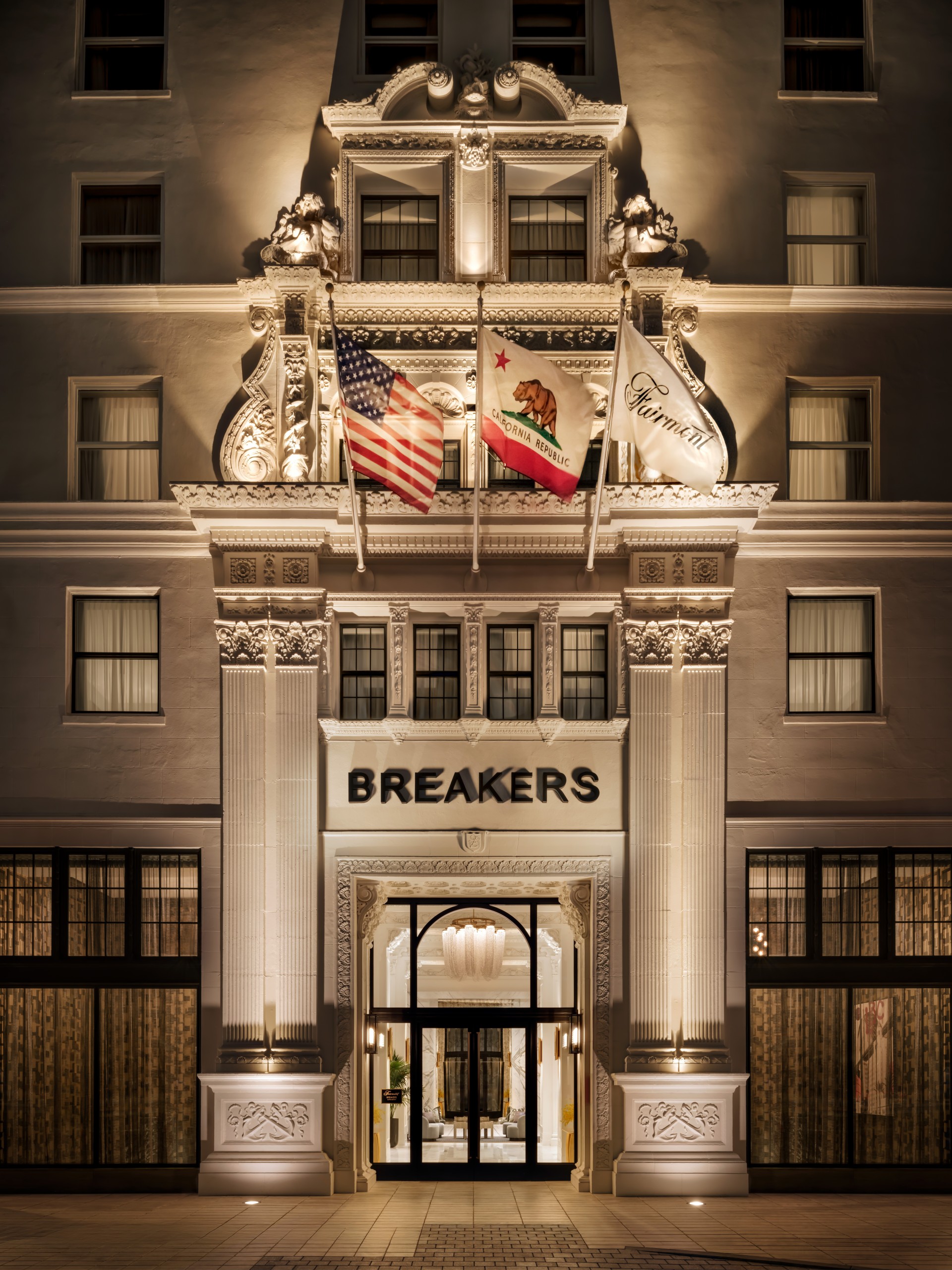
Fairmont Breakers Long Beach
210 East Ocean Boulevard, Long Beach, California 90802 Original Property Opened in 1926 Historic Hotels of America member since 2024
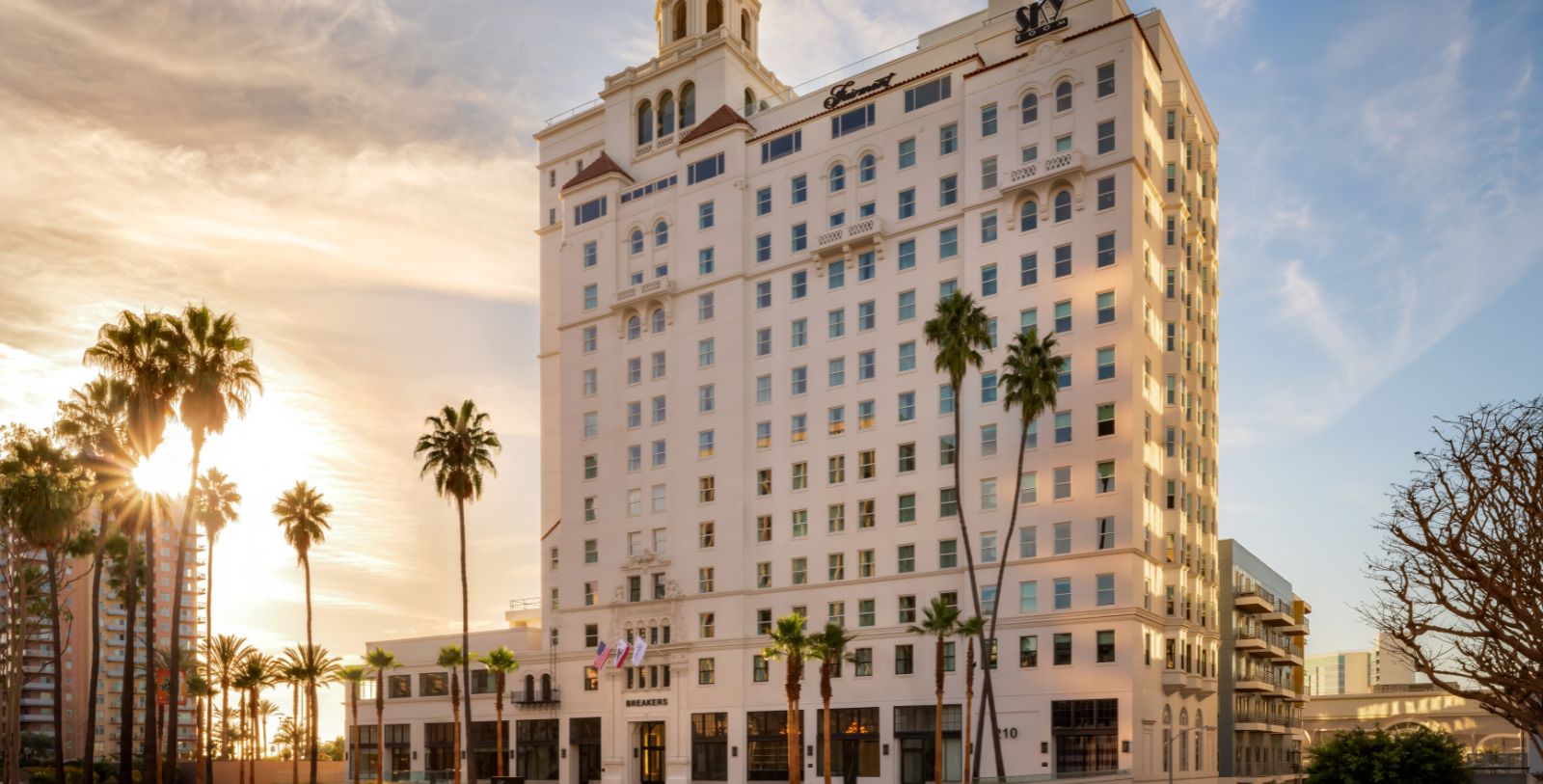
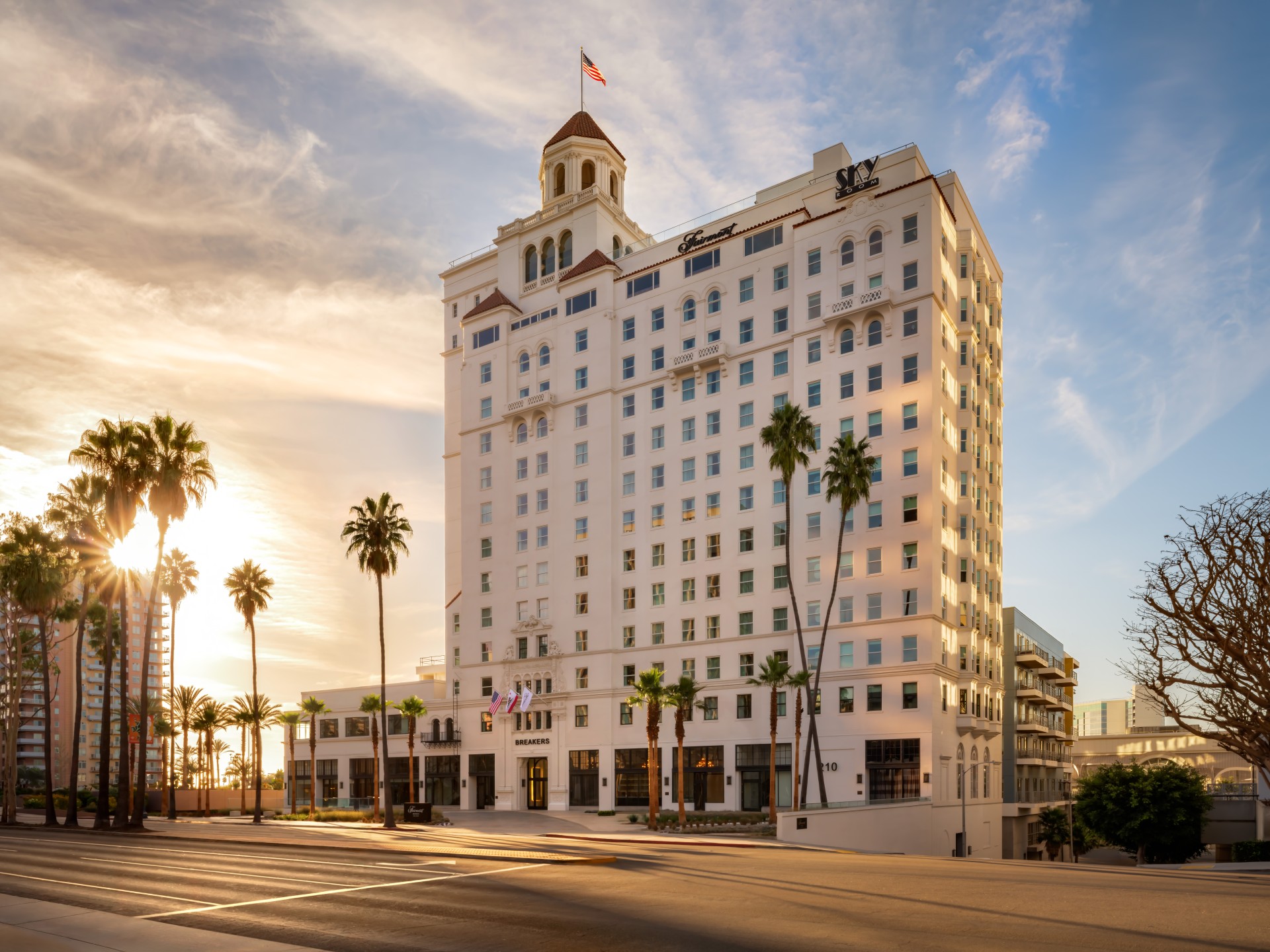
Originally opened in 1926 at the height of the Roaring Twenties, Fairmont Breakers Long Beach is a legendary Southern California hotel that once played host to Tinseltown’s finest. In its heyday, The Breakers Hotel boasted a star-studded guest list, featuring such names as Errol Flynn, Clark Gable, Rita Hayworth, Cary Grant, Elizabeth Taylor, and John Wayne. And its signature lounge—the Art Deco-themed Sky Room, the brainchild of renowned hotelier Conrad Hilton—was the favorite date spot for celebrities and Los Angeles locals alike. Sadly, economic misfortune befell the hotel in the mid-20th century, causing it to shutter in the early 1960s.
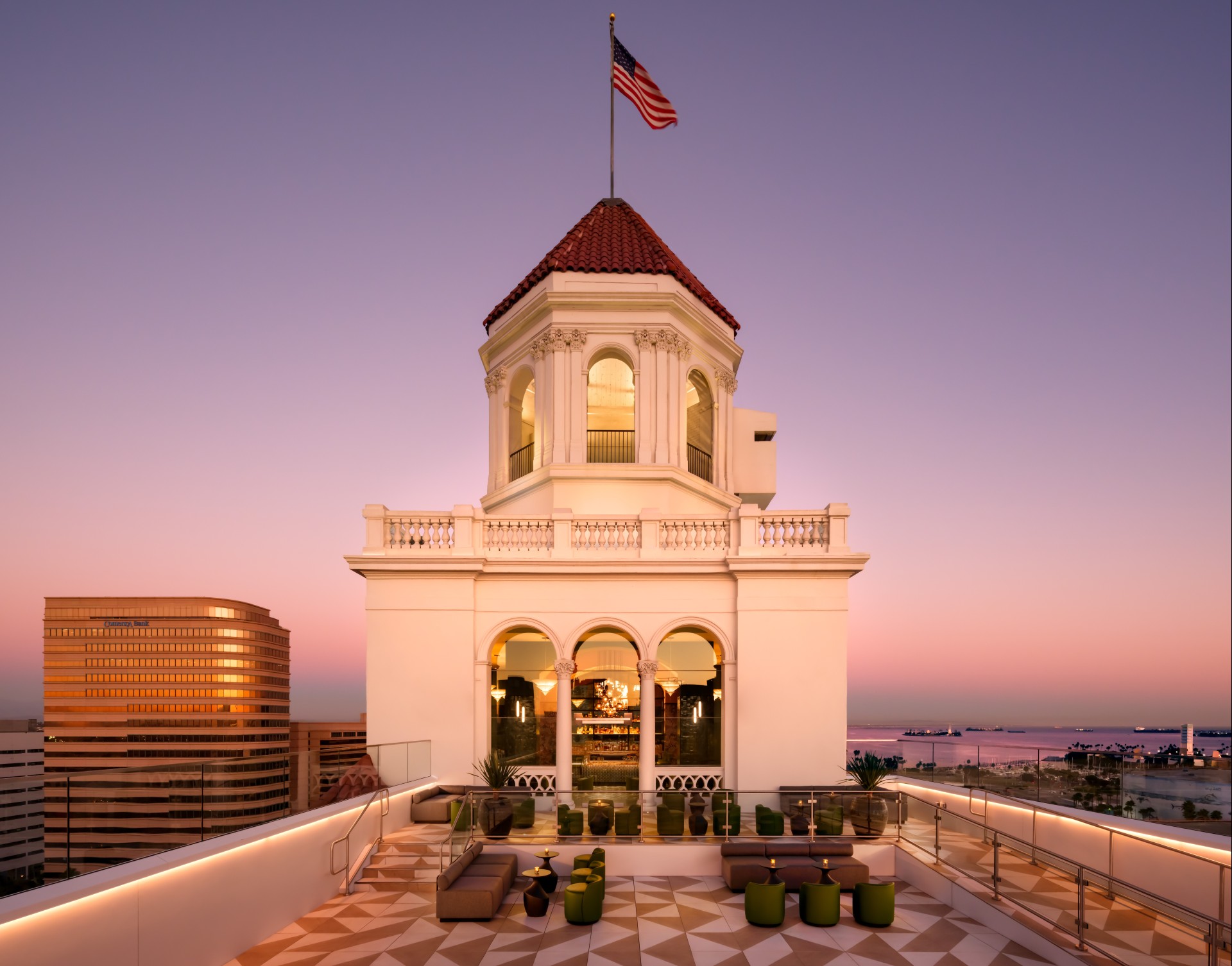
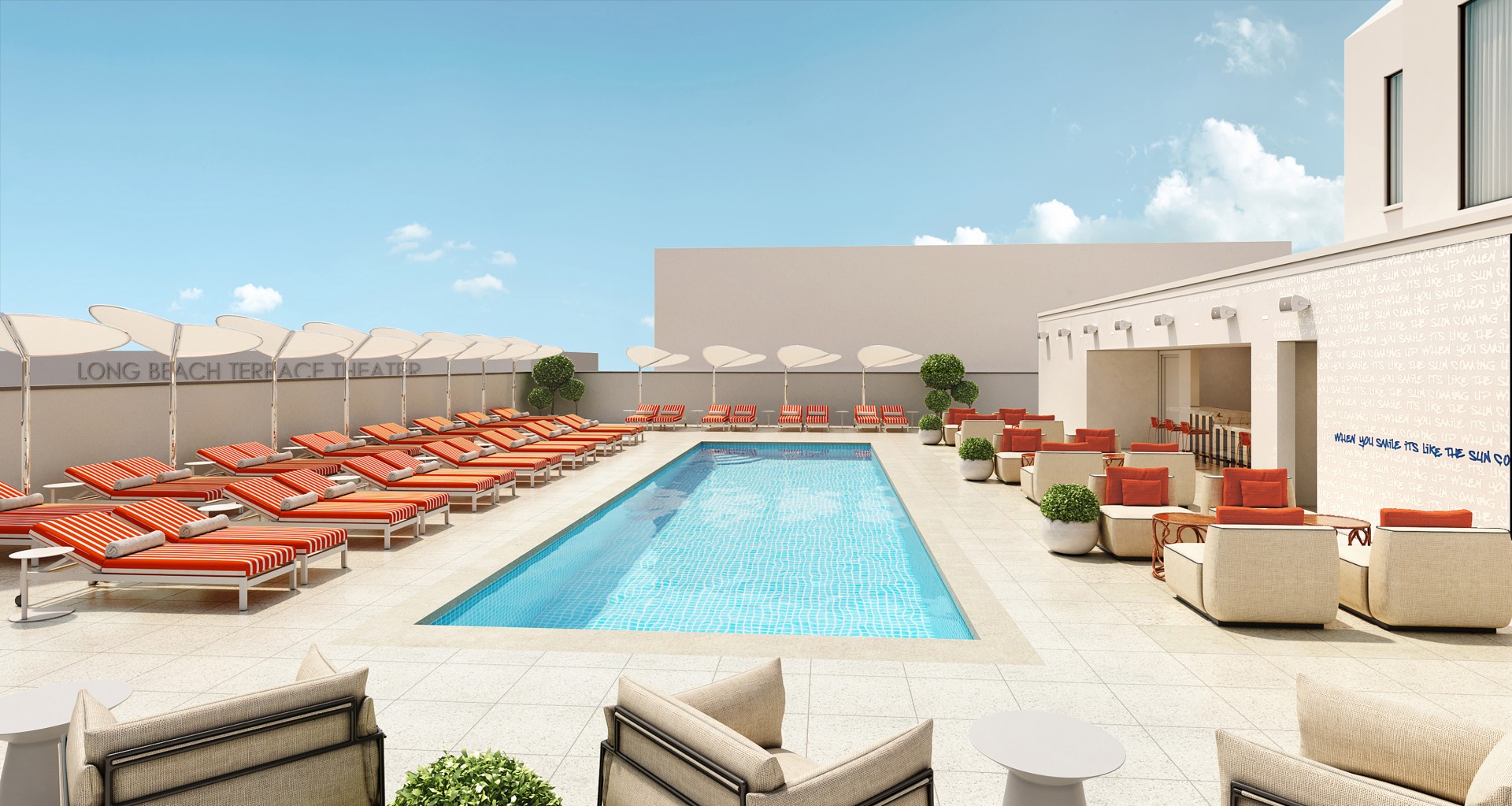
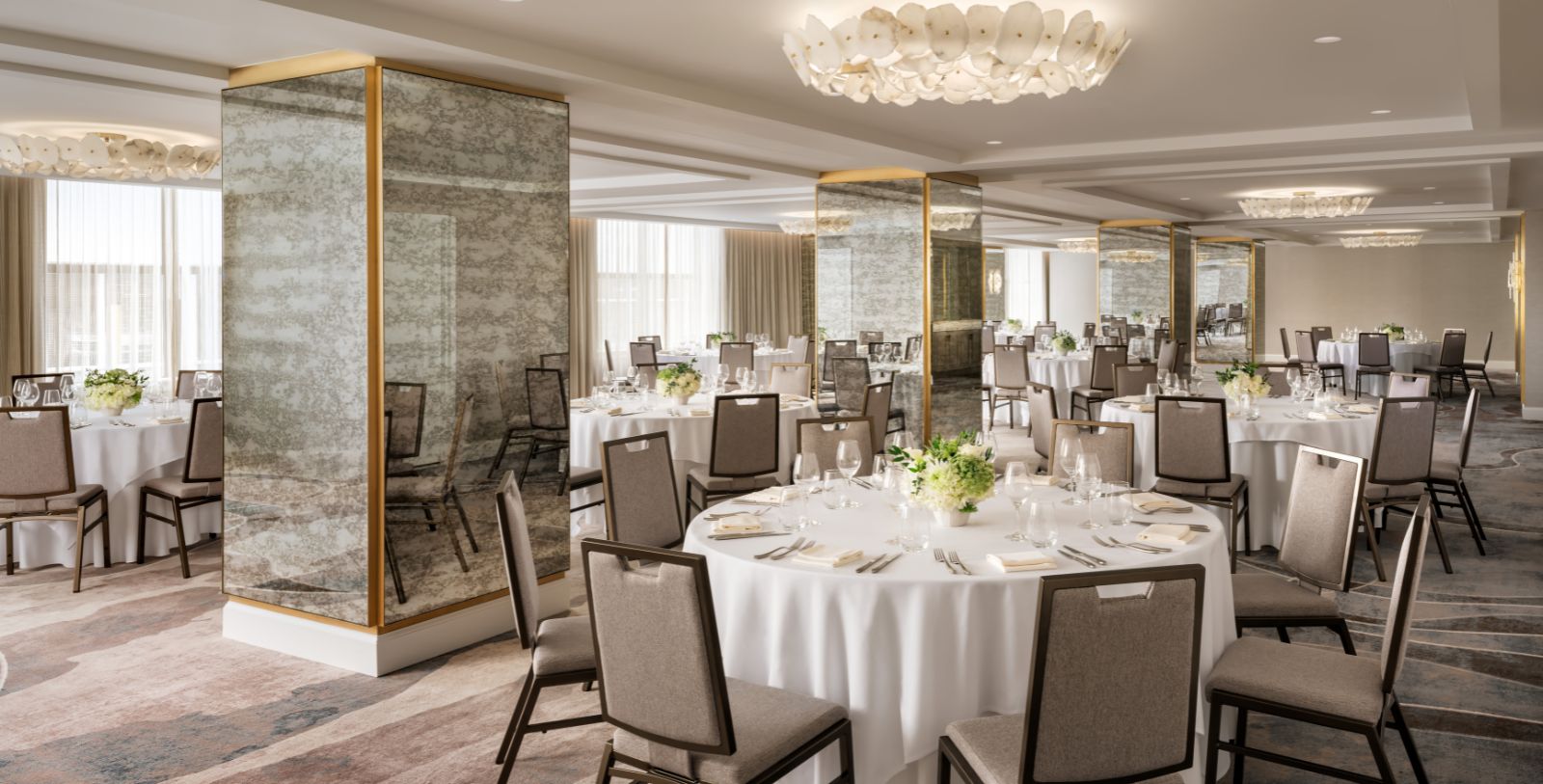
In the intervening years, the structure served as a retirement community and an assisted living facility, a shell of the grand hotel it once was. Still, many recognized its prominent place in the area’s history, designating the storied, then-vacant building a Long Beach Historical Landmark in 1988. Then, in 2017, local businessman and philanthropist John Molina convinced his business partners to purchase the structure and embark on a years-long, $150-million renovation to restore the Long Beach landmark to its former glory. Today, Fairmont Breakers Long Beach once more carries on the tradition of excellence that began almost a century ago. It welcomes guests with 185 boutique guestrooms and suites, a two-story spa, a live jazz club, breathtaking vistas of the Pacific Ocean from the rooftop pool and lounge, and five culinary venues - including, of course, the iconic Sky Room restaurant.
Discover
- Follow in the footsteps of Fairmont Breakers Long Beach’s famous guests. Thanks to its ocean-view setting, elegant architecture, and proximity to Los Angeles, The Breakers Hotel was a favorite retreat of Hollywood icons including Clark Gable, Cary Grant, Elizabeth Taylor, Rita Hayworth, John Wayne, and Errol Flynn. Other notable guests included Babe Ruth and Charles Lindbergh. Many came to dine and dance in the famed Sky Room while escaping the spotlight, yet even there the Hollywoodland sign could be seen on a clear day, a reminder that Tinseltown was never far away.
- Learn why Fairmont Breakers Long Beach is remembered as the place “Where Lindbergh Saw the Light.” Lost in dense fog during a flight from Arizona to San Francisco on May 31, 1928, Charles Lindbergh spotted the glowing “B” atop The Breakers Hotel and used it as a beacon to reach Daugherty Field safely. After landing, he rested at The Breakers before continuing his journey. Today, that same sign remains a symbol of the hotel’s place in Long Beach history.
- Discover the role The Breakers Hotel played during World War II. Owing to its location and commanding views of the Pacific, The Breakers supported regional defense efforts, with the Sky Room serving as headquarters for a local branch of the Ground Observer Corps while naval officers used the restaurant for daily planning. The rooftop even housed two pillboxes with gun mountings for harbor defense, one of which remained in place until 1991.
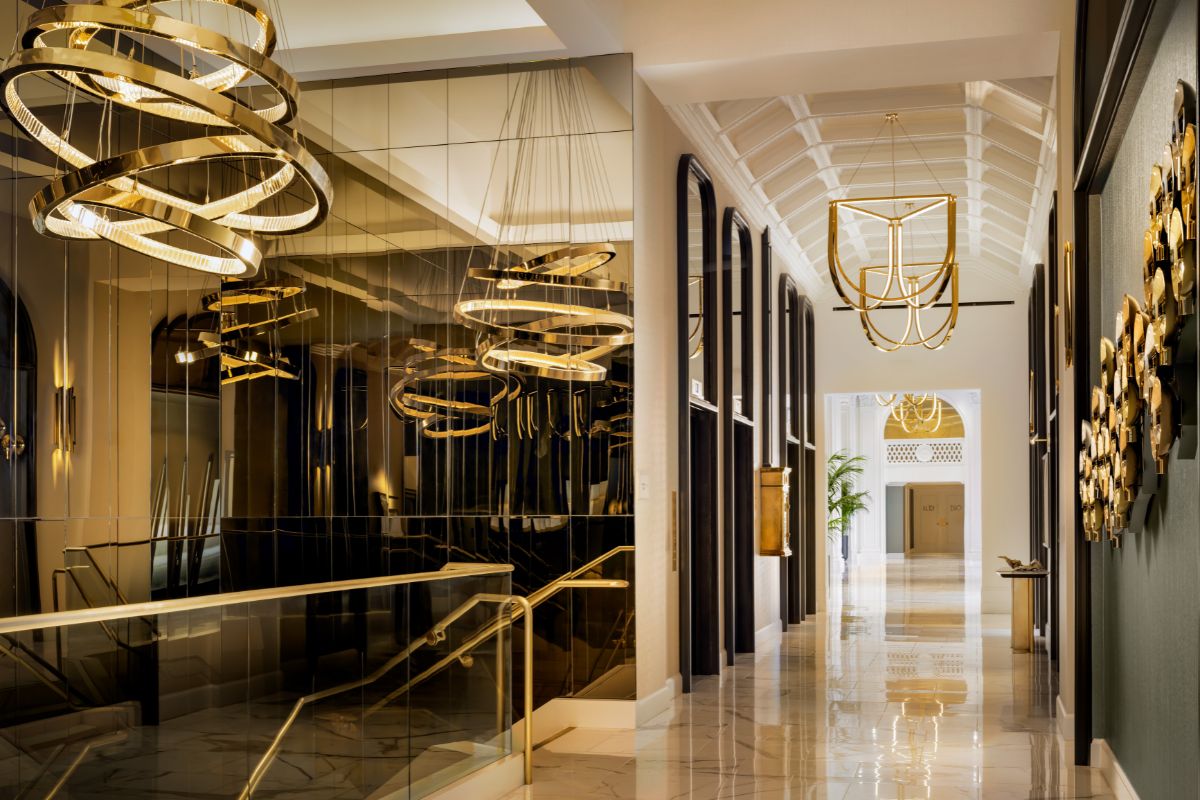
- Marvel at the hotel’s $150-million renovation. Completed between 2017 and 2024, the restoration preserved many of the building’s original features while updating the building to modern standards. Using the original blueprints as a guide, developers retained authentic details such as coffered ceilings and column capitals, helping usher Fairmont Breakers Long Beach into a new era as the city’s first luxury boutique hotel.
Explore
- Journey back in time with a docent-led tour of Rancho Los Alamitos and Rancho Los Cerritos. Microcosms of Southern California history, the 28,000-acre Rancho Los Alamitos and 27,054-acre Rancho Los Cerritos were two of five ranches partitioned out of Rancho Los Nietos, the largest Spanish concession in Nueva California (New California), a province of New Spain. Now spanning only 7.5 and 4.7 acres, respectively, these historic ranchos immerse visitors in ranching heritage and the culture of the Tongva people, the area’s original inhabitants, with their adobe houses, landscaped grounds, and fascinating exhibits. Rancho Los Alamitos, the “Ranch of the Little Cottonwoods,” also boasts the trading and ceremonial village of Povuu’nga, the traditional place of origin and sacred ancestral home of the Tongva.
- Get in the creative spirit by visiting one of Long Beach’s art museums. Running the gamut from cultural exhibits featuring Latin American and Pacific Islander artists to a wide-ranging collection of American and European works, there is something for art lovers of all kinds. The Museum of Latin American Art (MOLAA) is the only museum dedicated to modern and contemporary works by Latin American and Latino artists in the country. Part of the East Village Arts District, the museum itself is also located in a true piece of Long Beach and Southern California creative history: the site of the former Balboa Amusement Producing Company, the most prolific silent film studio in the world from 1913 to 1918. Much more intimate in scale, the Pacific Island Ethnic Art Museum is also unique, as the only museum in the continental United States devoted to the vibrant cultures of Oceania, with a special focus on Micronesia. Finally, the Long Beach Museum of Art (LBMA) is an expansive collection of more than 3,200 artworks spanning 300 years, including paintings, sculptures, decorative art objects, and drawings. Housed largely in the historic Elizabeth Milbank Anderson house, a bluffside California bungalow constructed in 1911, LBMA also offers glorious views of Long Beach Harbor and Catalina Island.
- Embark on a fascinating voyage through maritime history with a trip to the area’s two on-the-water museums, The Queen Mary and the Battleship USS Iowa Museum. After setting sail from Southampton, England, on her maiden voyage on May 27, 1936, the RMS Queen Mary quickly became the paragon of transatlantic travel. More than 30 years later, she dropped anchor for the last time in Long Beach, where she has remained ever since. In the years following, the elegant ocean liner has welcomed guests aboard, offering guided tours on everything from the ship’s Art Deco design and experience hosting Hollywood’s rich and famous to reports of paranormal activity. To experience a different side of maritime history, climb onboard the Battleship USS Iowa instead. Before mooring along the L.A. Waterfront in 2012, not far from Long Beach, this Los Angeles landmark proudly served in World War II, the Korean War, and the Cold War. Today, visitors can explore the iconic battleship on a self-guided or guided tour.
Experience
- Explore Long Beach's waterfront by bike and enjoy views of Rainbow Harbor, Shoreline Village, and the surrounding coastline. Choose from beach cruisers, tandem bicycles, electric bikes, specialty cycles, or four-wheel surrey bikes, and use self-guided maps to discover nearby destinations such as Naples and Seal Beach before enjoying dining, shopping, or the Pelican Pier Pavilion carousel.
- Learn how to kitesurf at Belmont Shore, where calm waters created by the Long Beach breakwater provide ideal conditions for beginners. Once known as the "Waikiki of the West Coast" and home to a thriving surf culture, Long Beach now offers one of the few approved locations for kitesurfing lessons in Los Angeles and Orange counties.
- Float through the canals of Naples Island on a traditional gondola ride. Inspired by Venice, Italy, this waterfront community features picturesque canals, bridges, and homes, while gondoliers continue a long-standing tradition of authentic training and storytelling as they guide visitors through the neighborhood.
Taste
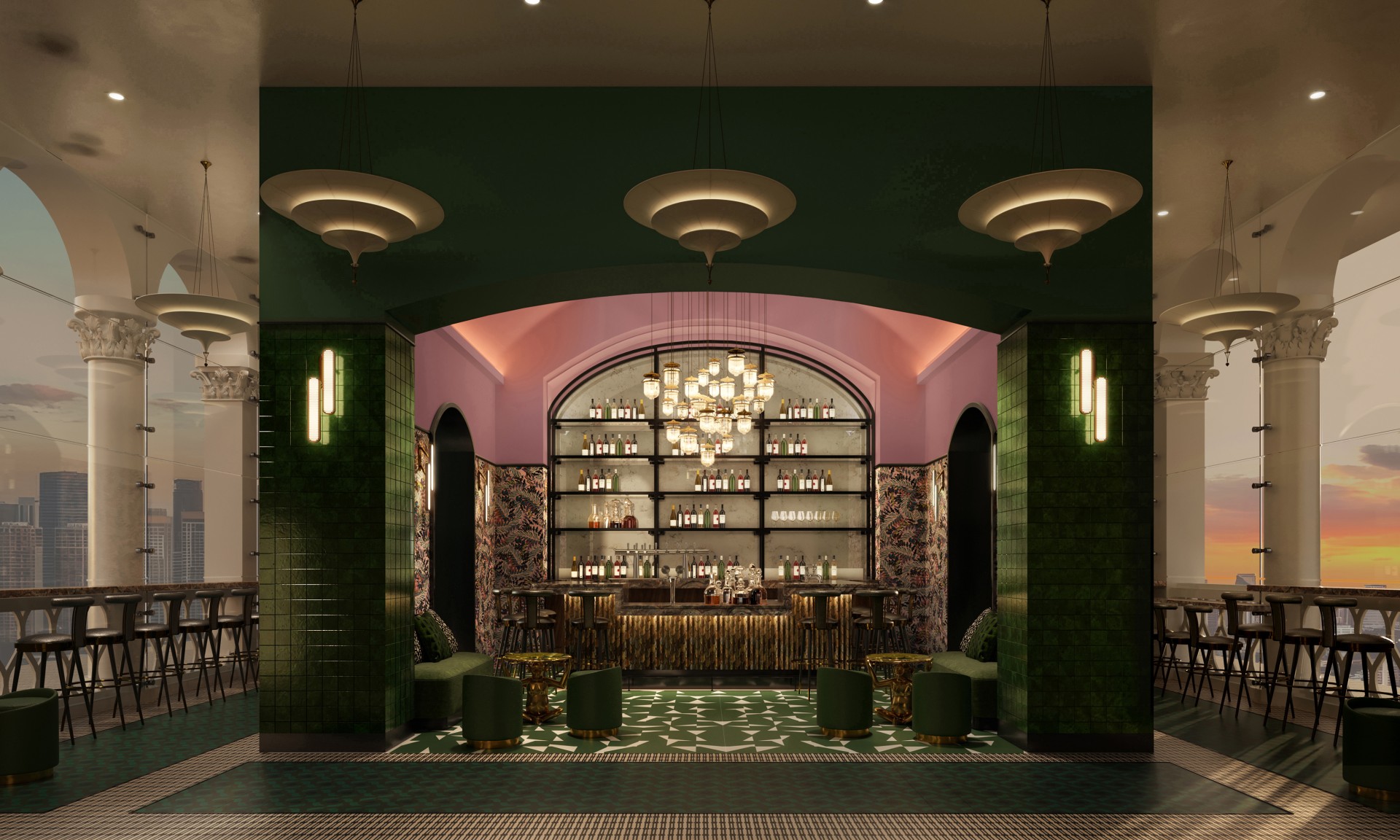
- Savor a meal or sip on a cocktail at the Sky Room, a Breakers and Long Beach icon since the late 1930s. Just as popular as Hollywood hotspots like Coconut Grove and The Brown Derby, the restaurant was once a favorite of Tinseltown stars, who would make the short journey from Los Angeles to eat, listen to music, and retreat from the limelight for a while. With the revival of Fairmont Breakers Long Beach, the Sky Room is also reveling in its own renaissance, evoking the glamorous dining experience that made it a hit during the 1930s and 1940s. Here, guests can indulge in high-end fine dining complete with tableside preparations and a maître d', all while drinking in the restaurant’s spectacular views, just like the likes of Elizabeth Taylor and Clark Gable would during Hollywood’s Golden Age.
- Sample some of the best Khmer food in the United States in Cambodia Town. Home to the largest population of Cambodians outside of the actual country itself, Long Beach also lays claim to the tastiest Cambodian food this side of the Pacific. Best of all, these Asian eateries are all relatively near each other, allowing diners to easily compare dishes like Phnom Penh noodles, lok lak (beef accented with ingredients like black pepper and oyster sauce), grilled meat skewers flavored with fragrant lemongrass, and prahok ktis (ground pork dip with coconut milk and fermented fish). While devouring the best that Cambodia Town has to offer, be sure to check out the rest of the neighborhood, which boasts temples, jewelry stores, outdoor murals, and more.
- Take a bite out of the city’s globally inspired culinary landscape at a food hall. Long Beach’s official motto is “The International City,” a proud nod to its standing as one of the most culturally and ethnically diverse big cities in the United States, according to the U.S. Census. So, naturally, its food scene is equally varied and vibrant. The best way to try a taste of it all is at one of the city’s food halls, with each offering a kaleidoscope of cuisine and a unique atmosphere all its own. Constructed out of shipping containers (an appropriate touch for a city with one of the biggest ports in California and a top-10 port for the most foreign trade in the country), SteelCraft tantalizes diners’ tastebuds with Mexican cuisine, wood-fired pizza, and more. Taking inspiration from its days as a former manufacturing site for McDonnell Douglas/Boeing for military and commercial aircraft, The Hangar takes up residence in an aviation-inspired space, with 14 vendors cooking up cuisines like Turkish, Canadian, Korean, Japanese, and Chinese.