
History
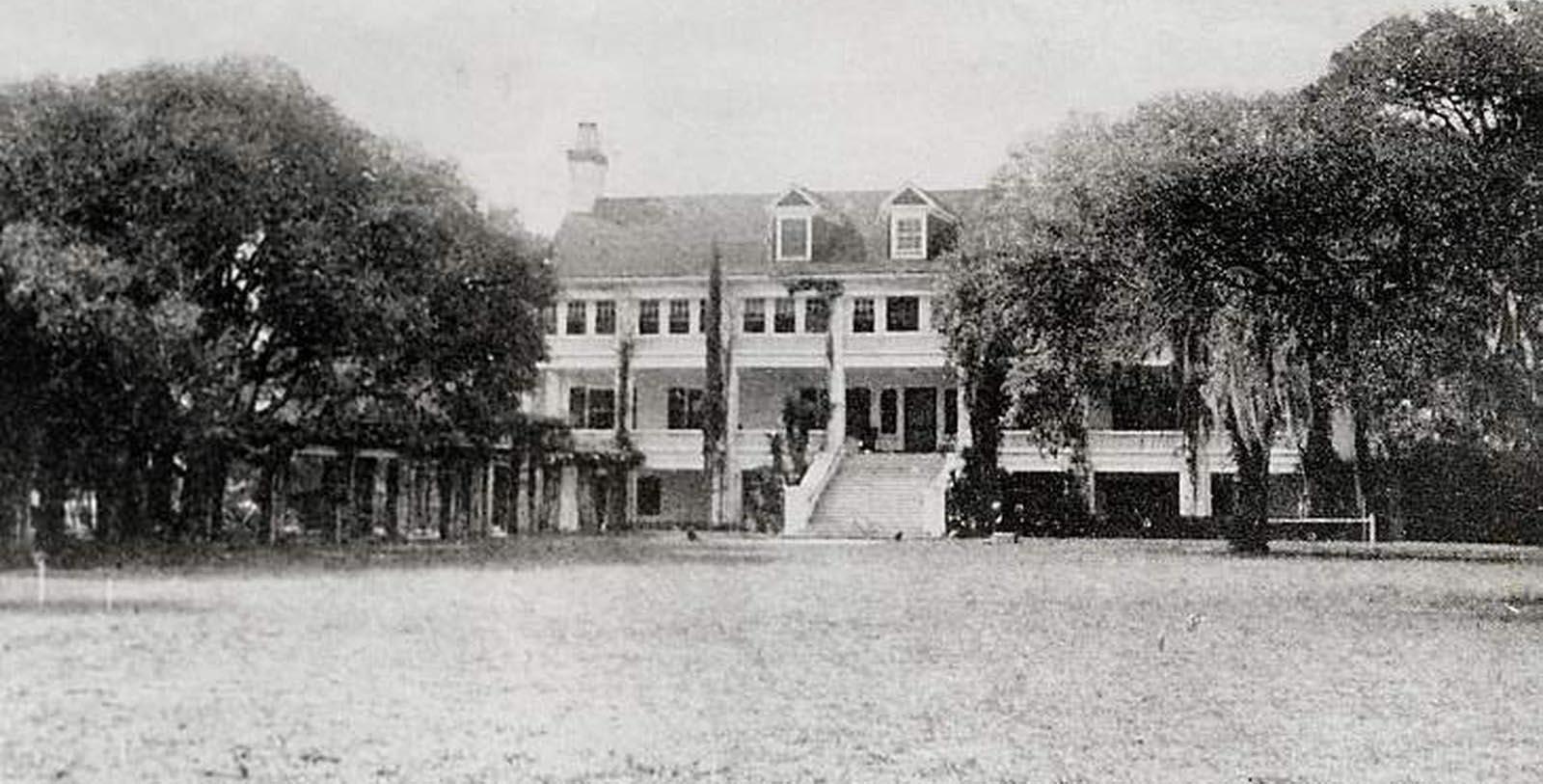
Discover Greyfield Inn, a colonial-style hotel on Georgia’s Cumberland Island that was built by Lucy Carnegie for one of her children.
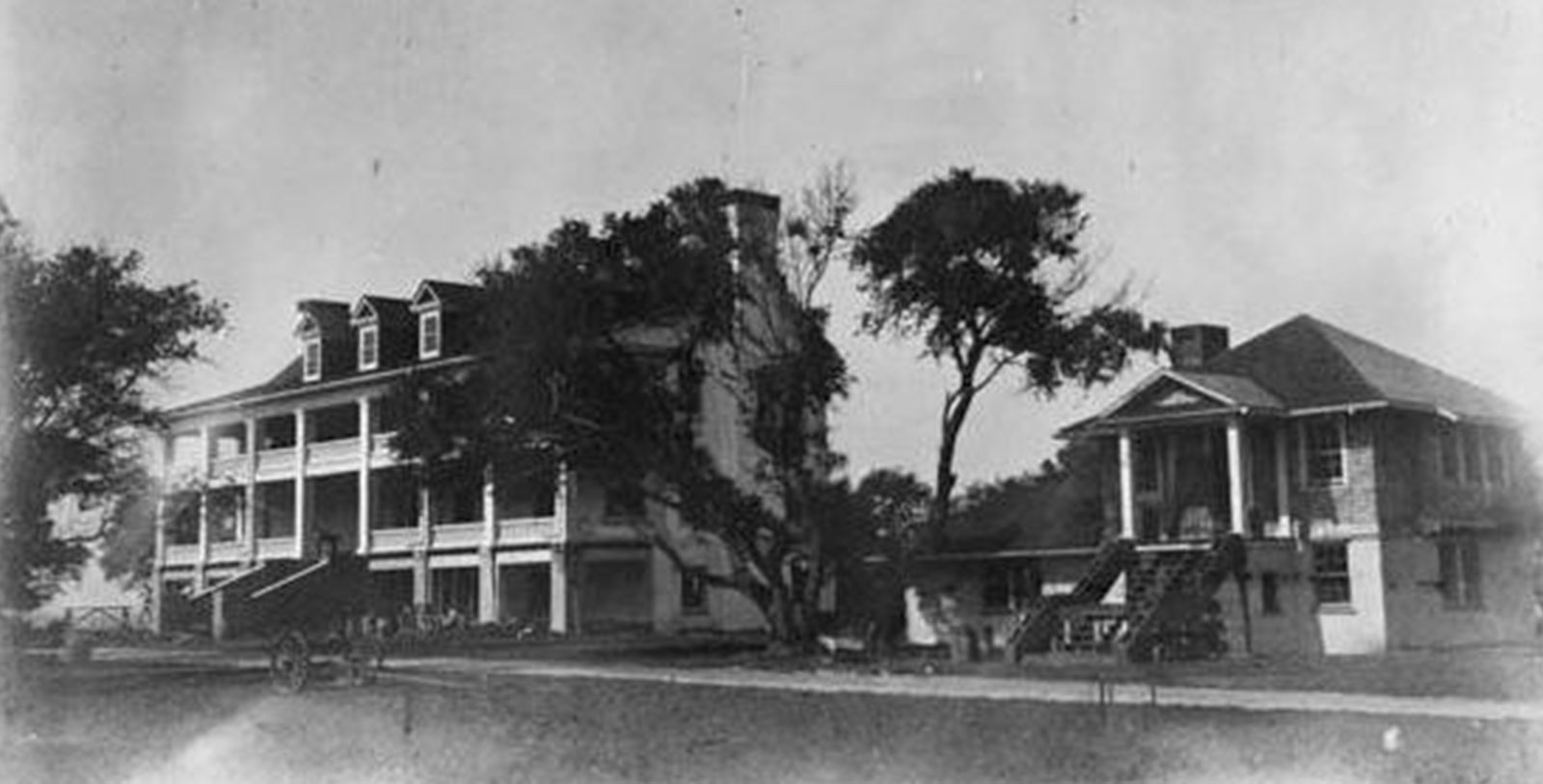
Greyfield Inn was constructed at the dawn of the 20th century, in which the United States had started to emerge as a global superpower.
The Greyfield Inn is a graceful colonial-style hotel on Georgia’s Cumberland Island, once the preserve of the Carnegies and other wealthy industrialists, and since 1972, a protected National Seashore. Built in 1900 for Margaret Ricketson, the daughter of Lucy and Thomas Carnegie and niece of Andrew Carnegie, Greyfield was opened to guests by Margaret’s daughter and her family in 1962 as a way of ensuring the historic property’s preservation. Outside, its private compound includes more than 200 scenic acres of pristine oceanfront land devoted to guests’ enjoyment. Most of the island is owned by the National Park Service, which strictly limits the number of daily visitors, so that the inn’s guests usually find themselves sharing the unspoiled beaches and meandering trails with just the island’s exotic wildlife.
Inside, the seaside inn has changed little from the way it looked at the turn of the last century. One of four grand homes originally built on Cumberland Island by Lucy Carnegie for her children, Greyfield Inn has a timeless quality that entrances visitors to this historic inn. Family portraits still grace the walls of the parlor, and late Victorian antiques, Tiffany lamps, and Chippendale pieces, many of which are family heirlooms, fill the rooms. In the well-stocked library, first editions and classics owned by the Carnegies line the shelves; in the living room, horsehair chairs flank the baronial fireplace. There are no telephones or televisions to dispel the illusion of living, however briefly, in the past.
The Location
The Greyfield Inn is a graceful colonial-style hotel on Georgia’s Cumberland Island, once the preserve of the Carnegies and other wealthy industrialists, and since 1972, a protected National Seashore. Built in 1900 for Margaret Ricketson, the daughter of Lucy and Thomas Carnegie and niece of Andrew Carnegie, Greyfield was opened to guests by Margaret’s daughter and her family in 1962 as a way of ensuring the historic property’s preservation. Outside, its private compound includes more than 200 scenic acres of pristine oceanfront land devoted to guests’ enjoyment. Most of the island is owned by the National Park Service, which strictly limits the number of daily visitors, so that the inn’s guests usually find themselves sharing the unspoiled beaches and meandering trails with just the island’s exotic wildlife.