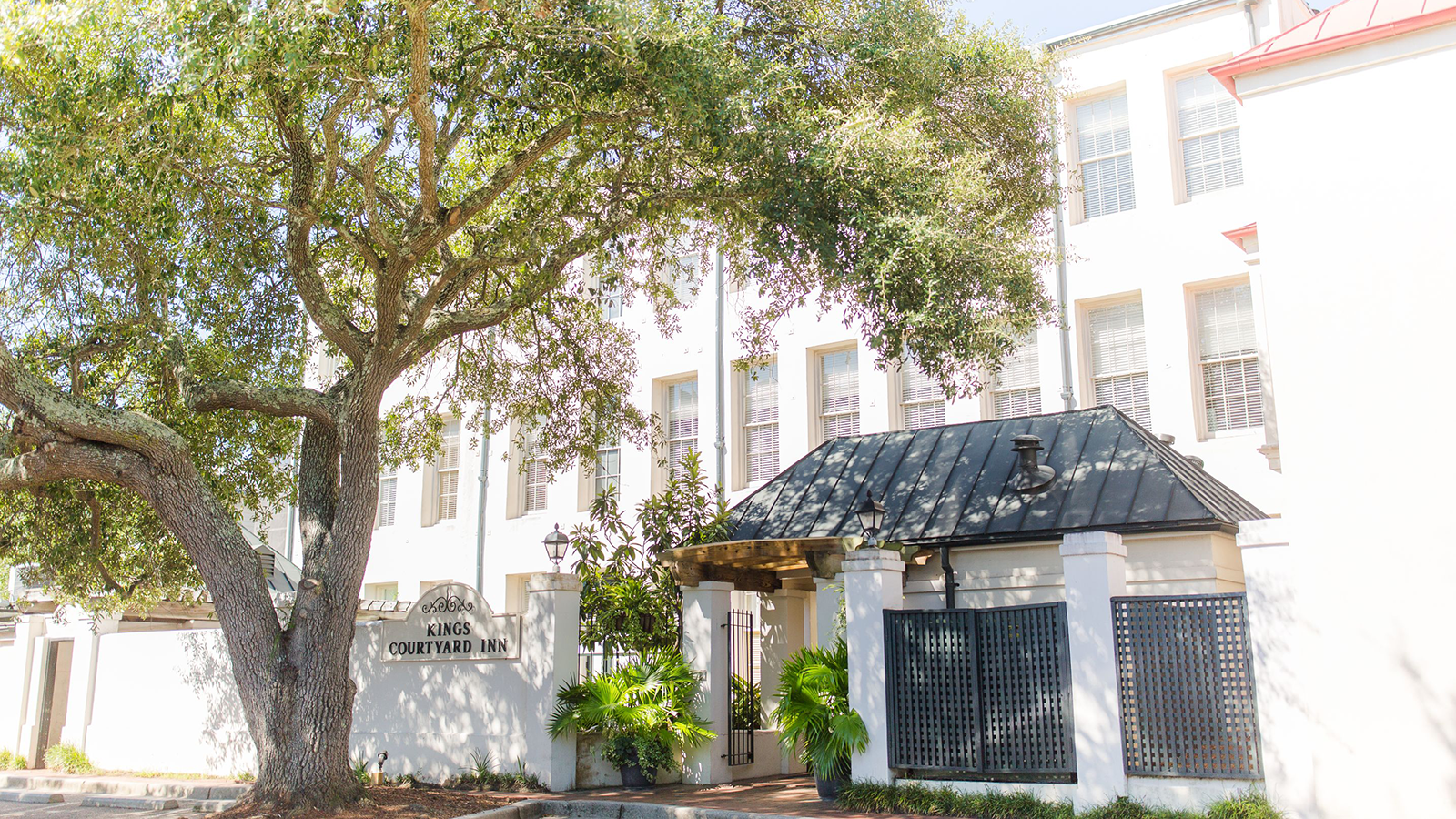
Kings Courtyard Inn
Charleston, South Carolina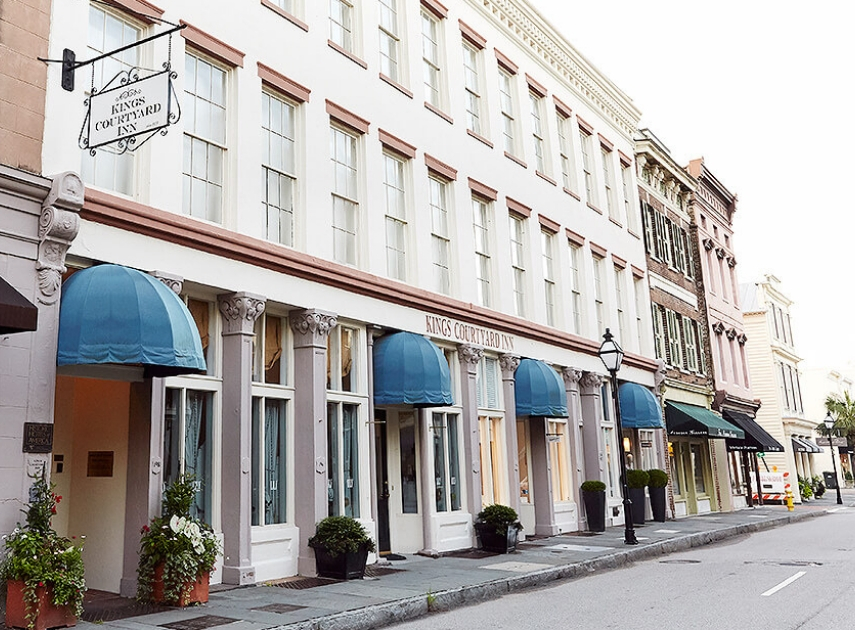
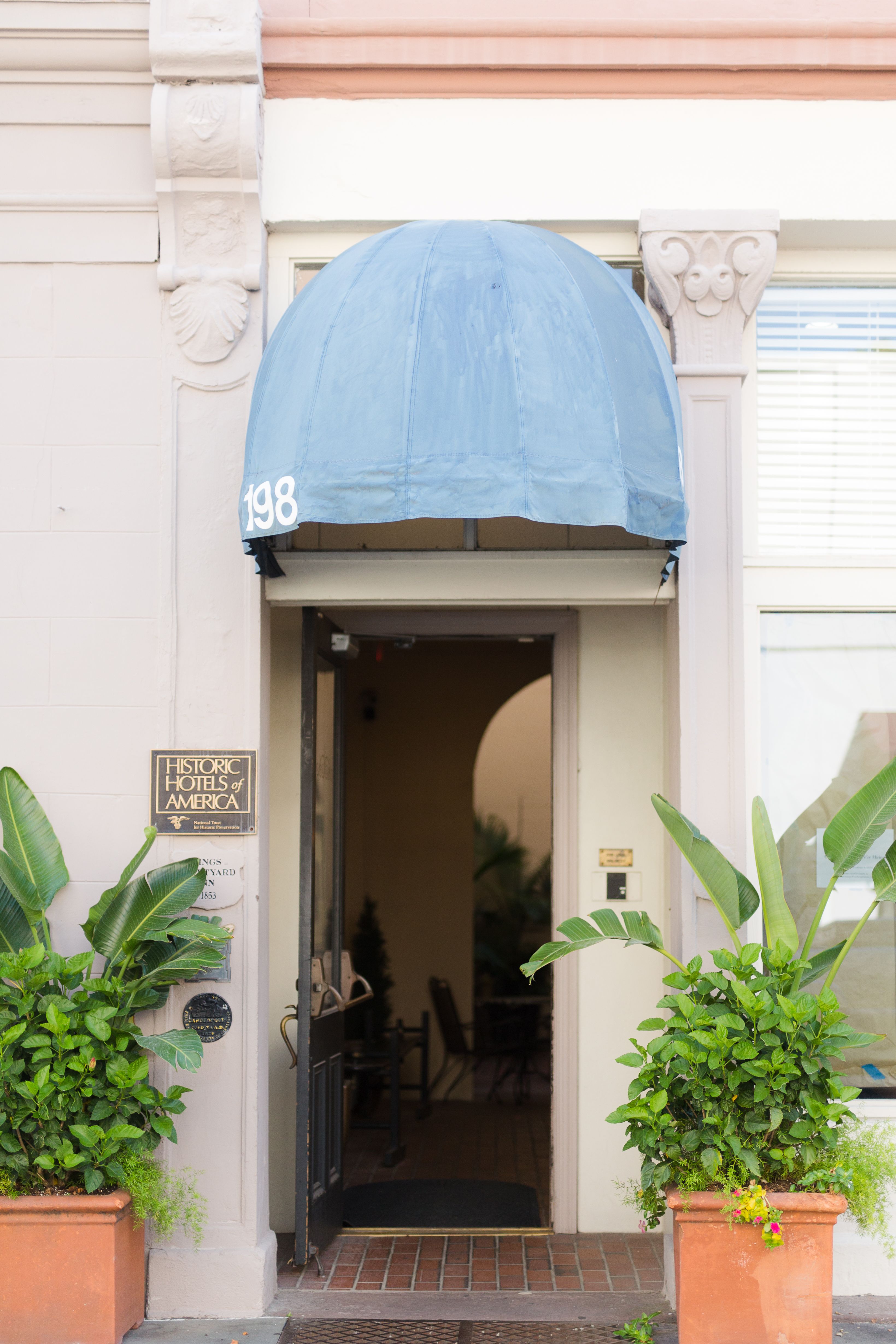
 198 King Street, Charleston, South Carolina 29401
Original Property Opened in 1853
Historic Hotels of America member since 1989
198 King Street, Charleston, South Carolina 29401
Original Property Opened in 1853
Historic Hotels of America member since 1989


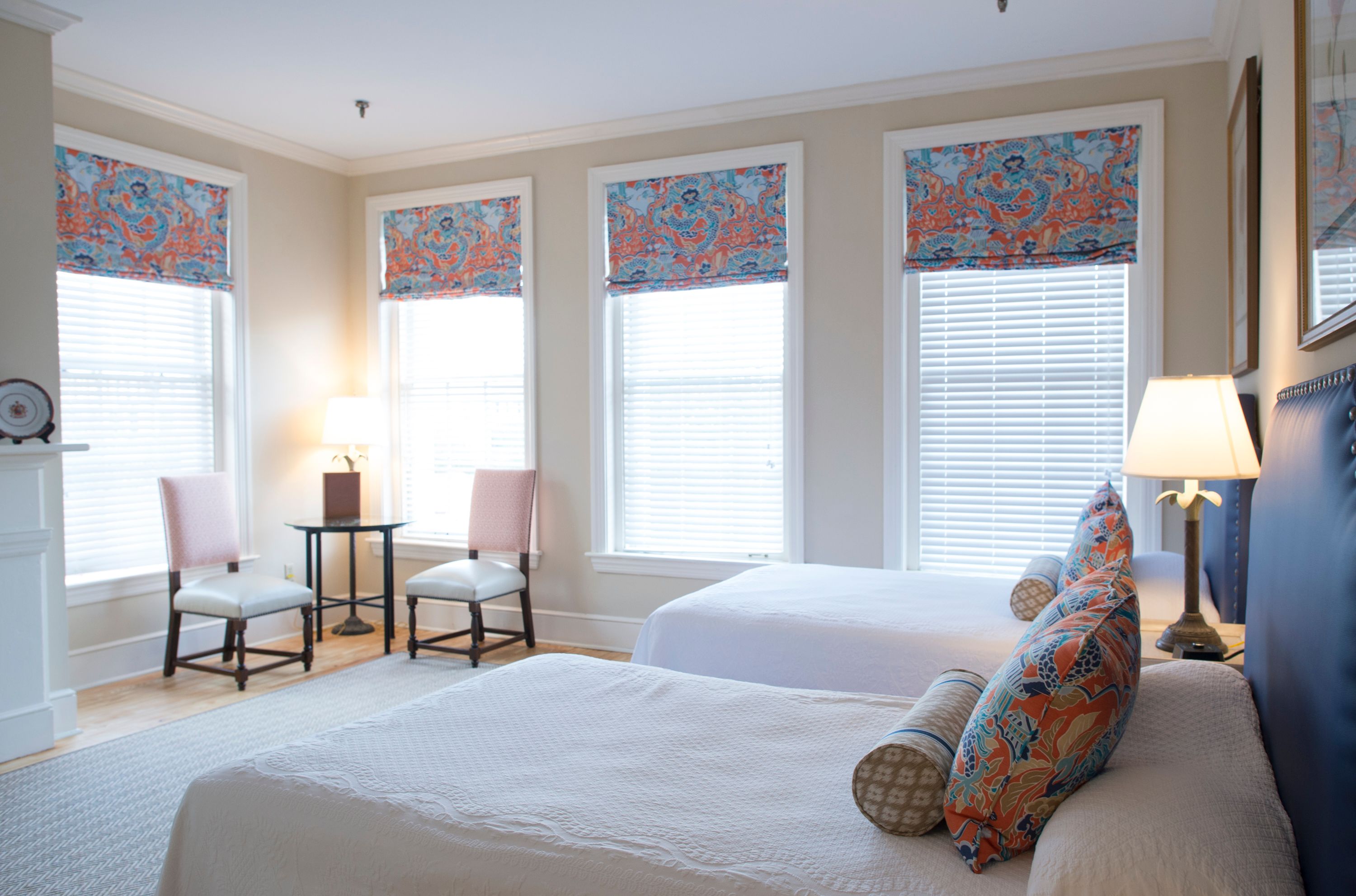
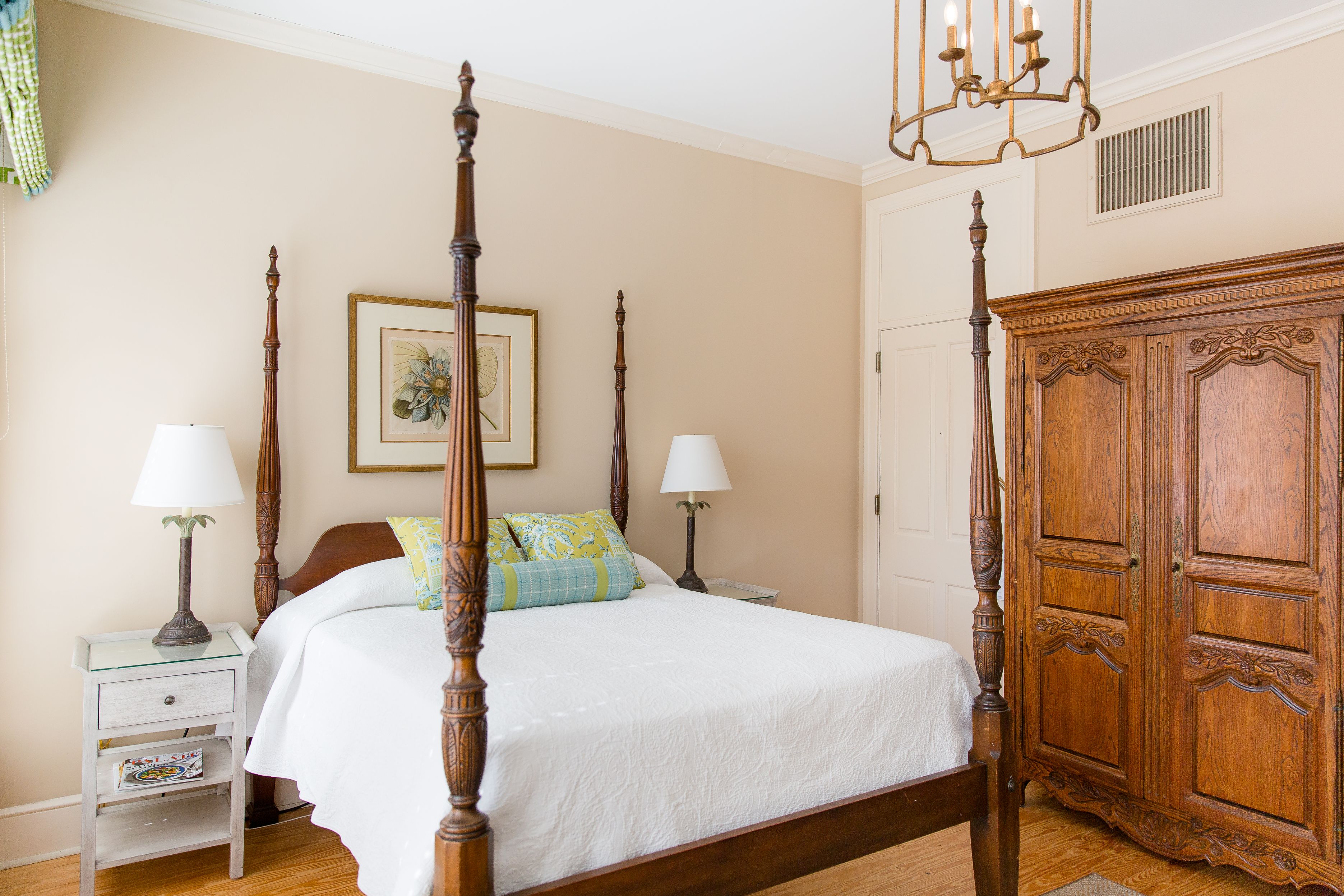
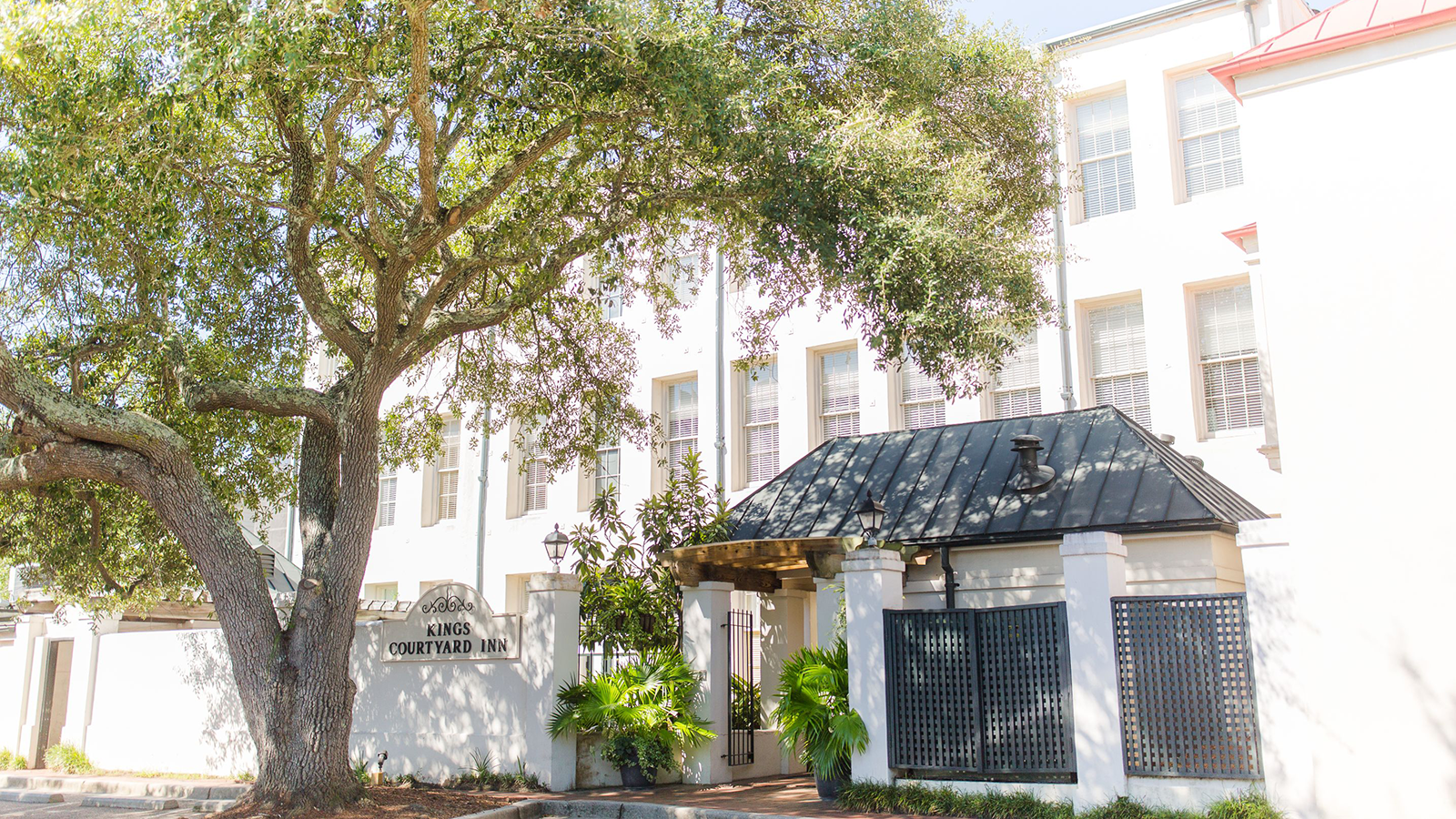
Located on Charleston’s King Street and a charter member of Historic Hotels of America, the magnificent Kings Courtyard Inn possesses a venerable past. Colonel J. Charles Blum constructed the building in 1853, hiring architect Francis D. Lee to oversee its development. Lee used Greek Revival-style architecture accented with Egyptian design elements. In 1983, the building underwent a massive renovation that saw its transformation into the present Kings Courtyard Inn. The 41-room Inn has since been among Charleston’s most charming destinations, where guests are pampered with Southern-style niceties. Each light-filled room is unique and all have 12-foot ceilings, along with beautifully restored original hardwood floors.
Discover
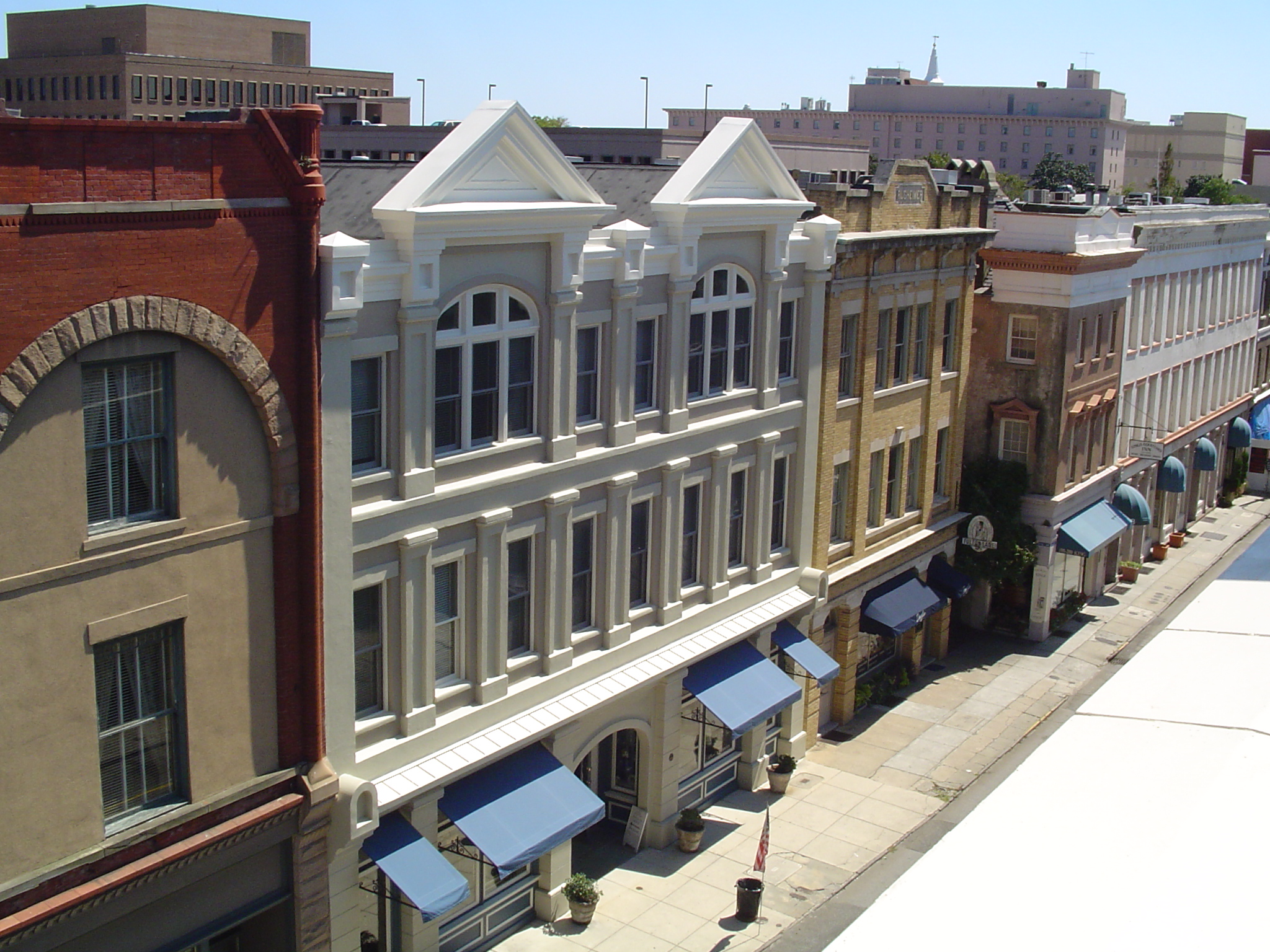
- Discover the role Kings Courtyard Inn played in Charleston's vibrant economy. The inn has been an integral part of Charleston's bustling King Street since its founding. The original building was known as the "Blum Building" and housed a number of businesses over the years, from shops and a tavern to Salvation Army-sponsored lodgings for women, a dry cleaner, and even a skating rink. In 1983, the hotel was renovated and given new life as the Kings Courtyard Inn.
- Marvel at the distinctive architecture of Kings Courtyard Inn. Designed by renowned Charleston-based architect Francis D. Lee in the early 1850s, the structure is representative of Greek Revival architecture, one of the most common architectural styles in the South. In fact, some historians consider Greek Revival to be the very first "national" architectural style of the United States, influencing everything from governmental buildings, churches, and banks to mansions and farmhouses.
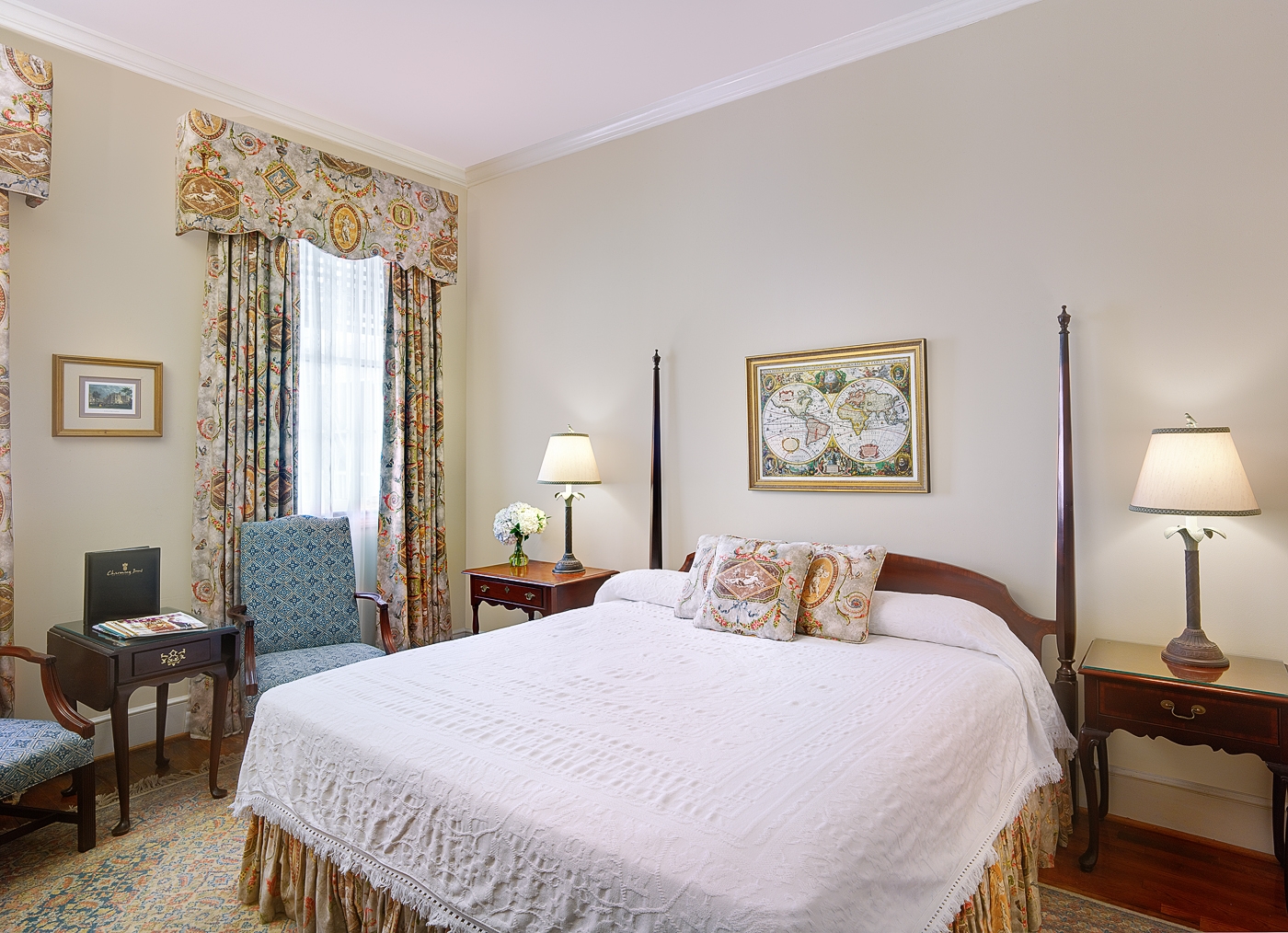
- Relax in the classically inspired accommodations of Kings Courtyard Inn. Each of the Inn's 41 guestrooms offers a timelessly beautiful setting. Soaring 12-foot ceilings, stunningly restored hardwood floors, and original fireplaces complete the sophisticated scene.
Explore
- Explore some of the city’s best museums minutes from the hotel. The Charleston Museum is the oldest museum in the United States, founded in 1773. Home to such artifacts as the table where the state’s secession documents were signed, a whale skeleton, and slave tags, this fascinating museum located just a short drive or easy walk from Kings Courtyard Inn offers valuable context before exploring the city’s historic district.
- Go for a stroll down Rainbow Row, a picturesque stretch of 13 prismatic Georgian row houses. Perched along lower East Bay Street like house-shaped Easter eggs, these candy-colored homes were once wharf-side merchant stores. Although the buildings themselves date back to 1730, their pastel paint is slightly more recent, receiving their kaleidoscopic makeovers around the 1920s. The splashy transformation was a raving success, and soon, the rest of the city followed suit. Several other historic homes throughout Charleston are also worth a visit. The Aiken-Rhett House offers a snapshot-in-time look at an 1820s urban townhouse, complete with dorm-style quarters for its enslaved African caretakers, while the Heyward-Washington House is the former home of one of South Carolina’s signers of the Declaration of Independence and the temporary home-away-from-home for President George Washington during his weeklong Charleston visit in 1791.
- Visit the McLeod Plantation Historic Site. A Gullah Geechee heritage site that centers the stories of enslaved people and freedmen, this 37-acre former cotton plantation is a living tribute to the people who shaped the Lowcountry. Here, visitors learn about everything from the cultivation of Sea Island cotton and daily plantation life to the role of spirituality, the influence of the Freedmen’s Bureau, and the efforts of the Massachusetts 55th, a volunteer infantry unit of free Black men who emancipated the plantation’s enslaved individuals.
Experience
- Experience the charm of Charleston. With its cobblestone streets, confection-colored buildings, waving palms, and stately trees dripping with Spanish moss, Charleston can only be described as breathtakingly picturesque. Take in sights like Rainbow Row, Cabbage Row, the Aiken-Rhett House, Charleston City Market, White Point Gardens, Colonial Lake, and Waterfront Park.
- Travel along the Gullah Geechee Cultural Heritage Corridor. The Gullah Geechee people are the descendants of enslaved individuals from Central and West Africa, who retain both rich cultural and linguistic traditions with African roots. Spanning 12,000 square miles, from southern North Carolina to northern Florida, this coastal region is recognized by the U.S. Congress for its cultural and historical importance. Learn about the Gullah language, sometimes called “Sea Island Creole,” and Central and West African traditions by touring James and Johns Island, enjoying the Gospel Brunch on Sundays at Halls Chophouse, or taking in a performance of “The Sound of Charleston” concert series.
- Search for a souvenir at the Charleston City Market. A city mainstay since 1804, following its transfer to the city in 1788 by Charles Cotesworth Pinckney for permanent use as a public market, this sprawling marketplace stretches for four city blocks from Meeting Street to the Cooper River. Today the market is home to over 300 entrepreneurs. Shoppers can explore both the circa-1841, Greek Revival-style Market Hall and three “sheds,” open-air structures that have stood the test of time, weathering earthquakes, tornadoes, and Civil War cannon bombardments. When searching for that special something, keep an eye out for the “Certified Authentic: Handmade in Charleston” symbol to take home a local product. One such item, the sweetgrass basket, is rich in Charleston history with roots in African culture. Woven by Gullah artisans out of bulrush, locally harvested from the sandy soil of the Lowcountry, these stunning handicrafts were once used to separate rice seed from its chaff. The history and craftsmanship of sweetgrass basketry is so prized that one by Charleston weaver Mary Jackson even resides in the permanent collection of the Smithsonian American Art Museum.
- Experience Charleston’s long history of jazz at the yearly Charleston Jazz Festival, the Charleston Jazz Academy, and the Forte Jazz Lounge. Guests can also attend performances by the Charleston Jazz Orchestra at the Charleston Music Hall.
Taste
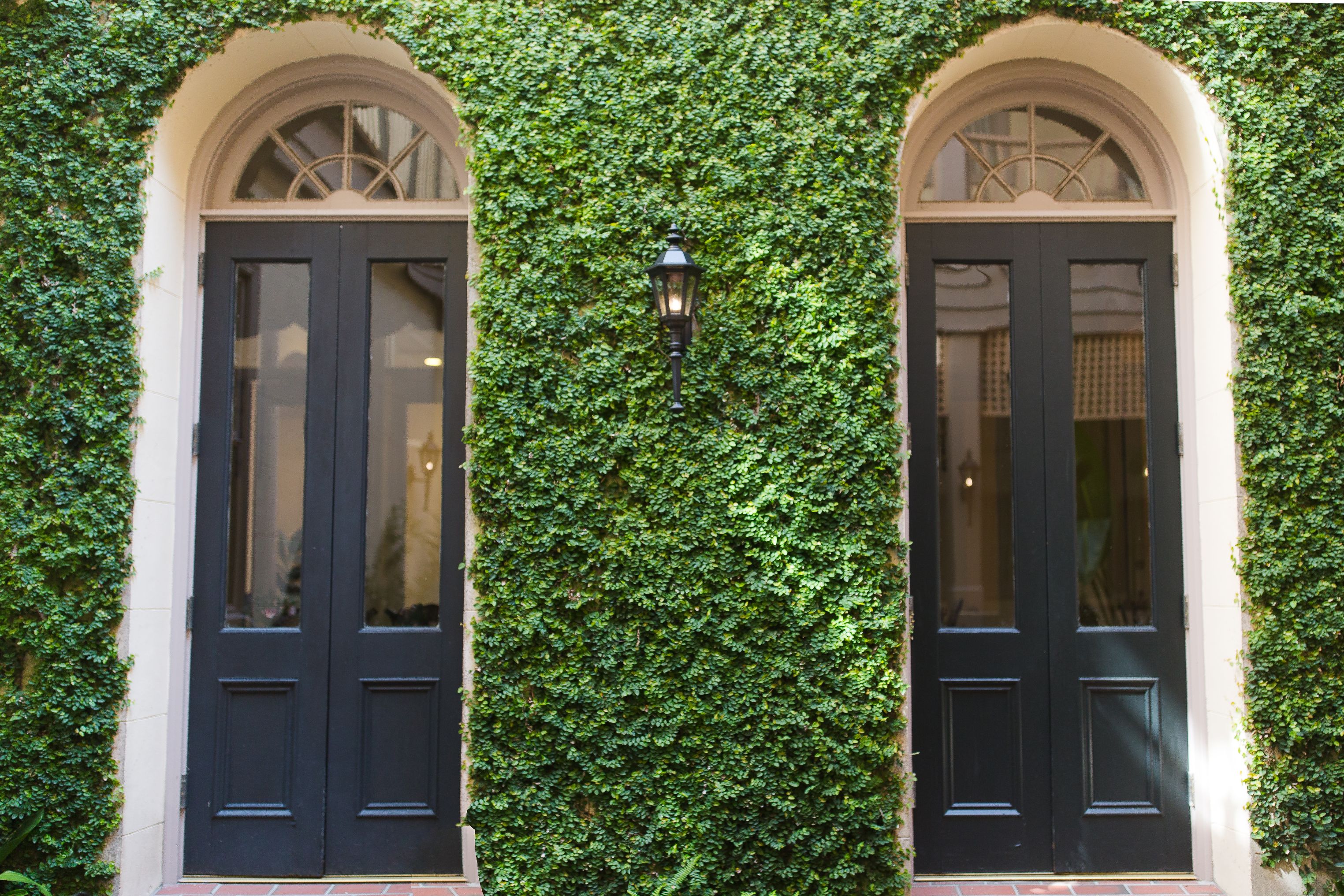
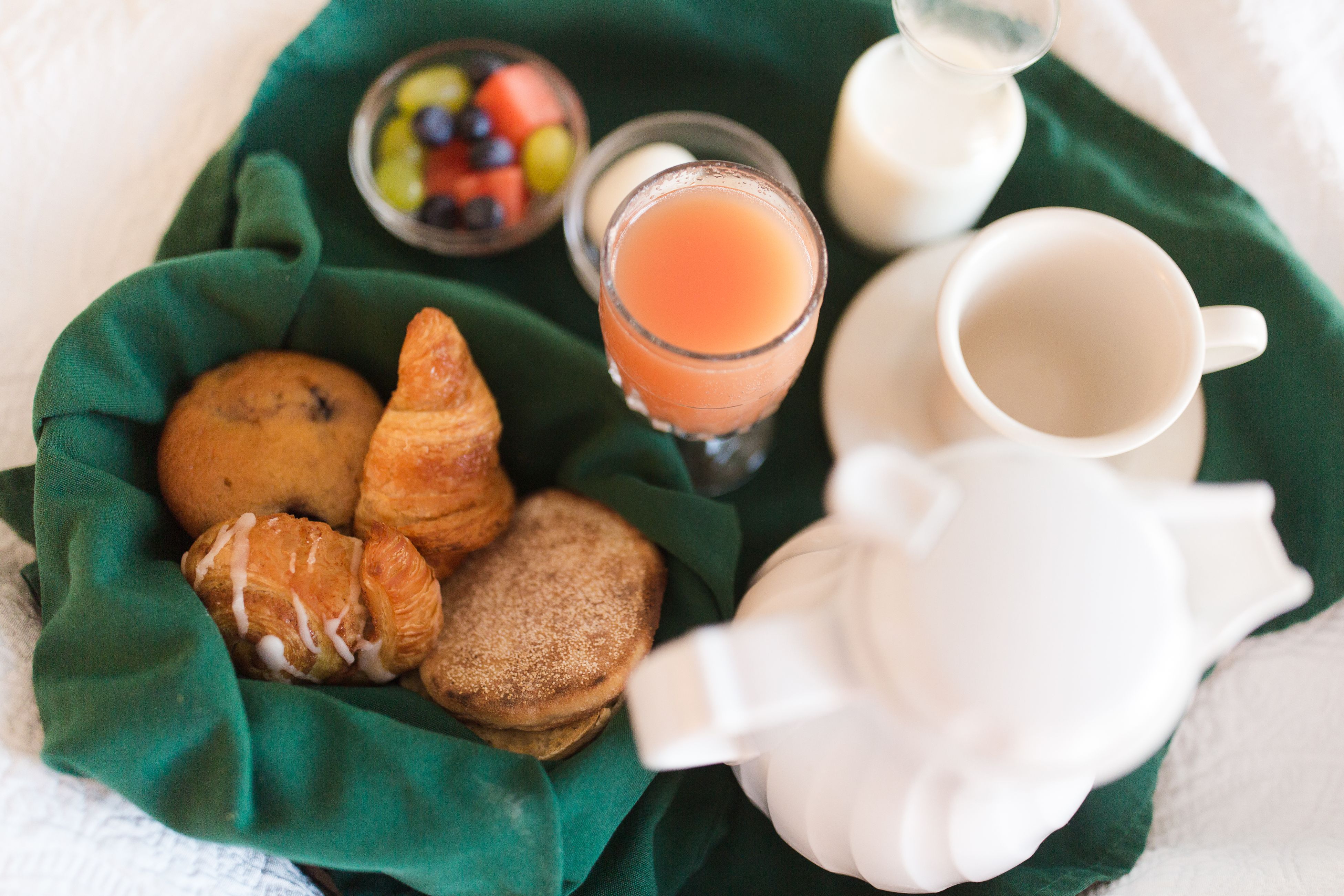
- Enjoy a taste of true Southern hospitality with continental breakfast, afternoon wine and hors d'oeuvres, and evening cordials compliments of Kings Courtyard Inn. In the mornings, travelers can greet the day with pastries and fresh fruit from the comfort of their guestroom or amid one of the Inn's leafy, ivy-draped courtyards. In the afternoons, wine and a selection of cheeses offer a welcome reprieve from the Charleston sunshine. Then, after a long day exploring Charleston, unwind with an indulgent glass of sherry before turning in for the night.
- Sample the bounty of the Atlantic Coast by diving into one of South Carolina’s many delectable seafood dishes like oyster roasts and she-crab soup. She-crab soup is a decadently creamy dish with roots in Scotch-Irish culinary traditions. The dish was born during a dinner for President William Howard Taft at the home of Charleston Mayor R. Goodwyn Rhett. Rhett's chef and butler, William Deas, put the “she” in she-crab soup by adding a cluster of crab roe, elevating the dish from ordinary to extraordinary.
- Savor the culinary heritage of the South with must-have dishes like okra soup or shrimp and grits. Although the Gullah people descended from a rice culinary culture, they were introduced to corn and grits during mealtime on the plantations, combining it with the shrimp they caught on the Sea Islands.
- Drink in South Carolina’s spirited heritage with a stop at one of Charleston’s local distilleries, breweries, or taprooms. In the state’s early days, settlers would imbibe in glasses of Madeira wine brought over by sailing ships, picked up in casks at the Portuguese port before setting off across the Atlantic, or swigs of rum from Barbados, a popular last stop for European settlers before dropping anchor in Charleston. Although those libations are still popular around the city, today's locally made drinks tend to be heavy on grains, like rye whiskey or hoppy craft beers.
FEATURED ACCOMMODATIONS
Featured Offers
Friends of Historic Hotels of America receive up to 10% off the Best Available Rate using the code NHP.