Lord Baltimore Hotel
Baltimore, Maryland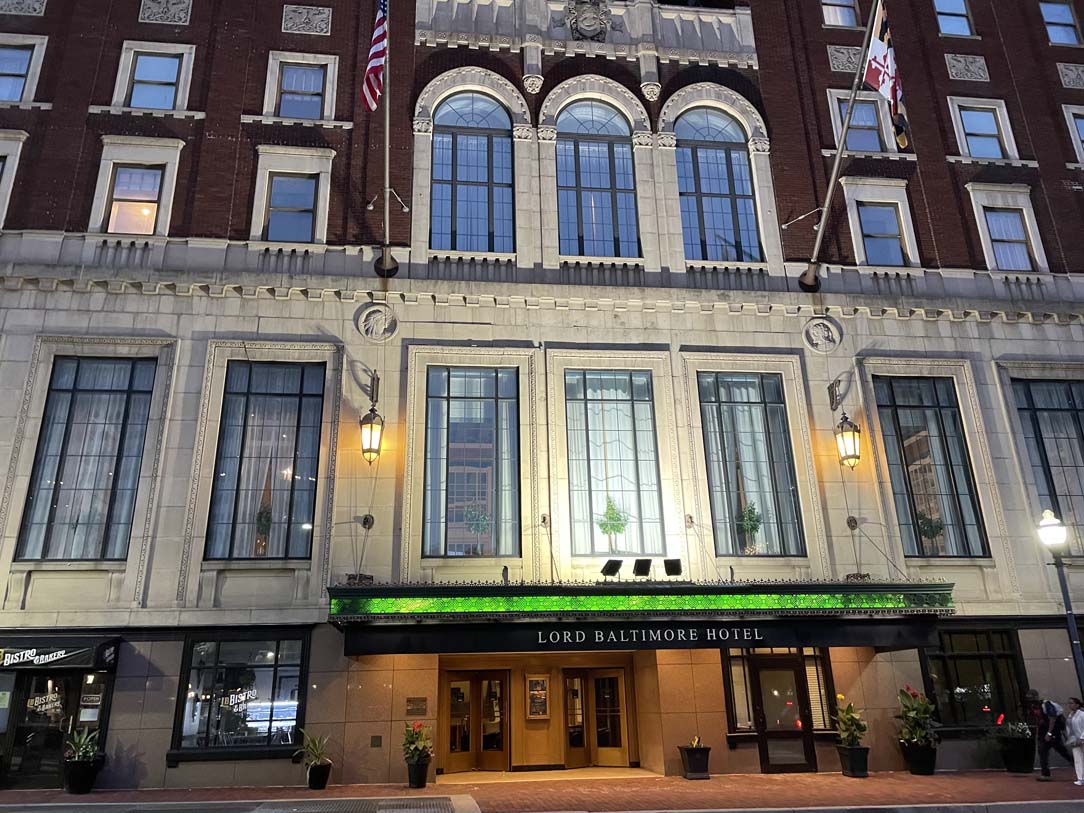
 20 West Baltimore Street, Baltimore, Maryland 21201
Original Property Opened in 1928
Historic Hotels of America member since 2005
20 West Baltimore Street, Baltimore, Maryland 21201
Original Property Opened in 1928
Historic Hotels of America member since 2005
- The 2024 Top 25 Historic Hotels of America® Most Haunted Hotels List Is Announced
- The 2023 Top 25 Historic Hotels of America Most Magnificent Ceilings and Domes
- 2022 Top 25 Historic Hotels of America Most Magnificent Art Collections
- Historic Hotels of America Announces the Top 25 Haunted Hotels for 2019
- The 2018 Historic Hotels Most Magnificent Ceilings and Domes List




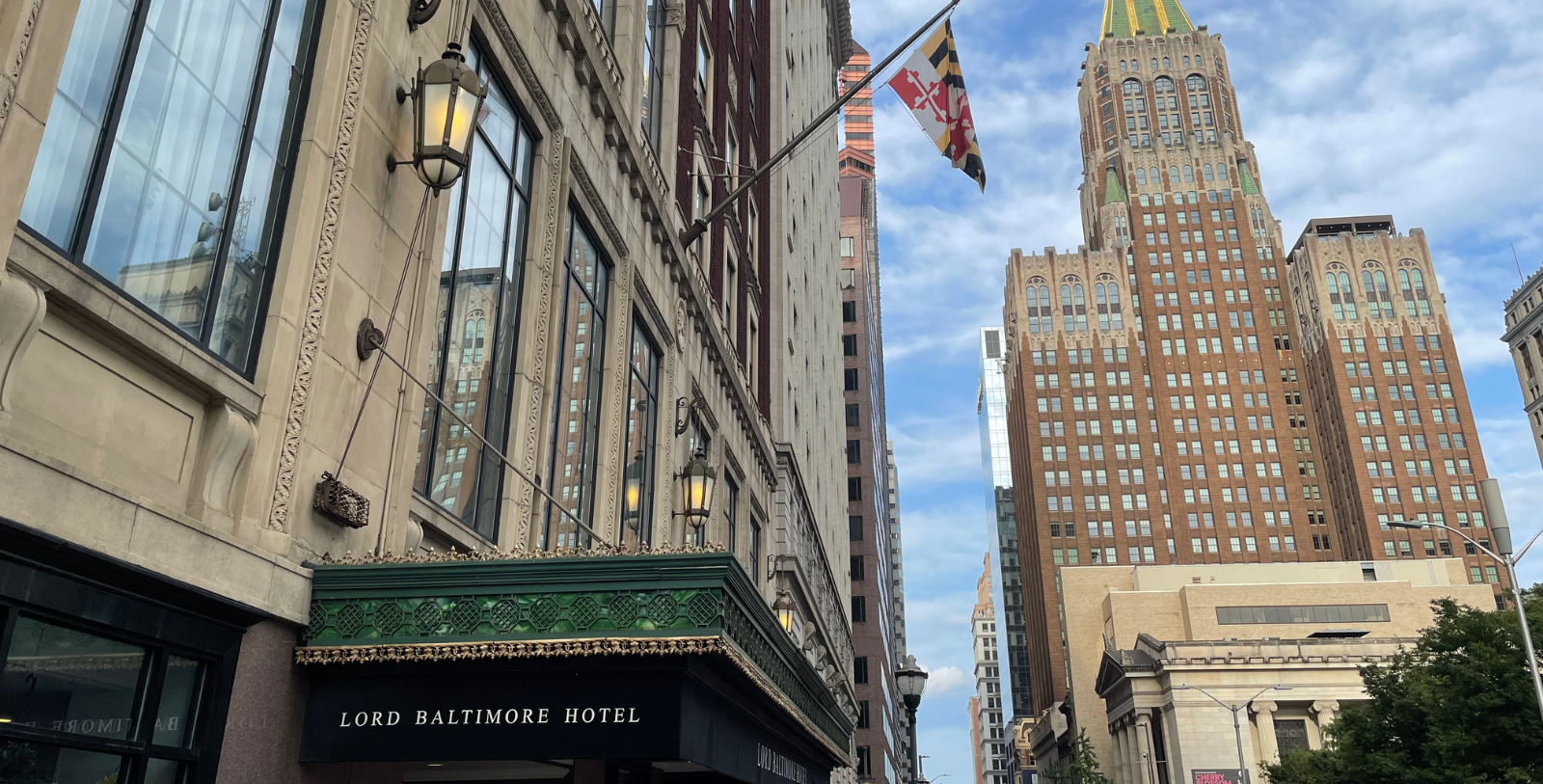
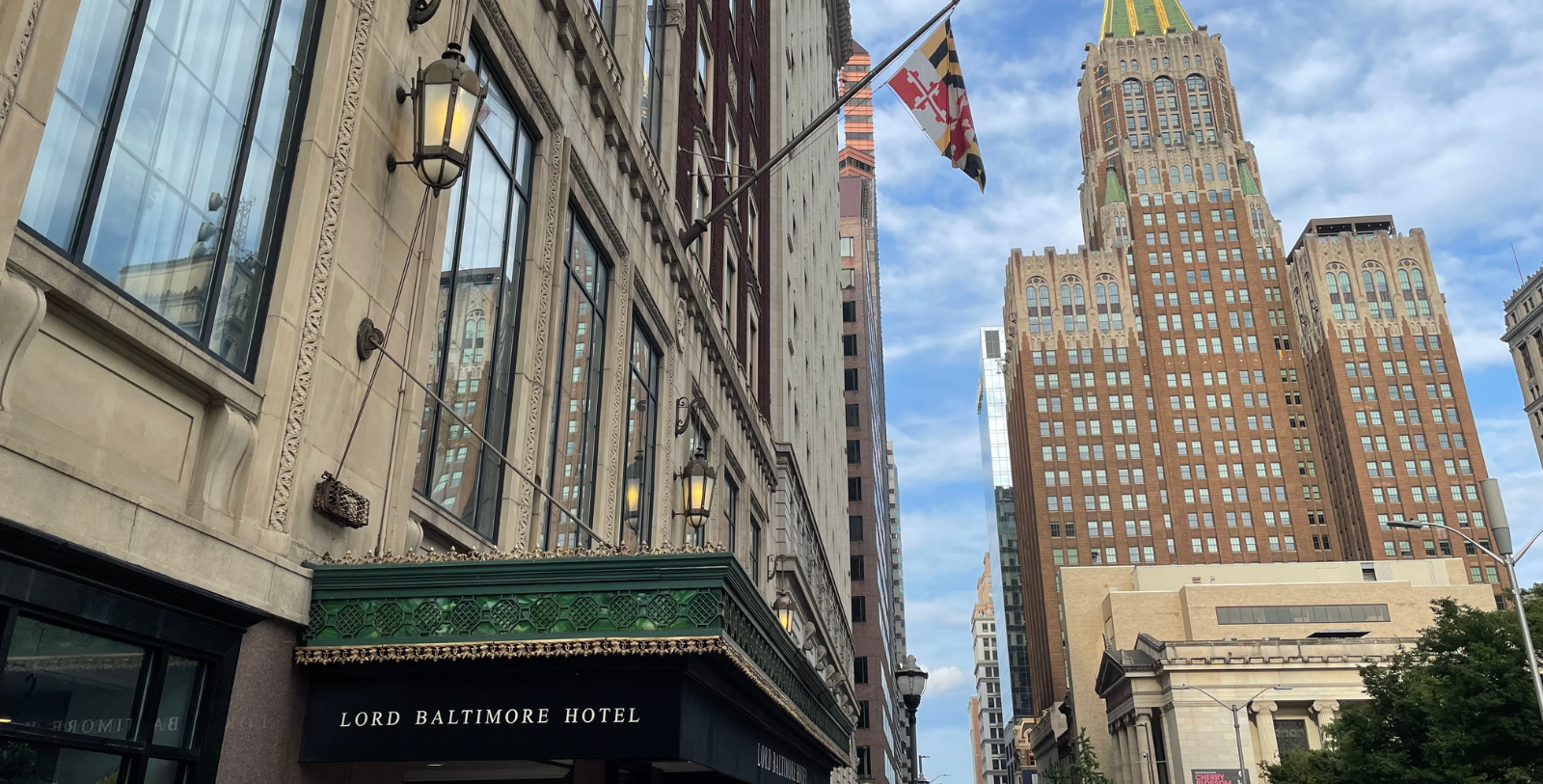
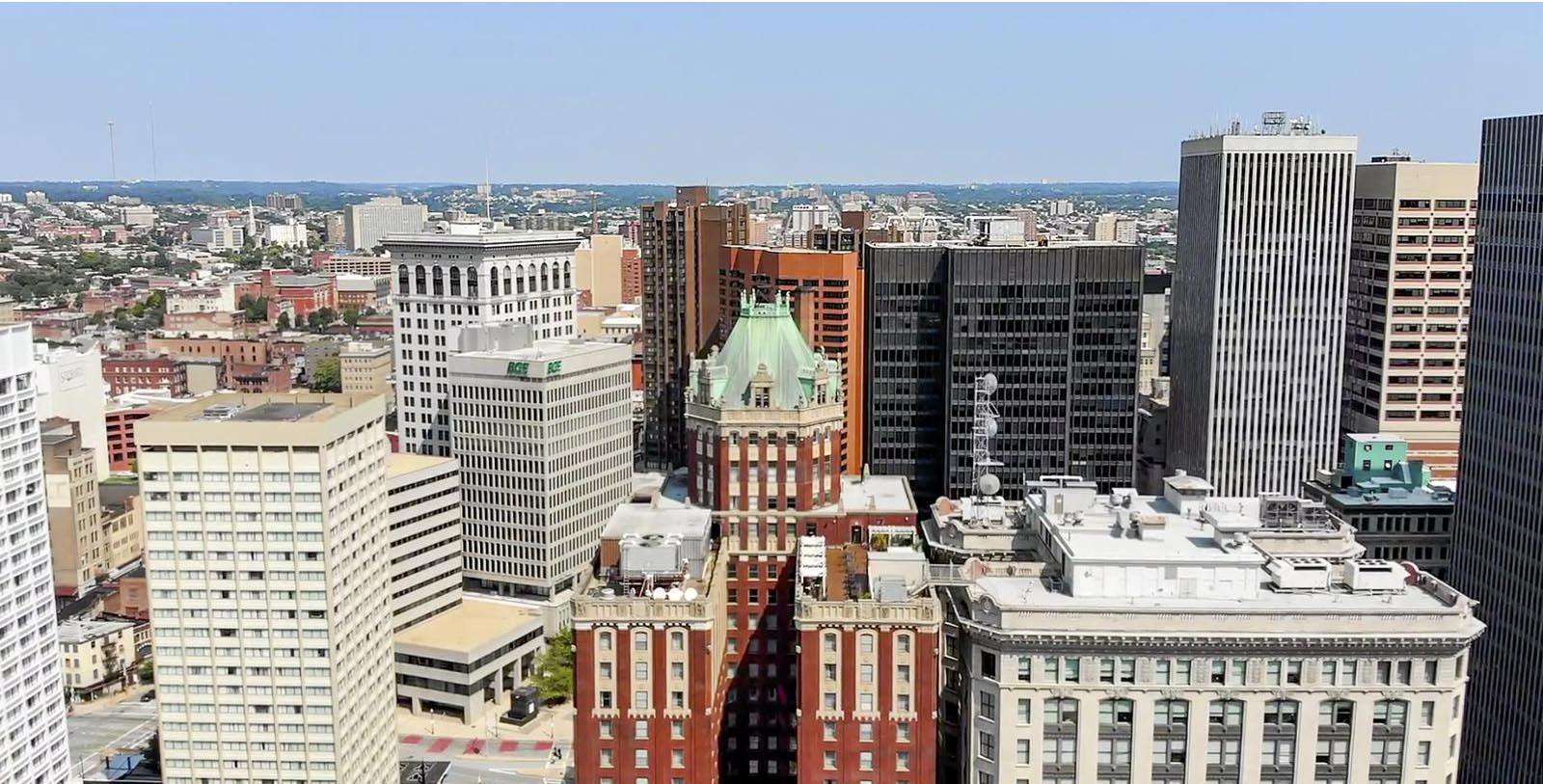
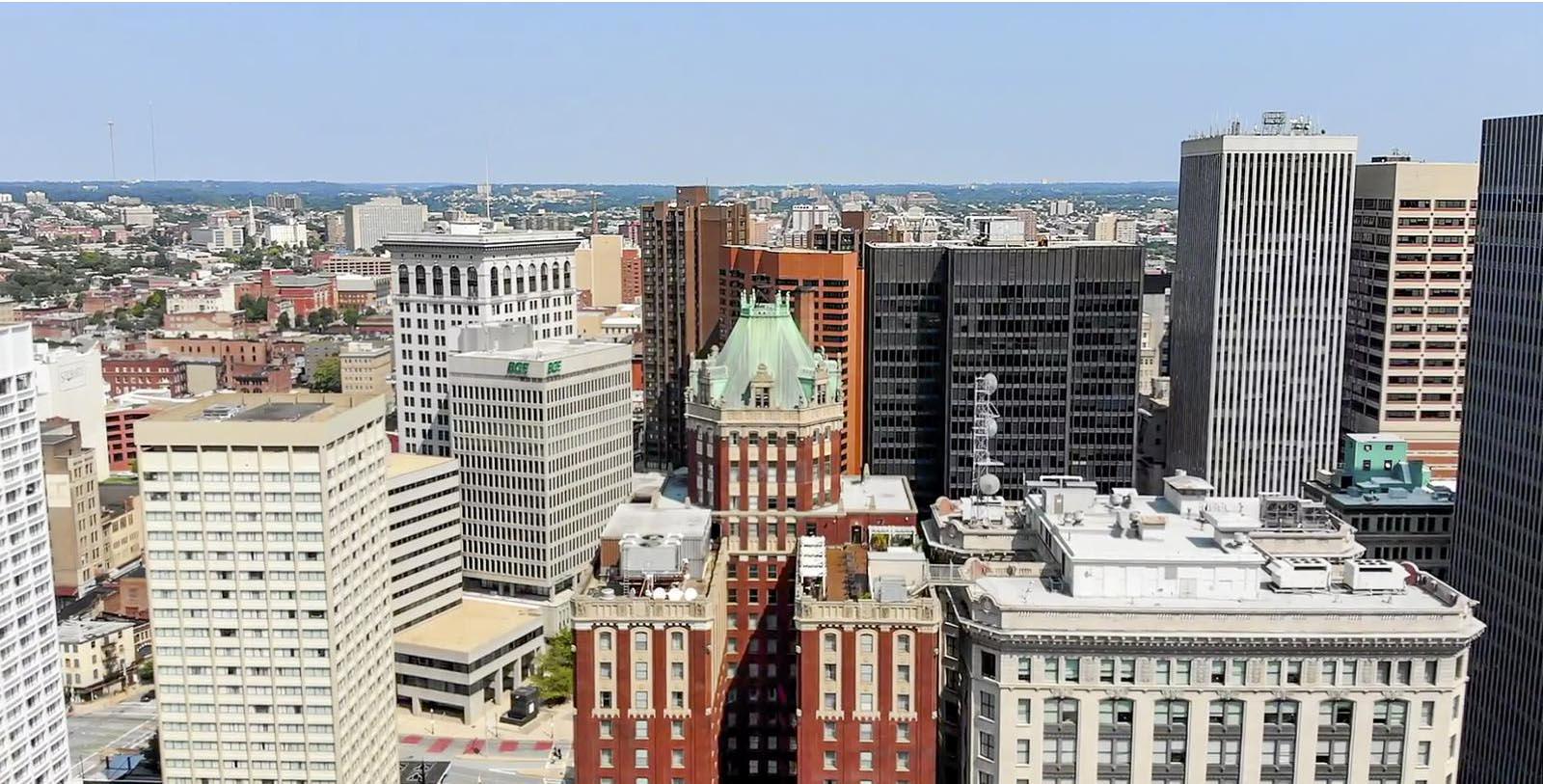
At the time of its construction in 1928, the 23-story Lord Baltimore Hotel was the largest hotel in Maryland. Named for George Calvert, Lord Baltimore and founder of the Maryland colony, it was the last high-rise building with classical ornamentation erected in downtown Baltimore. The lobby has graciously welcomed guests with its stately columns and traditional appointments for nearly a century, while the guestrooms offer a level of comfort that is unmatched to this day. As a landmark hotel in Baltimore, high-tech amenities are located throughout the hotel, from its accommodations to the event spaces. Located downtown, the Lord Baltimore Hotel is a short walk to many prime attractions such as the Inner Harbor, the National Aquarium, Oriole Park at Camden Yards, and M&T Bank Stadium.
Discover
- Discover the French Renaissance design of the Lord Baltimore Hotel. Rich in historical and architectural significance, the Lord Baltimore Hotel is one of the most unique and interesting hotels in downtown Baltimore. The hotel was designed by William Stoddard and is listed on the U.S. National Register of Historic Places.
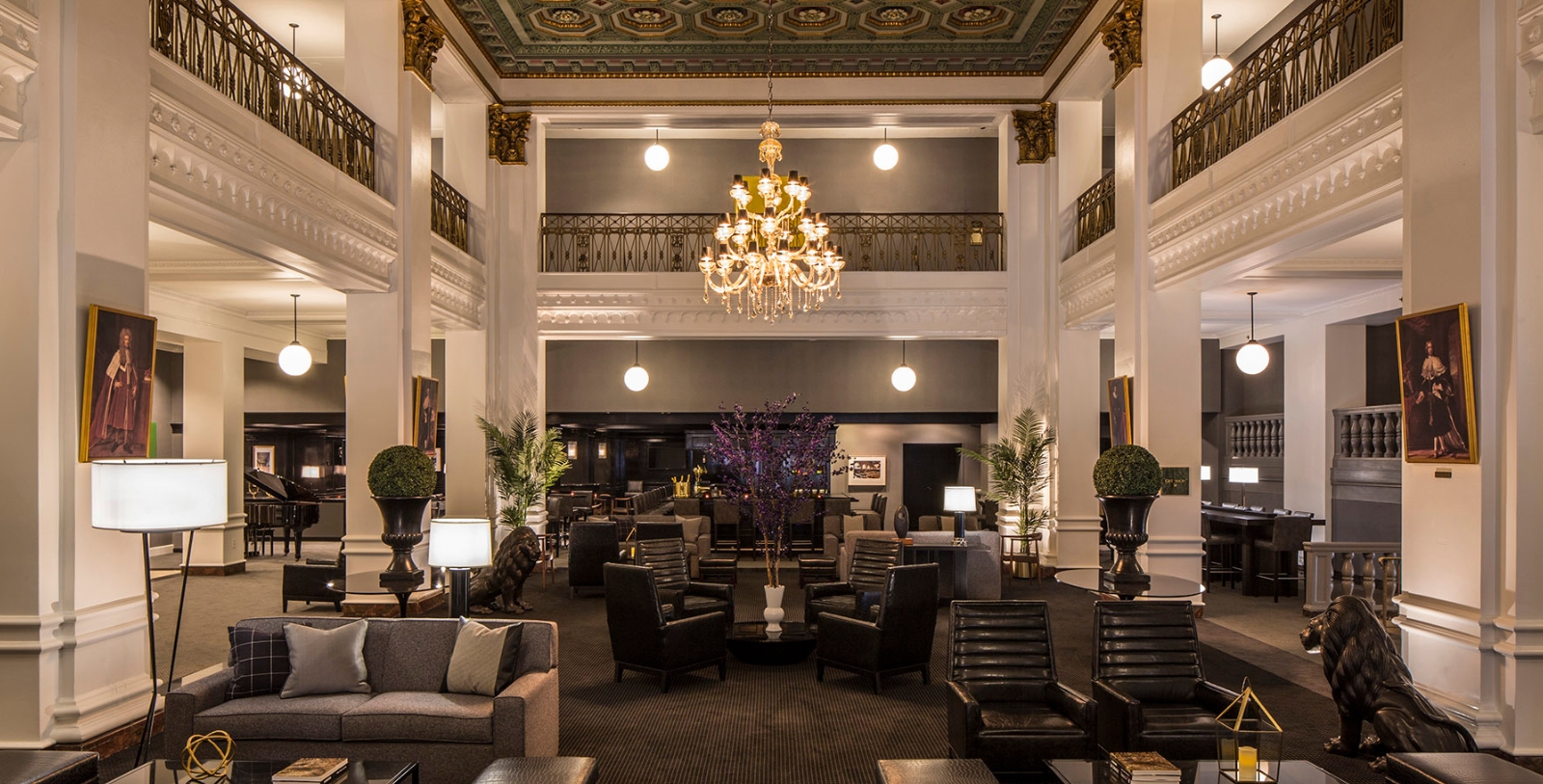
- Pass through the brass revolving doors into the lobby to marvel at the award-winning vaulted fresco ceiling with an immense Murano glass chandelier. Gaze upon the beautiful grand piano and classic oil paintings the occupy the space, as well.
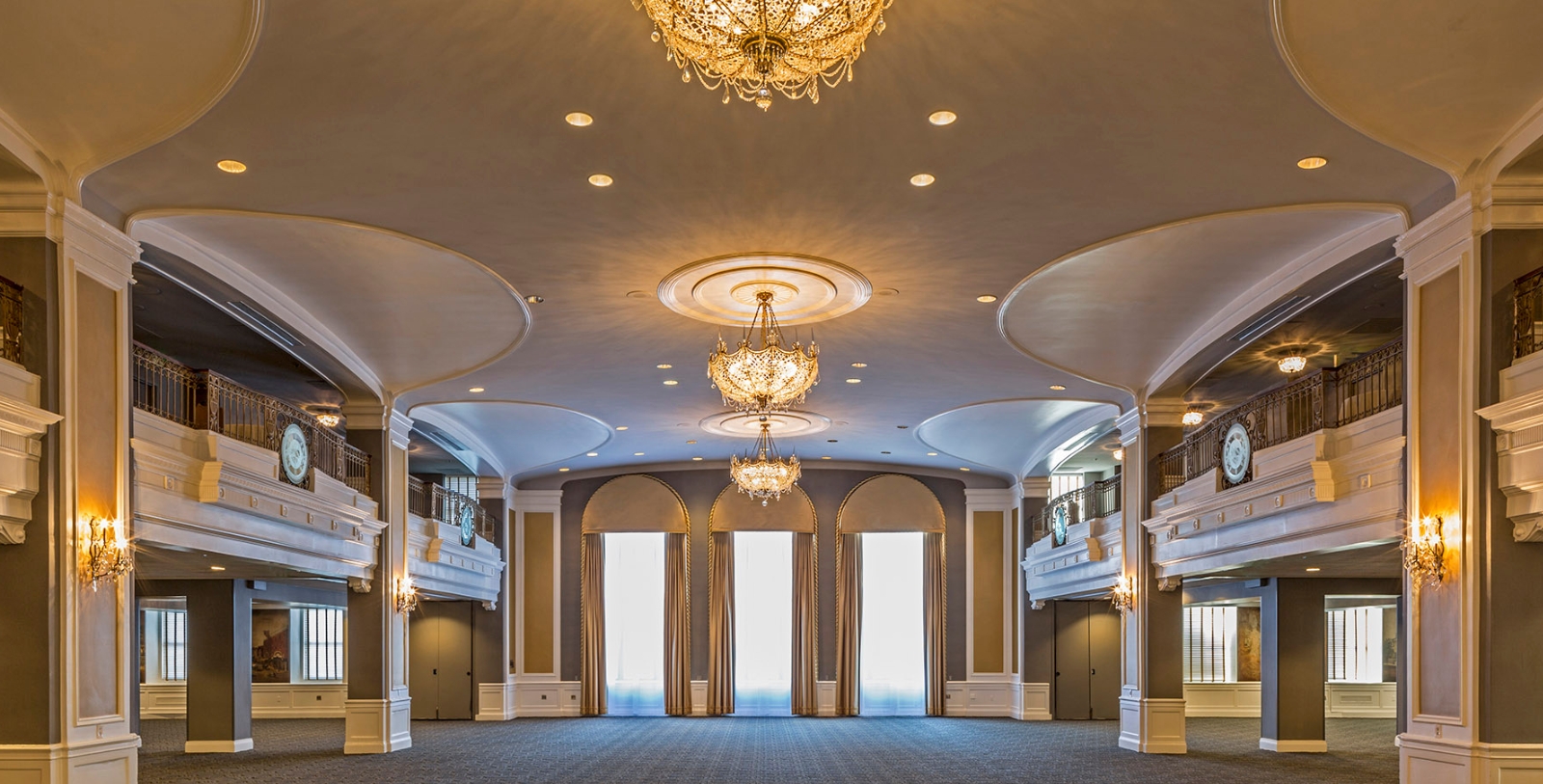
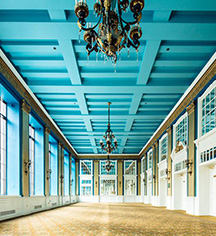
- View the Calvert Ballroom’s vaulted ceiling, which is lined with the original Baccarat crystal chandeliers to add extra historical charm. The Calvert Ballroom hosted its first event in 1928 and remains one of the most elegant event venues downtown. It houses five salons, three of which depict artistic interpretations of the early settlement of Baltimore City. Hanging in the foyer of the Calvert Ballroom are several antique photos of events held in the space during the early to mid 20th century.
- Marvel at the contemporary artwork showcased throughout the hotel, which has been curated by Mera and Don Rubell of The Rubell Family Collection and the Rubell Museum. Among the pieces on display include pair of oil paintings by Karin Davie, a Suzan Etkin multimedia exhibit, and even some artwork by painter Sabrina Baron, Mera Rubell’s sister. The hallways also feature a series inspired by Google Images and iconic people and places linked to Baltimore.
Explore
- Explore the Inner Harbor a few blocks south of the Lord Baltimore Hotel. At the beginning of the 18th century, the Inner Harbor was used for trade, shipbuilding, canning, and steel industries. Baltimore City is historically known as being one of the original port cities of America. In 1980, the Inner Harbor was reconstructed as a tourist destination for regional cuisine, shopping, museums, and leisurely strolls along the waterfront.
- Venture out to Fort McHenry National Monument and Historic Shrine a bit further south and located in a neighborhood called Locust Point. Fort McHenry is best known for its role of defending Baltimore Harbor from the British Navy in the War of 1812. It is also said that Francis Scott Key wrote the “Star Spangled Banner” after being inspired by the brave defense of the fort during the battle. Today it is known as a National Monument and Historic Shrine with spectacular views.
- Head about a half-mile north of the Lord Baltimore Hotel to the U.S. National Historic Landmark District of Mount Vernon. This architecturally significant neighborhood was once the home of the city’s wealthier families. The original Washington Monument serves as the centerpiece of the neighborhood and is surrounded by several parks that offer beautiful landscape.
Experience
- Tour The Walters Art Museum. Housed within a historic building, this remarkable cultural institution features a stunning collection of art and artifacts from such ancient societies like the Byzantine and Roman Empires.
- Experience the National Aquarium just moments away. The aquarium opened its doors in 1981, shortly after the reconstruction of the Inner Harbor. It is nationally ranked as one of the top three aquariums in America. It is the home to over 20,000 species with an emphasis on marine life.
- Get to the Bromo Tower Arts & Entertainment District just a few blocks west of the Lord Baltimore Hotel. This district is home to over 30 galleries, music venues, and theaters. The historic Bromo Seltzer Arts Tower, for instance, has since been converted into an art gallery that features artists, writers, and jewelers. Guests can also find the Hippodrome Theatre, Everyman Theatre, and Royal Farms Arena in this district.
Taste
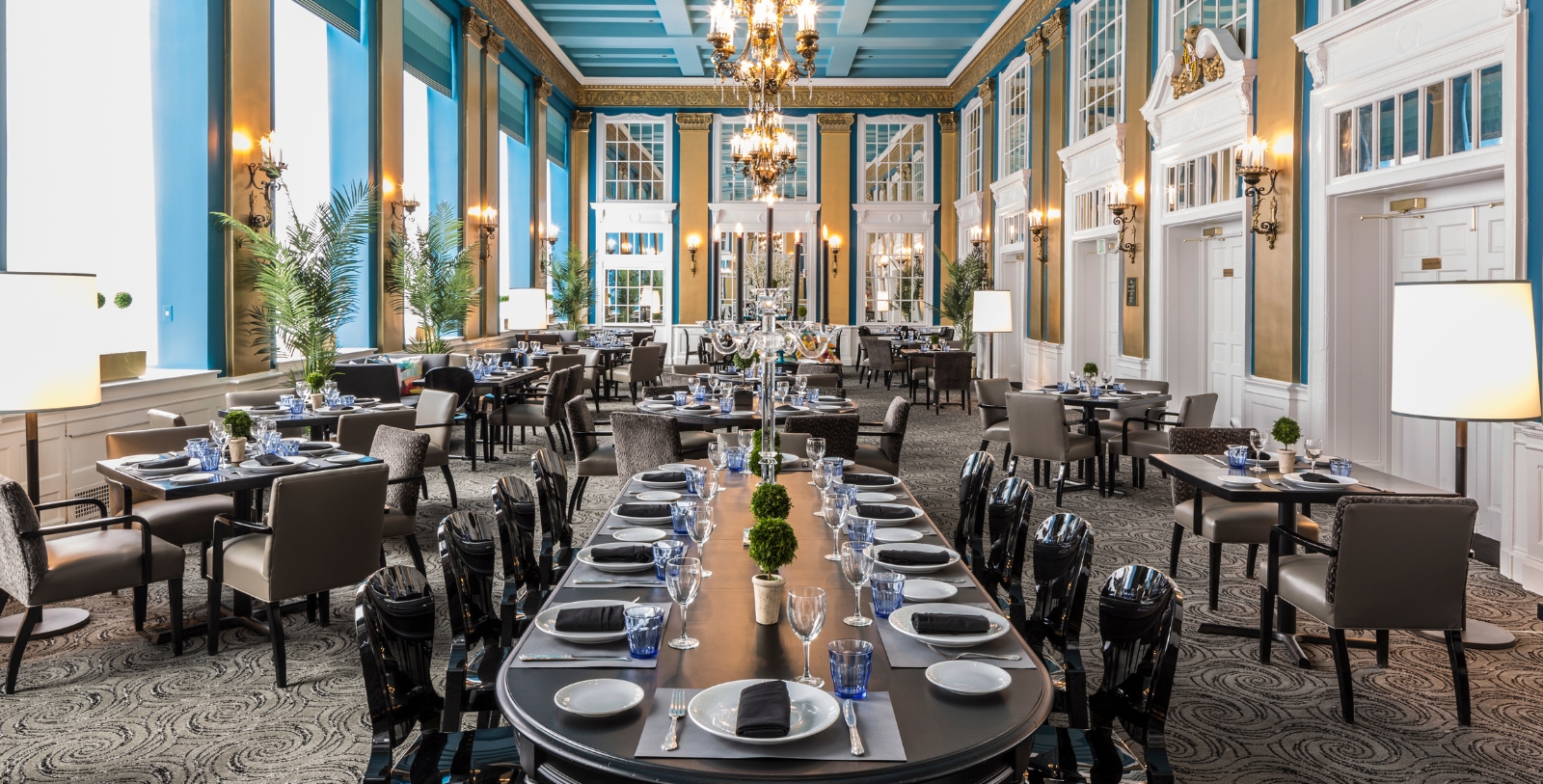
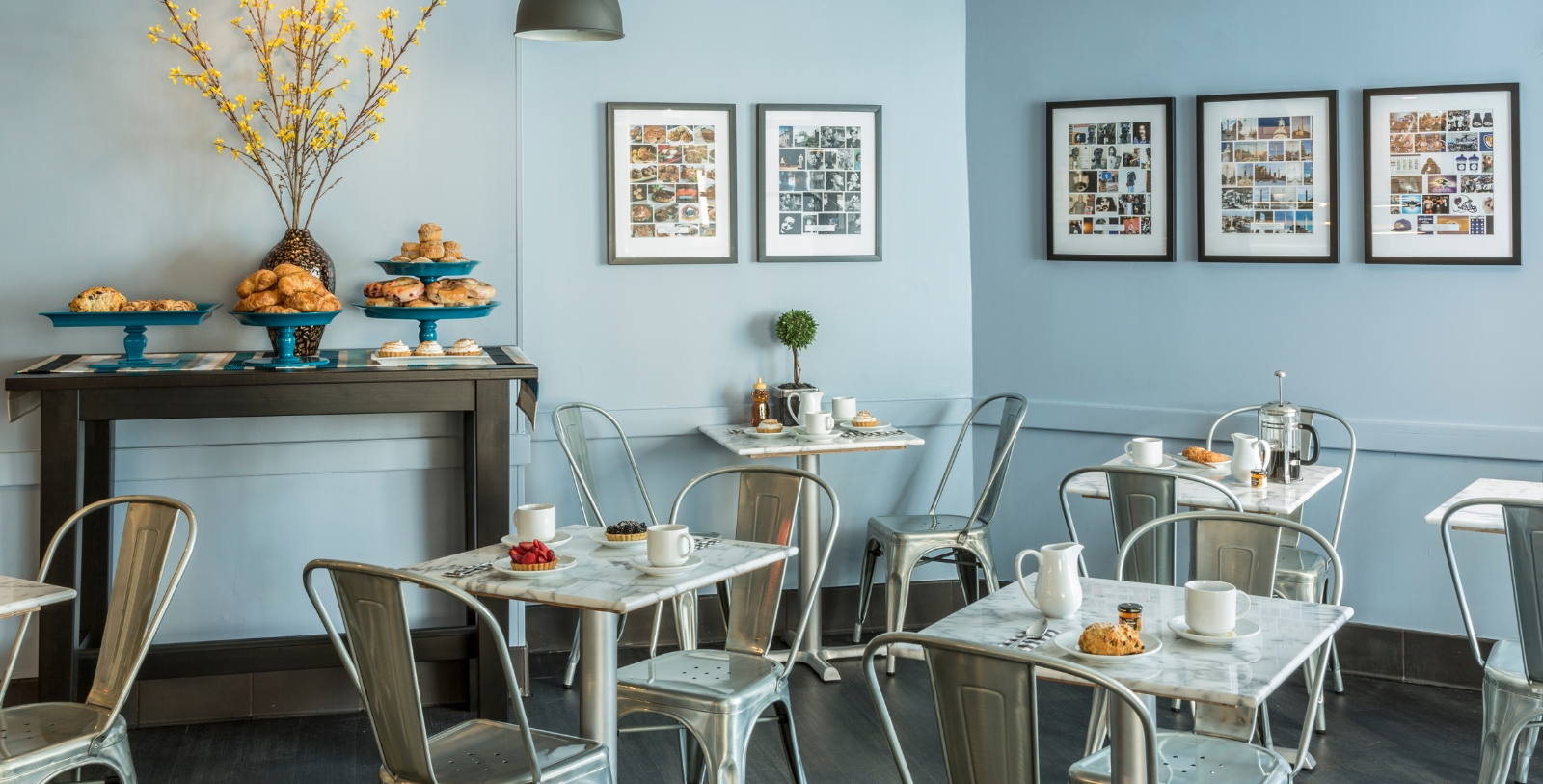
- Sip on a cocktail in the LB Tavern located off the lobby of the Lord Baltimore Hotel. The restaurant contains brilliant pieces of artwork, too, including Untitled Film Stills, 2006 by Polish artist Aneta Grzeszykowska. The neighboring LB Bakery has also hosted an exhibition series called In Good Taste, which has featured seven exhibitions produced by local artists.
- Savor award-winning crab cakes at Faidley Seafood, located in the historical Lexington Market. It has been the prime location for fresh Maryland seafood since 1886. This family owned and operated establishment is a favorite for tourists and locals alike.
- Delight in the culinary heritage of The Owl Bar located in the former Belvedere Hotel. This classically styled bar opened in 1903 and is decorated with owls that were once used to warn patrons of an alcohol raid. To this day it still serves classic cocktails such as Manhattans, Old Fashioneds, Sidecars, and French 75s.
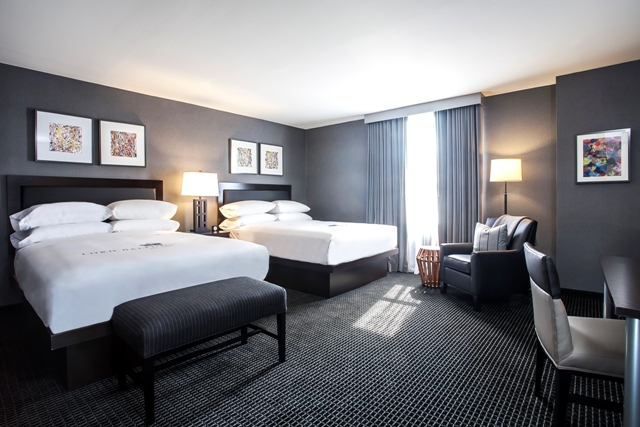
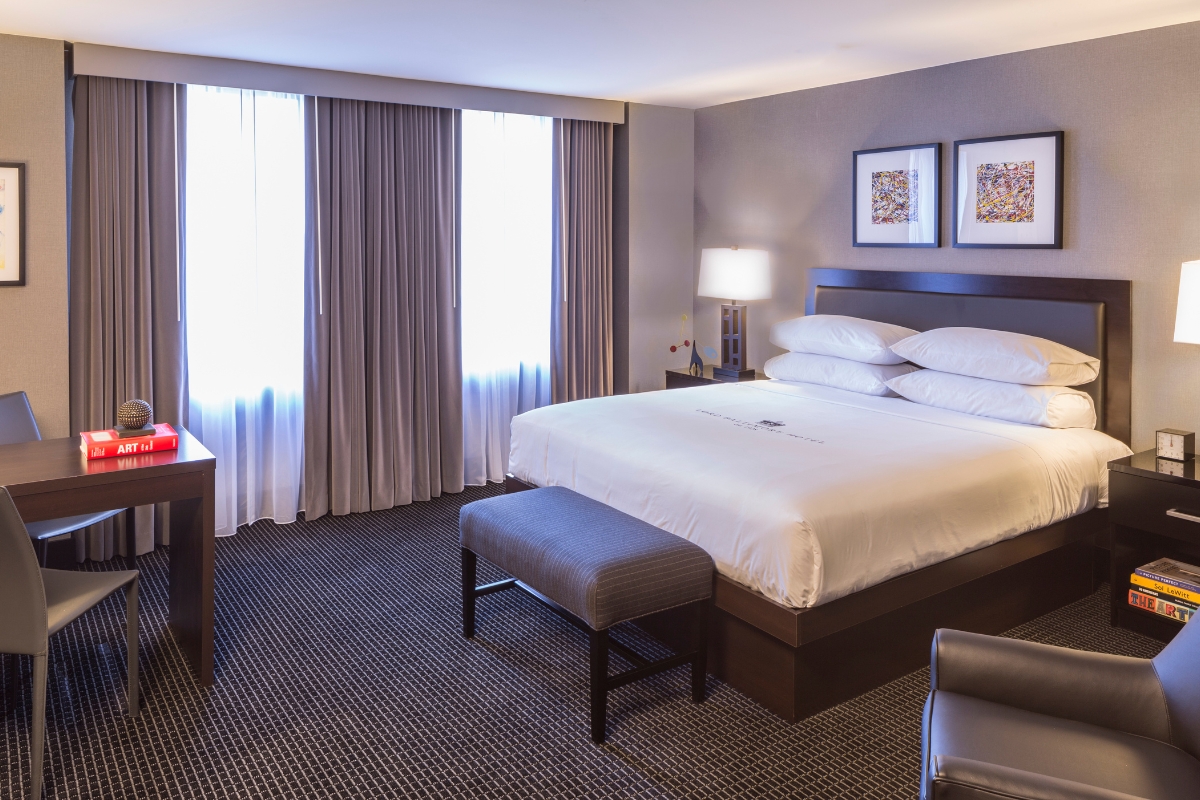
FEATURED ACCOMMODATIONS
Featured Offers
Book the Best Available Rate at this property on HistoricHotels.org and receive a complimentary one-year family membership (a $30 value) to the National Trust for Historic Preservation.
National Trust for Historic Preservation Member Rate
Everyday Romance Package includes overnight accommodations for 2 guests and more.