History
Discover Stagecoach Inn, which was built in 1860 and is thought to be the oldest surviving structure in the Village of Salado, Texas.
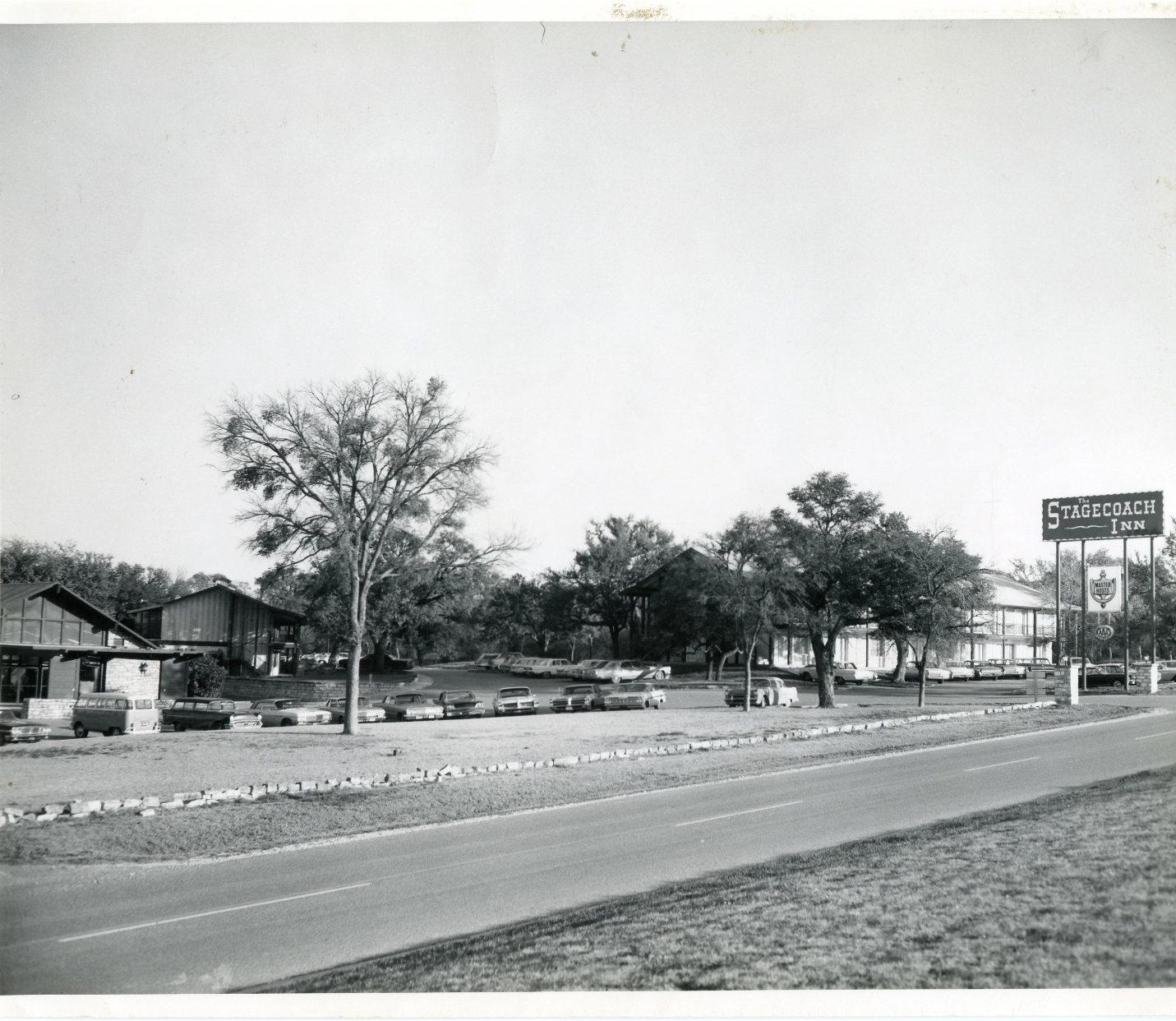
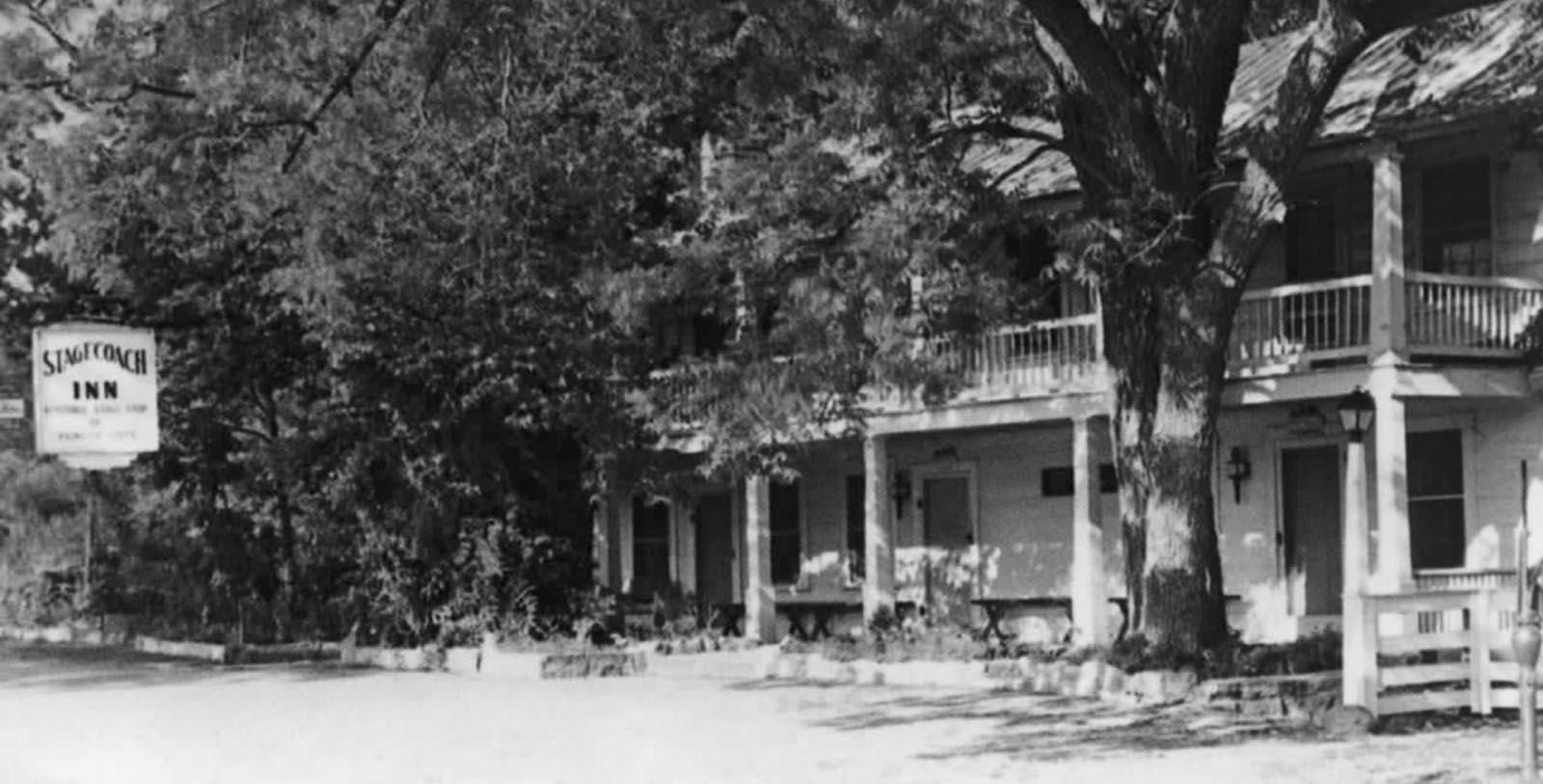
A member of Historic Hotels of America since 2018, Stagecoach Inn was constructed amid the nation's Gilded Age in the second-half of the 19th century. Built in 1860, the building is thought to be the most historic structure in the Village of Salado, Texas. The original, two-story wood-frame building was designed in a frontier vernacular style. Salado lies between Austin and Waco and was one of the earliest settlements in central Texas. Spaniard explorers passed through and named the small oasis, “Salado,” which means “salty or salted,” referring to the local mineral water springs. Salado was organized as a town in 1859 and immediately became an oasis of culture on the frontier, including the establishment of Salado College in 1860; the first farmers association in Texas, known as a “Grange;” and the Institute for the Humanities. The famous north-south Chisholm Trail traversed Salado, bringing the stagecoach lines that served central Texas. Legend and lore about The Stagecoach Inn abound and Spanish gold is said to be hidden in a small cave underneath the Inn. Nevertheless, in 1861, W. B. Armstrong, one of the area’s first settlers, erected the building on the footprint of the old Tonkawa Village and opened the building as “The Stagecoach Inn.” Then in 1943, Dion and Ruth Van Bibber restored the building and re-opened the historic hotel. "Mrs. Van" created and prepared the now-famous Stagecoach Inn recipes, while "Mr. Van" hosted guests with old-world charm. Just as in earlier times when local frontier women greeted the stagecoach passengers and cattle drivers by announcing the day’s bill of fare (whatever was ready in the kitchen), Stagecoach Inn waitresses recited the distinctive daily prix-fixe menu. The hotel specifically served such dishes like hush puppies, tomato aspic, banana fritters, and the “Strawberry Kiss.” In recognition of its distinguished heritage, Stagecoach Inn was listed on the National Register of Historic Places and is also a Recorded Texas Historic Landmark.