The Wall Street Hotel
New York, New York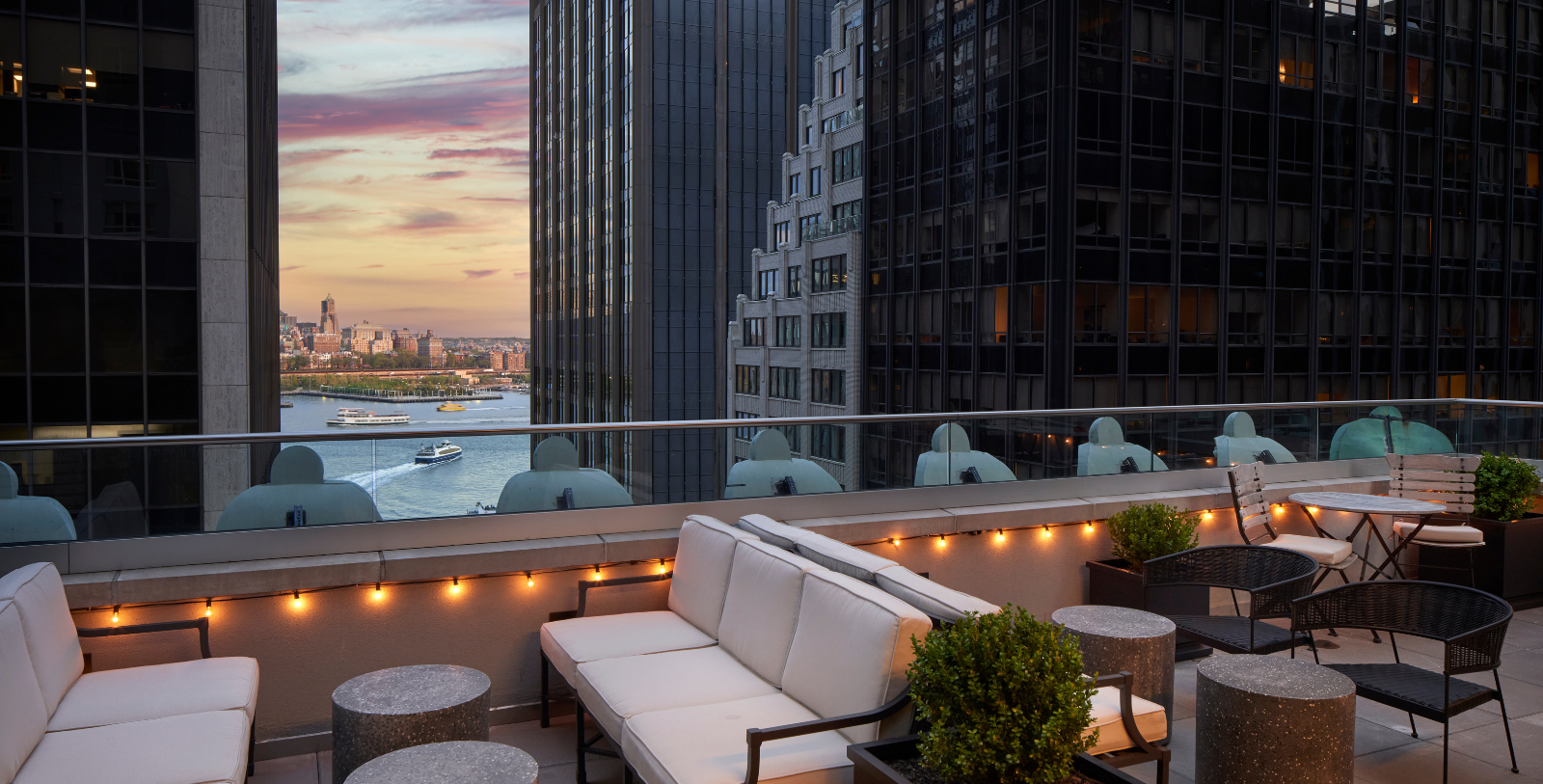
The Wall Street Hotel
88 Wall Street, New York, New York 10005 Original Property Opened in 1901 Historic Hotels of America member since 2023
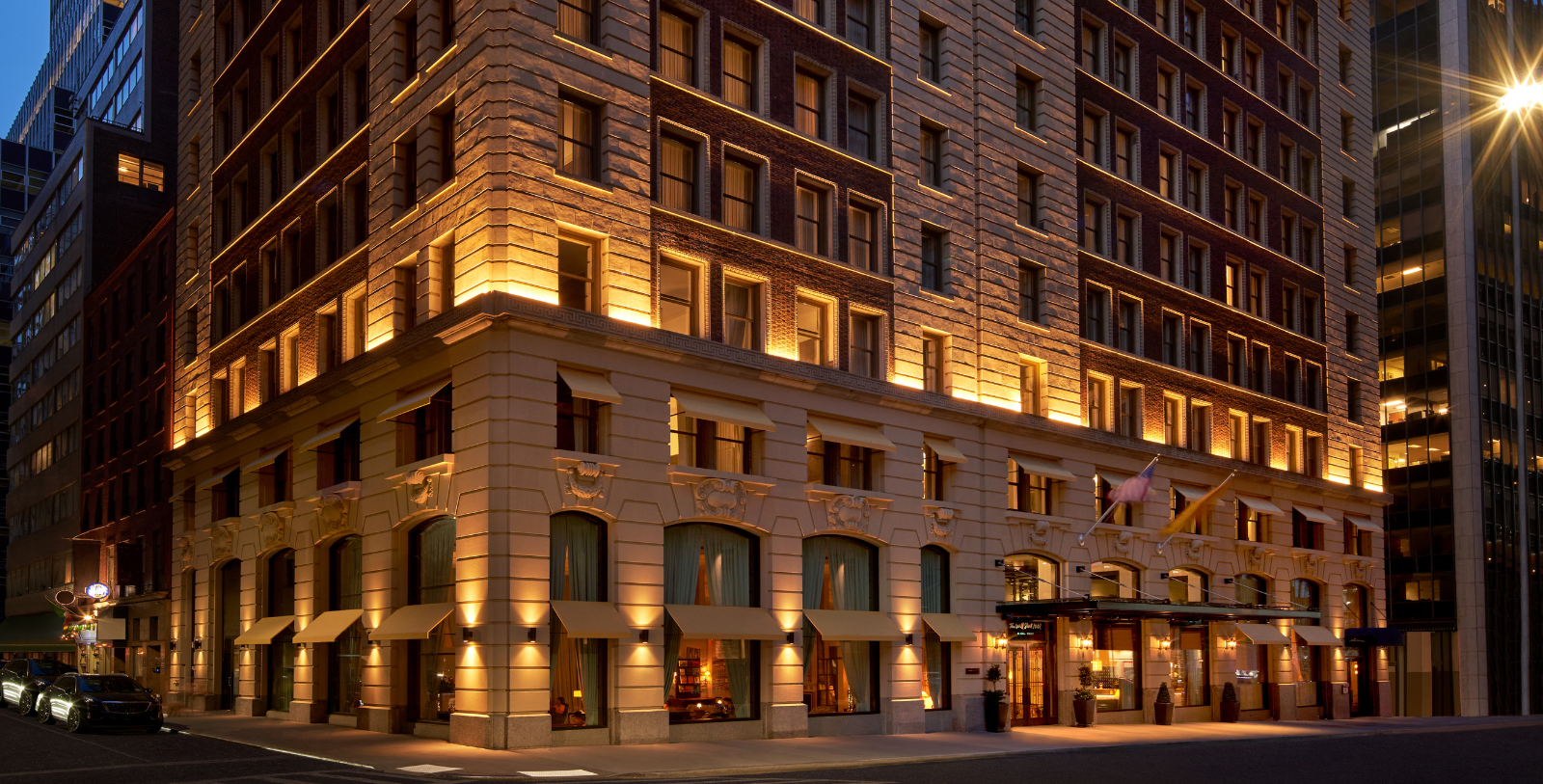
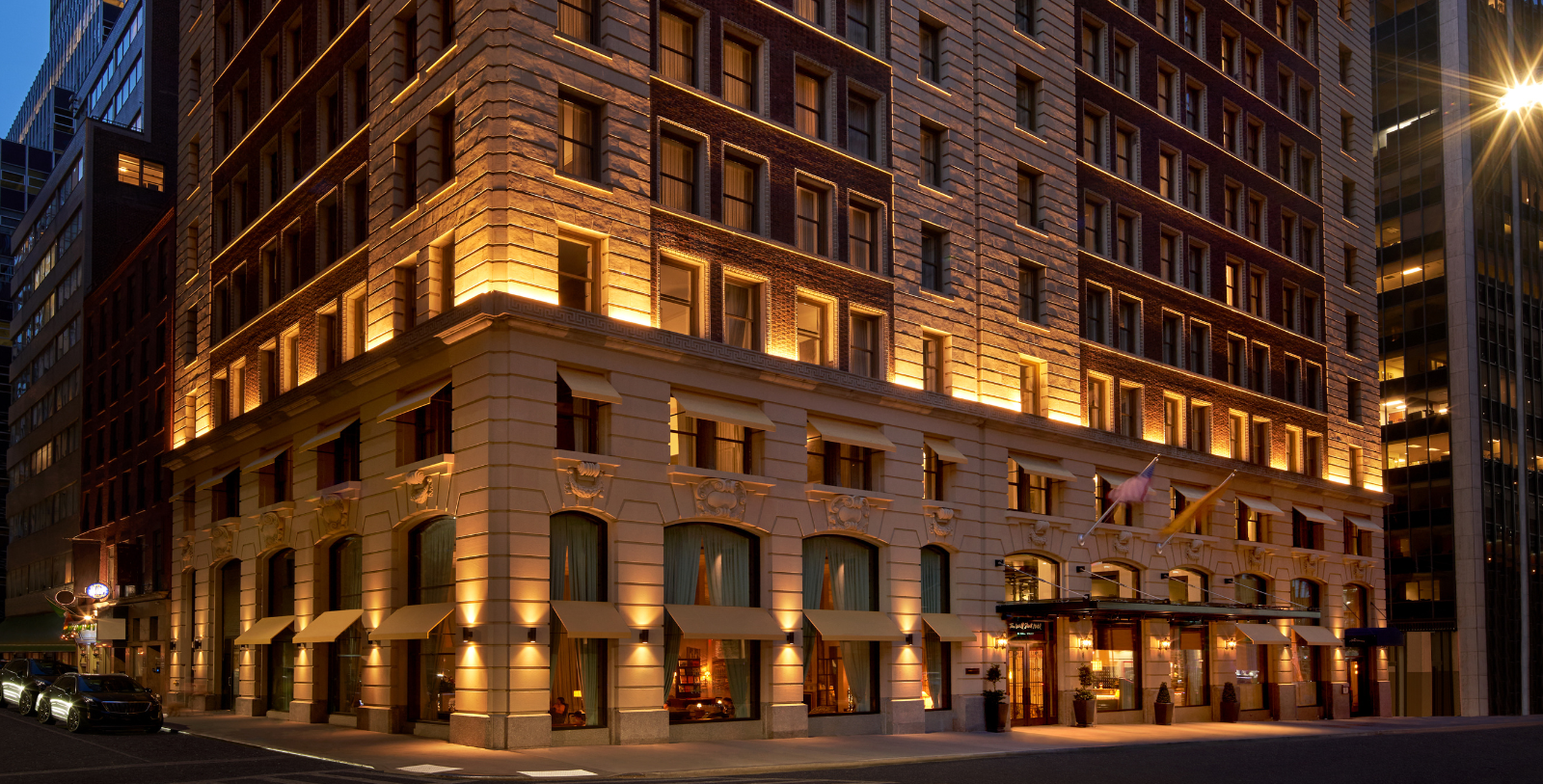
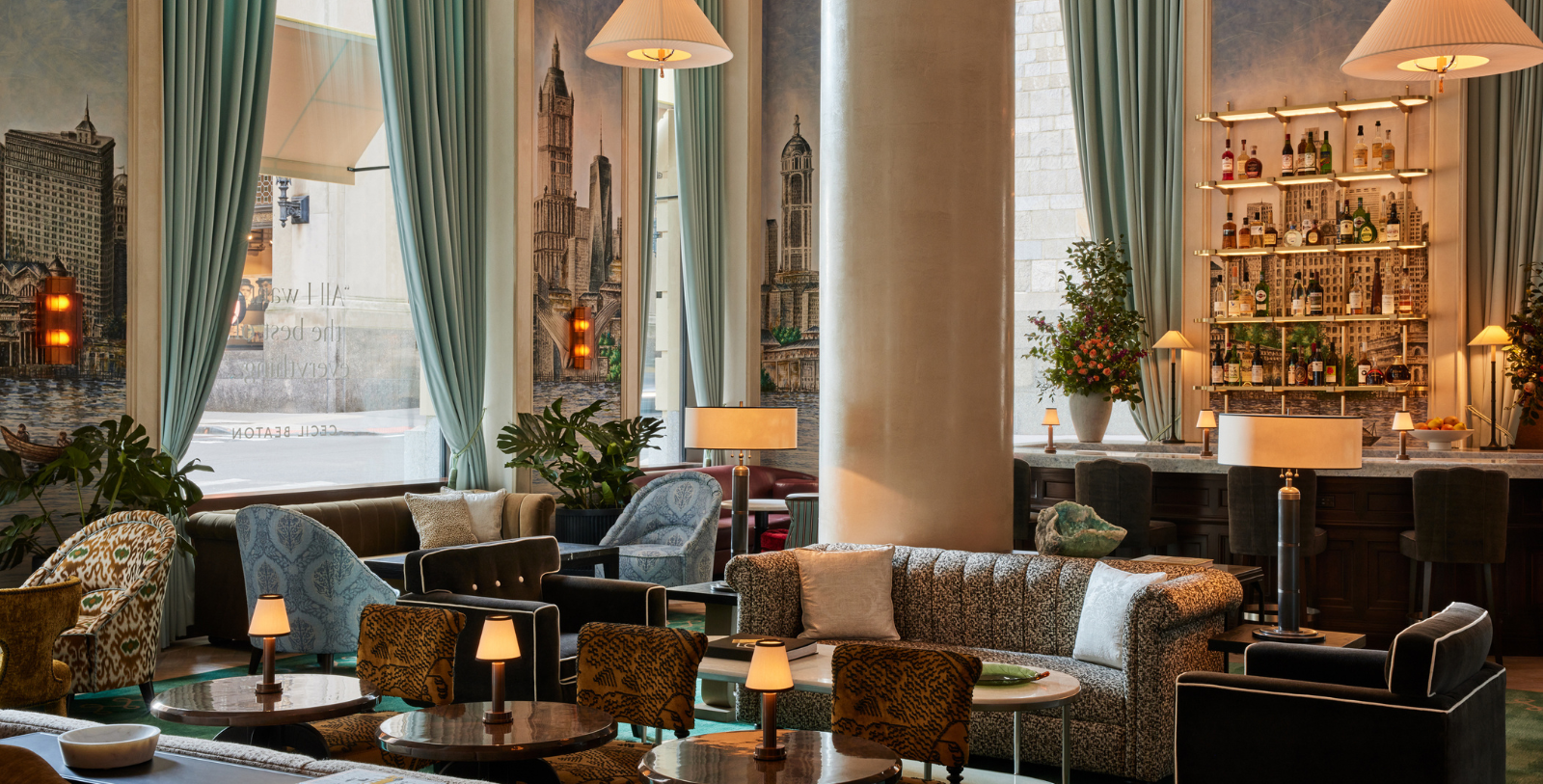
Amongst the juxtaposition of cobblestones and skyscrapers is The Wall Street Hotel, nestled in the heart of the bustling metropolis of New York City’s financial district. As an iconic destination for business, art, and culture, there's never a dull moment in this vibrant city. The Wall Street Hotel is perfectly positioned as an ideal home base for any New York City itinerary. Built in 1921 but on the grounds dating back to New Amsterdam, The Wall Street Hotel is a testament to the rich tapestry of history that envelopes its walls. As one of the premier hotels in the Wall Street District in New York, the Wall Street Hotel is more than just a place to stay; it is a 120-year epic in its own right, a chronicle teeming with stories of adventure, boundless curiosity, groundbreaking innovation, and global exploration.
Discover
- Discover the Beaux-Arts beauty of The Wall Street Hotel. Defined by symmetry, a flat roof, and sculptures, a typical building created with Beaux-Arts-inspired designs would feature a rusticated first story, followed by several more simplistic ones. Every Beaux-Arts buildings’ layout features such elements like balustrades, pilasters, and cartouches as well.
- Find the origins of Wall Street. Long before the New York Stock Exchange opened, a few of the brokers decided to construct a quaint coffeehouse along Wall Street to function as their primary meeting place. At this time, Wall Street was thus named as it ran along a literal wall separating the city from the rural areas of the north island. Standing four stories in height and made of brick, the structure had been financed through an investment plan commonly referred to as a “tontine.” (The tontine was a collective annuity that increased in value as its various shareholders died, thus giving the survivors access to the vacated shares.) Construction lasted for some time, with the gorgeous structure opening as the “Tontine Coffee House” during the 1790s. The U.S. Department of the Interior listed the Tontine Building in the U.S. National Register of Historic Places in 1989.
- Admire the optical illusion of two buildings designed to look like one. A sharp-eyed real-estate tycoon saw opportunity in the Tontine Building. He bought it and built a restrained, 14-story rusticated Beaux-Arts building that would bring the ornament and tradition of the 19th century to meet the clean modern ambition of the 20th. A couple years later when the building next door came up for sale, he bought that too and built an addition to the first that seamlessly melded them together. An amateur eye would never spot the difference!
Explore
- Explore New York City's history at the Tenement Museum. The Museum's two historical tenement buildings were home to an estimated 15,000 people between 1863 and 2011.
- Stand in the footprints of General George Washington and his officers in Fraunces Tavern Museum. Standing on the corner of Pearl Street is the Fraunces Tavern Restaurant and Fraunces Tavern Museum, both preserved due to the historical significance. In 1783 George Washington and his officers attended a dinner in the Long Room on the second floor in Fraunces Tavern to celebrate the British evacuation (what would later become known as “Evacuation Day”) and the tearful goodbye of Washington to his closest confidants.
- Gasp at the stunning Grand Central Terminal and be transported by its iconic architecture and interior design. Grand Central Terminal was designated a National Historic Landmark by the U.S. Secretary of the Interior in 1967. The terminal features more platforms (44) than any other railroad station in the world and has played prominent roles in movies and television. More than just a transportation hub, it is also a shopping, dining, and cultural destination.
- Visit Ellis Island. Nearly 12 million immigrants passed through Ellis Island on their way to New York City and the rest of the United States between 1892 to 1954. The Ellis Island Immigration Museum tells the story of many of these individuals and sheds light on their life after coming to America.
- Tour the Statue of Liberty, a neoclassical sculpture that was gifted to the people of United States from the people of France. The copper statue was dedicated on October 28, 1886, and has since become an icon of the United States, as well as a symbol of freedom and a new life to the many immigrants who have arrived by sea.
- Walk the High Line, a former New York Central Railroad spur that has been converted into a green space that is open to the public. The 1.45 mile long stretch of railroad track was used up until the 1980s when it was abandoned. Today the park sees millions of visitors every year.
- Marvel at the grand architecture and impressive collections at the Morgan Library & Museum. The East Library features three levels of bookcases, some of which can only be accessed via balcony, as well as a stunning tapestry and a fireplace imported directly from Italy. The library was originally founded in 1906 as the personal library of financier J.P. Morgan, and was made into a public institution by Morgan’s son in accordance with his will.
Experience
- Experience the South Street Seaport. The Seaport itself features some of Manhattan’s most historic architecture. It dates back to the early 1600’s when the Dutch East India Trading Company set up their first seaport in the area. There is also a fascinating museum to tour and several unique shops and restaurants that have been established in the seaport. It is also a hub for artistic culture in Manhattan and events like the Seaport Music Festival take place here annually.
- Keep a secret in Grand Central Terminal. While the beauty of Grand Central cannot be hidden, there are a number of little-known quirks about this amazing landmark. When gazing up at the Tiffany-blue stary sky, astronomically-inclined travelers may realize that the constellations are backwards. This is because the artist, Paul Helleu, intentionally designed it to give the viewer a “God’s eye view” of the heavens. Another secret of the Terminal are the “whispering arches.” Between the main and lower floors, arches create an auditory oddity. Stand in one corner with a friend in the other and whisper; the acoustics allow the sound to travel along the arch and heard across a bustling train station.
- Catch an independent movie at the Film Forum. This nonprofit movie theater began as a screening space for an independent film project in 1970. It was originally a simple set up of 50 chairs and one projector. Since then it has grown to include four screens and it is one of the only non-profit cinemas in the United States.
- See a new side of New York from the Circle Line Sightseeing Cruises. Find their offices at Pier 83 in the Hell’s Kitchen neighborhood, and purchase a ticket to one of the many tour types offered. The company was established in 1945 and has a long history of offering tours to the people of New York City, as well as the many visitors the city receives.
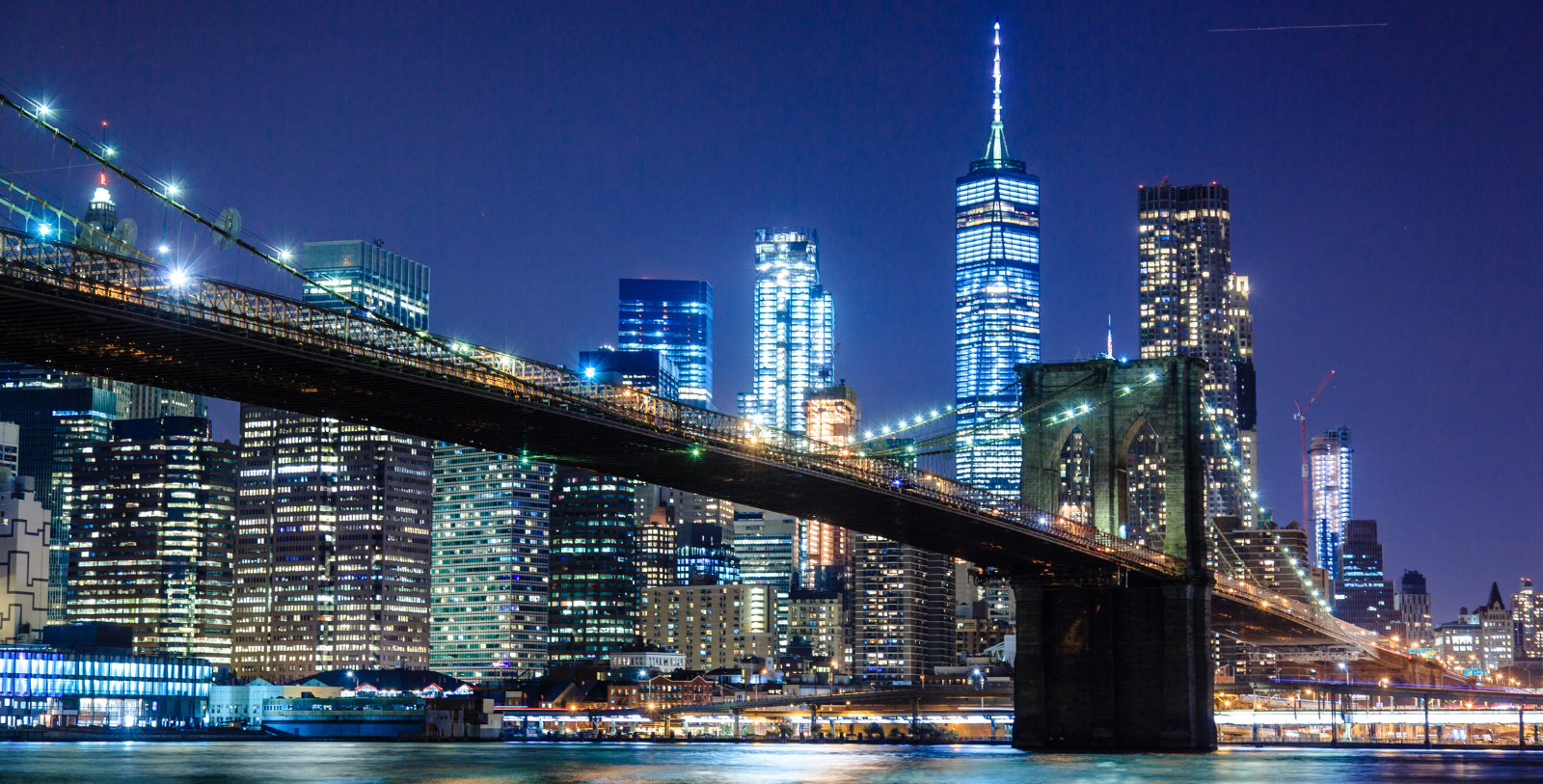
- Walk the Brooklyn Bridge, which was the longest suspension bridge in the world at the time it was completed on May 24, 1883. The bridge connects the Lower East Side of Manhattan with Brooklyn. On the Manhattan side of the bridge, at 1 Cherry Street, there is a plaque that marks where the Samuel Osgood House stood until it was demolished in 1856. The house was rented by Congress in April of 1789, when General George Washington moved to New York City with his family a week before his presidential inauguration. It was the first presidential mansion and Washington lived here from April 23rd, 1789 to February 23rd, 1790, before moving to the more well-known presidential mansion in Philadelphia.
Taste
- Taste pub fare and a whisky flight at the historic Fraunces Tavern. The location played a prominent role in history before, during, and after the American Revolution. At various points in its history, Fraunces Tavern served as a military headquarters for George Washington, a venue for peace negotiations with the British, and a federal office building in the Early Republic. Learn more in the museum upstairs from the pub.
- Browse the stalls at Essex Market, New York City's most historic public market. Essex Market has been a fixture of the Lower East Side since 1818, and the current iteration of the market has been continuously operating for over a century. The vendors at Essex Market sell a variety of goods from fresh cut flowers to groceries to prepared meals.
- Try the pastrami on rye at Katz's Delicatessen, also known as Katz's of New York City. It is located at 205 East Houston Street and has been a popular spot since it first opened in 1888. The pastrami on rye served here is often considered to be the best in the city.
- Sample the food at Russ & Daughters, an appetizing store that dates back to 1914. An appetizing store refers to a store that sells Jewish cuisine in New York City, and includes bagels, smoked fish, pickled vegetables, and cream cheese spreads.
- Enjoy a variety of New York City's craft beer while learning about the city's brewing history on the New York Beer and Brewery Tour. The tour includes stops at many of the city's famous and historic breweries, including some in Brooklyn. (The neighborhood once dominated America's brewing industry.)
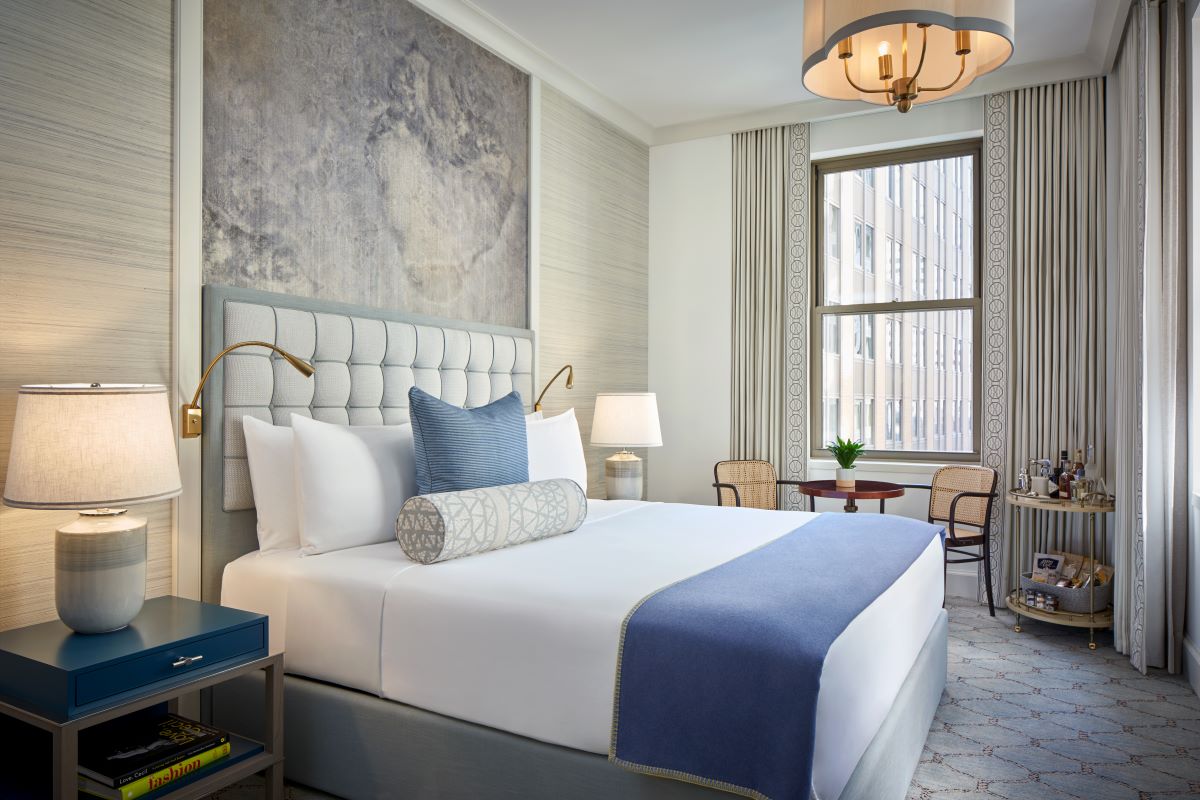
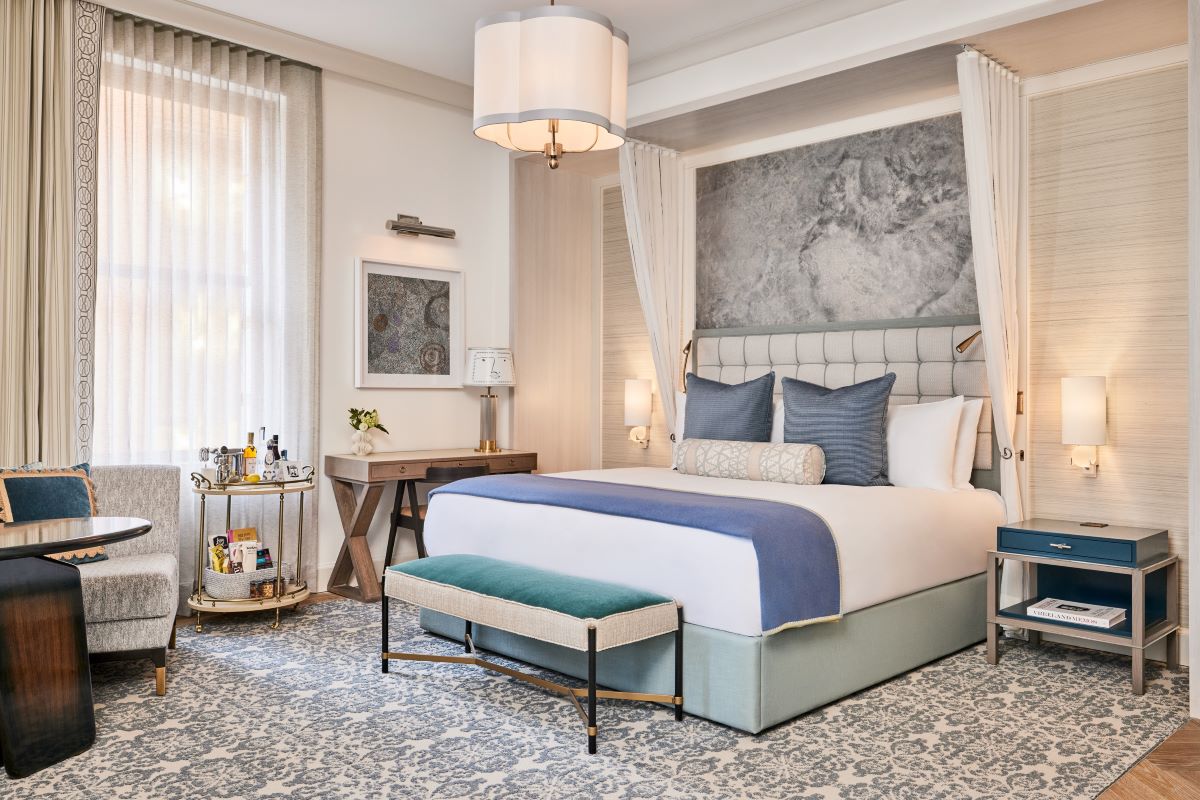
FEATURED ACCOMMODATIONS
Featured Offers
Book the Best Available Rate at this property on HistoricHotels.org and receive a complimentary one-year family membership (a $30 value) to the National Trust for Historic Preservation.
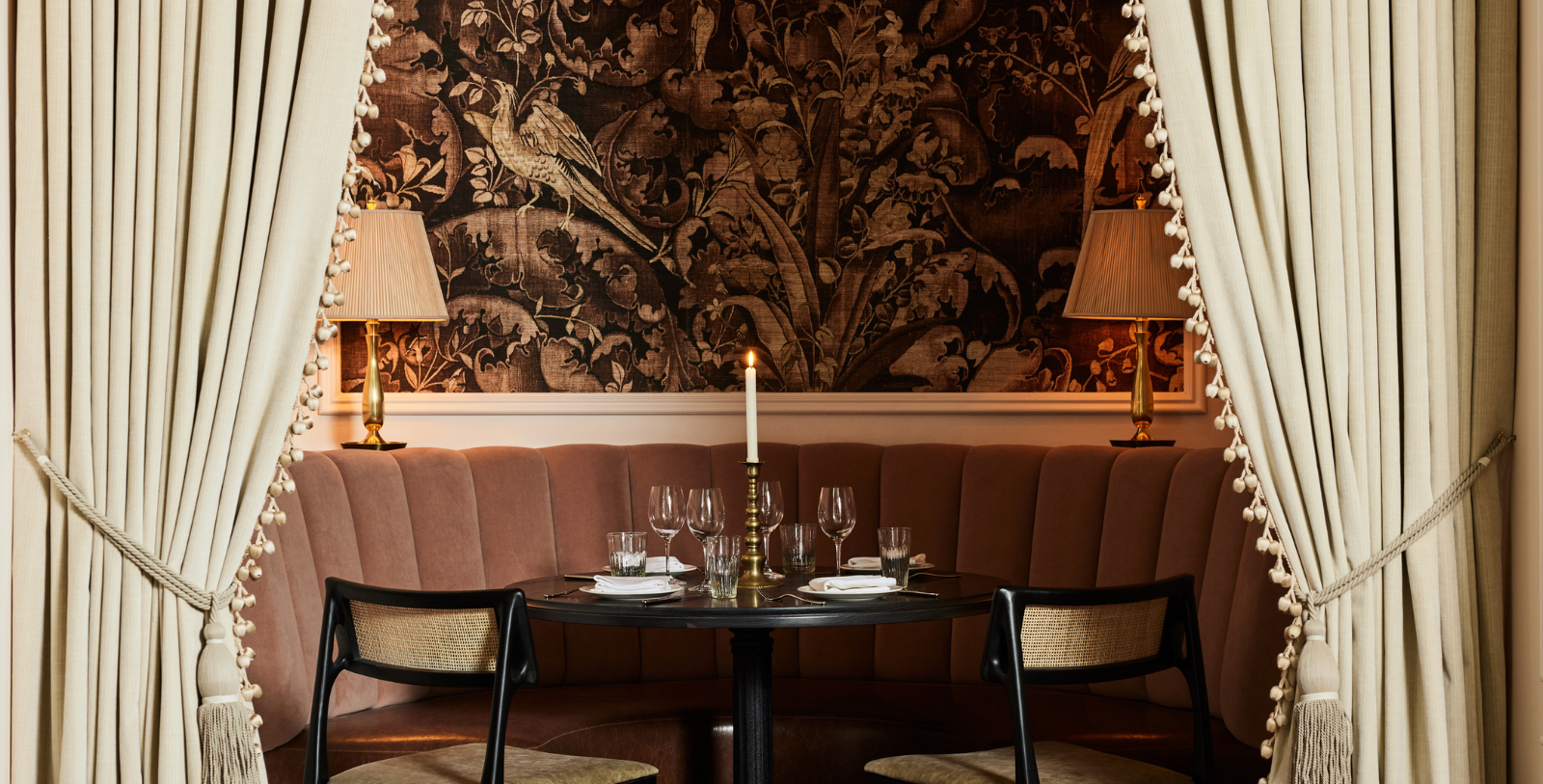
Enjoy daily breakfast for two at La Marchande with the selection of one of the delicious main courses with coffee and juice per person.
Enjoy luxurious pied-a-terre accommodations with exclusive benefits when you book direct.
10% off best available rate plus daily breakfast for 2 when you book and pay with a Visa.
Best available rate plus a $50 Hotel Credit and enjoy a celebratory welcome amenity.