History
Originally established in the 13th century as watchtower for a nearby castle, Bodysgallen became a stately country home after a marriage between the Mostyn and the Wynn families in the early 17th century.
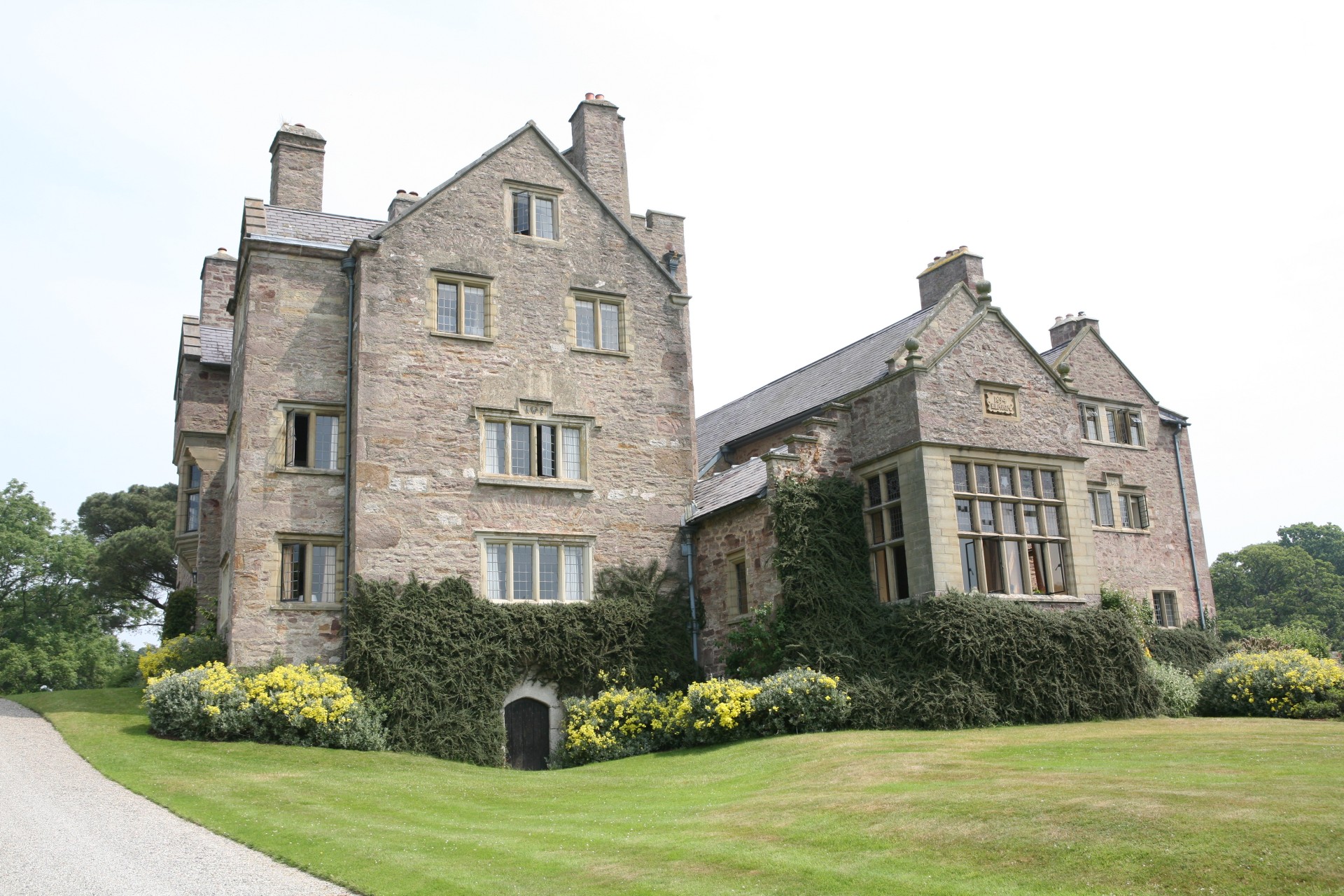
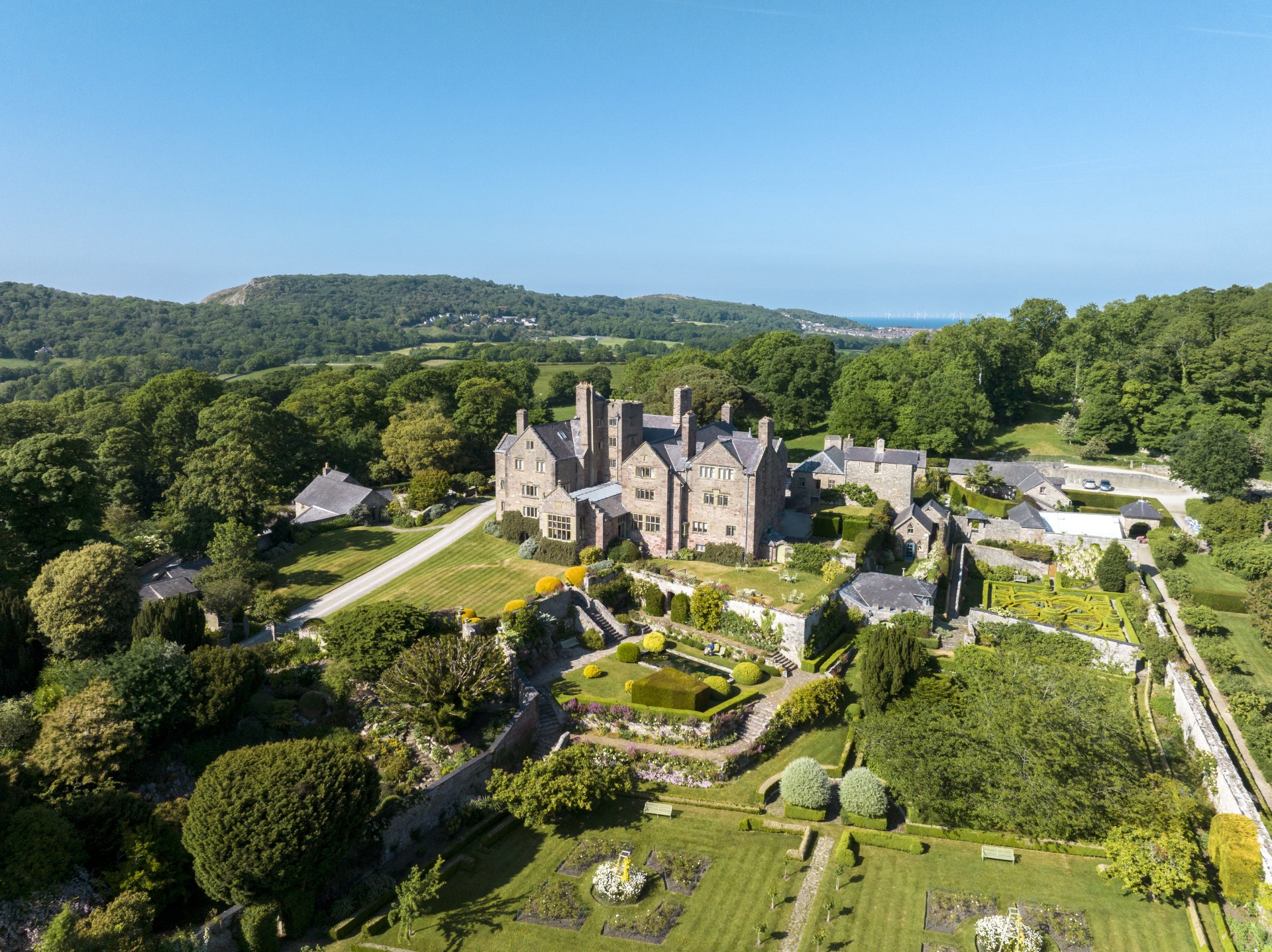
Standing amid rolling hills near the North Wales coast, Bodysgallen Hall & Spa bears witness to a narrative that stretches across many centuries of Welsh history. Hidden among woodlands on the western slopes of Pydew Mountain, the house appears almost unexpectedly, its chimneys rising above the trees much as they have for generations. Although the elegant country house seen today is principally a 17th-century creation, the story of the site reaches much further to an era when this corner of Wales occupied a vital position in the ancient Kingdom of Gwynedd. In fact, oral tradition associates the location with Cadwallon Lawhir, a ruler of Gwynedd whose name may survive in the very meaning of “Bodysgallen.” (Scholars have proposed that the name refers either to a “house among thistles” or to the dwelling place of Cadwallon, for which "Bodysgallen" is an evolved spelling). Whatever the precise origin of the name, the prominence of the site ensured its continued importance as political authority shifted through succeeding centuries. Nevertheless, the earliest surviving portion of Bodysgallen Hall is its impressive stone tower, believed to date from the late 16th century. Rising prominently above the surrounding grounds, the structure formed the nucleus around which subsequent generations expanded the residence.
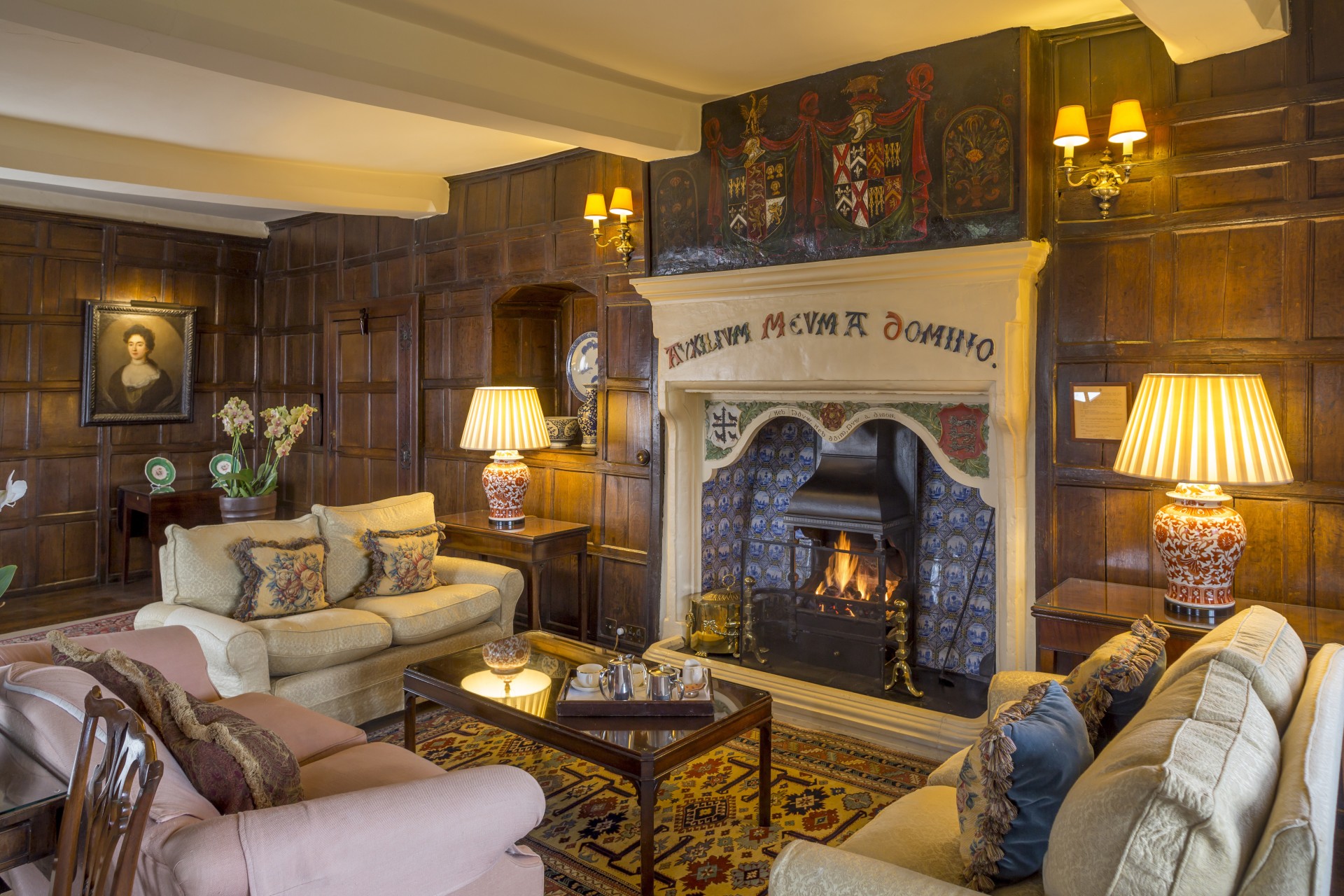
During this period, the estate became closely tied to the Mostyn family, among the most influential landowners in North Wales. Richard Mostyn, who served as High Sheriff of Caernarfonshire in the Elizabethan era, established Bodysgallen as an important family residence, laying the foundation for the hall’s future prominence. Then in the early 1600s, heir to the Mostyn family fortune, Margaret Mostyn, married fellow aristocrat Hugh Wynn. Their son, Robert Wynn, undertook an ambitious campaign of construction that substantially enlarged the house and shaped much of its present appearance. The additions included a substantial residential wing that introduced elegant reception rooms and enhanced accommodations suitable for a couple of considerable standing within Welsh society. Indeed, the hall’s principal interiors reflected the aspirations and achievements of its owners, as spacious chambers, mullioned windows, elaborate fireplaces, and heraldic carvings celebrating family lineage were soon commonplace throughout the space.
The architectural elements in turn helped establish Bodysgallen Hall as a distinguished country house, balancing refinement with the practical requirements of a working estate. (A datestone with the initials of Robert and Katherine, together with the date 1620, still remains in place, commemorating this significant period of development.) More improvements transpired during the 18th century, when additional service areas were constructed, and the grounds gradually assumed a more formal arrangement. By the following century, the hall benefited from modern conveniences, including the installation of a water closet in 1823. Perhaps the most comprehensive renovations occurred near the beginning of the 20th century, when Lady Augusta Mostyn invested heavily into its upkeep. Her work carefully revived the hall’s traditional Welsh character while creating new masterfully crafted living quarters for her son, Colonel Henry Mostyn. (Colonel Mostyn would later rise to become a hero amid World War I, training the 17th Battalion of Royal Welsh Fusiliers for combat just beyond Bodysgallen Hall’s front door).
But in the wake of Colonel Mostyn’s death, the ancient country house unfortunately went into a period of prolonged decline. Concerned for its future, Historic House Hotels acquired the entire facility in 1980, beginning a major restoration. Skilled craftsmen worked to conserve architectural details accumulated across nearly six centuries of history, readapting them to help serve the building’s new role as an upscale luxury hotel. Reopened as “Bodysgallen Hall & Spa” three years later, the historic home once again became a place of hospitality. Its long-term future was even further secured when the estate was gifted to the National Trust in 2008, ensuring the preservation of both the hall and its celebrated gardens. Now recognized as a Grade 1 Listed Building by the official historic environment service of the Welsh government known as Cadw, Bodysgallen Hall & Spa continues to be a compelling embodiment of Welsh heritage. Overlooking the medieval towers of Conwy Castle and surrounded by landscapes that have changed little across generations, this fascinating historic site endures as a monument to North Wales.
Hotel Timeline
The Location
North Wales possesses one of the most compelling historical landscapes in all Great Britain, a region where mountains, coastlines, and medieval strongholds combine to tell the story of a nation that fiercely guarded its identity across generations. From the shores of the Irish Sea to the rugged peaks of Eryri (Snowdonia), the area has been at the center of Welsh political, cultural, and military history. Yet few places embody the heritage of North Wales more completely than Conwy County, where traces of native Welsh princes, royal fortresses, and bustling market towns remain visible in remarkable abundance. Amazingly, human settlement in North Wales stretches back millennia, with prehistoric communities occupying strategic hilltops and fertile coastal valleys. Following the Roman withdrawal from Britain, the region emerged as part of the Kingdom of Gwynedd, which developed into the strongest Welsh realm of the Early Middle Ages. Gwynedd’s rulers commanded extensive territories across North Wales and cultivated a sophisticated culture rooted in Welsh law, poetry, and religious tradition. By the 12th and 13th centuries, princes such as Llywelyn the Great transformed the kingdom into the dominant power in Wales, establishing strong connections to the lands surrounding the Conwy Estuary and the nearby Abbey of Aberconwy.
But the fate of North Wales changed dramatically amid the reign of King Edward I of England. Following the defeat of Llywelyn ap Gruffudd in 1282, Edward launched a sweeping campaign to consolidate English authority throughout Wales. Recognizing the strategic importance of the Conwy Estuary, he selected the site of Aberconwy as the location for an immense new fortress and walled settlement. Construction commenced under the direction of the celebrated master mason James of St. George, and within only a few years, Conwy Castle and its accompanying town walls were some of the most formidable defensive works in Europe. Rising above the river on a rocky ridge, the fortress featured eight great towers, massive curtain walls, royal apartments, and direct access to the sea for resupply during times of conflict. The adjacent town was enclosed within an impressive circuit of connected fortifications that survives today with extraordinary completeness. Together, the castle and walls demonstrated not only military strength but also Edward’s determination to establish a permanent English presence within North Wales. (UNESCO now regards the complex as one of the finest examples of medieval military architecture in Europe.) Despite the English conquest though, North Wales never lost its distinctive character. In fact, Conwy and the surrounding region witnessed numerous conflicts that reflected continuing resistance to outside rule.
The castle endured the Welsh uprising of Madog ap Llywelyn in 1294, while the broader region later became associated with the rebellion of Owain Glyndŵr, whose campaign for Welsh independence captured the imagination of generations. During the English Civil War in the 17th century, Conwy Castle again was drawn into national events, serving as a Royalist stronghold until its surrender in 1646. The conflict left lasting scars upon many of North Wales’s ancient citadels, including Conwy, which was partially dismantled. However, North Wales experienced a profound evolution shaped by commerce, transportation, and tourism in the centuries that followed. The dramatic scenery of the region attracted artists, writers, and travelers seeking inspiration amid its mountains and coastline. Conwy benefited enormously from this growing interest. Indeed, in the 19th century, visionary engineers transformed access to the area through projects such as Thomas Telford’s elegant suspension bridge and Robert Stephenson’s pioneering railway bridge spanning the River Conwy. North Wales today remains a destination where history feels vividly present. Nowhere is that more apparent than in Conwy County, where the medieval walls still embrace the town, castle towers continue to dominate the skyline, and the waters of the estuary flow past great historic places. For travelers seeking to understand the enduring spirit of Wales, Conwy offers an unparalleled introduction to a region whose history has been molded for a seemingly endless amount of time.
The Architecture
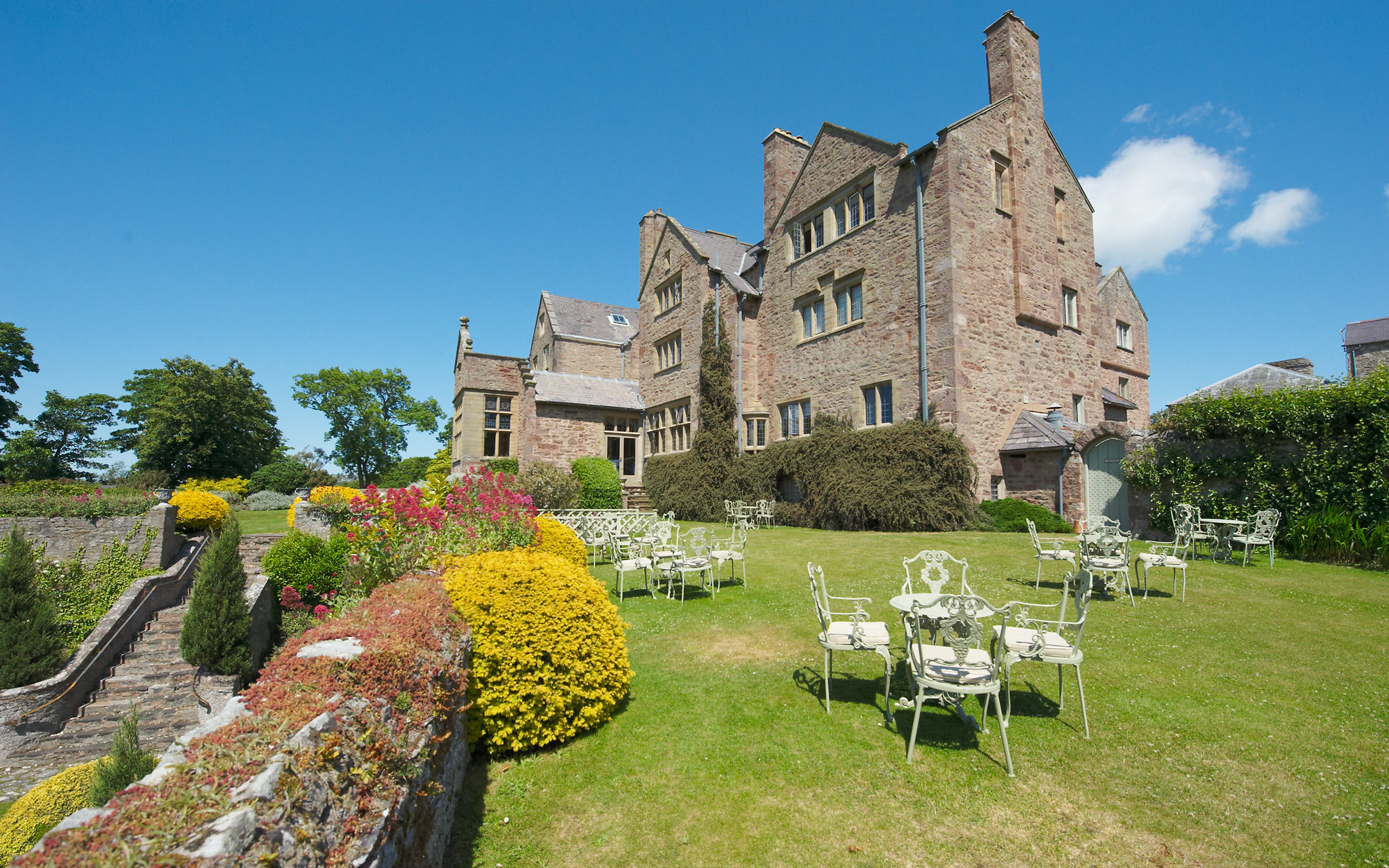
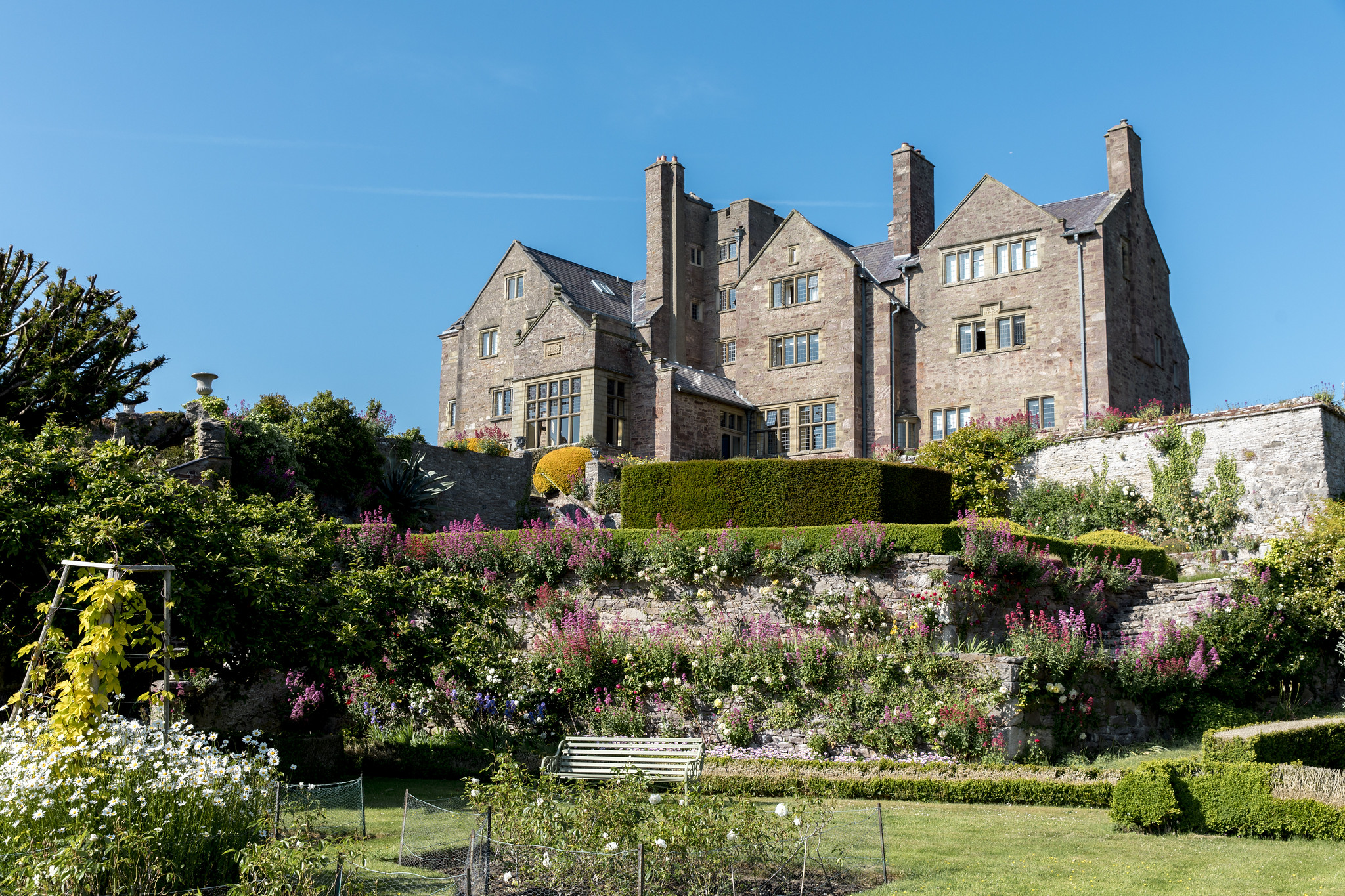
Bodysgallen Hall & Spa offers a compelling illustration of how the Tudor and Jacobean traditions evolved within North Wales. Although the house expanded across several centuries, its appearance remains remarkably cohesive, preserving the architectural vision established during the early 17th century. Rather than showcasing a single moment in time, the hall presents a carefully layered composition in which successive generations respected the character of what had come before, creating one of the region’s most distinguished country houses. The architectural core of the house dates to around 1620, when Robert Wynn and Katherine Wynn constructed the principal residence. Their design embodied the Jacobean style then flourishing throughout Britain, characterized by an emphasis on symmetry, comfort, and status. Unlike the fortified residences that had dominated earlier centuries, Jacobean houses were designed to showcase wealth and refinement. At Bodysgallen Hall, this ambition is evident in the carefully proportioned stone façades, generous windows, and formal arrangement of the principal elevations.
Among the hall’s defining features is its prominent central tower. Rising above the surrounding rooflines, the tower lends the building a commanding presence while reflecting a tradition found in several prestigious Welsh houses of the late 16th and early 17th centuries. Although it evokes the appearance of a defensive structure, its purpose was largely symbolic, serving as an architectural statement that reinforced the status of its owners. The tower remains one of the most recognizable elements of the house and contributes greatly to its silhouette within the surrounding landscape. But the Tudor influence is equally apparent throughout the building. Steeply pitched gables, substantial chimney stacks, projecting bays, and stone mullioned windows create an exterior rich in texture and visual interest. Particularly notable are the ovolo-molded mullions and transoms that appear throughout much of the house, demonstrating the craftsmanship associated with high-status residences of the period. These details soften the formality of the Jacobean composition, producing a residence that feels both elegant and deeply rooted in regional architectural traditions.
Subsequent additions introduced at the turn of the 18th century, and later Victorian and Edwardian periods, were designed with unusual sensitivity. New wings, service areas, and living accommodations adopted the same materials, proportions, and architectural vocabulary established by the original structure. As a result, the hall avoided a fragmented appearance often associated with centuries of expansion. Each addition instead reinforced the impression of a unified Tudor-Jacobean manor that has matured naturally over time. Bodysgallen Hall & Spa now serves as an exceptional example of Welsh domestic architecture. Its combination of Jacobean planning, Tudor-inspired detailing, stone craftsmanship, and carefully integrated alterations reveals the way historic architecture can evolve without sacrificing its original identity. Viewed against the backdrop of the Conwy Valley, the house remains a remarkable expression of the architectural traditions that affected the many distinct country houses of North Wales.
Women in History
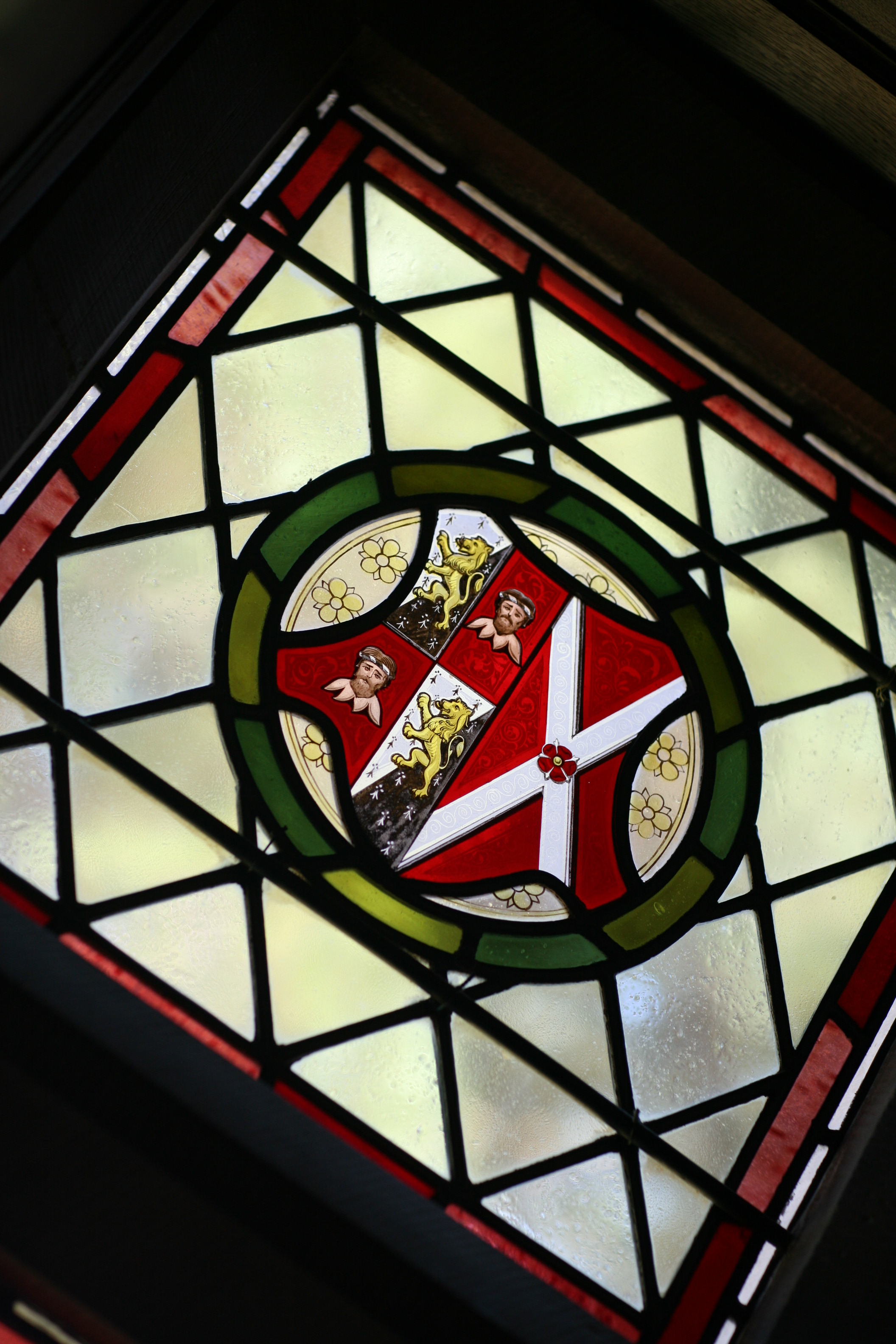
Lady Henrietta Augusta Lloyd-Mostyn: Bodysgallen Hall has been the home to some of the oldest and most influential landed gentry families in North Wales, tracing their lineage back to the medieval period. Heraldry plaques over the Drawing Room fireplace and stained-glass windows document these families. Lady Henrietta Augusta Lloyd-Mostyn was an English philanthropist and photographer. She was married to Thomas Edward Lloyd-Mostyn, who tragically died at age 25, just six years into their marriage, leaving her with two young sons. She contributed much to the development of the Welsh town of Llandudno, where Bodysgallen sits, in the late-19th and early 20th centuries. Lady Augusta established the Mostyn Art Gallery (Oriel Mostyn), Marine Drive, Ysgol Bodafon, and All Saints Church in Deganwy. By the end of the 19th century Bodysgallen had become an architectural jumble, so Lady Augusta set about restoring the vernacular architecture of the house and enlarged it for her second son, Colonel Henry Mostyn.
Historic Gardens
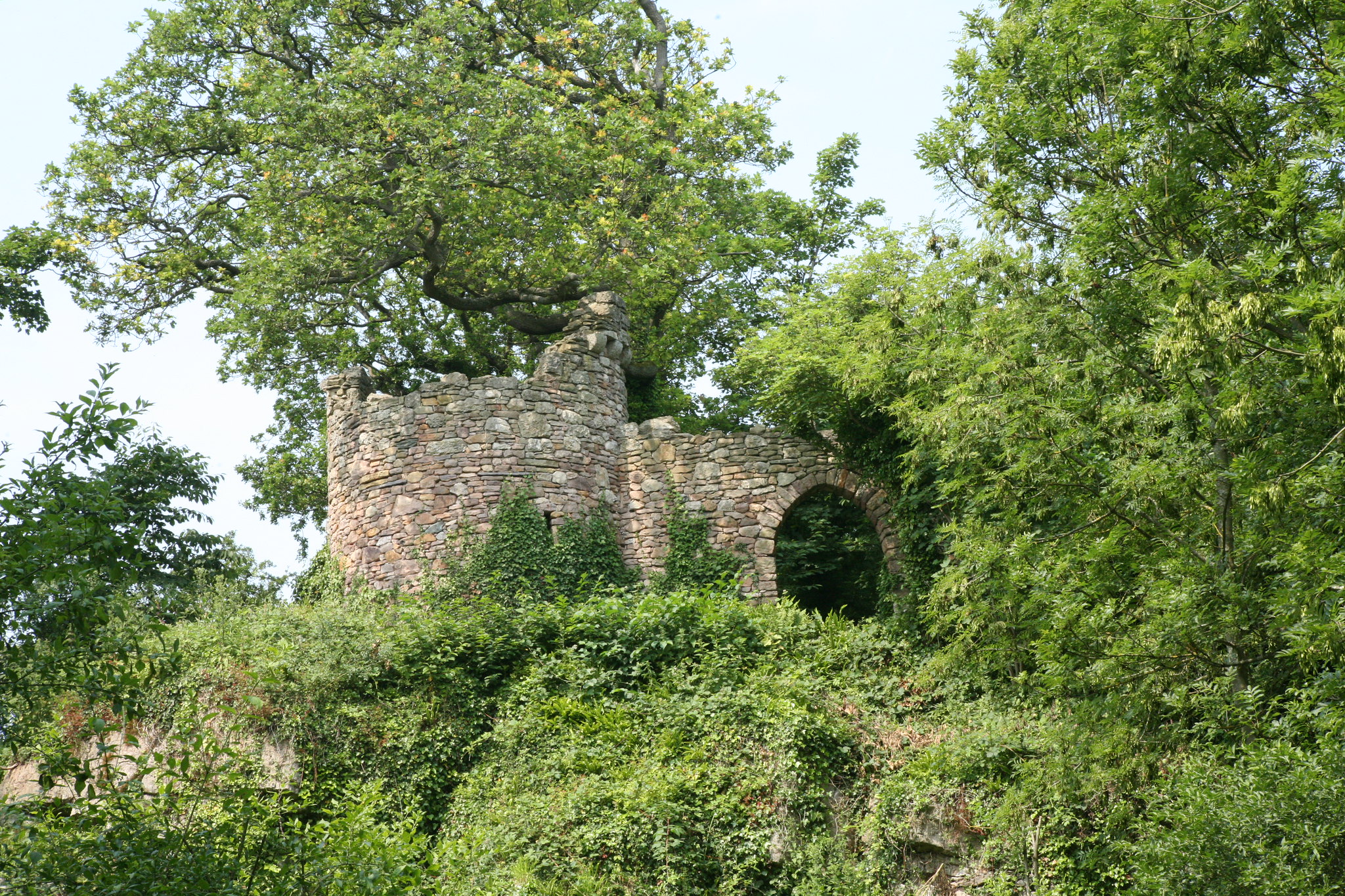
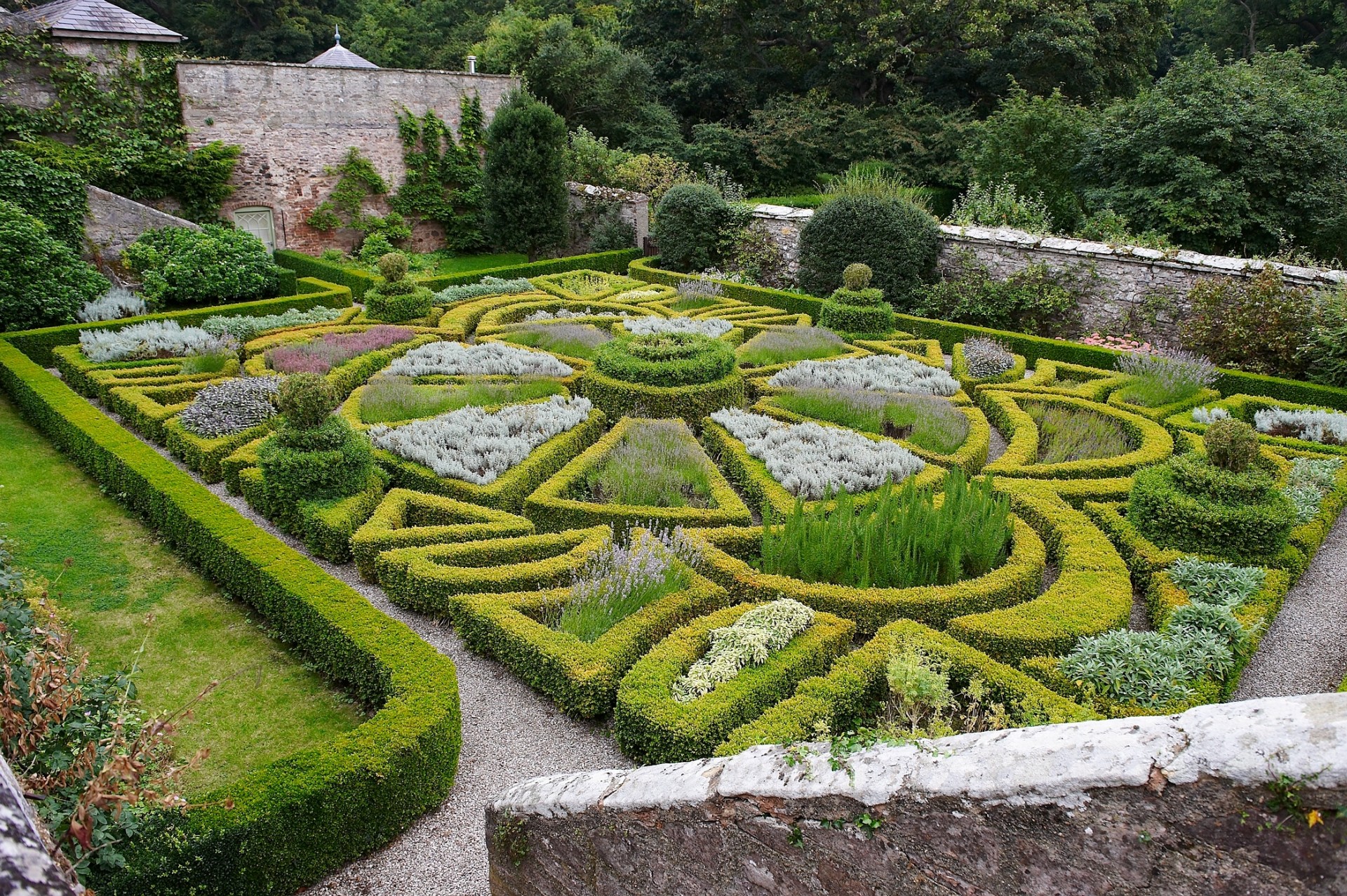
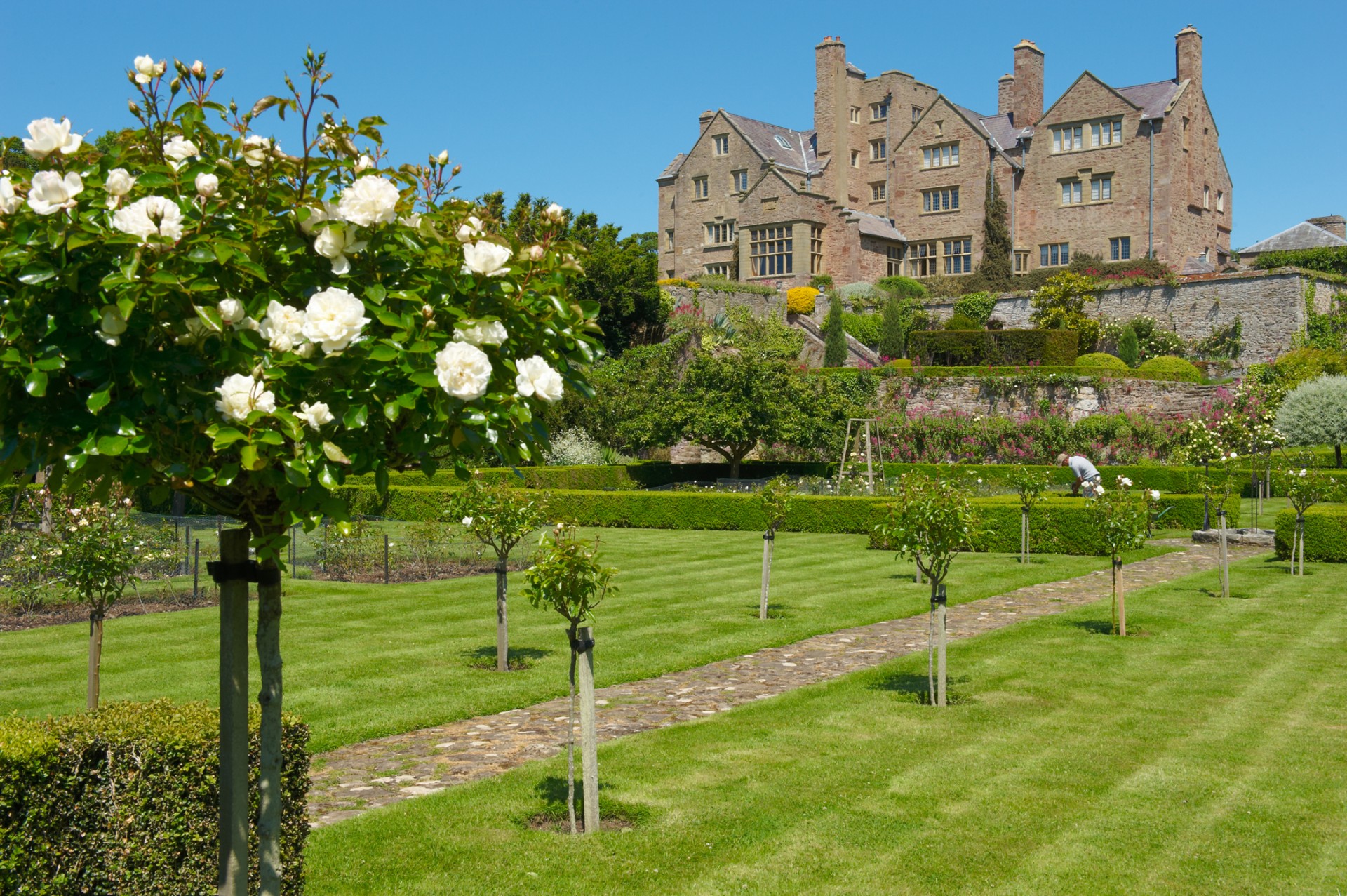
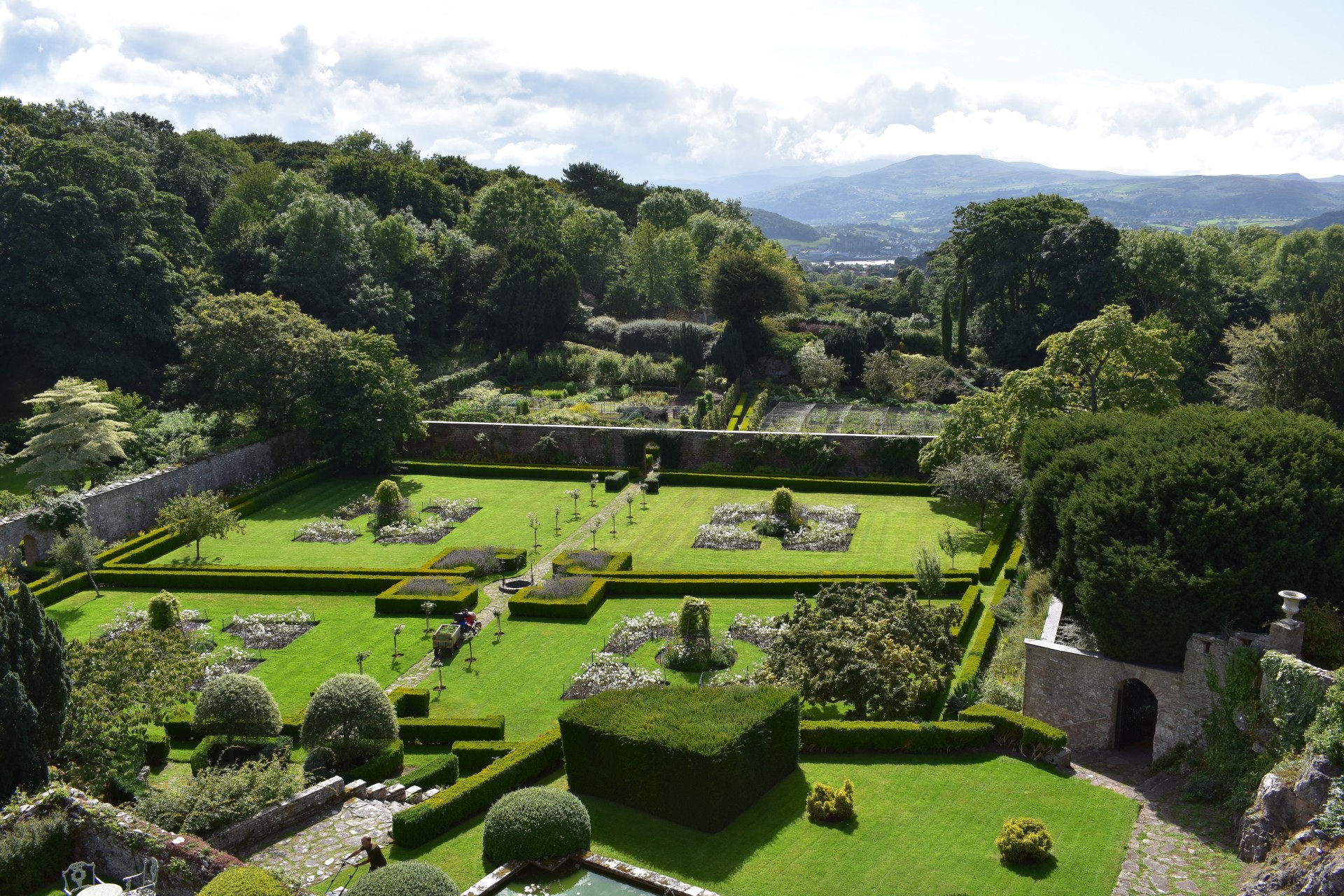
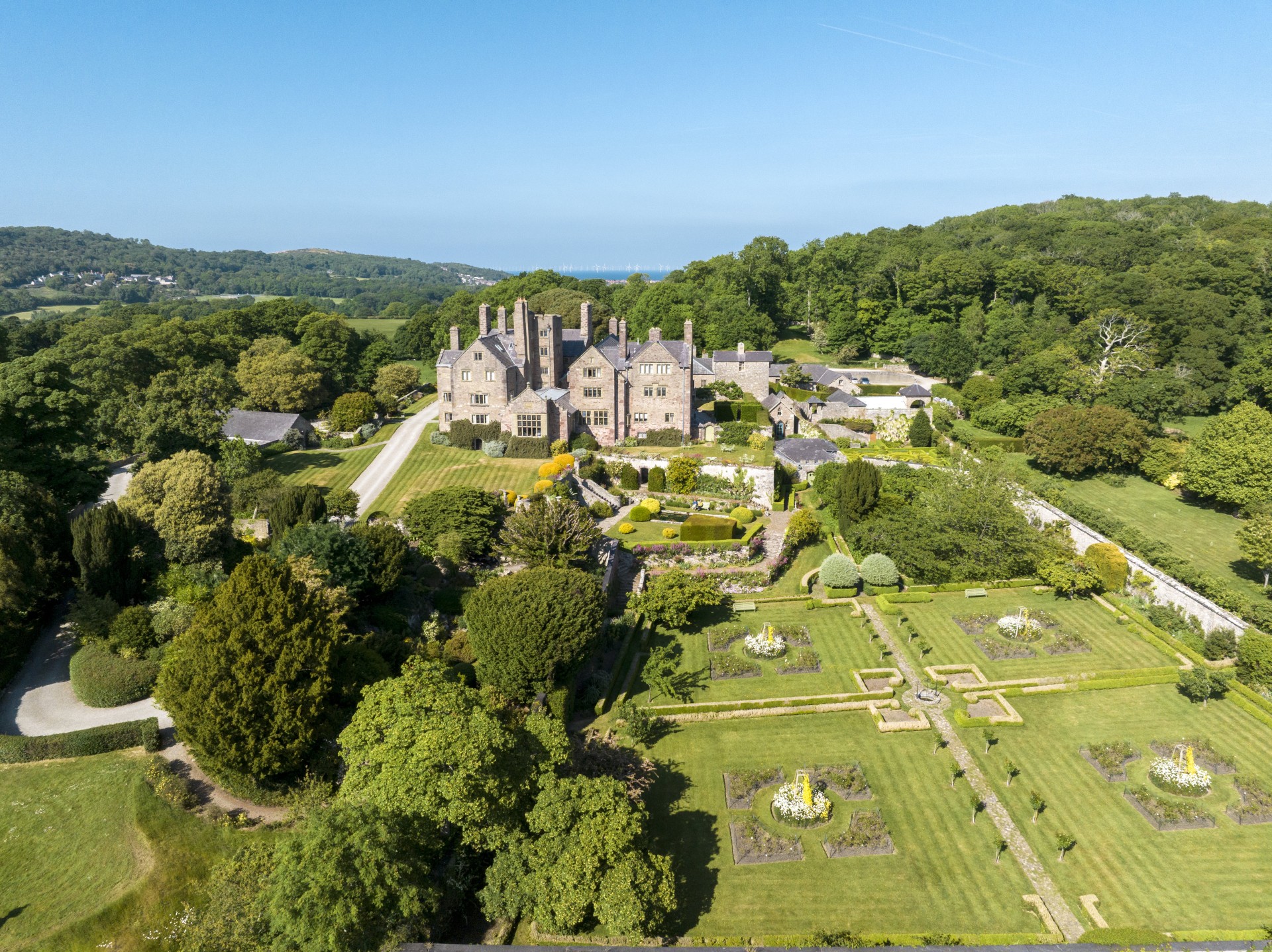
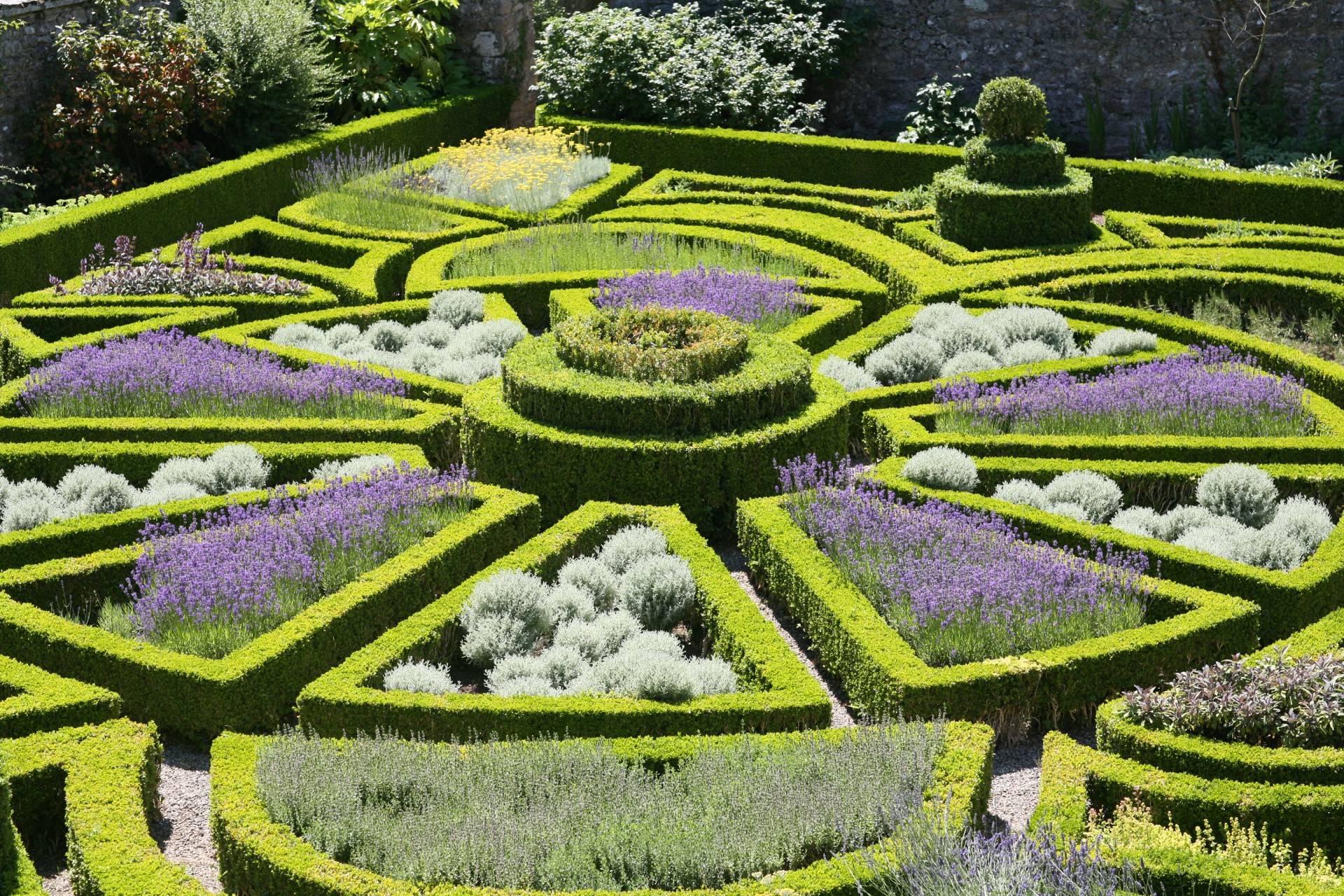
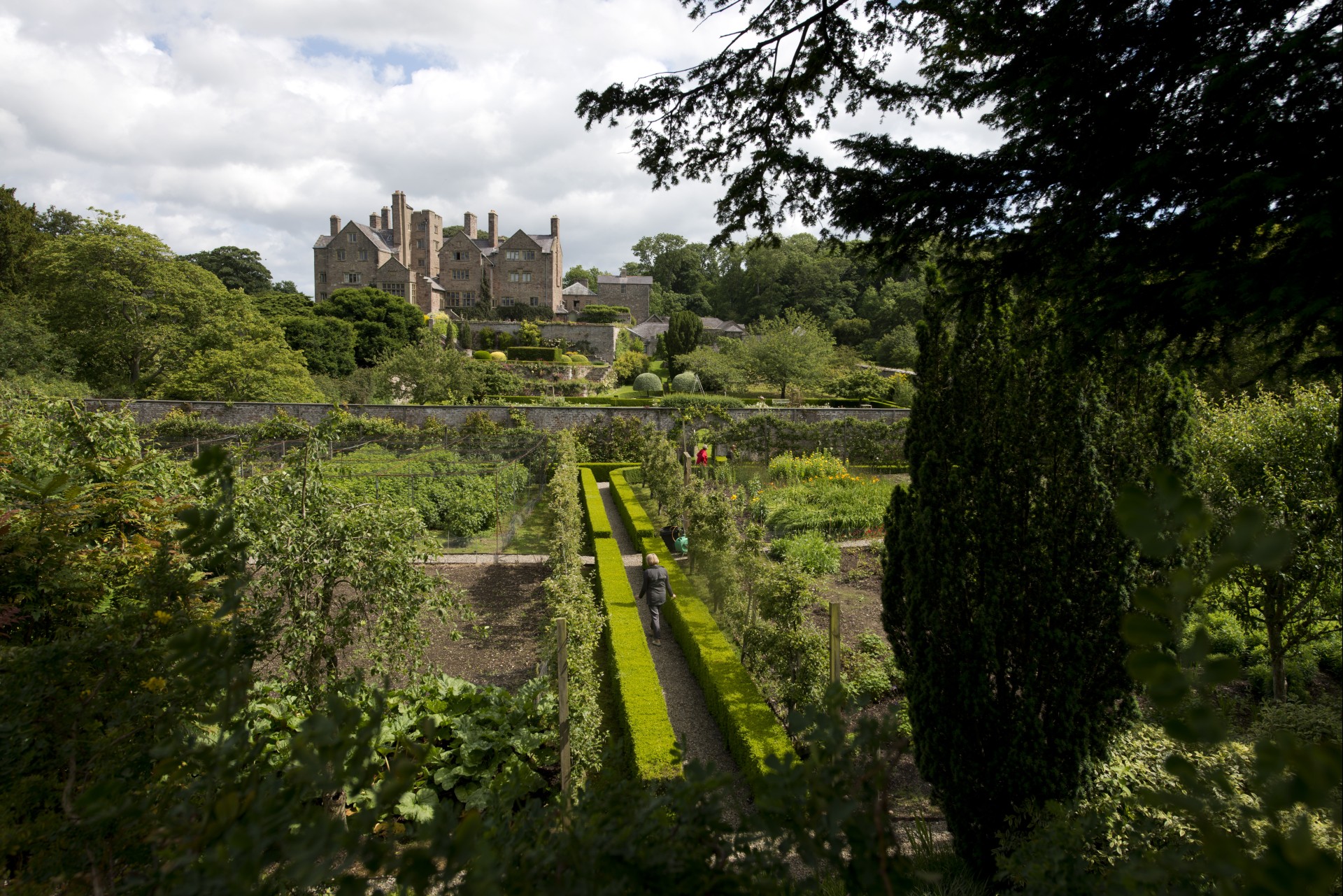
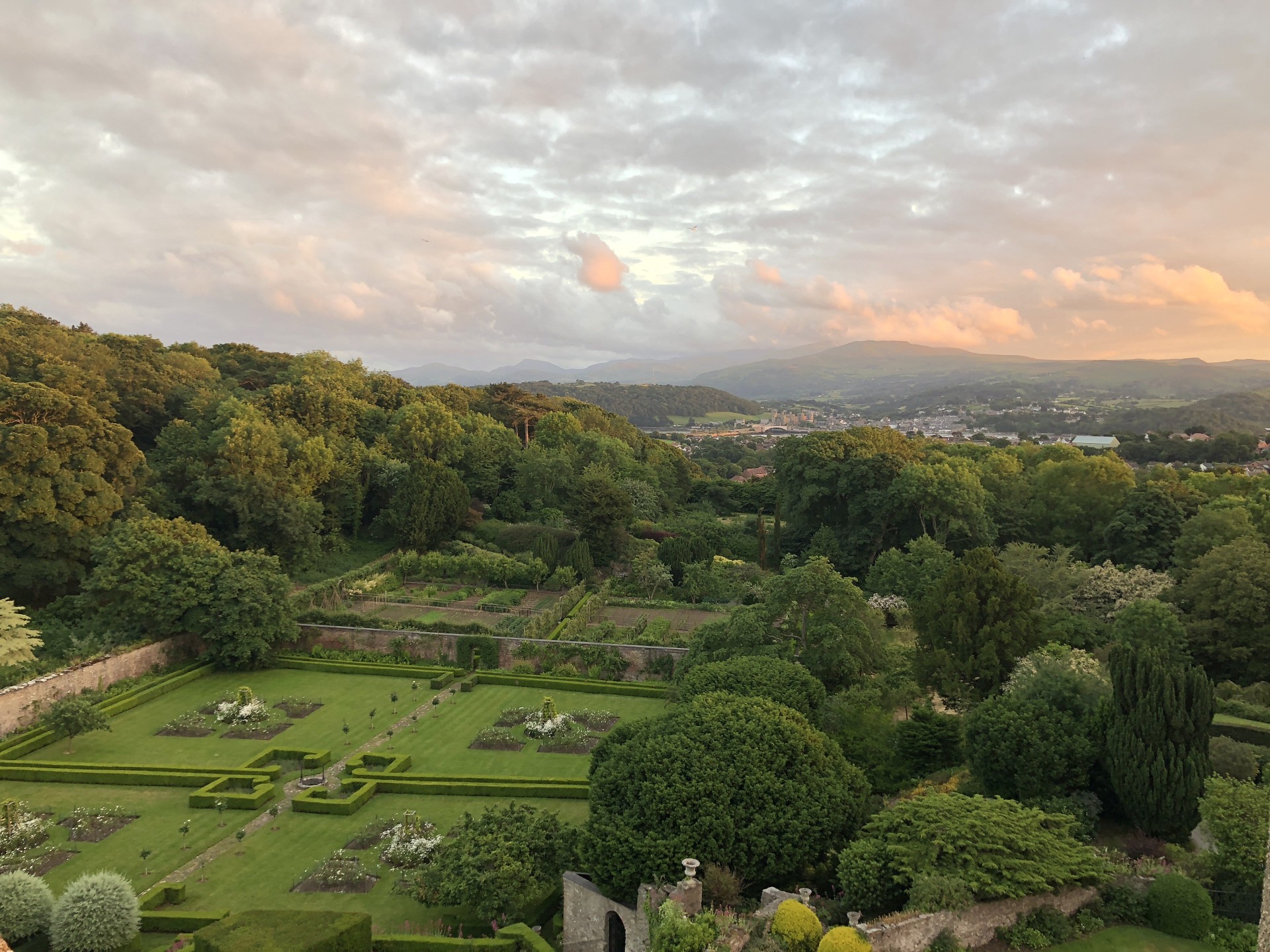
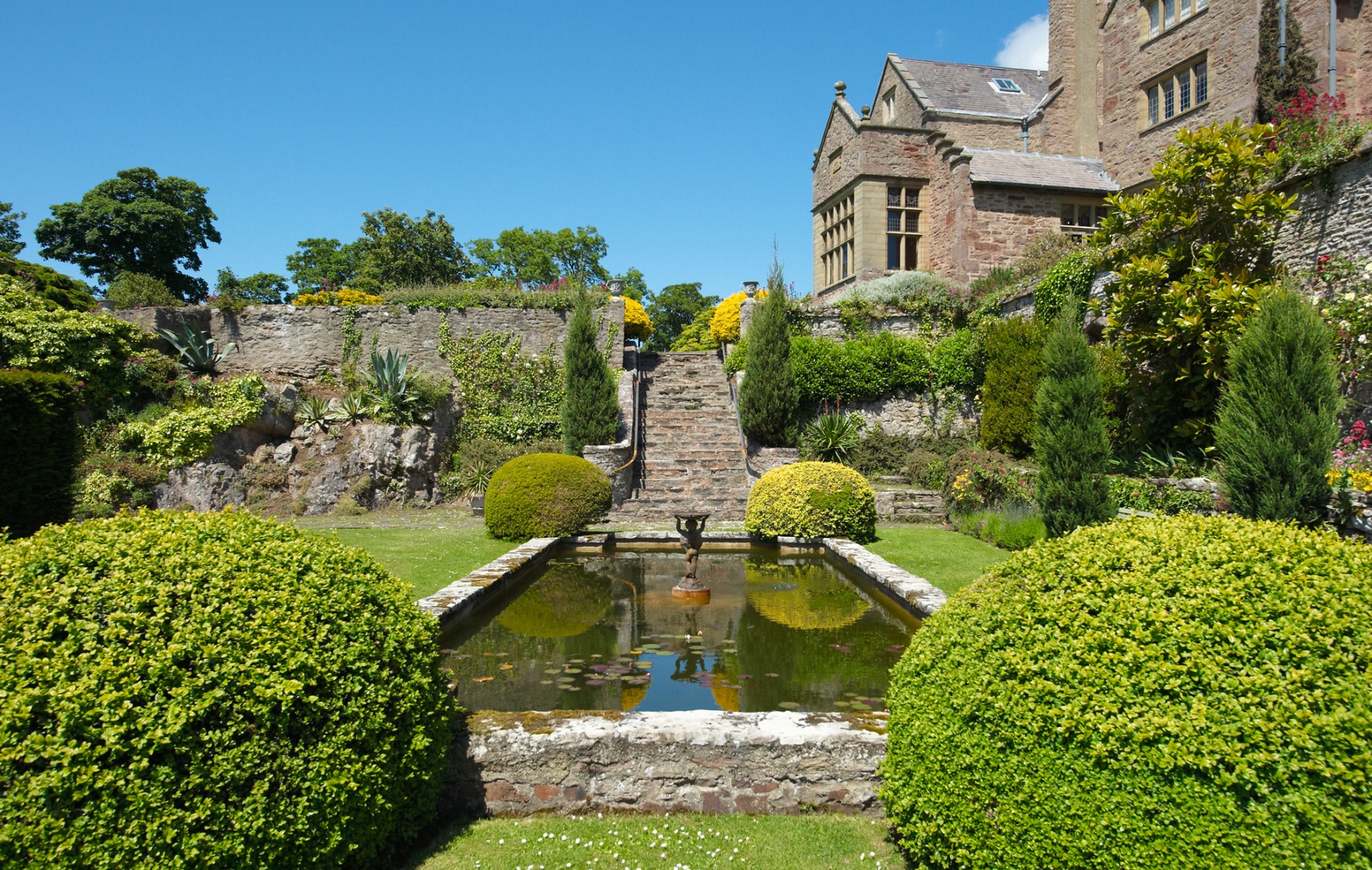
Bodysgallen Hall & Spa is surrounded by over 200 acres of its own parkland and beautiful gardens – both manicured and wild. The gardens have been recognized as a Grade 1 registered historic landscape in Wales, which is the highest distinction of gardens representing exceptional or national interest by Cadw. Featured are the rare 17th-century parterre of box hedges filled with sweet smelling herbs, at the center of which is a sundial dated 1678, natural limestone outcrops, a rockery with water cascade, walled gardens, lily pond and several follies. There is also a formal rose garden and a number of well-established specimen trees and shrubs, including medlar and mulberry. Beyond the walled rose garden is the kitchen garden, which is not only ornamental with box hedge borders, but produces much of the organic fruit, vegetables and herbs incorporated in the restaurant's seasonal menus.