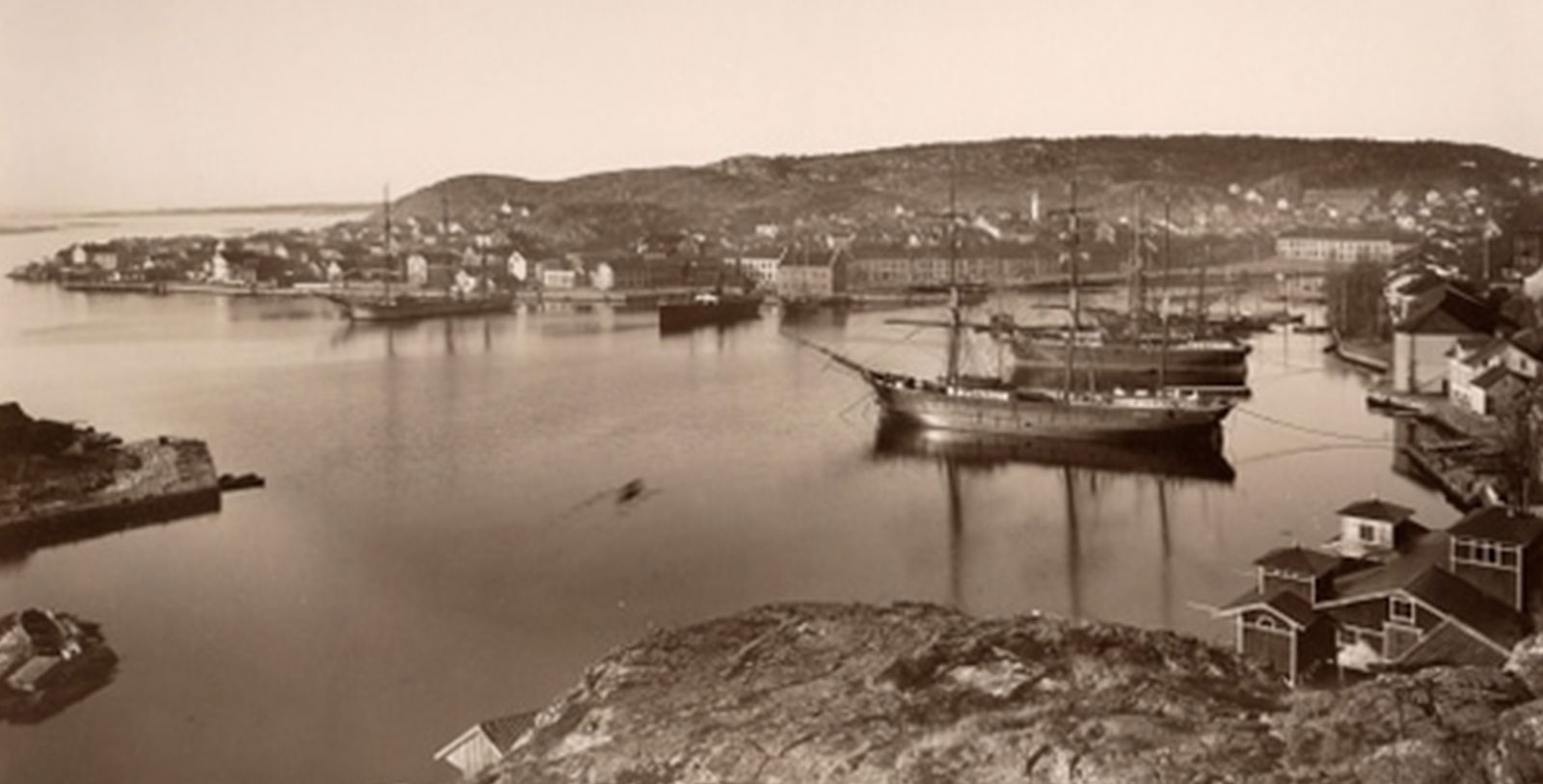
a group of boats in a harbor
Det Lille Hotel

History

Discover the Det Lille, Hotel, which was originally started by a local dentist in 1910.

Det Lille Hotel was constructed amid the intellectual and philosophical movement that dominated Europe in the 18th century.

The Det Lille Hotel was started by a dentist in 1910. There was only one suite at the time. The hotel as it stands today was established in 1993, but other hotels in various forms have called the reception building home before then. Over the years, more suites have gradually been added inside of several historic buildings in the town of Risør. The oldest building a suite is housed in dates back to 1750.

The town itself has often been referred to as Trehusbyen or the “Wooden House Town.” It is one of the best preserved wooden towns in Europe. This is due to the beautiful white wooden houses that have sat mostly unchanged since the 1800s. The municipality of Risør is surrounded by small lakes and hills and has a beautiful coastline, making it a popular destination for tourists. It was founded in January 1838, after it had been established as a small fishing village since before the 1550s. It became a privileged port in 1630 and by 1723, it had been granted town status. It had become one of the four shipbuilding centers in Norway and was the sixth largest shipping town in the country.

This beautiful town features long summer days, where it doesn’t get fully dark even at midnight, and features thousands upon thousands of boats during the summer months. This Norwegian Riviera’s long coastline makes it a wonderful stay for those who love the sea.
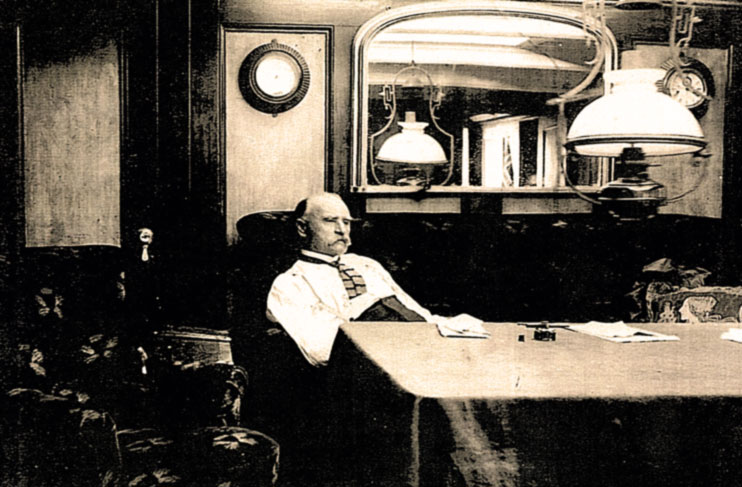
a man sitting at a table

Hotel Timeline

Known as a small fishing village before the 1500s, Risør, then known as “Øster Risøer,” was an important trading place where Dutch merchants came to buy timber and lumber and became a privilege port.

The oldest building used for Det Lille Hotel accommodations dates to 1750. This protected house in Buvika later became part of the hotel’s suite collection

Risør was granted town status and later became one of Norway’s important seafaring and shipbuilding towns.

The Storgata building, formerly known as Søstrene Gislesens Hotell, had been used as an accommodation building since the 1800s.

The municipality of Risør was founded.

Several hotel suites are in historic buildings in central Risør dating back to the 1850s.

The Consulate, a former clockmaker’s residence later offered as part of the hotel’s accommodations, was built.

Risør’s old Customs House, later transformed into a Det Lille Hotel location, was built.

Det Lille Hotel’s history traces to a hotel started by a local dentist in 1910, initially with only one suite. 

Det Lille Hotel, as it stands today, was established when dentist couple Oddvar and Barbro Halvorsen opened the first suite in the Storgata building. More suites were gradually added inside restored historic buildings throughout Risør, allowing guests to stay in different parts of the town’s wooden-house environment. 

Det Lille Hotel was inducted into Historic Hotels Worldwide. Historic Hotels Worldwide is a prestigious collection of historic treasures, including more than 300 legendary historic hotels including many former castles, chateaus, palaces, academies, haciendas, villas, monasteries, and other historic lodging spanning ten centuries.

The Bertelsen family purchased Det Lille Hotel and continued its historic hospitality concept.

Det Lille Hotel expanded to Strandgata 10, transforming the old Customs House, or Tollboden, into a hotel section with 9 double rooms and a reception on the ground floor. As part of the Customs House expansion, Tollboden 1865 opened as one of the hotel’s restaurant additions.

Det Lille Hotel now includes rooms and suites spread across restored historic buildings in Risør, including 9 double rooms in the Customs House and 19 hotel suites in historic buildings. The hotel has been honored with Olavsrosa from Norwegian Cultural Heritage and the County Municipality’s Building Preservation Prize for its role in preserving Risør’s historic environment.

1500s
1750
1723
1800s
1838
1850s
1863
1864
1910
1993
2018
2022
2023
2026