Fairmont Hotel Vier Jahreszeiten
Hamburg, Germany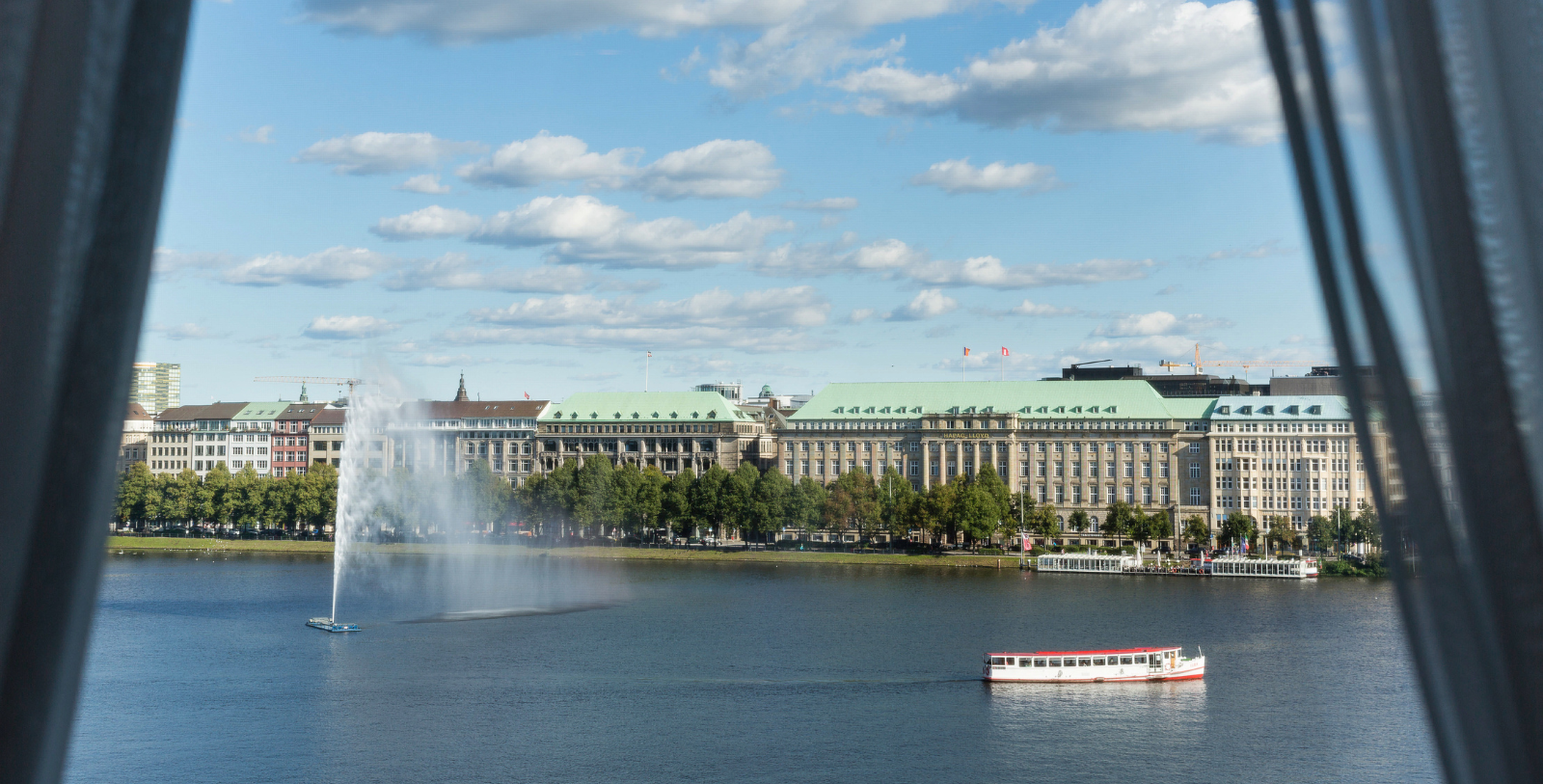
 Neuer Jungfernstieg 9-14, Hamburg, Germany, 20354
Original Property Opened in 1897
Historic Hotels Worldwide member since 2023
Neuer Jungfernstieg 9-14, Hamburg, Germany, 20354
Original Property Opened in 1897
Historic Hotels Worldwide member since 2023


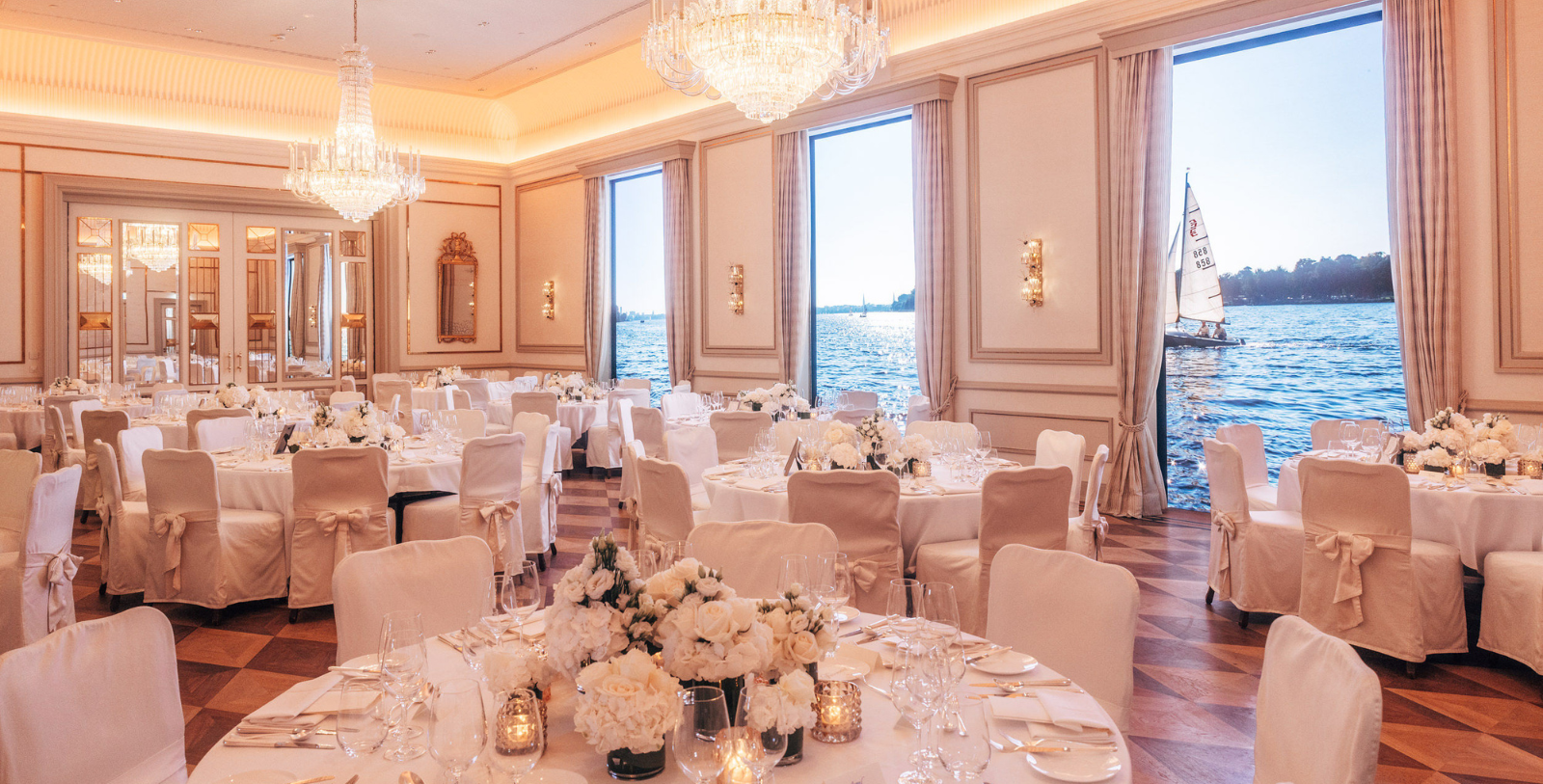
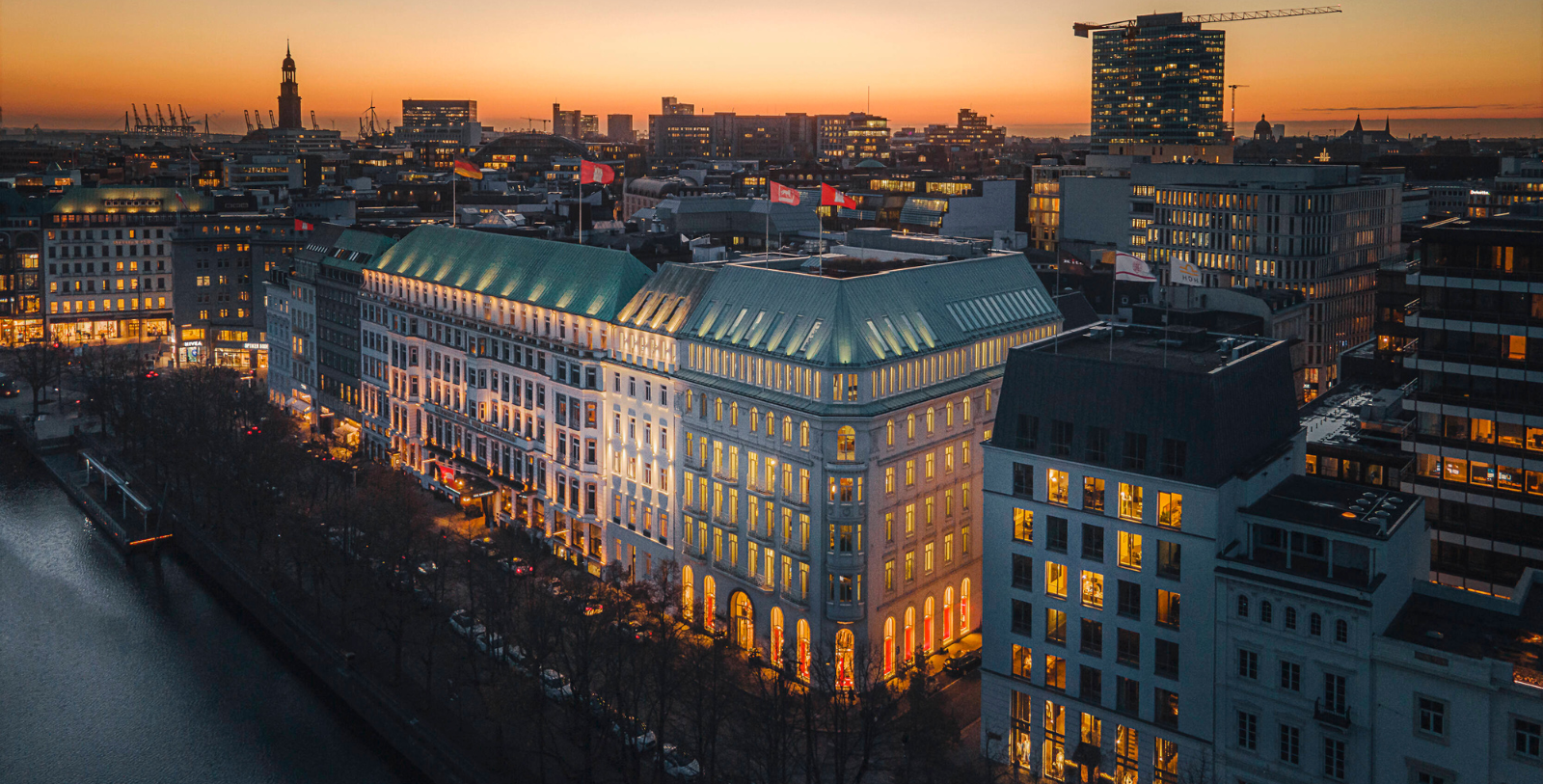
Perched near the shore of Inner Alster Lake, Fairmont Hotel Vier Jahreszeiten rests at the heart of Hamburg, Germany’s most renowned architectural and cultural landmarks and not far from the city’s finest shopping destinations. An icon in its own right, this grand European hotel has been welcoming guests since 1897, effortlessly fusing timeless elegance, luxurious hospitality, and rich history for more than a century. Its covetable setting and heritage of generosity have made Fairmont Hotel Vier Jahreszeiten a favorite of royalty, business tycoons, and creative luminaries alike, seeing everyone from Prince Heinrich of Prussia to Aristotle Onassis stroll through its opulent halls.
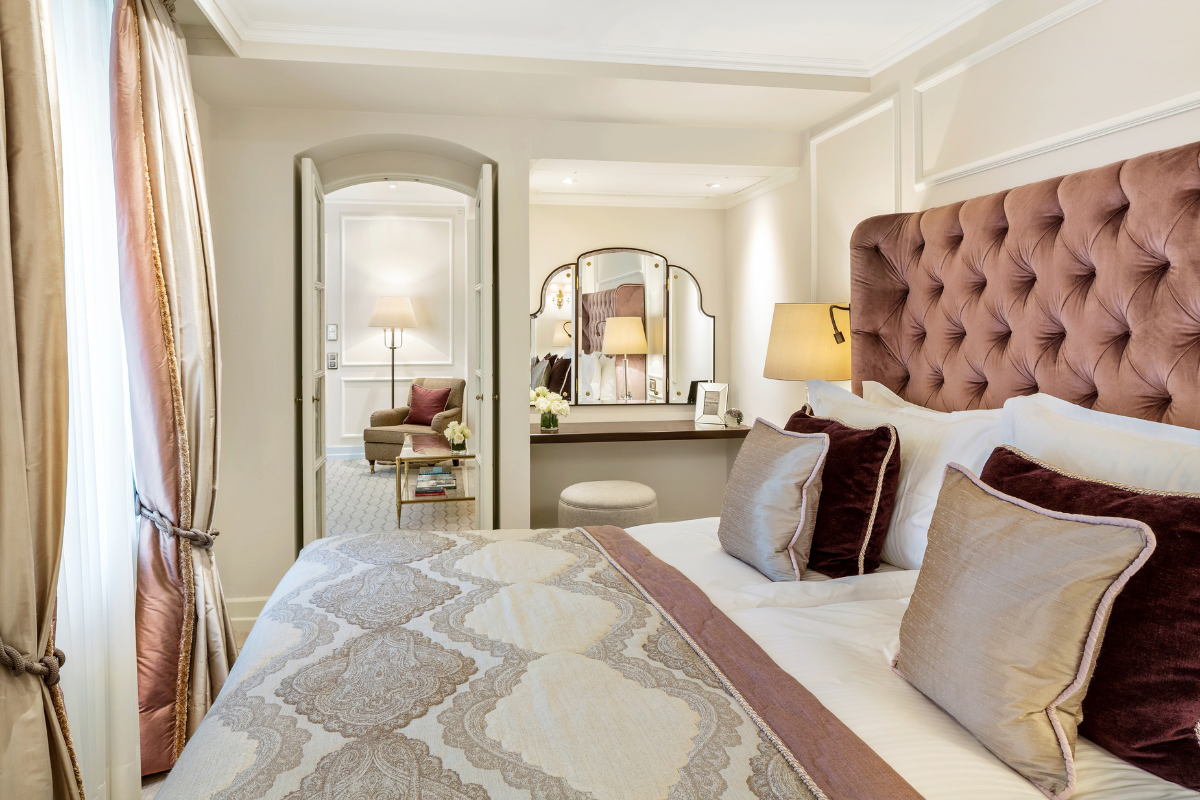
Originally opened as a small-yet-charming “Hotel zu den Vier Jahreszeiten,” with a mere 11 guestrooms, the hotel grew in both size and influence over the following decades. Today, guests can stay in one of Fairmont Hotel Vier Jahreszeiten’s 156 guestrooms and suites, indulge in a meal at one of the hotel’s several restaurants and bars, or unwind with a restorative treatment at the expansive spa, all while enjoying stunning views the lake and the beautiful city of Hamburg.
Discover
- Appreciate the journey of Fairmont Hotel Vier Jahreszeiten from a humble family-owned property to the grand European hotel it is today. Opened in 1897 by married couple and established hoteliers Friedrich Haerlin and Thekla Toussiant, the then-called Hotel zu den Vier Jahreszeiten had only 11 guestrooms. The hotel remained in the care of the Haerlin family for almost a century, enduring World War I, a brief takeover by mutinous sailors during the German Revolution of 1918, and its temporary requisition as headquarters for the British Army during World War II. Since then, Fairmont Hotel Vier Jahreszeiten has swelled to 156 guestrooms and suites and is not only a Grand Hotel in the European tradition but one of the top luxury hotels in Germany.
- Walk in the footsteps of some of the famous guests who have called Fairmont Hotel Vier Jahreszeiten their temporary home. Known for its luxurious accommodations and distinctive setting in the heart of Hamburg, this opulent hotel has hosted some of Europe's most influential people, with names like Prince Heinrich of Prussia, Princess Irene of Hesse and by Rhine, Thomas Mann, Peter Ustinov, Aristotle Onassis, and Maria Callas having graced its guestlist. In fact, German actor Heinz Rühmann rehearsed for the film The Captain from Köpenick at the hotel before trying out for the part of the main character, Wilhelm Voigt. There, he also discussed the film's overall plot with director Helmut Käutner and playwright Carl Zuckmayer, who had written the original story as a play two decades prior.
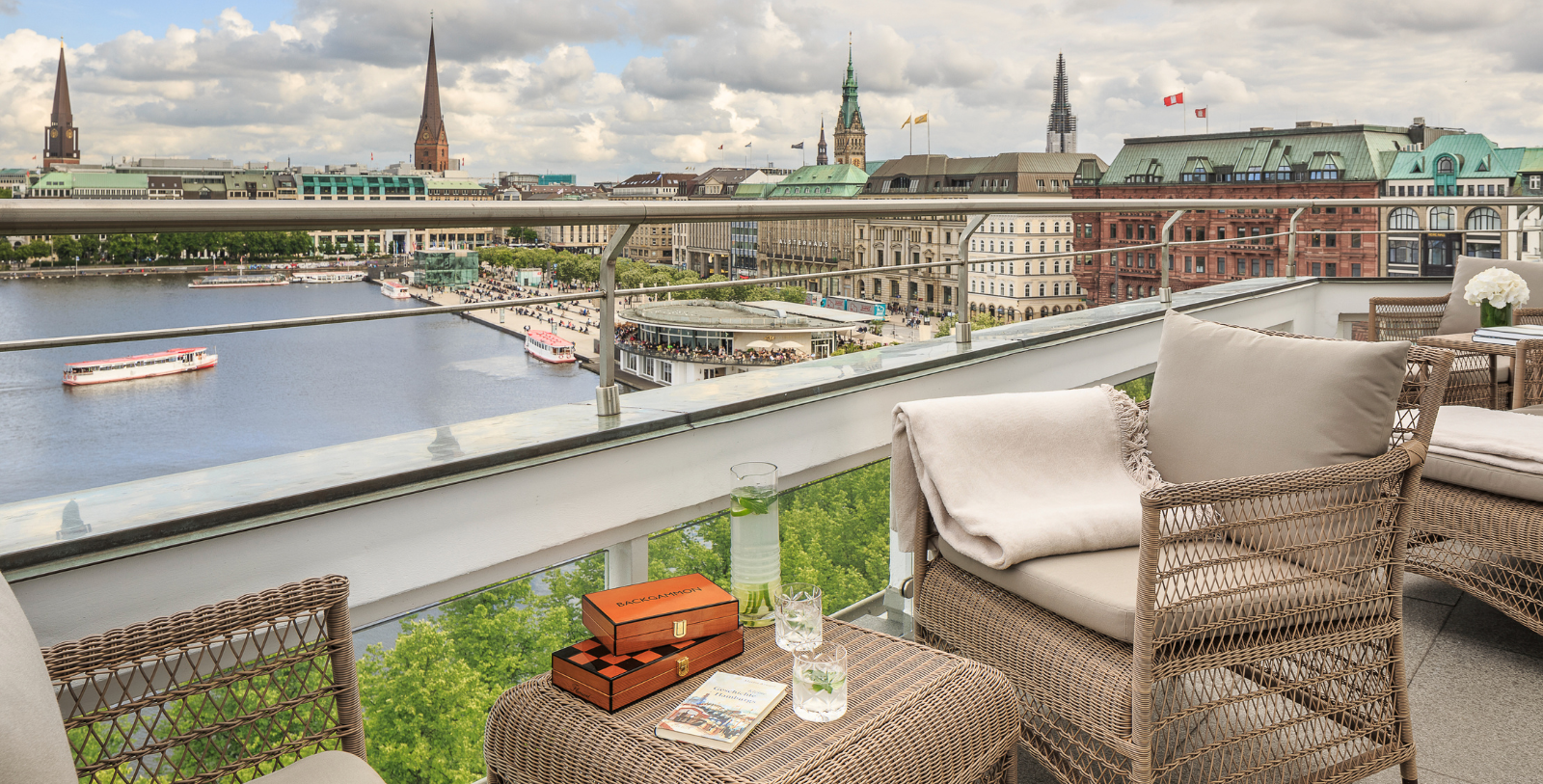
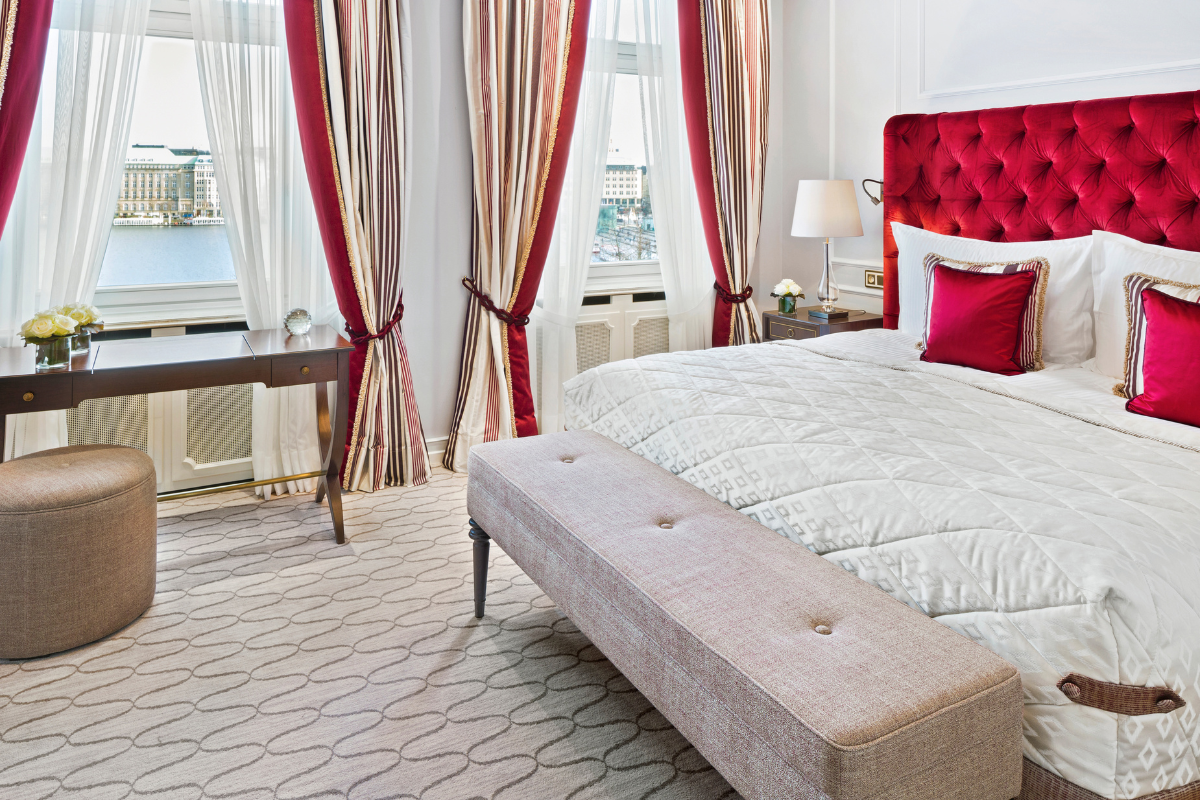
- Take in sweeping views of Inner Alster Lake from one of the hotel's restaurants, terraces, or lake-view guestrooms. Known as "Binnenalster" in German, Inner Alster Lake is one of Hamburg's two artificial lakes and is so named because it once rested inside the former city walls. Originally created as a reservoir for a mill, the lake is one of the city's most spectacular backdrops. Fortunately, guests will not need to go far to take in the scene. While many guestrooms and a handful of restaurants overlook Inner Alster, the best views of the lake can be had from the waterfront Jahreszeiten Terrace.
Explore
- Admire everything from medieval altarpieces to contemporary photography at the Hamburger Kunsthalle, which was established in 1849. One of Germany’s largest art museums, its collection spans three buildings, which date from 1869, 1921, and 1997. The museum's assemblage of art is even more impressive, as one of the few of its kind in the country to traverse seven centuries of European art. Today, guests can gaze upon works by Old Masters like Rembrandt and Francisco Goya, 19th-century artists like Edgar Degas and Claude Monet, and such luminaries of modern and contemporary art as Edvard Munch, Pablo Picasso, and Andy Warhol.
- Trace the trails and trials of European emigrants as they journeyed to the New World at Auswanderermuseum BalinStadt. Previously the site of the city's emigration halls from the 1850s to the early 1930s, Hamburg's fascinating emigration museum once saw some five million travelers from across the country pass through on their way to a new life in the Americas. Guests can hear personal stories, understand the impact of immigration, search through genealogical records, and learn about the man who turned Hamburg into a port of dreams, Albert Ballin, general director of the HAPAG shipping company and founder of the city's emigration halls.
- Journey through the Speicherstadt, a UNESCO-designated maze of red-brick Gothic Revival buildings and labyrinthine canals that stands as the world's largest contiguous warehouse district. Literally meaning "City of Warehouses," the Speicherstadt was constructed between 1883 and 1927 and spans 260,000 square meters (close to 2,798,617 square feet). From 1881 to 2013, the area served as a free zone, allowing merchants to transfer goods without paying customs. As of 2005, Speicherstadt and the companies it housed were responsible for one-third of the globe's carpet production, as well as other goods like maritime equipment, spices, tea, coffee, cocoa, and electronics. Aside from the area's striking architecture, visitors to Speicherstadt can also explore the city's International Maritime Museum, which is set inside Hamburg's oldest preserved warehouse, and Miniatur Wunderland. The latter is Germany's most popular attraction and home to the world's largest model railway system, along with tiny recreations of destinations from across the globe.
Experience
- Get a fresh perspective on Hamburg during a harbor tour. From the canals of historic Speicherstadt to skyline vistas from the Elbe River and Inner Alster Lake, there is no better way to experience the city than from the water. Harbor cruises run the gamut—whether daytime or evening, understated and informational or all-out party—meaning there is something for everyone. Sights seen along the way and the level of commentary also vary, so be sure to choose accordingly. Some even offer a hop-on, hop-off service that allows visitors to easily explore whatever destinations strike their fancy.
- Enjoy a performance or take a guided tour of the Elbphilharmonie, a glittering concert hall on the Elbe River. A towering architectural marvel, the building is said to resemble everything from an iceberg or wave of water to a hoisted sail. Tours are offered of the Plaza viewing platform or the two concert halls, delving into such topics as architecture, musical programming, acoustics, and the concert hall's organ. Of course, for a more immersive experience, tickets to one of Elbphilharmonie's live performances are also available for purchase.
- Wander through Hamburg’s opulent, Baroque-style city hall, one of the finest in all of Europe, during a guided tour. Opened in 1897, the same year as Fairmont Hotel Vier Jahreszeiten, the Hamburg Rathaus is the seat of one of Germany's 16 state governments. Despite its role in the country's lawmaking, the Rathaus opens its doors daily to visitors. As elaborate as it is influential, this grand city hall is home to an astounding 647 rooms. As such, the best way to experience it is on one of the daily guided tours. Although, exhibitions are also available for visitors' perusal.
Taste
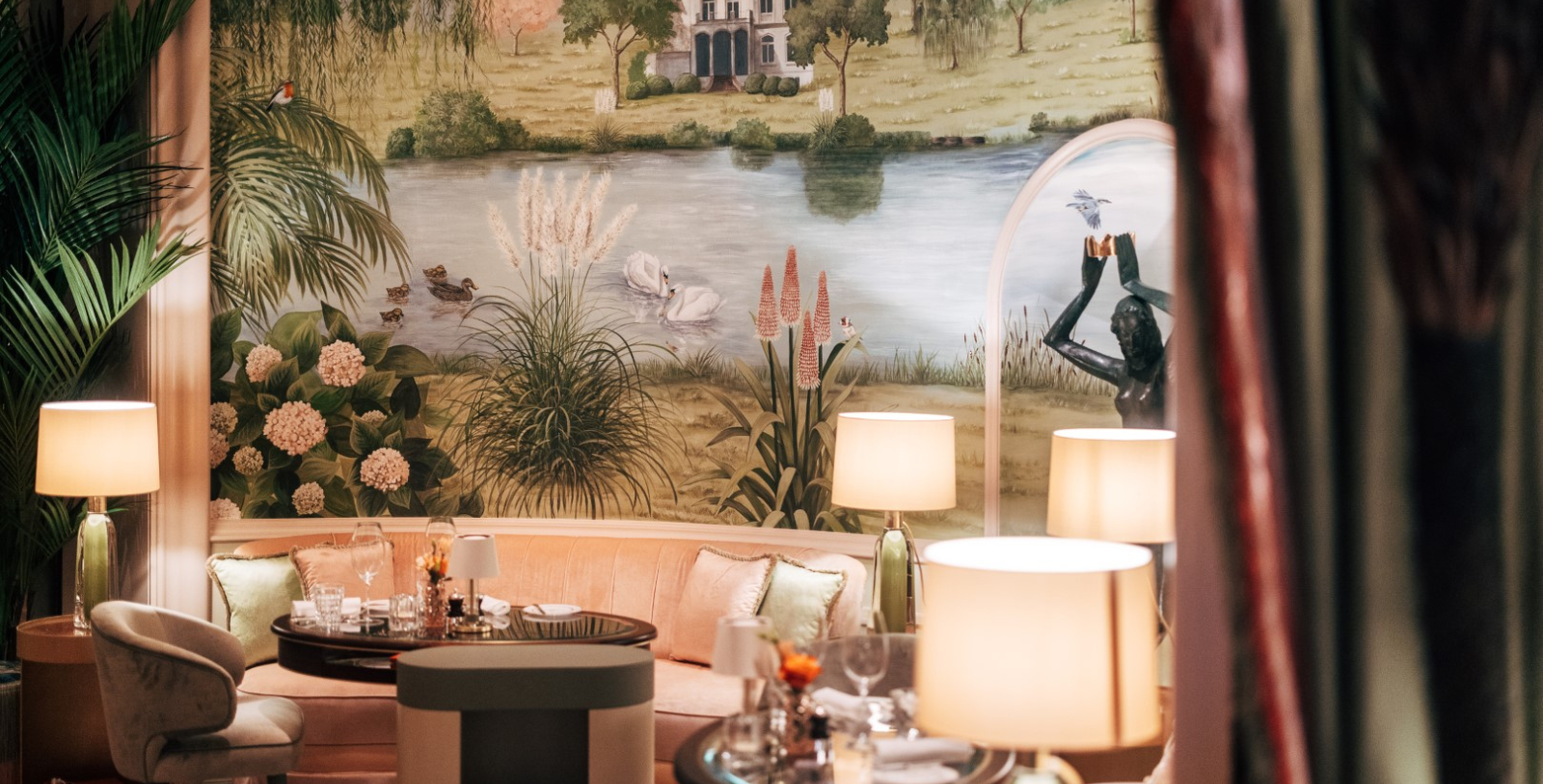
- Savor some of Germany's best dining at one of Fairmont Hotel Vier Jahreszeiten's Michelin-recognized restaurants. Germany's culinary heritage has so much more to offer than just wurst and schnitzel. In fact, with over 1,200 dining venues named in the country's latest Michelin Guide, few countries can compete with Germany's culinary scene. Of those eateries, three can be found at Fairmont Hotel Vier Jahreszeiten. Most notable is Restaurant Haerlin, which boasts two Michelin stars, as well as five Gault Millau toques and four-and-a-half Fs from Der Feinschmecker. Opened in 1919, Restaurant Haerlin is not only the hotel's most historic restaurant but a Hamburg institution in its own right. And while they have not yet earned any Michelin stars, restaurants GRILL and NIKKEI NINE are designated by the Guide as "Selected Restaurants" for their "good cooking."
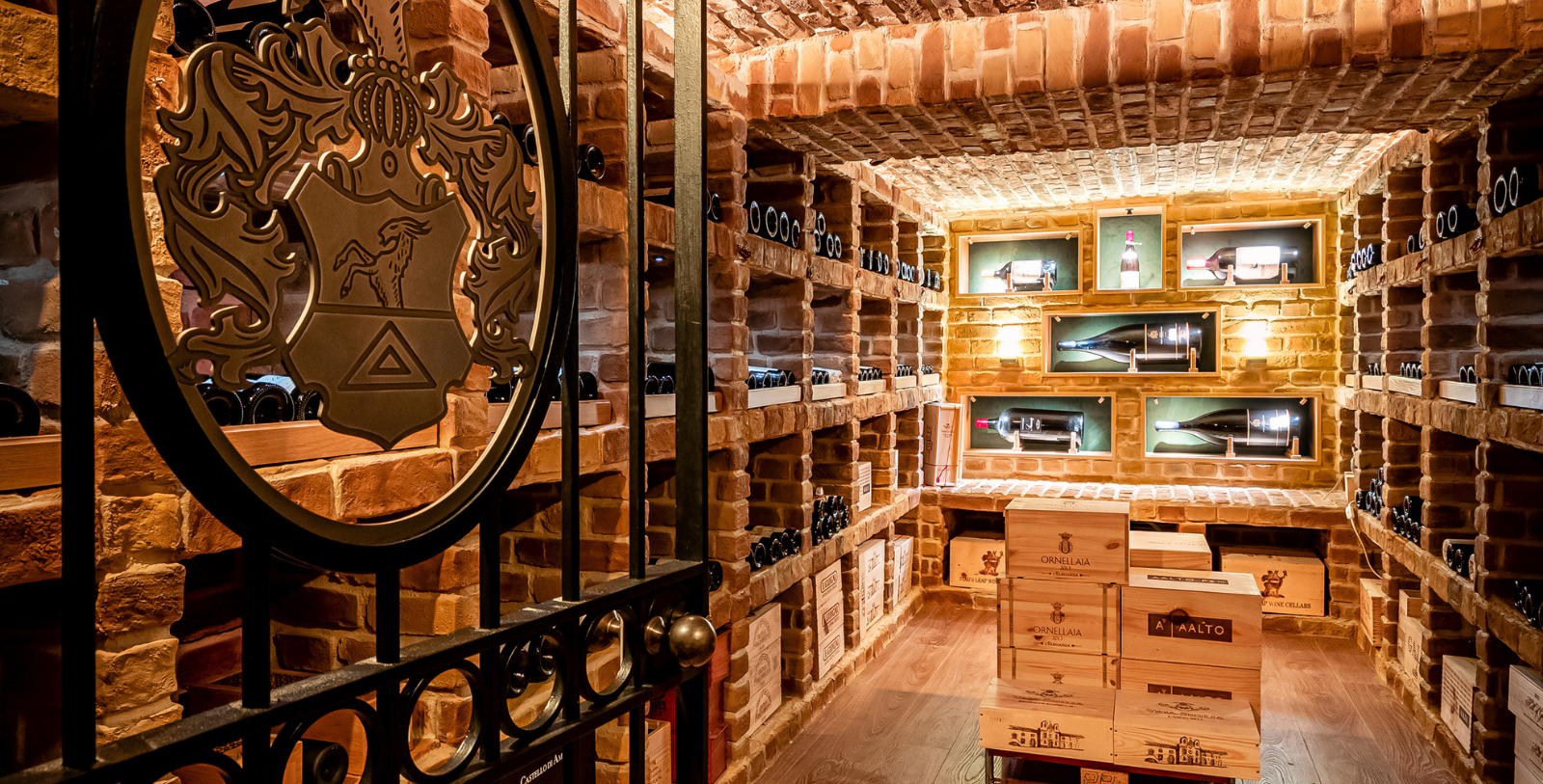
- Toast to a wonderful adventure through Northern Germany with an exquisite wine experience at the Sommelier's Table at Restaurant Haerlin. Located in front of the award-winning eatery's wine cellar and led by its sommelier, this exclusive culinary offering is sure to impress. Alternatively, diners can also accompany their regular restaurant meal with something from the venue's expansive wine list or follow the recommended wine pairings.
- Experience a slice of Hamburger life at the St. Pauli Fischmarkt, a traditional Sunday market that has been in operation since 1703. Situated on the shores of the Elbe River inside a building reminiscent of a Roman market hall, this market sees goods of all kinds pass through its doors, including produce, flowers, souvenirs, clothing, and, of course, plenty of fish. Singing the products' praises are lively Marktschreier (or "market criers"), who hawk their wares with considerable volume and cheek. From April to October, the action kicks off as early as 5 AM and continues through 9:30 AM, making this a must-do for early birds. (The market opens slightly later from November through March, starting instead at 7 AM.) That said, with live music offered on Saturday evenings in the adjoining Fischauktionshalle (Fish Auction Hall), the market also makes for a delicious finale to a long night of partying.
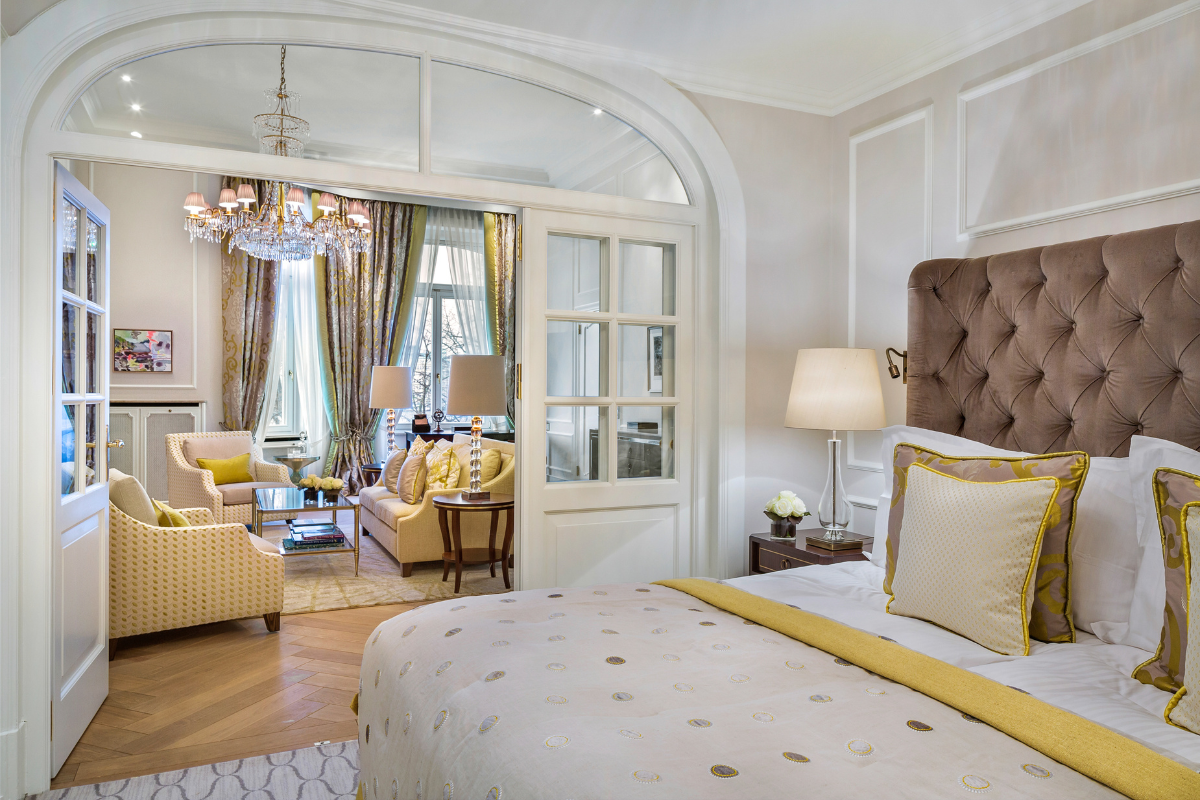
FEATURED ACCOMMODATIONS
Featured Offer
Book the Best Available Rate at this property on HistoricHotelsWorldwide.com and receive a complimentary one-year family membership (a $30 value) to the National Trust for Historic Preservation in the United States, a member of the International National Trusts Organisation.