
No properties found. Try another keyword.
History
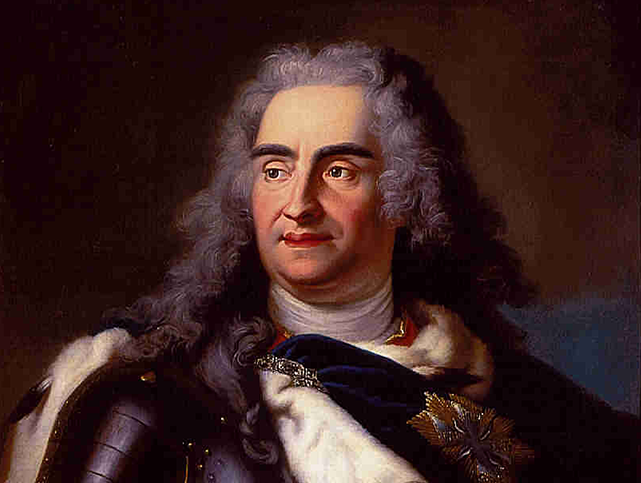
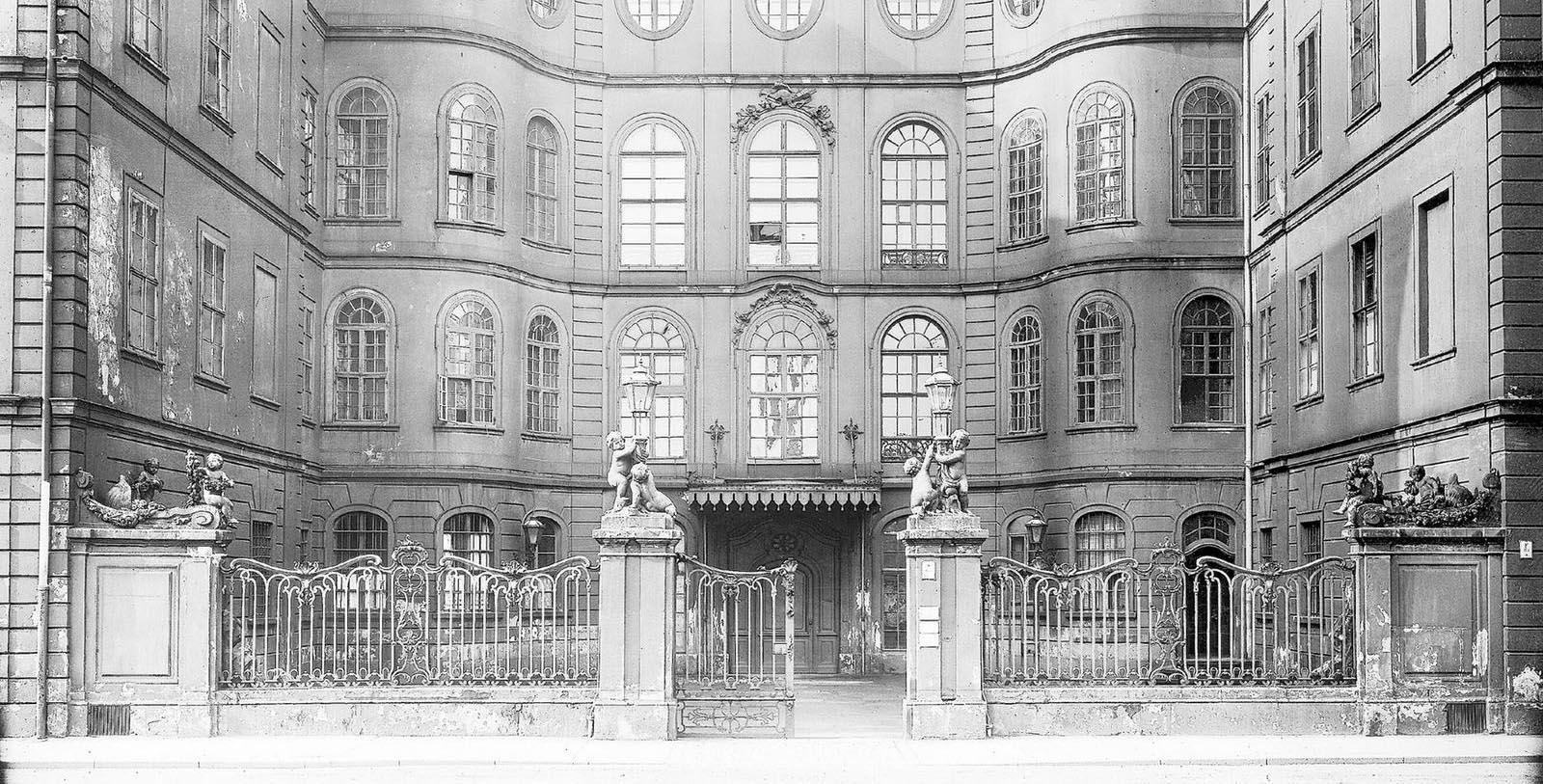
Discover Hotel Taschenbergpalais Kempinski Dresden, which was once a marvelous palace constructed at the behest of King Augustus II of Poland.
A member of Historic Hotels Worldwide since 2017, the Hotel Taschenbergpalais Kempinski Dresden was constructed amid the intellectual and philosophical movement that dominated Europe in the 18th century. The history of the Taschenbergpalais is one tied closely to the history of Dresden and the greater region of Saxony. This magnificent palace was originally constructed at the behest of Augustus II the Strong, who was King of Poland throughout much of the early 1700s. King Augustus specifically intended for the Taschenbergpalais to be used by Anna Constania von Brockdorff. Constania had gained power and reputation through an early marriage that had landed her the title of “baroness,” which she was able to transform into an eight-year position as the official mistress to the king. After her engagement in local politics cost her political favor with both the King and the city, Anna was banished in 1713 and the palace became the property of the state.
The Turkish Palace, as it was then known, became the home for the local princes and their families. As time continued, though, expansions and embellishments such as sandstone fountains and more rooms were added to the complex. One final wing on the southeast end of the building was added in the mid-1800s. Eventually, the Taschenbergpalais underwent a massive renovation that began more than a century later in 1992. Developers planned to save this marvelous palace by transforming it into a luxurious boutique hotel. The grandeur of the amazing building came back to life some three years later when the palace formally debuted as the “Hotel Taschenbergpalais.” Now known as the “Hotel Taschenbergpalais Kempinski Dresden,” this fantastic holiday destination is among the most outstanding vacation hotspots in the entire region.
History Mystery
Which hotel was built in the 18th century by Saxon King, Augustus II the Strong, as a pledge to his beloved?
In the 18th century, the Saxon Elector Augustus the Strong commissioned the construction of a grand palace for his most beloved mistress, Anna Constantia Countess von Cosel. Augustus’ legal wife, Christiane Eberhardine of Brandenburg-Bayreuth, refused to reign alongside her husband at the Catholic, scandalous Polish court. Although she was a Polish queen, she never set foot on Polish soil. She lived in self-imposed exile in Pretzch Castle until her death in 1727.
Augustus had numerous mistresses, but none compared to Anna Constantia. Born on October 17, 1680 into a knightly noble family (Equites Originarii), Anna Constantia had a good start in life. Her education was unusually comprehensive for a woman during the 18th century. She learned several languages, excelled in mathematics and music, and received instruction in classics. Her courtly affairs with nobleman started early with her giving birth to an illegitimate child, allegedly that of Louis Rudolph, Duke of Brunswick- Lüneburg and ruling Prince of Wolfenbüttel. She would later gain further power and reputation through her marriage to Adolph Magnus, Baron of Hoym. This marriage would land her the title of Baroness, a position that brought her before the King in 1704.
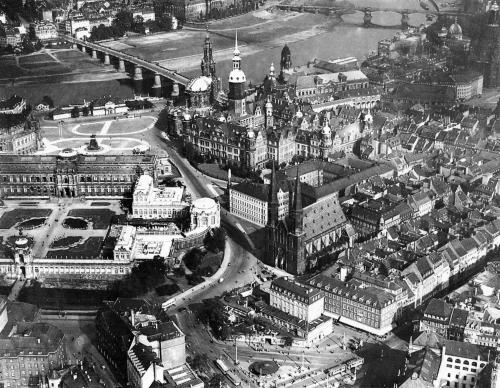
Infatuated with the Baroness, Augustus would start the construction of Taschenbergpalais in 1705 and bestow upon her the title of Imperial Countess of Cosel in 1706. This new title and the proximity of Taschenbergpalais to the Residenzschloss (Dresden Castle) were considered ostentatious declarations of love, a surely shocking display of devotion for a King to show a mistress. The couple would go on to have three children together, two daughters and a son, between 1708 and 1712.
In the opinion of the court, Anna Constantia interfered too much in politics, and in particular, her attempts to meddle in Augustus' Polish politics encountered strong resistance. The Protestant Electorate of Saxony favored her as a means of turning the King’s attention away from Catholic Poland, which he had recently lost to Sweden’s Charles XII during the ongoing Great Northern War (1700-1721). Anna Constantia came to be considered increasingly dangerous to the Polish political interests, especially when it was rumored that Augustus had written his mistress a secret promise to marry her.
In 1713, Anna Constantia was banished to the Pillnitz Castle after Polish loyalists supplanted her with a Catholic mistress, Maria Magdalena Bielinski, Countess von Dönhoff. However, in 1715 she managed to flee to Berlin, hoping to retrieve Augustus’ secret written marriage promise held in the fortress of Spandau. Ultimately unsuccessful in this attempt, she was condemned in Saxony as a Landesverräter (state criminal) and was arrested in Halle an der Saale on November 22, 1716. This time, Augustus exiled his former mistress to Burg Stolpen, where she remained for the next 49 years until her death on March 31, 1765.
230 years later, Hotel Taschenbergpalais became the first five star hotel in Saxony upon opening its doors on March 31, 1995. The incredible restoration that began in 1992 transformed the building into a luxurious celebration of its royal past. Guests today can experience the opulence of this 18th century palace while enjoying the proximity to other royal landmarks of Dresden as Anna Constantia once did.
This has been a Historic Hotels History Mystery.
For more fun facts, trivia, and historic highlights, check out our History Mystery pages for Historic Hotels of America and Historic Hotels Worldwide. Subscribe to our newsletter below and follow us on social media to play along.
Question: Which hotel was built in the 18th century by Saxon King, Augustus II the Strong, as a pledge to his beloved?
- Oscarsborg Castle
- Hotel Taschenbergpalais Kempinski Dresden
- Hotel Maximilian’s
- Raffles Europejski Warsaw
History Mystery
Which hotel was built in the 18th century by Saxon King, Augustus II the Strong, as a pledge to his beloved?
In the 18th century, the Saxon Elector Augustus the Strong commissioned the construction of a grand palace for his most beloved mistress, Anna Constantia Countess von Cosel. Augustus’ legal wife, Christiane Eberhardine of Brandenburg-Bayreuth, refused to reign alongside her husband at the Catholic, scandalous Polish court. Although she was a Polish queen, she never set foot on Polish soil. She lived in self-imposed exile in Pretzch Castle until her death in 1727.
Augustus had numerous mistresses, but none compared to Anna Constantia. Born on October 17, 1680 into a knightly noble family (Equites Originarii), Anna Constantia had a good start in life. Her education was unusually comprehensive for a woman during the 18th century. She learned several languages, excelled in mathematics and music, and received instruction in classics. Her courtly affairs with nobleman started early with her giving birth to an illegitimate child, allegedly that of Louis Rudolph, Duke of Brunswick- Lüneburg and ruling Prince of Wolfenbüttel. She would later gain further power and reputation through her marriage to Adolph Magnus, Baron of Hoym. This marriage would land her the title of Baroness, a position that brought her before the King in 1704.
Infatuated with the Baroness, Augustus would start the construction of Taschenbergpalais in 1705 and bestow upon her the title of Imperial Countess of Cosel in 1706. This new title and the proximity of Taschenbergpalais to the Residenzschloss (Dresden Castle) were considered ostentatious declarations of love, a surely shocking display of devotion for a King to show a mistress. The couple would go on to have three children together, two daughters and a son, between 1708 and 1712.
In the opinion of the court, Anna Constantia interfered too much in politics, and in particular, her attempts to meddle in Augustus' Polish politics encountered strong resistance. The Protestant Electorate of Saxony favored her as a means of turning the King’s attention away from Catholic Poland, which he had recently lost to Sweden’s Charles XII during the ongoing Great Northern War (1700-1721). Anna Constantia came to be considered increasingly dangerous to the Polish political interests, especially when it was rumored that Augustus had written his mistress a secret promise to marry her.
In 1713, Anna Constantia was banished to the Pillnitz Castle after Polish loyalists supplanted her with a Catholic mistress, Maria Magdalena Bielinski, Countess von Dönhoff. However, in 1715 she managed to flee to Berlin, hoping to retrieve Augustus’ secret written marriage promise held in the fortress of Spandau. Ultimately unsuccessful in this attempt, she was condemned in Saxony as a Landesverräter (state criminal) and was arrested in Halle an der Saale on November 22, 1716. This time, Augustus exiled his former mistress to Burg Stolpen, where she remained for the next 49 years until her death on March 31, 1765.
230 years later, Hotel Taschenbergpalais became the first five star hotel in Saxony upon opening its doors on March 31, 1995. The incredible restoration that began in 1992 transformed the building into a luxurious celebration of its royal past. Guests today can experience the opulence of this 18th century palace while enjoying the proximity to other royal landmarks of Dresden as Anna Constantia once did.
This has been a Historic Hotels History Mystery.
For more fun facts, trivia, and historic highlights, check out our History Mystery pages for Historic Hotels of America and Historic Hotels Worldwide. Subscribe to our newsletter below and follow us on social media to play along.
Question: Which hotel was built in the 18th century by Saxon King, Augustus II the Strong, as a pledge to his beloved?
- Oscarsborg Castle
- Hotel Taschenbergpalais Kempinski Dresden
- Hotel Maximilian’s
- Raffles Europejski Warsaw
History Mystery
Which hotel was built in the 18th century by Saxon King, Augustus II the Strong, as a pledge to his beloved?
In the 18th century, the Saxon Elector Augustus the Strong commissioned the construction of a grand palace for his most beloved mistress, Anna Constantia Countess von Cosel. Augustus’ legal wife, Christiane Eberhardine of Brandenburg-Bayreuth, refused to reign alongside her husband at the Catholic, scandalous Polish court. Although she was a Polish queen, she never set foot on Polish soil. She lived in self-imposed exile in Pretzch Castle until her death in 1727.
Augustus had numerous mistresses, but none compared to Anna Constantia. Born on October 17, 1680 into a knightly noble family (Equites Originarii), Anna Constantia had a good start in life. Her education was unusually comprehensive for a woman during the 18th century. She learned several languages, excelled in mathematics and music, and received instruction in classics. Her courtly affairs with nobleman started early with her giving birth to an illegitimate child, allegedly that of Louis Rudolph, Duke of Brunswick- Lüneburg and ruling Prince of Wolfenbüttel. She would later gain further power and reputation through her marriage to Adolph Magnus, Baron of Hoym. This marriage would land her the title of Baroness, a position that brought her before the King in 1704.
Infatuated with the Baroness, Augustus would start the construction of Taschenbergpalais in 1705 and bestow upon her the title of Imperial Countess of Cosel in 1706. This new title and the proximity of Taschenbergpalais to the Residenzschloss (Dresden Castle) were considered ostentatious declarations of love, a surely shocking display of devotion for a King to show a mistress. The couple would go on to have three children together, two daughters and a son, between 1708 and 1712.
In the opinion of the court, Anna Constantia interfered too much in politics, and in particular, her attempts to meddle in Augustus' Polish politics encountered strong resistance. The Protestant Electorate of Saxony favored her as a means of turning the King’s attention away from Catholic Poland, which he had recently lost to Sweden’s Charles XII during the ongoing Great Northern War (1700-1721). Anna Constantia came to be considered increasingly dangerous to the Polish political interests, especially when it was rumored that Augustus had written his mistress a secret promise to marry her.
In 1713, Anna Constantia was banished to the Pillnitz Castle after Polish loyalists supplanted her with a Catholic mistress, Maria Magdalena Bielinski, Countess von Dönhoff. However, in 1715 she managed to flee to Berlin, hoping to retrieve Augustus’ secret written marriage promise held in the fortress of Spandau. Ultimately unsuccessful in this attempt, she was condemned in Saxony as a Landesverräter (state criminal) and was arrested in Halle an der Saale on November 22, 1716. This time, Augustus exiled his former mistress to Burg Stolpen, where she remained for the next 49 years until her death on March 31, 1765.
230 years later, Hotel Taschenbergpalais became the first five star hotel in Saxony upon opening its doors on March 31, 1995. The incredible restoration that began in 1992 transformed the building into a luxurious celebration of its royal past. Guests today can experience the opulence of this 18th century palace while enjoying the proximity to other royal landmarks of Dresden as Anna Constantia once did.
This has been a Historic Hotels History Mystery.
For more fun facts, trivia, and historic highlights, check out our History Mystery pages for Historic Hotels of America and Historic Hotels Worldwide. Subscribe to our newsletter below and follow us on social media to play along.
Question: Which hotel was built in the 18th century by Saxon King, Augustus II the Strong, as a pledge to his beloved?
- Oscarsborg Castle
- Hotel Taschenbergpalais Kempinski Dresden
- Hotel Maximilian’s
- Raffles Europejski Warsaw
History Mystery
Which hotel was built in the 18th century by Saxon King, Augustus II the Strong, as a pledge to his beloved?
In the 18th century, the Saxon Elector Augustus the Strong commissioned the construction of a grand palace for his most beloved mistress, Anna Constantia Countess von Cosel. Augustus’ legal wife, Christiane Eberhardine of Brandenburg-Bayreuth, refused to reign alongside her husband at the Catholic, scandalous Polish court. Although she was a Polish queen, she never set foot on Polish soil. She lived in self-imposed exile in Pretzch Castle until her death in 1727.
Augustus had numerous mistresses, but none compared to Anna Constantia. Born on October 17, 1680 into a knightly noble family (Equites Originarii), Anna Constantia had a good start in life. Her education was unusually comprehensive for a woman during the 18th century. She learned several languages, excelled in mathematics and music, and received instruction in classics. Her courtly affairs with nobleman started early with her giving birth to an illegitimate child, allegedly that of Louis Rudolph, Duke of Brunswick- Lüneburg and ruling Prince of Wolfenbüttel. She would later gain further power and reputation through her marriage to Adolph Magnus, Baron of Hoym. This marriage would land her the title of Baroness, a position that brought her before the King in 1704.
Infatuated with the Baroness, Augustus would start the construction of Taschenbergpalais in 1705 and bestow upon her the title of Imperial Countess of Cosel in 1706. This new title and the proximity of Taschenbergpalais to the Residenzschloss (Dresden Castle) were considered ostentatious declarations of love, a surely shocking display of devotion for a King to show a mistress. The couple would go on to have three children together, two daughters and a son, between 1708 and 1712.
In the opinion of the court, Anna Constantia interfered too much in politics, and in particular, her attempts to meddle in Augustus' Polish politics encountered strong resistance. The Protestant Electorate of Saxony favored her as a means of turning the King’s attention away from Catholic Poland, which he had recently lost to Sweden’s Charles XII during the ongoing Great Northern War (1700-1721). Anna Constantia came to be considered increasingly dangerous to the Polish political interests, especially when it was rumored that Augustus had written his mistress a secret promise to marry her.
In 1713, Anna Constantia was banished to the Pillnitz Castle after Polish loyalists supplanted her with a Catholic mistress, Maria Magdalena Bielinski, Countess von Dönhoff. However, in 1715 she managed to flee to Berlin, hoping to retrieve Augustus’ secret written marriage promise held in the fortress of Spandau. Ultimately unsuccessful in this attempt, she was condemned in Saxony as a Landesverräter (state criminal) and was arrested in Halle an der Saale on November 22, 1716. This time, Augustus exiled his former mistress to Burg Stolpen, where she remained for the next 49 years until her death on March 31, 1765.
230 years later, Hotel Taschenbergpalais became the first five star hotel in Saxony upon opening its doors on March 31, 1995. The incredible restoration that began in 1992 transformed the building into a luxurious celebration of its royal past. Guests today can experience the opulence of this 18th century palace while enjoying the proximity to other royal landmarks of Dresden as Anna Constantia once did.
This has been a Historic Hotels History Mystery.
For more fun facts, trivia, and historic highlights, check out our History Mystery pages for Historic Hotels of America and Historic Hotels Worldwide. Subscribe to our newsletter below and follow us on social media to play along.
Question: Which hotel was built in the 18th century by Saxon King, Augustus II the Strong, as a pledge to his beloved?
- Oscarsborg Castle
- Hotel Taschenbergpalais Kempinski Dresden
- Hotel Maximilian’s
- Raffles Europejski Warsaw