
History
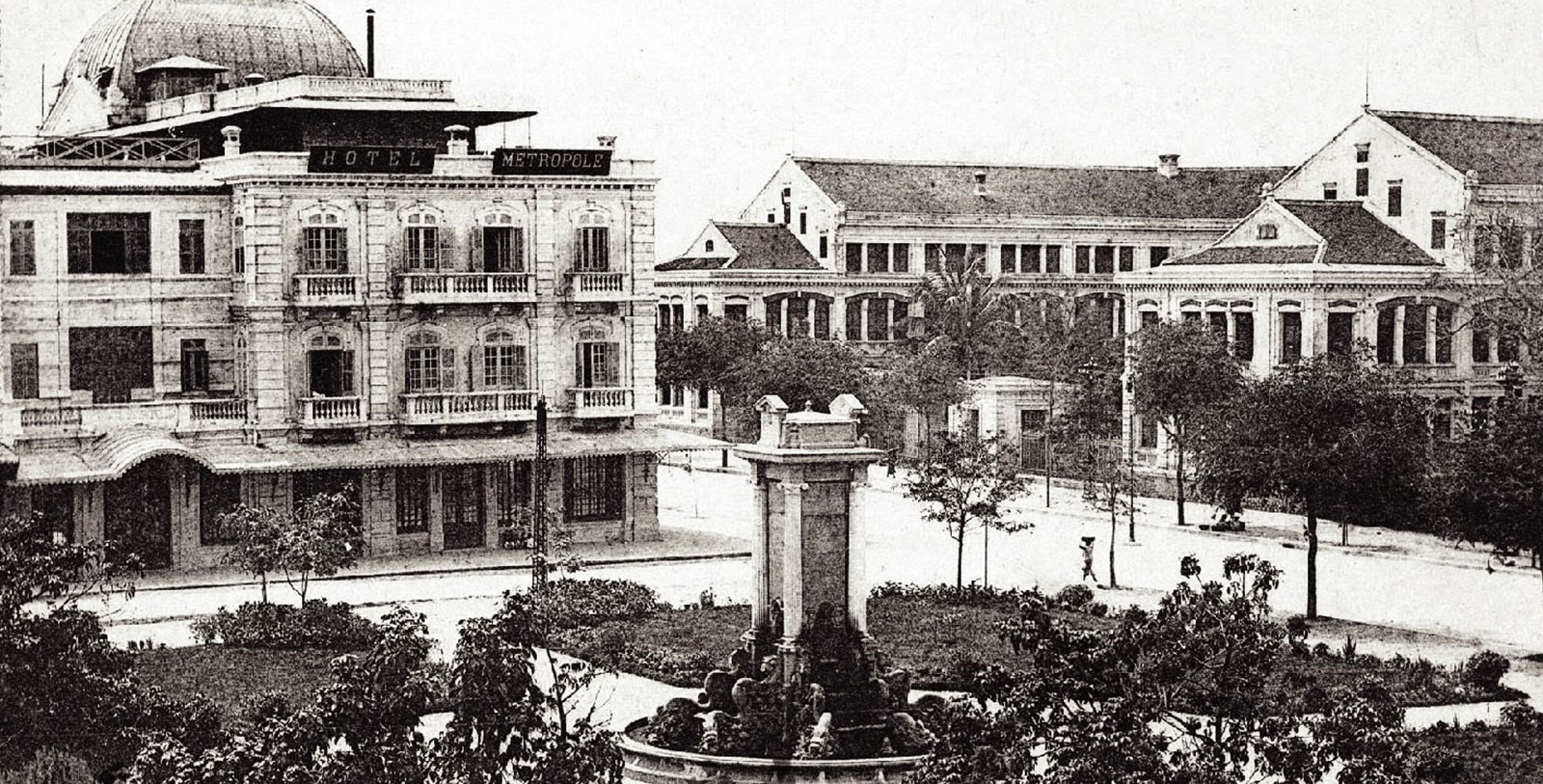
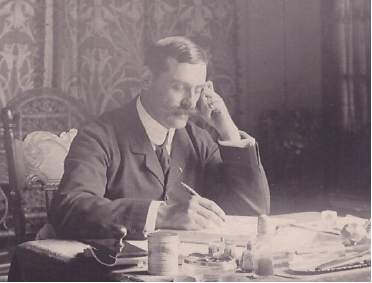
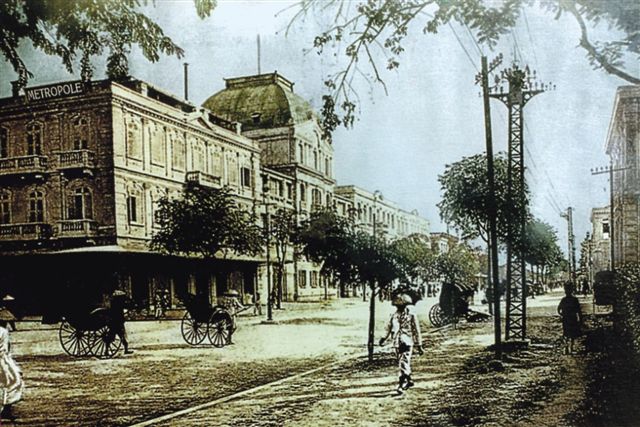
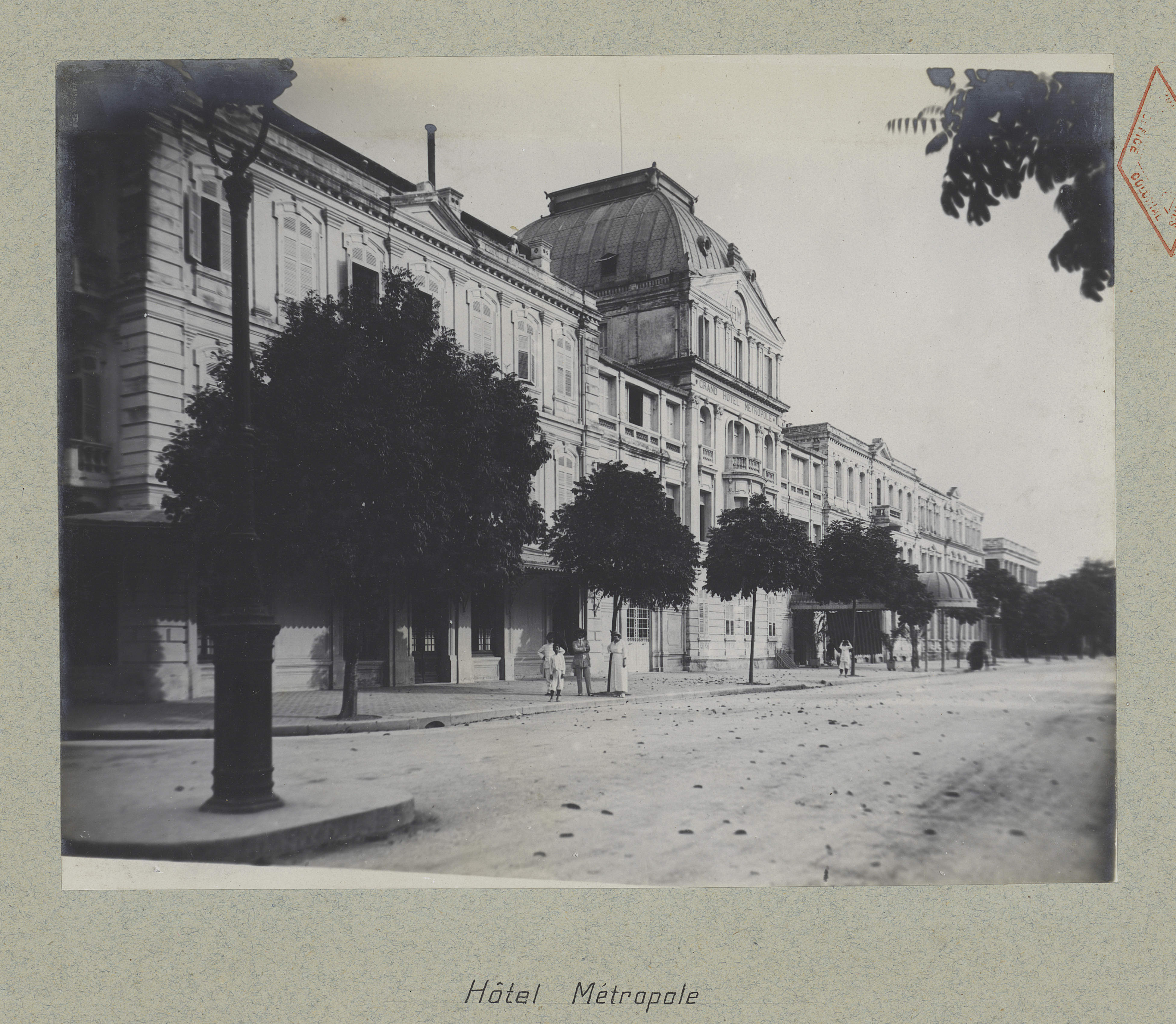
Discover the Sofitel Legend Metropole Hanoi, which was designed by André Ducamp and Gustave-Émile Dumoutier in 1901.
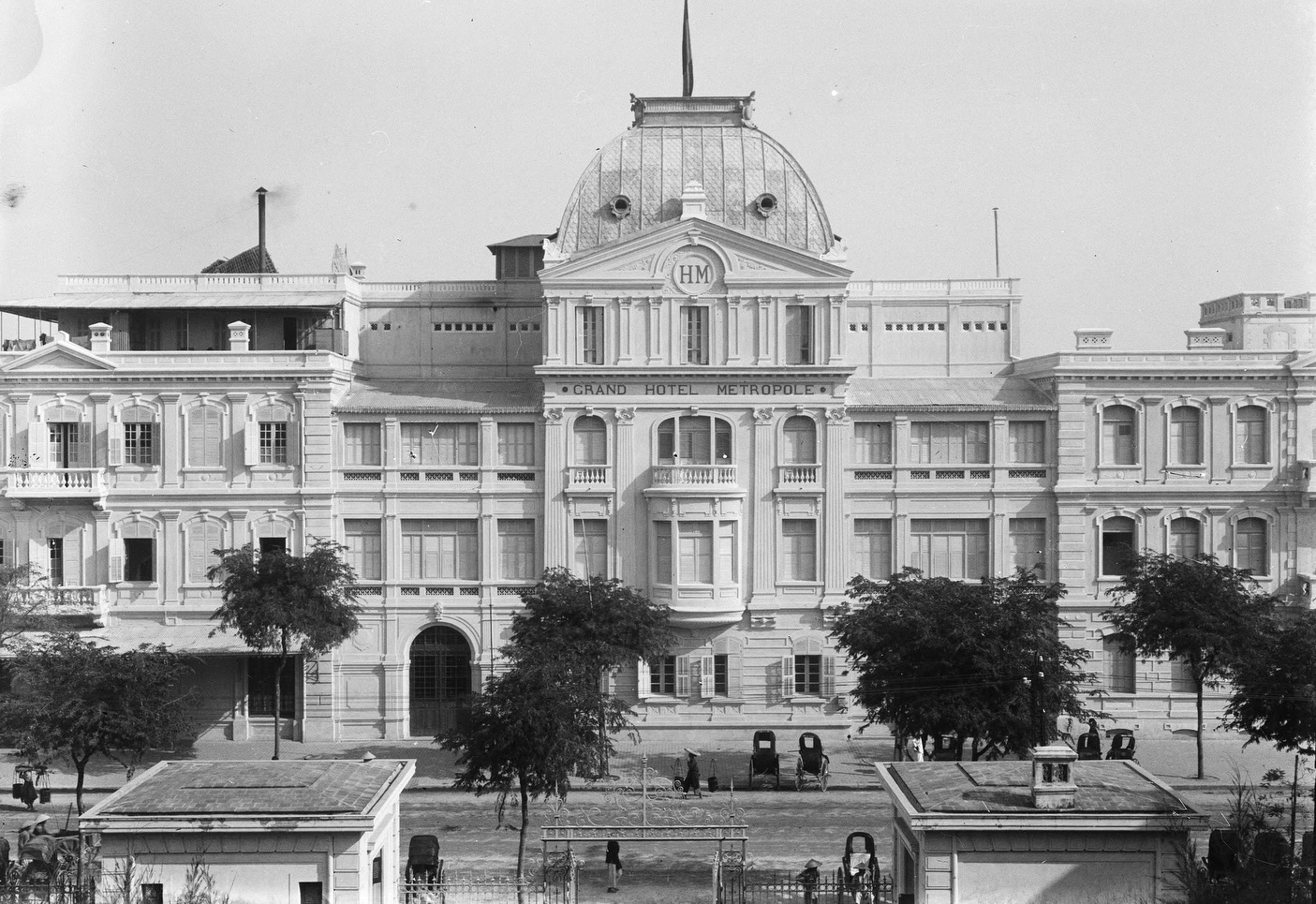
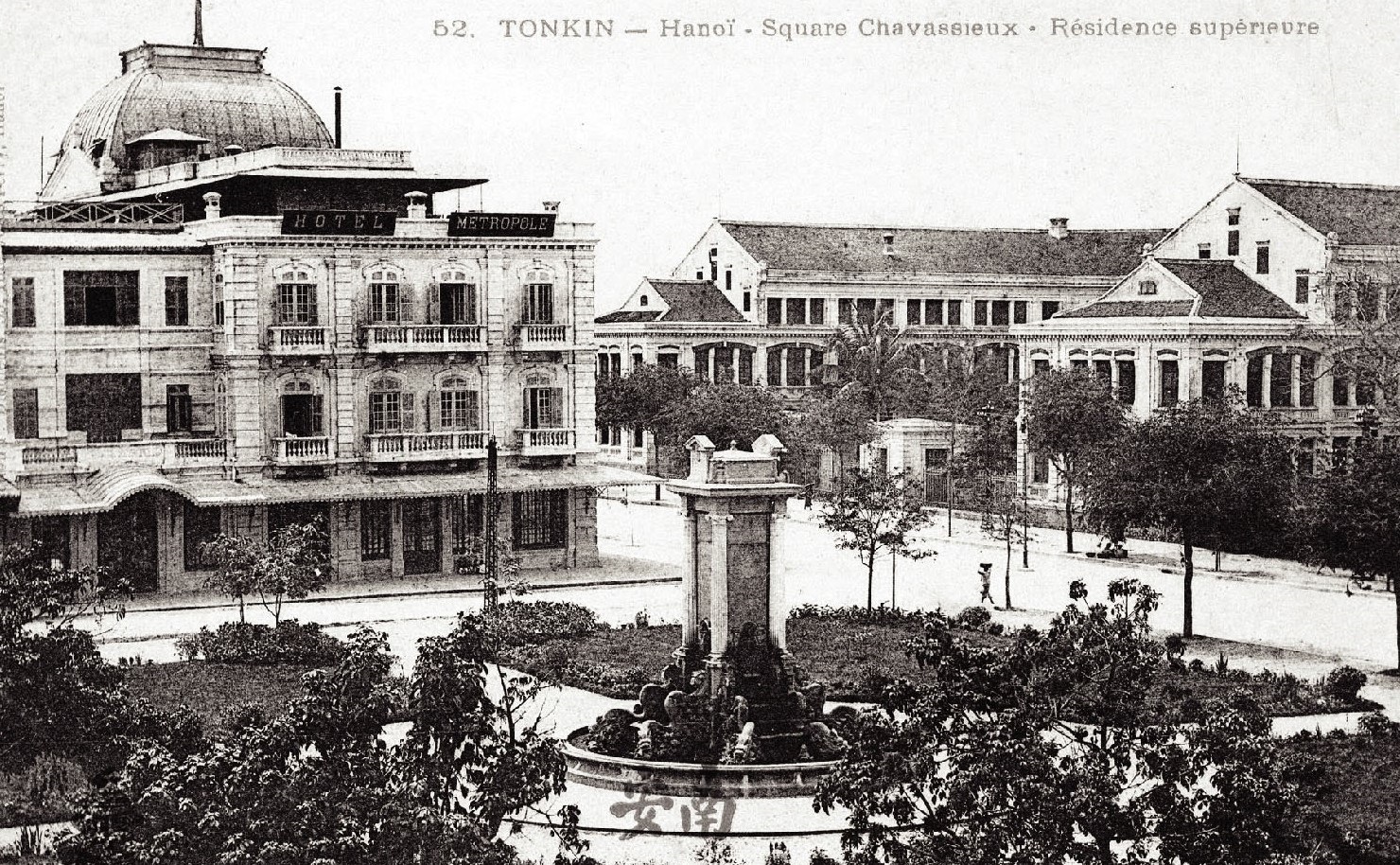
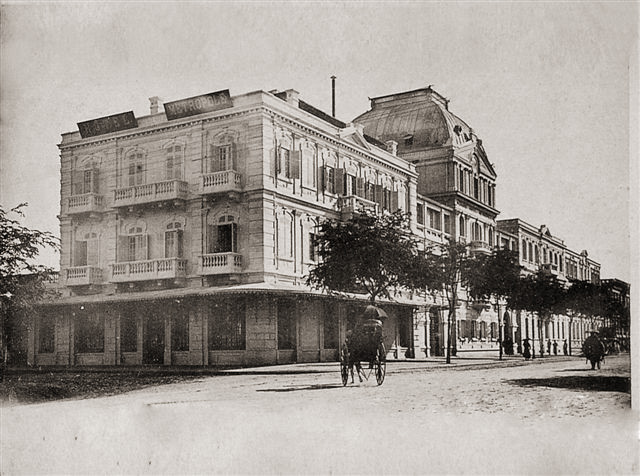
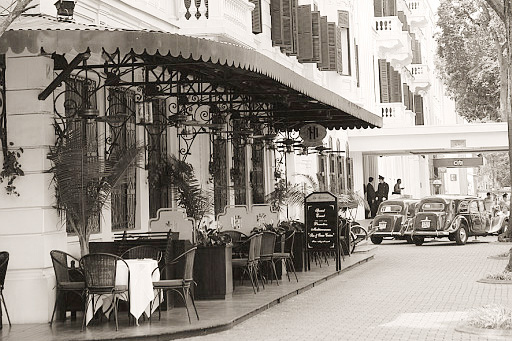
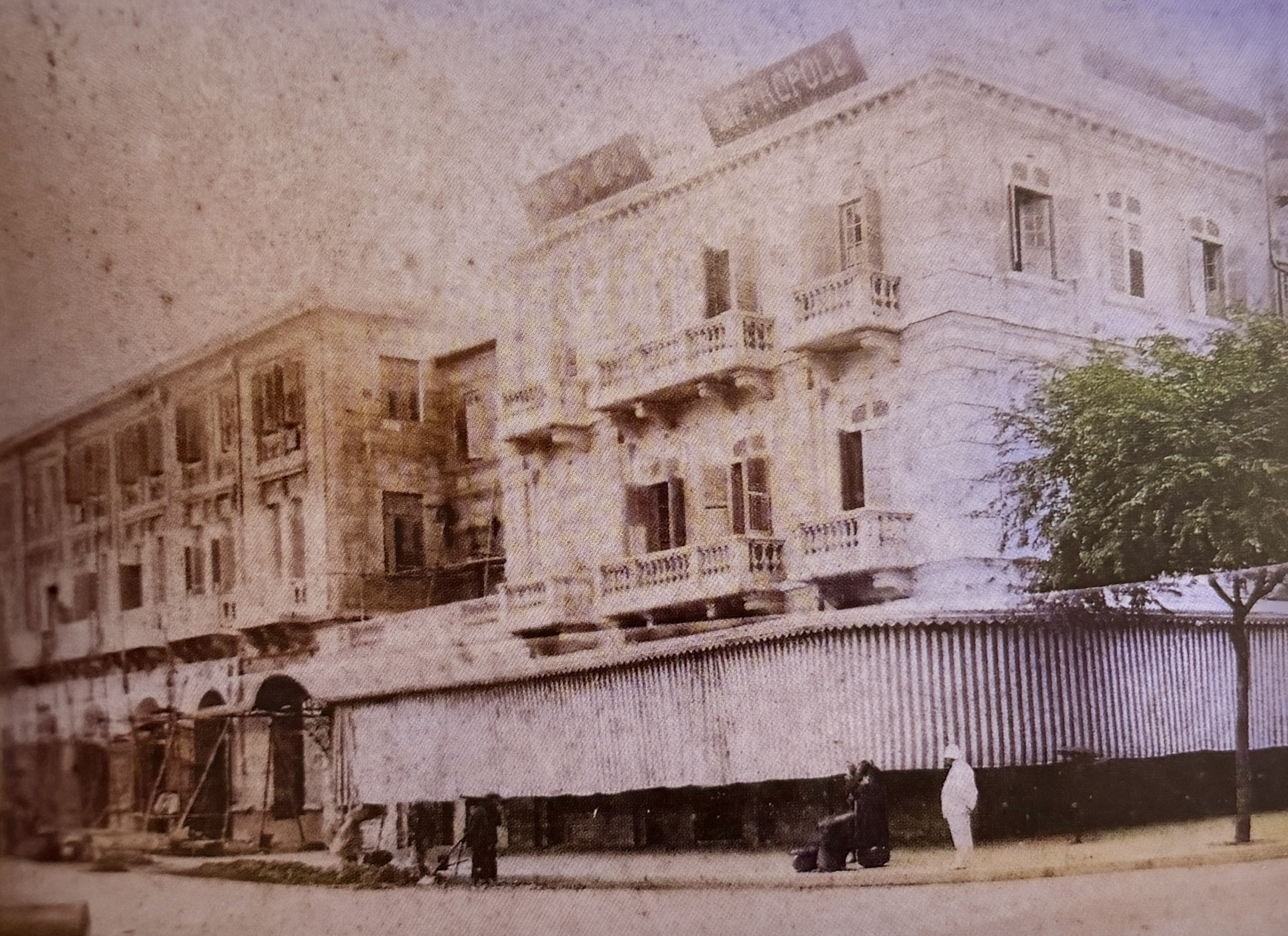
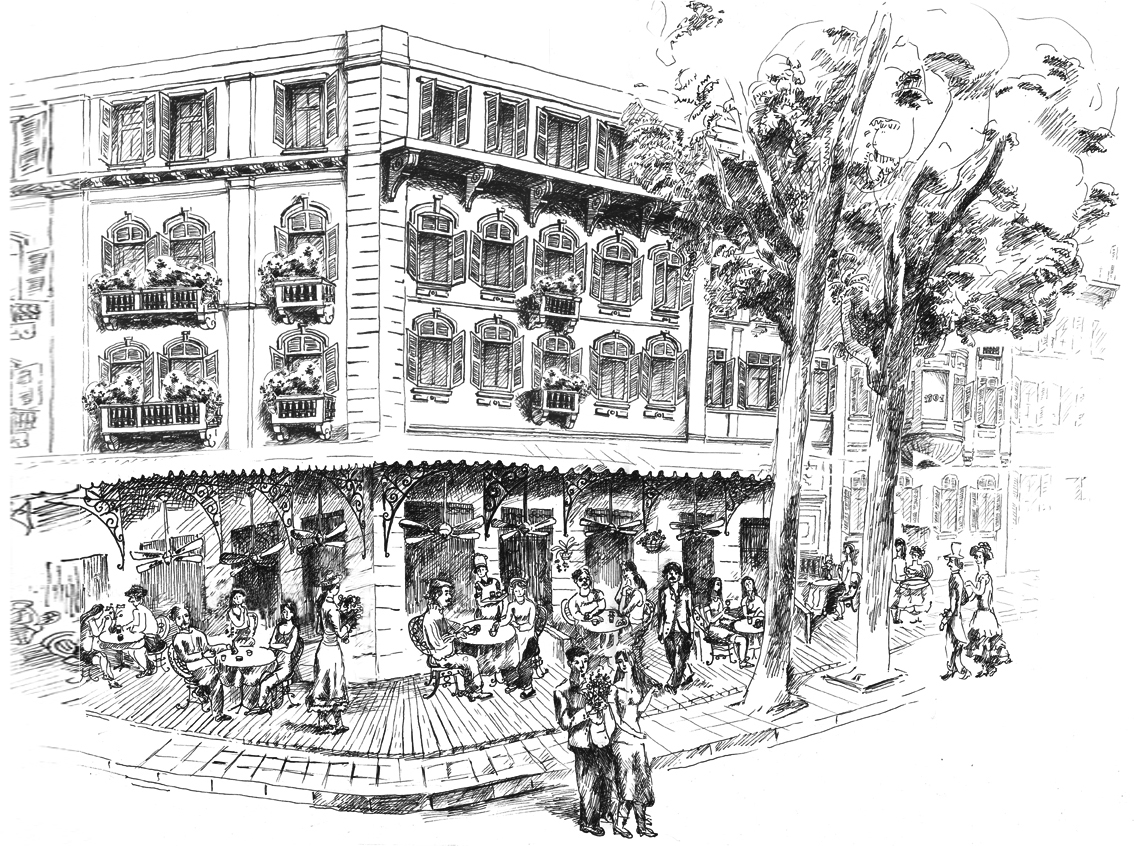
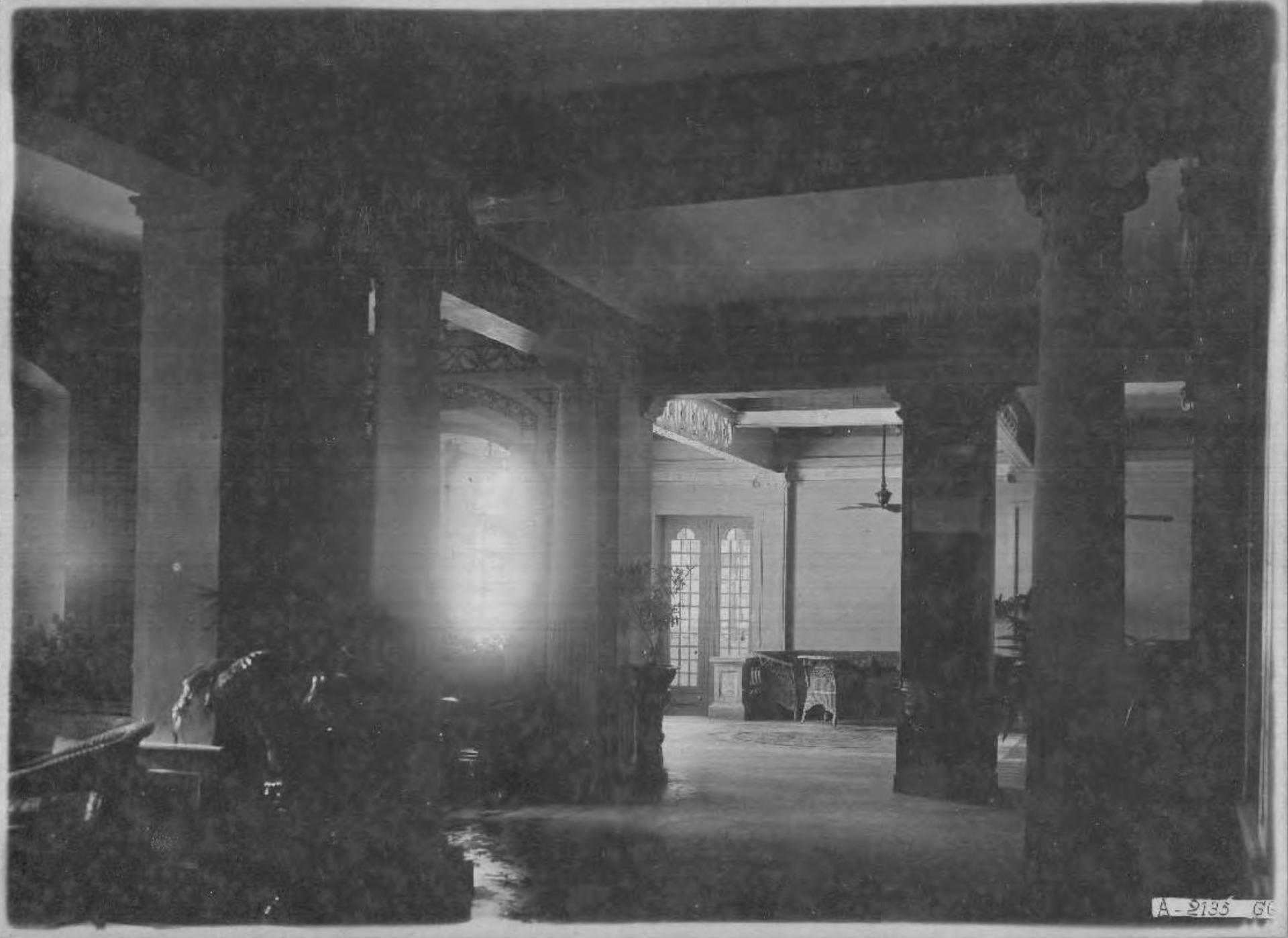
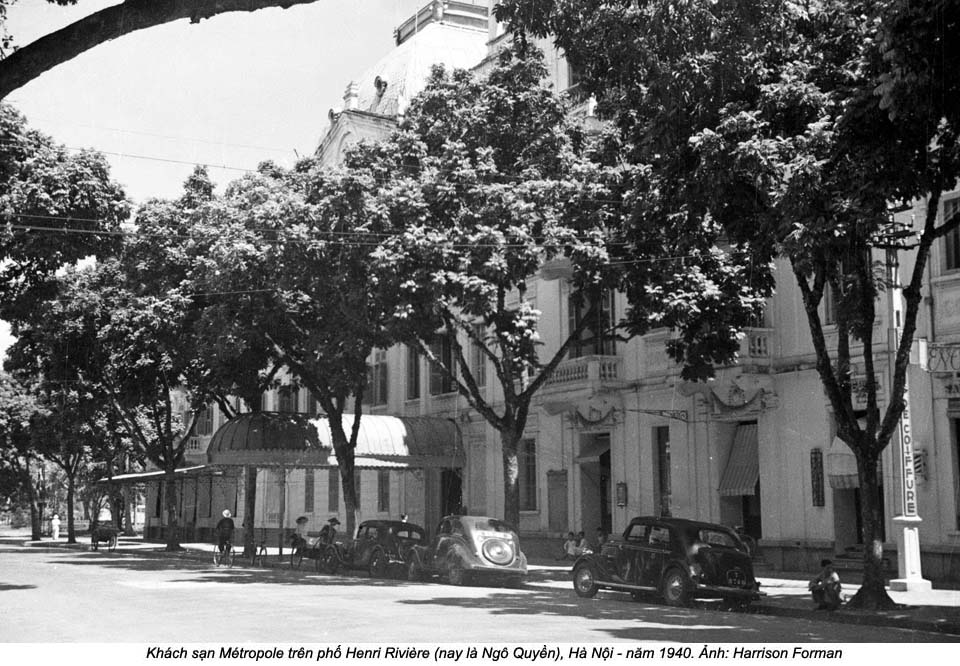
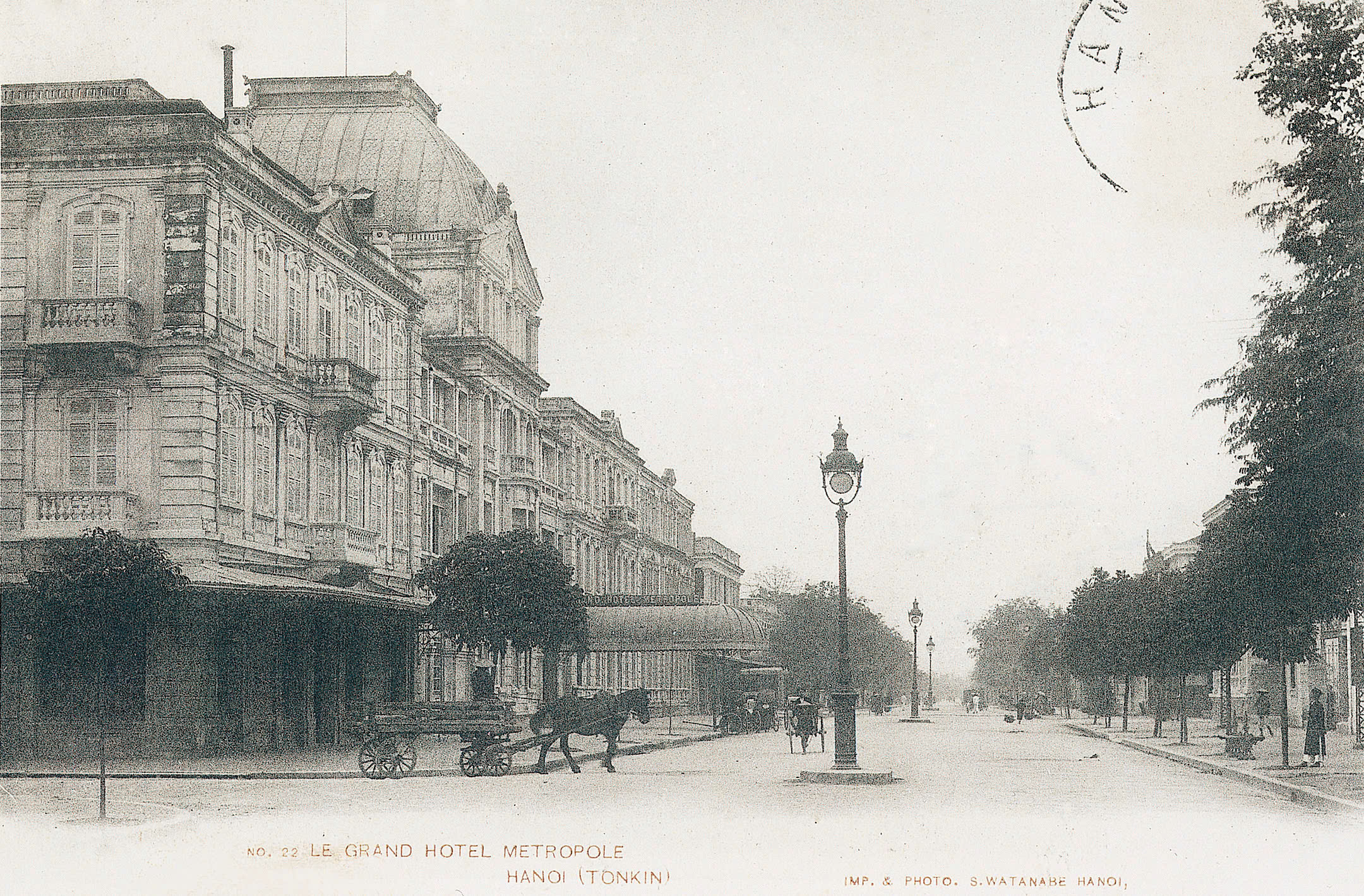
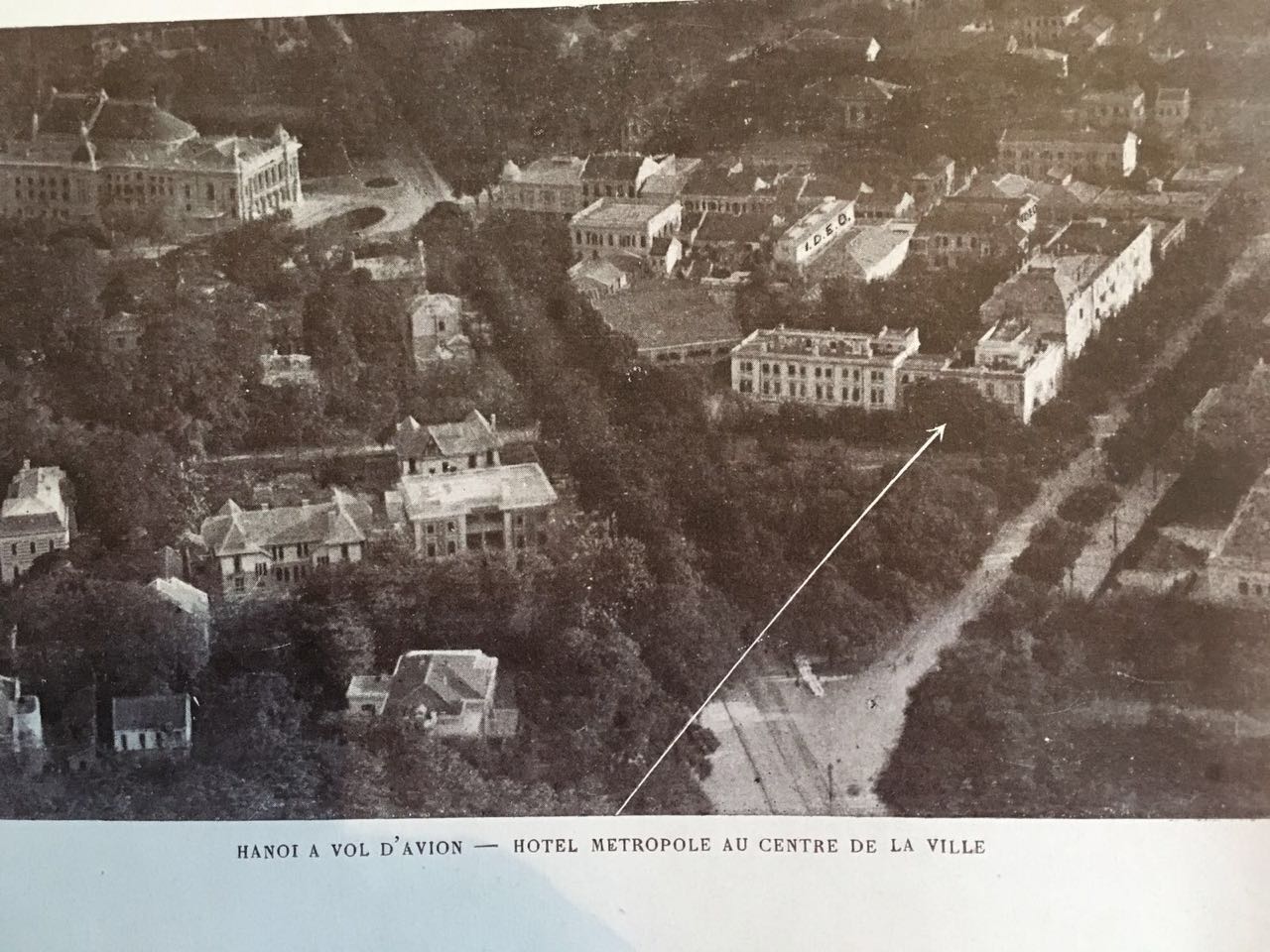
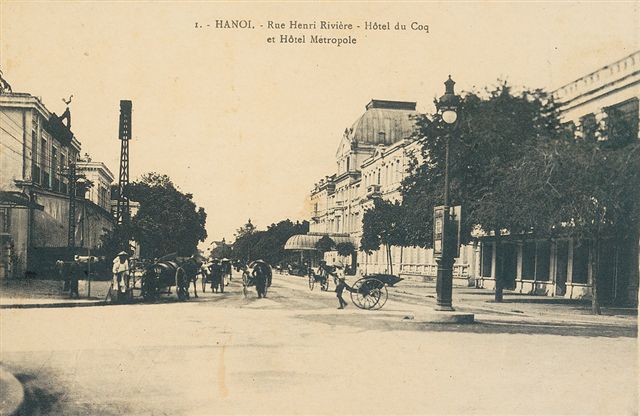
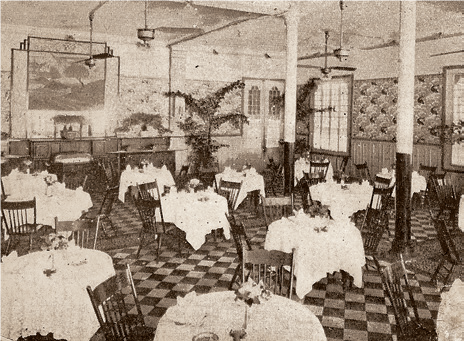
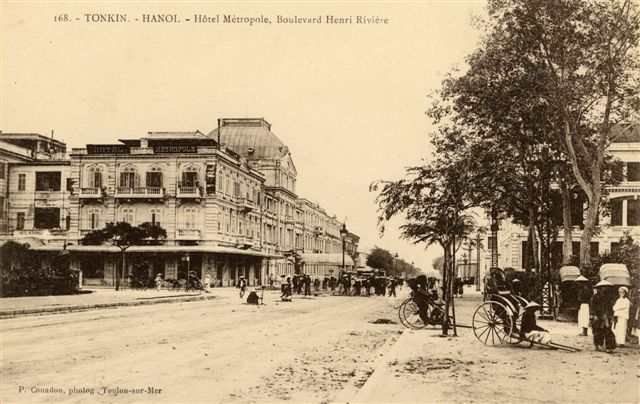
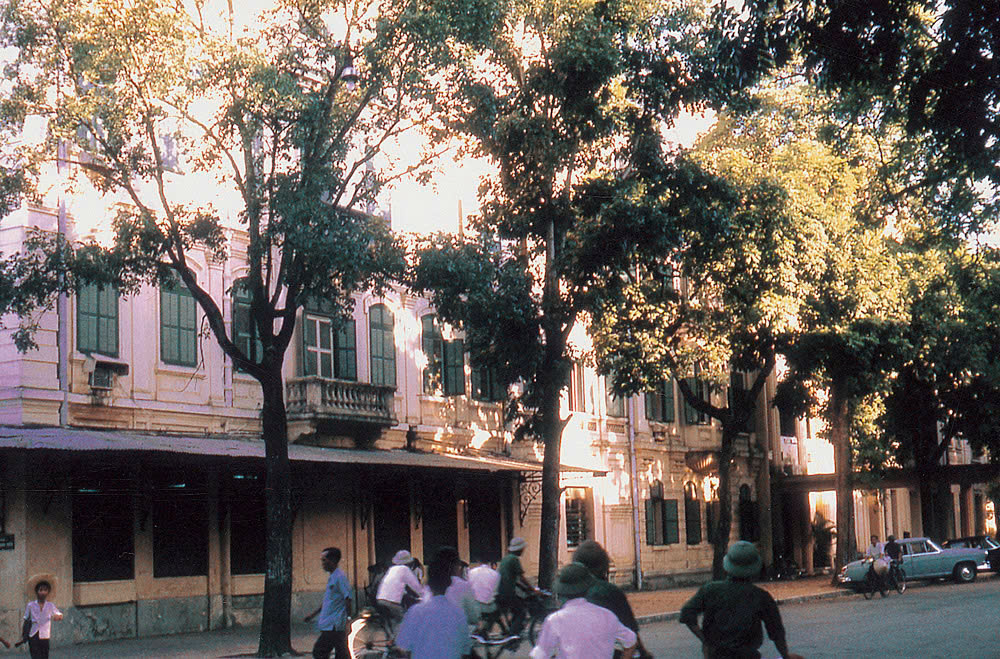
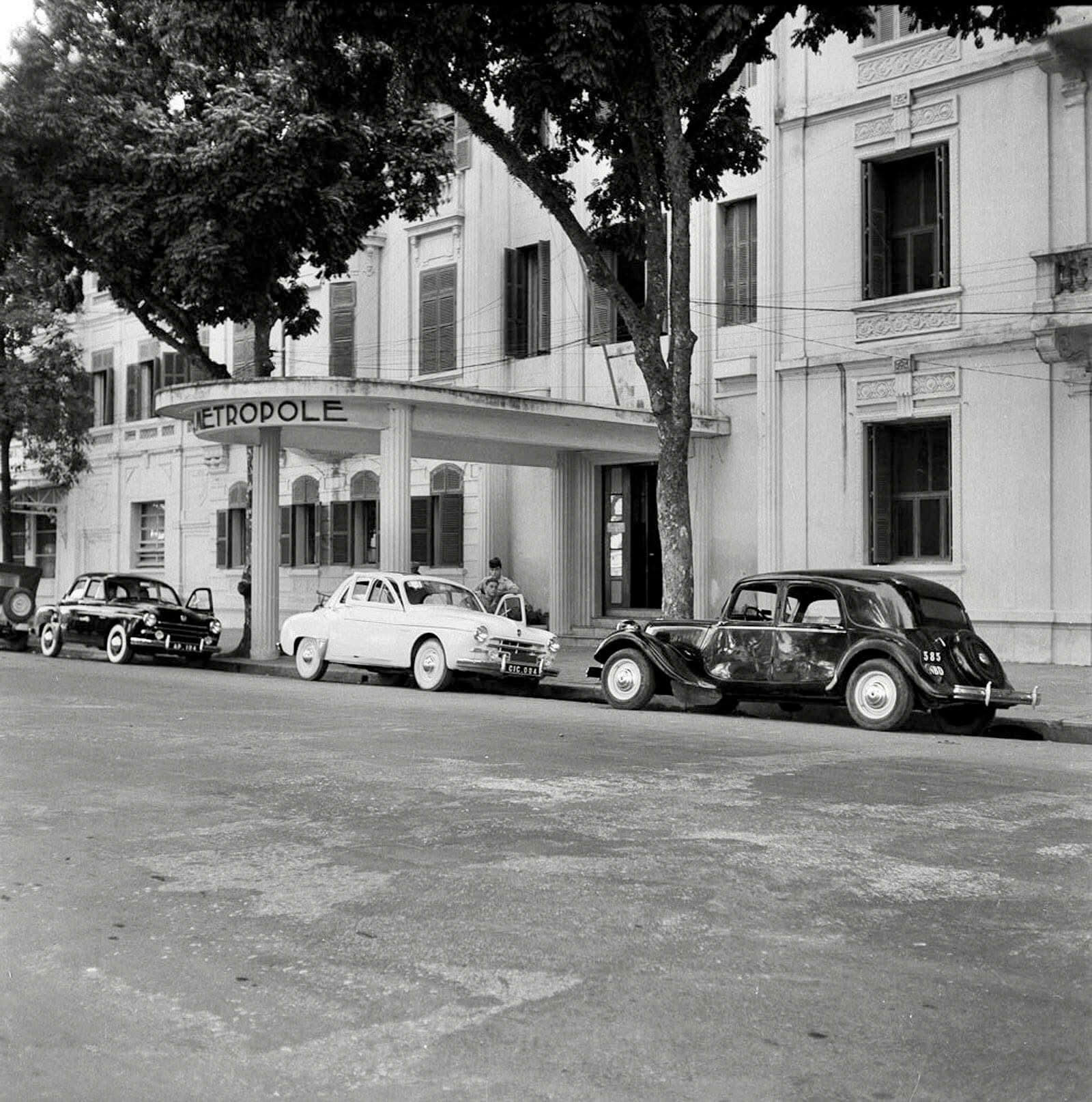
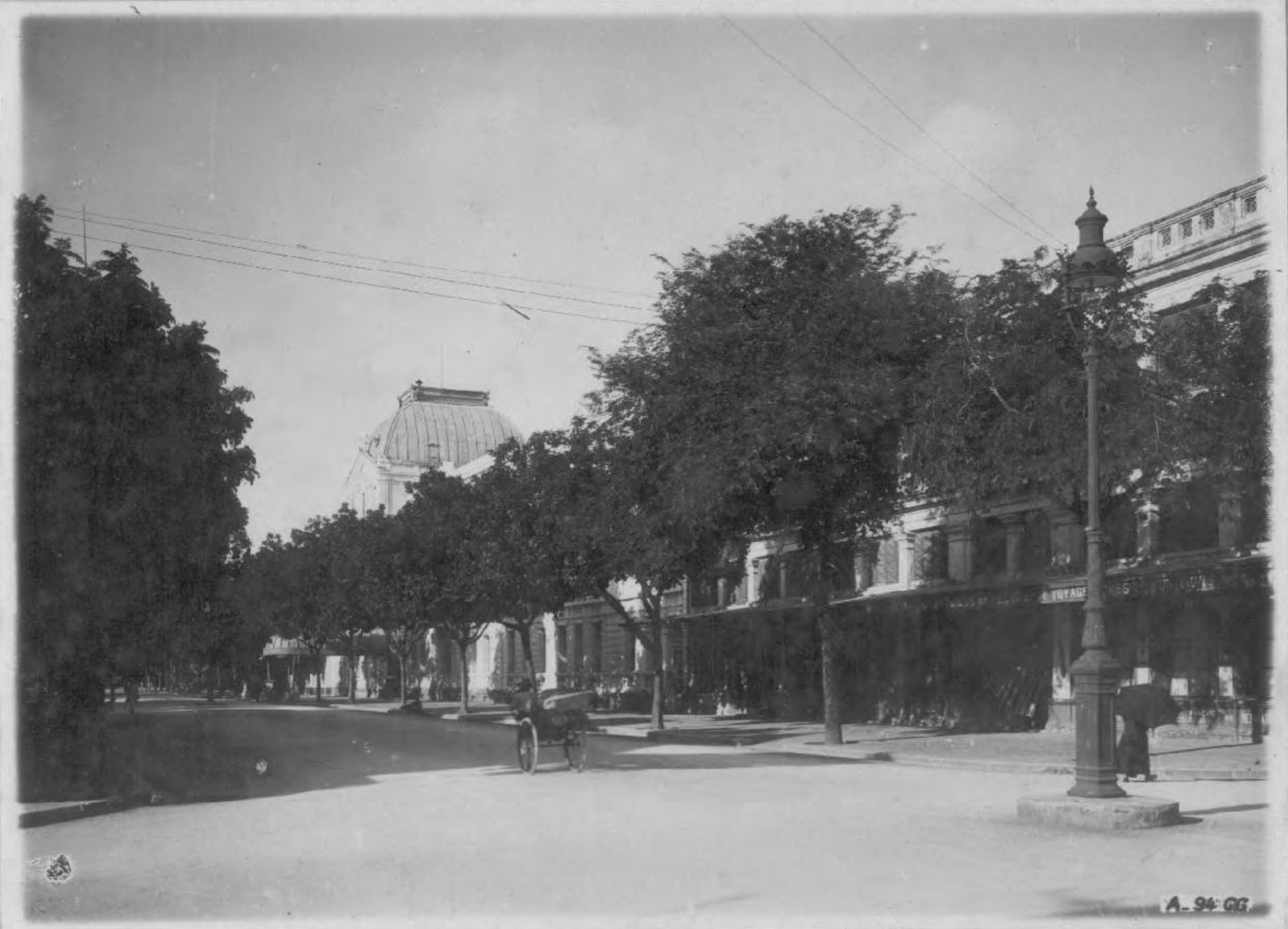
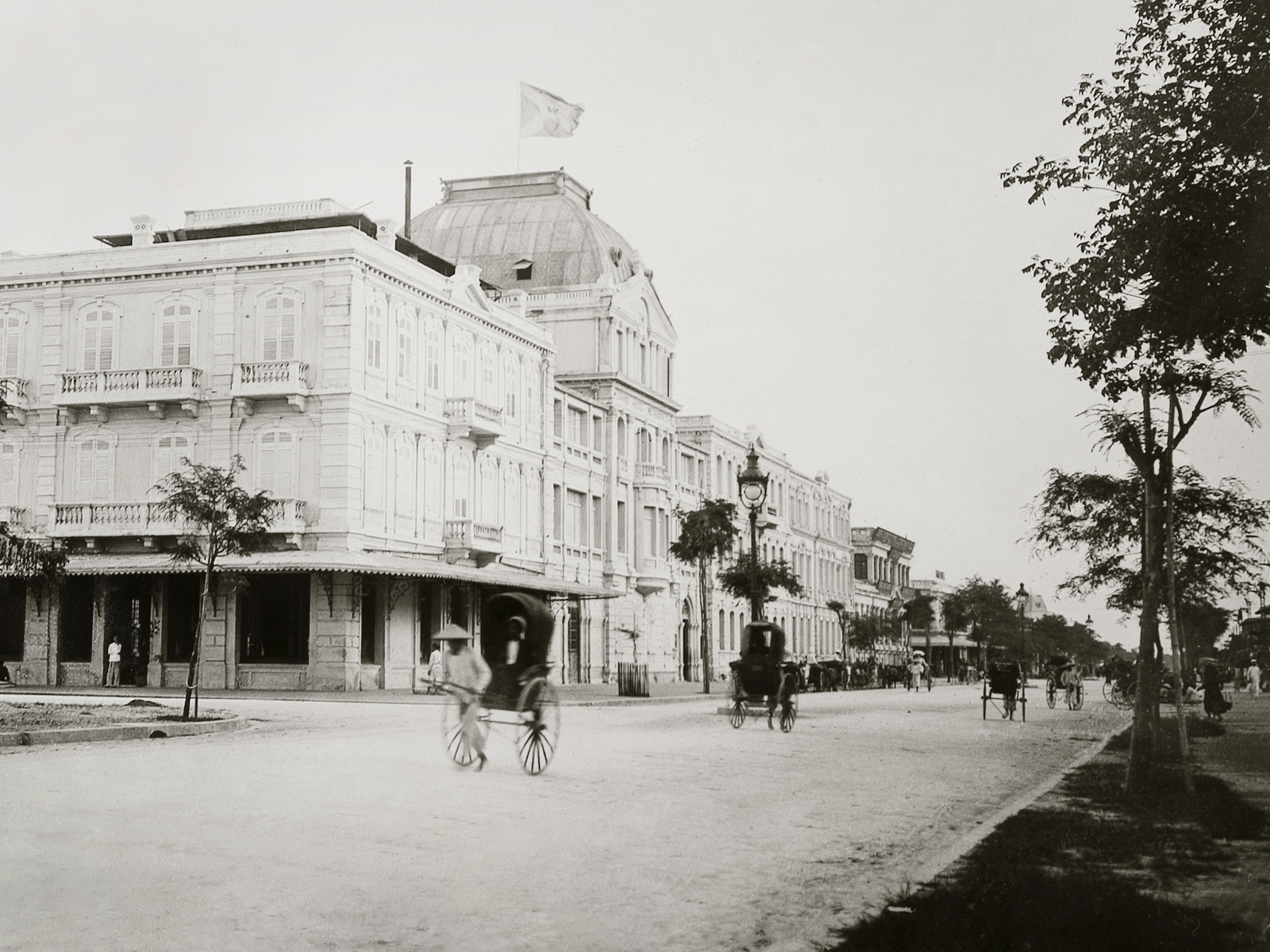
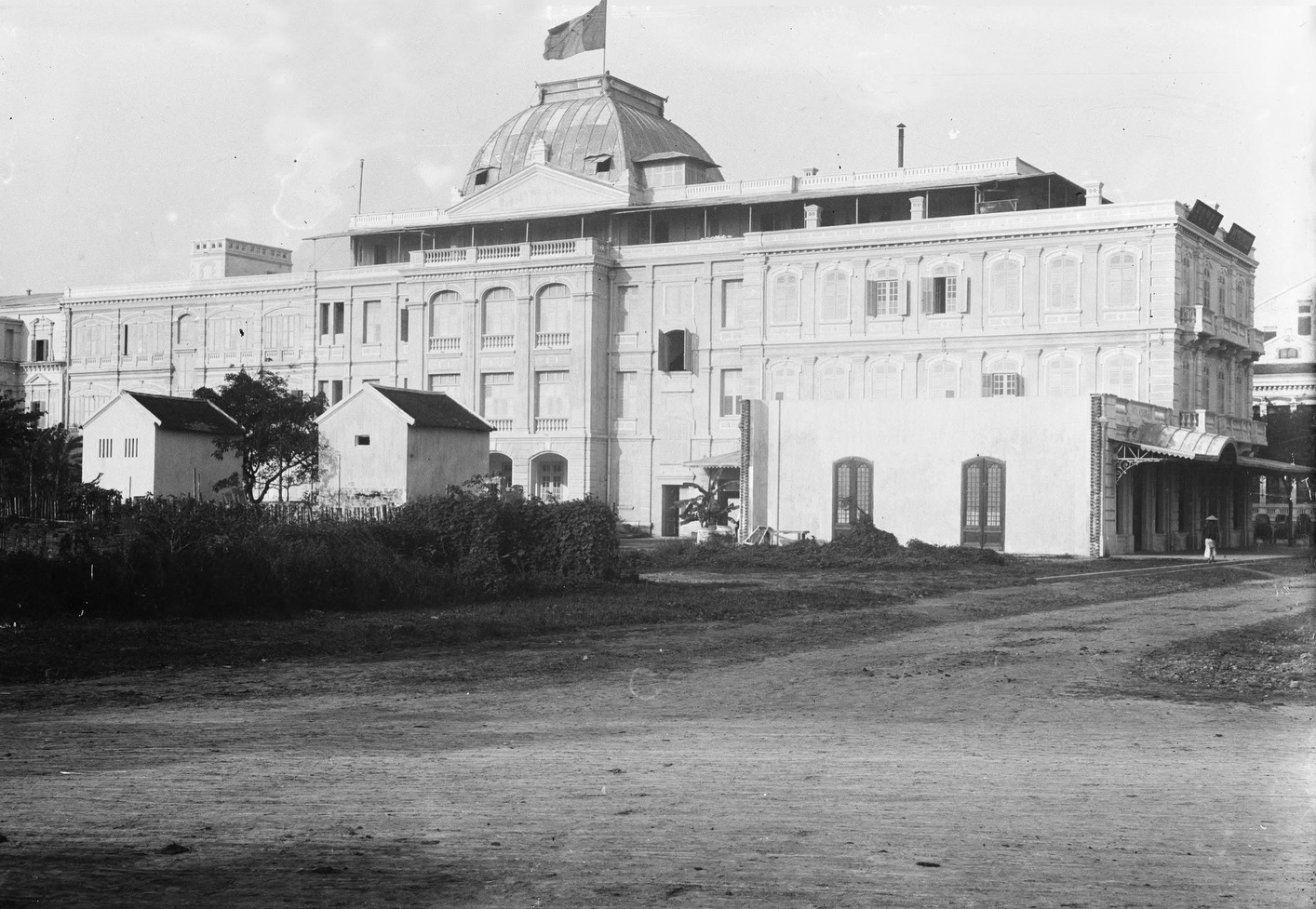
A member of Historic Hotels Worldwide since 2014, the Sofitel Legend Metropole Hanoi has long stood as one of Vietnam’s most celebrated holiday destinations. The hotel itself boasts a rich heritage that is enriched with tradition, having been in continuous operation since its founding as the “Grand Métropole Hotel” at the start of the 20th century. In 1899, a French entrepreneur named Gustave-Émile Dumoutier petitioned Hanoi’s local government (then a colonial possession of France) to develop a magnificent hotel on the corner of Henri-Rivière Boulevard. Working alongside his business partner, André Ducamp, Dumoutier spent the next several months gradually constructing a beautiful vacation retreat that reflected the best in local French Colonial design. When it finally opened in 1901, their building was the most spectacular hotel in all of Hanoi. The business quickly emerged as one of the most popular local gathering spots, even becoming the first place to show movies in the city. The Grand Métropole Hotel subsequently hosted a myriad of prominent visitors, including famous actors such as Charlie Chaplin. In fact, Chaplin celebrated many special moments at the hotel, including his honeymoon with actress Paulette Goddard in 1936. Other frequent guests include revered world dignitaries and famed celebrities. W. Somerset Maugham wrote The Gentleman in the hotel’s parlor, while Graham Greene wrote The Quiet American inside, as well. The historic Vietnamese revolutionary Ho Chi Minh even used the hotel as a covert meeting spot amid his struggle against the Japanese in World War II, and then the French during the First Indochina War.
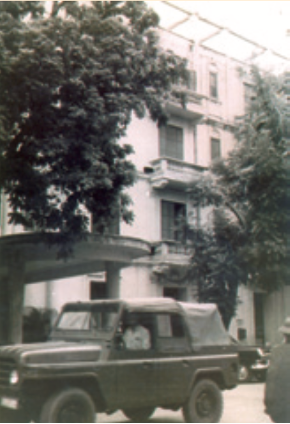
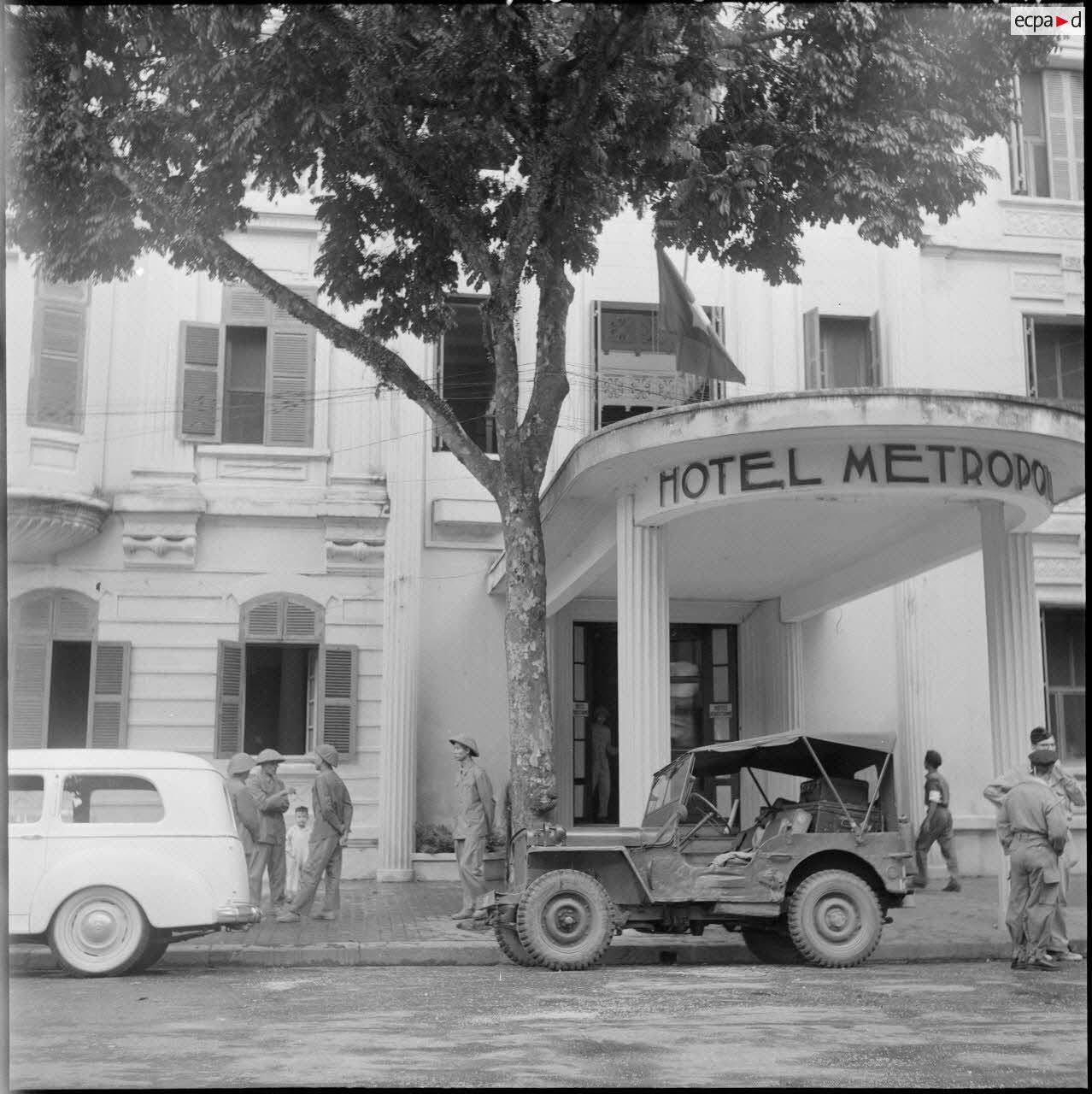
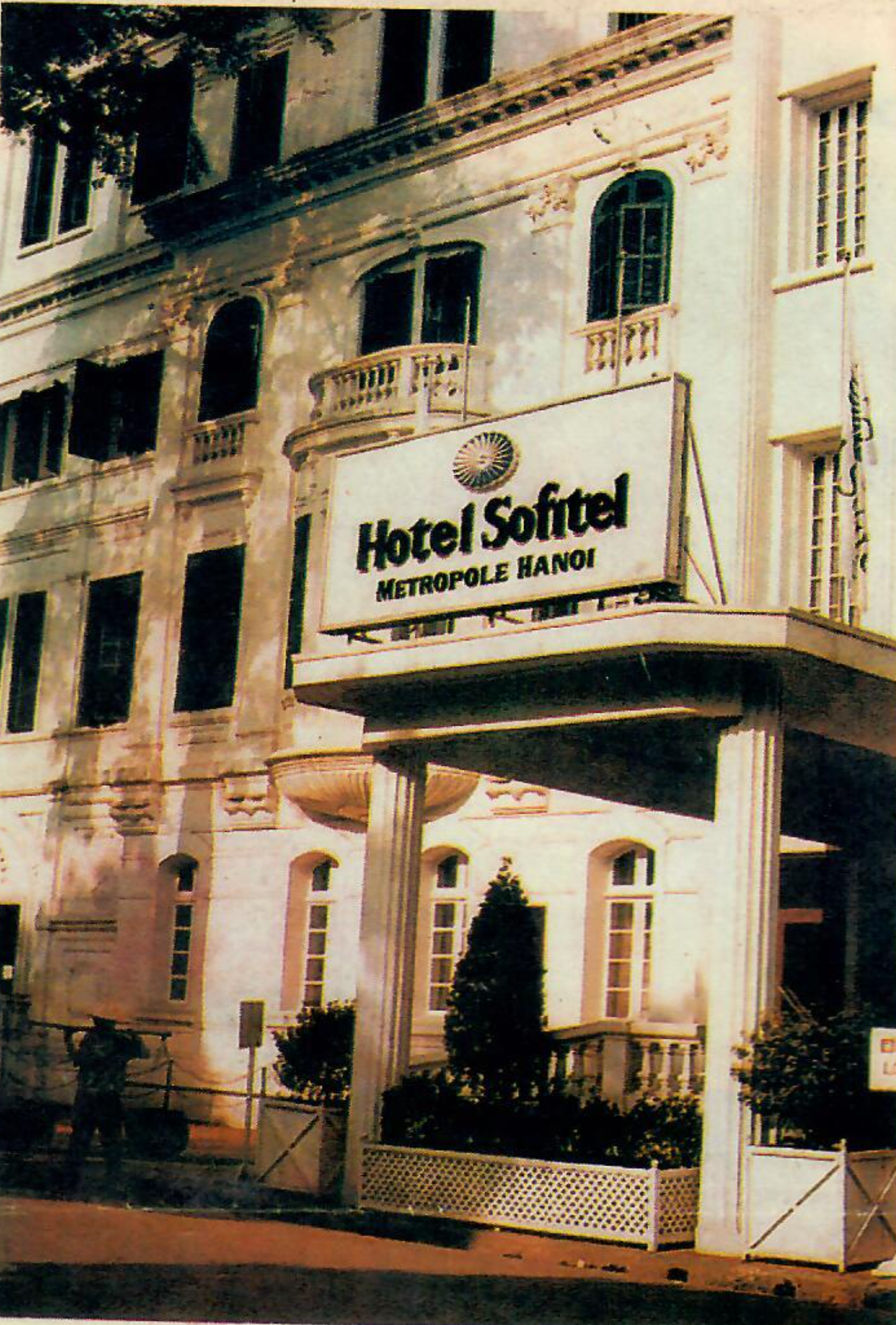
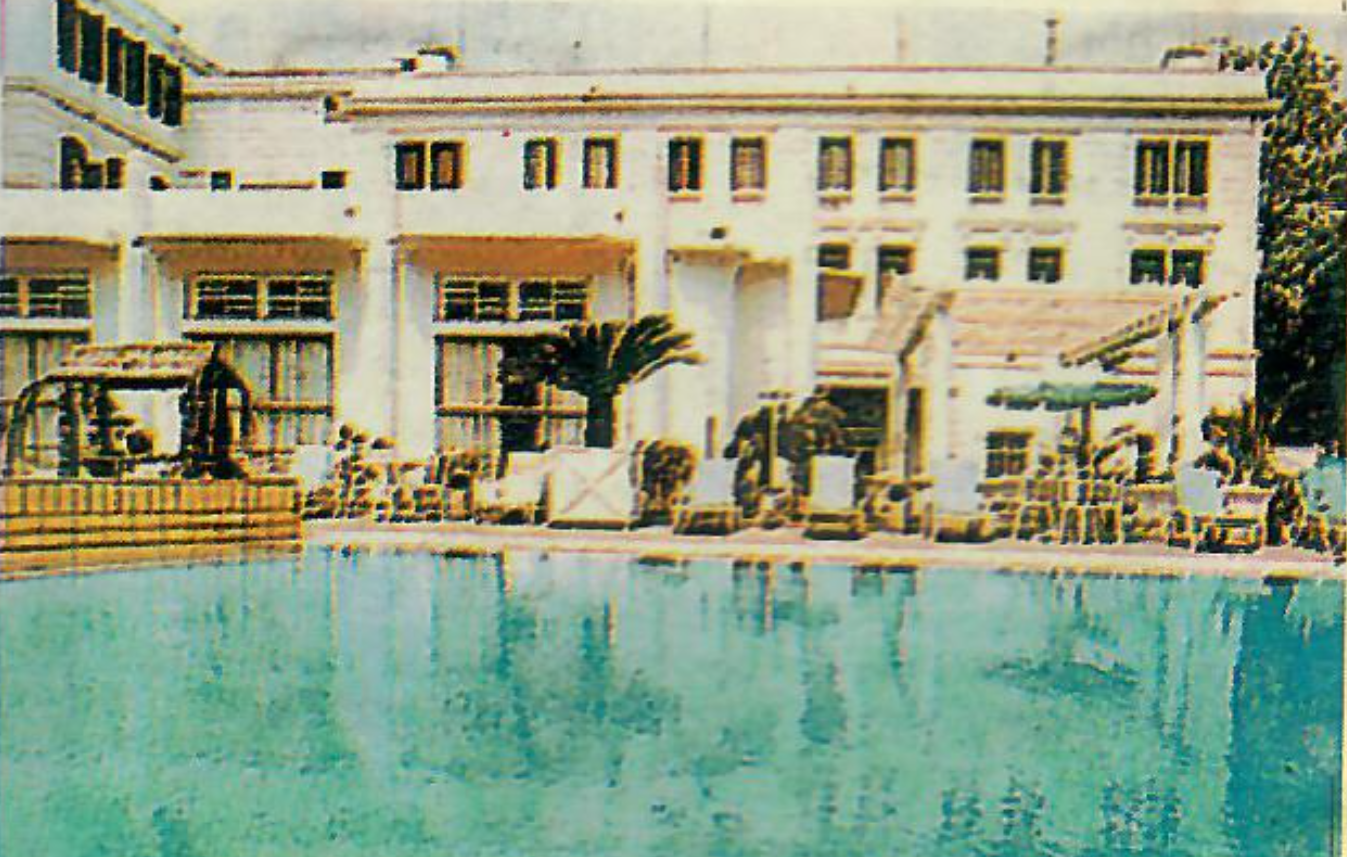
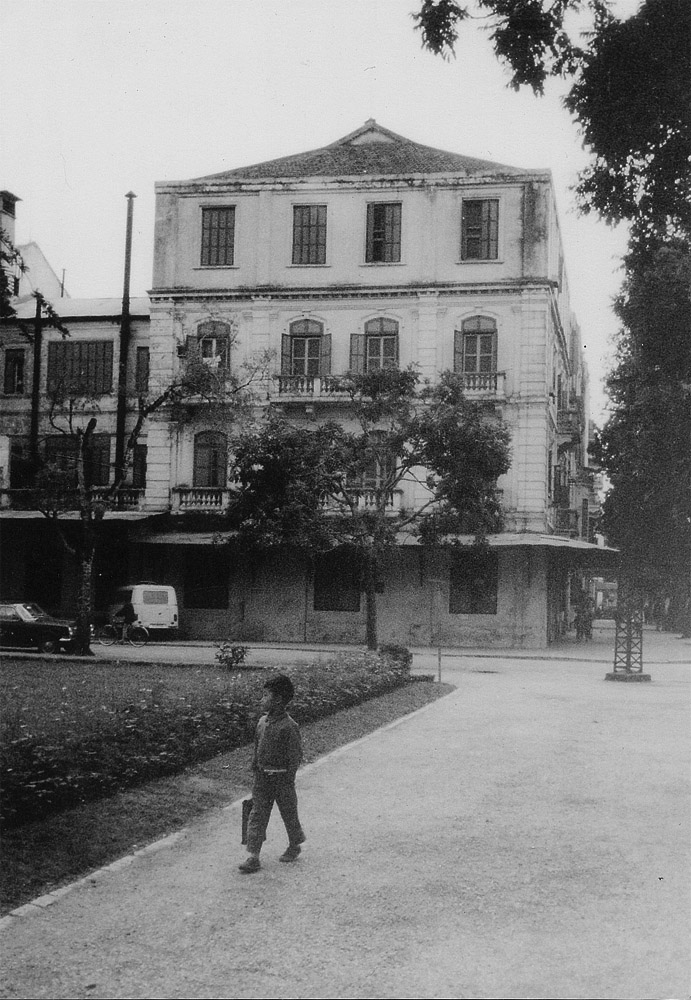
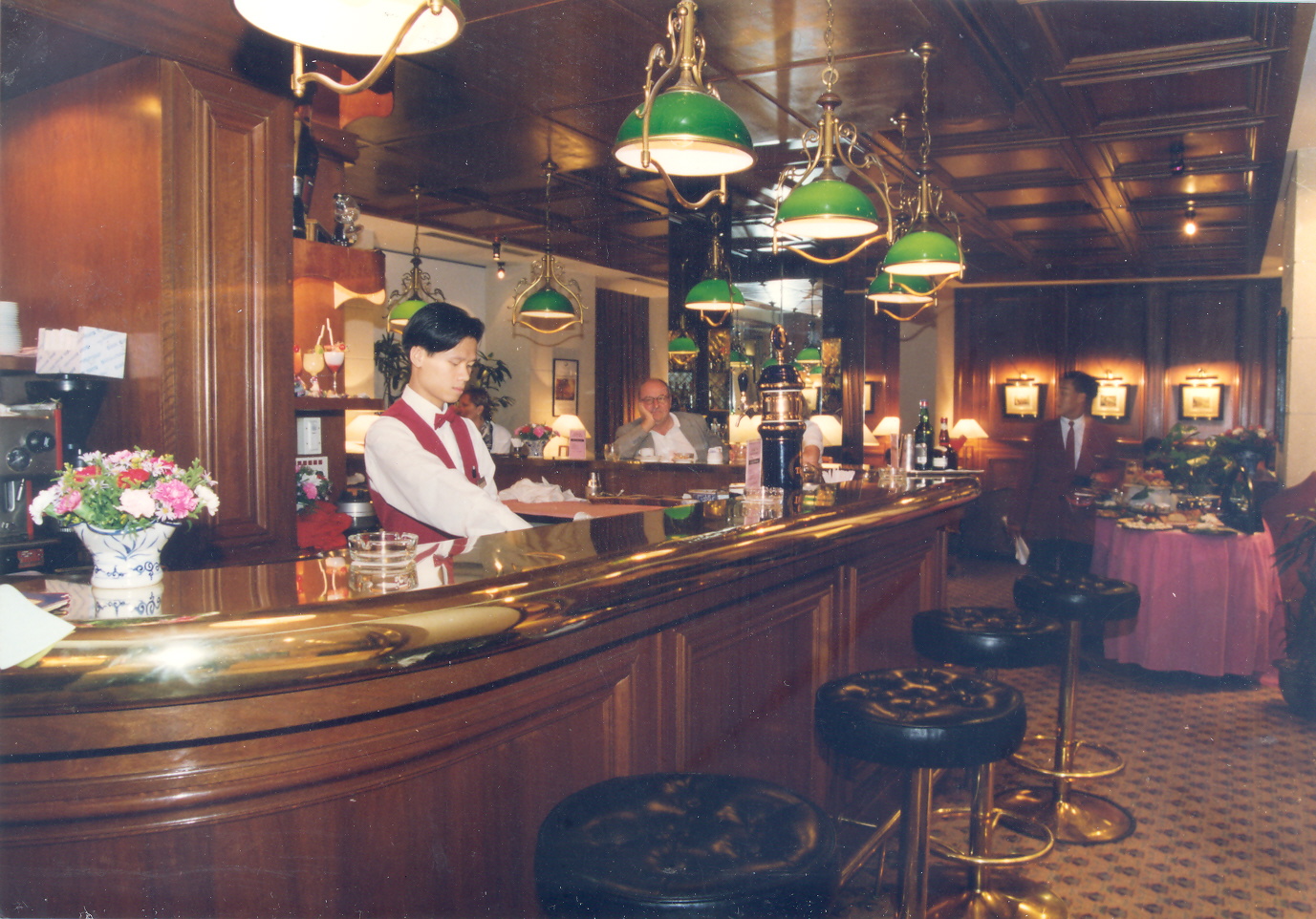
The location was later renamed as “Thong Nhat Hotel,” in honor of the brief period of peace that Vietnam enjoyed during the 1950s. (“Thon Nhat” essentially translates as “Reunification Hotel.”) The building then went on to become the official guesthouse for guests of the Vietnamese government. Unfortunately for the Thong Nhat Hotel, it was caught in the crosshairs of the Vietnam War along with the rest of Hanoi. The United States Air Force frequently bombed Hanoi throughout the conflict, prompting the leadership of the Thong Nhat Hotel to construct a thick bomb shelter in the vicinity of today’s Bamboo Bar. In fact, legendary songstress Joan Baez composed her song "Where Are You Now, My Son?” during an air raid one night while staying as a guest in 1972. The Thong Nhat Hotel continued to welcome guests over the next several decades, even as the building gradually fell into a state of decay. In 1987, the Vietnamese government worked to restore this local landmark with the assistance of the Pullman Hotels chain. Together, the two entities worked hard to revitalize the historic structure, eventually reopening the building as the “Pullman Metropole Hotel” some five years later. AccorHotels then acquired the hotel, and invested heavily in its own series of renovations. Among the new facilities developed at the time included the fantastic Opera Wing, as well as many new guestrooms to the original Metropole Wing. Now known as the “Sofitel Legend Metropole Hanoi,” the Sofitel Legend Metropole Hanoi continues to be one of the best holiday destinations in Southeast Asia.
Hotel Timeline
The Location
While archeological research has discovered evidence of local human settlement dating back to the Bronze Age, Hanoi itself did not first appear until the 11th century AD. In 1010, King Ly Thai To—founder of the famed Ly dynasty—originally created the city to serve as the capital for his realm of Annam (known officially as Đại Việt). Specifically claiming to have witnessed a dragon rise from the adjacent Red River, he subsequently christened the new metropolis as Thăng Long, or “Soaring Dragon.” The king then relocated the royal court to Thăng Long, where it remained for generations until the late 14th century. Thăng Long subsequently became the kingdom’s eastern capital and bore the new moniker “Đông Đô.” Nevertheless, the city remained an important settlement within Annam for centuries, as its proximity to the Red River made it an attractive place for merchants and dignitaries to gather frequently. But its prosperity also incited the jealousies of neighboring civilizations, resulting in its subsequent periodic attack by Chinese and Mongol armies for years. Nevertheless, the community retained its influence and grew exponentially as a result. Its population swelled to such an extent that dozens of grandiose neighborhoods continued to appear over the course of the next eight centuries. By the dawn of the 17th century, Đông Đô—now called “Đông Kinh”—even housed a population in excess of 100,000!
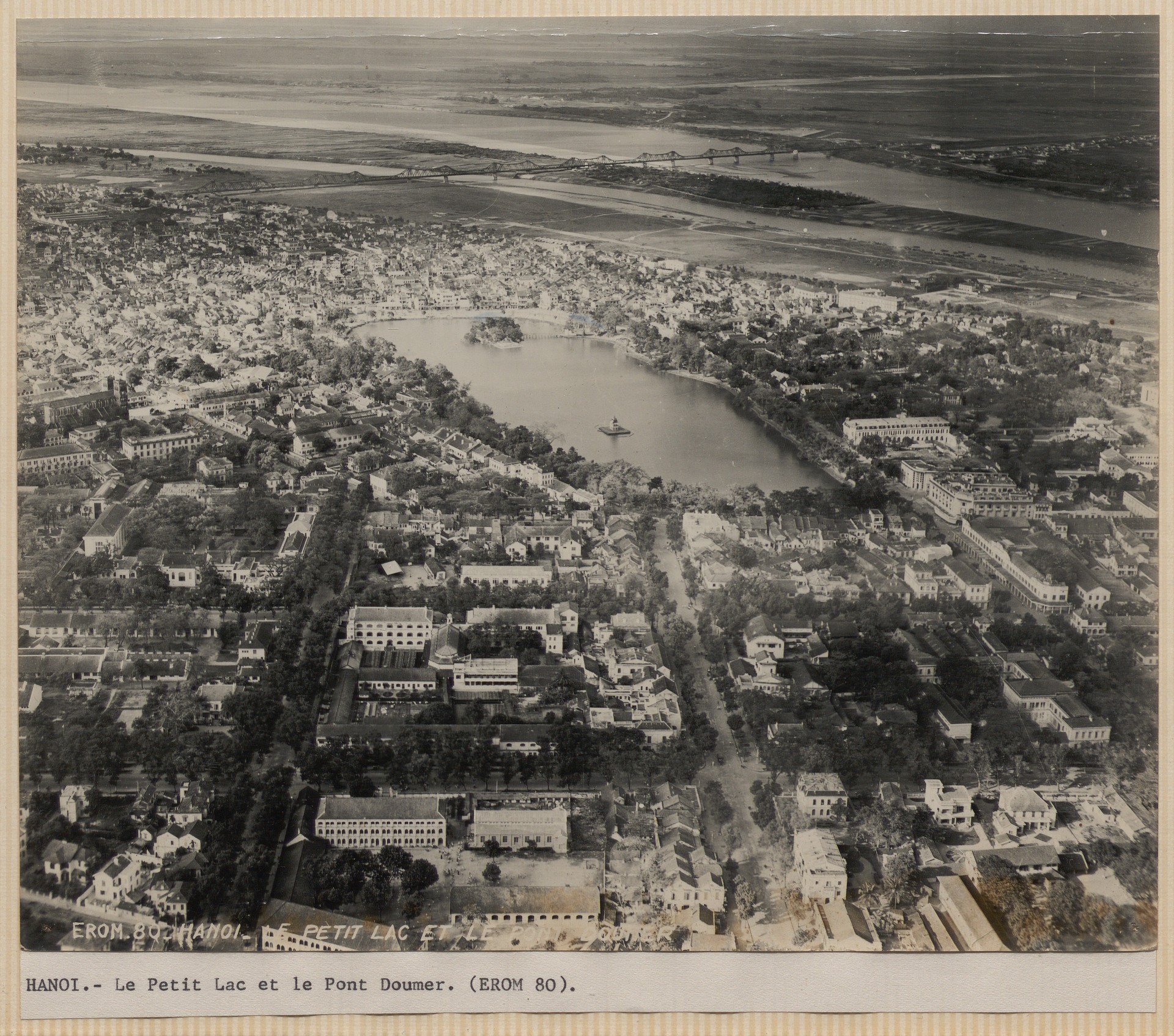
In the early 1800s, the Nguyen dynasty of Vietnamese emperors finally concentrated the kingdom’s imperial administration to Huế, thus, stripping much of the city’s political authority for some time. But the settlement did occupy some significant military influence, though, with the royal court referring to it as its “northern citadel.” Then, in 1831, emperor Minh Mang decided to give the city its current name of “Hà Nội,” meaning “between rivers.” (Over time, westerners would Romanize the name as “Hanoi.”) But Hanoi’s history would change forever upon the arrival of the French into Southeast Asia throughout the latter half of the century. The French specifically invaded northern Vietnam in the 1880s, after gradually colonizing its southern territories a few decades prior. Hanoi subsequently emerged as the capital for the newly created Tonkin Protectorate before becoming the capital for all of French Indochina in 1887. French influence quickly spread throughout the city with European-inspired architecture soon defining the landscape. Some of the buildings even helped form a vibrant French Quarter, which still exists to this day.
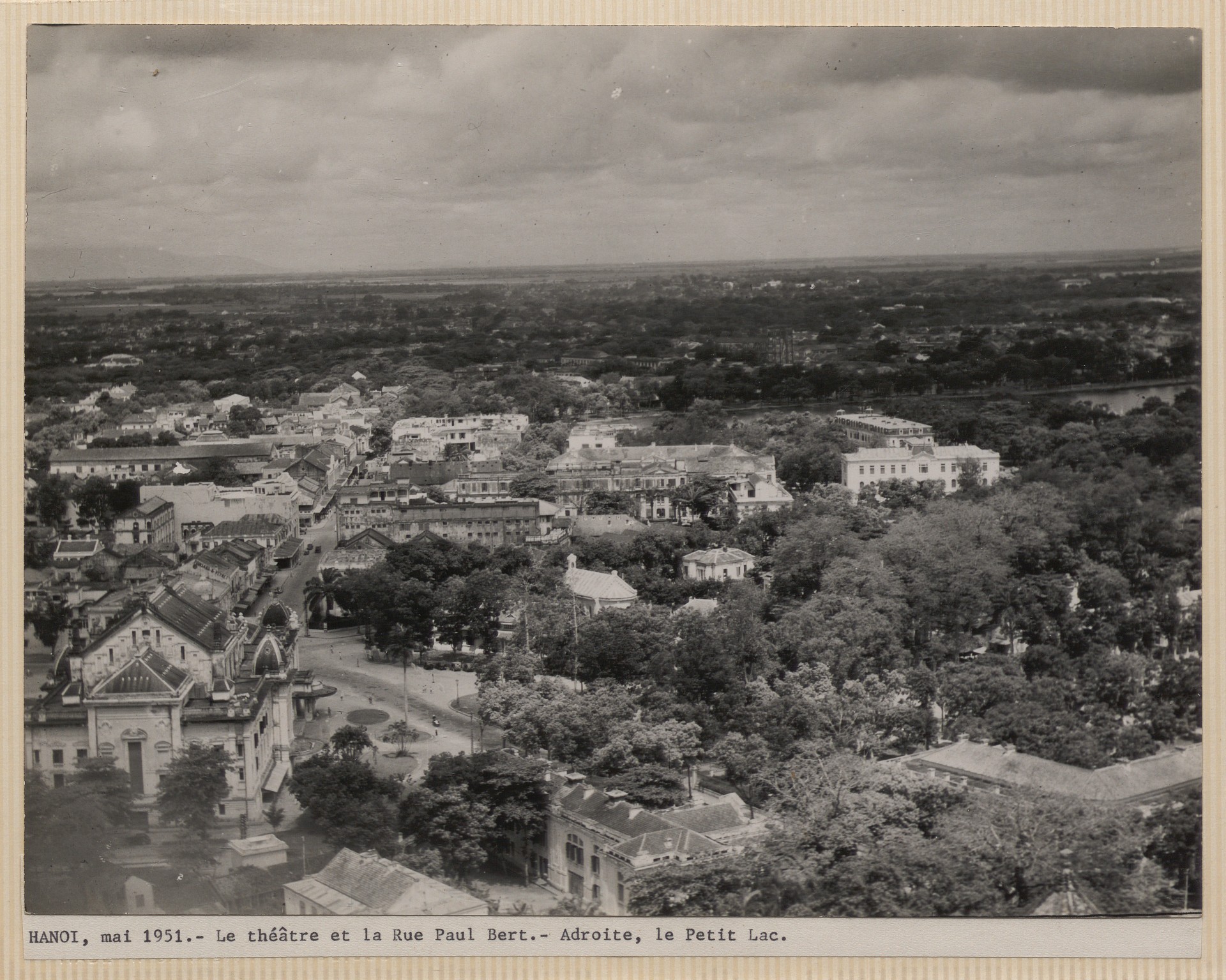
The city remained the administrative hub for all of France’s colonial possession in Southeast Asia until the outbreak of World War II, when the Japanese eventually conquered the region. Partisans soon used Hanoi as one of their many bases in campaigns against the Japanese occupation, who eventually started attacking the French once they returned following the war’s conclusion in 1945. Hanoi, thus, played a central role in the First Indochina War that saw Vietnam’s eventual independence from France in the 1950s. In fact, the famous revolutionary, Ho Chi Minh, made the city the capital for the new communist state of North Vietnam. But peace only existed briefly, as a new conflict—the Vietnam War—broke out a decade later with neighboring South Vietnam and its American allies. Hanoi itself endured great hardship despite its relative distance from the front lines, as it became the primary target for long-range American bombers throughout the war. Some of the heaviest bombing occurred in the winter of 1972, when the United States Air Force conducted a serious bombing campaign known as “Operation Linebaker II.” After Vietnam was reunited in the mid-1970s, Hanoi emerged as the new national capital. It has since become one of the most popular tourist destinations in all of Asia, filled with many upscale restaurants, storefronts, and art galleries. It is also home to many outstanding cultural attractions, like the Hanoi Opera House, the Presidential Palace, and the Thăng Long Imperial Citadel.
The Architecture
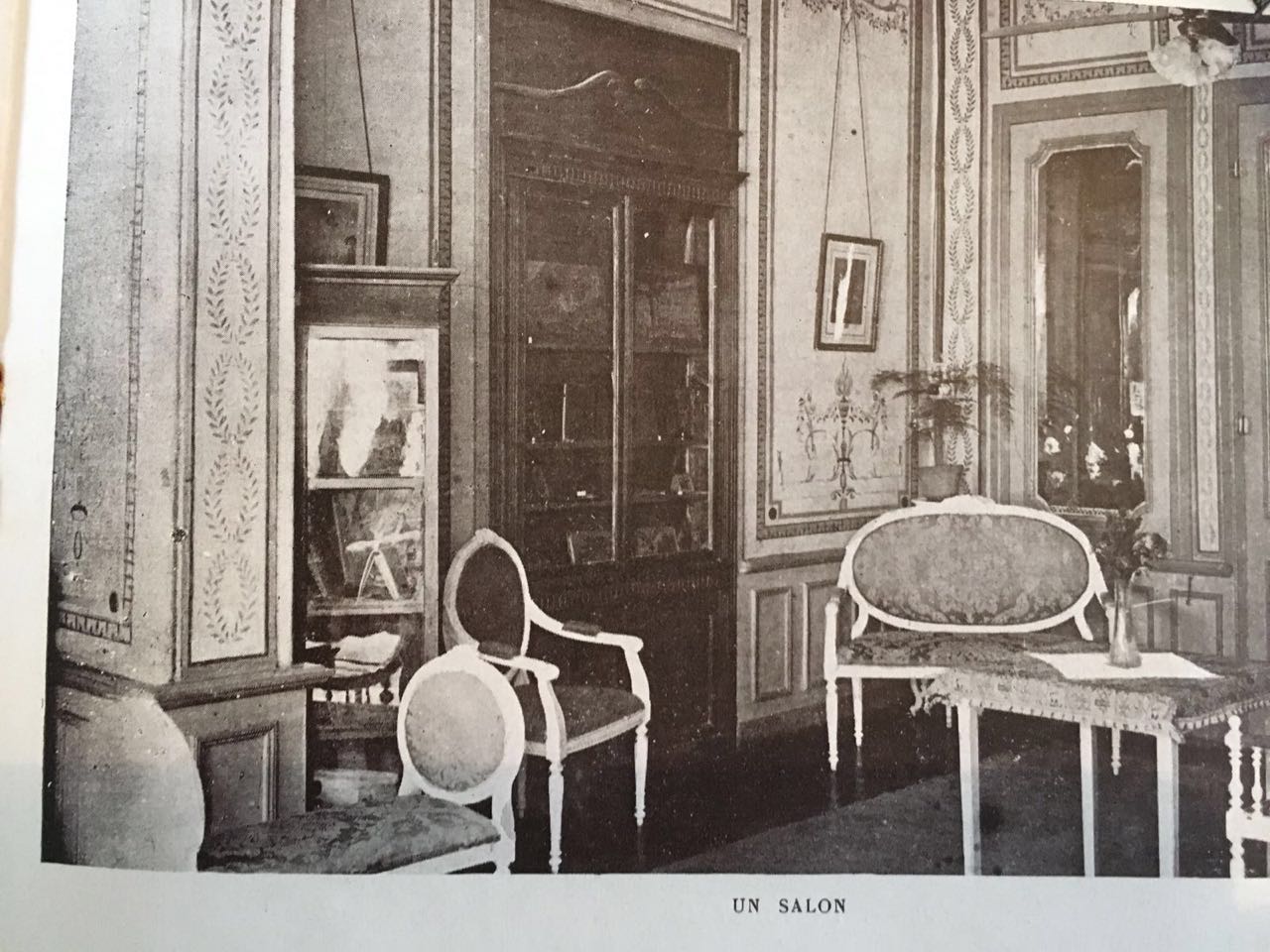
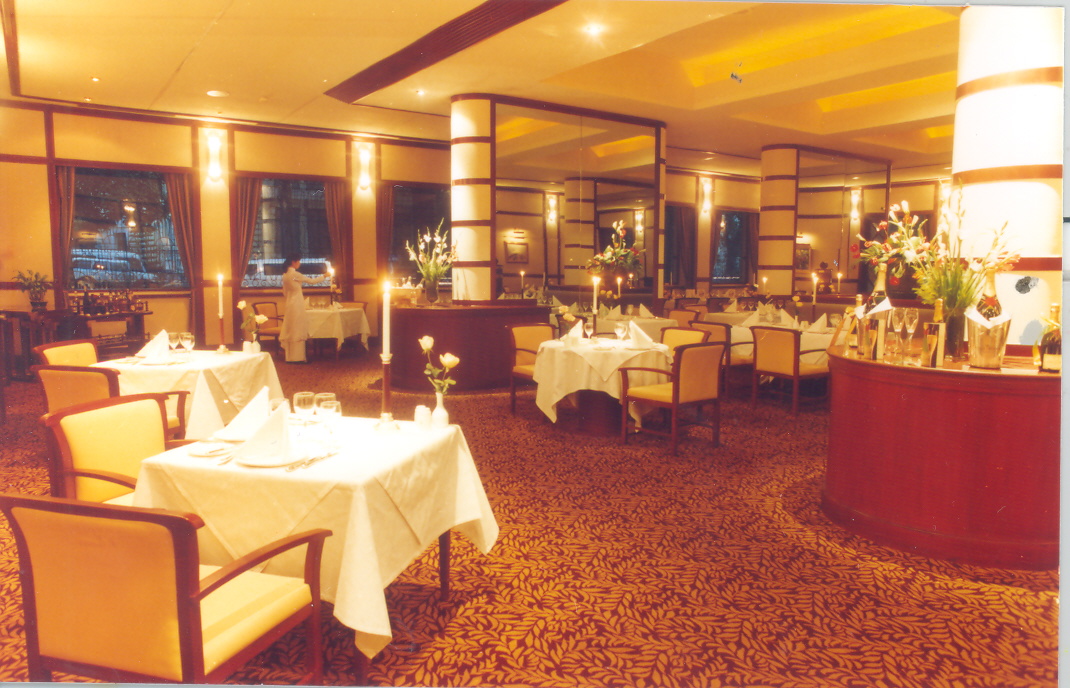
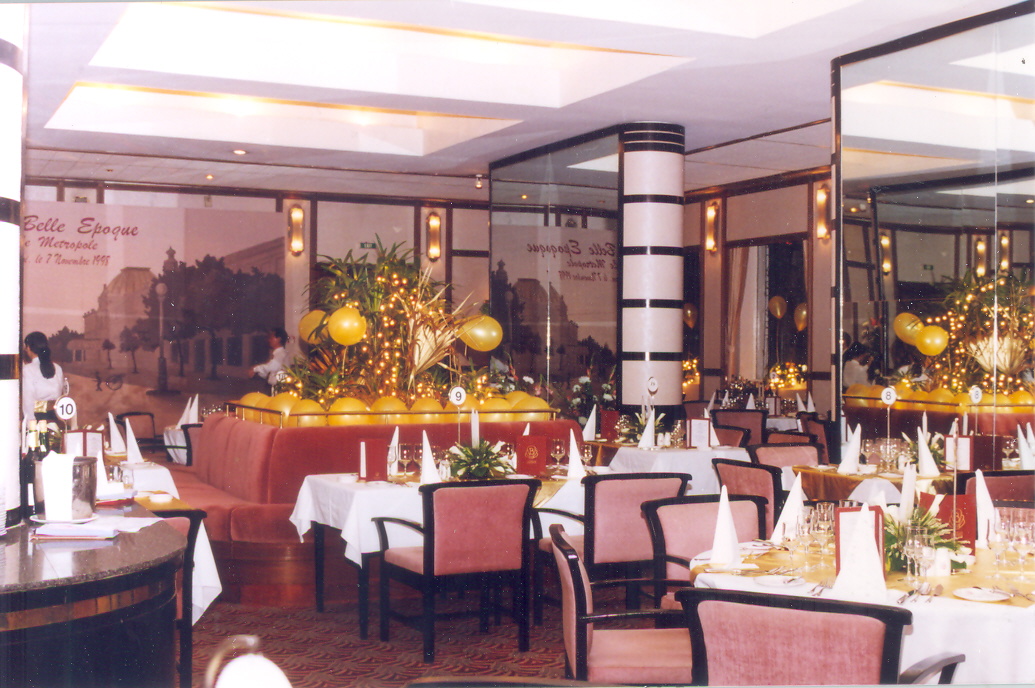
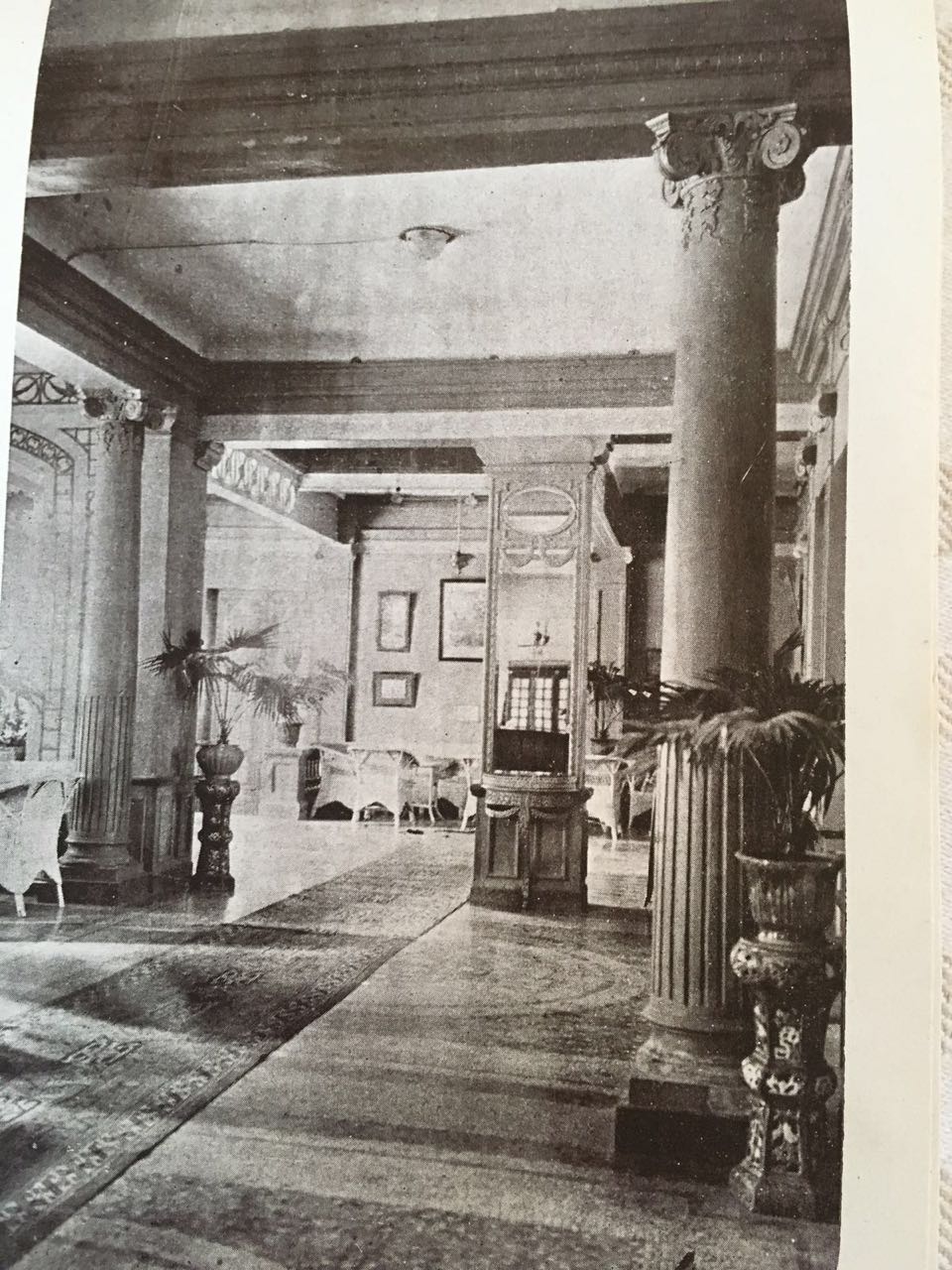
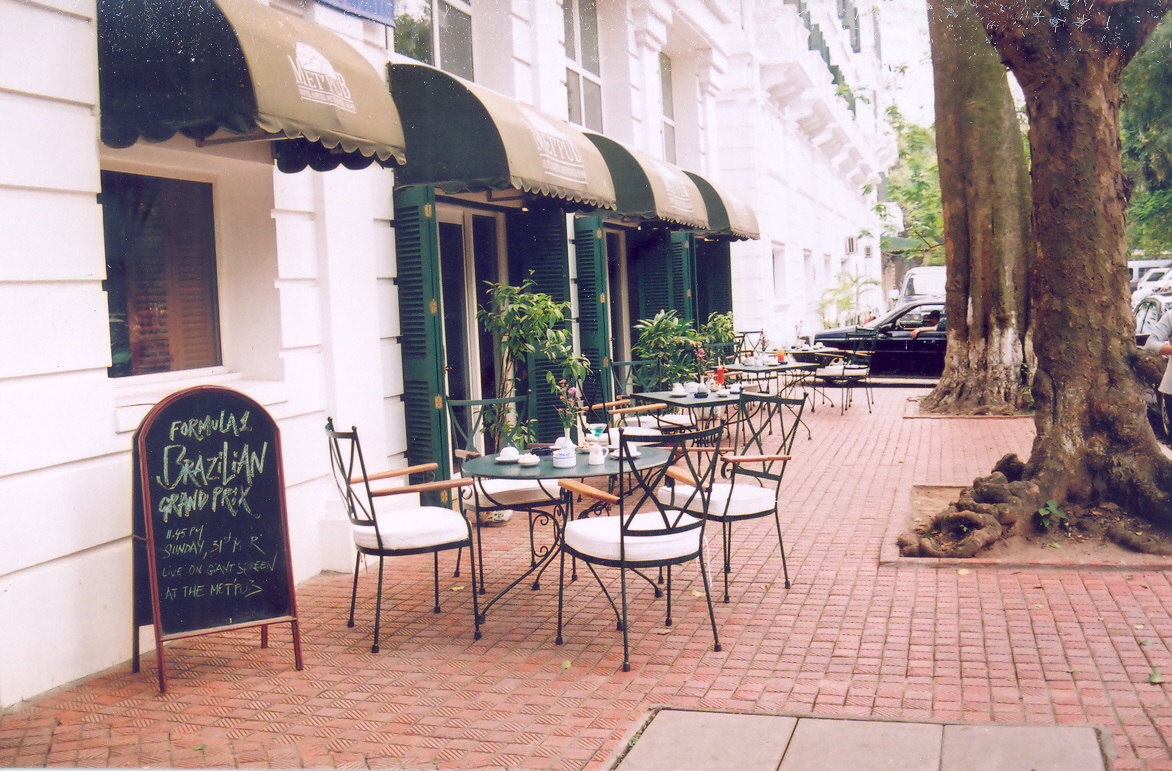
Open since 1901, this stunning historical structure was designed by businessmen Gustave-Émile Dumoutier and André Ducamp. The current hotel itself is divided into two wings, consisting of the historic Heritage Wing as well as the contemporary Opera Wing that opened its doors in 1996. The three floor Heritage Wing is replete with magnificent chandeliers, wooden floors, a grand staircase, and Indochina-inspired furniture. Meanwhile, the Opera Wing displays neo-classical design aesthetics, with its guestrooms furnished with stand alone bathtubs, mahogany furnishings and a blend of Vietnamese, Italian and French fabrics. A true blend of colonial heritage and neo-classical luxury with a dash of modernity. The hotel is the first of the Sofitel Legend brand in the world.
To originally create this magnificent structure, Dumoutier and Ducamp relied upon the popular French Colonial design aesthetics of the age for their source of inspiration. French Colonial architecture in general was distinct throughout the former Indochinese Union, with slight variations appearing in Laos, Vietnam, and Cambodia. The French often relied upon using elements of native architecture to adhere better to the tropical climate. Nevertheless, French Colonial structures across Southeast Asia typically shared a few common traits, such as gorgeous stucco tiling and thick brick walls. They also featured iconic pitched roofs, as well as wooden shuttered windows. Many of these iconic structures formed the nucleus to vibrant neighborhoods known as “French Quarters,” with the French Colonial buildings themselves acting as the palatial manors for the residents. Most of Southeast Asia’s French Quarters still exist today, too, which visitors can easily identify due to their particularly manicured tree-lined streets. Hanoi was one of the greatest places within French Indochina to feature the unique blend of French and Southeast Asian architectural perspectives. Among the most iconic French Colonial structures left standing in the city today are Hanoi Opera House, the Presidential Palace, St. Joseph’s Cathedral, and of course, the Sofitel Legend Metropole Hanoi.
Famous Historic Guests
- Charlie Chaplin, renowned actor known for his roles in The Kid and A Woman of Paris.
- W. Somerset Maugham, celebrated author known for publications like Of Human Bondage.
- Noël Coward, playwright known for such works like Hay Fever and Private Lives.
- Graham Greene, celebrated author known for publications like The Power and the Glory and The Quiet American.
- Ho Chi Minh, revolutionary who led various Vietnamese independence movements throughout the 20th century.
- Fidel Castro, Prime Minister and President of Cuba throughout the Cold War.
- François Mitterrand, President of France (1981 – 1995)
- George H. W. Bush, 41st President of the United States (1989 – 1993)
- Bill Clinton, 42nd President of the United States (1993 – 2001)
- Donald J. Trump, 45th President of the United States (2017 – 2021)
125 years of a Legend
Explore gallery on Sofitel Legend Metropole Hanoi
© 2026 Historic Hotels Worldwide - All Rights Reserved.