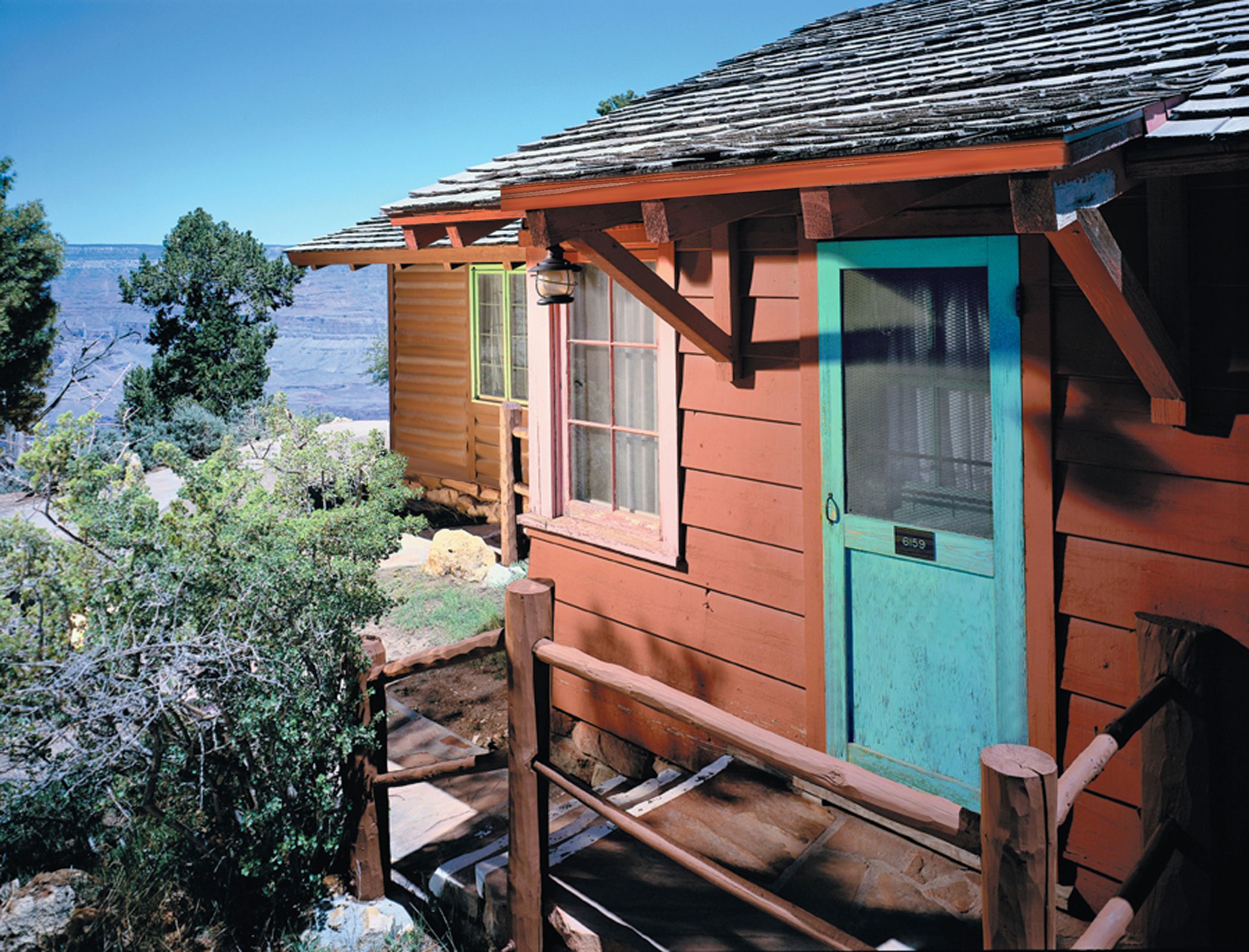
Exterior Of Bright Angel Cabin
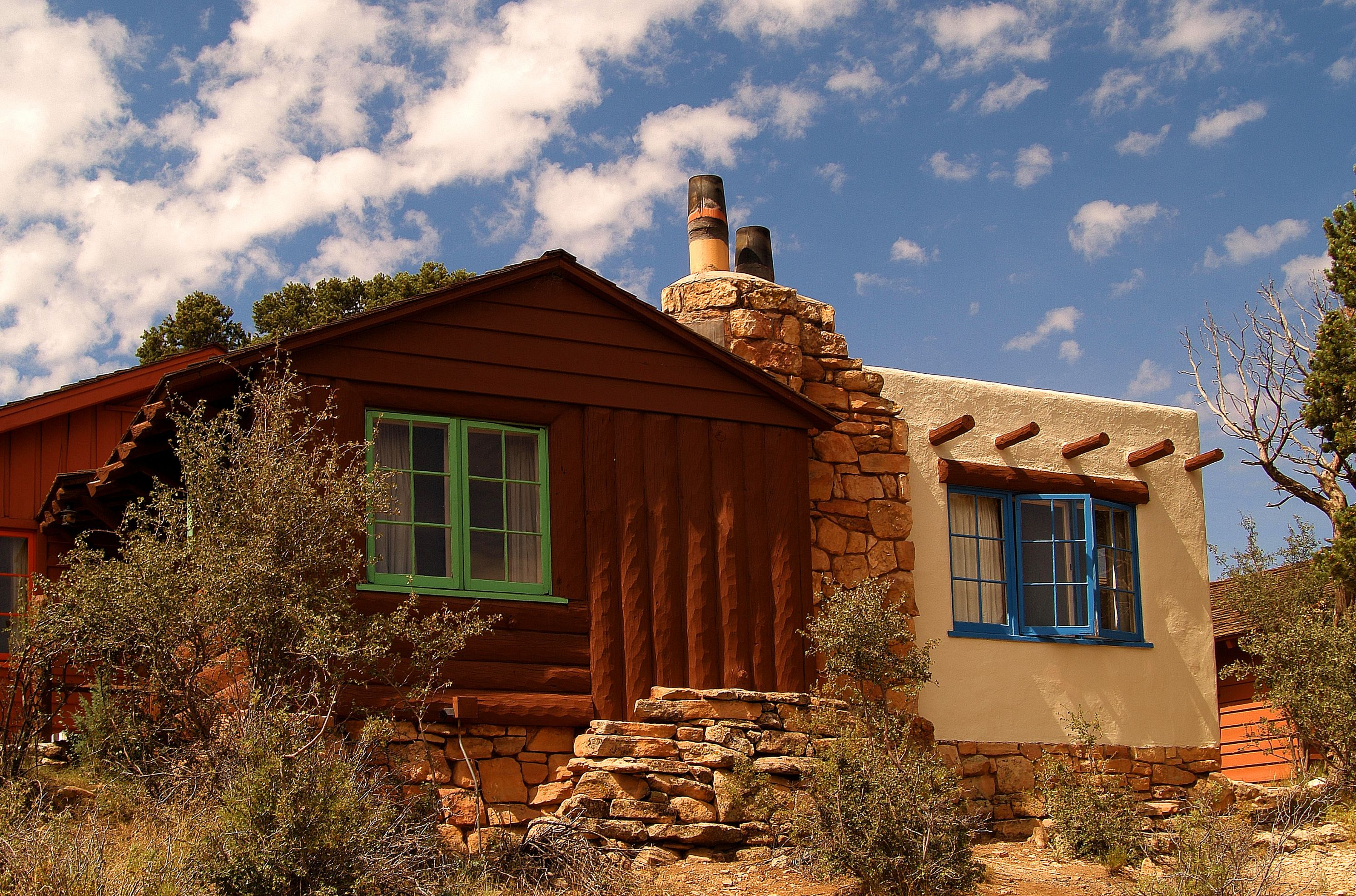
The Cabins are all non-smoking and are located separately from the main lodge. These cabins are constructed as either duplex units or quadplex units. All of the cabins are located within easy walking distance of the lodge and the canyon rim. These rooms feature a queen-size bed and either a full private bath or a private bath with just a shower. The Cabin will accommodate up to two people. These rooms do not include air conditioning.
Share On:
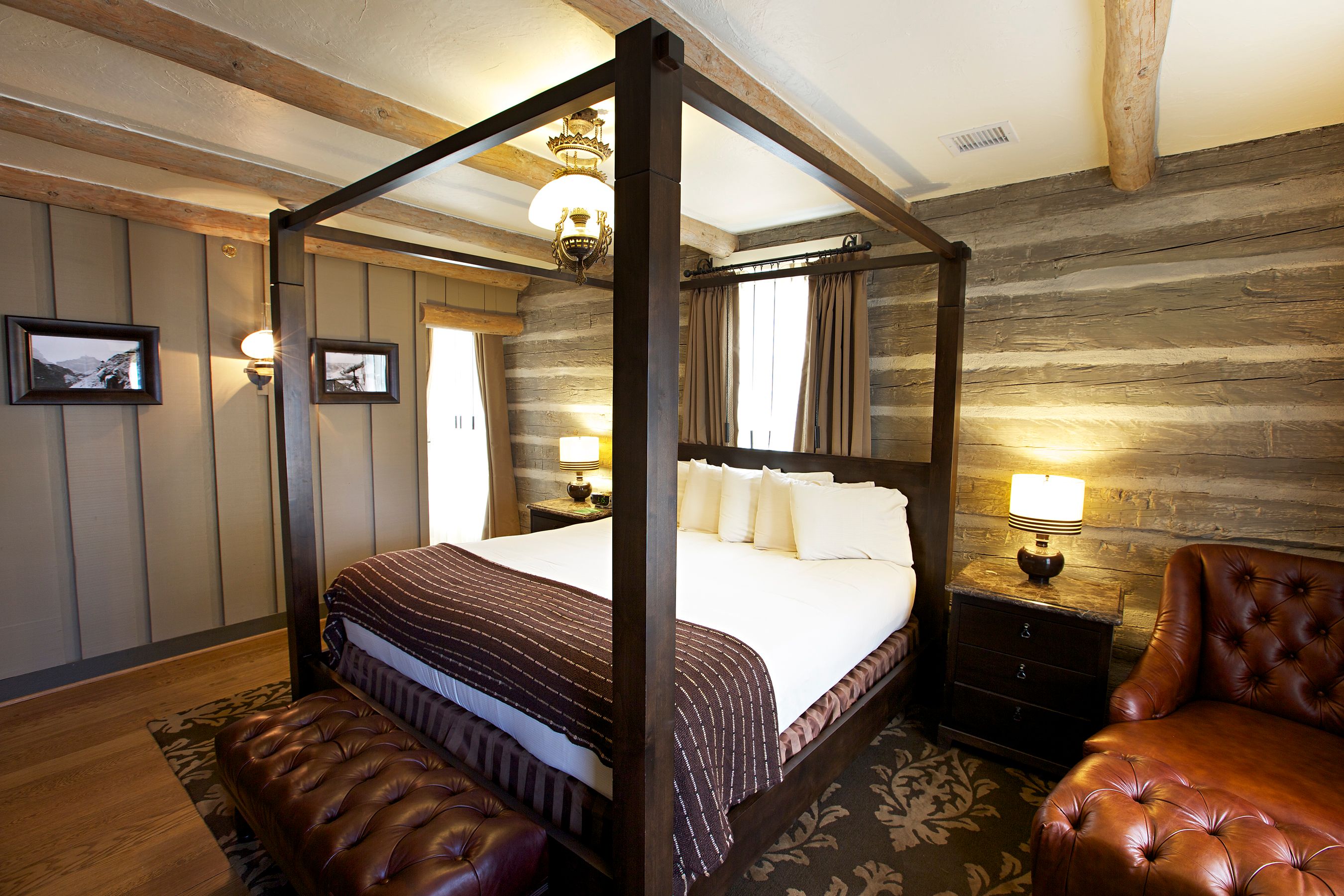
Red Horse Cabin Bedroom
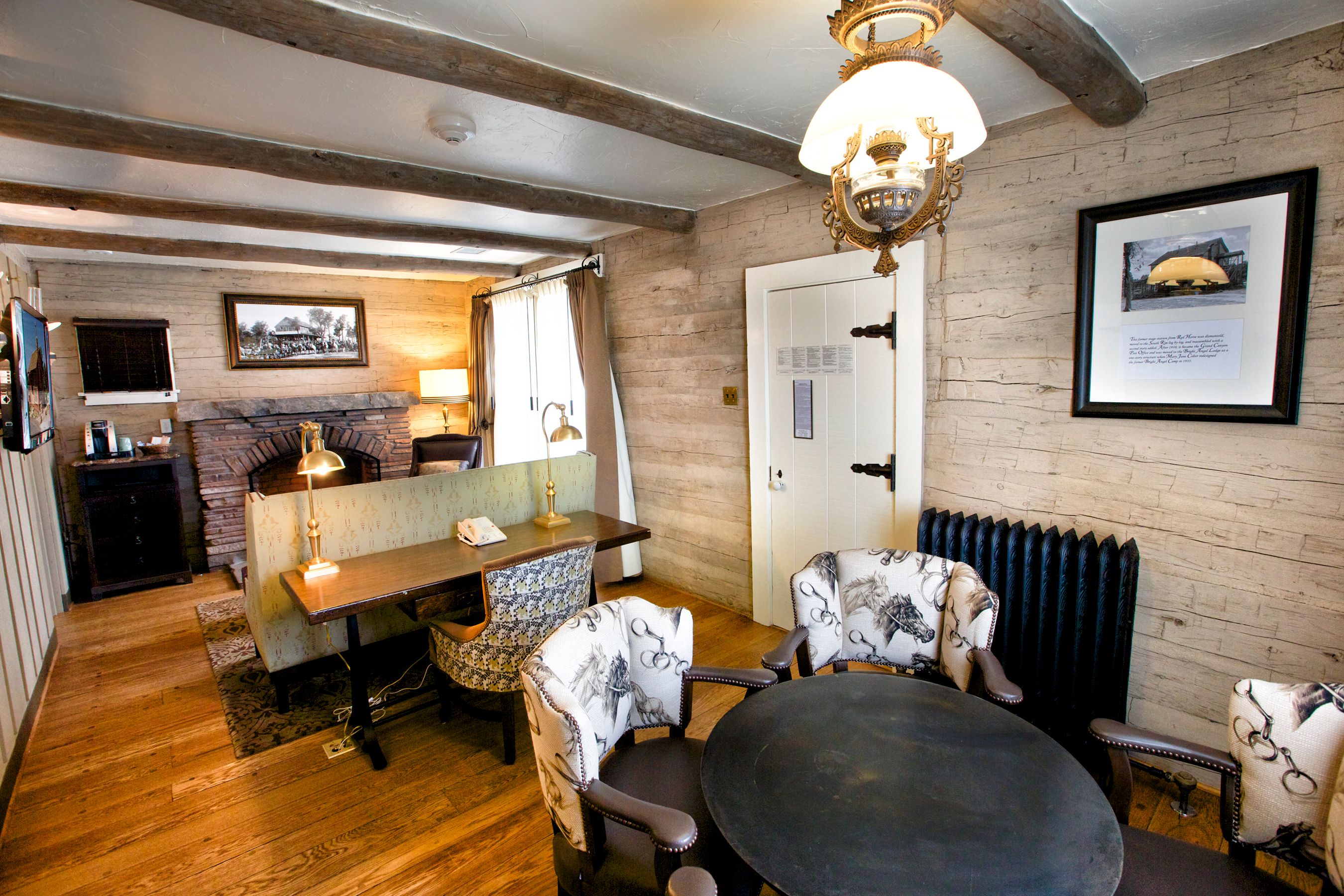
Rehabilitated and restored, the two-room Red Horse Cabin features a sitting area and one bedroom. Built in 1890, the cabin was moved from the Red Horse Ranch in 1902 to the head of Bright Angel Trail to be used for guest accommodations. From 1910 to 1935, it served as the Post Office for Grand Canyon Village. When the cabin was slated for demolition, architect Mary E.J. Colter intervened and convinced building owner Santa Fe Railway and concessioner Fred Harvey to remodel and restore the cabin for guest use. For many years, it was a storage facility but was restored to today’s standards of building and comfort while maintaining historical integrity.
Share On:
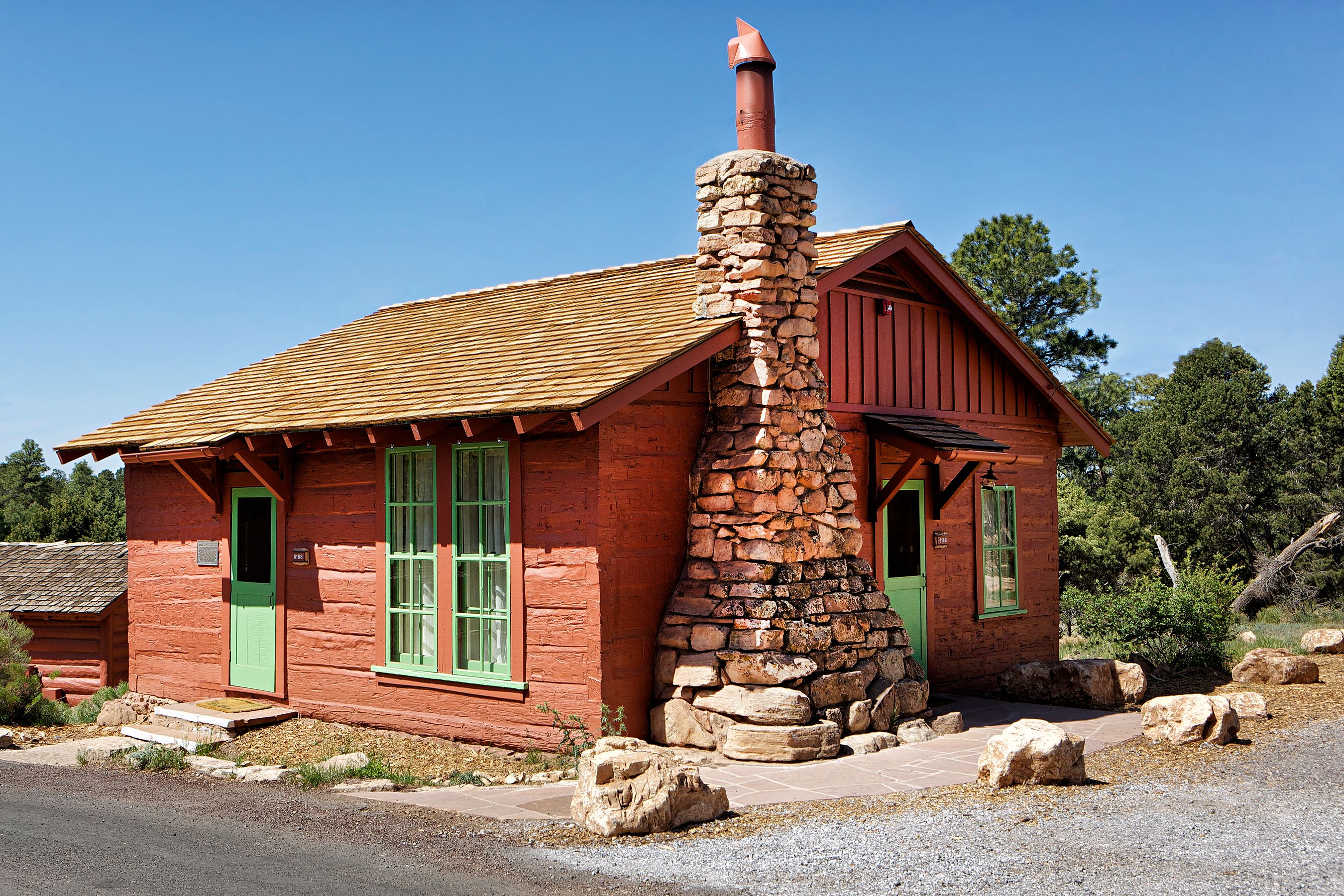
Exterior Of Red Horse Cabin
Rehabilitated and restored, the two-room Red Horse Cabin features a sitting area and one bedroom. Built in 1890, the cabin was moved from the Red Horse Ranch in 1902 to the head of Bright Angel Trail to be used for guest accommodations. From 1910 to 1935, it served as the Post Office for Grand Canyon Village. When the cabin was slated for demolition, architect Mary E.J. Colter intervened and convinced building owner Santa Fe Railway and concessioner Fred Harvey to remodel and restore the cabin for guest use. For many years, it was a storage facility but was restored to today’s standards of building and comfort while maintaining historical integrity.
Share On:
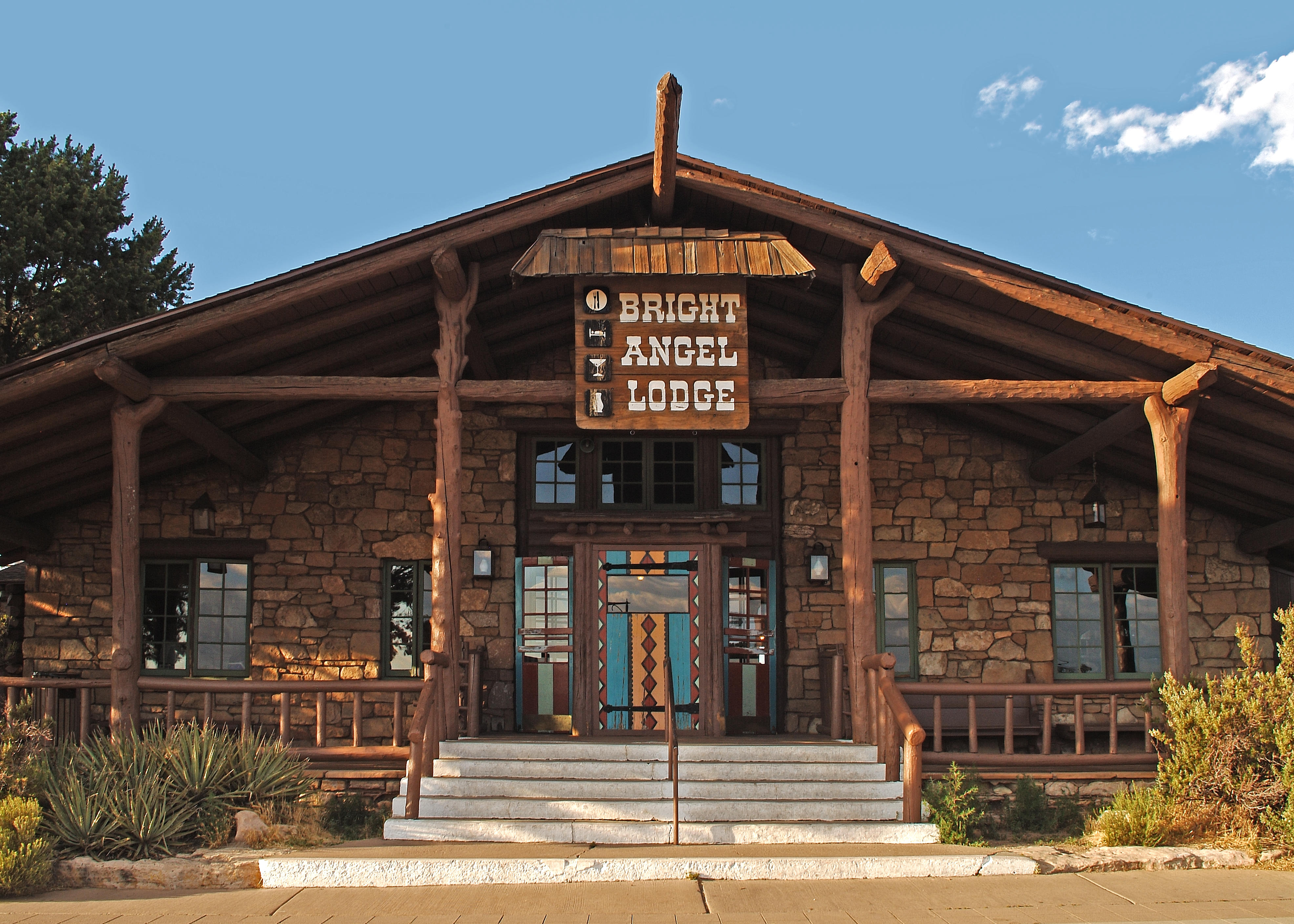
Hotel Exterior
Built in 1935 and designed by famed architect Mary E.J. Colter, Bright Angel Lodge has a natural, rustic character and is in the center of South Rim activity, serving as the check-in point for the renowned Grand Canyon mule rides. Several cabins hold storied histories of their own, including the Buckey O’Neill Cabin, which was built in the 1890s by William “Buckey” O’Neill, a member of Teddy Roosevelt’s Rough Riders and a man instrumental in establishing what would eventually become the Grand Canyon Railway. From its dining options to the knowledgeable activities desk, guests will be welcomed with authentic Southwestern hospitality and breathtaking canyon views at Bright Angel Lodge & Cabins.
Share On:
Red Horse Cabin
Rehabilitated and restored, the two-room Red Horse Cabin features a sitting area and one bedroom. Built in 1890, the cabin was moved from the Red Horse Ranch in 1902 to the head of Bright Angel Trail to be used for guest accommodations. From 1910 to 1935, it served as the Post Office for Grand Canyon Village. When the cabin was slated for demolition, architect Mary E.J. Colter intervened and convinced building owner Santa Fe Railway and concessioner Fred Harvey to remodel and restore the cabin for guest use. For many years, it was a storage facility but was restored to today’s standards of building and comfort while maintaining historical integrity.
Share On:
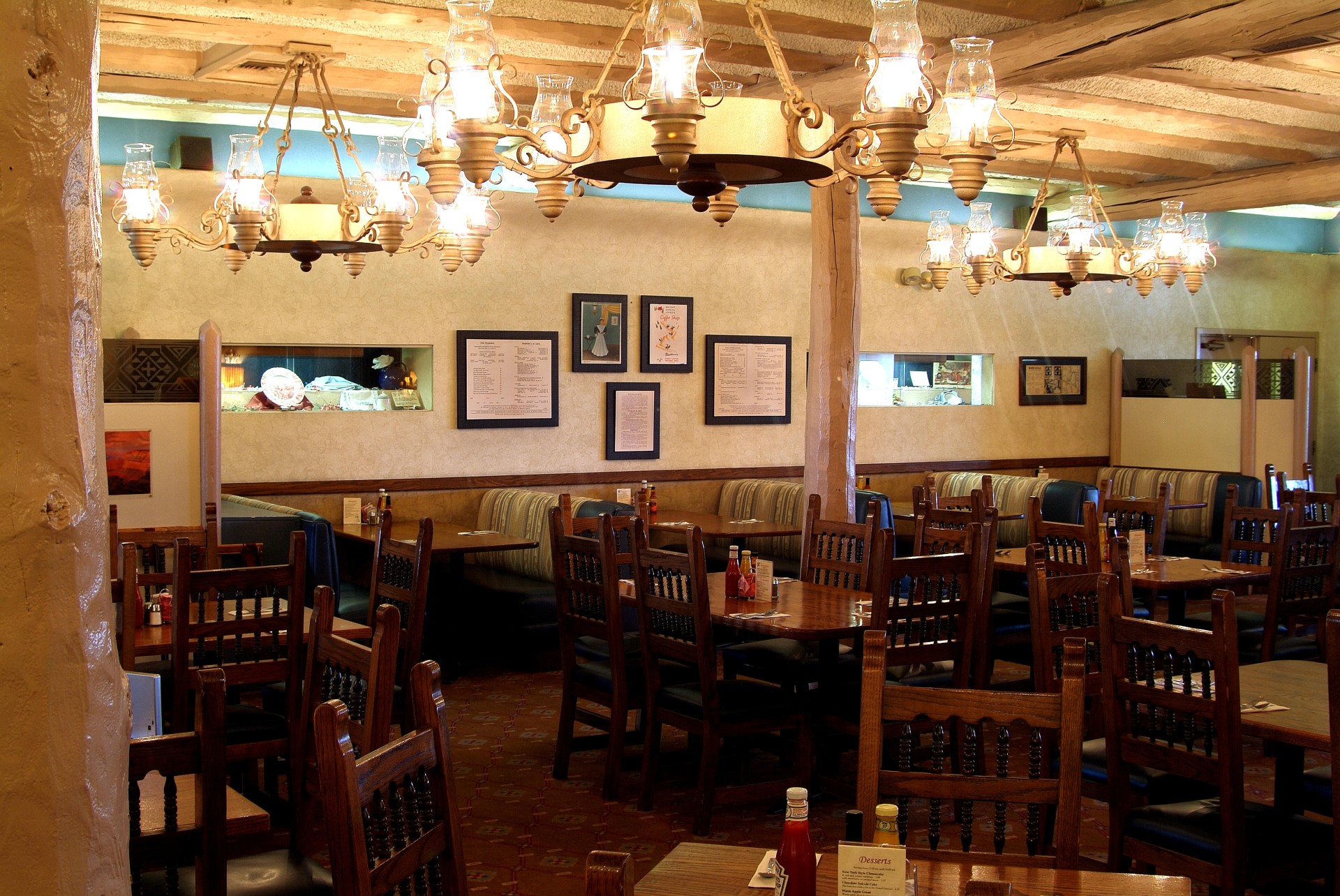
Fred Harvey Burger Restaurant
Fred Harvey Burger, located at Bright Angel Lodge, is a casual family-friendly restaurant featuring healthy diner-style fare prepared in the Harvey House tradition. The restaurant décor features the signature colors of Mary Jane Colter within the vibrant window-transom panes, accented by stout log columns with colorful mosaics. The setting characterizes the nostalgic and trendsetting culinary facets of the Fred Harvey dining era. Open for breakfast, lunch, and dinner.
Share On:
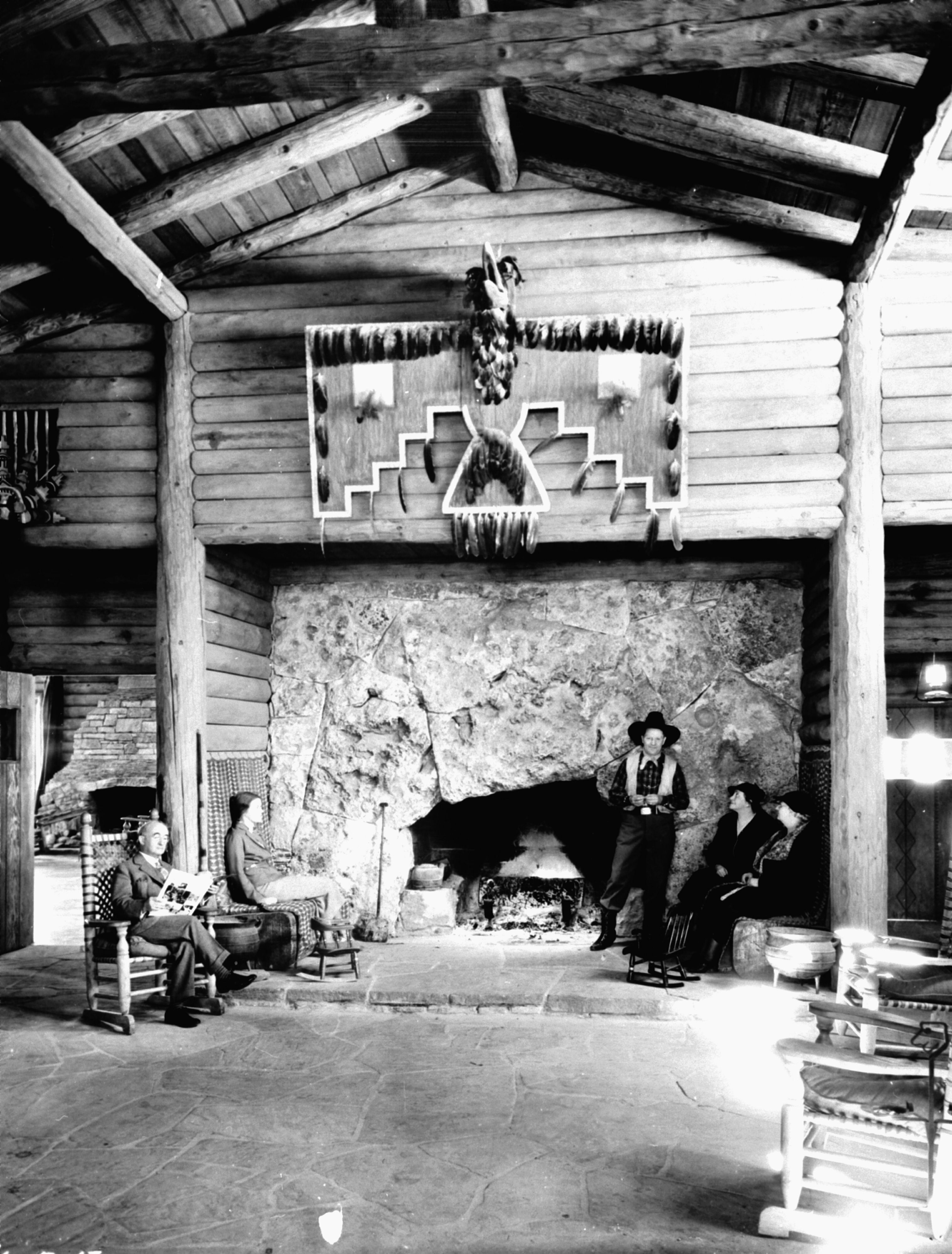
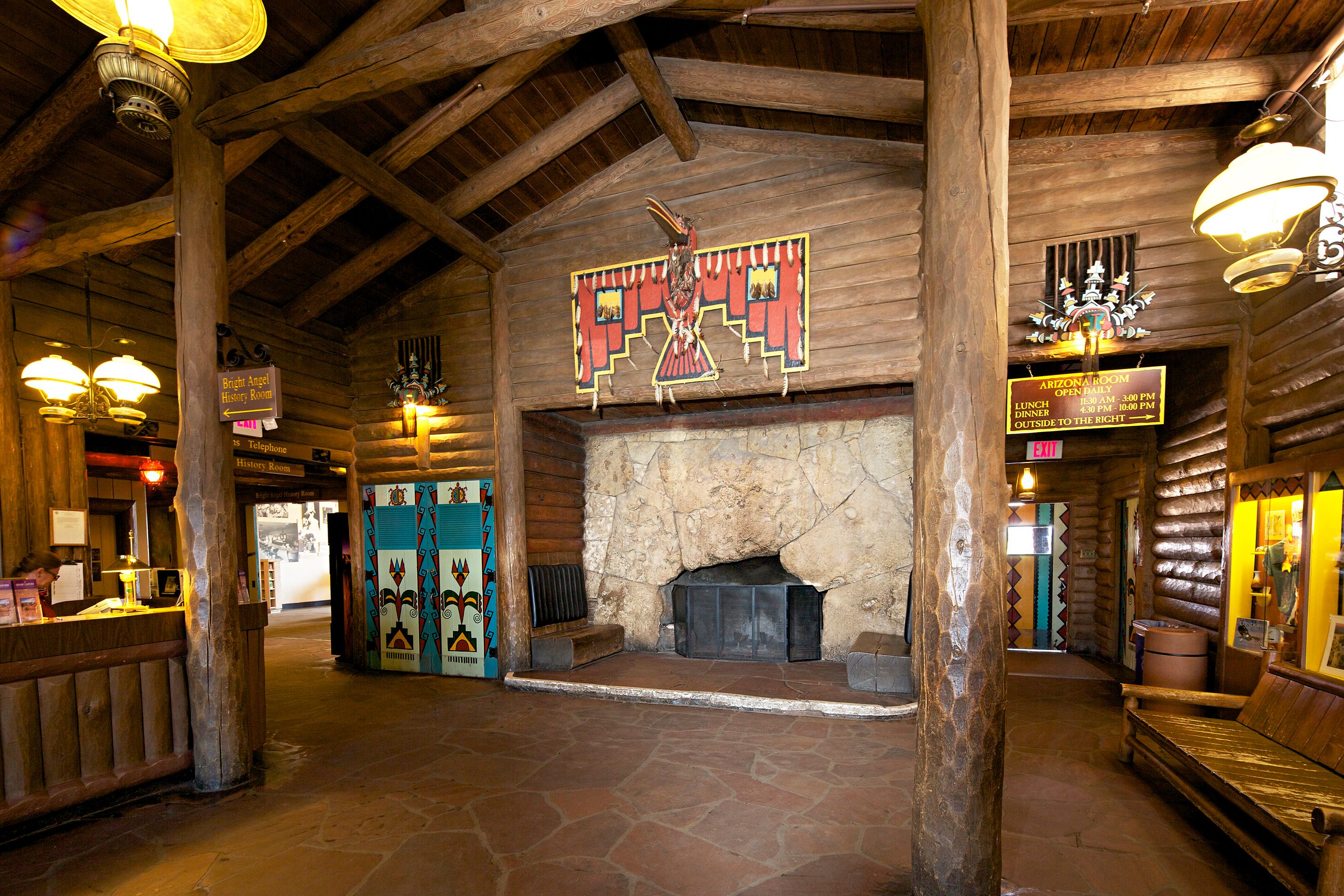
Historic Image Of Lodge Hearth
Bright Angel Lodge, designed in 1935 by famed Southwest architect Mary E.J. Colter, has a natural rustic character and is a Registered National Historic Landmark. This iconic lodge and its surrounding cabins are rich with cultural history. Over the years it has gone through many transformations – originally a hotel, then a camp, and finally a lodge. The ”geologic” fireplace in the History Room featuring all of the rock layers of Grand Canyon, from the river cobbles to the youngest stone strata on the rim.
Share On:
Hotel Exterior
Built in 1935 and designed by famed architect Mary E.J. Colter, Bright Angel Lodge has a natural, rustic character and is in the center of South Rim activity, serving as the check-in point for the renowned Grand Canyon mule rides. Several cabins hold storied histories of their own, including the Buckey O’Neill Cabin, which was built in the 1890s by William “Buckey” O’Neill, a member of Teddy Roosevelt’s Rough Riders and a man instrumental in establishing what would eventually become the Grand Canyon Railway. From its dining options to the knowledgeable activities desk, guests will be welcomed with authentic Southwestern hospitality and breathtaking canyon views at Bright Angel Lodge & Cabins.
Share On:
Lobby
Bright Angel Lodge, designed in 1935 by famed Southwest architect Mary E.J. Colter, has a natural rustic character and is a Registered National Historic Landmark. This iconic lodge and its surrounding cabins are rich with cultural history. Over the years it has gone through many transformations – originally a hotel, then a camp, and finally a lodge. The ”geologic” fireplace in the History Room featuring all of the rock layers of Grand Canyon, from the river cobbles to the youngest stone strata on the rim.
Share On:
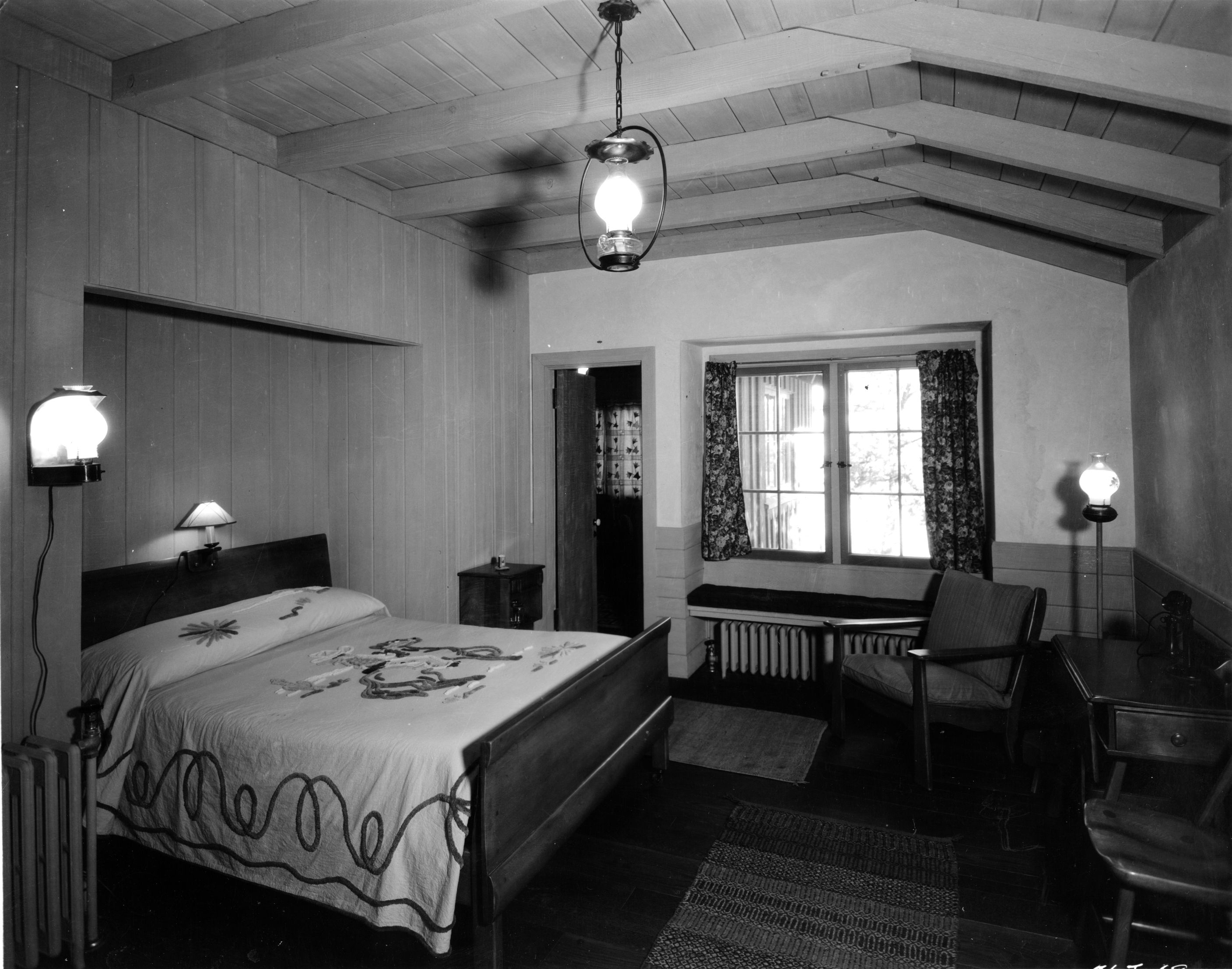
Historic Image Of Guestroom
Celebrating this popularity of the American West, the guestrooms at Bright Angel Lodge & Cabins were appointed with rustic aesthetics and steriotypical cowboy designs.