
History
Discover Fairmont Miramar - Hotel & Bungalows, which was the only beachside hotel with bungalows and has served celebrities and politicians.
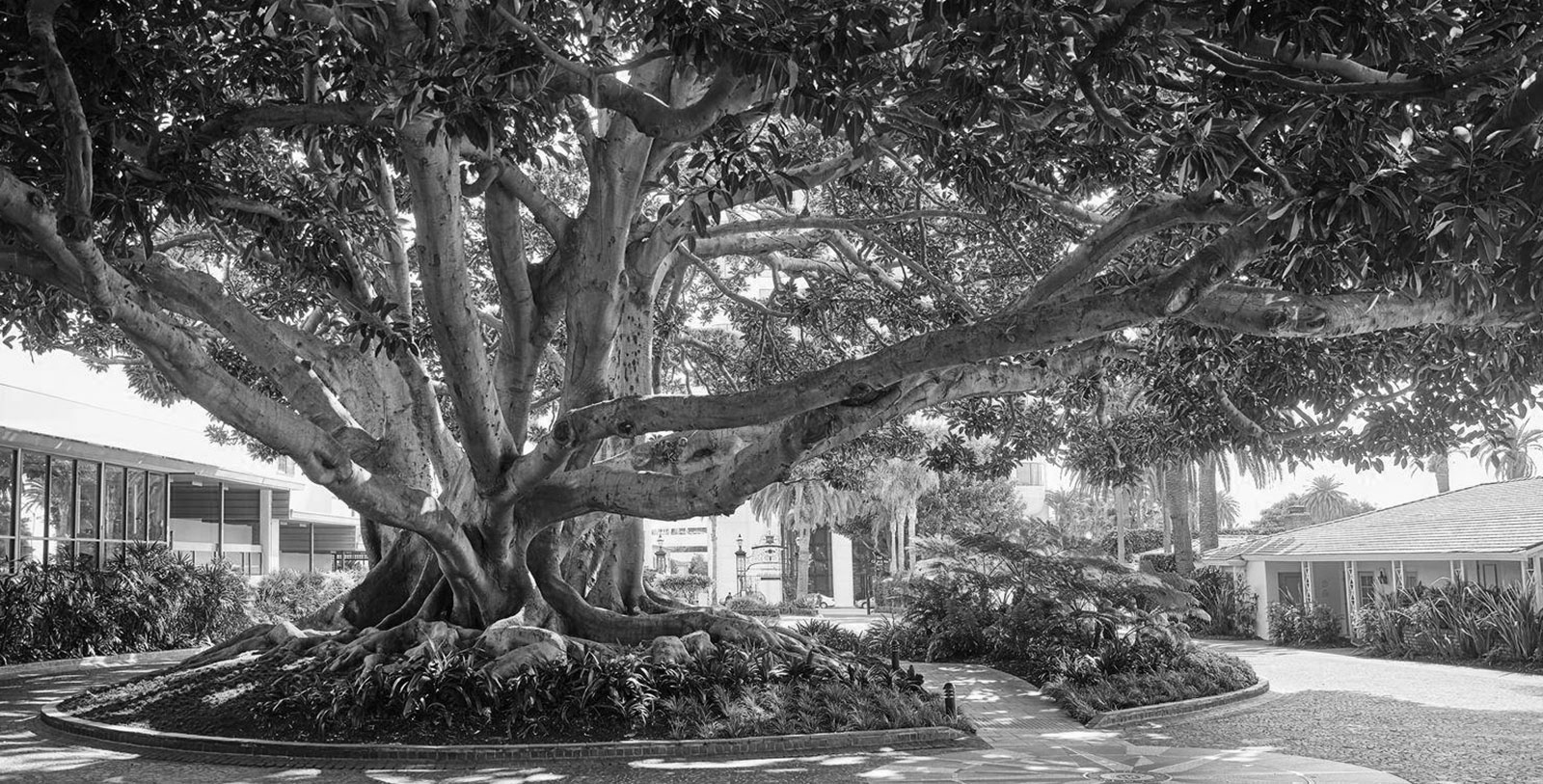
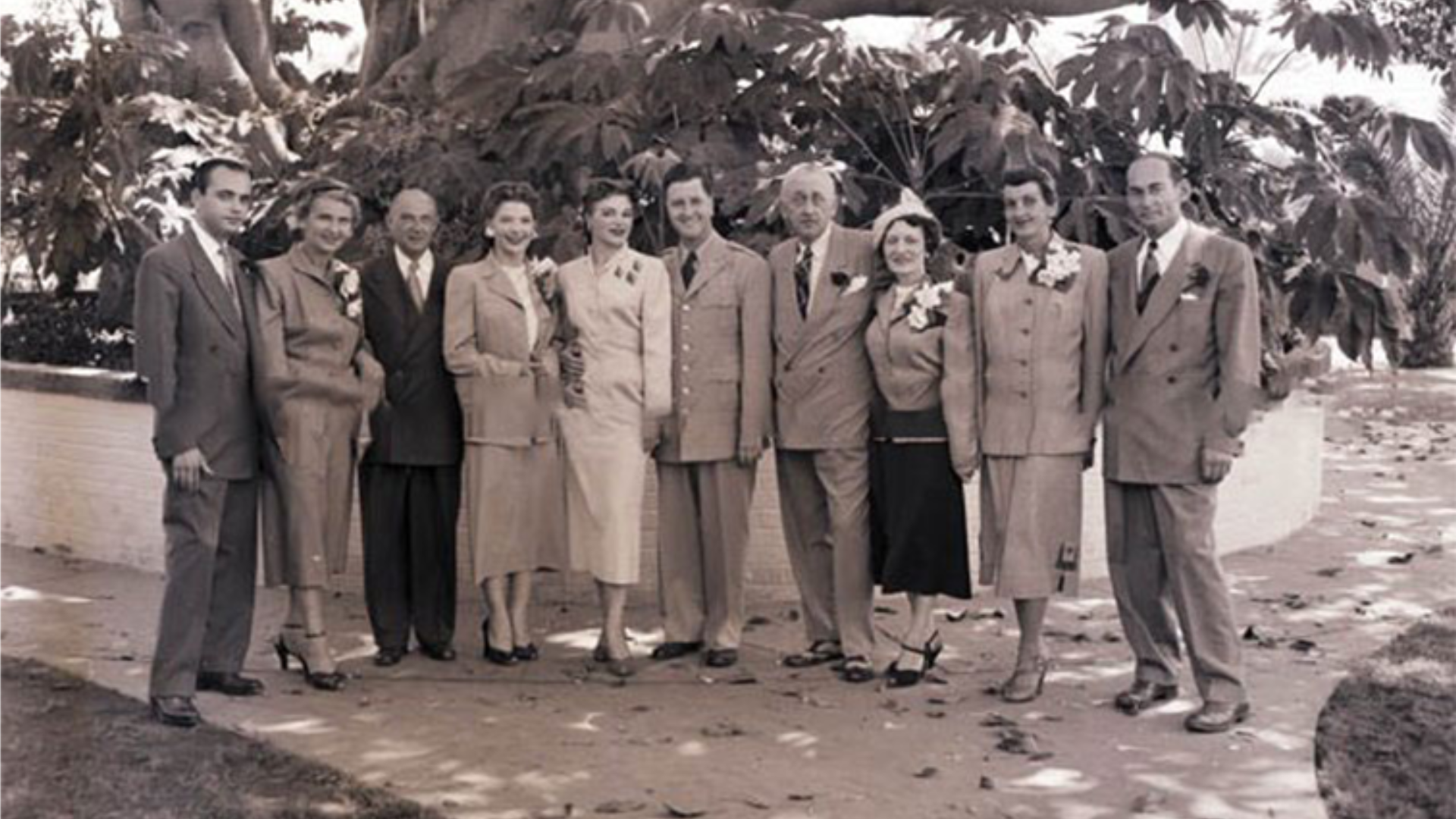
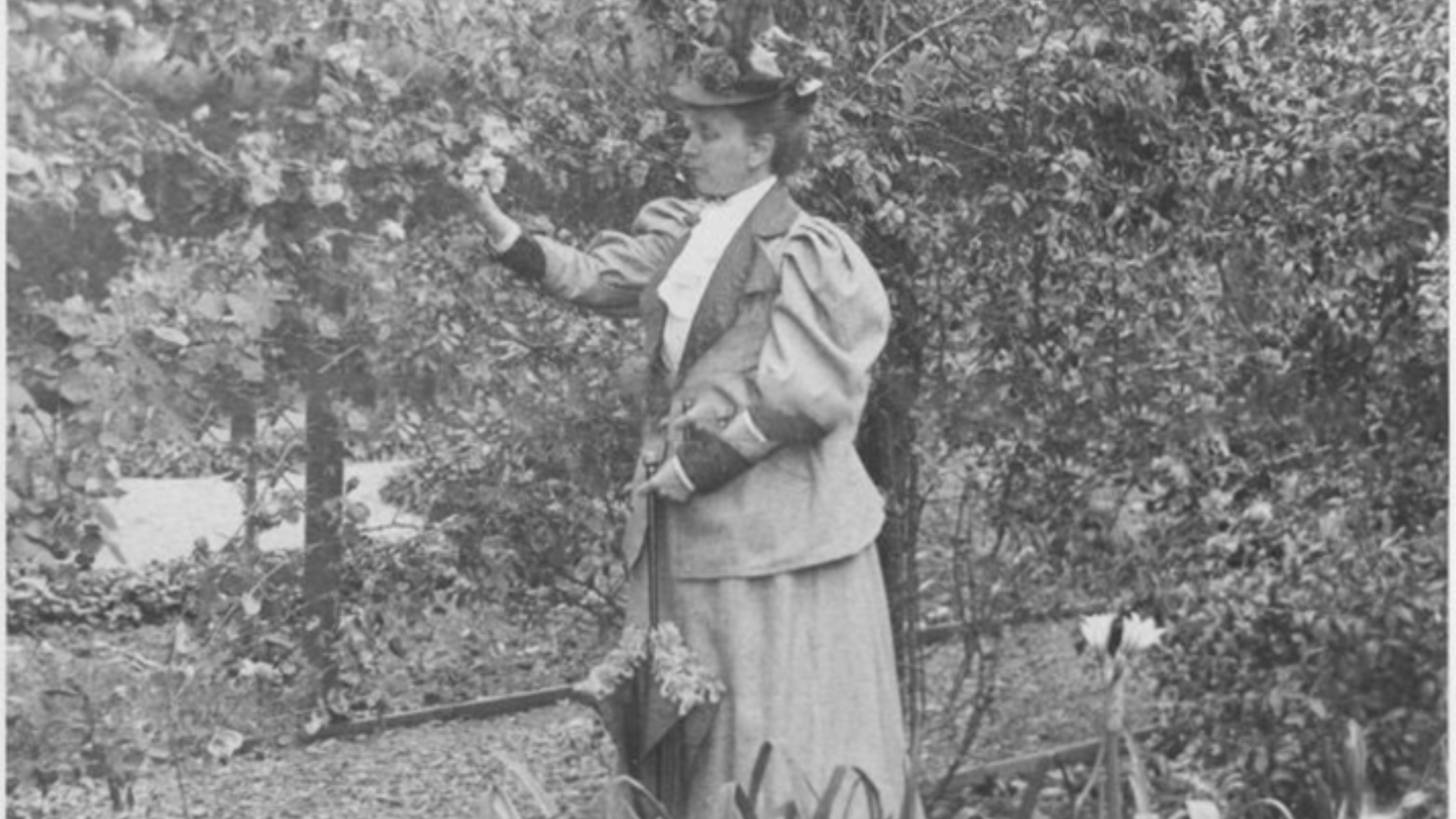
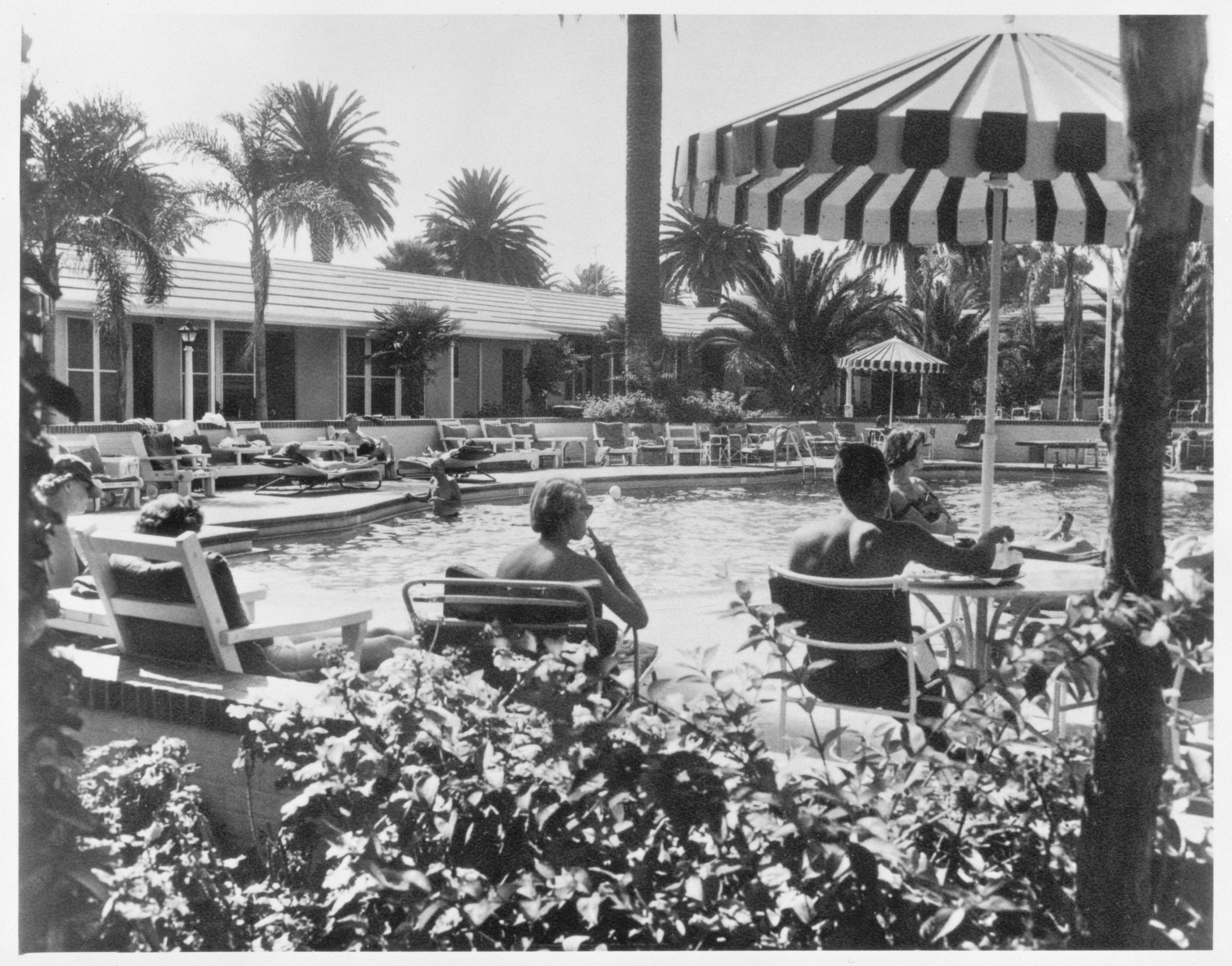
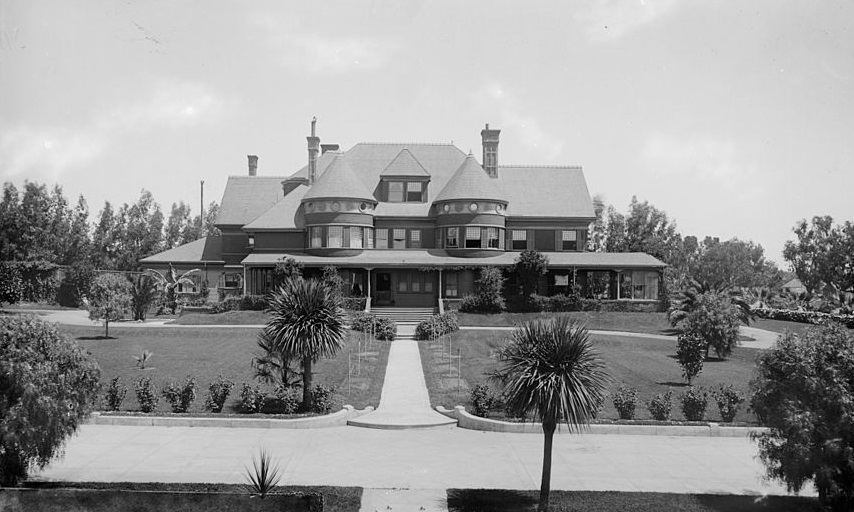
A member of Historic Hotels of America since 2017, Fairmont Miramar - Hotel & Bungalows is among the most exciting places to stay in southern California. It originally functioned as a mansion owned by former United States Senator John Percival Jones, who helped found the city of Santa Monica during the 1800s. Jones had specifically visited the Los Angeles area in the 1870s and decided to purchased the land upon which the resort currently resides from Colonel Robert S. Baker. He then used the acreage to build a mansion that he called “Miramar.” But after retiring from politics, Jones permanently moved to the Miramar. The mansion was nonetheless sold to businessman King Gillette of Gillette Razors following Jones’ death several years later, though. It subsequently became a military academy before finally reopening as the “Hotel Miramar” in 1921. As the only beachside hotel with bungalows, the Fairmont Miramar went on to host countless celebrities, politicians, and others influential people interested in experiencing relaxing private vacation. This trend began with actress Greta Garbo, who moved into the historic Palisades Wing for four years. Many other Hollywood superstars followed Garbo’s lead, including Jean Harlow, Marilyn Monroe, and Jimmy Stewart. The hotel’s nightclub also proved to be a particularly attractive destination, hosting the likes of Humphrey Bogart, Gloria Swanson, Cary Grant, and Anthony Quinn throughout the mid-20th century. Fairmont Miramar - Hotel & Bungalows has even entertained powerful politicians including two U.S. Presidents—John F. Kennedy and Bill Clinton—as well as U.S. Supreme Court Justice Earl Warren. Now a part of Fairmont Hotels and Resorts, the hotel still continues to attract countless Hollywood celebrities today.
Hotel Timeline
The Location
Located along Ocean Avenue in downtown Santa Monica, the Fairmont Miramar - Hotel & Bungalows is just a few moments away from the famed Santa Monica Pier. A locally recognized historic landmark, the Santa Monica Pier has entertained thousands of visitors since the early 20th century. It specifically debuted as the “Municipal Pier” on September 9, 1909, as part of a citywide building project to expand the Santa Monica waste management system. Even though the boardwalk offered no amenities at the time, it still managed to attract hundreds of guests due to its wonderful views of the Pacific Ocean. Sensing a great economic opportunity, Charles I.D. Looff and his son, Arthur, decided to develop the area into an exciting tourist destination. Purchasing a large plot of land immediately next to the Municipal Pier, they constructed their own boardwalk in 1916. Called the “Pleasure Pier,” it featured a wealth of carnival rides and games that guests could try. Its greatest attraction was the Pier Carousel, which the Looffs housed within the “Looff Hippodrome.” (Both the merry-go-round and its attending building are currently listed together as a U.S. National Historic Landmark.) Other activities involved navigating the winding corridors of a large funhouse, as well as riding on a wooden roller coaster called the “Blue Streak Racer.”
The Pleasure Pier continued to operate until 1923, when the Looff family sold their ownership stake to the Santa Monica Amusement Company. Filled with local entrepreneurs, the Santa Monica Amusement Company aspired to bring the Pleasure Pier into the national spotlight. They soon updated several of the rides, replacing the Blue Streak Racer with a faster roller coaster called “The Whirlwind.” They also installed several new facilities along the boardwalk, including the La Monica Ballroom. Designed by T.H. Eslick, the venue became the largest dance hall in the western United States. And with its 15,000 sq. ft. of hard maple flooring, it could easily accommodate up to 5,000 patrons. The Santa Monica Amusement Company managed to make the Pleasure Pier one of the region’s best holiday destinations by the end of the Roaring Twenties. But this prosperity was not to last, as the Great Depression significantly diminished visitation to the boardwalk. Most of the carnival exhibitions permanently shut down with its material sold off piecemeal. Fortunately, not all was lost for the area. Economic activity continued nonetheless, as a new breakwater began to offer space to publicly dock several dozen private boats in 1933. This new business would serve as the nucleus for the Santa Monica Yacht Club. Then, in 1938, the Works Project Administration built a new bridge and entry gate into the Municipal Pier.
Walter Newcomb then purchased the Pleasure Pier during World War II. Newcomb had been managing the site for several years and coveted the idea of owning the boardwalk for himself. His tenure as its owner saw the Pleasure Pier resume its status as the area’s most celebrated tourist attraction. As such, locals soon took to calling the area as the “Newcomb Pier.” Country musician Spade Cooley discovered the La Monica Ballroom and started broadcasting his weekly television program from its dance floor in 1948. The ballroom also hosted an exciting roller skating rink that operated as the “Skater’s Ballroom” before becoming the “Santa Monica Roller Rink.” The venue debuted the Hollywood Autocade in 1955, as well. It even displayed over 100 famous cars, including Jack Benny’s “Maxwell” and the Rumpler Drop Car. Meanwhile, two brothers—George and Eugene Gordon—started operating the boardwalk’s arcade at the behest of the Newcomb family. Their management of the business made it one of the most popular places at Newcomb Pier in just a matter of weeks. The arcade still exists and remains a major point of interest on the Santa Monica Pier.
The City of Santa Monica acquired the Newcomb Pier in 1974. Its city council intended to destroy the boardwalk to develop a manmade island that would house a private, 1500-room resort. Thankfully, local residents banded together to form the “Save Santa Monica Bay” movement, which—in part—sought to save the historic pier from demolition. The furor was so immense that the city council backed down from its proposed plan. Nonetheless, a massive storm swept through Santa Monica in 1982 and completely devastated the area. The city quickly rallied once more around saving the Newcomb Pier and began initiating repairs as soon as the torrent subsided. After a grueling eight-year-long process, the site was back to resembling its former glory. Most of the attractions had reopened as a single entity called “Pacific Park” by the mid-1990s. The Newcomb Pier and the Municipal Pier were then combined together to form the current Santa Monica Pier. The area continues to be one of Santa Monica’s most memorable historic landmarks, as well as a source of community pride for the city. Truly no trip to Santa Monica is ever complete without a visit to this wonderfully historic destination.
The Architecture
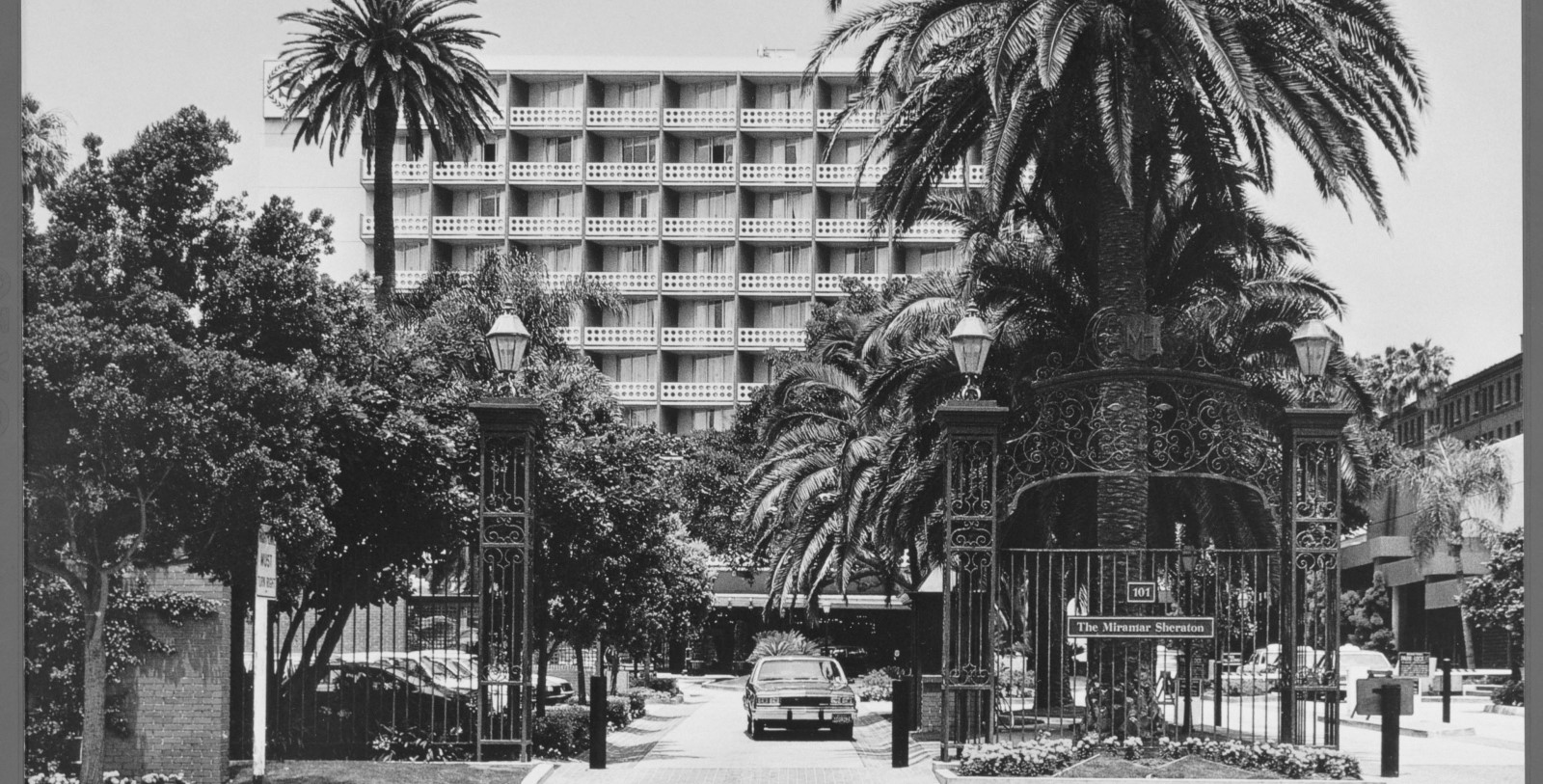
The specific architecture that currently defines the Fairmont Miramar - Hotel & Bungalows can best be described as “Modernist.” Modernist architecture—otherwise known as “modernism”—originally emerged in the early 20th century as a response to the continued industrialization of Western society. Perhaps some of the best known architects to establish this line of thought were Frank Lloyd Wright, Philip Johnson, and Ludwig Mies van der Rohe. The philosophical design principle embraced the ideals of function, simplicity, and rationality, as a way to reject the previous traditional aesthetics of the Victorian Age. But architects also believed that the ostentatious architectural forms of the century prior had failed to address rising social concerns born of industrialization, and desired to create simplistic, yet sleek structures that conveyed a sense of communal purpose. As such, Modernist architecture specifically called for the elimination of ornamentation from the exterior of a building’s outward appearance, instead adopting a steel frame lined with large windows and open entryways. Building materials such as concrete and metal became commonplace, for they represented the idea of modern technological progress. Furthermore, Modernist architects made explicit use of vertical lines and rectangular shapes to showcase a sense of symmetry. Inside, Modernist buildings featured wide, open spaces filled with natural light that represented practicality and comfort. And despite its early origins, Modernism continues to be among the most extensively used architectural styles today.
Famous Historic Guests
- Anthony Quinn, actor known for his roles in such films like Zorba the Greek, The Guns of Navarone, and La Strada.
- Betty Grable, actress known for her roles in such films like Mother Wore Tights and How to Marry a Millionaire.
- Cary Grant, actor known for his roles in such films like To Catch a Thief, Charade, and North by Northwest.
- Claudette Colbert, actress best remembered for her roles in It Happened One Night, Cleopatra, and The Palm Beach Story.
- Dick Van Dyke, actor best remembered for his sitcom, The Dick Van Dyke Show.
- Doris Day, actress and singer remembers for her roles in The Man Who Knew Too Much, Pillow Talk, and Calamity Jane.
- Gloria Swanson, actress known for her roles in such films like Sunset Boulevard, Sadie Thompson, and Queen Kelly.
- Greta Garbo, actress known for her roles in Grand Hotel, Romance, and Anna Christie.
- Humphrey Bogart, actor known for his roles in movies like Casablanca, The Maltese Falcon, and The Big Sleep.
- Jean Harlow, actress known for her roles in such films like Red Dust, Dinner at Eight, and Hell’s Angels.
- Jean Simmons, actress known for her roles in such films like Hamlet (1943), Spartacus, and Guys and Dolls.
- Jimmy Stewart, actor known for his roles in such films like Mr. Smith Goes to Washington, The Man Who Shot Liberty Vance, and It’s a Wonderful Life.
- Lana Turner, actress known for her roles in The Postman Always Rings Twice, Peyton Place, and The Bad and the Beautiful.
- Marilyn Monroe, actress known for her roles in Bus Stop and Some Like It Hot.
- Paul Newman, actor known for his roles in such films like Cool Hand Luke, The Sting, and Butch Cassidy and the Sundance Kid.
- Randolph Scott, actor known for his roles in such films like Ride Lonesome, The Tall T, and Ride the High Country.
- Stewart Granger, actor known for his roles in such films like Scaramouche, Old Surehand, and King Solomon’s Mines.
- Susan Hayward, actress known for her roles in such films like I Want to Live, I’ll Cry Tomorrow, and Smash-Up, the Story of a Woman.
- Louis Jordan, musician best remembered as “The King of the Jukebox.”
- Eleanor Roosevelt, First Lady to former President Franklin Delano Roosevelt (1933 – 1945)
- Earl Warren, 14th Chief Justice of the United States Supreme Court (1953 – 1969)
- John F. Kennedy, 35th President of the United States (1961 – 1963)
- Bill Clinton, 42nd President of the United States (1993 – 2001)
Film, TV and Media Connections
- The Blue Dahlia (1946)
- Let’s Make It Legal (1951)
- That Touch of Mink (1962)
- Hold On (1966)
- The Domino Principle (1977)
- Columbo: Identity Crisis (1975)
- Starsky and Hutch: Ninety Pounds of Trouble (1979)
- Simon and Simon: Earth to Stacey (1982)
- Knots Landing: Negotiations (1984)
- Entourage: First Class Jerk (2008)
- Fracture (2007)