
History
Discover the Hotel Monteleone, a Beaux-Arts-style hotel proudly maintained by several generations of a Sicilian American family.
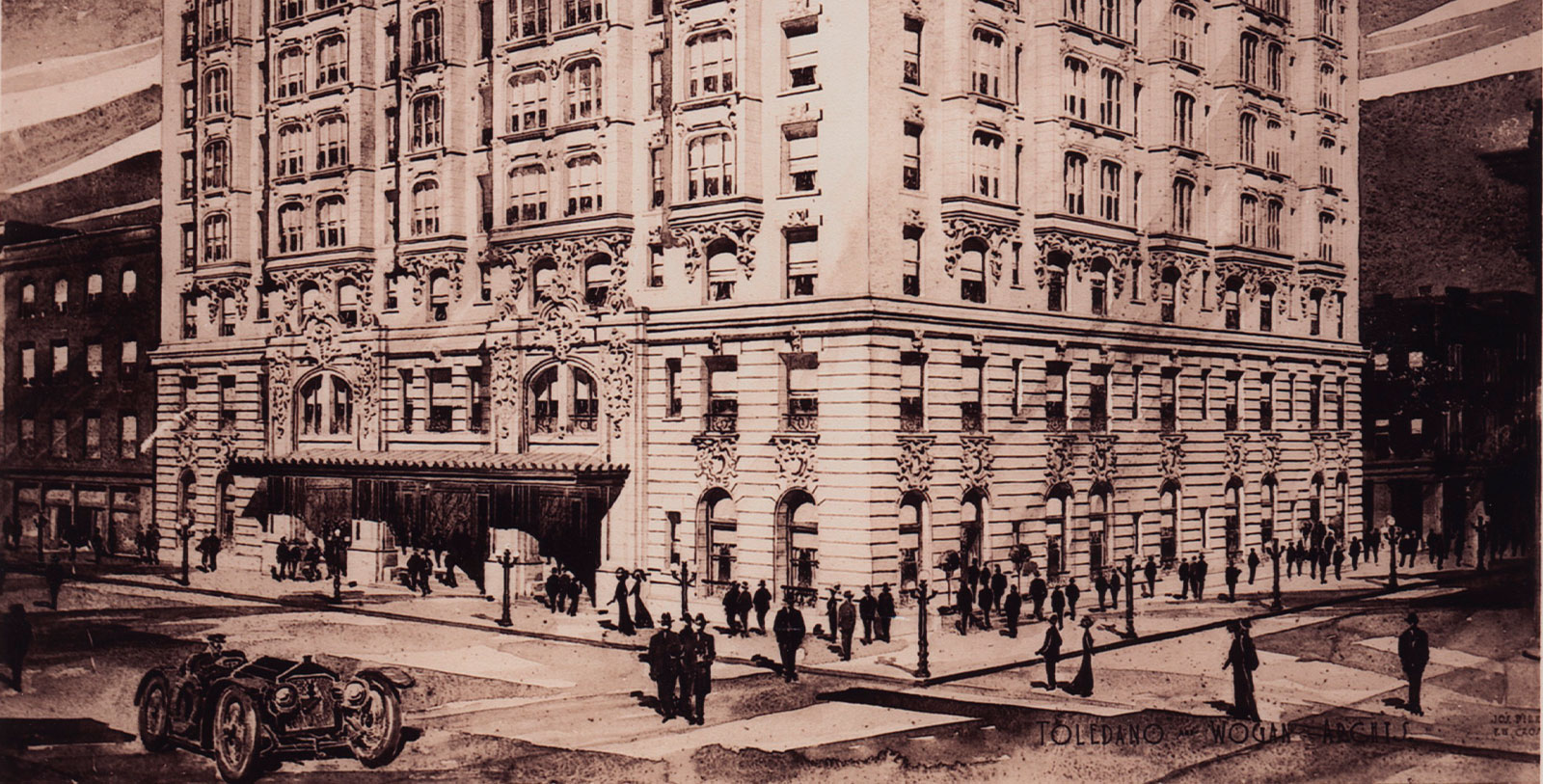
Hotel Monteleone in New Orleans has been operated by five generations of the Monteleone family, since Antonio Monteleone debuted the business back in 1886. He originally arrived in the United States six years prior to opening his grand hotel, having immigrated to the country from his native Sicily. Monteleone was one of many thousands of Italian immigrants that traveled to New Orleans during America’s Gilded Age. By end of the 19th century, he had become part of a vibrant Italian American community that had firmly established itself within the French Quarter. A cobbler by trade, Monteleone made a name for himself in New Orleans by repairing and manufacturing shoes from his shop along Royal Street. He saw a chance for true greatness when a neighboring hotel went for sale further down the road. Jumping at the opportunity, Monteleone bought the quaint Commercial Hotel that occupied the 200 block of Royal Street.
Under Antonio Monteleone’s leadership, the hotel quickly became one of the excellent Grand Dames of New Orleans. Many of the country’s most illustrious guests soon stayed at the hotel at one point or another, which garnered it great national prestige. To address the mounting interest in the hotel, Monteleone initiated a series of expansive renovations over the next two decades that saw the addition of 330 more accommodations. He decided to rename the building “Hotel Monteleone”. Frank Monteleone took over the business following his father’s death in 1913, constructing another 200 additional guestrooms amid the New Orleans jazz craze that defined the Roaring Twenties. Frank and his family managed to successfully guide the Hotel Monteleone through the economic tumult of the Great Depression, where it emerged as one of the few independent hotels to survive the crisis.
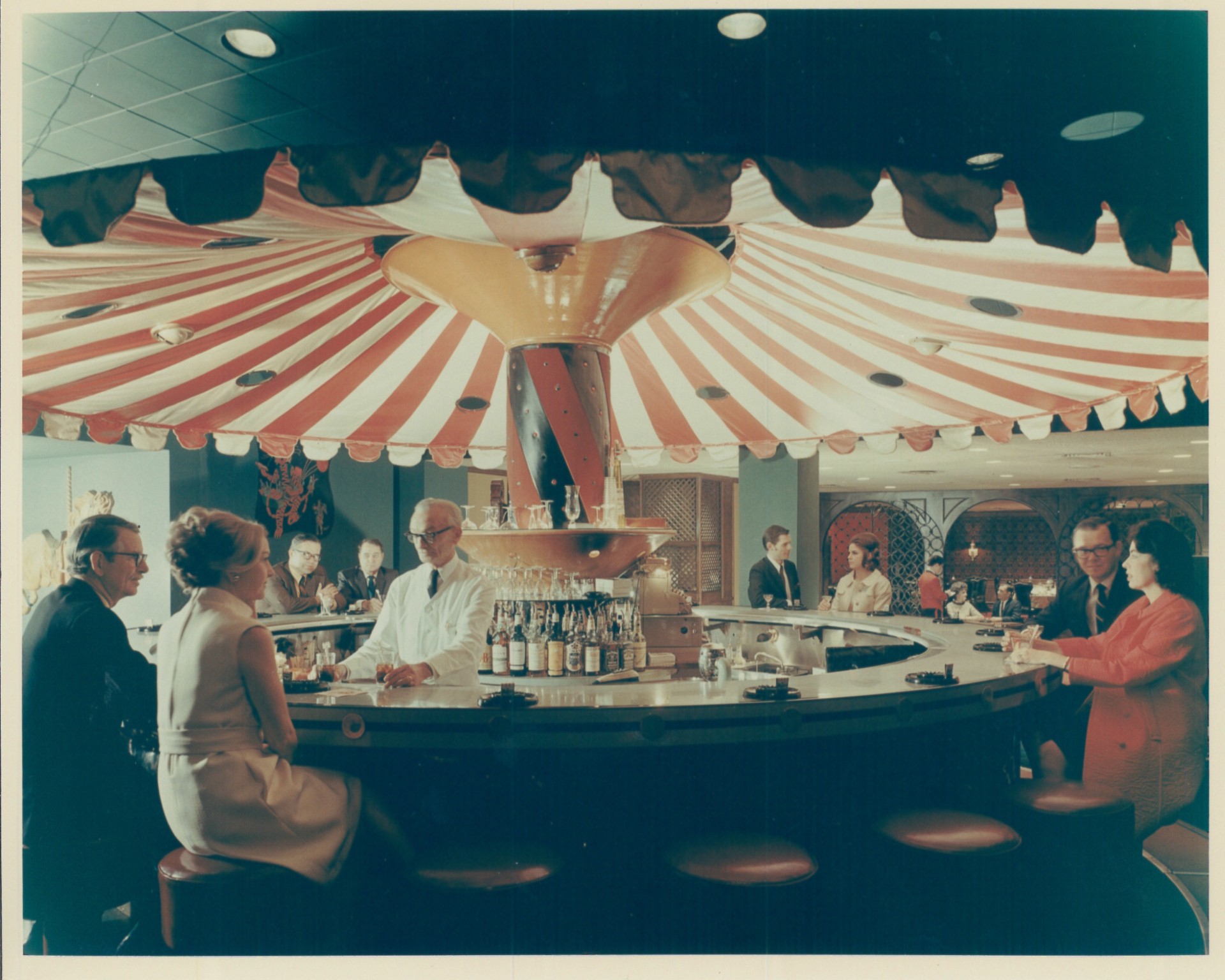
The Monteleones began another series of extensive renovations shortly after the conclusion of World War II, beginning with the creation of the Carousel Bar & Lounge in 1949. Built inside the hotel’s former Swan Room, the venue quickly became famous for its slowly rotating bar. Later editions saw its transformation to resemble an ostentatious merry-go-round. The family oversaw the creation of many beautiful ballrooms, dining rooms, and cocktail lounges. The final round of construction work concluded in 1964, when the Monteleones developed even more luxurious guestrooms, as well as the magnificent Sky Terrace. Hotel Monteleone achieved many significant accolades in recent years, joining Historic Hotels of America in 2007. This fantastic destination has earned the praise of the American Automobile Association, which has bestowed its coveted Four-Diamond award upon the hotel numerous times.
Throughout its history, Hotel Monteleone has been a popular haunt for many prominent southern authors and playwrights. The great William Faulkner honeymooned at the hotel with his wife, Estelle, in 1929. It was during this trip to the Hotel Monteleone that Faulkner penned his renowned novel, "The Sound and the Fury". Other illustrious writers penned some of their most celebrated works while staying for extended periods of time inside the hotel. Tennessee Williams authored his renowned book "The Rose Tattoo" at the Hotel Monteleone, while Ernest Hemingway used various locations throughout building as the setting for his short story, “Night before the Battle.” Hotel Monteleone has appeared in the works of different writers since, including Erle Stanley Gardner’s "Owls Don’t Blink" and Eudora Welty’s "A Curtain of Green". But some writers merely stopped by just to enjoy themselves. Truman Capote was a regular at the Carousel Bar, where he jokingly told its patrons that he had been born inside the establishment. As such, the Friends of the Library Association designated the hotel as one of its official literary landmarks in 1999.
Hotel Timeline
The Location
Hotel Monteleone is located in the heart of the Vieux Carré, otherwise known more popularly as the French Quarter. A National Historic Landmark, the French Quarter was first established in 1718 by French colonials under the direction of the Mississippi Company. These aspiring settlers were led to the region by Jean-Baptiste Le Moyne de Bienville, who would serve as the local colonial governor for much of the early 18th century. The French Crown intended for the new settlement to operate as an important regional port that controlled trade throughout the Mississippi Delta. After navigating the local coastline for several weeks, Bienville and his compatriots found a section of high ground above the Mississippi River that offered natural protection from flooding waters, as well as incursions against English and Spanish privateers. They named their new community “La Nouvelle-Orléans” in honor of the Duke of Orleans, a nephew of King Louis XIV.
La Nouvelle-Orléans evolved into New Orleans, the capital of the French colony of Louisiana. France lost control over the city for a time during the late 18th century, when the French were forced to cede the colony to the Spanish following the Seven Years War. Yet, the Spanish gave New Orleans back to the French in 1800 at the height of the Napoleonic Wars. The town and the surrounding parishes were then part of the Louisiana Purchase, in which Emperor Napoléon Bonaparte sold 828,000 square miles of French-controlled territory in central North America to U.S. President Thomas Jefferson. The city subsequently became the capital for the new state of Louisiana in 1812, rapidly evolving into the most important port in the southern United States. This growth was offset temporarily with the War of 1812, with New Orleans becoming a battleground. It was the site of the famous Battle of New Orleans, where future president Andrew Jackson defeated the British in an incredibly lopsided victory.
New Orleans’ significance as a commercial port made it a highly valuable strategic point of interest for both the Union and Confederacy during the American Civil War. Both armies fought over the city early in the war, with the United States Navy forcing local Confederate units from the area in early 1862. It later became the base for future operations by the Union in the Mississippi Delta for the conflict. After hostilities ended between the two sections in 1865, New Orleans resumed its national status as a premier port city. It even served as an integral part of the national war effort in World War II, where it became the site for the development of the crucial Higgins Boat. New Orleans has since emerged as one of the nation’s most popular tourist destinations, with millions visiting every year. The most popular attraction is the original French Quarter and its celebrated landmarks, such as Jackson Square, St. Louis Cathedral, and Bourbon Street. All these fantastic sites wonderfully represent the original French heritage of the Vieux Carré.
The Architecture
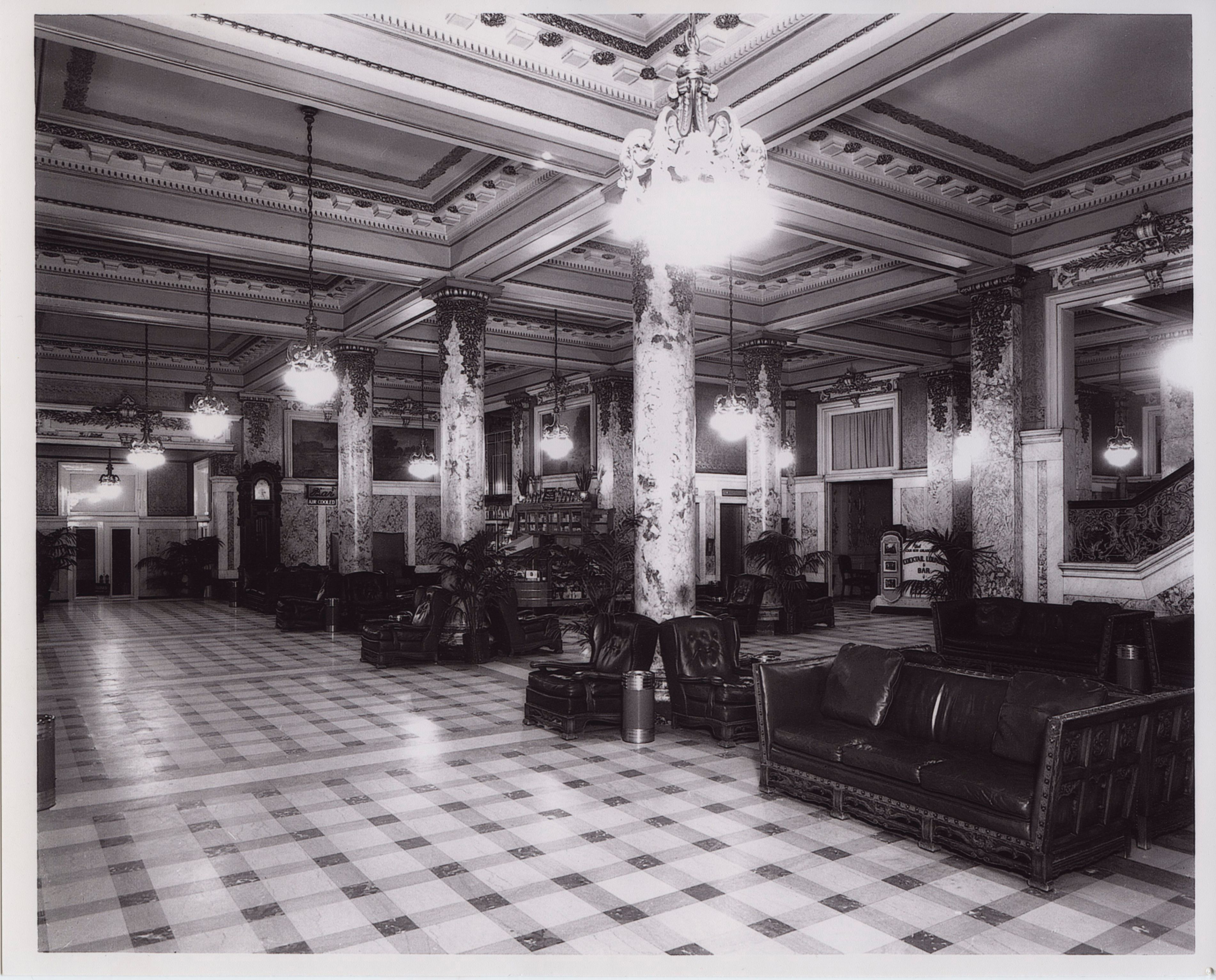
Hotel Monteleone displays Beaux-Arts-style architecture, which became widely popular in Gilded Age America. This beautiful architectural form originally began at an art school in Paris known as the École des Beaux-Arts during the 1830s. There was much resistance to the Neoclassism of the day among French artists, who yearned for the intellectual freedom to pursue less rigid design aesthetics. Four instructors in particular were responsible for establishing the movement: Joseph-Louis Duc, Félix Duban, Henri Labrouste, and Léon Vaudoyer. The training that these instructors created involved fusing architectural elements from several earlier styles, including Imperial Roman, Italian Renaissance, ad Baroque. As such, a typical building created with Beaux-Arts-inspired designs would feature a rusticated first story, followed by several more simplistic ones. A flat roof would then top the structure. Symmetry became the defining character, with every building’s layout featuring such elements like balustrades, pilasters, and cartouches. Sculptures and other carvings were commonplace throughout the design, too. Beaux-Arts only found a receptive audience in France and the United States though, as most other Western architects at the time gravitated toward British design principles.
Famous Historic Guests
- Ernest Hemingway, celebrated author known for writing such books like A Farwell to Arms and The Old Man and the Sea.
- William Faulkner, famous author known for writing such works like As I Lay Dying, Sanctuary, and The Sound of Fury.
- Tennessee Williams, renowned playwright known for writing such productions like The Glass Menagerie, Cat on a Hot Tin Roof, and A Streetcar Named Desire.
- Eudora Welty, famous author known for writing such works like A Curtain of Green and The Optimist’s Daughter.
- Truman Capote, celebrated author known for such stories as Breakfast at Tiffany’s and In Cold Blood.
- Liberace, renowned musician known for his extravagant performances in Las Vegas.
Film, TV and Media Connections
- Double Jeopardy (1999)
- Food Nation with Bobby Flay (2003)
- Glory Road (2004)
- The Last Time (2005)
- Retirement (2005)
- 12 Rounds (2006)
- PBS: The Carousel Bar (2008)
- NCIS: New Orleans (2015 – 2016)
- Girls Trip (2017)
Guest Historian Series
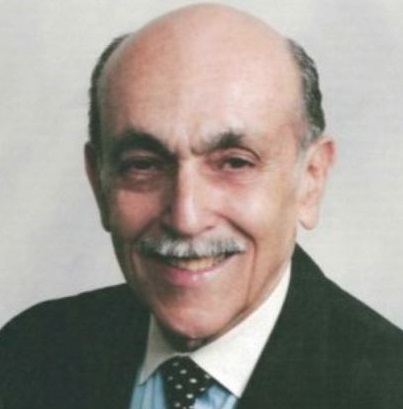
The oldest hotel in the French Quarter is the Monteleone Hotel, with its ornate baroque facade, which was built in 1886 in the Beaux-Arts architectural style. It remains one of the few longstanding family-owned hotels in the U.S.
Antonio Monteleone arrived in New Orleans from Sicily in 1880 and set up his cobbler's shop on Royal Street. In 1886, he bought a small hotel on the corner of Royal and Iberville Streets and merged it with the Commercial Hotel. Since then, the Monteleone family has expanded five times. One of the few family hotels to survive the Depression years, the Hotel Monteleone remained unchanged until the fourth expansion in 1954 when the original building was demolished for a new building that contains guestrooms, ballrooms, dining rooms and cocktail lounges. In 1964, the fifth and final major expansion added more guestrooms, and a Sky Terrace with a swimming pool and cocktail lounge.
Continue Reading