Omni William Penn
Pittsburgh, Pennsylvania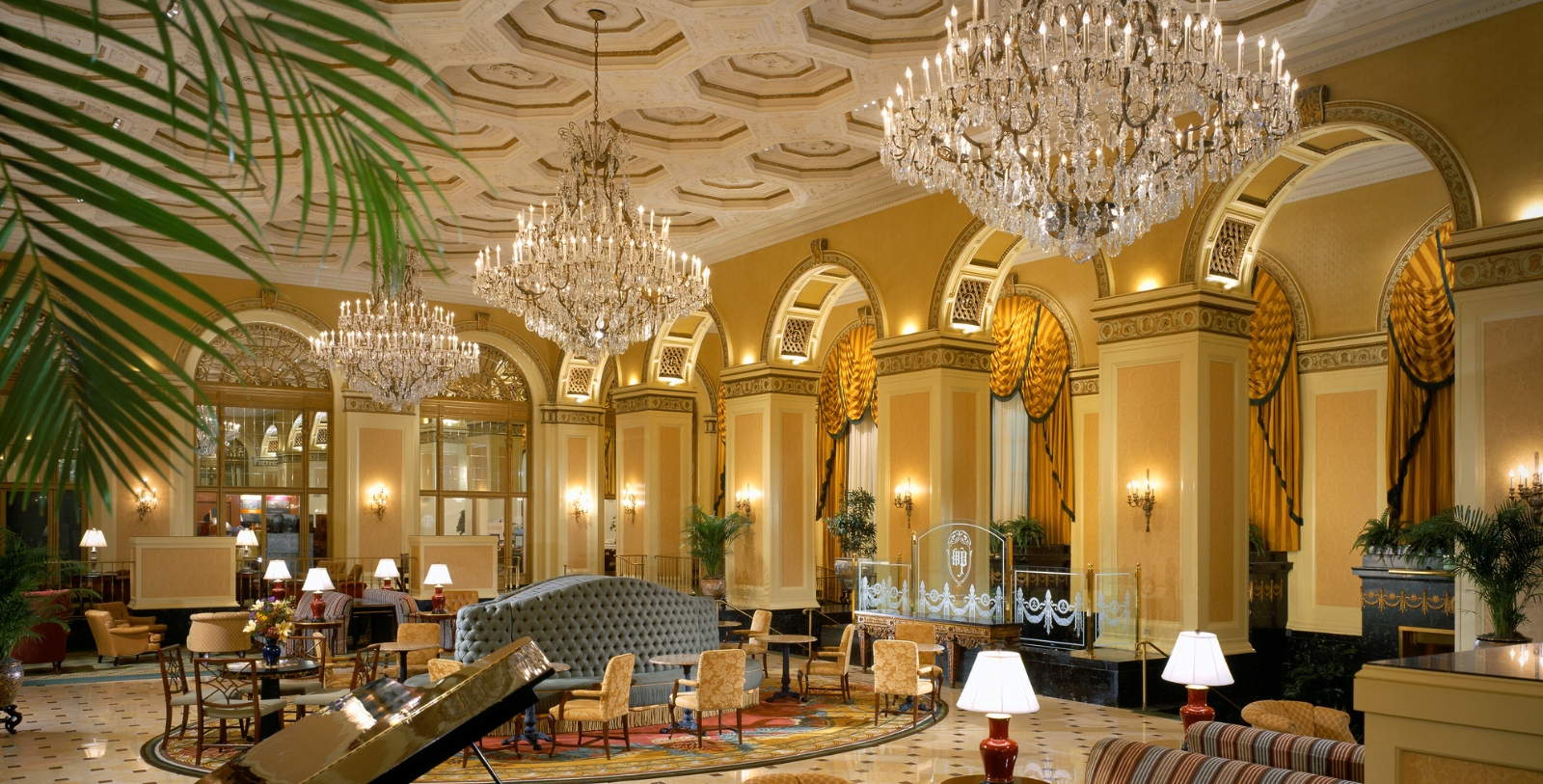
 530 William Penn Place, Pittsburgh, Pennsylvania 15219
Original Property Opened in 1916
Historic Hotels of America member since 2014
530 William Penn Place, Pittsburgh, Pennsylvania 15219
Original Property Opened in 1916
Historic Hotels of America member since 2014
- The 2025 Top 25 Historic Hotels of America® in Film and Television History List Is Announced
- The 2024 Top 25 Historic Hotels of America® Afternoon Tea Experiences List Is Announced
- The 2024 Top 25 Historic Hotels of America® Most Romantic Hotels List Is Announced
- The 2024 Top 25 Historic Hotels of America® Where U.S. Presidents Made History List Is Announced
- The 2021 Top 25 Historic Hotels of America Most Magnificent Gingerbread Displays List Announced






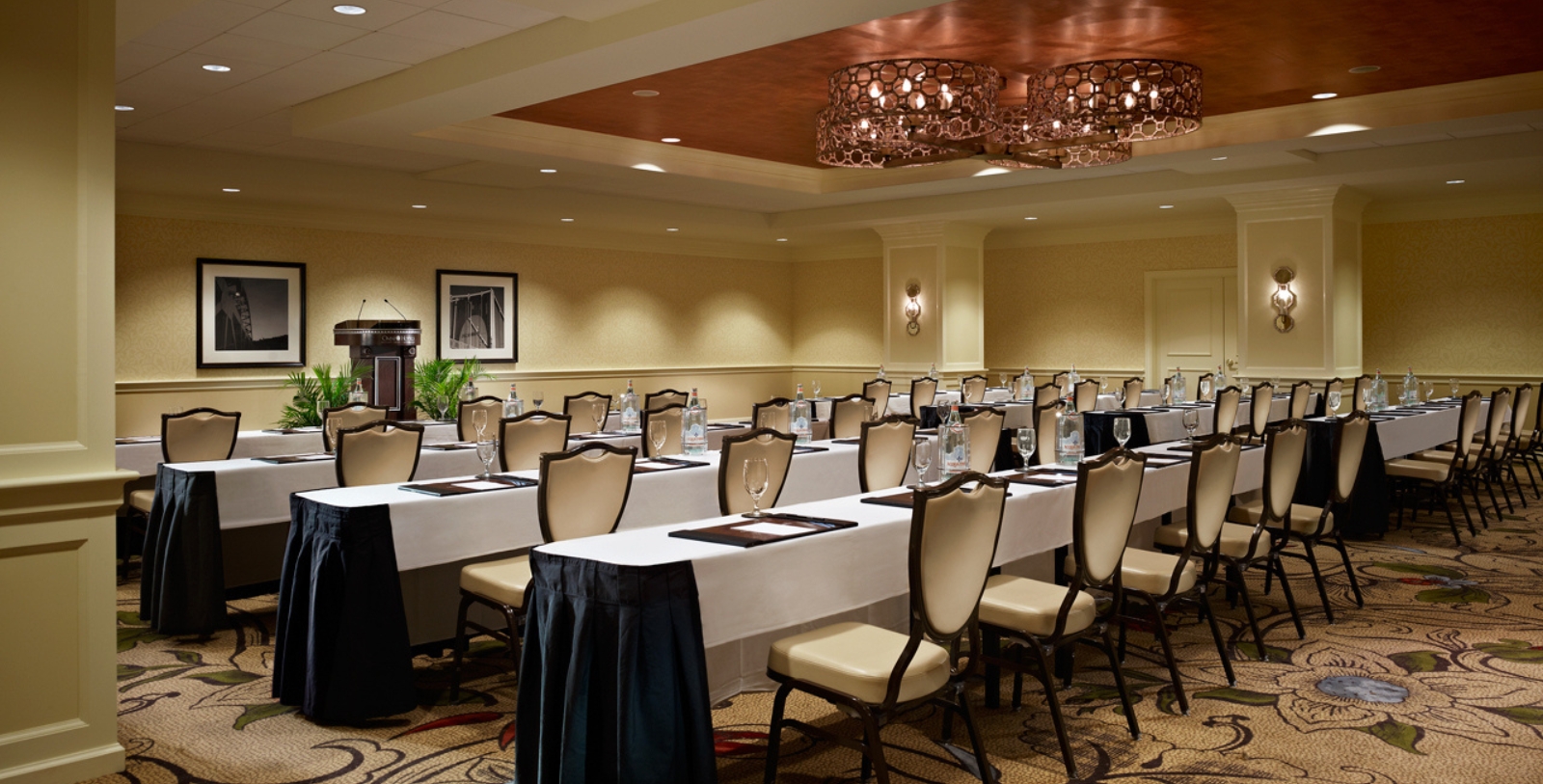
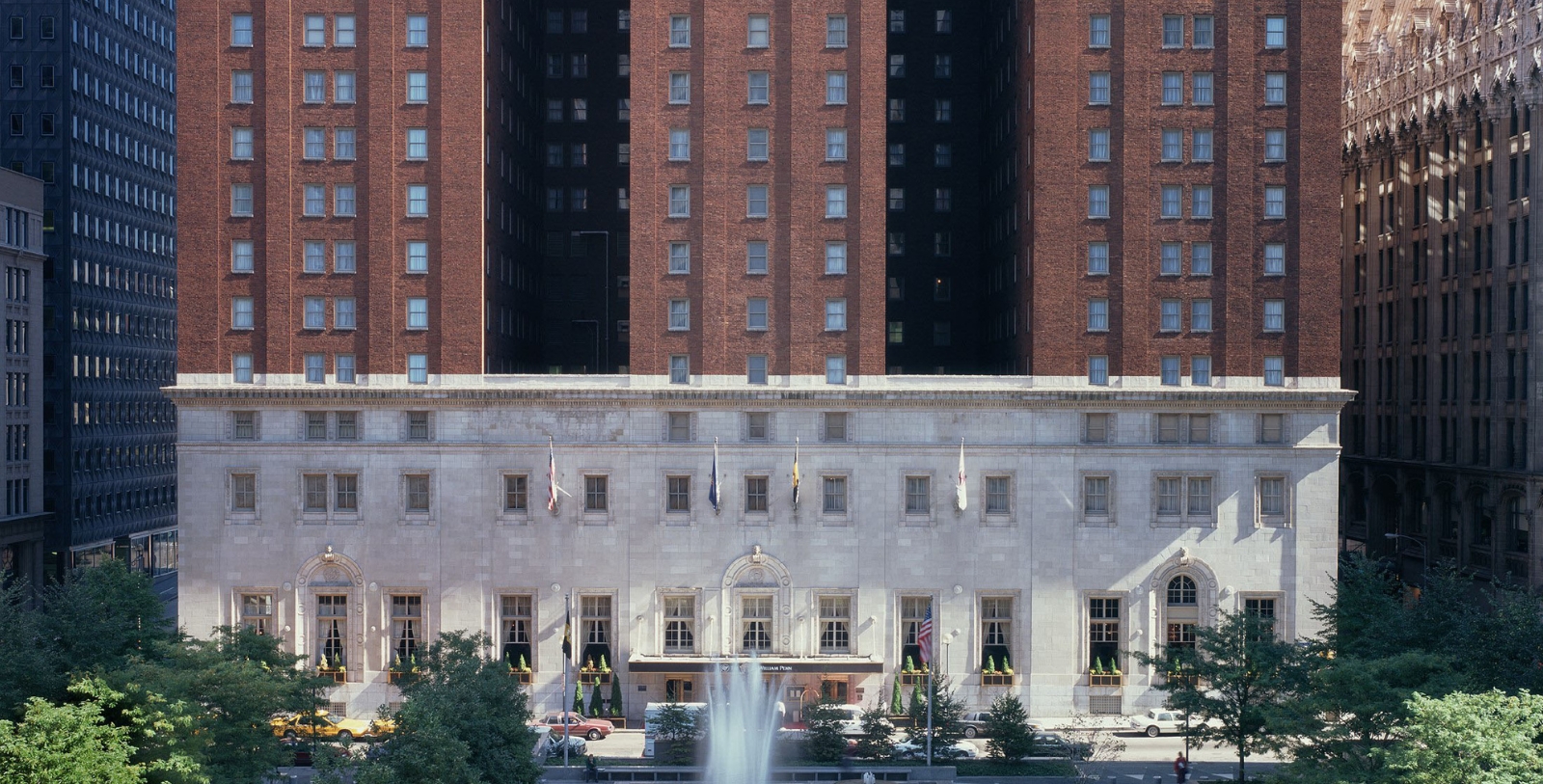
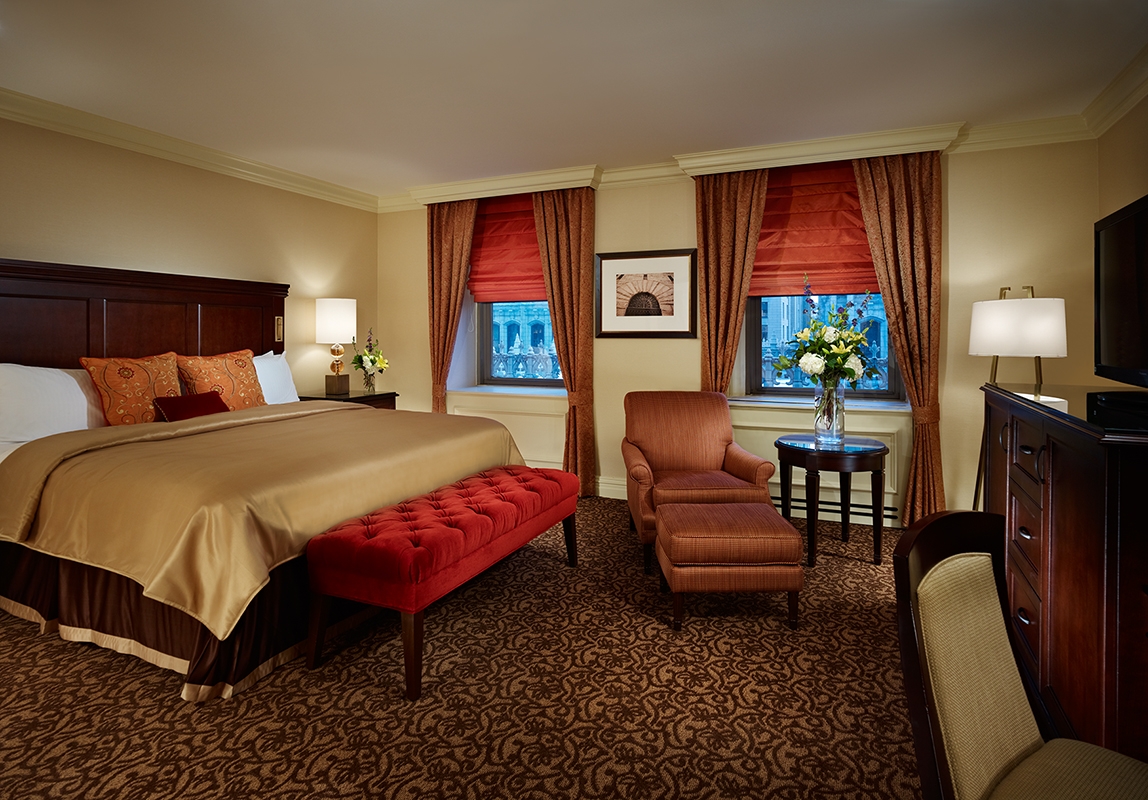
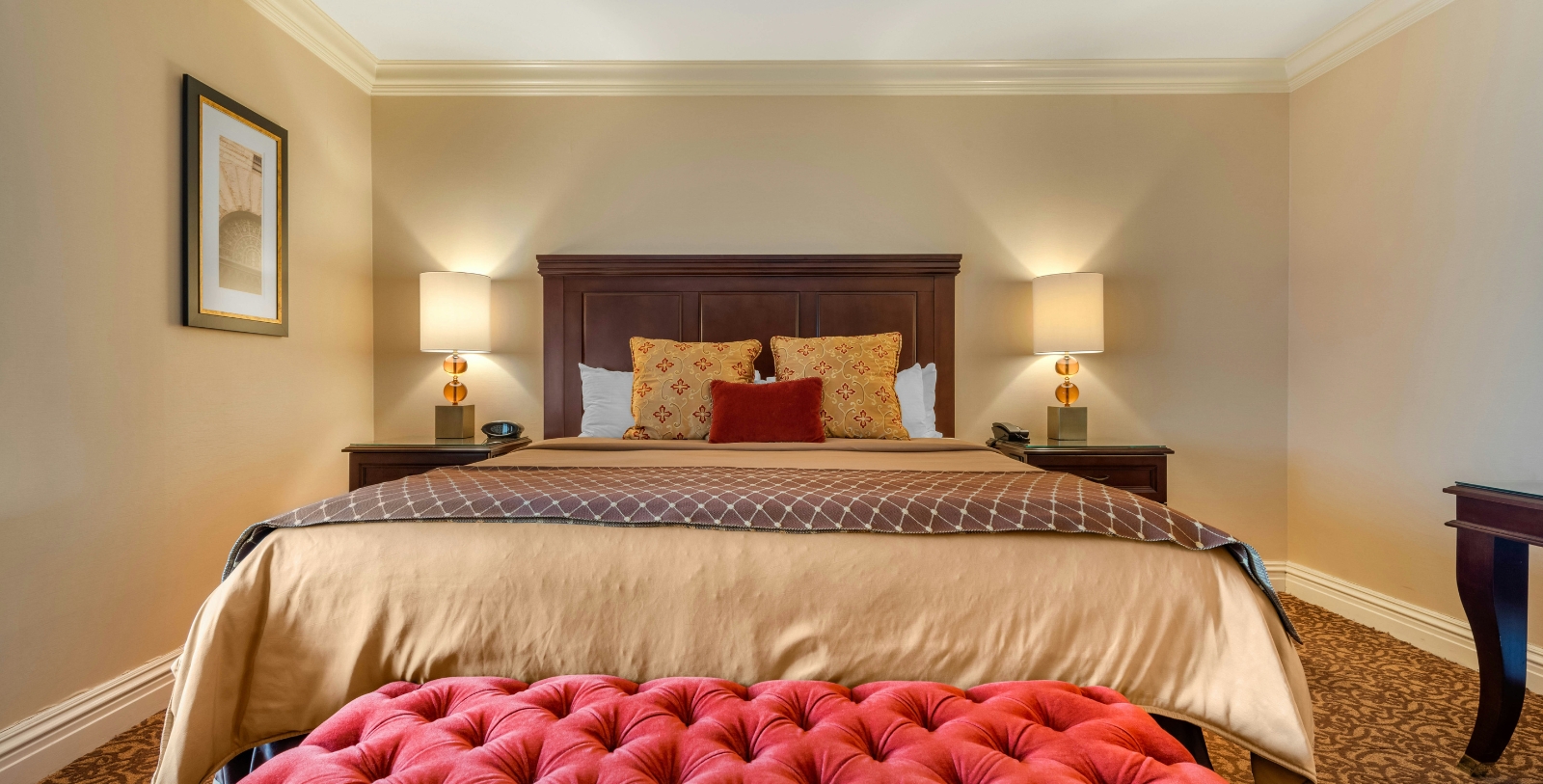
With a blend of classic elegance and modern sophistication, Omni William Penn has served as Pittsburgh’s premier hotel since 1916. Architect Henry Clay Frick envisioned his creation as a showplace that would rival Europe’s most elegant hotels. By 1929, the William Penn had become the largest hotel between Pittsburgh and Chicago and with over 1,000 guestrooms, an elegant Grand Ballroom, and the beautiful Urban Room, it was the region’s busiest convention site. Today, this elegant Grande Dame features 597 beautifully appointed guestrooms, 38 suites, 52,000 square feet of flexible meeting space, and six dining options. It is a perennial favorite of movie stars, politicians, and business leaders worldwide.
Discover
- Discover the dazzling Omni William Penn. After arriving under the porte-cochère, guests are greeted in the opulent lobby by three handmade Bohemian silver crystal chandeliers. The chandeliers are twelve feet high, eight feet wide, and weigh about 500 pounds each. The showstopping fixtures have been the focal point of the hotel lobby since the 1960s.
- Admire the Art Deco style of The Urban Room. The ballroom was designed by and named after Joseph Urban, a renowned costume and set designer for the Metropolitan Opera and the Ziegfeld Follies. The Urban Room is the only survivor of three ballrooms that Urban had designed, one in New York and the other in Chicago. The ballroom is based on a set Urban had designed for the Metropolitan Opera; the walls are black Carrara glass, and on the ceiling is a mural called "The Tree of Life" painted by Urban while lying on scaffolding.
- Discover the steel bridges that connect Pittsburgh across the region and made the city a center of American industry. 446 bridges crisscross the Ohio, Monongahela, and Allegheny Rivers, giving Pittsburgh the name “The City of Bridges.” The most famous bridges, “The Three Sisters,” are a set of identical yellow suspension bridges that have become a beloved symbol of Pittsburgh’s proud heritage. The Three Sisters were built in the 1920s and later each renamed for three area icons: Andy Warhol, Rachel Carsen, and Robert Clemente.
Explore
- Walk along the Three Rivers Heritage Trail, an almost 25-mile multi-use urban rail trail that runs along the riverfront. Or just take a walk, because Market Square (home of the foodie must-try sandwich shop, Primanti Brothers) is just a short stroll away.
- Cross over the Smithfield Street Bridge to Station Square in the South Shore. The South Shore is the home of the Monongahela Incline funicular tram, opened in 1870, that runs up to the top of Mount Washington. There travelers will find shops, restaurants, a beautiful old neighborhood, and spectacular views of Pittsburgh.
- Explore Point State Park. This historic destination is home to a number of fascinating cultural institutions, including the Fort Pitt Museum. The Fort Pitt Museum is the sole remaining section of a British fort that dated to the French and Indian War.
Experience
- Experience vast collections in the four Pittsburgh museums operated by the renowned Carnegie Institute: Carnegie Museum of Natural History, Carnegie Science Center, Carnegie Museum of Art, and The Andy Warhol Museum. The Andy Warhol Museum contains the world's largest collection of artwork created by Pittsburgh’s most famous artist.
- Hear a performance of the Pittsburgh Symphony Orchestra at historic Heinz Hall, or enjoy a musical at the Benedum Center for the Performing Arts. The Byham Theater, built in 1903, features music, film, and dance performances. There are over 1,500 shows per year in the district’s six theaters, and many restaurants, shops, and art galleries to enjoy.
- Tour the Senator John Heinz History Center. This city museum features six floors of exhibits that chronicle Pittsburgh's extensive history. A museum for the people, the Detre Library & Archives at the History Center is available to research family history, while exhibitions and programs highlight the region’s tribal history and treasures from Pittsburgh’s past.
Taste
- Delight in the cuisine and historic elegance of the hotel's Terrace Room, with its mahogany arches, original molded plaster ceiling, and the stunning mural, "The Taking of Fort Pitt," on the back wall. The bustling breakfast and lunch spot becomes a quiet candlelit dinner venue known for its award-winning "New Traditional" fare.
- Sample the delicious fare at one of the hotel’s neighbors. The Commoner, Union Standard & Talia are all warm and inviting and just one block on either side of the hotel. Pittsburgh was rated #1 Food City by Zagat, and its great downtown restaurants provide the proof.
- Head over to the Strip District and enjoy breakfast all day at Deluca's Diner, or try their version of a Philly cheesesteak—"Da Burgh," sliced steak or chicken, provolone, onions, roasted red and green peppers, and their special sauce, served on a MANCINI'S sub roll (bakery products so good, their name is spelled in all caps!)
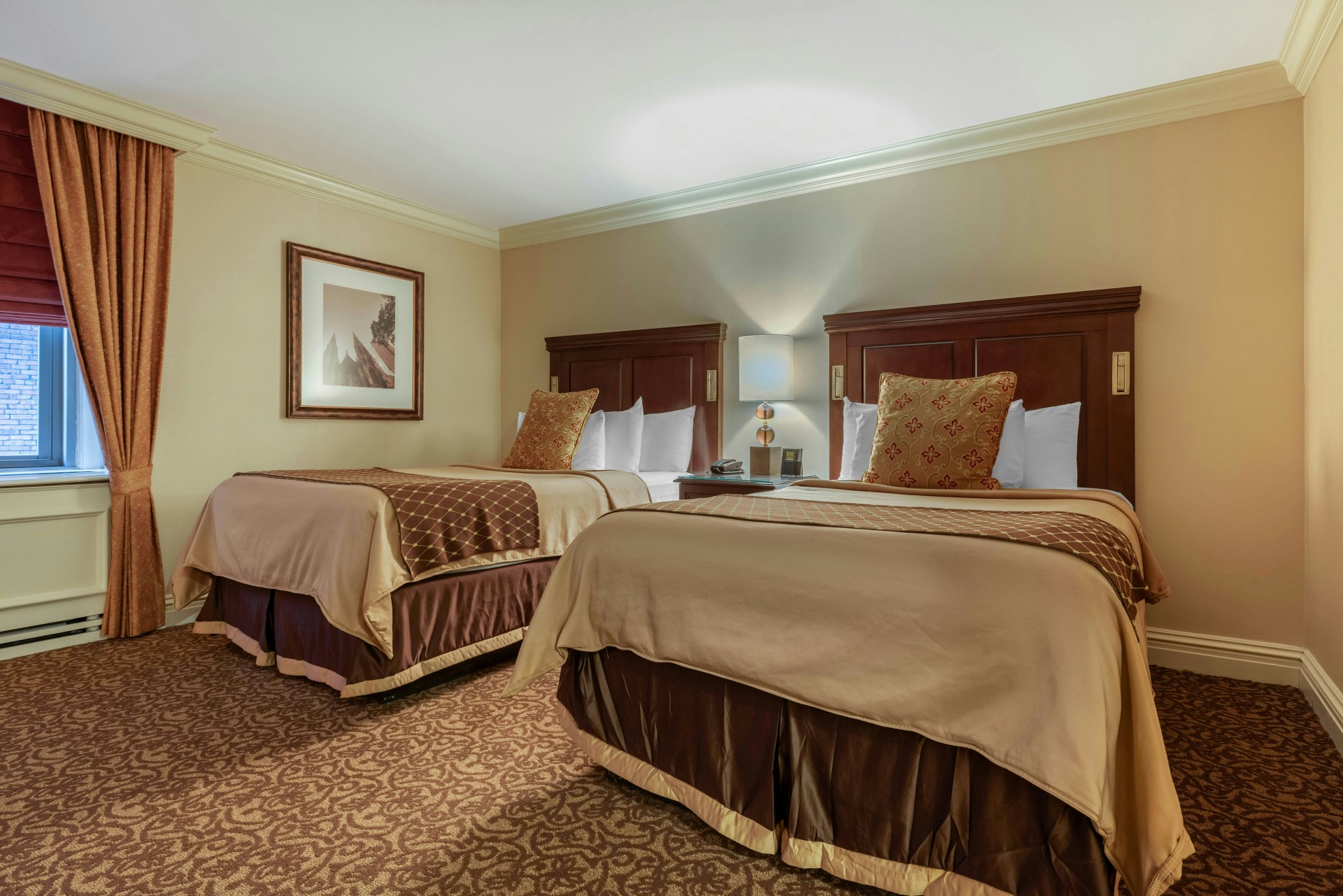
FEATURED ACCOMMODATIONS
Featured Offers
Book the Best Available Rate at this property on HistoricHotels.org and receive a complimentary one-year family membership (a $30 value) to the National Trust for Historic Preservation.