
History
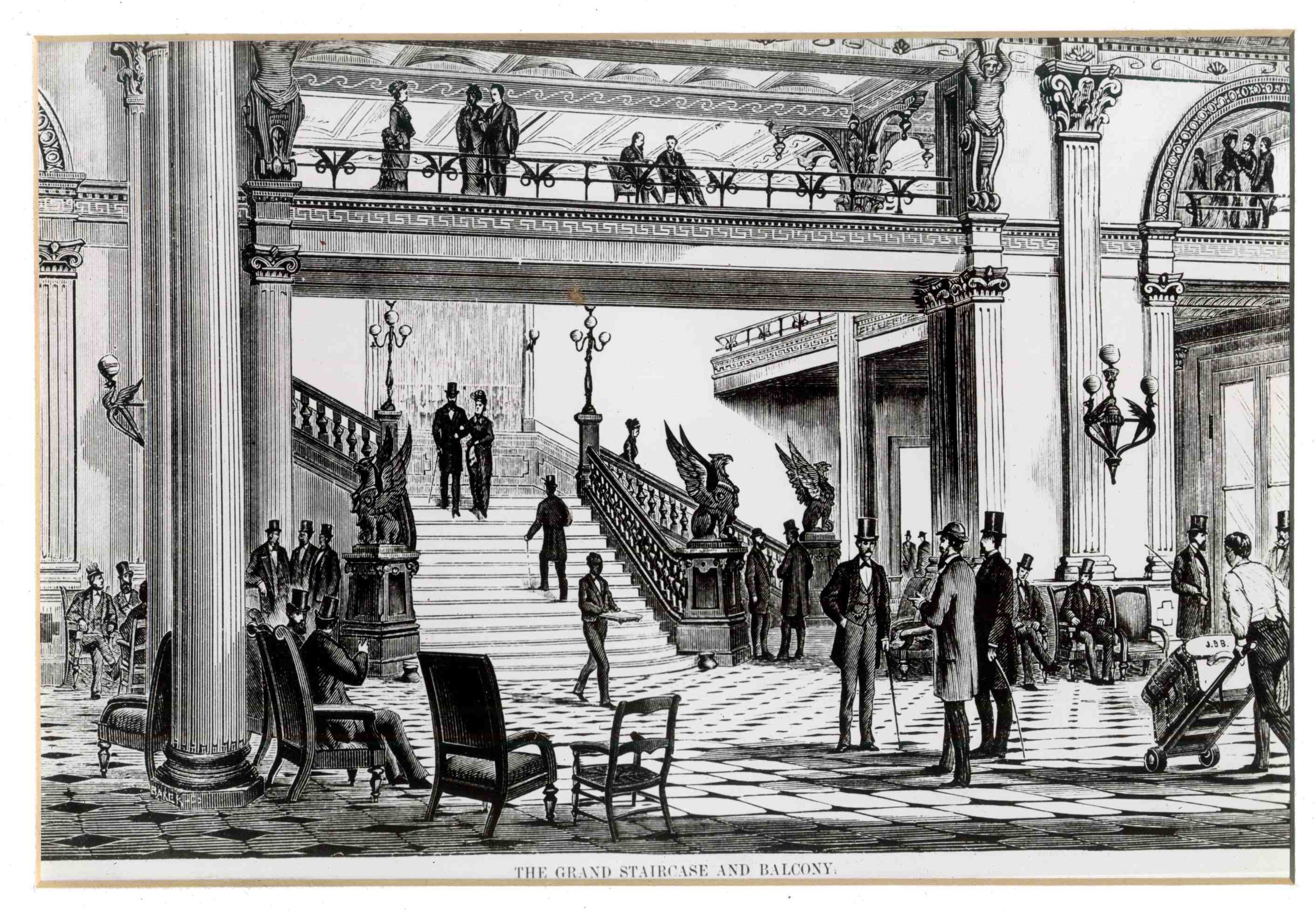
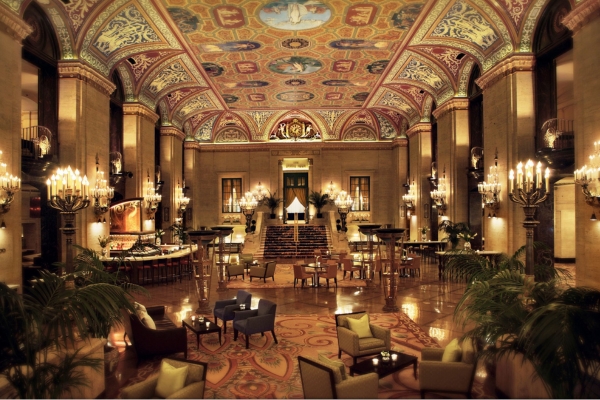
Discover the Palmer House A Hilton Hotel - America's longest operating hotel. Its luxury showcases a two-story, gilded lobby with a formal staircase, marble-topped tables, velvet seating, and a ceiling mural depicting Greek mythology.
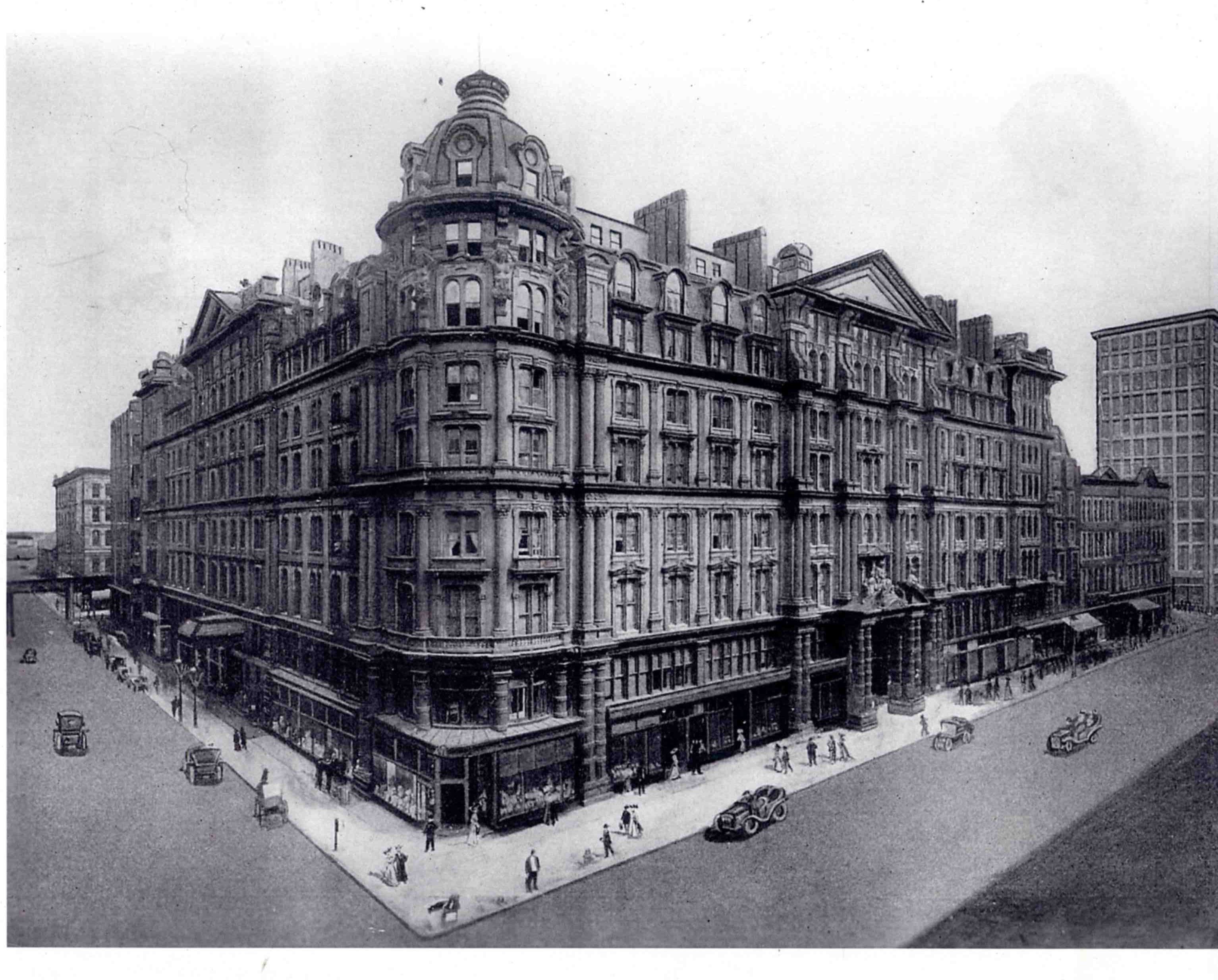
The history of Palmer House®, A Hilton Hotel begins as a true love story. Known for his significant role in the development of Chicago's celebrated State Street, prominent businessman Potter Palmer was introduced to socialite and philanthropist Bertha Honore by former partner Marshall Field. Both strong-willed and respected leaders of Chicago society, Potter and Bertha ignited a romance that led to an eventual engagement and one of the most extravagant wedding gifts of all time: The Palmer House. Built on the corner of State and Monroe streets in Chicago's notable Loop District, the Palmer opened on September 26, 1871. Unfortunately, just 13 days after its grand opening, the hotel fell victim to the Great Chicago Fire and burned down. Determined to rebuild his grand hotel, Potter immediately began reconstruction with a $1.7 million signature loan—believed to be the largest individual loan at that time. On November 8, 1873, The Palmer House reopened, marking what would become the longest continually operating hotel in America. Designed by architect John M. Van Osdel, the new Palmer House was known for its sumptuous accommodations and boasting every luxury amenity of the day; the floor of the Palmer House’s barber shop was said to have been tiled in silver dollars.
For fifty years, the hotel was a mecca for Chicago society and visiting luminaries such as Ulysses S. Grant, Mark Twain, Charles Dickens, and Oscar Wilde. After befriending Claude Monet, Bertha began decorating the Palmer House with paintings and other French artwork, eventually accumulating the largest collection of impressionist art outside of France. The Palmer House was adorned with garnet-draped chandeliers, Louis Comfort Tiffany masterpieces, and a breathtaking ceiling fresco by French painter Louis Pierre Rigal. The fresco was described by columnist George Will as “a wonderful protest of romance against the everydayness of life.” By the 1920s, the decision was made to erect a new 25-story building. Between 1924 and 1927, the Palmer House was rebuilt on the same site but in stages, so not to lose a single day of operations. The hotel was purchased in 1945 by legendary hotelier Conrad Hilton and it remains one of the company’s flagship properties. Today, the Palmer House remains an iconic fixture of Chicago and it's Loop District as the vibrant city continually expands and evolves.
Hotel Timeline
The Location
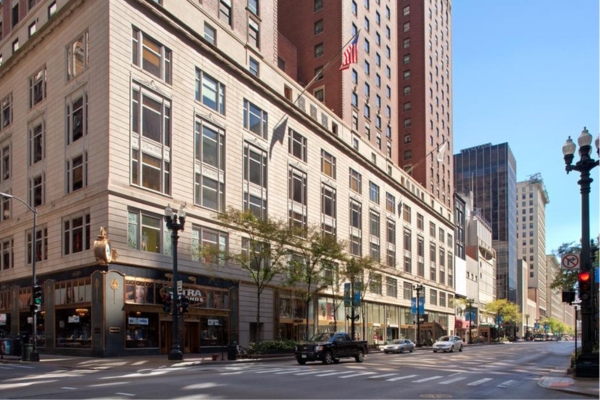
The Palmer House®, A Hilton Hotel is located in The Loop, which is home to Chicago’s commercial core. Listed on the National Register of Historic Places, The Loop is also the second largest commercial neighborhood in the entire country. The intersection of Madison and State Street serve as the center of The Loop, as well as the entire City of Chicago following the realignment of its street grid in 1909. Potter Palmer actually made his initial fortune by developing much of State Street during the late 19th-century. The history of The Loop goes much further back to 1803 though, when the young United States Army founded Fort Dearborn in the vicinity of the DuSable Bridge. The Potawatomi destroyed the first iteration of the fort during the War of 1812, only for it to be rebuilt four years later. A small settlement quickly grew around the second fort, which formed the nucleus of The Loop over the next several decades. But the fort—as well as the rest of early Chicago—were destroyed during the Great Chicago Fire of 1871. Yet, the present-day version of The Loop rose from the ashes of that catastrophe. Thanks in large part to the efforts of enterprising entrepreneurs like Potter Palmer, The Loop subsequently evolved into one of the most celebrated commercial centers throughout the whole world.
The Architecture
When Potter Palmer sought to rebuild his earlier hotel following the Great Chicago Fire of 1871, he employed architect John Mills Van Osdel to head the project. Often regarded by historians as the first “Chicago School” architect, Van Osdel was responsible for designing a number of noteworthy buildings throughout the city, including Tremont House and the Page Brothers Building. Potter tasked the talented architect to realize his grand vision of creating an extraordinary luxury hotel in downtown Chicago. The hotel stood as an engineering marvel when construction finally concluded four years later. Standing seven-stories tall, Van Osdel had largely relied on durable materials—such as iron and brick—to build Palmer’s masterpiece. So proud was Palmer that he touted the structure was the world’s only fireproof hotel.
Both Potter and Bertha Palmer had passed away by the 1920s and control of the Palmer House fell to their estate. Due to the ever-increasing number of travelers arriving in Chicago at that time, the Palmer Estate decided to raise a new, larger hotel on the site of Van Osdel’s structure. The group hired a team of architects from Holabird & Roche to design the building, which included a young Richard Neutra in a junior role. By the time Holabird & Roche finished their work in 1925, the third Palmer House was three times taller than its previous counterpart. The current building underwent another renovation more recently between 2007 and 2009. The architectural firms of Loebl Schlossman & Hackl and David Fleener Architects oversaw the full restoration, which sought to restore the hotel’s unique historical charm.
Perhaps the most striking architectural feature in the current Palmer House is the gorgeous ceiling in its central lobby. Many compared it to that of the Sistine Chapel of Saint Peter’s Basilica in Rome. Measuring in at 28-feet high and 50-feet by 28-feet wide, it is approximately the size of a basketball court. These 21 distinct pieces of artwork were completed in Paris in 1926 by Louis (Pierre) Rigal. Three large circular panels illustrate classic romantic scenes from Greek mythology. Depicting Aphrodite, the goddess of love; Apollo, the god of sun, music, and poetry in his pursuit of Daphne; and the god Pluto in his pursuit of Persephone. There are nine vertical paintings of the Muses where each Muse depicts a joy of life. The 16 plaster frescos that frame the ceiling are done in the style of the 15th century Della Robbia family in the colors of Wedgewood blue, cinnabar, and celadon. The paintings that adorn the ceiling were completed in 1917 in France and later installed in the hotel’s ceiling in 1927.
Famous Historic Events
Founding of the Big Ten Conference (1895): When several universities gathered at the Palmer House, they set into motion the founding of one of the most prestigious collegiate athletic conferences in the United States. The Big Ten Conference is also the most historic throughout the entire nation, predating the National Collegiate Athletic Association (NCAA) by a decade. James H. Smart, then President of Purdue University invited representatives and academics from six other Midwestern schools to discuss the formation of a intercollegiate body that could regulate their shared athletic competitions. The schools that originally attended were the University of Chicago, the University of Illinois, the University of Michigan, the University of Minnesota, Northwestern University, and the University of Wisconsin. Including the seven universities that joined later on, teams in the Big Ten Conference have won more than 300 NCAA titles among the 14 different sports within which they collectively participate.
Famous Historic Guests
- Mark Twain, renowned author known for writing The Adventures of Tom Sawyer and Adventures of Huckleberry Finn.
- L. Frank Baum, celebrated author of The Wonderful Wizard of Oz.
- Oscar Wilde, poet and playwright known for writing such works as The Importance of Being Earnest.
- Sarah Bernhardt, renowned French stage actress.
- Eleonora Duse, famous Italian actress.
- Judy Garland, renowned actress and singer known for her roles in A Star is Born, Meet Me in St. Louis, and The Wizard of Oz.
- Ella Fitzgerald, famous singer often regarded as “First Lady of Song” or the “Queen of Jazz.”
- Harry Belafonte, singer known for his album Calypso.
- Louis Armstrong, renowned jazz musician regarded as one of the most influential figures in the genre.
- Frank Sinatra, celebrated actor and singer who sold over 150 million records worldwide.
- Yvette Guilbert, famous French cabaret singer.
- Liberace, renowned musician known for his extravagant performances in Las Vegas.
- William Jennings Bryan, renowned politician from Nebraska during the Gilded Age.
- Ulysses S. Grant, 18th President of the United States (1869 – 1877).
- James Garfield, 20th President of the United States (1881).
- Grover Cleveland, 22nd and 24th President of the United States (1885 – 1889 & 1893 – 1897).
Film, TV and Media Connections
- Curly Sue (1991)
- Miracle on 34th Street (1994)
- The Relic (1997)
Guest Historian Series
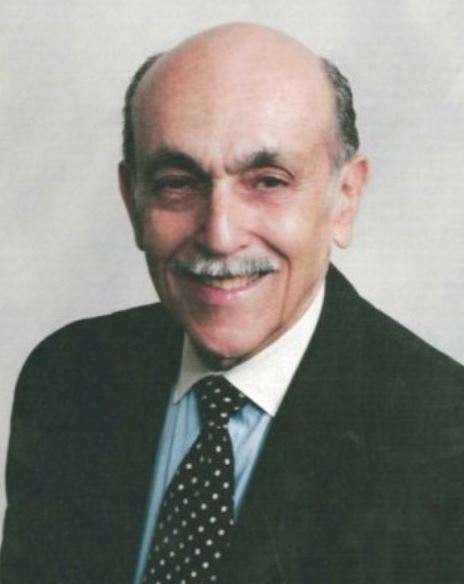
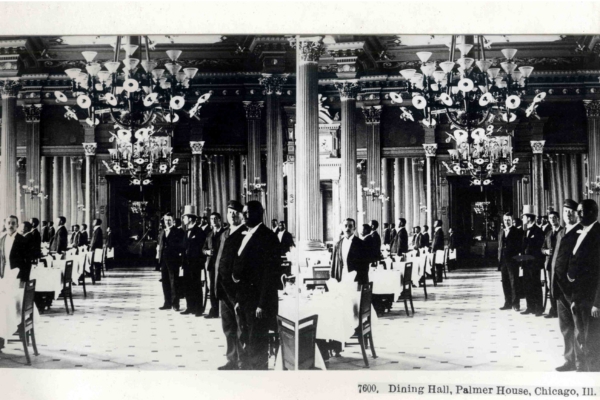
The original Palmer House was built in 1871 by Potter Palmer who began his career as a bank clerk in upstate New York. He later became a dry-goods store owner in Chicago where he revolutionized the retail trade. He was the first to make large window displays, to use big advertising spaces, to send goods on approval to homes and to hold bargain sales. He became a brilliant hotel man as he applied his successful department store methods to the operation of his hotel. He saw no reason why clerks, chefs and head waiters should not be subject to the same discipline as floorwalkers and counter-jumpers. The Hotel Gazette said he could be seen at all hours in the lobby and corridors of the Palmer House watching and directing.
CONTINUE READING