
History
Discover the preserved Italianate Manor House Ruins of Woodlands at the heart of Barnsley Resort and the stories that they hold.
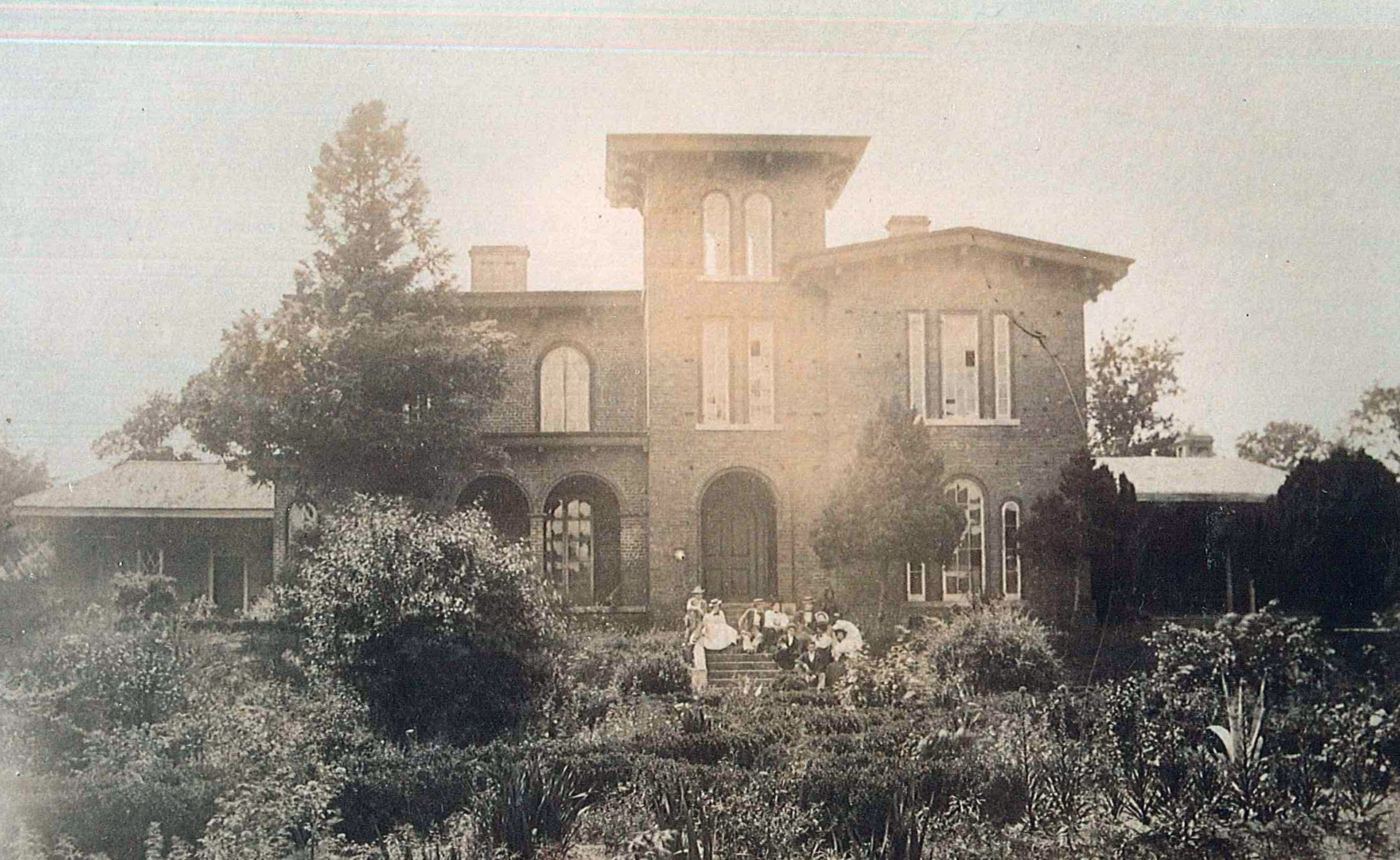
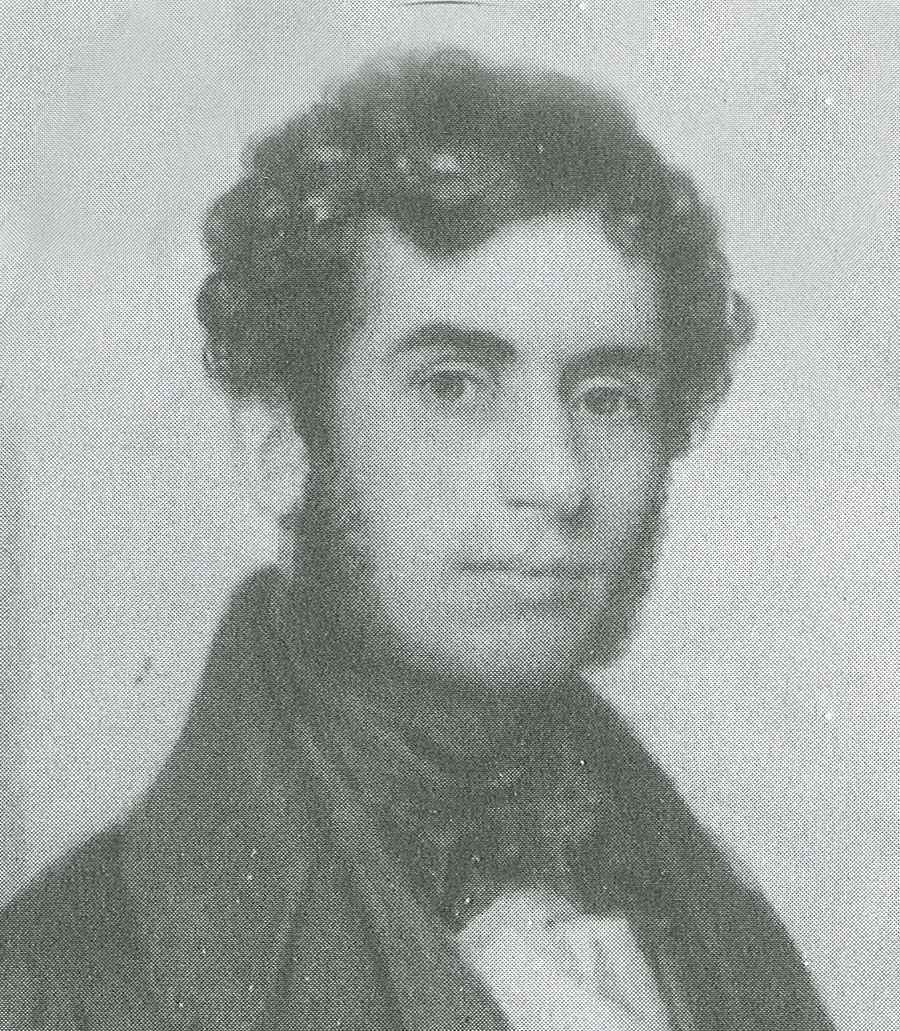
Long before it debuted as one of the South's most celebrated historic destinations, the site of present-day Barnsley Resort was called “Woodlands,” a grand country estate created by the English-born merchant Godfrey Barnsley. Having emigrated to the United States in 1824 and amassed considerable wealth through the cotton and shipping trades in Savannah, Barnsley sought a healthier refuge for his wife, Julia Scarborough Barnsley, whose declining health had become a growing concern. In 1841, he discovered a secluded tract of wilderness in northwestern Georgia, following the broader forced removal of the Cherokee from the region a decade earlier. The land's cooler mountain air seemed capable of providing comfort and respite. Inspired by the writings of renowned landscape designer Andrew Jackson Downing, Barnsley envisioned a romantic retreat unlike many Southern estates of its era. Rather than creating a traditional agricultural enterprise, he planned an elegant family sanctuary centered on a magnificent Italianate manor surrounded with formal gardens and seclusive, winding pathways. Construction subsequently began on a residence that soon contained lavish architectural details rarely seen throughout the mid-19th century American South. As craftsmen, including enslaved craftsmen, raised the walls of the mansion, Woodlands steadily became one of the most ambitious private estates in all Georgia.
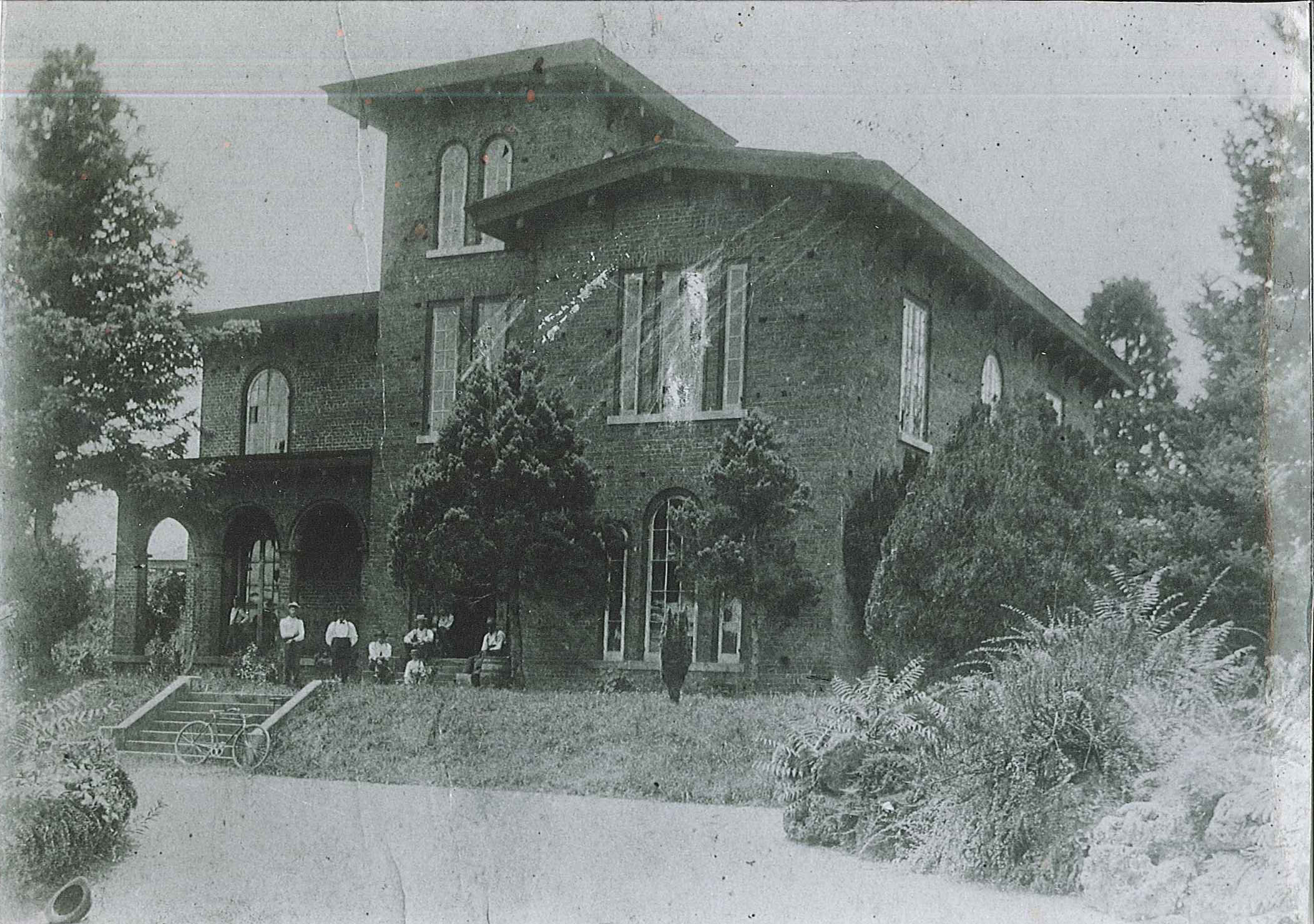
But in 1845, Julia died after a prolonged illness, never having the opportunity to enjoy the completed estate that had been created for her well-being. According to family tradition, the grieving Godfrey briefly halted construction before deciding to continue the work out of devotion to her memory. Stories later circulated that he felt Julia's presence within the gardens and drew strength from the belief that she wished Woodlands to be completed for the benefit of their children. In the years that followed, Barnsley expanded the estate to feature a remarkable combination of gardens, forests, and pastures that reflected the romantic sensibilities of the period. However, the national turmoil of the American Civil War would dramatically alter the fortunes of the Barnsley family. As destructive military campaigns swept through Georgia, the estate found itself caught in the path of the fighting. Union troops occupied the grounds, and the years of war ultimately diminished Barnsley's once-substantial fortune. Although Woodlands survived, the disruptions of the conflict marked the beginning of a gradual decline. Following Godfrey Barnsley's death in 1873, his descendants nonetheless continued to reside on the estate, preserving its traditions even as changing circumstances made maintenance increasingly difficult.
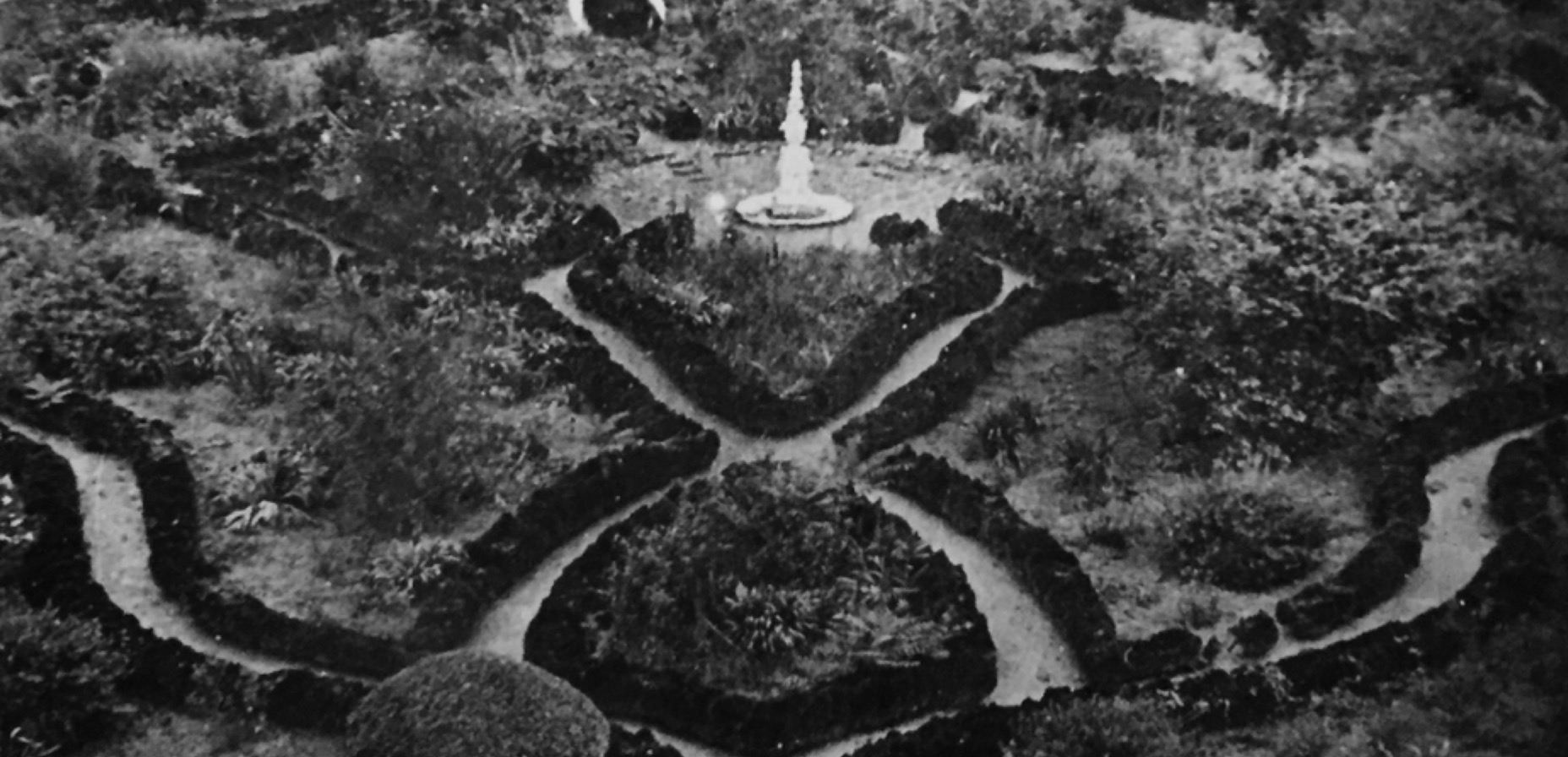
A further setback occurred when an unexpected structural indecent occurred on-site at the start of the 20th century, caused by a series of dramatic storms then unfolding across the region. Surviving members of the Barnsley family eventually moved away in turn, leaving their ancestral residence abandoned. Over subsequent decades, nature steadily reclaimed portions of the estate. Ivy climbed weathered masonry; gardens became overgrown, and the once-grand mansion evolved into a haunting yet beautiful ruin. Even in its deteriorated condition, Woodlands retained an undeniable sense of romance and historical significance, attracting visitors intrigued by its dramatic past and evocative atmosphere. Because of the continued fascination with the erstwhile estate, entrepreneur Prince Hubertus Fugger decided to rescue the endangered historic site in 1988. Recognizing both its historical importance and potential future, he launched an ambitious campaign to stabilize the mansion ruins and restore the adjacent land. Careful preservation efforts revealed surviving elements of the original design, including boxwood gardens that dated all the way back to the estate's founding. What had once appeared destined for permanent decay reemerged as a place where history and hospitality could coexist.
Known as the “Barnsley Resort” today, this impressive historic site now occupies thousands of acres surrounding the historic ruins and gardens, offering guests the rare opportunity to experience nearly two centuries of history within an immersive natural setting. The preserved remains of the manor stand as the emotional center of the resort, serving as a tangible reminder of the love story that inspired its creation. Visitors strolling through the formal gardens encounter geography rooted in the 19th century, while cottages, recreational facilities, and contemporary accommodations reflect the estate's successful transformation into a modern luxury destination. Even though much has changed since Godfrey Barnsley first moved to the forests of northwestern Georgia, the spirit of Woodlands has managed to endure. Indeed, Barnsley Resort remains defined by themes that have shaped its history from the beginning, a devotion to family, reverence for nature, and a commitment to preserving the past. Through periods of loss and renewal, the estate has endured as one of the American South's most compelling historic locations, connecting present-day guests to a tale that continues to unfold.
Hotel Timeline
The Location
Nestled amid the rolling hills of northwestern Georgia, Adairsville traces its story to a region that first sustained Indigenous communities for many generations. The area formed part of the homeland of the Cherokee Nation throughout the late 18th and early 19th centuries, when trading paths and small settlements became connected to the valleys of the Oostanaula and Etowah river systems. Following the forced removal of the Cherokee in the 1830s, new settlers arrived in increasing numbers, drawn by the area's rich agricultural potential and strategic location along emerging transportation routes. The community that would become Adairsville gradually formed during this period, taking its name from the Adair family, a prominent Cherokee lineage whose influence once extended over much of the southeastern frontier. However, the town's fortunes changed dramatically with the arrival of the Western & Atlantic Railroad in the middle decades of the 19th century. Like many communities in Georgia, Adairsville evolved into a vital rail center, linking farms and businesses with the growing commercial markets of Atlanta and Chattanooga (in neighboring Tennessee). The railroad brought economic opportunity, new residents, and a sense of permanence that helped shape the community's character. Elegant Victorian-era buildings, churches, mercantile establishments, and residences soon appeared along streets laid out beside the tracks, creating much of the historic downtown environment that visitors encounter in the present.
But the defining moment in Adairsville's history arrived amid the American Civil War. As Union General William Tecumseh Sherman pressed southward during the Atlanta Campaign in 1864, his counterpart, Joseph E. Johnston, maneuvered his opposing army through the countryside surrounding the town. The resulting Battle of Adairsville, fought on May 17, represented one of the many engagements that marked the campaign's relentless advance toward Atlanta. Though relatively brief, the fighting transformed the community into a military crossroad filled with marching soldiers, horses, and artillery. Confederate forces used the encounter as a delaying action while seeking more favorable ground farther south, leaving Adairsville permanently linked to one of the most consequential campaigns of the war. In the decades that followed, Adairsville rebuilt and prospered. Agriculture remained central to local life, while rail connections continued to support economic growth well into the 20th century. Unlike many communities that lost much of their historic architectural fabric, Adairsville nonetheless succeeded in retaining an impressive collection of 19th-century and early-20th-century buildings. Today, the town's historic district offers a remarkably intact glimpse into the appearance of a thriving Georgia railroad community. Walking its streets reveals decorative storefronts, period residences, and public buildings that collectively tell the story of the people who shaped the region's very identity.
For instance, those wishing to discover the heritage of Adairsville should begin at the Adairsville Depot History Museum, where exhibits explore the town's railroad legacy and Civil War connections. Nearby battlefield markers interpret the events of the Atlanta Campaign, while the historic downtown itself rewards leisurely exploration. A short drive leads to New Echota, the former capital of the Cherokee Nation, where reconstructed buildings and museum exhibits illuminate one of the most significant chapters in southeastern American history. Travelers interested in natural beauty will find equally compelling destinations across the greater region. Red Top Mountain State Park offers scenic forest trails and access to Lake Allatoona, while the remarkable rock formations of Pine Mountain provide stunning panoramic views of north Georgia. Adventurous visitors can venture farther north to the dramatic canyons and waterfalls of Cloudland Canyon State Park, one of the state's most celebrated natural landmarks. Together, these landscapes complement Adairsville's historic appeal, revealing a community where cultural heritage and natural splendor remain closely intertwined. Much like the rail line that first brought prosperity to the town, the stories of Adairsville continue to connect past and present, inviting visitors to experience a distinctive corner of Georgia whose history stretches from the Cherokee era to the modern day.
The Architecture
The historic core of today's Barnsley Resort stands as one of the best surviving examples of Italianate-style architecture in Georgia. One of the first examples of Renaissance Revival-style architecture, Italianate design principles themselves are some of the most historic ever used in the United States. Despite its popularity throughout the country, it was originally conceived by a British architect named John Nash at the beginning of the 1800s. Inspired by the architectural motifs of 16th-century Italy, he constructed a brilliant Mediterranean-themed estate called “Cronkhill” in his native England. Nash had borrowed heavily from both Palladianism and Neoclassicism to design the building, both of which were derivatives of the Italian Renaissance art forms. Soon enough, many other architects began copying Nash's style, using it to construct similar manors across the English countryside. However, the person responsible for popularizing the aesthetic the most was Sir Charles Barry, who had his own offshoot called “Barryesque.” By the middle of the century, this Italian Renaissance Revival-style architecture had spread to other places within the British Empire, as well as mainland Europe. It had even crossed the Atlantic during the 1830s, where it dominated the American architectural landscape for the next 50 years. Architect Alexander Jackson Davis promoted the style, using it to design such iconic structures as Blandwood and Winyah Park in New York. Although he was more widely known for his use of another Revival style—Neo Gothic—his work with Italianate helped cement it within the United States.
Famous Historic Events
Atlanta Campaign (1864): The Atlanta Campaign was among the most consequential military operations of the American Civil War, a months-long struggle that reshaped the course of the conflict and left a lasting imprint upon the collective memory of northwestern Georgia. Fought throughout 1864, the campaign unfolded as Union forces under Major General William Tecumseh Sherman advanced southward toward the vital industrial and transportation center of Atlanta. Recognizing the city's strategic importance to the Confederacy, Sherman sought to sever supply lines, cripple Confederate war production, and weaken Southern morale. Opposing him was General Joseph E. Johnston, whose Army of Tennessee repeatedly maneuvered to slow the Union advance through a series of defensive positions stretching across Georgia. As the campaign progressed, fierce battles erupted all over the region. Communities that had previously enjoyed relative peace suddenly found themselves situated along the route of one of the largest military movements in North American history. The contest for Atlanta evolved into a war of movement, with Sherman repeatedly attempting to outflank the Confederates without incurring the catastrophic casualties associated with direct assaults. The result was a relentless advance that steadily pushed Confederate forces farther south during the spring and summer.
Among the many places to be affected was the Woodlands estate, owned by English-born merchant Godfrey Barnsley. Like countless homes across the region, Woodlands could not escape the reach of war. As military operations intensified, the campaign brought Union and Confederate forces into the vicinity of the estate. Following fighting nearby at the Battle of Adairsville in May, Woodlands experienced Union occupation, placing the Barnsley family directly within the path of the advancing armies. Although the grand residence survived the encounter, the presence of troops and the broader economic devastation associated with the war profoundly affected the family's fortunes. Nevertheless, the eventual fall of Atlanta three months later represented a turning point not only in the campaign but in the entire conflict. After weeks of combat, Confederate forces evacuated the city, allowing Union troops to finally occupy one of the Confederacy's most important urban centers. News of the victory electrified the North and provided a significant boost to President Abraham Lincoln's reelection campaign. The capture of Atlanta demonstrated the growing effectiveness of Union military strategy, which increasingly emphasized the destruction of transportation networks, supply systems, and other resources necessary to sustain the Confederate war effort.
For Georgia's residents though, the consequences extended far beyond military statistics and political calculations. Two different experiences emerged from the Civil War. White families confronted uncertain futures as the conflict transformed communities that had previously been defined by agriculture and commerce. Godfrey Barnsley suffered substantial financial losses in the aftermath of the conflict, and the estate that had once symbolized prosperity entered into a prolonged period of decline. But other inhabitants experienced the campaign differently, notably members of its African American community. As Union forces advanced through the state, thousands of enslaved Blacks seized the opportunity to pursue freedom, leaving plantations and farms to follow Sherman's army. For many, emancipation represented the promise of family reunification, paid labor, education, and legal recognition after generations of bondage. Nevertheless, the story of the Atlanta Campaign remains inseparable from the history of the whole region. The events that unfolded altered the trajectory of the nation and transformed the lives of those who called the area home. At Barnsley Resort in particular, the legacy of that turbulent period survives amid the ruins and restored gardens, offering guests an opportunity to reflect upon the human experiences that accompanied war, resilience, and renewal.

Museum & Ruins
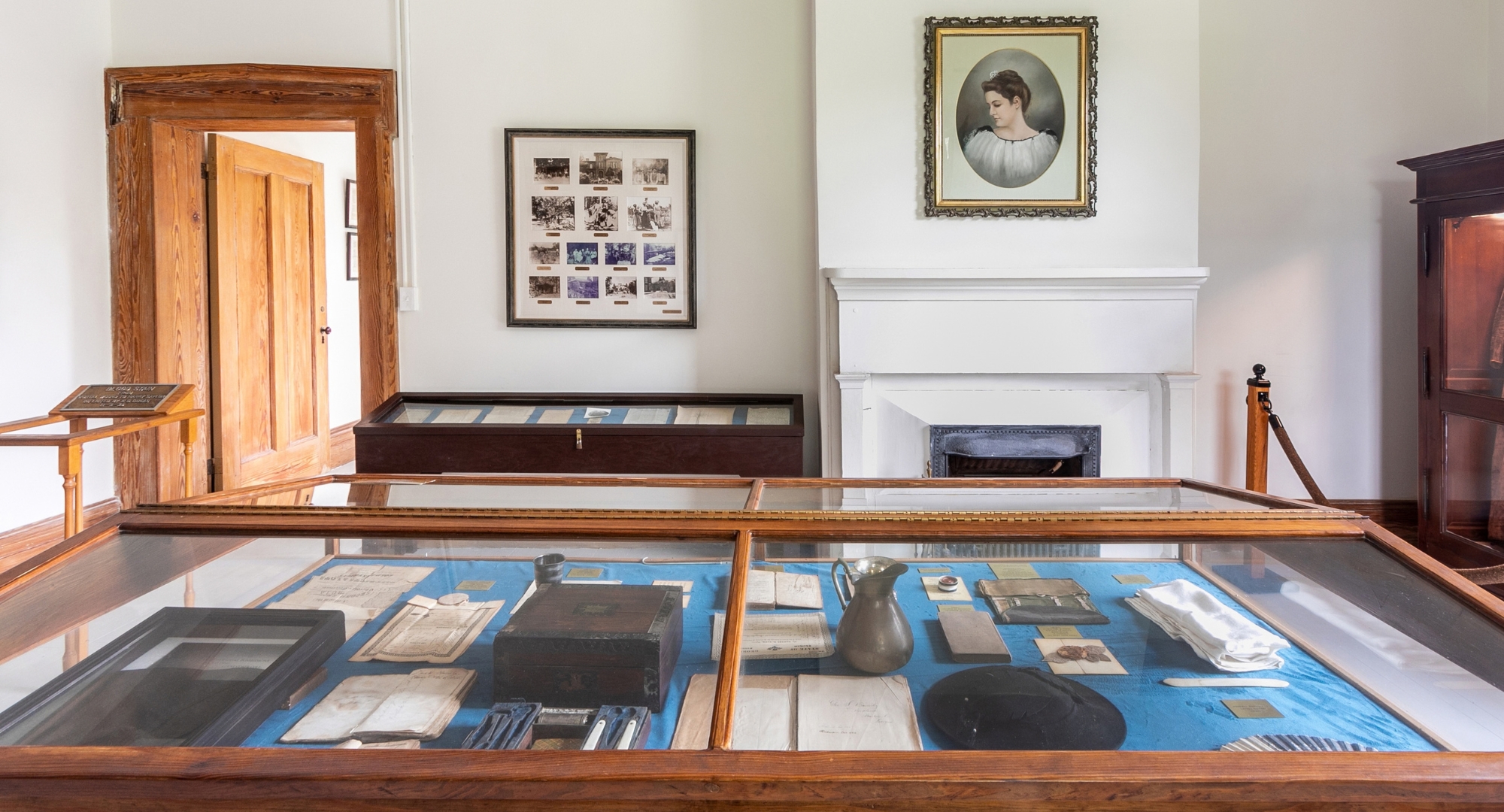
Admission to The Manor House Ruins is complimentary for overnight resort guests and members. Day passes are available for visitors. Wander through the restored boxwood parterre and formal gardens, among the oldest surviving landscape features on the estate. Learn about the Barnsley family and the evolution of the estate through exhibits at the Barnsley Resort Museum. Historic photographs, personal artifacts, and original documents are housed in the former kitchen building of the original Woodlands estate.