




Receive for Free - Discover & Explore eNewsletter monthly with advance notice of special offers, packages, and insider savings from 10% - 30% off Best Available Rates at selected hotels. 
history
Discover Royal Hotel Oran – MGallery Collection, which has offered guests unparalleled access to fascinating historic sites like the Place d’Armes, Fort of Santa Cruz, and Boulevard de la Soummam for more than a century.
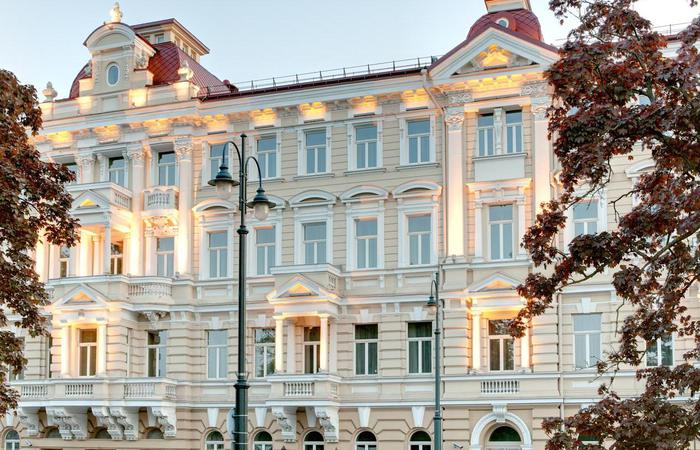
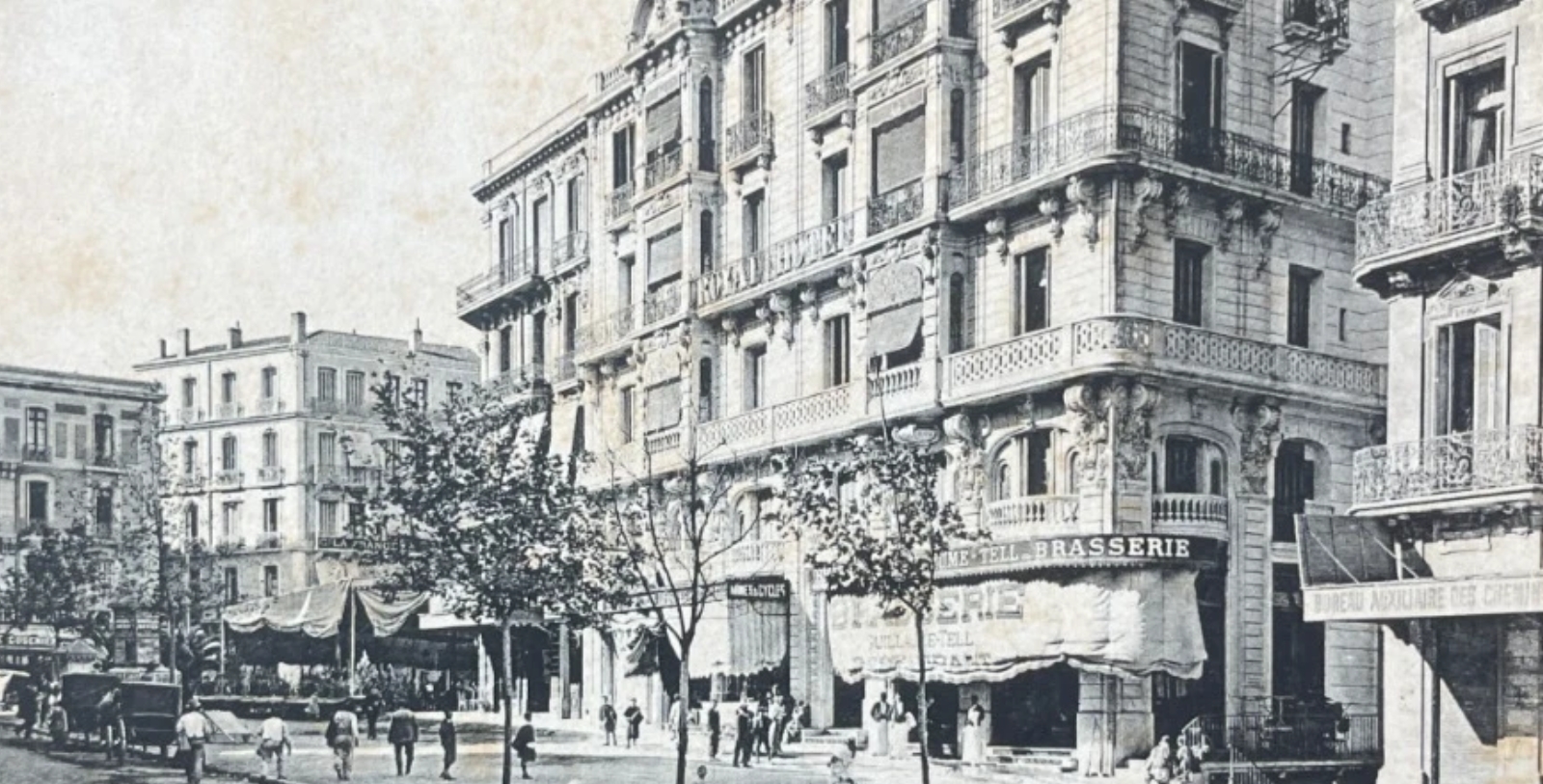
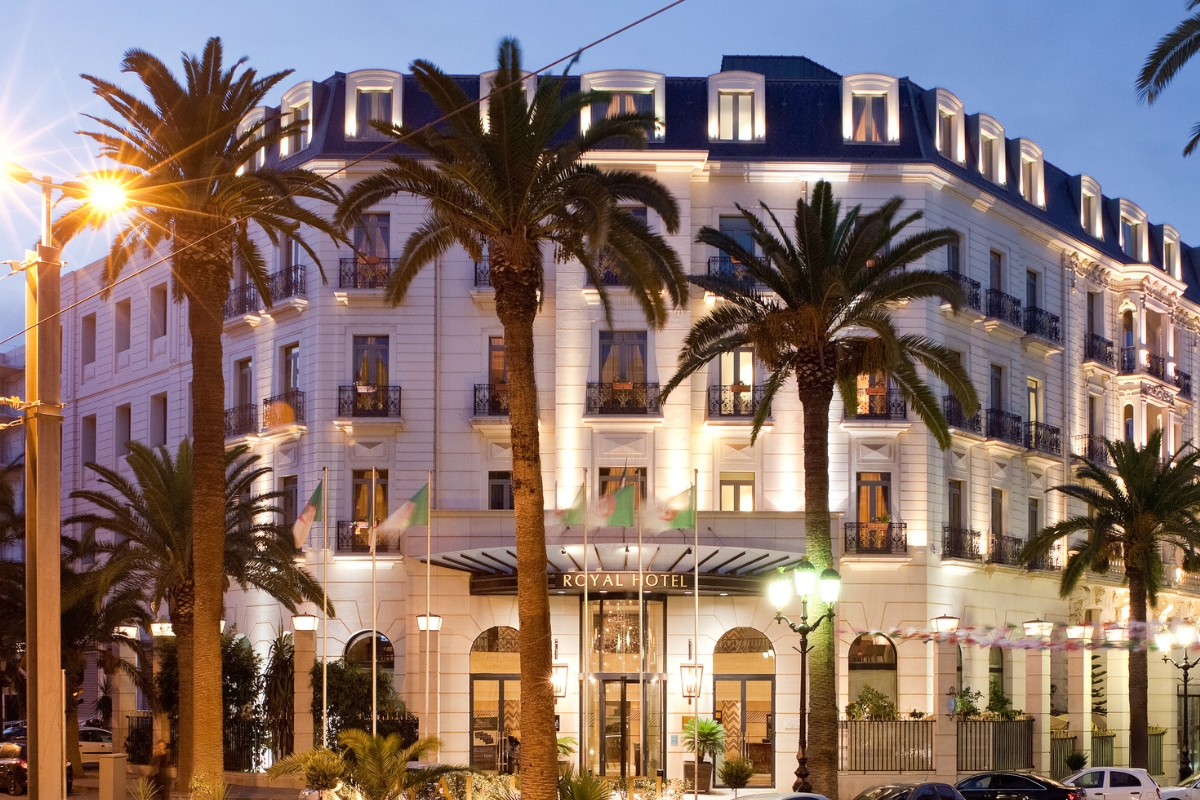
On the bustling Boulevard de la Soummam resides a building that has witnessed decades of change, resilience, and refinement: the Royal Hotel Oran – MGallery Collection. This iconic holiday destination has hosted countless travelers eager to experience Oran’s eclectic character since the early 20th century. More specifically, the building that would become the Royal Hotel Oran – MGallery Collection opened when Oran was rapidly undergoing an incredible transformation into a thriving cosmopolitan port. Given its unique geographic location along the coastline of the Mediterranean Sea, the city had a fascinating comingling of North African and European culture. However, the advent of more sophisticated maritime travel subsequently enhanced those interactions, rapidly altering Oran’s appearance. Dozens of impressive new buildings quickly spread across the ancient metropolis, including gorgeous townhouses, ornate storefronts, and of course, luxurious hotels. The finest structure to debut was the Royal Hotel Oran, developed to cater to the international diplomats, intellectuals, and aristocrats who were visiting the area in greater numbers. Awe-inspiring vernacular motifs proliferated across the hotel’s marvelous façade, as did beautiful aesthetics derived directly from the Second French Empire. Together, the diverse blend of architectural features rendered the Royal Hotel Oran as a revered local landmark practically overnight.
From the first days the hotel began operating in 1920, the Royal Hotel Oran was known throughout the wider Mediterranean world for its opulence and tranquility. Its salons hosted soirées where conversations flowed as freely as the coffee, and its corridors echoed with the footsteps of luminaries enchanted by Oran’s charm. Antique furniture and exotic art adorned the interior spaces, creating a dialogue between East and West that mirrored the city’s own heritage. Among the hotel’s most notable artistic influences was François Dinet, a French painter celebrated for his evocative depictions of Algerian life. His unique work covered the hotel’s walls, infusing its spaces with a sense of authenticity and romanticism. Furthermore, Dinet’s conversion to Islam—and his role in designing the Grand Mosque of Paris—lent his art a profound resonance, making the Royal Hotel Oran a gallery of living history. Through political upheavals and economic transformations, the hotel managed to preserve its reputation as a sanctuary of elegance. Its proximity to sites such as Place d’Armes, the seafront, and the harbor ensured that it remained at the center of Oran’s social scene. Guests could step out to explore the Sacré-Cœur Cathedral, the Ibn Badis Mosque, or the imposing Fort of Santa Cruz, then return to the serene embrace of the Royal Hotel Oran.
Starting in 2000, Royal Hotel Oran underwent an extensive six-year-long renovation that successfully safeguarded its architectural integrity. The project proved to be very meticulous, as the entire Haussmann-like façade was extensively revitalized to reflect its former glory. Antique décor was soon complemented by contemporary comforts, while historic sculptures came to stand alongside innovative amenities. The result produced a harmonious blend of past and present—a space where history strongly reverberated through the walls. The hotel’s rebirth aligned with the vision of the MGallery Collection, a brand dedicated to cultivating hotels with unique stories and personalities. Under its banner, the Royal Hotel Oran reaffirmed its status as a preeminent retreat, offering guests the opportunity to experience an immersive journey through time. Now known as the “Royal Hotel Oran – MGallery Collection,” this legendary historic hotel is more than a luxury destination—it is a living monument to Oran’s layered history. In the quiet corners of its library or the refined atmosphere of its restaurants, one can almost sense the presence of those who walked into its halls at the height of the Roaring Twenties. To step into the Royal Hotel Oran – MGallery Collection is to enter a world where every moment becomes part of an alluring story that began generations ago.
-
About the Location +
Nestled between rugged hills and azure Mediterranean waters, Oran’s origins trace back to antiquity when Phoenician traders first glimpsed its natural harbor. They left behind faint imprints of their presence, but it was the Romans who later stamped their authority on the region, weaving Oran into the tapestry of their empire. But even in those early years, the city was more than a mere outpost—it was an important crossroad between Africa and Europe. Oran’s destiny shifted with the tides of faith and power as the centuries turned. In the 10th century, the city emerged from obscurity under the rule of the Andalusian Muslims, who infused it with the elegance of Islamic art and architecture. Their influence transformed Oran into a thriving port, a jewel of the Maghreb that gleamed with the promise of prosperity. Ships from distant lands anchored in its deepwater harbor, bringing with them not only goods but ideas, languages, and traditions that enriched the city’s soul. But Oran’s allure also made it vulnerable. In 1509, the Spanish crown, driven by the fervor of the Reconquista, seized the city in a dramatic assault that left its mark on history. The Spanish occupation ushered in an era of great transformations, as churches soon rose where mosques once resided and the imposing Santa Cruz fortress came to loom over the neighboring bay. For nearly 300 years, Spain clung to Oran, weathering storms both natural and human in their making.
Oran emerged as a bastion of European power on African soil, a place that saw cultures coexist in uneasy harmony. Beneath the surface though, the spirit of Oran remained defiantly Algerian. Then in the 18th century, the Ottomans reclaimed Oran, restoring its ties to the broader Muslim world. Their rule, though intermittent, left indelible traces throughout the city’s fabric, from ornate fountains to bustling souks that thrived under their patronage. However, the Spanish were not easily dislodged—they returned, only to abandon Oran after a devastating earthquake destabilized their rule permanently in 1792. The city subsequently stood at the threshold of a new chapter, its streets echoing in the footsteps of generations who had endured and adapted. More specifically, French troops marched into Oran during the 1830s, heralding an era of colonial governance that would shape both Oran and Algeria as a whole. Under French control, Oran grew into a cosmopolitan hub, its skyline punctuated by grand boulevards, elegant theaters, and stately municipal buildings. The harbor bustled with activity as ships ferried goods and people across the Mediterranean, binding Oran to France and the wider Mediterranean world. Even amid this imposed order, Oran retained its vibrant, unruly spirit—a city where Arabic, Berber, and French people intermingled frequently.
The 20th century brought both triumph and tragedy. During World War II, Oran was seen as a strategic asset; its docks coveted by Allied forces seeking to secure North Africa. More specifically, the city witnessed the beginnings of Operation Torch in 1942, with American and British troops storming across its shores in a bid to capture it from the Axis powers. The battle was brief but bloody, a stark reminder of Oran’s enduring role as a fulcrum of global conflict. When the guns fell silent, the city returned to normal—yet the winds of change were once again gathering strength. Across Algeria, a movement toward national independence mounted steadily, and Oran soon became a crucible of patriotic fervor. The tension erupted into revolution in 1954, igniting a struggle that would last until Algeria achieved its autonomy a decade later. In the years that followed, Oran embraced its role as a beacon of Algerian culture. Its music, rai—born from the fusion of folk melodies and contemporary rhythms—helped to share Oran’s heritage with the greater global community. The city’s wonderful historic sites have turned the ancient metropolis into a renowned holiday destination, too, especially among the world’s curious cultural heritage travelers. The most fascinating landmarks that have enchanted those visitors include Fort Santa Cruz, Bey’s Palace, the Hassan Pasha Mosque, and the Sidi El Houari district. Oran thus truly serves to embody the enduring diverse history and cultural richness of Algeria.
-
About the Architecture +
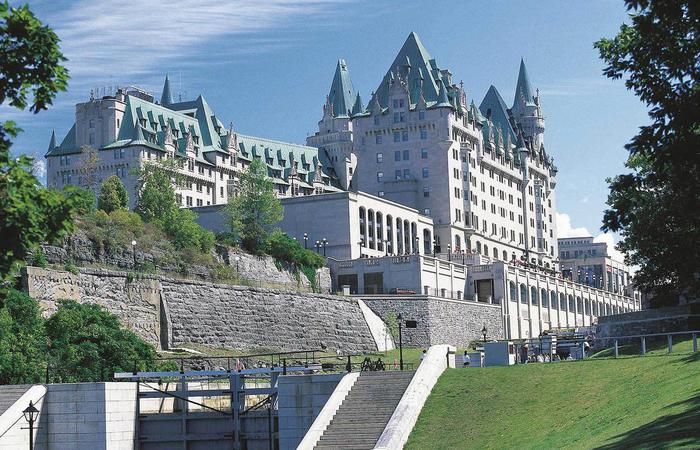
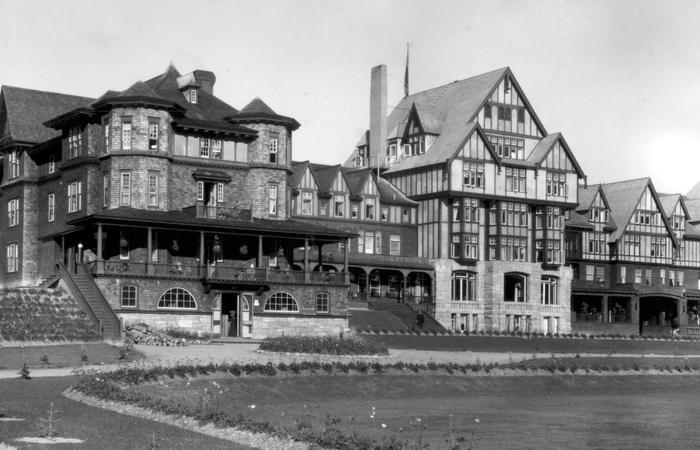
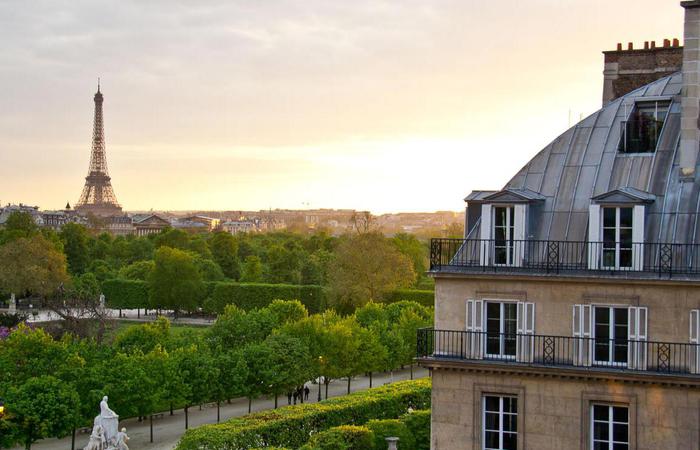
Despite being constructed during the 1920s, the Royal Hotel Oran – MGallery Collection displays a brilliant combination of Second Empire-style architecture. Also known simply as “mansard style,” Second Empire architecture first emerged in Paris at the height of the reign of Emperor Napoléon III. Born Charles-Louis Napoléon Bonaparte, he was the nephew of the legendary Napoléon Bonaparte of the French Revolution. He rose to power by serving as France’s president before making himself its monarch by the middle of the 1800s. Nevertheless, his reign saw a brief restoration in French national pride that was accompanied by a cultural renaissance that affected everything from the arts to the sciences. One of the areas that saw this development was architecture. Napoléon III had taken a particular interest in architectural projects at the time, going as far as commissioning the complete redesign of Paris’ central cityscape. He subsequently appointed engineer Georges-Eugène Haussmann for the project, instructing the latter to create a new generation of buildings that could accommodate the city’s swelling population. Largely borrowing design elements from the French Renaissance of the 16th century, Haussmann essentially created a brand-new architectural form that soon defined the appearance of Paris. While the project itself only lasted from 1853 to 1870, its impact was felt throughout the world for many years thereafter. Haussmann’s new form quickly appeared across France, as well as many other countries throughout Europe, including Belgium, Austria, and England. Furthermore, the architecture quickly emerged in North America, finding a popular audience in both the United States and Canada. Many hoteliers like Frank Jones saw the fabulous design aesthetics of Second Empire architecture and copied it for their own structures throughout the remainder of the 19th century.
Second Empire architecture was specifically meant for larger structures that could easily showcase its ornate features and grandiose materials. Architects, business owners and other professionals who embraced the form believed that it represented the best of modernity and human progress. This idea especially found an audience in America, where society was largely perceived to be on an upward path of collective mobility. (In fact, the architecture had become so enmeshed in American society that some took to calling it “General Grant” style.) The form looked similar to the equally popular Italianate-style, in which it embraced an asymmetrical floor plan that was rooted to either a “U” or “L” shaped foundation. The buildings usually stood two to three stories, although some commercial structures—like hotels—exceeded that threshold. Large ornate windows proliferated across the facade, while a brilliant warp-around porch occasionally functioned as the main entry point. The porches would also have several outstanding columns, designed to appear smooth in appearance. Every window and doorway featured decorative brackets that typically sat underneath lavish cornices and overhanging eaves. Gorgeous towers known and cupolas typically resided toward the top of the building, too. Yet, Second Empire architecture broke from the Italianate in one major way—the appearance of the roof. Architects always incorporated a mansard-style roof onto the building, which consisted of a four-sided, gambrel-style structure that was divided into two different slopes. Set at a much longer, steeper angle than the first; the second slope often contained many beautiful dormer windows. The mansard roof became a central component to Second Empire architecture after Georges-Eugène Haussmann and his fellow French architects starting using it for their own designs. They had specifically sought to copy the mansard roof of The Louvre, which the renowned François Mansart had created back at the height of the French Renaissance.