




Receive for Free - Discover & Explore eNewsletter monthly with advance notice of special offers, packages, and insider savings from 10% - 30% off Best Available Rates at selected hotels. 
history
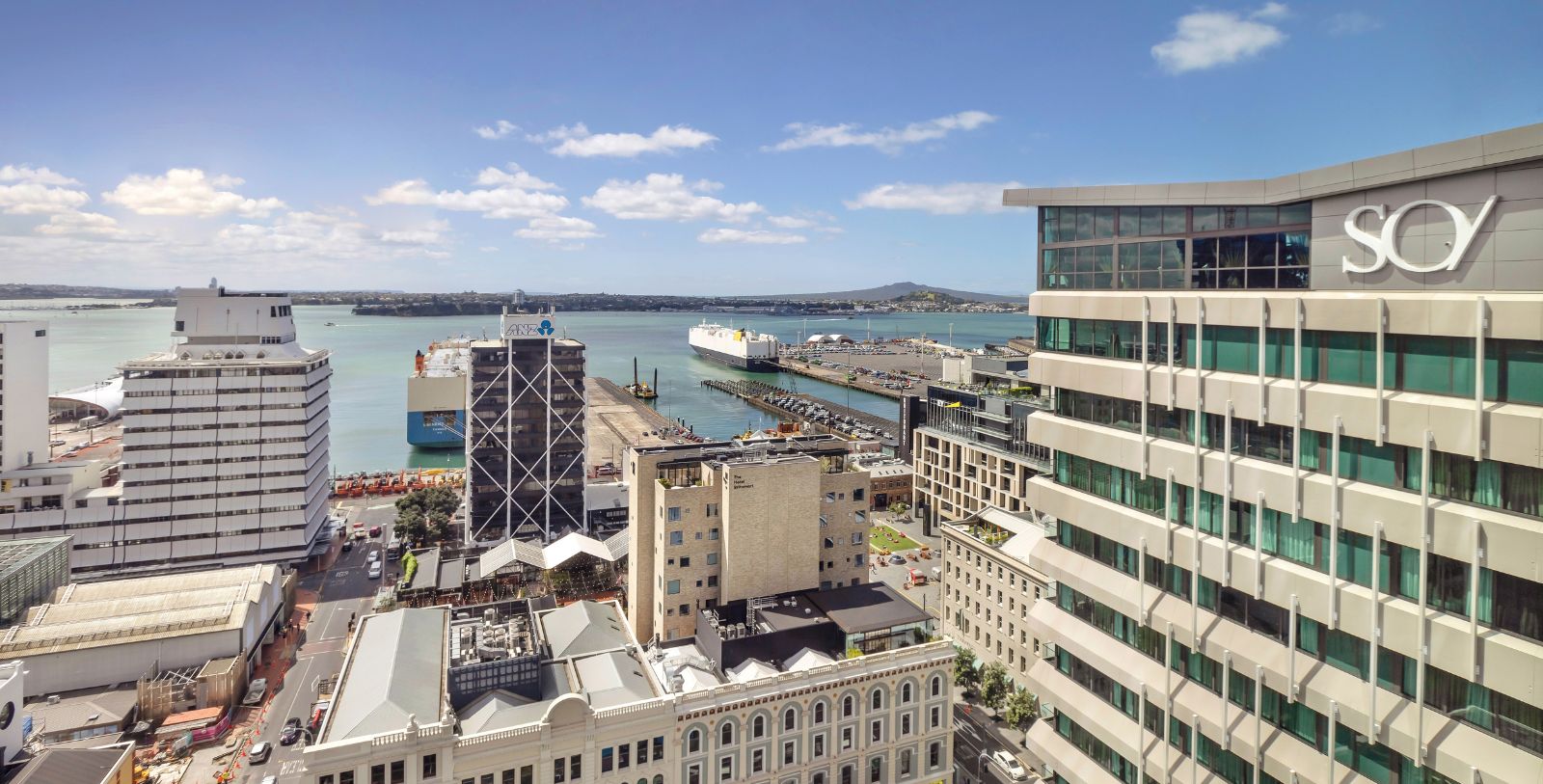
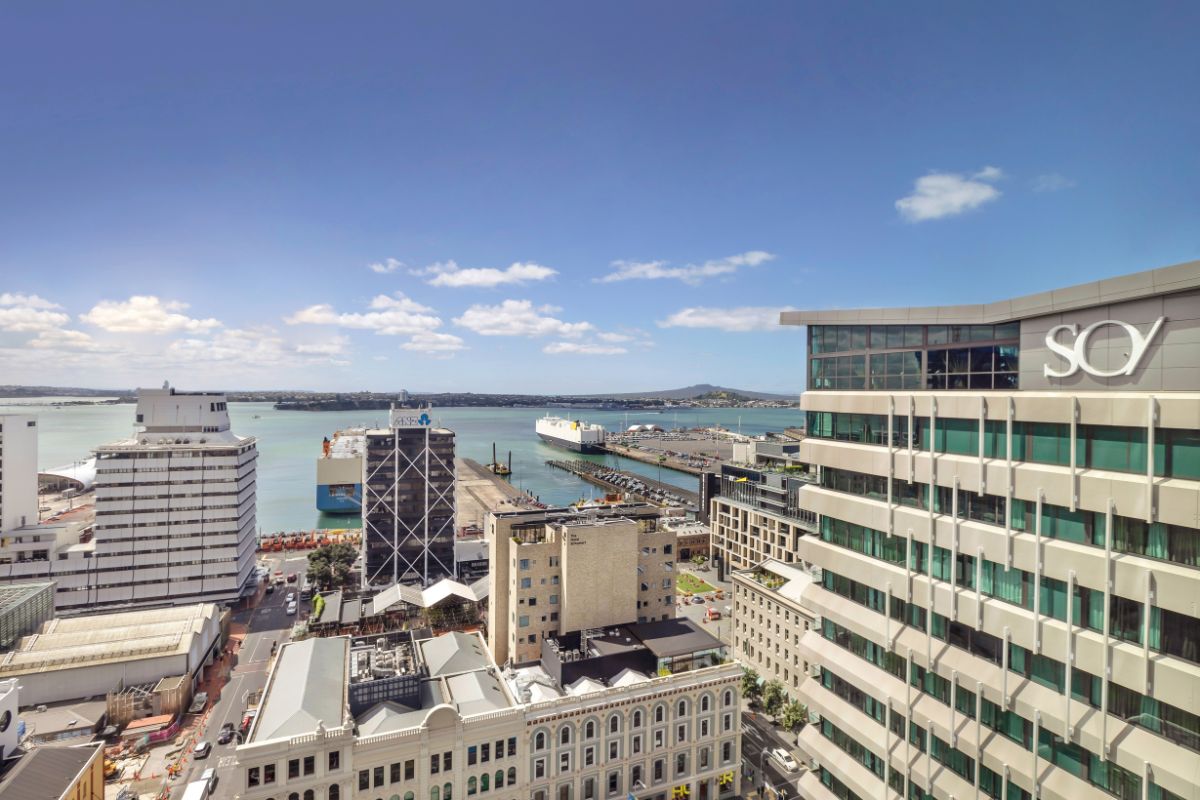
Discover SO/ Auckland, a former Reserve Bank building that has been reimagined to offer guests a contemporary stay in the heart of Auckland's historic financial district.
The Auckland region, known as Tāmaki Makaurau, has long been a place of deep cultural significance. It was traditionally settled and governed by Māori iwi (tribes), most prominently Ngāti Whātua, who exercised customary ownership and stewardship of the land for centuries before European arrival. Their authority over the area was rooted in whakapapa (genealogy), occupation, and the use of its abundant natural resources, making Tāmaki Makaurau one of the most highly valued and contested regions in Aotearoa.
In 1840, Ngāti Whātua leaders entered into agreements with the British Crown, gifting and later selling land that enabled the founding of Auckland. The moment marked a pivotal transition, as the region shifted from Māori governance to colonial development, setting up the groundwork for the city that would later emerge.
Standing proudly since 1964, the building now housing SO/ Auckland reflects a time of robust, security-driven design. The building originally served as a regional facility for the Reserve Bank of New Zealand. Long before the construction of the Reserve Bank, the Customs Street East area became a cornerstone of Auckland’s working waterfront, supporting merchants, port activity, warehouses, and the movement of goods between the harbor and the growing city. The site on Customs Street East was reclaimed in the 19th century as Auckland expanded its waterfront. This process created new land that allowed Auckland’s commercial community to expand. The site is located within the Customs Street Historic Area, and by 1903, the street was recognized as one of the most important commercial routes in Auckland.
For decades, the Reserve Bank building served as a community focal point, supporting a wide range of financial operations in Auckland. Auckland’s central business district gives visitors and residents alike access to major commercial businesses and the city’s waterfront. Around the end of the 20th century, advances in banking technology began to reshape the Reserve Bank’s operational needs, and the Auckland branch was decommissioned in 2000. It was selected for a new iteration as a historic hotel. Within the following year (2001), it was sold, marking the end of its time as a major regional banking facility.
Following the acquisition of the historic building, the former Reserve Bank of New Zealand underwent an extensive redevelopment by the international hospitality group Accor. The adaptive reuse of the structure preserved elements of the building’s architecture and its former gold reserve vaults while introducing contemporary interiors. The building later debuted as a historic hotel in 2018 as SO/ Auckland, a luxury hotel blending contemporary design with the building’s past.
-
About the Location +
SO/Auckland is located within the Customs Street Historic Area, a district registered with Heritage New Zealand Pouhere Taonga, in the heart of Auckland’s central business district. This area forms part of Tāmaki Makaurau, a region traditionally settled and governed by Māori iwi tribes, most prominently Ngāti Whātua, whose stewardship of the land shaped its early significance long before urban development. In the late 1800s, Ngāti Whātua leaders entered into agreements with the British Crown, gifting and later selling land that enabled the founding of Auckland. The moment marked a pivotal transition, as the region shifted from Māori governance to colonial development, setting up the groundwork for the city that would later emerge.
For the emerging city, Customs Street East has long held importance due to its proximity to Auckland’s waterfront and wharves, as well as the nearby Queen Street commercial district and early railway infrastructure. The land beneath the street was formed through extensive harbor reclamation using fill from Point Britomart, a once prominent headland of Auckland, reflecting the city’s early efforts to expand its commercial footprint along the shoreline.
By 1903, Customs Street East was recognized as one of Auckland’s most important commercial thoroughfares, a role it continues within the city’s vibrant urban core.
-
About the Architecture +
The building was engineered with reinforced concrete construction, a typical design of mid-20th-century banking facilities that prioritized strength, stability, and security. Its two subterranean levels were originally engineered as high-security bank vaults, which later presented major constraints during conversion due to heavy concrete massing.
As part of its transformation, the structure underwent careful retrofitting, including structural alterations to accommodate modern HVAC systems, as well as the addition of a swimming pool and spa. Upon completion, the architectural conversion retained the building’s external form while repurposing the internal secure spaces for new functions.
The redesign introduces a contemporary aesthetic that shows SO/ Auckland’s bold, fashion‑forward identity. Its interior spaces feature a blend of modern materials, balanced lighting, and sculptural elements. The thoughtful design of the hotel demonstrates a dynamic balance between the building’s institutional past and its new role as a design‑driven luxury destination.