History
Discover the Grand Hotel Kempinski High Tatras, which consists of three historic buildings: the Jánošík, the Kriváň, and the Hviezdoslav.
Grand Hotel Kempinski High Tatras was constructed during the historic reign of the United Kingdom’s famed Queen Victoria, who sat on the British throne from 1837 to 1901.
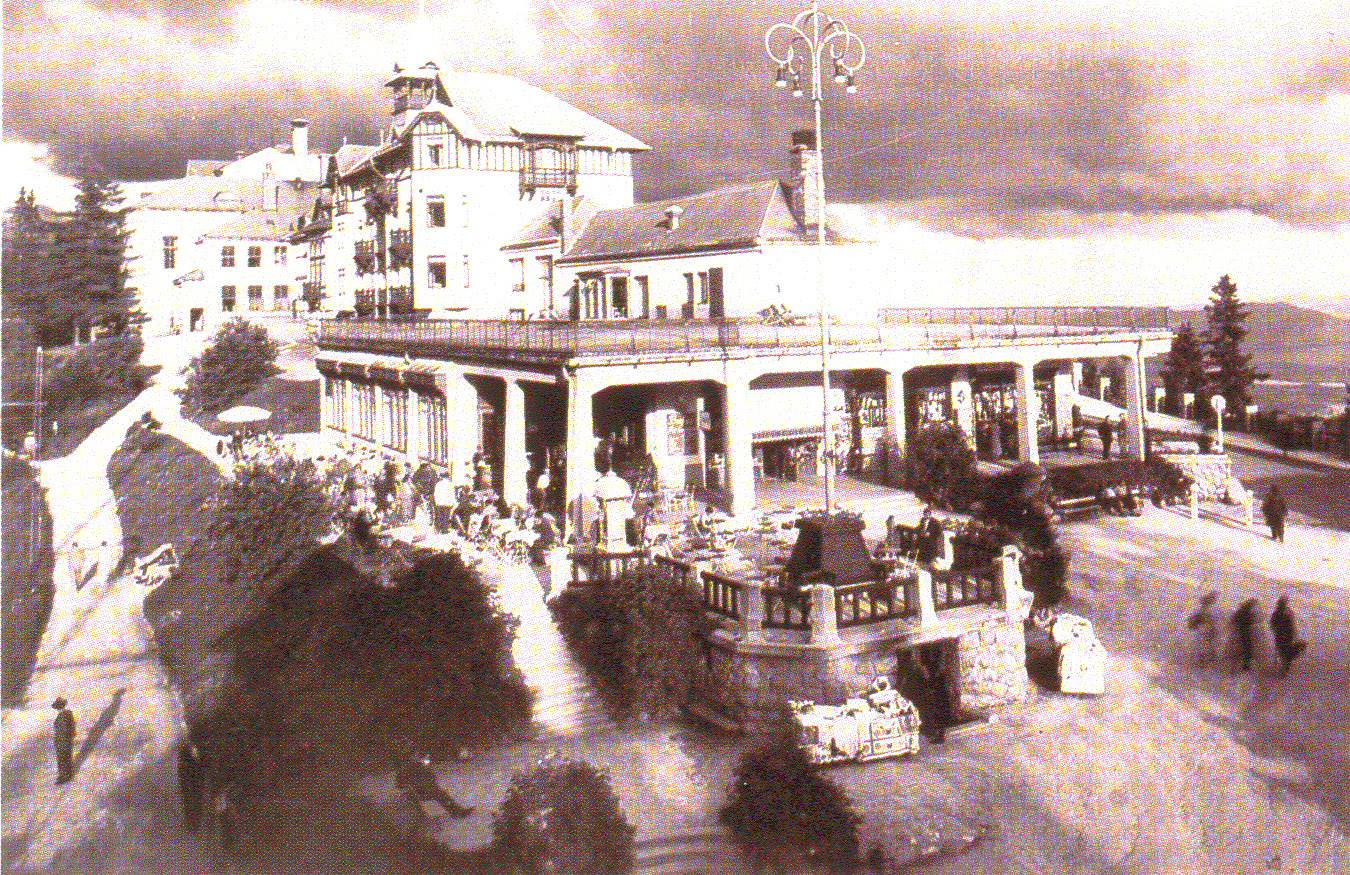
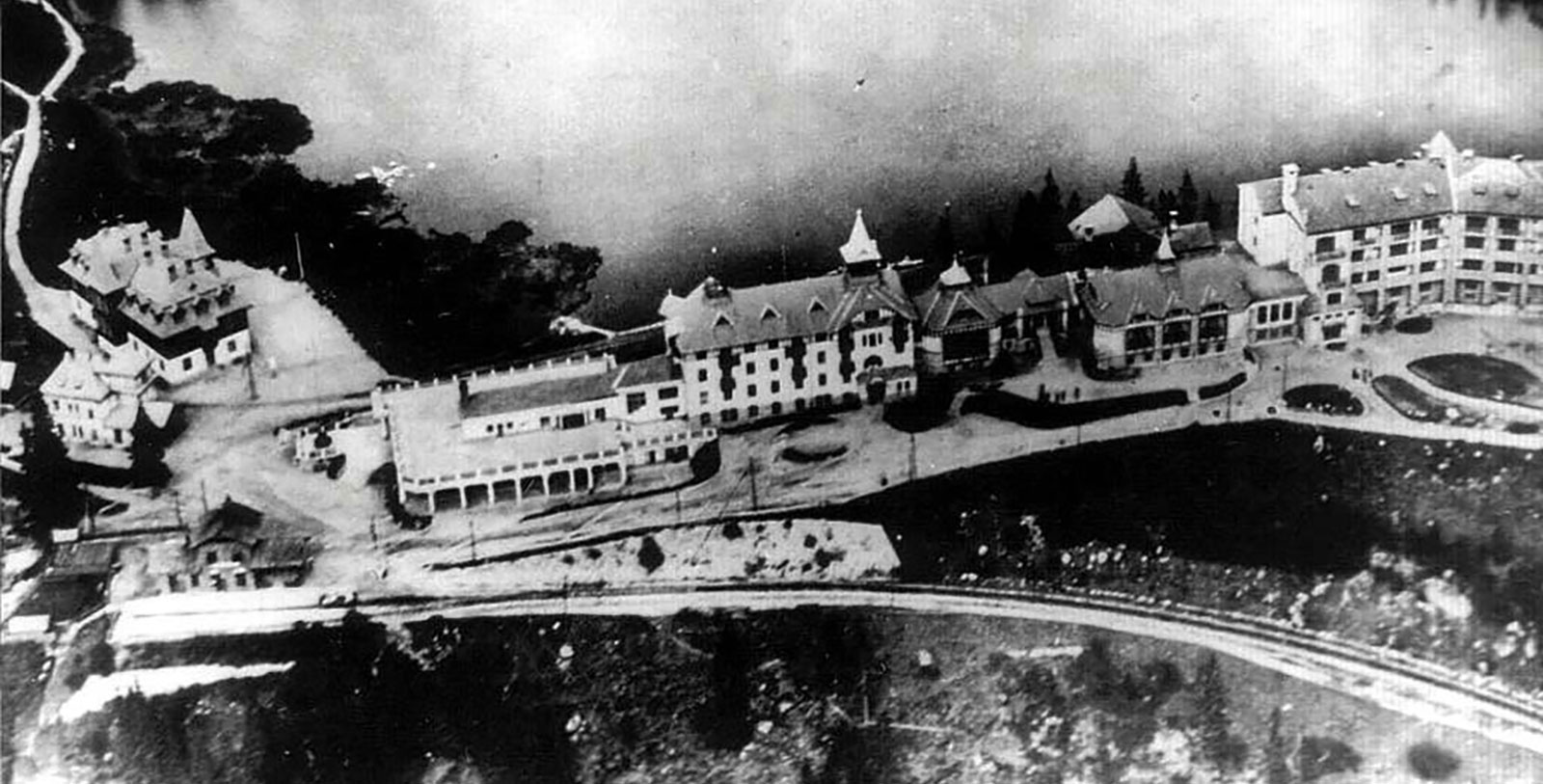
The present-day Grand Hotel Kempinski High Tatras consists of three interlinked historical buildings that were built over a period of 34 years along the Štrbské Pleso moraine: Jánošík (1893), Kriváň (1906) and Hviezdoslav (1923). Each is distinguished by different architectural forms, which range from historicist designs to the modern style of the 1920s. Together, the buildings are a sight to behold, with various roof shapes that contribute to the panorama of the surrounding High Tatras mountaintops.
The most historic building is Jánošík, which dates to 1893. Jozef Szentiványi had originally built it for his own needs and named it Jozef’s Villa. Decorated with paintings and engravings on its façades and with richly furnished interiors, this romantic villa was visited by the highest levels of the aristocracy. Former guests include several family members of the House of Habsburg and the House of Coburg, the King of Serbia, Milan, among others. After the creation of Czechoslovakia in 1918, the villa was given the name Jánošík, after the Slovakian national hero. Over time, other buildings were connected to the original building, including Kriváň (completed in 1906) and Hviezdoslav (completed in 1923).
Kriváň ranked among the three grand hotels of the Tatras area at the time of its creation. The project was developed by the renowned architect Guido Hoepfner in cooperation with Géza Györgyi during the Belle Époque period. The hotel’s architecture and décor were designed in Secession style, which was popular at the time. Archduke Charles Stephen and his family were among the first guests of the Grand Hotel; he was particularly astonished by the hotel hall and restaurant. The hotel was renamed Kriváň shortly thereafter in honor of the Slovakian national peak.
Grand Hotel Hviezdoslav opened in 1923 and bears the name of the great Slovak poet, Pavol Országh Hviezdoslav. The interior furnishings of the hotel were designed in the style of Rondo-Cubism, which was widely used by Czechoslovak nationals in the 1920s. Before the FIS World Cup in 1935, the former tourist restaurant was replaced by a new French-inspired dining room and bar, which, according to the contemporary critics, was without equal in all the Tatras. Starting in 1953, the hotel complex was used as a sanatorium before gradually falling into disrepair and finally, because of its poor condition, closed.
In 2003, architect Peter Černo prepared a new study for the reconstruction of the complex. The aim of the project was to transform the historic buildings into a luxurious five-star hotel that met the expectations and requirements of the future operator – Kempinski. His ambition was to preserve the original historic appearance as possible. During the preparations, Černo used archival materials, historical photos, and other documents as a source for his inspiration. The restoration of the hotel was an extremely difficult process and took more than four years to complete. Now known as the Grand Hotel Kempinski High Tatras, this Grade II Listed Building is among the best holiday destinations in Slovakia.