Hotel Hacienda de Abajo
Santa Cruz de Tenerife, Spain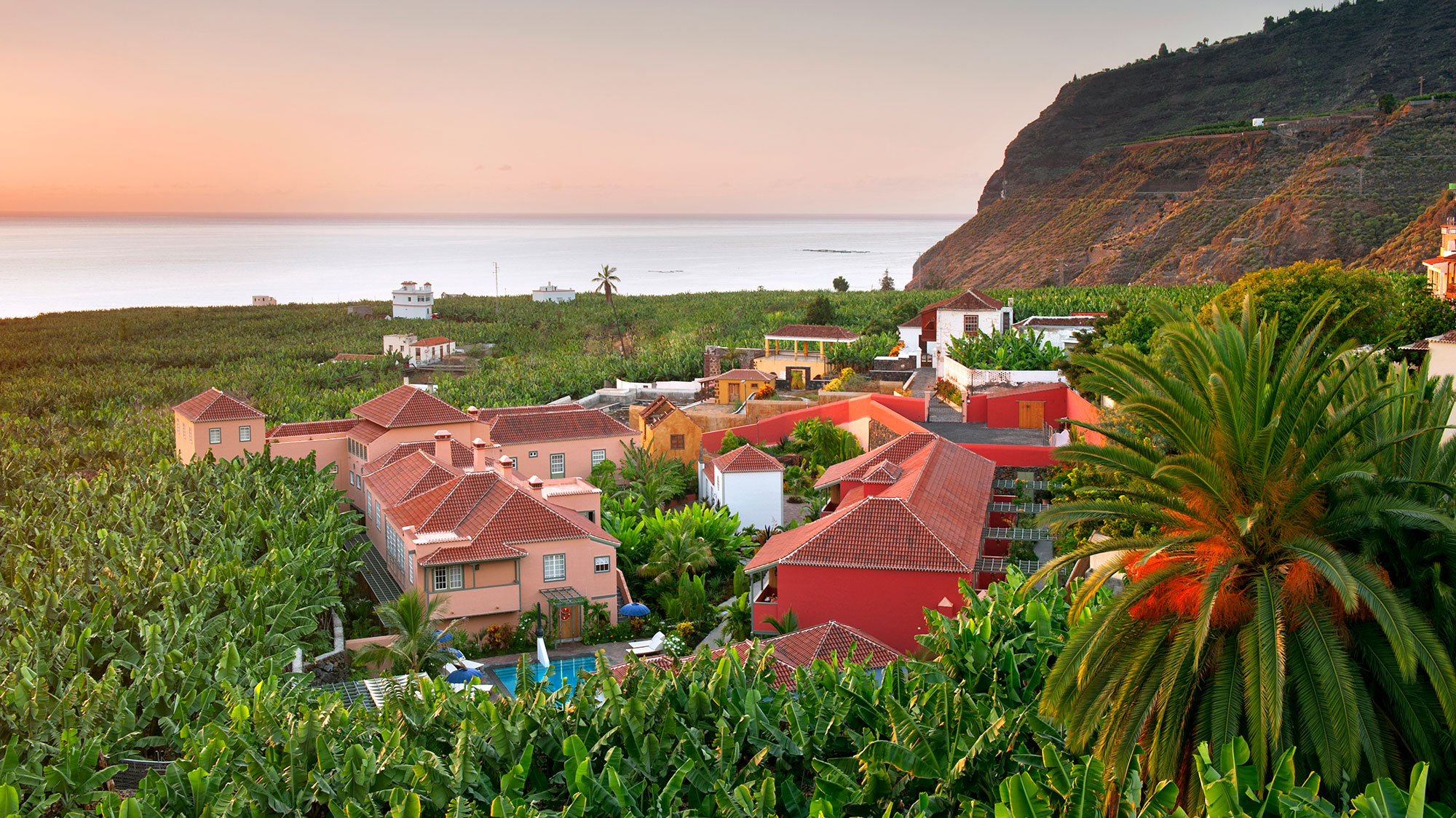
 Calle Miguel de Unamuno, 11, Santa Cruz de Tenerife, Spain, 38770
Original Property Opened in 1493
Historic Hotels Worldwide member since 2021
Calle Miguel de Unamuno, 11, Santa Cruz de Tenerife, Spain, 38770
Original Property Opened in 1493
Historic Hotels Worldwide member since 2021
- The 2026 Top 25 Historic Hotels Worldwide® Most Magnificent Gardens List Is Announced
- The 2026 Top 25 Historic Hotels Worldwide® Most Romantic Hotels List Is Announced
- The 2025 Top 25 Historic Hotels Worldwide® Culinary Heritage and Traditions List Is Announced
- The 2025 Top 25 Historic Hotels Worldwide® Most Magnificent Art Collections List Is Announced
- The 2024 Top 25 Historic Hotels Worldwide® Most Magnificent Gardens List Is Announced
- The 2024 Top 25 Historic Hotels Worldwide® Most Romantic Hotels List Is Announced
- The 2023 Top 25 Historic Hotels Worldwide® Most Magnificent Art Collections List Is Announced
- 2022 Top 25 Historic Hotels Worldwide Most Magnificent Art Collections
- The 2022 Top 25 Historic Hotels Worldwide Most Magnificent Gardens
- 2022 Top 25 Historic Hotels Worldwide® Most Romantic Hotels




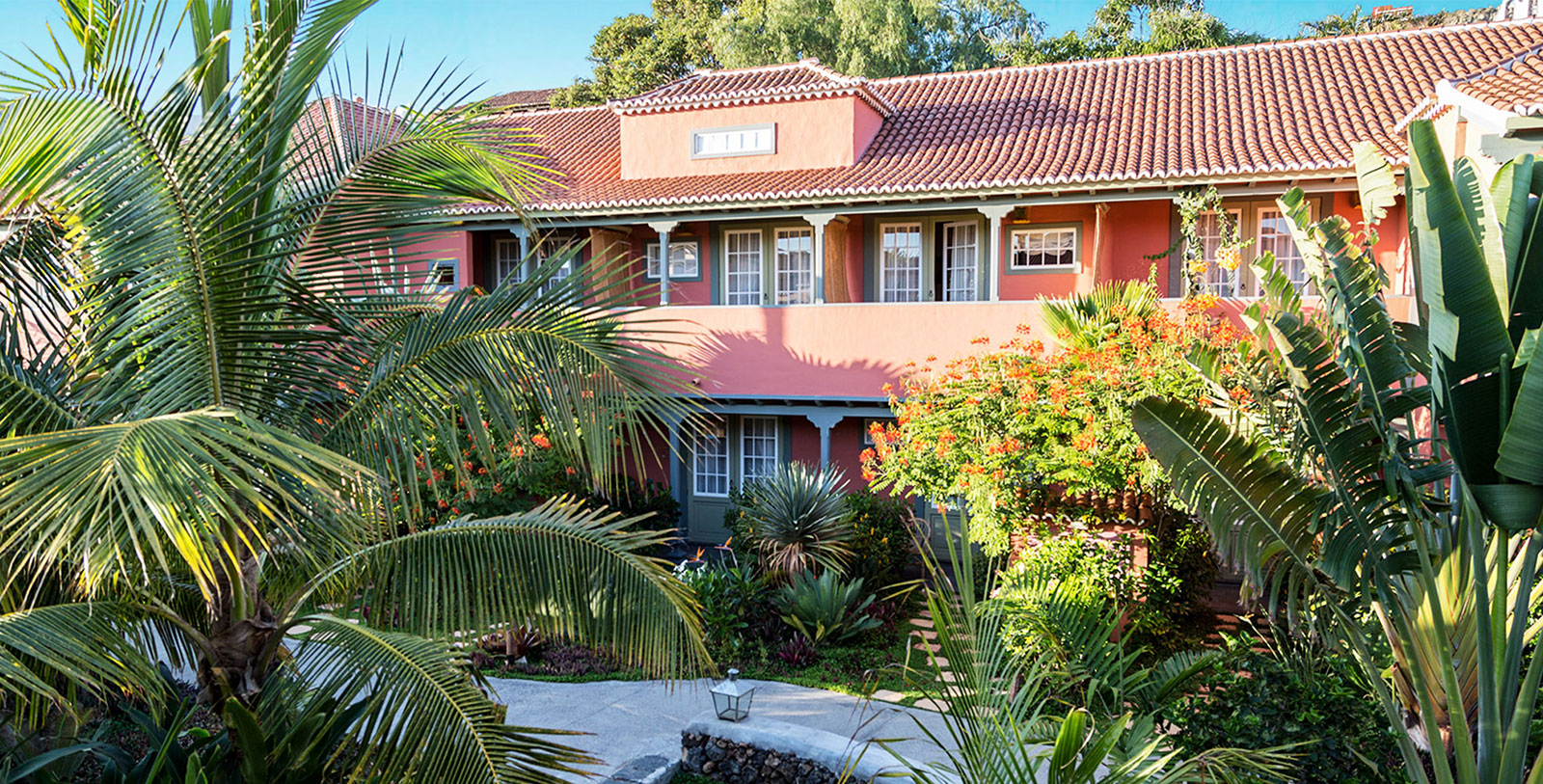
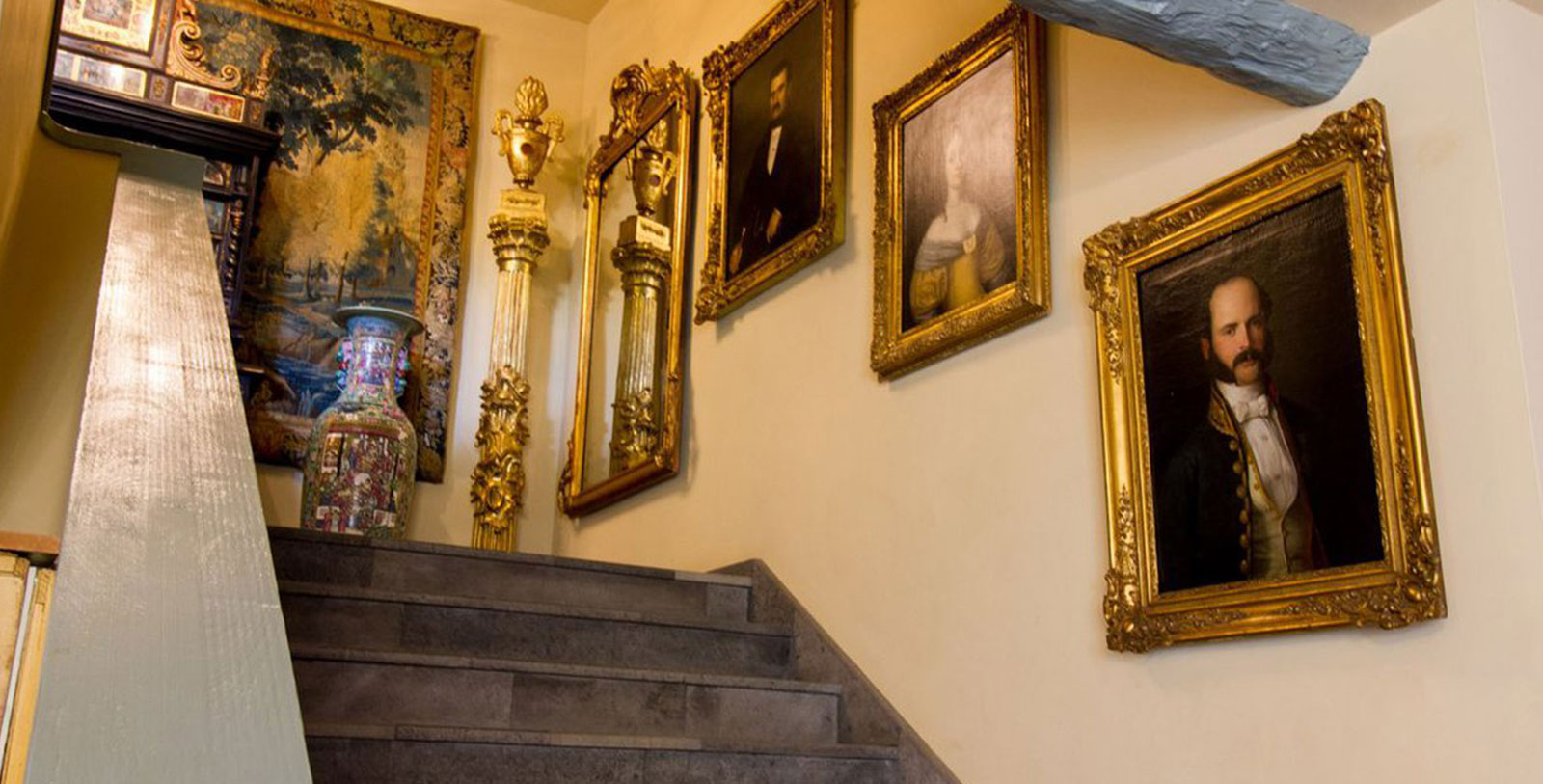
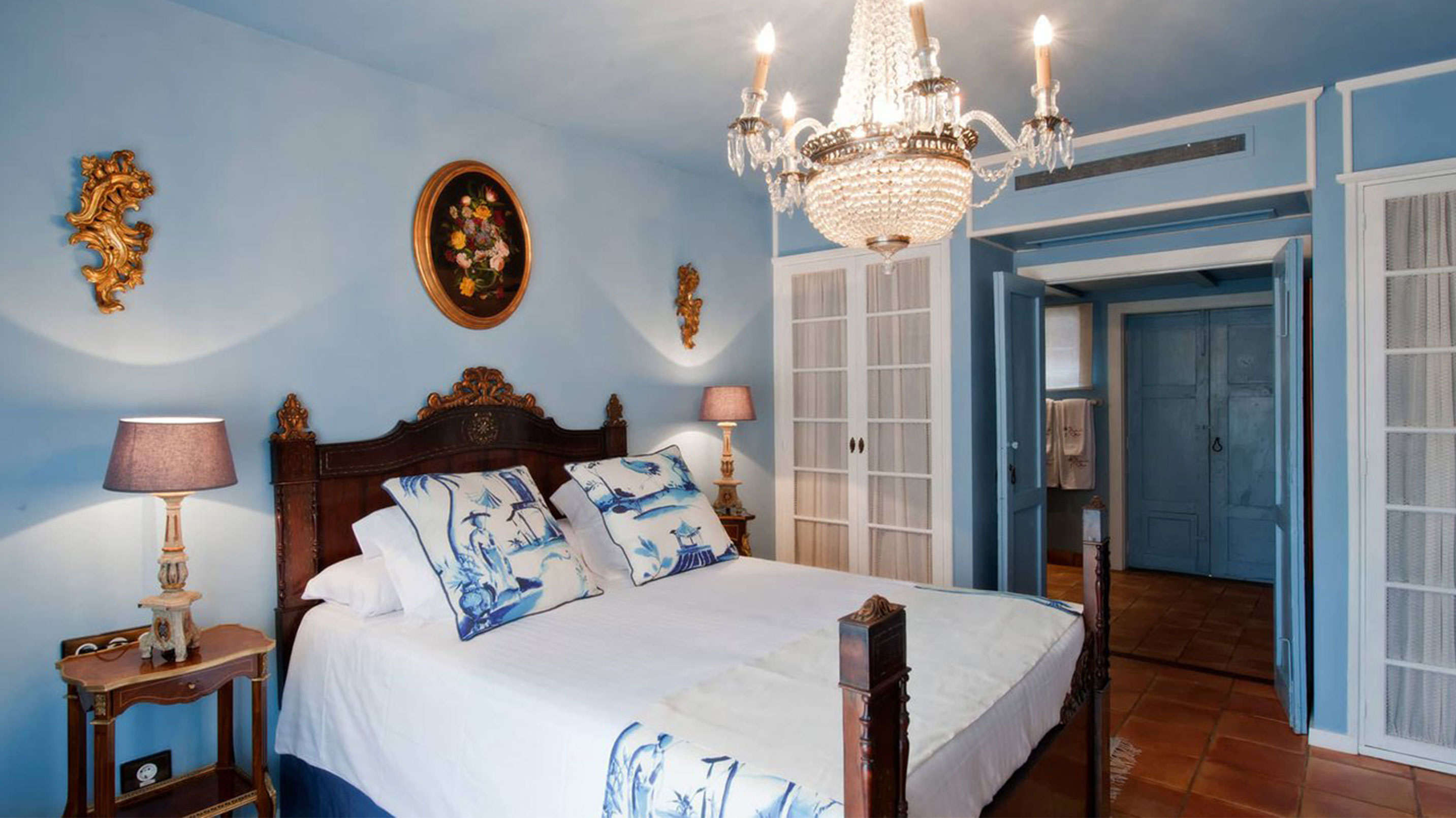
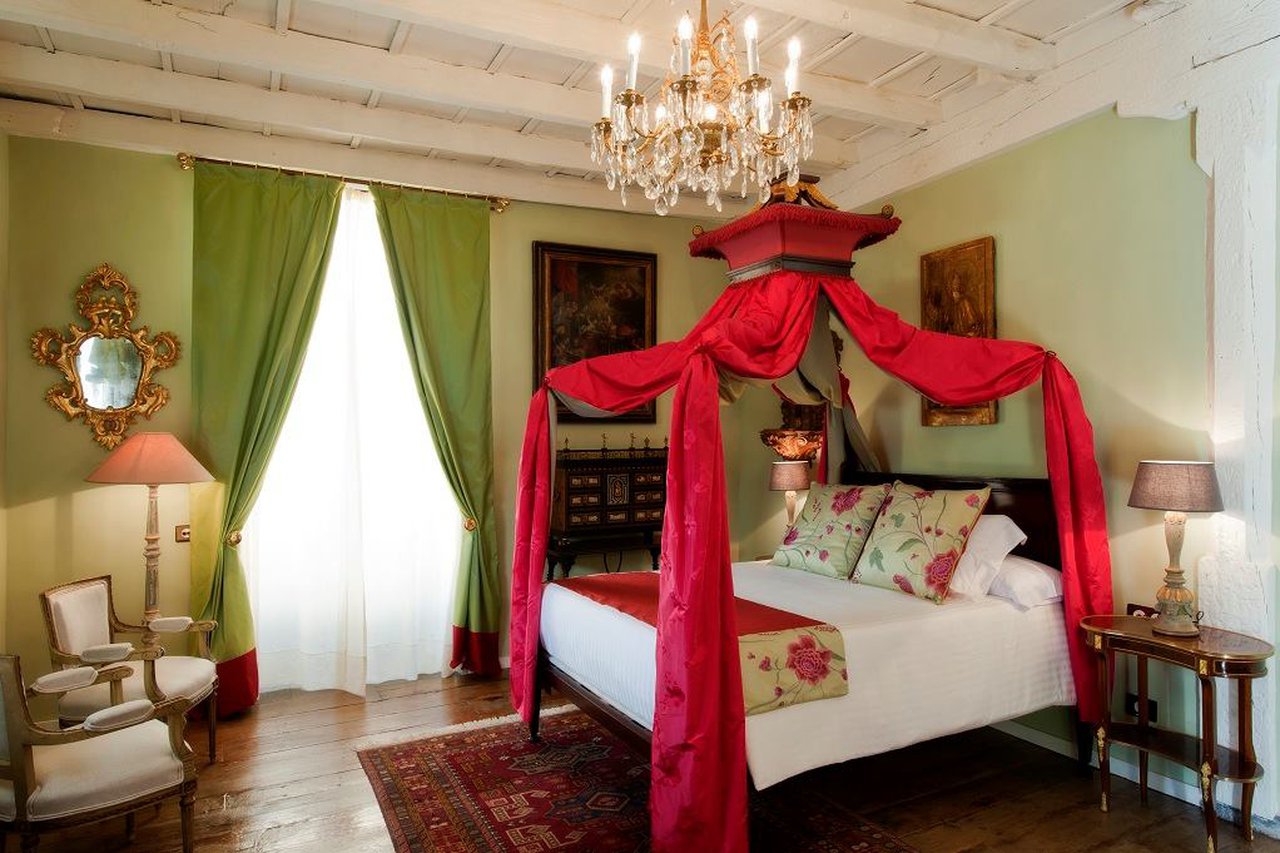
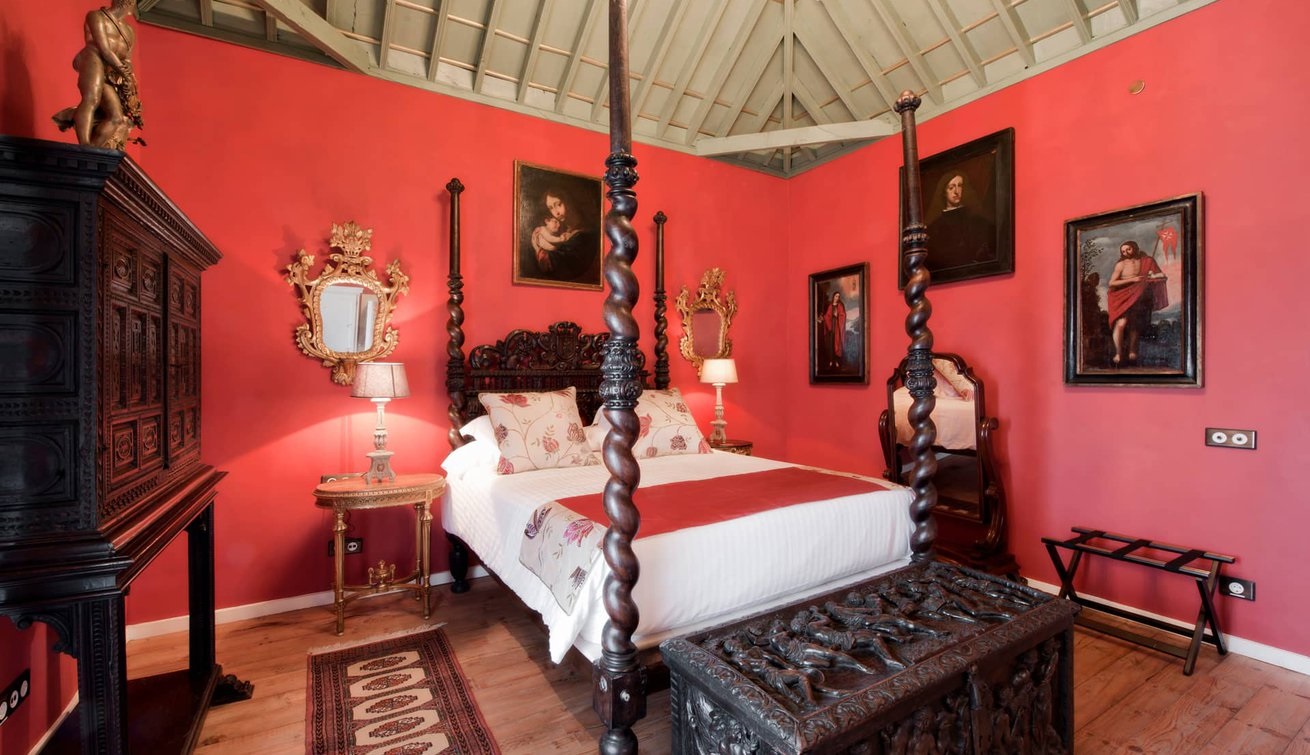
A member of Historic Hotels Worldwide since 2021, the Hotel Hacienda de Abajo is rich in both history and culture. This fabulous historic destination has resided within the Canary Islands for centuries, specifically in the historic quarter of Tazacorte on the isle of La Palma. The La Palma itself is the greatest agricultural area in the Canary Islands, as well as one of its most culturally vibrant. The Hotel Hacienda de Abajo’s connection to La Palma’s past is significant, too, for the estate grew from the nucleus of a prosperous 17th-century sugar plantation. In fact, most of the buildings located on-site emerged as a result of the lucrative trade in sugar between the estate and markets in Flanders, Andalusia, and the West Indies. The influx of new wealth also enabled the manor’s historic owners to acquire a massive collection of rare artwork and artifacts from both Europe and Asia. Still present today, the collection boasts some of the best historical tapestries in the Canary Islands (specifically French and Flemish pieces from the 16th to the 18th centuries); a valuable art gallery with works from the 15th to the 20th centuries; European furniture from the 17th to the 19th centuries; delicate religious carvings from the 16th to the 19th centuries; and Chinese goods that date from the Tang Dynasty to the Qing Dynasty. This amazing destination has subsequently undergone numerous renovations that have successfully preserved the series of historic buildings that constitute the hotel today. Its historic uniqueness has even been officially honored by its classification as the first emblematic hotel in the region. As such, no place is better for a wonderful cultural heritage experience throughout the Canary Islands than the Hotel Hacienda de Abajo.
Discover
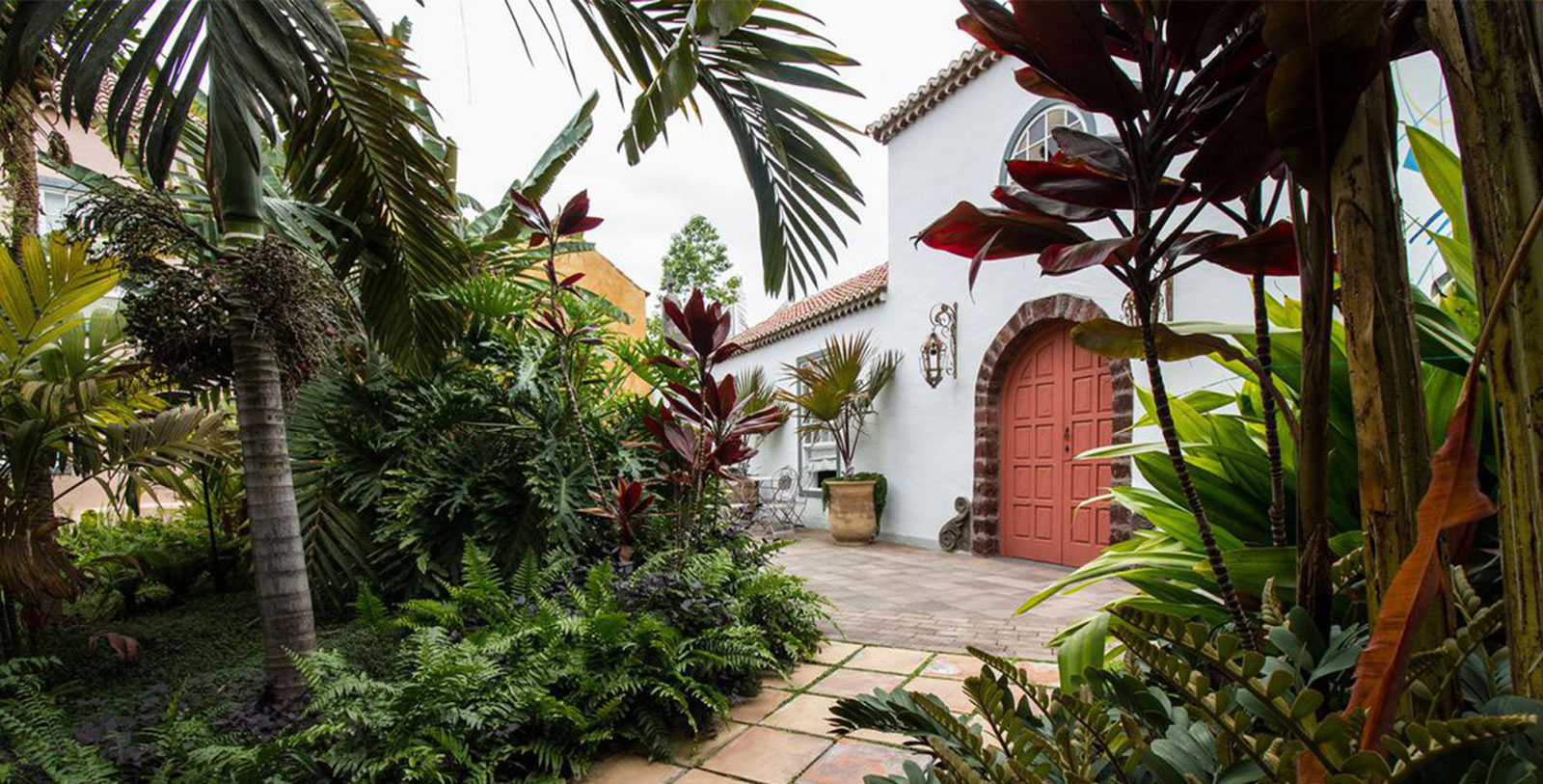
- Discover the brilliant Spanish Colonial architecture that defines the Hotel Hacienda de Abajo. Originally developed around the start of the 16th century, the hotel was once the most prosperous sugarcane plantation on the entire island of La Palma. The main building itself dates back to the 17th century when Pedro José de Sotomayor Topete Massieu Vandale constructed the Casa Principal of Tazacorte.
- Admire the beautiful walled garden and its historic banana trees. In 1613, the first generation of those trees were imported directly from South America to help provide a supplemental source of income for the hacienda. As such, the banana trees that call the Hotel Hacienda de Abajo home were the first to ever appear on the island!
- Gaze upon the fascinating historical artwork that resides throughout the Hotel Hacienda de Abajo. In fact, the hotel boasts the best collection of tapestries in the Canary Islands, with French and Flemish pieces from the 16th to the 18th centuries; European furniture from the 17th to the 19th centuries; Chinese porcelain that dates from the Tang Dynasty to the Qing Dynasty; and a whole host of other rare items.
Explore
- Explore the night sky from the famous Observatorio Roque de los Muchachos (Roque de los Muchachos Observatory). Scientists have constructed many telescopes across the neighboring Roque de los Muchachos, due to its towering geography. And while around a dozen telescopes currently reside in the region, the most famous is the Gran Telescopio Canarias or “GranTeCan.”
- Visit The Interpretation Center of the Caños de Fuego Volcanic Cavities. This fascinating cultural institution is dedicated to educating guests from around the world about La Palma’s rich volcanic geography and the vibrant ecosystem that has evolved around it.
- Travel to the Salinas de Fuencaliente (Fuencaliente Saltworks). Founded by the Hernández Villalba during the early 1960s, it is one of the few remaining salt fields active throughout the entire Canary Islands. The site consists of several flat pans that collect pounds of salt from ocean water piped directly from the Atlantic below.
Experience
- Experience the inherent beauty of Parque Nacional de la Caldera de Taburiente (Caldera de Taburiente National Park). This amazing outdoor destination is named after the “Caldera de Taburiente,” which is a massive volcanic crater with peaks that reach more than 6,500 feet in height. The park is also home to the unique Canary pine tree, as well as many tranquil waterfalls.
- Tour the Museo Arqueológico Benahoarita (Benahorita Archaeological Museum) and learn about La Palma’s ancient history. The museum contains hundreds of artifacts that chronicle the lives of the native Benahoaritas people, who spent generations living inside island’s famous cave network.
- Relax at the Piscinas de La Fajana (Fajana Natural Pools). The destination consists of three natural pools ensconced within volcanic rock that the ocean routinely fills at high tide. Thousands of people have swum within the pools for generations, making the Piscinas de La Fajana one of La Palma’s most famous landmarks.
Taste
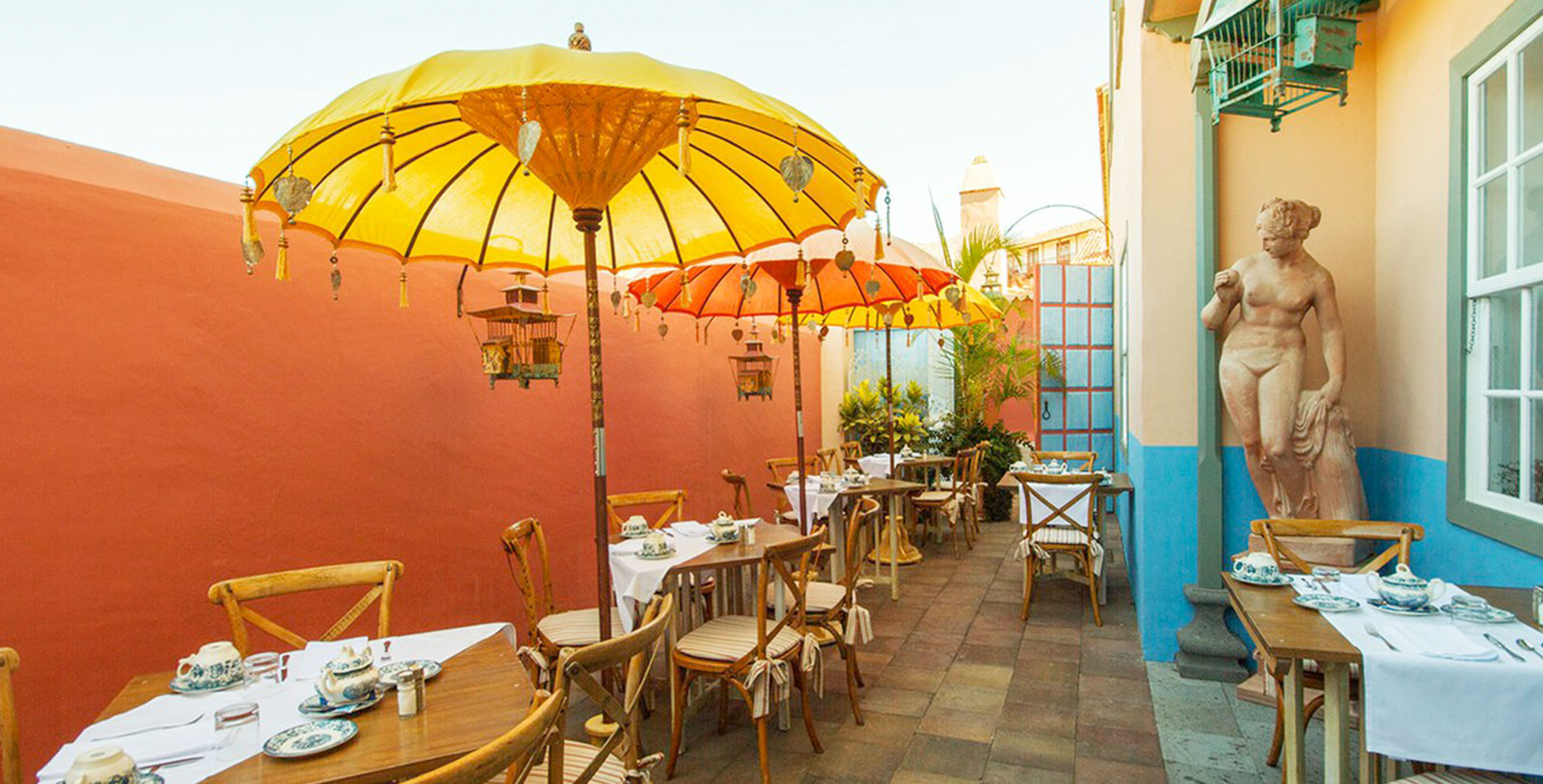
- Taste some fantastic Canarian cuisine inside the El Sitio Restaurant. With outstanding views over the Atlantic Ocean, the ethereal El Sitio restaurant is where extraordinary flavors, intoxicating aromas, and subtle nuances come together to create a spectacular culinary experience.
- Sample a Cocktail Hacienda while basking in the shade of the hacienda’s walled garden. Legend has it that this magnificent beverage was prepared by the housekeepers centuries ago for the children who played among the vegetation. They specifically used the fresh fruit of the loquat tree that sat at the garden’s center.
- Try beloved local dish known as the “papas arrugadas,” which consists of locally grown potatoes. Yet, the potatoes grown on La Palma—and the rest of the Canary Islands—are quite unique, possessing a distinctive texture and flavor due to the archipelago’s volcanic topography. Chefs serve the potatoes boiled and topped with a spicy sauce called “mojo picón.”
FEATURED ACCOMMODATIONS
Featured Offers
Includes buffet breakfast, Chocolates, Bed, Bath Salts, and Internet. Five Year Anniversary only-Tax inclusive.
Enjoy accommodations at best available rate, as well as a celebratory amenity. Amenity varies by hotel.
Book the Best Available Rate at this property on HistoricHotelsWorldwide.com and receive a complimentary one-year family membership (a $30 value) to the National Trust for Historic Preservation in the United States, a member of the International National Trusts Organisation.